Quickshifter and TPMS are optional, front brake setup could feel stronger for some riders
As rituals go, a newly launched motorcycle in India is followed by journalists riding it and giving their opinions, buyers either agreeing or ignoring them before purchasing it, and then comes the emergence of a familiar list of observations made by both parties that stick to the motorcycle. Sometimes manufacturers respond, but often, they don't. Aprilia has chosen to do the former, with the Tuono 457 Special Edition.
It isn't really a special edition in the conventional sense. It replaces the Tuono 457 that came before it, making this closer to a facelift than a limited-run celebration of an existing model. The engine remains the same. So does the aluminium frame, the basic chassis architecture and the performance. The 457 cc parallel-twin continues to produce 47.6 hp and 43.5 Nm, while the electronics retain Ride-by-Wire, three riding modes and adjustable traction control. The 5-inch TFT display stays, too. That might make the Special Edition sound like a minor update. Ride it, however, and the changes begin to make sense.
The Things People Wanted
The original Tuono 457 was never short of talent. I remember riding it and coming away impressed by how much motorcycle Aprilia had managed to package into something so compact. The engine was one of the highlights: responsive, eager and characterful without becoming difficult to use. The chassis had that unmistakable Aprilia quality of feeling light on its feet, and the aluminium frame gave the Tuono an engineering distinction few motorcycles in this class can claim.
The complaints were therefore rarely fundamental. They were the little things. The seat could have been kinder. The suspension, while wonderfully controlled over smaller imperfections, could become a little busy when the road deteriorated. The riding position could have done with a touch more generosity. And then there was the brake lever, which, on a motorcycle at this price, really ought to have offered adjustment from the beginning. These weren't reasons to dislike the Tuono 457. They were reasons to wish it were just a little easier to live with. The Special Edition addresses almost all of them.
Comfort, Without Diluting the Tuono
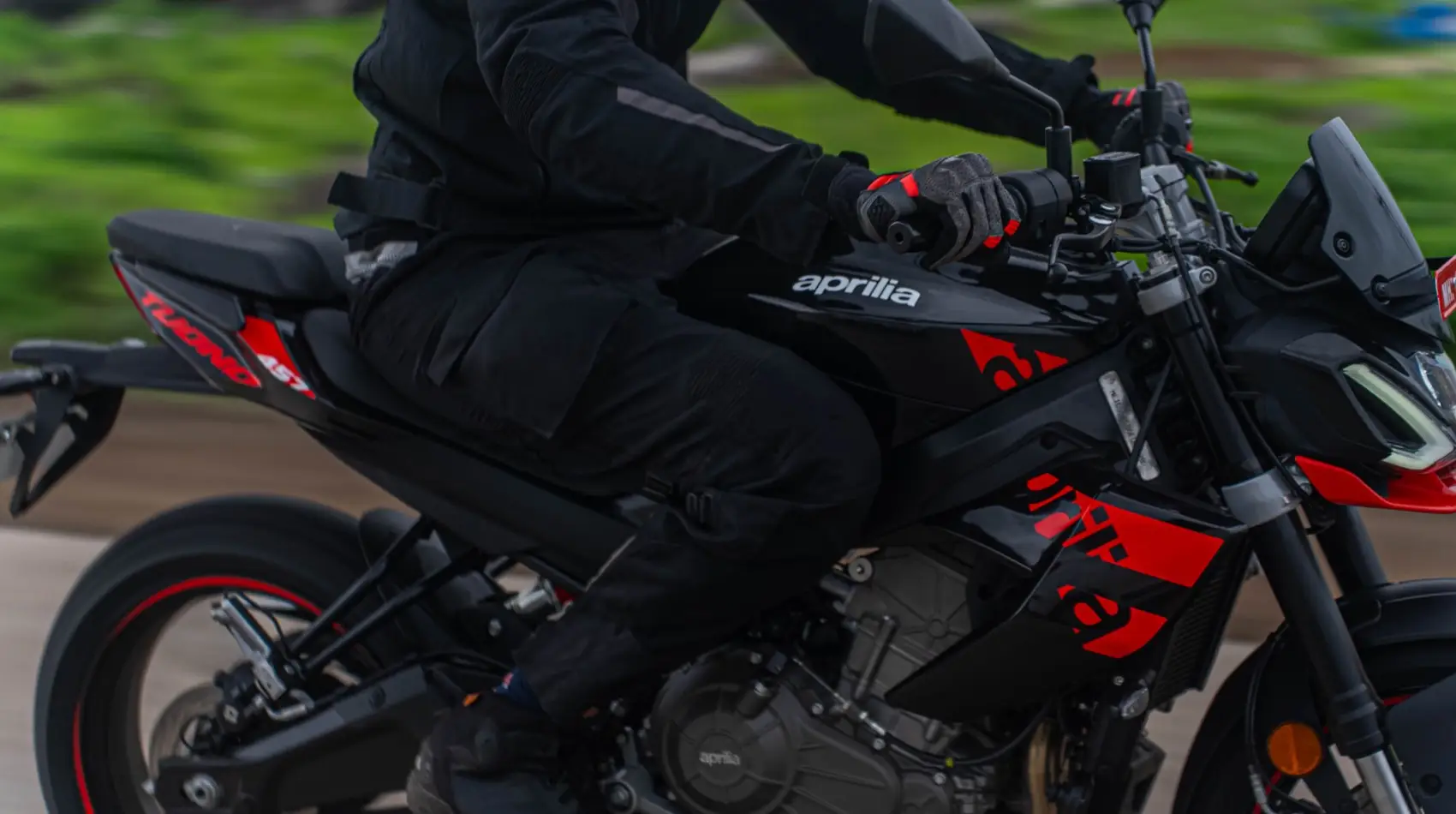
The redesigned saddle is probably the change you'll appreciate most after spending real time on the bike. It has more cushioning and better support, but Aprilia hasn't simply padded it into submission. The seat height doesn't change dramatically, yet the additional support becomes apparent as the hours accumulate.
I found that out over a roughly 75 km ride around Baramati, where Piaggio India's headquarters are located. This was also the first time Aprilia had chosen Baramati as a ride destination, and it turned out to be an unusually appropriate place to experience what the company had done with the Tuono. The roads and highways around the town were a testament to the motorcycle's breadth of ability. There were stretches where the 457 could stretch its legs, sections that demanded changes of direction and enough imperfect surfaces in the adjoining hamlets to expose a suspension setup that might be brilliant on a smooth road but less convincing when the tarmac becomes agricultural.
The new Tuono coped better. Its suspension has been retuned, and this is arguably the most significant engineering change to the motorcycle. The previous setup had an appealing suppleness over smaller bumps but could feel unsettled when confronted with rougher surfaces. The revised calibration introduces greater compliance without blunting the sharpness that makes the Tuono enjoyable in the first place. That balance is important. Aprilia hasn't tried to turn a Tuono into a soft, touring-oriented motorcycle. It has simply made the chassis more accommodating when Indian roads stop behaving like racetracks.
The handlebar is also higher. For an average-height rider, this should make a meaningful difference to the riding triangle and reduce some of the forward bias in the original. At 6ft 3in, I belong to a particularly unrepresentative demographic and found the few extra millimetres less transformative than I suspect most riders will. Still, the intent is clear: Aprilia has looked at how people use this motorcycle beyond a fast corner. And then there is the adjustable brake lever. It should have been there from day one. It is there now. Good.
The Changes You Can See
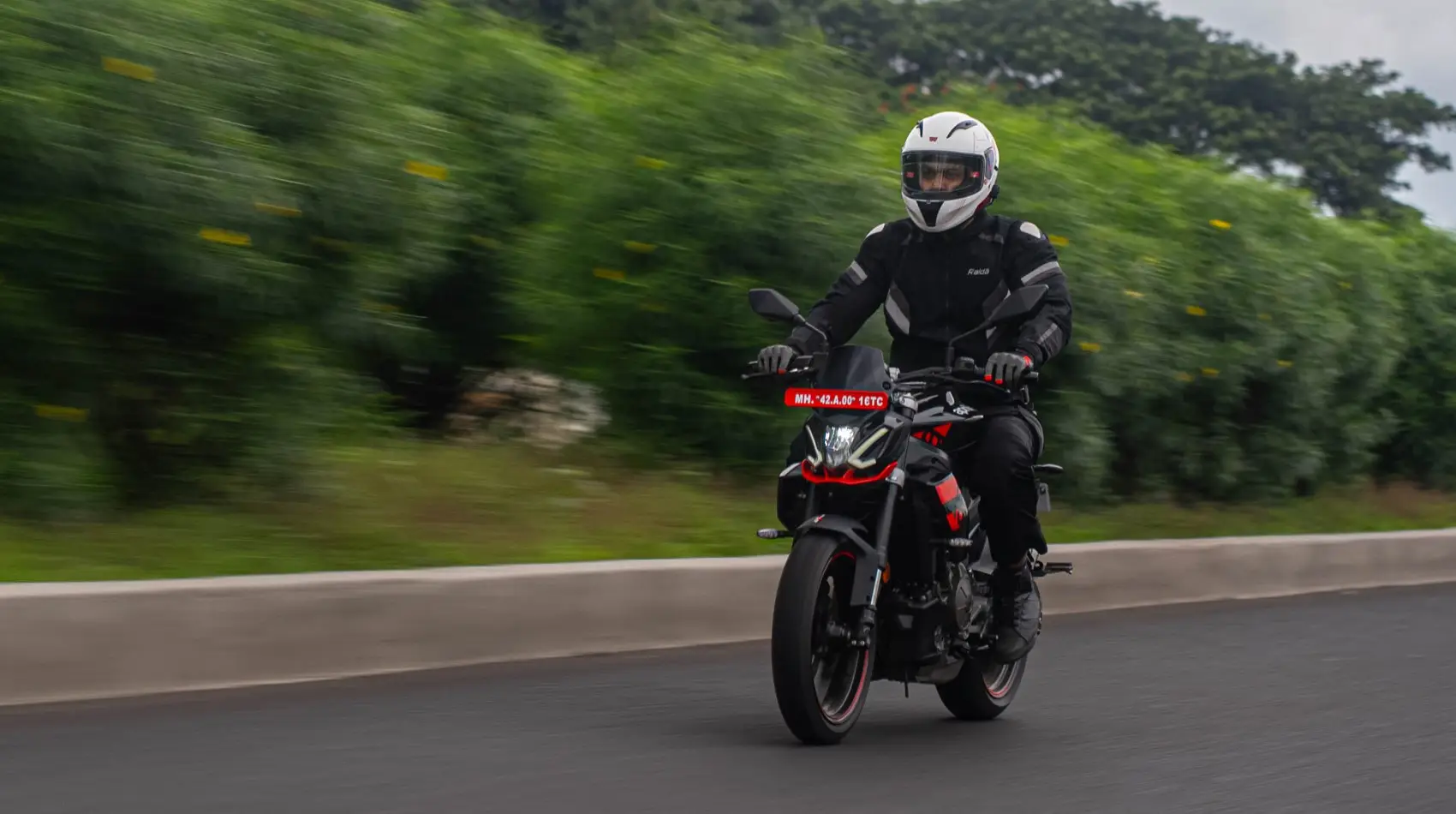
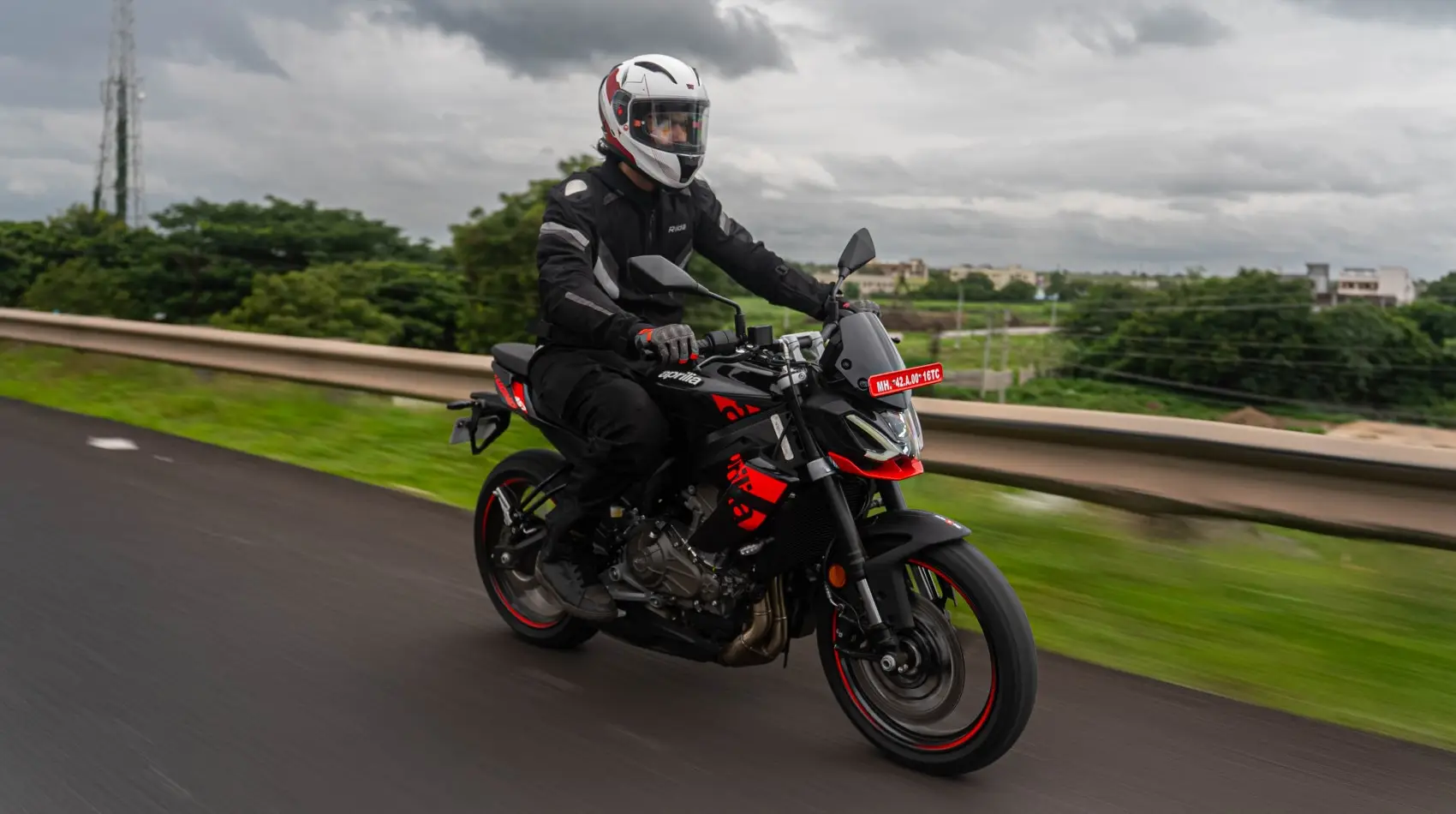
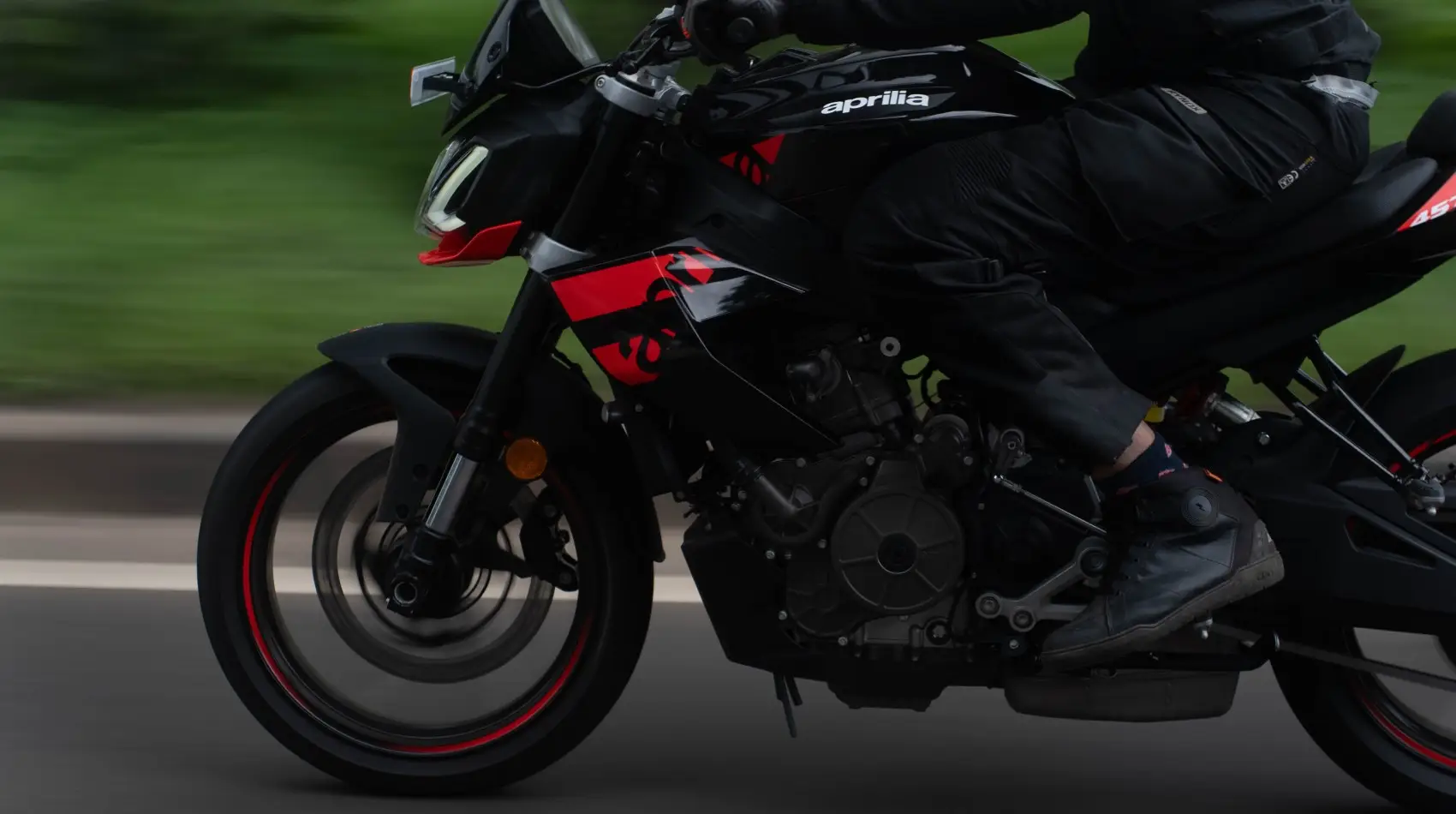
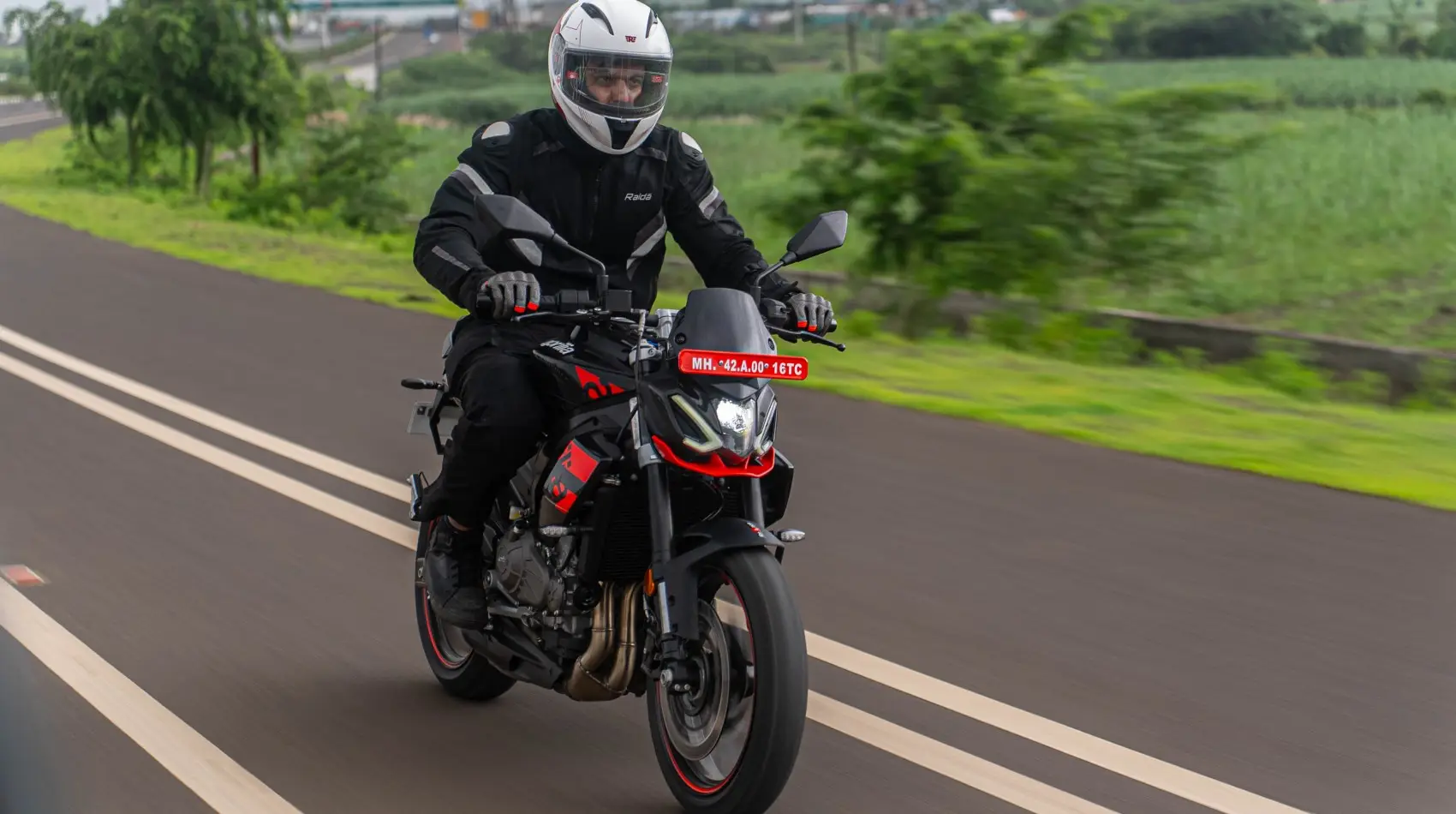
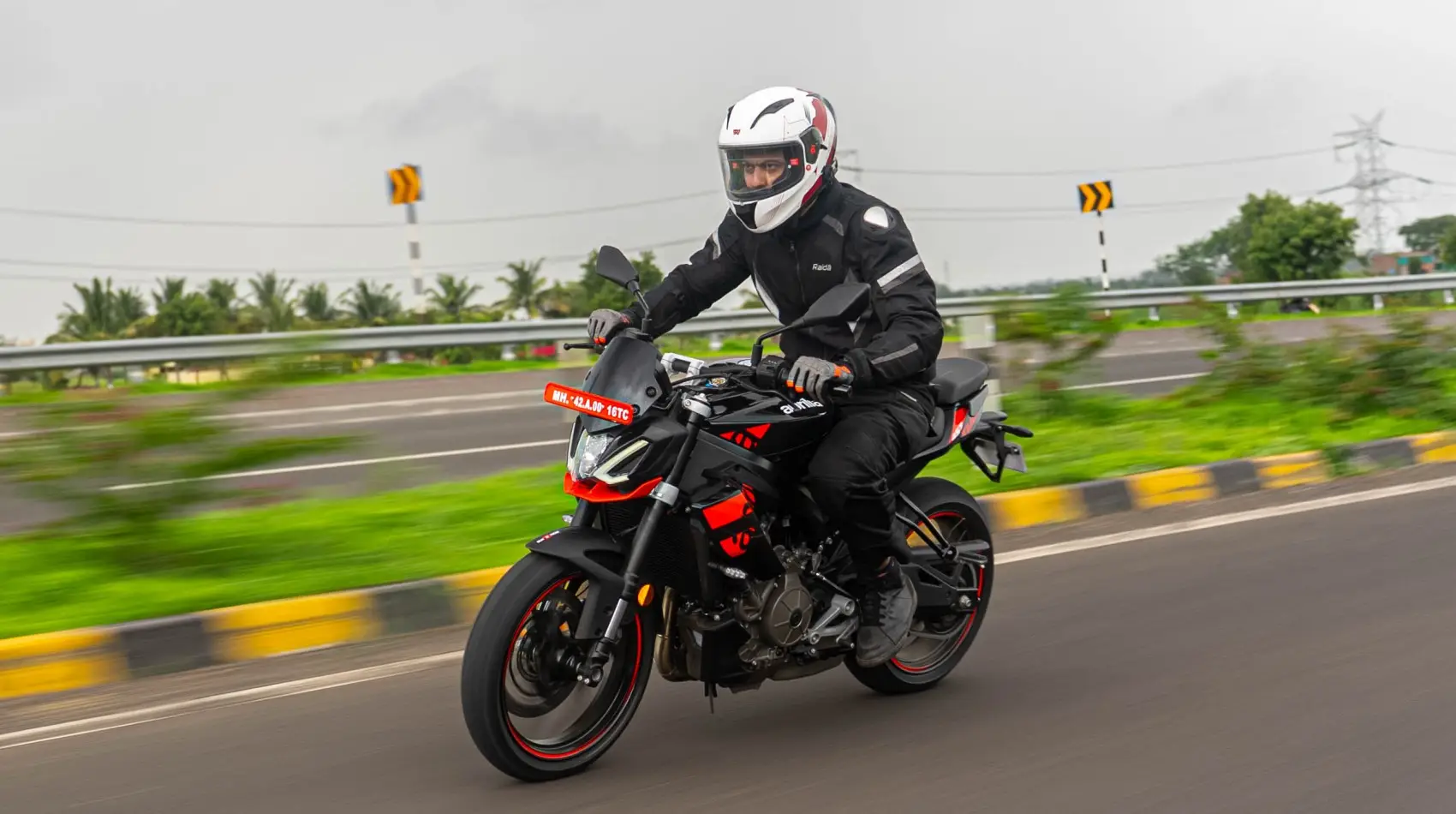
The visual changes are more straightforward. The Special Edition comes in Mamba Black, with a striking blood-red treatment, and Puma Grey, which gets contrasting white and red detailing. There are fresh graphics and a revised wheel-rim design, giving the motorcycle a more contemporary appearance without interfering with the basic Tuono shape.
The new flyscreen is a particularly neat touch. It sharpens the front end and gives the bike a slightly more purposeful face, but it also has a practical benefit. At highway speeds, it takes some of the wind pressure off the rider's chest. That's exactly the sort of change I appreciate. It serves a visual purpose, but there is an engineering reason for it too. The Tuono remains an unapologetically naked motorcycle, though. Aprilia hasn't attempted to turn it into an RS 457 without fairings.
The Good Stuff Was Already Good
The temptation with an update is to change things simply to justify the existence of the new model. Aprilia has resisted that. The 457 cc parallel-twin remains the same, producing 47.6 hp and 43.5 Nm, paired with a six-speed gearbox. The aluminium frame remains a defining feature, as does the lightweight chassis. The suspension retains preload adjustment at both ends, while the 17-inch wheels continue to wear 110/70 front and 150/60 rear rubber.
The electronics package also carries over: Ride-by-Wire, three riding modes, adjustable traction control, dual-channel ABS and the 5-inch TFT display. And I'm glad it does. The Tuono's engine didn't need more power. Its chassis didn't need reinventing. There was no need to chase a higher top speed or add another riding mode simply because the competition might have one. The 457's appeal has always been its balance. This update protects that balance.
The List Isn't Completely Crossed Off
There are still things on the wish list. The quickshifter remains an accessory, as does TPMS. Aprilia's official accessory catalogue lists the bi-directional quickshifter and tyre-pressure monitoring system separately, rather than including them as standard equipment. Some riders also criticised the original bike's front braking setup. I wasn't among them; I found the standard system perfectly adequate. For those who want more bite, sintered front brake pads are available as an accessory. These omissions aren't deal-breakers, but they do underline what the Special Edition is, and what it isn't. This isn't a ground-up second generation. It's a carefully considered Version 1.2.
A Different Kind of Special Edition
What I like most about the Tuono 457 Special Edition is the philosophy behind it. There is no attempt to one-up the previous motorcycle with a bigger number on the specification sheet. Instead, Aprilia appears to have asked a much more useful question: how are people actually living with this motorcycle? The answer has resulted in a better seat, a more accommodating riding position, revised suspension, an adjustable brake lever and a small aerodynamic improvement.
These aren't the things that make for the loudest launch headlines. They are the things you notice after you've spent a few hours in the saddle. And perhaps that is why the ride around Baramati worked so well. The roads around Piaggio India's home territory provided enough variety to expose the motorcycle's strengths and its previous shortcomings. After 75 kms, the changes felt less like a marketing exercise and more like the result of someone having actually read the feedback.
The price remains ₹3.99 lakh ex-showroom, which makes the changes even more interesting. Aprilia hasn't used the update as an excuse to reposition the motorcycle or charge substantially more for what is, fundamentally, the same excellent mechanical package. It has simply listened where it mattered. And that deserves some real credit.