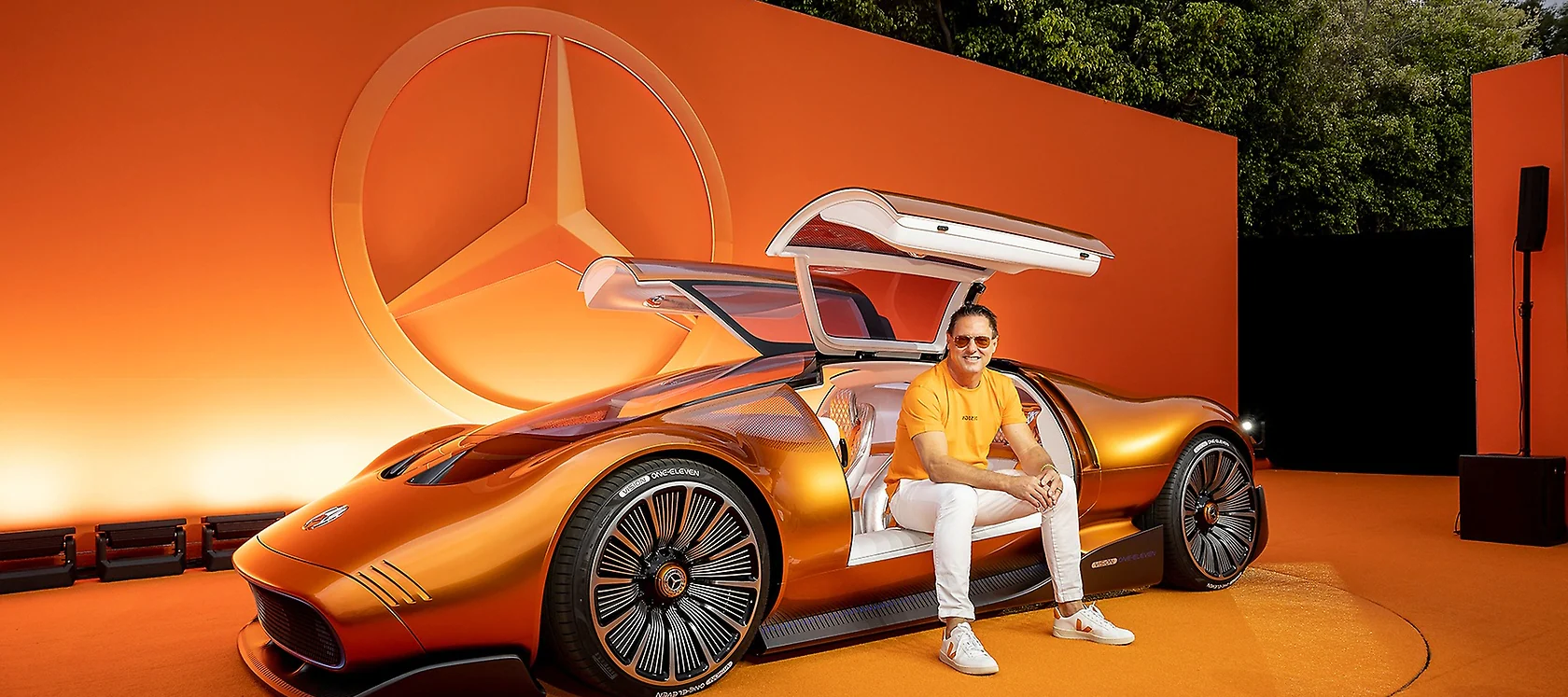
After nearly three decades shaping the visual identity of Mercedes-Benz, Gorden Wagener has announced he will step down from his role as the company’s design chief early next year, bringing to a close one of the most influential design tenures in modern automotive history.
Wagener, who joined Mercedes-Benz in 1997, has been a central figure in defining how the brand looks today. Over the years, he progressed through the company’s design ranks before taking charge of global design operations in 2008. In 2016, he was appointed Chief Design Officer, a position that placed him at the heart of Mercedes’ creative direction during a period of major technological and stylistic change.
His departure, scheduled for January 31, 2026, comes by mutual agreement and marks a significant transition for the German luxury carmaker as it continues to adapt to electrification, digitalisation, and shifting consumer tastes.
When Wagener assumed leadership of Mercedes’ design department, the brand was widely regarded as conservative and heavily engineering-focused in its styling. One of his key goals was to inject more emotion into the brand’s vehicles without compromising their premium character. This ambition led to the introduction of a design philosophy he described as “Sensual Purity,” which focused on clean surfaces, sculpted forms, and a balance between elegance and athleticism.
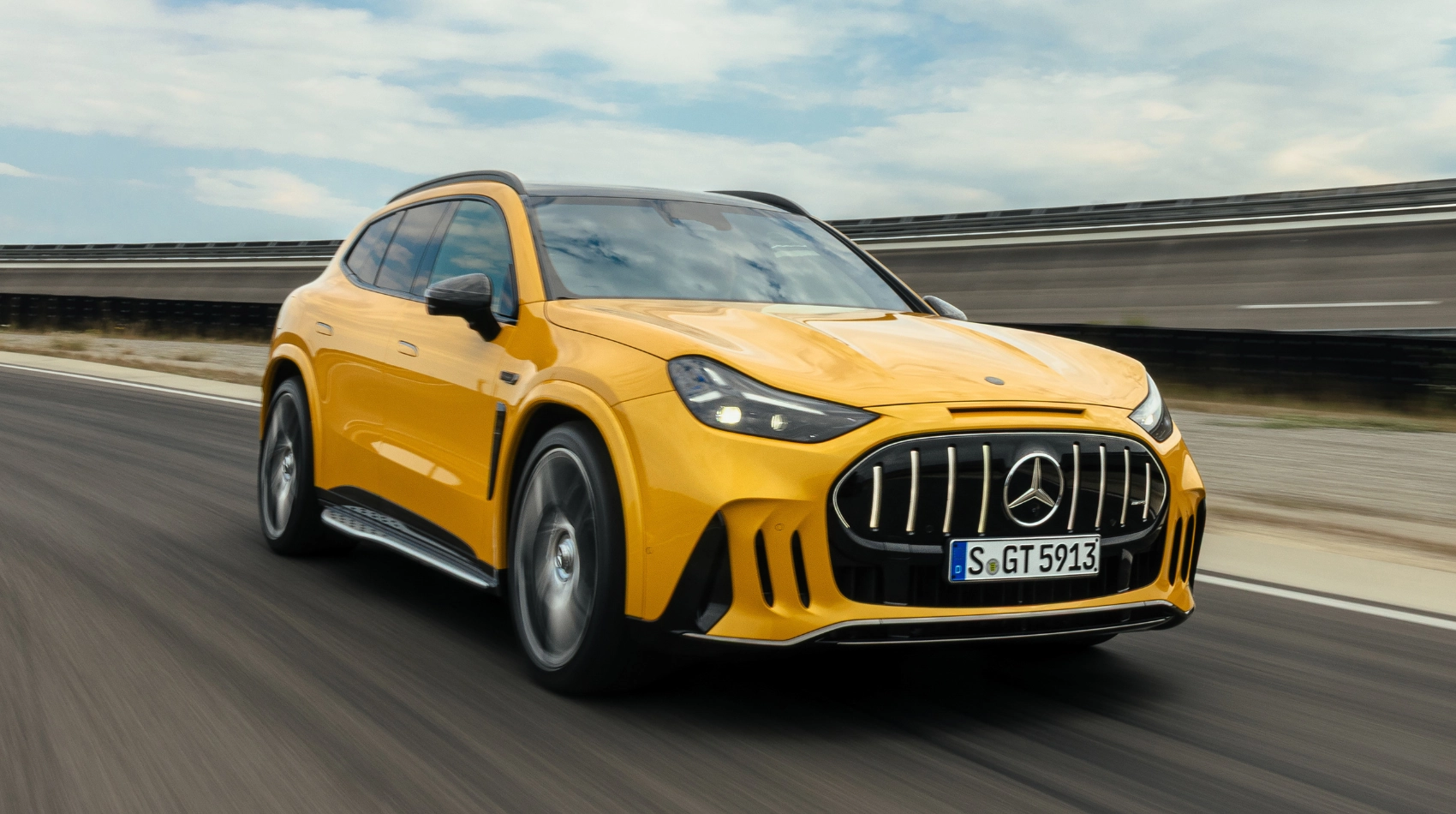
This new approach became visible across the model range, from compact cars to luxury sedans and coupes. Vehicles such as the CLS helped redefine Mercedes’ image, attracting new customers and positioning the brand as both technologically advanced and visually expressive. Over time, the influence of this design language spread throughout the lineup and became closely associated with the modern Mercedes-Benz identity.
One of Wagener’s most celebrated projects was the Mercedes-AMG GT, a sports car that showcased bold proportions and a confident stance. The model stood out for its distinctive character and demonstrated the design team’s willingness to push boundaries while staying true to the brand’s performance heritage.
Beyond production vehicles, Wagener also played a key role in shaping Mercedes’ broader creative vision. Under his leadership, the company explored design beyond traditional cars, including concept vehicles and collaborations that extended into areas such as architecture and mobility concepts. These projects allowed Mercedes to experiment with future ideas and preview how design could evolve in a rapidly changing industry.
However, Wagener’s tenure was not without criticism. The introduction of the brand’s electric EQ models sparked debate, particularly regarding their smooth, highly aerodynamic shapes. Some critics felt these designs lacked the visual presence and luxury cues traditionally associated with Mercedes, while others praised their efficiency-focused approach. The mixed reception highlighted the challenges of balancing aerodynamics, sustainability, and brand identity in the electric era.
As part of the leadership transition, Mercedes-Benz has confirmed that Bastian Baudy will succeed Wagener as head of design starting February 1, 2026. Baudy, currently leading design at Mercedes-AMG, represents a new generation of creative leadership and brings experience shaped by performance-oriented projects.
The company has publicly acknowledged Wagener’s contribution, crediting him with helping to modernize Mercedes-Benz and establish a strong, globally recognizable design language. His influence can be seen across multiple generations of vehicles and has played a major role in shaping how the brand is perceived worldwide.
Ola Källenius, Chairman of the Board of Management of Mercedes-Benz Group AG, says, “Gorden Wagener has shaped the identity of our brands with his visionary design philosophy. Over many years, he has made a decisive contribution ensuring that our innovative products are synonymous with unique aesthetics worldwide. His creativity and his sense for the future of automotive design have sustainably enriched Mercedes-Benz. I would like to thank Gorden for his commitment, his exceptional work and his lasting influence – and wish him all the best for the future.”
As Wagener prepares to move on, his legacy remains deeply embedded in the company’s design DNA. While opinions on specific models may differ, his impact on Mercedes-Benz is undeniable. The transition to new leadership signals the beginning of another chapter, as the brand looks ahead to redefining luxury design for a new automotive era.