If you ask most people to name an Italian dream car, they'll probably say Ferrari or Lamborghini. But spend a day with a Maserati, and you'll realise Italy has always had another way of doing things. Founded in 1914, Maserati predates both Ferrari and Lamborghini, and its famous Trident, inspired by Neptune's statue in Bologna, has become one of the most recognisable badges in motoring. As the emblem approaches its centenary, it represents far more than a logo. It stands for an era when Italian performance was defined as much by elegance and long-distance touring as it was by outright speed.
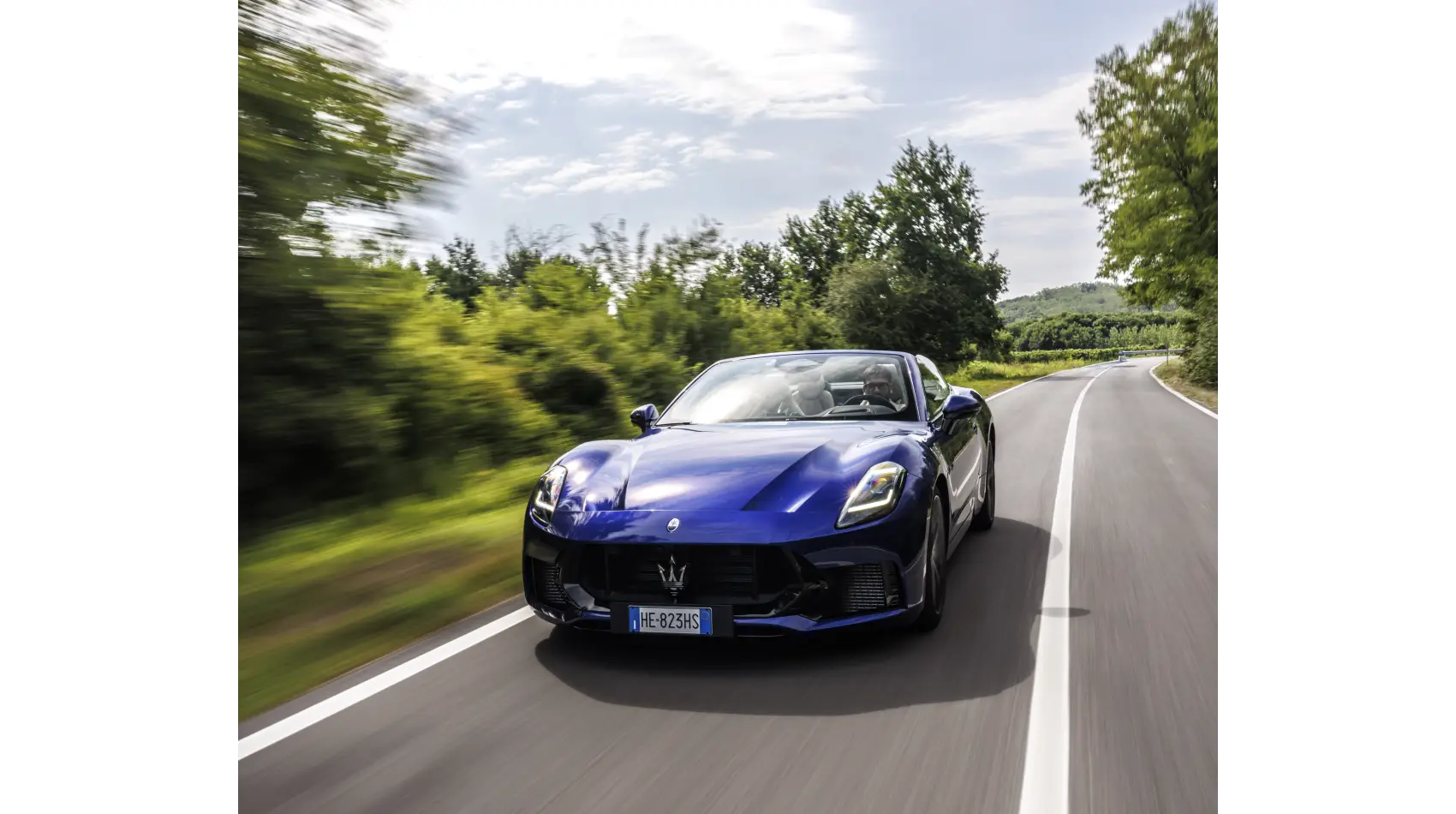
That thought crossed my mind somewhere outside Trieste. The Adriatic shimmered on one side, limestone cliffs towered on the other, and the GranCabrio settled into a rhythm that felt almost effortless. It wasn't begging to be driven flat out or constantly shouting about its performance credentials. Instead, it quietly encouraged me to slow down, drop the roof and simply enjoy one of Europe's great driving roads. That's exactly what this car is. It isn't a sports car pretending to be comfortable, nor is it a grand tourer making excuses for being slow. It's a proper GT that just happens to be seriously quick, and there's an important distinction.
These days, every manufacturer seems desperate to convince you that its latest model is the fastest, sharpest or most technologically advanced thing on four wheels. Maserati isn't playing that game. Perhaps that's because a company with more than a century of heritage doesn't need to. The latest GranCabrio feels like a gentle reminder that driving isn't always about shaving tenths off a lap time. Sometimes it's about taking the long way home.
Nettuno: The Heart of the GranCabrio
The numbers tell you the Nettuno V6 is quick. The road tells you something slightly different. What impressed me wasn't how rapidly it reached three-digit speeds, but how effortlessly it got there. The twin-turbocharged V6 always seems to have another reserve of torque waiting, making overtakes feel almost lazy. The eight-speed automatic never appears flustered either. It simply picks the right gear, delivers the power and gets on with the job.
Yes, there's some very clever Formula 1-inspired combustion technology buried deep inside the engine, but honestly, you don't spend your day thinking about combustion chambers. You think about how easy the GranCabrio is to drive quickly. It's fast without ever feeling intimidating, and that's exactly how a grand tourer should behave.
Still, I'd be lying if I said I didn't miss the old naturally aspirated Maserati V8. The Nettuno is unquestionably the better engine on paper, but emotionally that V8 had a soundtrack capable of making even an ordinary tunnel feel like an event. The new V6 sounds good. The old one sounded unforgettable.
Built to Cover Countries
The biggest surprise wasn't the engine. It was the ride. Modern performance cars often mistake stiffness for sophistication, but Maserati hasn't fallen into that trap. The GranCabrio glides over broken tarmac with a composure that's becoming increasingly rare, yet it never feels disconnected from the road beneath you. Through long sweeping corners overlooking the Adriatic, it feels planted and reassuring rather than razor sharp, and honestly, I think that's exactly the point.
The new Country mode might sound like something you'll never use until you remember where this car is likely to spend much of its life. Indian speed breakers, steep driveways and less-than-perfect roads suddenly become far less intimidating with an extra 20 mm of ground clearance. It's the sort of feature that won't make headlines but could make ownership significantly easier.
Not Everything Is About Lap Times
If your idea of driving perfection is attacking every corner like you're qualifying for Le Mans, buy the Porsche 911 Cabriolet. It's still the more precise driver's car. The steering talks more, the chassis feels tighter and it encourages you to push harder every kilometre.
The Maserati simply isn't interested in that conversation. Push it hard and you'll notice a little scuttle shake over rough roads, something that's almost unavoidable in a convertible. It's never enough to spoil the drive, but it's there. Rear visibility with the roof up could also be better and, once you start ticking options, the final price climbs alarmingly quickly. None of those are deal-breakers. They're simply reminders that this is a different kind of luxury performance car.
The Trieste Moment
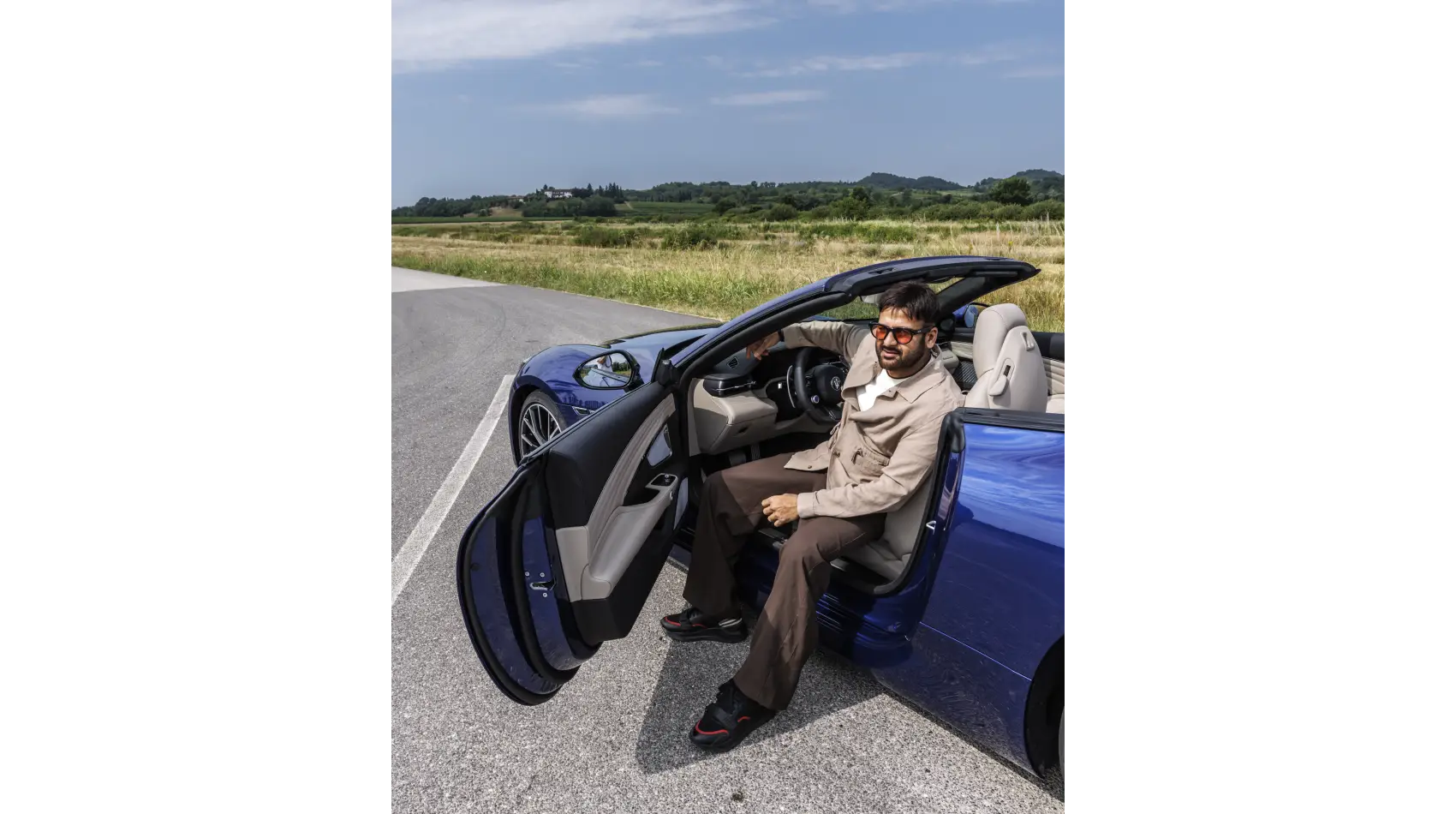
Late in the afternoon, I pulled over overlooking the Adriatic, switched the engine off and simply sat there for a minute. Most performance cars leave you talking about horsepower or lap times. The GranCabrio left me thinking about the road I'd just driven. That's quite a difference. It reminded me that some cars are memorable because they're outrageously fast. Others are memorable because they make you feel something. The Maserati belongs firmly in the second camp.
India Verdict
Maserati will bring both versions of the GranCabrio to India: the Modena and the more powerful Trofeo. For most buyers, though, I'd argue the Modena is the sweet spot. It delivers more than enough performance for Indian roads, retains the same sense of occasion and grand touring ability, and is likely to be the version that best captures what this car is actually about.
The Trofeo, with its extra power and sharper edge, will naturally appeal to those who simply want the fastest GranCabrio available. But after spending a day on the roads around Trieste, I'm not convinced outright speed is the point of this car. The GranCabrio is at its best when you're covering hundreds of kilometres with the roof down, enjoying the journey rather than chasing lap times.
Whichever version you choose, the competition is formidable. The Porsche 911 Cabriolet remains the benchmark for outright driver involvement, the Mercedes-AMG SL offers a more aggressive personality, and Aston Martin still delivers one of the most special cabins in the segment.
Yet none of those cars approach the job in quite the same way as the Maserati. The GranCabrio doesn't try to dominate through numbers. Instead, it wins you over gradually through its elegance, comfort and the effortless way it turns every drive into an occasion. It isn't flawless. The cabin could feel a little more bespoke for the money, the touchscreen-heavy interface isn't always ideal and many enthusiasts will continue to miss the glorious naturally aspirated Maserati V8. But after a full day driving through northern Italy, those criticisms felt surprisingly small.
The best grand tourers don't leave you wishing for another 100 horsepower. They leave you wishing the road stretched another 100 kilometres. That's exactly what the GranCabrio Modena did for me.
Verdict
The 2026 Maserati GranCabrio Modena isn't trying to be the fastest convertible in the world, and that's precisely why it works. It's elegant rather than aggressive, relaxed rather than relentless and emotional rather than clinical. In a segment increasingly obsessed with numbers, Maserati has built a car that reminds you why people fall in love with driving in the first place.
A Cabin That Feels Handcrafted
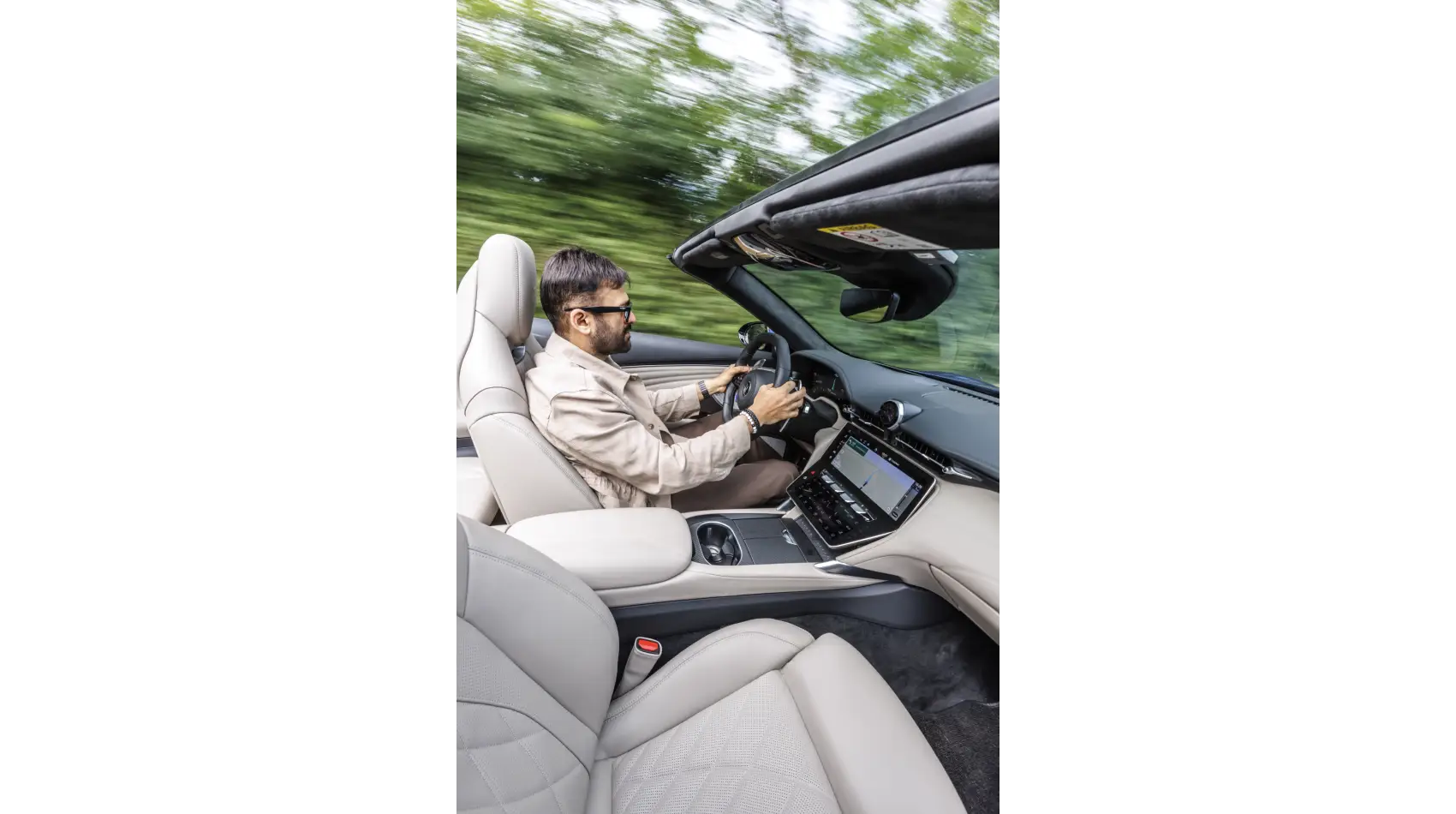
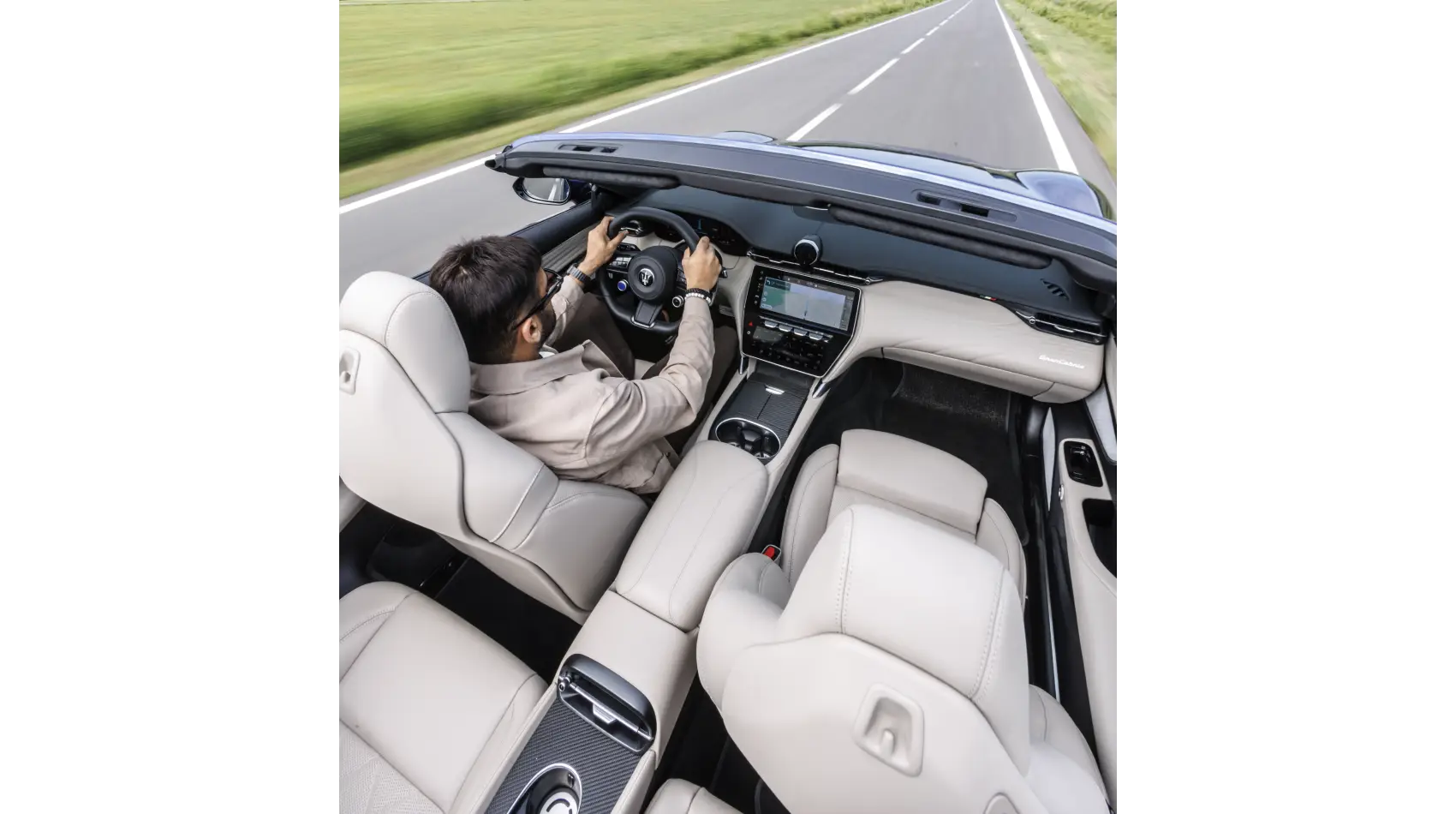
The same philosophy continues inside. There's a warmth to the cabin that German rivals often struggle to replicate. The leather feels rich, the seats are wonderfully comfortable and everything is designed to make long journeys feel effortless rather than exhausting. With the roof up, refinement is impressive. Drop it, and suddenly the Adriatic becomes part of the cabin.
The updated screens are certainly an improvement. They're faster, cleaner and much easier to navigate than Maseratis of old, while wireless Apple CarPlay and Android Auto finally make the technology feel current rather than catching up. The new steering wheel also deserves a mention. It feels substantial in your hands and instantly adds a little more occasion every time you climb behind it.
That said, not everything feels worthy of a car costing this much. A few switches and menu layouts remind you that Maserati now shares parts within the Stellantis family and, while none of them are bad, they don't quite deliver the bespoke feel you'd expect at this price point. I'd also happily trade a few touchscreen menus for proper physical buttons. Adjusting the climate shouldn't require taking your eyes off one of Italy's finest roads.
Timeless Italian Design
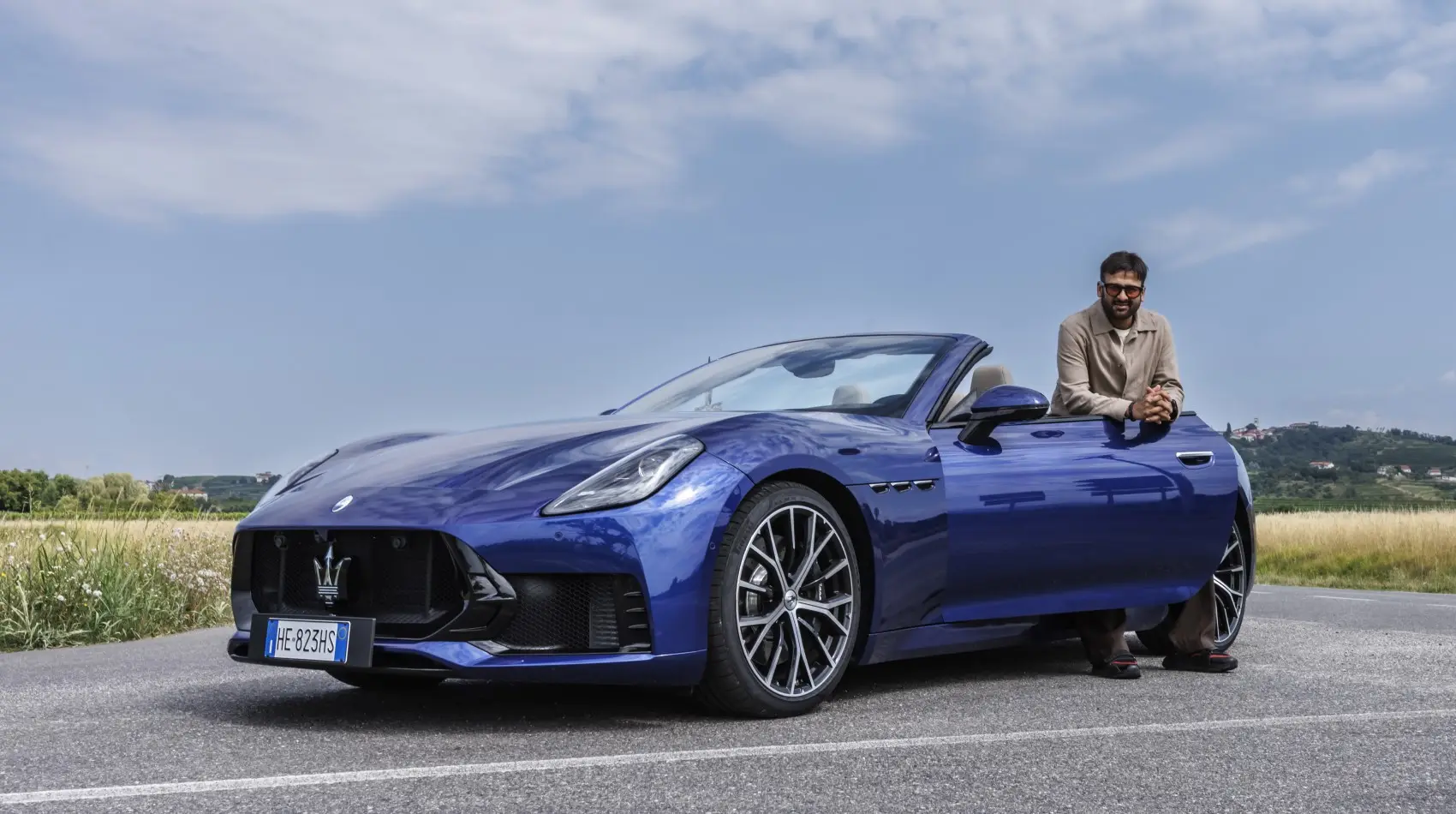
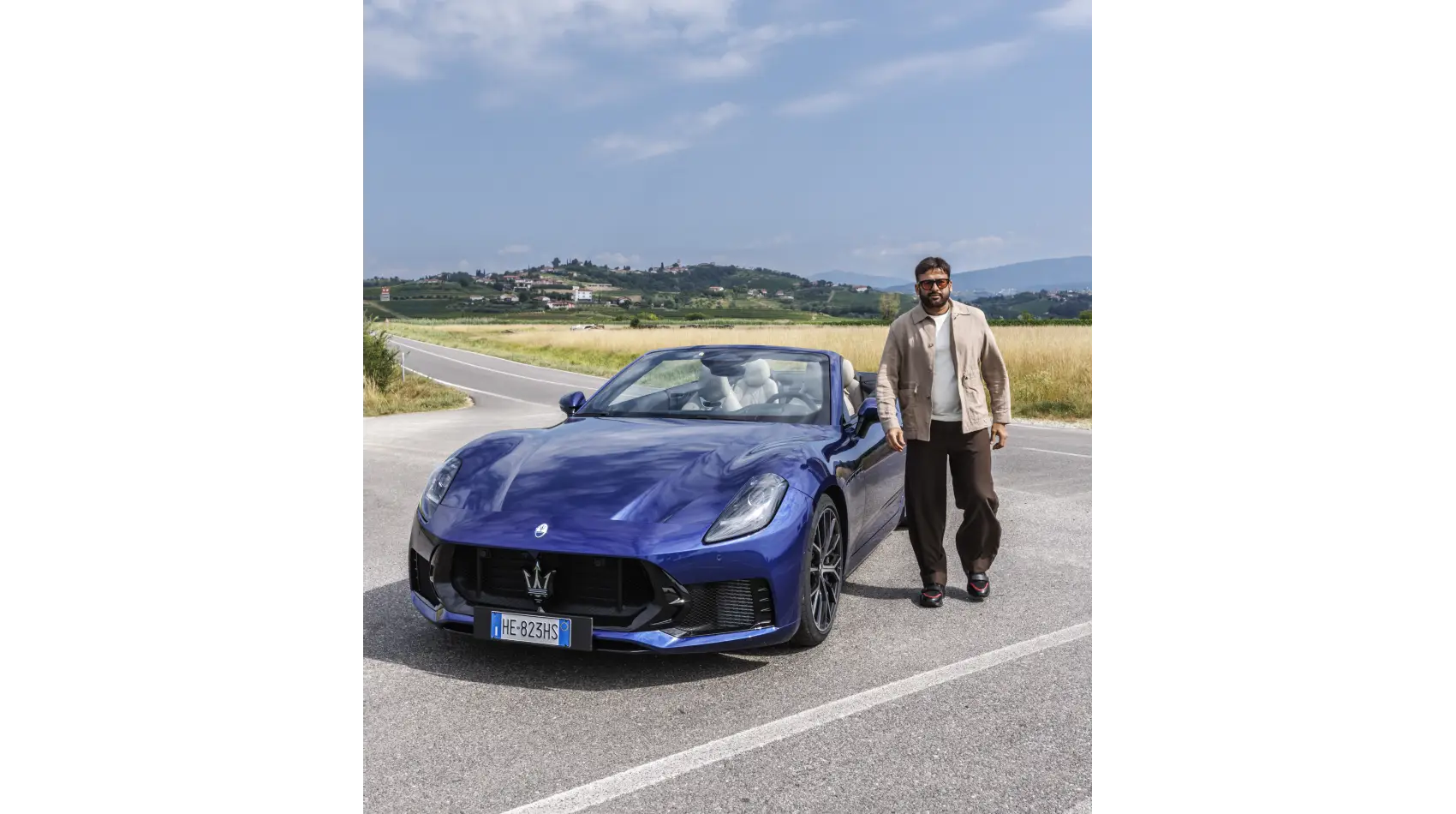
The best thing about the GranCabrio is that Maserati hasn't tried too hard. Walk around it and you won't find oversized wings, fake vents or enough sharp edges to slice bread. Instead, there's a confidence to the design that only comes from a company that's been building beautiful cars for decades. The long bonnet, short rear deck, muscular haunches and restrained use of chrome give it a timeless elegance. It looks expensive without trying to announce it to the entire neighbourhood.
Unless you park it next to the previous GranCabrio, you probably won't notice every update, and that's perfectly fine. The nose has been cleaned up, the front bumper reshaped and the airflow improved, but none of it changes the personality of the car. Maserati understood something that many manufacturers forget: when you've already created a beautiful design, you don't reinvent it every three years simply because the product planner says so.
The real surprise came while driving through Trieste. At almost every traffic light someone looked over, not because the car was loud or wearing an outrageous paint colour, but because it was elegant. That feels increasingly rare today. Plenty of cars demand attention. Very few earn it.