Freedom is a curious theme in Miloš Forman’s 1975 Oscar-winning drama, One Flew Over the Cuckoo's Nest, which stars Jack Nicholson and, apart from being regarded as one of the greatest films ever made, is remembered for portraying the defiance of rigid systems and the restless urge to break away from a world that insists on staying the same. The story is not really about madness or rebellion alone; it’s about challenging an institution so entrenched that nobody inside it even questions the rules anymore.
Also Read: History of the Royal Enfield Flying Flea: A War Hero That Was Dropped from Planes!
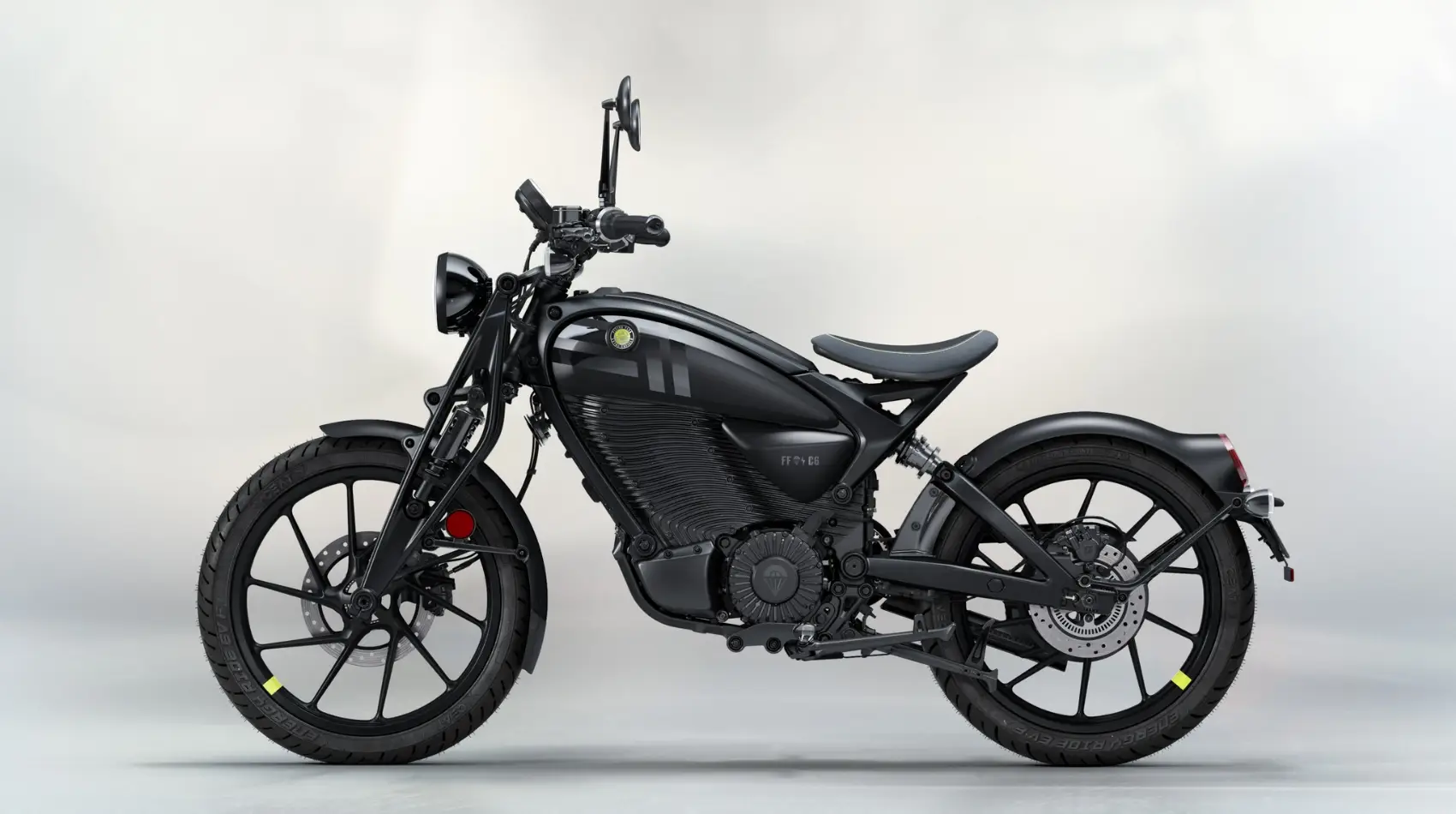
For decades, Royal Enfield has been its own kind of institution. The thump of a long-stroke single, the mechanical honesty of internal combustion, and the unmistakable cadence of petrol power have been the brand’s defining rhythms. Electric motorcycles, until recently, felt like outsiders in that ecosystem. And yet here I was in Chennai, astride the brand’s first electric motorcycle, the Royal Enfield Flying Flea C6, a machine that quietly challenges the order Royal Enfield itself built. If the petrol Enfields are the institution, the Flying Flea might just be the patient who has decided to question the rules… and maybe even climb out the window, a la Chief Bromden in what is one of cinema's most poignant climaxes.
The Idea of a Flea
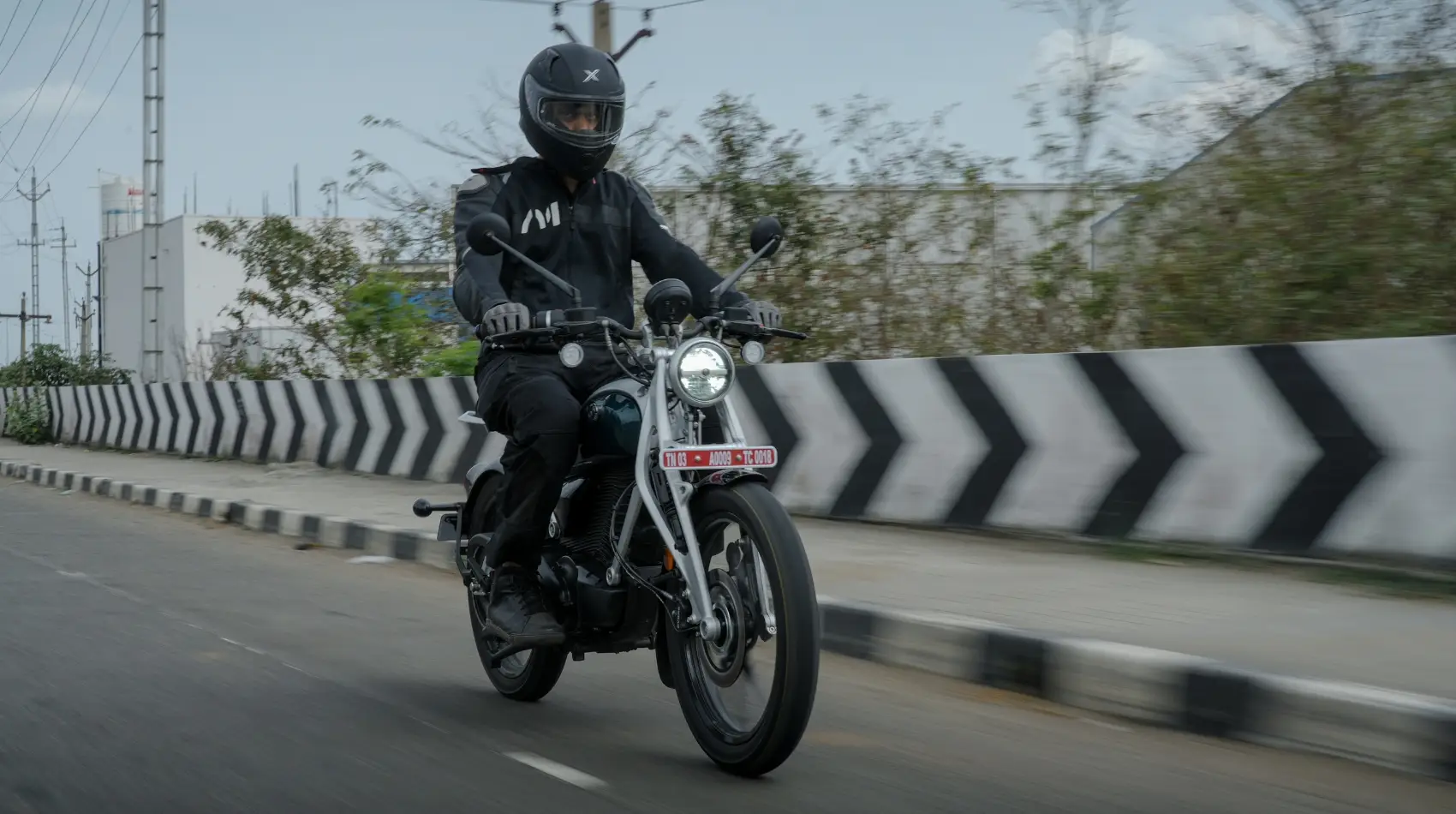
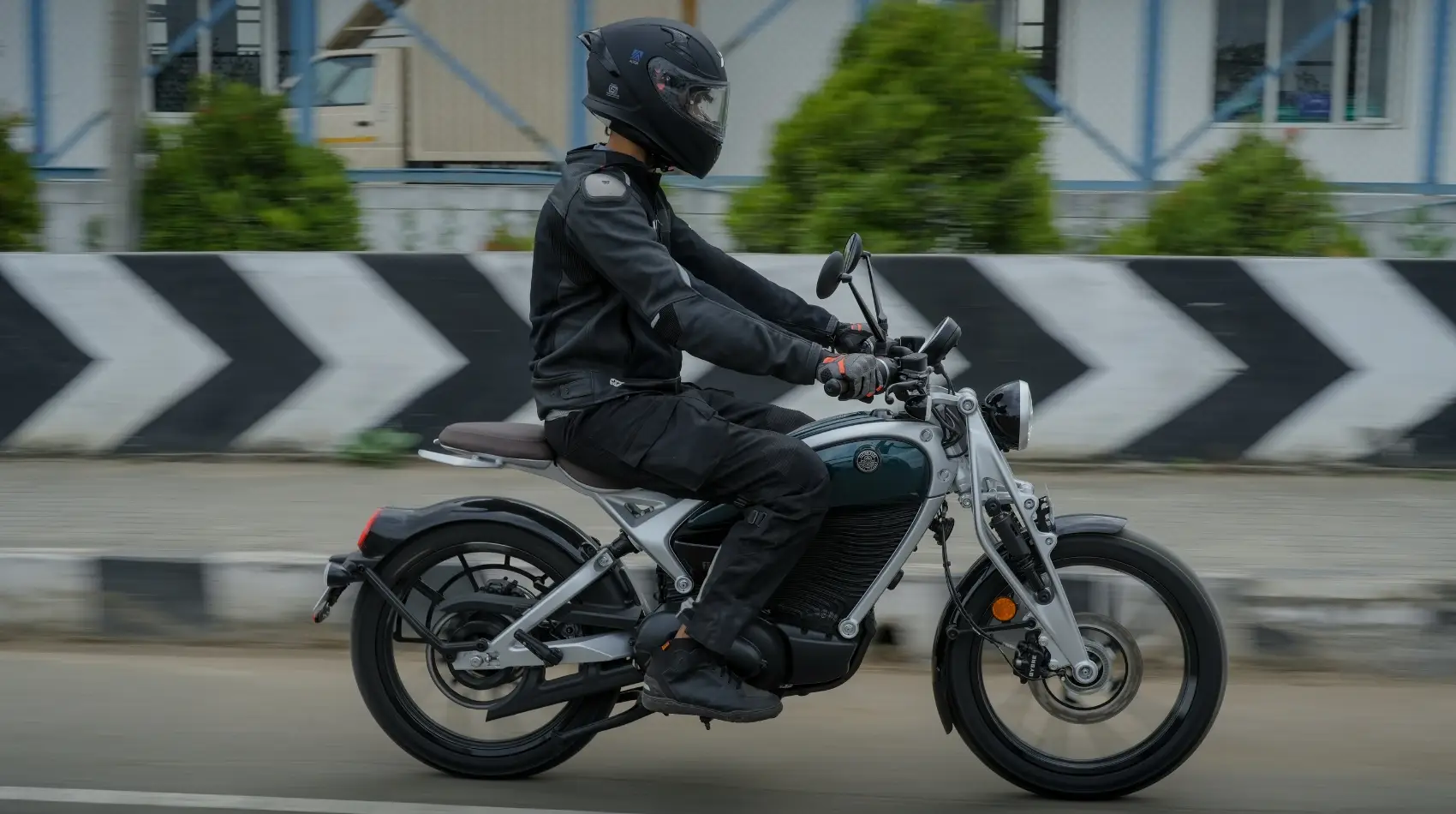
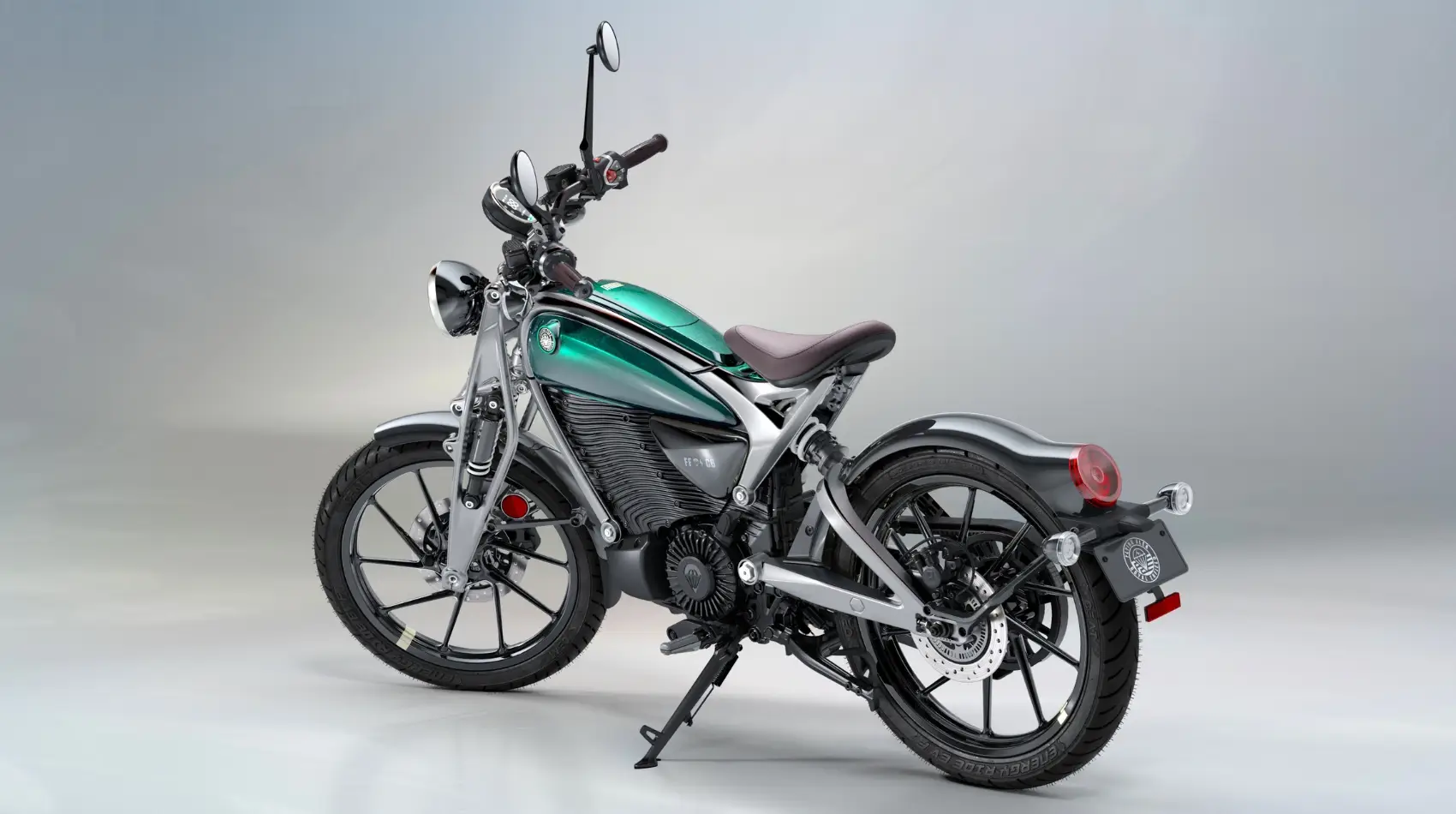
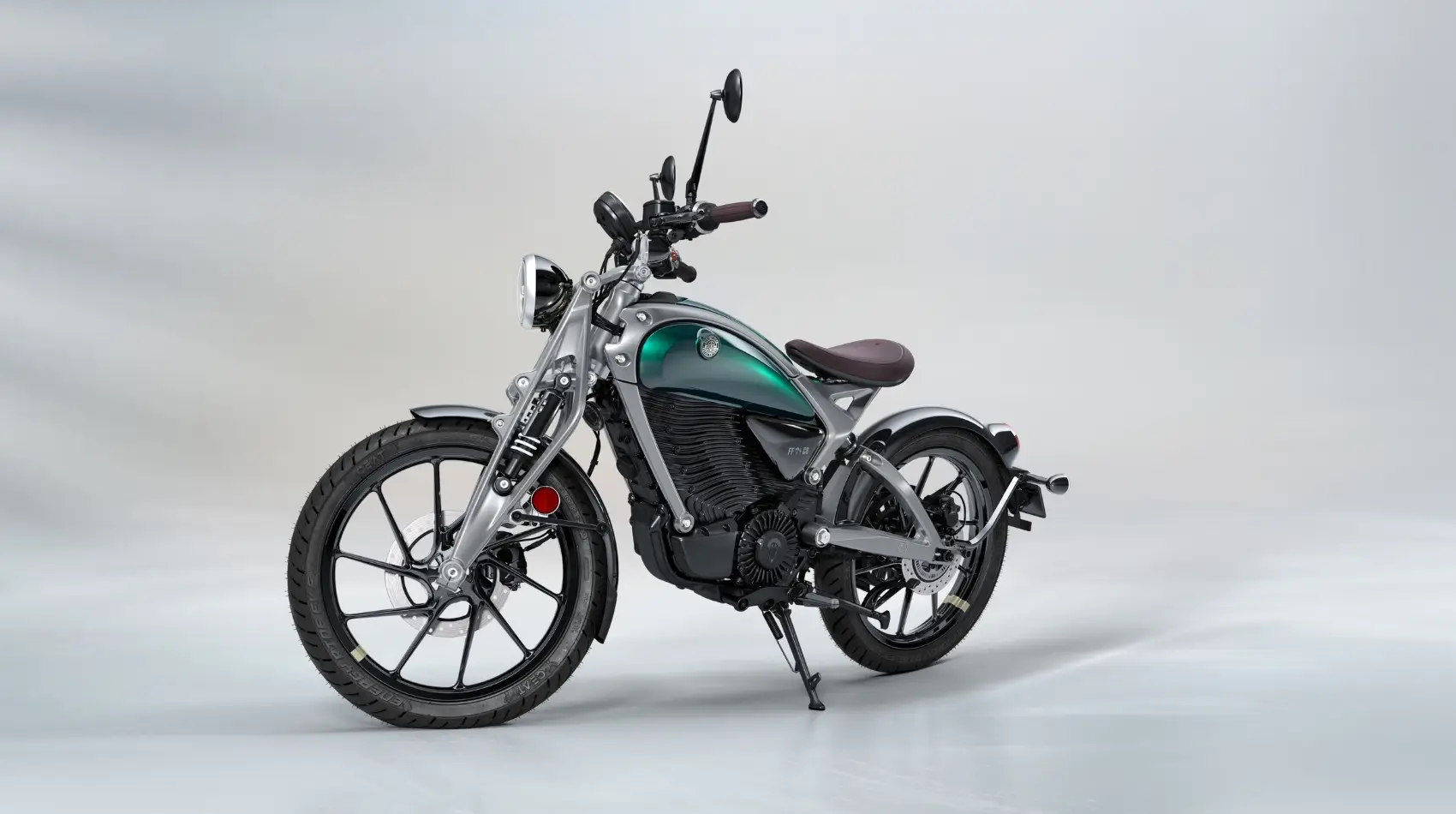
The Flying Flea name isn’t new. During the Second World War, Royal Enfield built a tiny 125cc motorcycle that could be parachuted into combat zones alongside soldiers. Lightweight, simple and remarkably capable for its size, the original Flying Flea became a symbol of nimble utility. The C6 reimagines that philosophy for a very different battlefield; that of urban mobility in the electric age. Even at first glance, it doesn’t feel like a conventional electric motorcycle. Where many EVs look like engineering exercises wrapped in plastic, the Flea carries a deliberate design narrative. The girder front suspension, the narrow stance, and the almost delicate proportions all feel like a respectful nod to history rather than a gimmick. But what truly caught my attention wasn’t the styling. It was the battery.
A Factory Tour Worth Taking
During my Chennai visit, I got to check out Royal Enfield’s Vallam Vadagal facility, where the company walked us through the development of the Flea’s electric architecture. At the heart of the bike is a 3.91 kWh lithium-ion battery pack, operating at just over 101 volts and housed within a beautifully crafted magnesium alloy casing. On paper, those numbers might seem modest in the context of modern electric motorcycles. In person, the engineering story behind them is far more compelling. The magnesium casing is not only striking to look at but also a serious feat of manufacturing. Magnesium is lighter than aluminium yet notoriously difficult to cast with precision, and given how grandly it’s been designed, it was really something to know the process behind manufacturing it.
The production process, we were told, requires meticulous attention to detail, which we witnessed first-hand over the long and arguably tiring tour, given how decidedly massive the factory is.
A Sceptical Giant
I’ll admit something upfront. Standing next to the Flying Flea for the first time, I was sceptical. At 6 feet 3 inches, I’m not exactly the archetypal rider for a lightweight city EV. The Flea’s compact proportions made me wonder whether I’d spend the ride folded up like a giraffe attempting yoga. But motorcycles, as it turns out, have a way of surprising you. The Flea’s 823 mm seat height and relatively upright ergonomics mean the riding triangle feels more natural than the bike’s compact dimensions might suggest. Over the course of our 65–70 km ride, I never felt cramped or uncomfortable. If anything, the bike’s lightness became its greatest ally. At just 124 kg, the Flea is featherweight by electric motorcycle standards. That lack of mass makes itself felt immediately the moment you twist the throttle.
Small Bike, Quick Moves
Electric motors have a reputation for instant torque, and the Flea is no exception. Its permanent magnet synchronous motor produces 15.4 kW of peak power and 60 Nm of torque, figures that might not sound dramatic until you consider how little weight they’re moving. Royal Enfield claims a 0–60 km/h time of 3.7 seconds, and based on my ride impressions, that figure feels entirely believable. The Flea darts forward with surprising eagerness, especially in Sport mode, where throttle response becomes noticeably sharper. It’s in this mode that the bike truly comes alive.
Filtering through suburban Chennai’s chaotic morning traffic, the Flea felt quick, alert and delightfully agile. The narrow profile and light steering make it easy to weave through gaps, while the belt-driven drivetrain delivers power with an almost eerie smoothness. But what really amused me was the ride mode switch. Switching between modes doesn’t involve a complex touchscreen interface or a buried menu. Instead, it uses a physical switch that reminded me uncannily of the gear shifters on my childhood bicycle. The tactile, almost nostalgic roll of that switch felt oddly satisfying. It’s a small detail, but one that perfectly captures the Flea’s personality.
The Girder Fork Returns
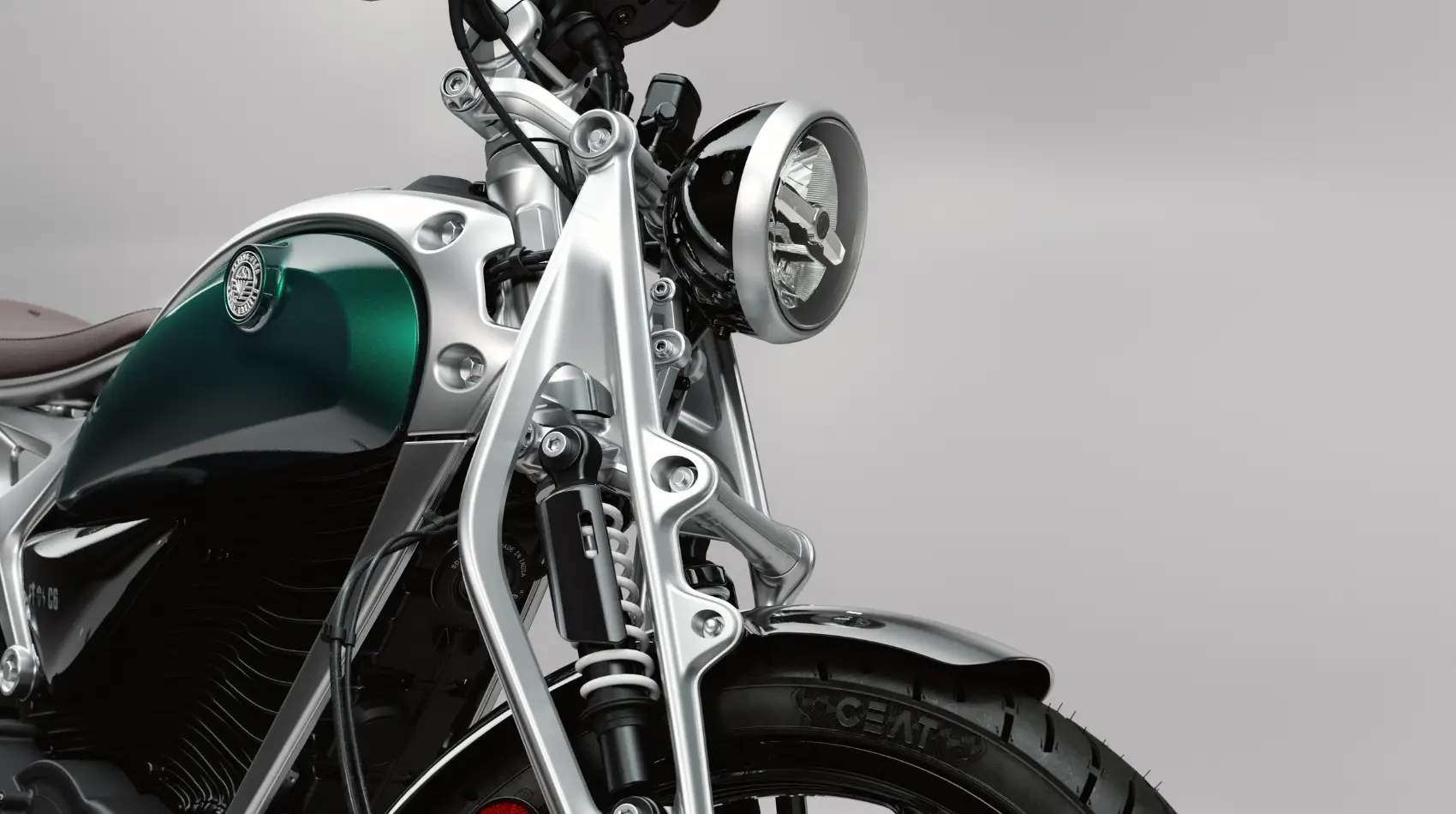
Perhaps the most visually striking engineering choice on the Flying Flea is its girder linkage hydraulic twin front suspension. Girder forks are rarely seen on modern motorcycles. They were once common in early 20th-century designs but have largely been replaced by telescopic forks in contemporary machines. Royal Enfield insists the girder fork helps preserve the character of the original Flying Flea. And on Chennai’s suburban roads, which are a landscape generously decorated with speed bumps and potholes, the suspension actually performed surprisingly well. Combined with the rear monoshock setup, the Flea manages to maintain a composed ride over uneven surfaces. The damping feels well judged, absorbing sharp bumps without unsettling the chassis. It may be a nostalgic piece of engineering, but it’s not just there for visual drama.
Regen, Range and Reality
The Flying Flea also introduces a clever active regenerative braking system. Instead of relying solely on braking input to recover energy, the bike allows riders to harness regeneration simply by reversing the throttle. It’s an intuitive system that quickly becomes second nature once you get used to it. In theory, this should help extend the bike’s claimed IDC range of 154 km. In practice, my ride was too short to thoroughly test how effective the system is. Riding almost entirely in Sport mode, my rough calculations suggested a more realistic real-world range of around 80 km on a full charge. That figure isn’t extraordinary, but it’s not necessarily a problem either.
The Flea isn’t trying to be a touring motorcycle. Its mission is firmly rooted in urban mobility. And in that context, the range feels perfectly usable. Charging times are equally practical. With the onboard charger, a 0–100 percent charge takes about 2 hours and 16 minutes, while 20–80 percent can be achieved in roughly 65 minutes under ideal conditions.
The Little Quirks
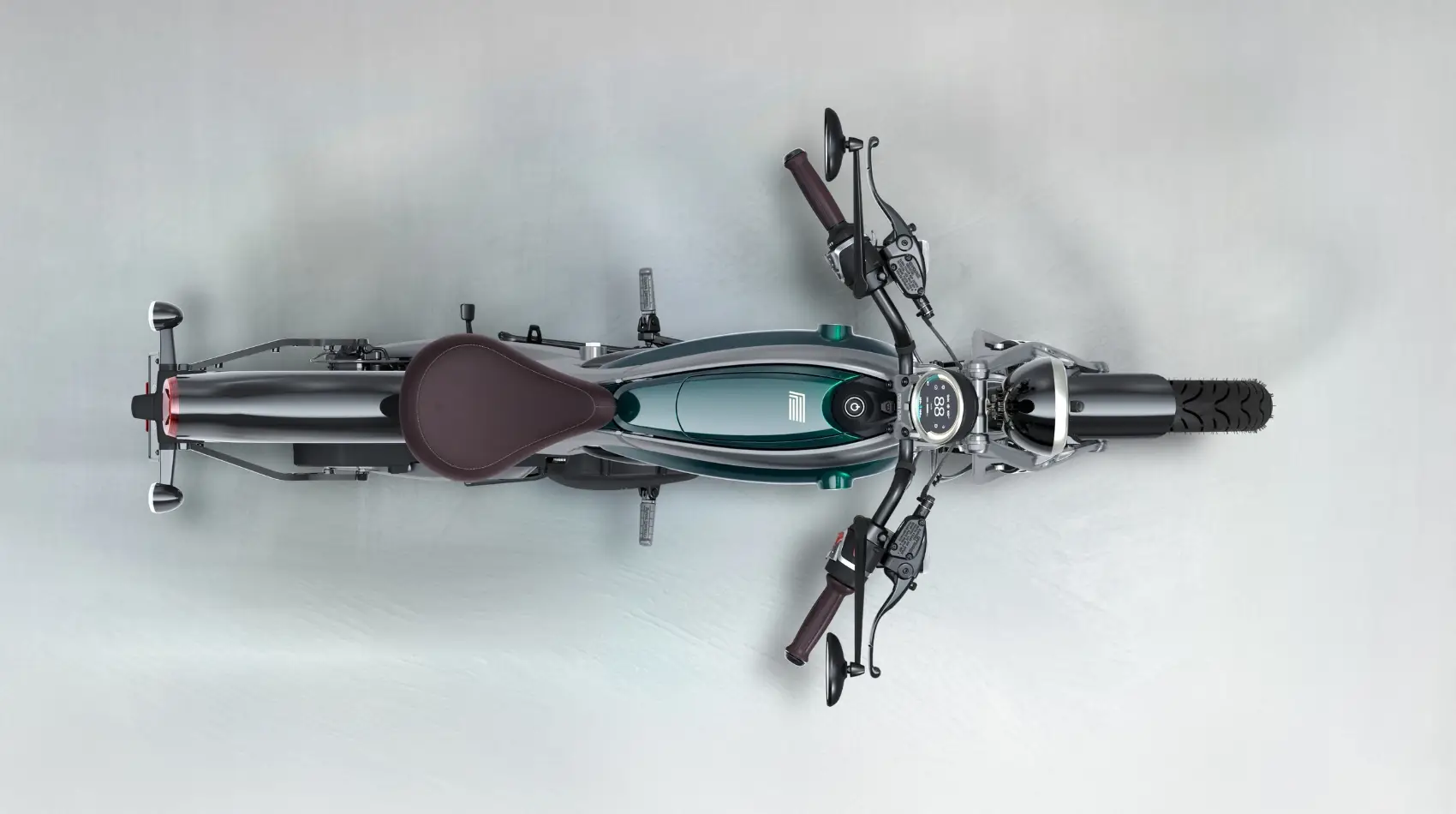
No first ride would be complete without a few quirks. The most noticeable one, for me, was the seat. The padding itself is comfortable enough, but the material lacks sufficient grip. Each time I braked suddenly, inertia pushed me forward, and the seat’s low friction meant I slid towards the tank more than I would have liked. It’s not a deal breaker, but it’s something that could definitely benefit from a grippier surface texture. Then there were the mirrors. On my initial test bike, the adjustable mirror simply refused to pivot to the angle I wanted. Royal Enfield quickly swapped the bike for another unit, but interestingly, the second bike exhibited the same issue. It’s a minor annoyance, but one worth addressing before production models reach customers.
Technology Without Overkill
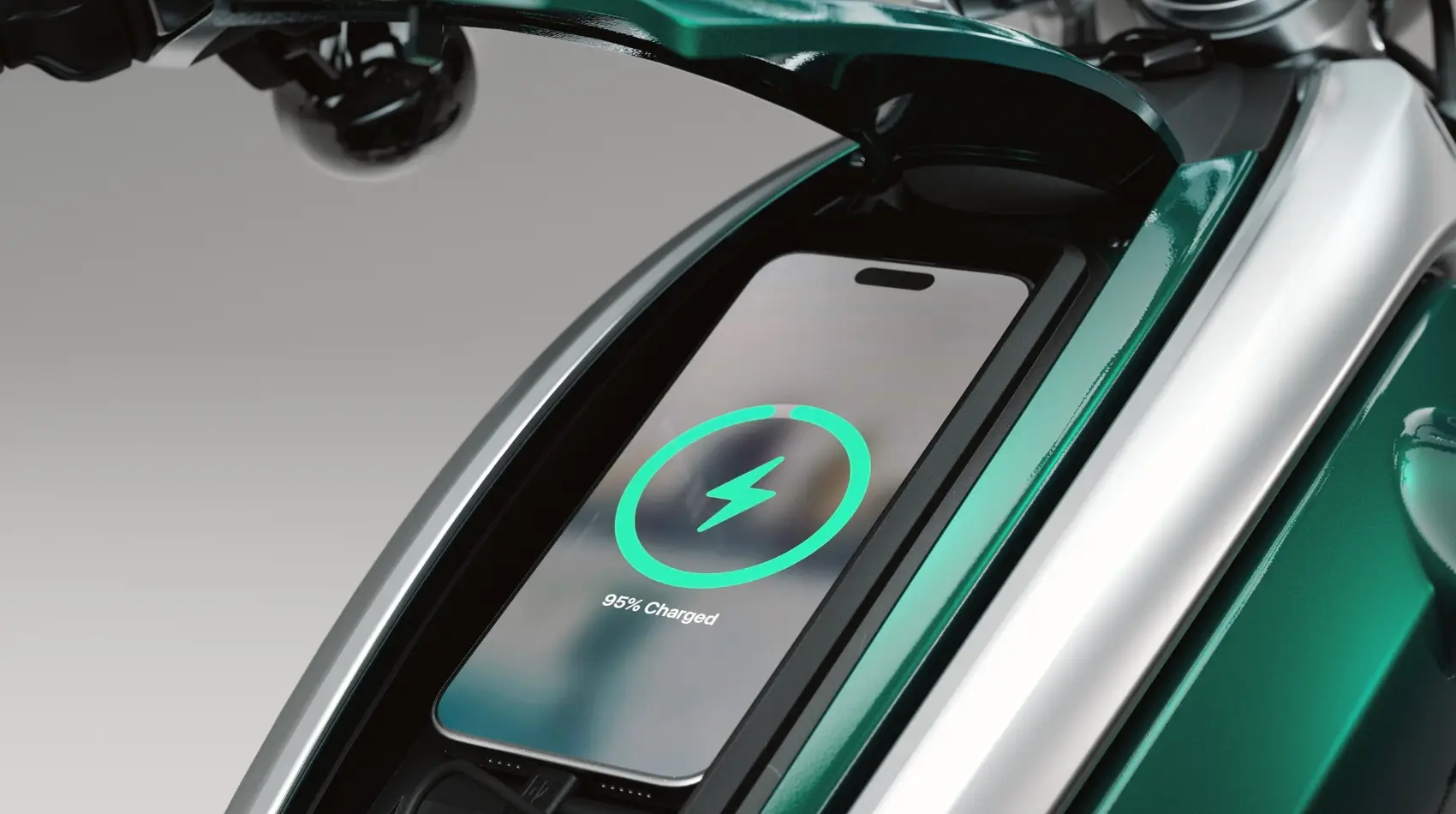
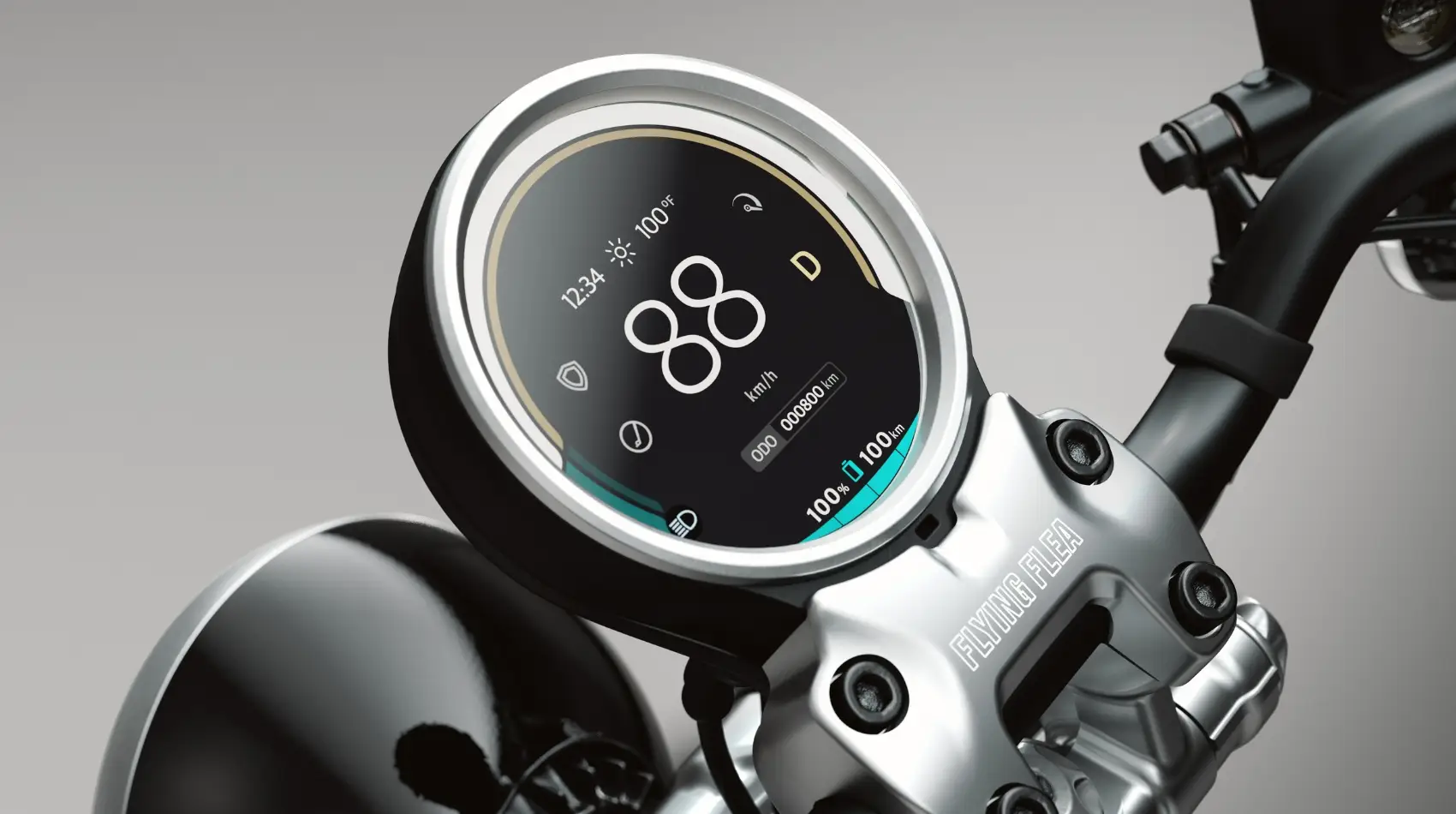
Despite its vintage-inspired appearance, the Flea is far from technologically primitive. The bike features a 3.5-inch colour TFT touchscreen cluster that supports capacitive touch input, giving it a surprisingly modern interface for something that visually leans so heavily on heritage. The display handles the usual ride data while integrating connectivity features more in line with contemporary urban mobility than old-school motorcycling. There’s USB-C fast charging (27W) built into the bike for devices, alongside wireless phone charging (15W Qi protocol).
Also Read: Royal Enfield Guerrilla 450 Apex Edition | First Ride Review
Safety and rider aids are also surprisingly advanced for such a lightweight motorcycle. The Flea comes equipped with lean-angle sensitive dual-channel ABS, lean-angle traction control, and switchable rear ABS, all of which work quietly in the background to keep things stable when conditions become less predictable. There’s also a thoughtful safety feature in the form of a “share my status and location” alert system with remote tip-over detection.
The overall approach to technology here feels refreshingly balanced. Royal Enfield hasn’t tried to overwhelm the rider with gimmicks or complicated interfaces. Instead, the Flea delivers just enough digital functionality to make everyday riding easier while still letting the experience feel mechanical, simple and intuitive. Which, frankly, is exactly how good technology should behave.
Breaking Out of the Institution
The ultimate goal of the Flying Flea C6 is not to replace Royal Enfield’s petrol motorcycles but to start an entirely new chapter. Electric motorcycles often struggle with identity. Some try to imitate petrol bikes too closely, while others lean so heavily into futurism that they lose any sense of heritage. The Flea manages to avoid both traps. It feels recognisably Royal Enfield, but also unmistakably something new. And perhaps that’s the most interesting thing about it. Because sometimes, progress doesn’t arrive as a revolution. Sometimes it arrives quietly, on a lightweight motorcycle named after an insect, carrying just under four kilowatt-hours of battery and a surprisingly big idea.
One Flea Over the Cuckoo’s Nest
In the closing moments of One Flew Over the Cuckoo’s Nest, the story isn’t really about victory. It’s about the possibility of escape; the idea that even in the most rigid system, someone might eventually decide that the rules no longer apply. The Flying Flea C6 feels a little like that. It may be compact, it may be electric, and it may represent a future that some traditionalists aren’t entirely ready for. But somewhere between Chennai’s traffic, the Vallam Vadagal factory floor and the quiet hum of its electric motor, one thing became clear to me: Royal Enfield’s electric experiment isn’t trying to quietly coexist with its petrol past. It’s trying to step outside of it.
Bookings for the Flying Flea C6 have now opened through the brand’s first dedicated Flying Flea store in Bangalore, and Royal Enfield has revealed the price to be ₹2,79,000 (ex-showroom). Buyers can also opt for the Battery-as-a-Service (BaaS) model, which lowers the upfront cost to ₹1,99,000, with the battery provided through a subscription plan. For a brand so deeply rooted in petrol heritage, that pricing marks a statement of intent. Because if the Flea succeeds, the sound of Royal Enfield’s future might not be a thump at all. It might just be the quiet whirr of something that finally decided to fly out of the cuckoo’s nest.
POWER: 20bhp
TORQUE: 60Nm
BATTERY SIZE: 3.91 kWh
TOP SPEED: 115 kmph
ACCELERATION: 0 to 60 kmph in 3.7 seconds