As we roll into 2026, the automotive industry stands at a fascinating juncture -a moment where evolution finally feels intentional rather than aspirational. Globally, electrification is no longer the headline; it is table stakes. The debate has matured beyond EV versus ICE into more grounded conversations around profitability, infrastructure readiness, and real-world usability. Software-defined vehicles are emerging as the new differentiator, turning cars into continuously evolving platforms rather than static machines frozen at launch. Across Europe, China, and the Americas, manufacturers are carefully balancing legacy powertrains with next-generation electric and hybrid solutions, pairing heritage with innovation in a way that will define the coming decade.
Against this global backdrop, India’s auto industry is not following a script. It is writing its own. Calendar year 2025 saw India’s passenger vehicle market touch a record 45.5 lakh wholesales, translating to nearly 6 per cent year-on-year growth — a clear indicator of resilience despite uneven global sentiment. SUVs continued to anchor this growth, supported by aggressive pricing, richer feature sets, and a buyer base increasingly willing to upgrade. Policy recalibration under GST 2.0 further helped stimulate demand across key segments.
Exports added another layer to the story. Maruti Suzuki shipped close to 4 lakh vehicles in 2025, marking over 21 per cent growth and reinforcing India’s role as a serious global manufacturing and export hub rather than a purely domestic market.
India’s electrification journey, however, remains deliberate rather than disruptive. EV adoption is real and growing, but calibrated. Buyers are evaluating charging access, long-term ownership costs, and reliability with greater scrutiny. As a result, 2026 will not be about a single powertrain narrative. Hybrids, efficient ICEs, CNG, and EVs will coexist, making India one of the most powertrain-diverse markets in the world.
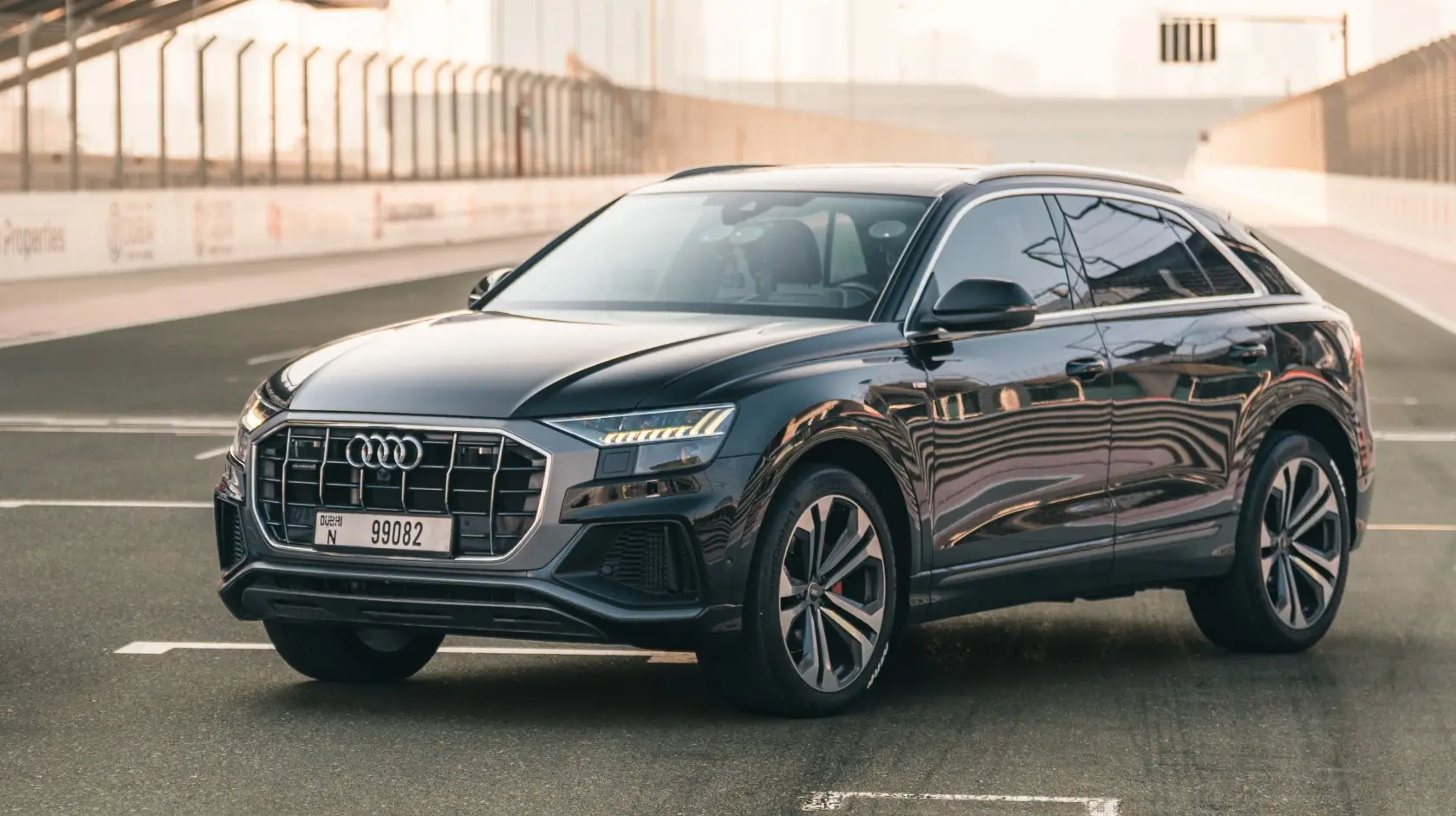
This context sets the stage for one of the most important launch cycles India has seen in years. On four wheels, the return of icons and the arrival of new global players headline the year. The Renault Duster makes its long-awaited comeback, while familiar benchmarks like the Honda City, Hyundai Creta, and Skoda Kushaq evolve through facelifts to stay relevant. At the premium end, the next-generation Mercedes-Benz CLA, BMW 3 Series Neue Klasse, Audi Q3, and Volkswagen Tayron underline how seriously global brands now take India.
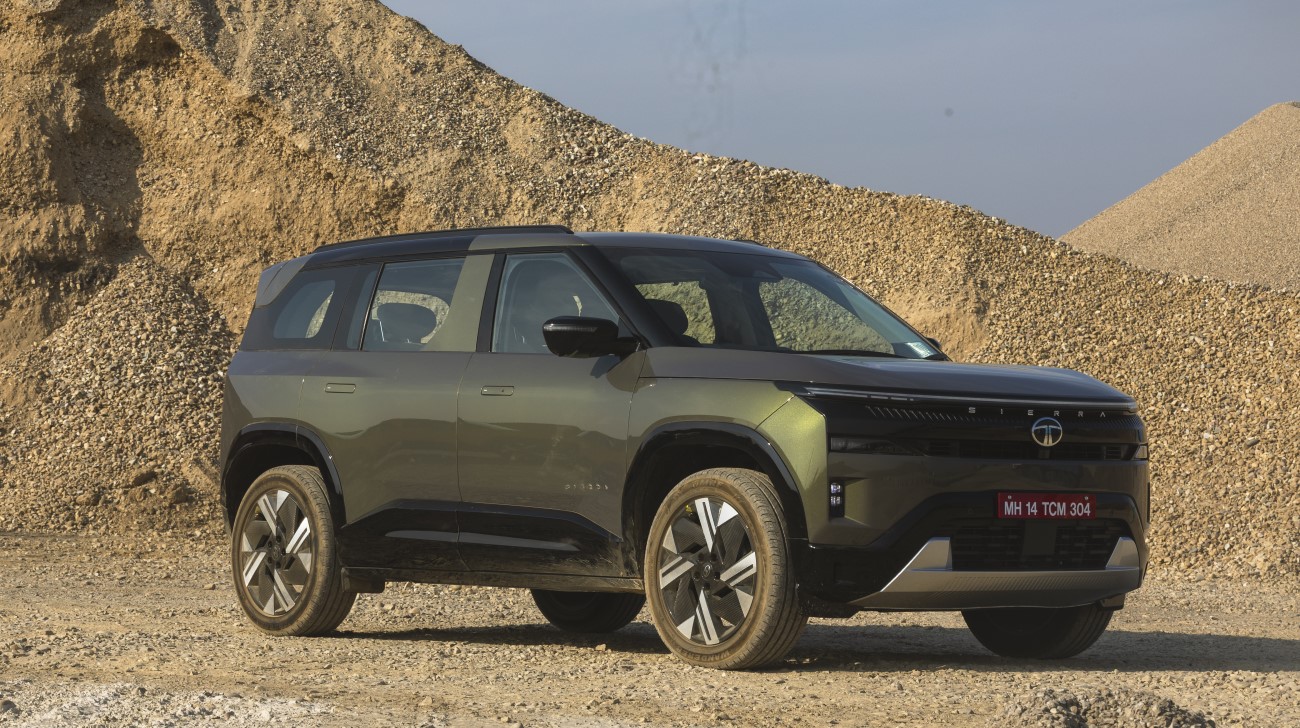
Electrification gains substance through products such as the Tata Avinya SUV, Toyota Urban Cruiser Electric, Maruti E-MPV, Range Rover Electric, and new entrants like the VinFast VF3. Add lifestyle plays such as the Mahindra Scorpio-N Pickup, Kia Sorento, and Nissan Tekton, and the breadth becomes impossible to ignore.
Two wheels are no less exciting. Adventure and performance lead the charge with machines like the BMW 450 GS, Hero Xpulse 421, and Aprilia Tuareg 457, while electrification finds expression through the Royal Enfield Flying Flea, Ultraviolette Tesseract, Yamaha Aerox Electric, Ather EL, and Suzuki e-Access.
Taken together, 2026 feels less like a pivot and more like a transition to maturity. Electrification will expand - but pragmatically.
For TopGear India readers, the road ahead is not just about new cars and bikes. It is about the forces shaping how the world moves next, and how India is steadily emerging as a centre of gravity in that global story.