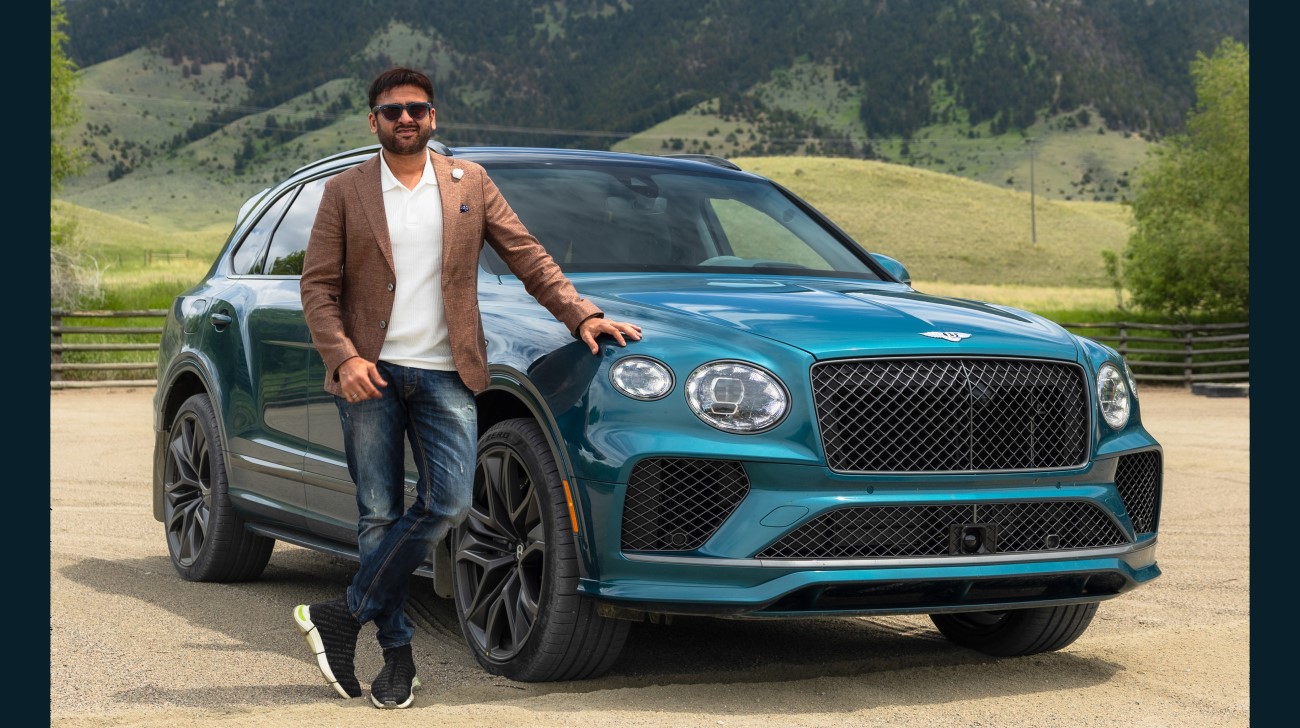
We are standing at the weird, thrilling crossroads of combustion nostalgia and electric inevitability. Showrooms still smell faintly of petrol, but the conversation now lives in kilowatts, software updates and charging maps or rather that the charging bay is not working. 2026 feels less like the future and more like the hyphen between “old” and “new” – where designers try to keep the soul of the drive, while engineers rewrite the car from the chassis up.
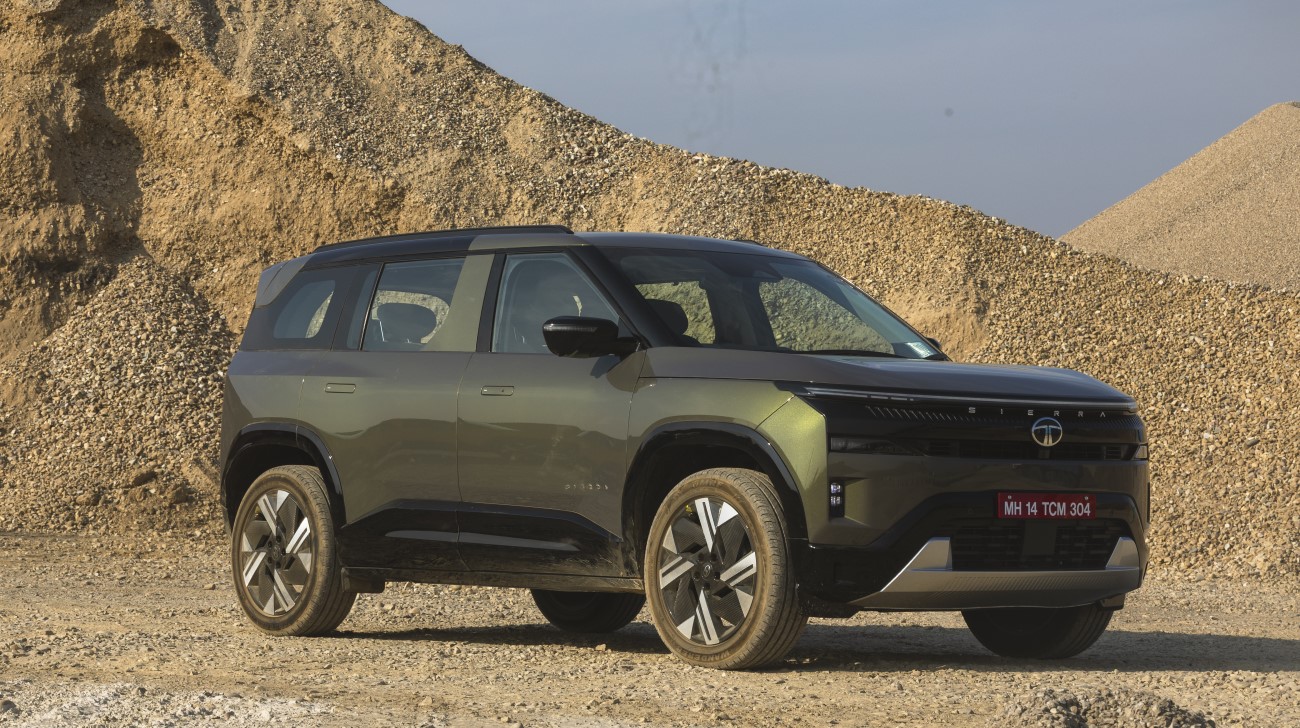
The Sierra badge is back, and this time, it’s electrified. Tata Motors is launching the Sierra EV, and it has nostalgia written all over it. When it first debuted, the Sierra was one of the most radical-looking cars you could buy in India. Another nameplate that deserves a comeback is the Maruti Suzuki Gypsy – not the Jimny, but in its true form, with a soft top and side-facing bench seats in the back. Even today, no jungle safari is complete without a Gypsy. The strategic relevance is clear: these vehicles bridge the gap between the nostalgia-hungry buyer and the forward-looking EV adopter.
The headline: electrification is no longer a buzzword, it’s a business model. OEMs are scrambling to turn prototypes into profitable lineups, and India’s calendar is stacked – from Mahindra’s big XEV entries to Tata and the German’s nudging their EVs into more showroom space. The result? A richer choice for buyers, but also an unglamorous scramble for chips, rare-earths and localised supply chains. But don’t confuse volume for victory. The industry’s two simultaneous revolutions — battery chemistry and software-defined vehicles — are reshaping what a “car” even means. Software is eating the dashboard: over-the-air features, subscription options, and radical reusability of platforms are turning cars into tech stacks that depreciate in different ways.
The hype meter? High, and healthy, up to a point. Marketing will trumpet 0 to 100kmph times and futuristic interiors, but savvy buyers will score the long game: real-world range, maintenance costs, software support and resale. I’m bullish on the next 18-36 months: more competitive EVs, smarter software, lower battery bills. I’m cautious about one thing though – we mustn’t let lipstick on the EV pig hide bad fundamentals. Build quality, after-sales and real charging access will decide winners, not launch theatrics.
So, what to watch at your nearest dealer: how the Sierra EV holds up in real world (range, charging, software experience), announcements on solid-state or new chemistries (real pilots, not press sketches); and which OEM actually fixes things post-sale rather than selling features by subscription. The next era will reward the patient engineer and punish the flashy marketer.
Buckle up. The ride’s getting electric — and a little bit messy. That’s exactly when automotive stories become worth telling.