When the Tata Punch was first launched earlier this decade, its appeal wasn’t based on performance or features. It was built around proportion, strength and safety. It was a small car that felt engineered like a bigger one. Upright, solid and reassuring. In many ways, the Punch succeeded not because it tried to impress but because it tried to endure.
Five years on, the Punch receives its first major facelift. While the visual updates and feature additions are significant, the real story lies deeper. Tata Motors has not simply refreshed the Punch. It has expanded its range of abilities. The 2026 Punch now spans a much wider spectrum of buyers, starting with cost-conscious CNG commuters to customers who want their small SUV to feel genuinely quick. And that changes the character of the car far more than a new bumper ever could.
Evolutionary but more confident
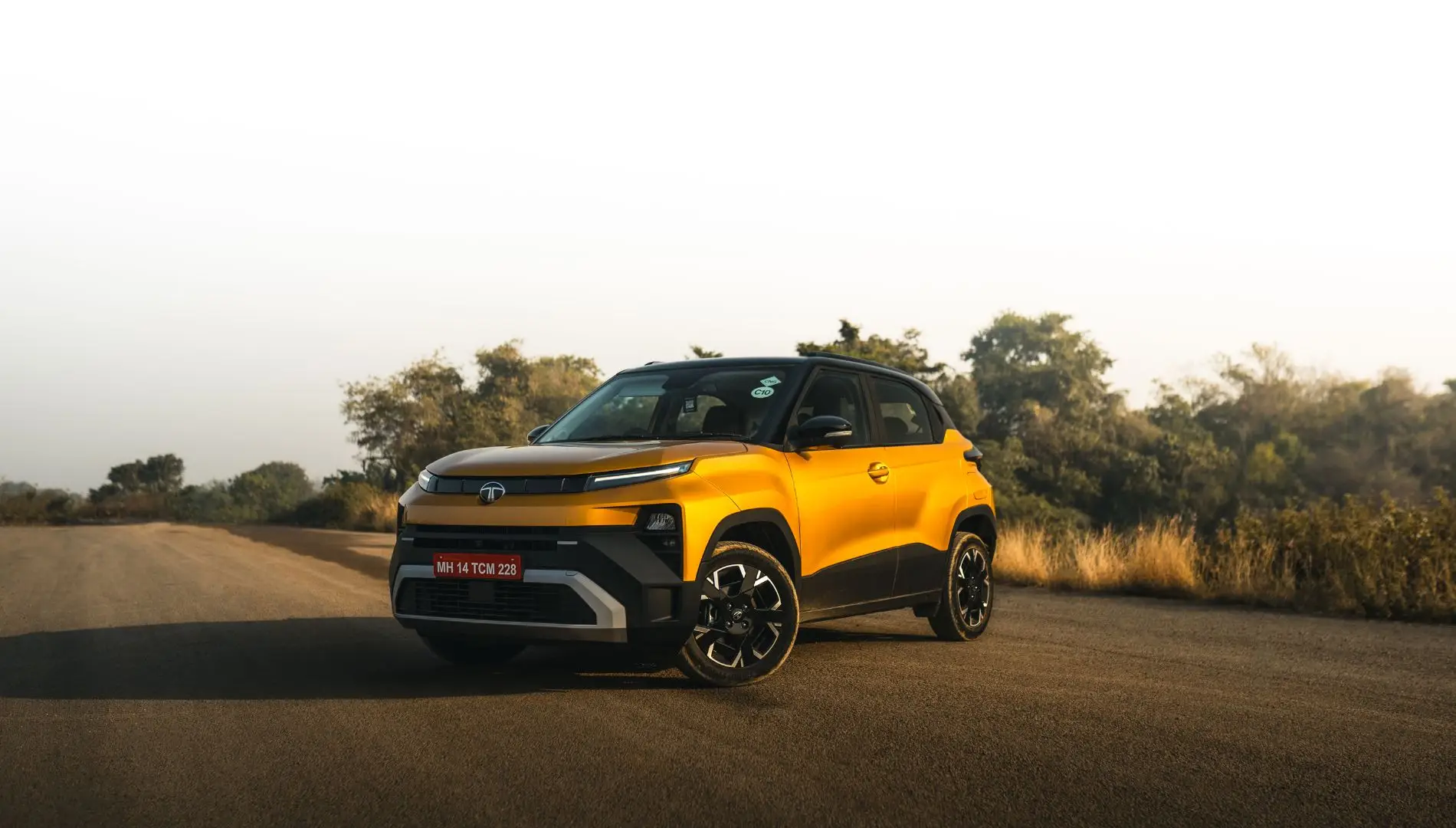
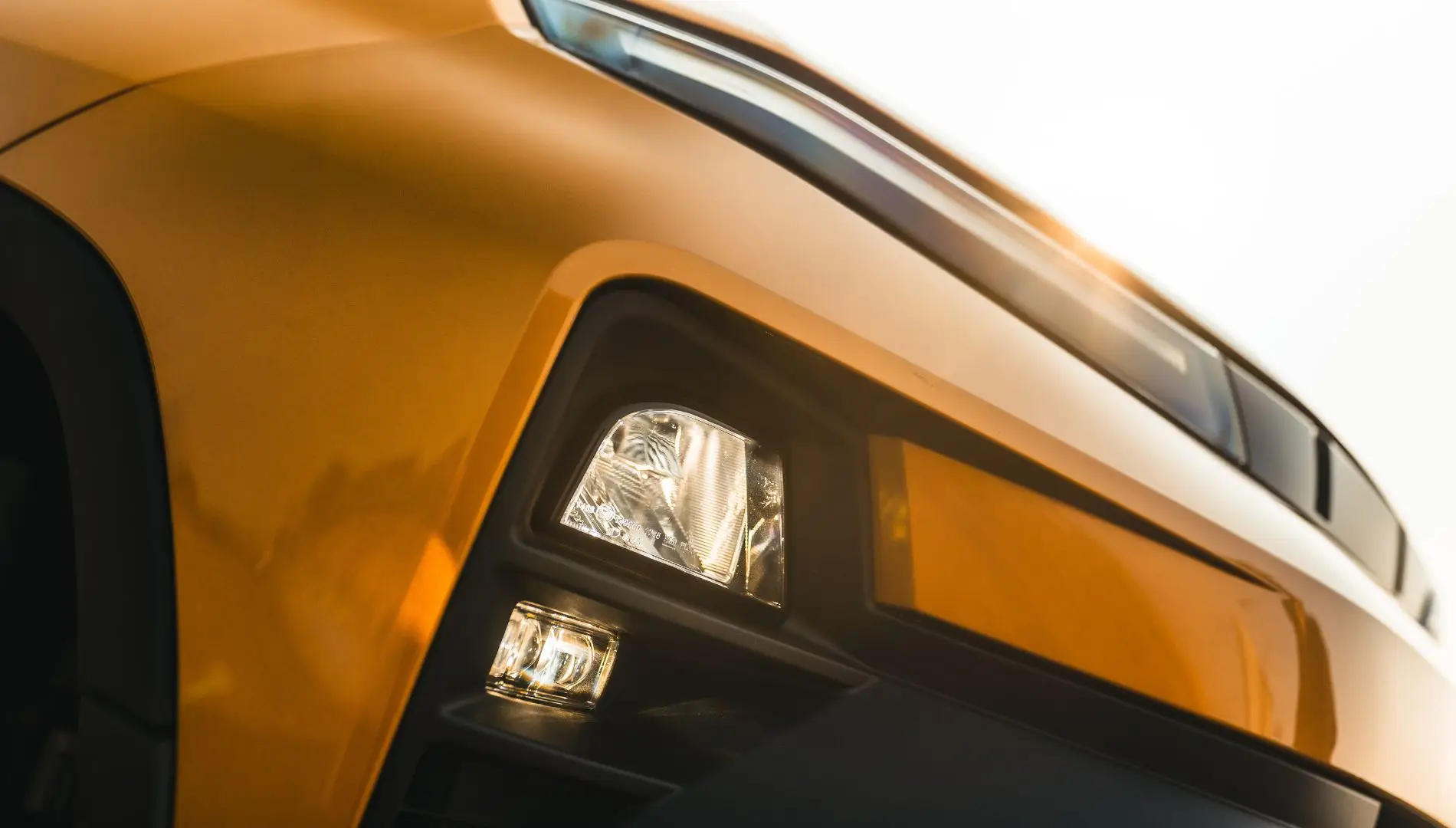
Visually, the Punch facelift doesn’t manage to reinvent itself. The silhouette remains unchanged and that is one of its strengths. Short overhangs, upright glasshouse, squared wheel arches and a high bonnet continue to define the Punch. The updates are focused on the front and rear. Up front, the Punch adopts the vertical LED headlamp layout first seen on the Punch EV. Slimmer DRLs sit in gloss black trim. The new bumper design with silver highlights gives the front greater width and a more assertive presence.
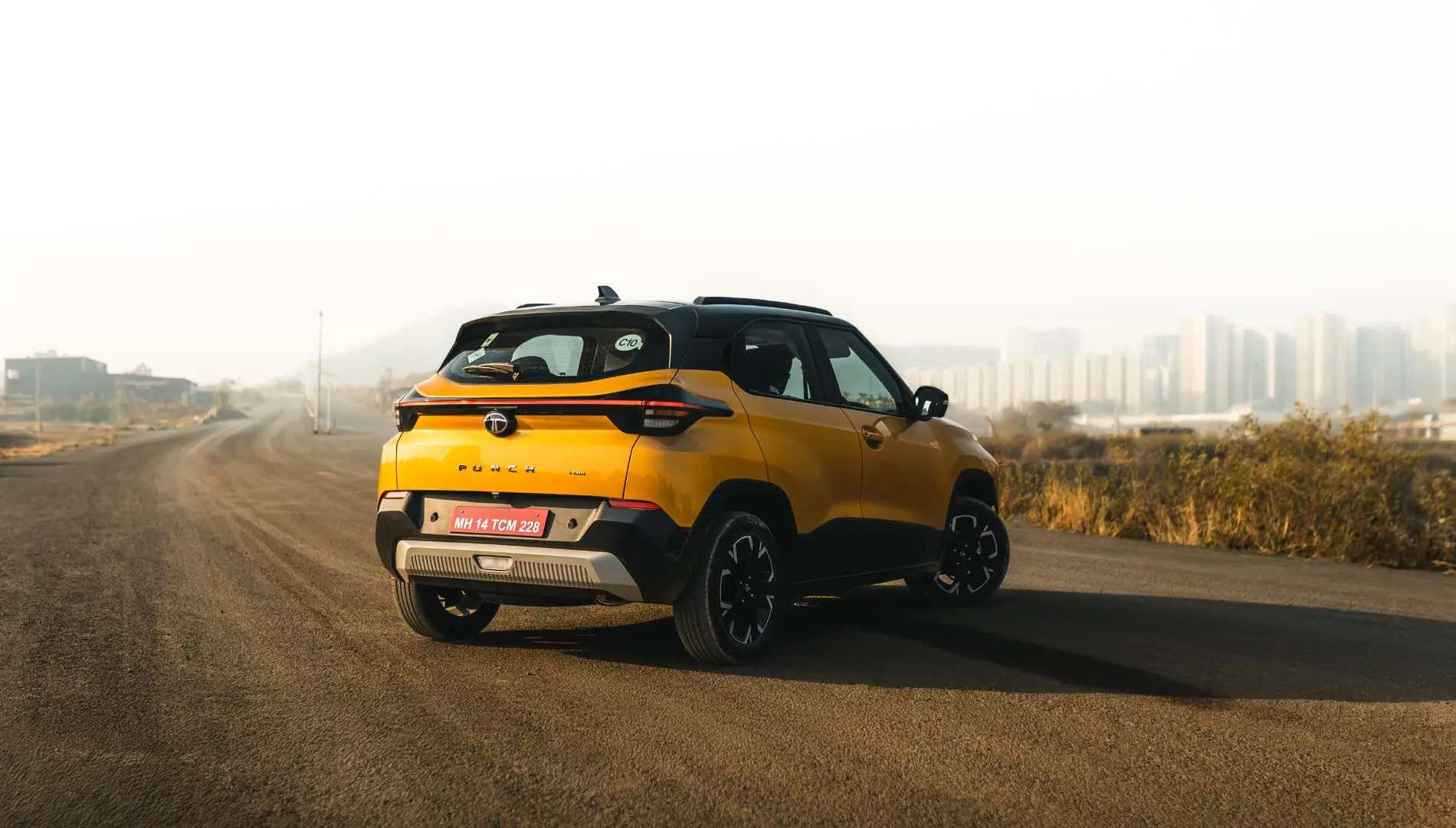
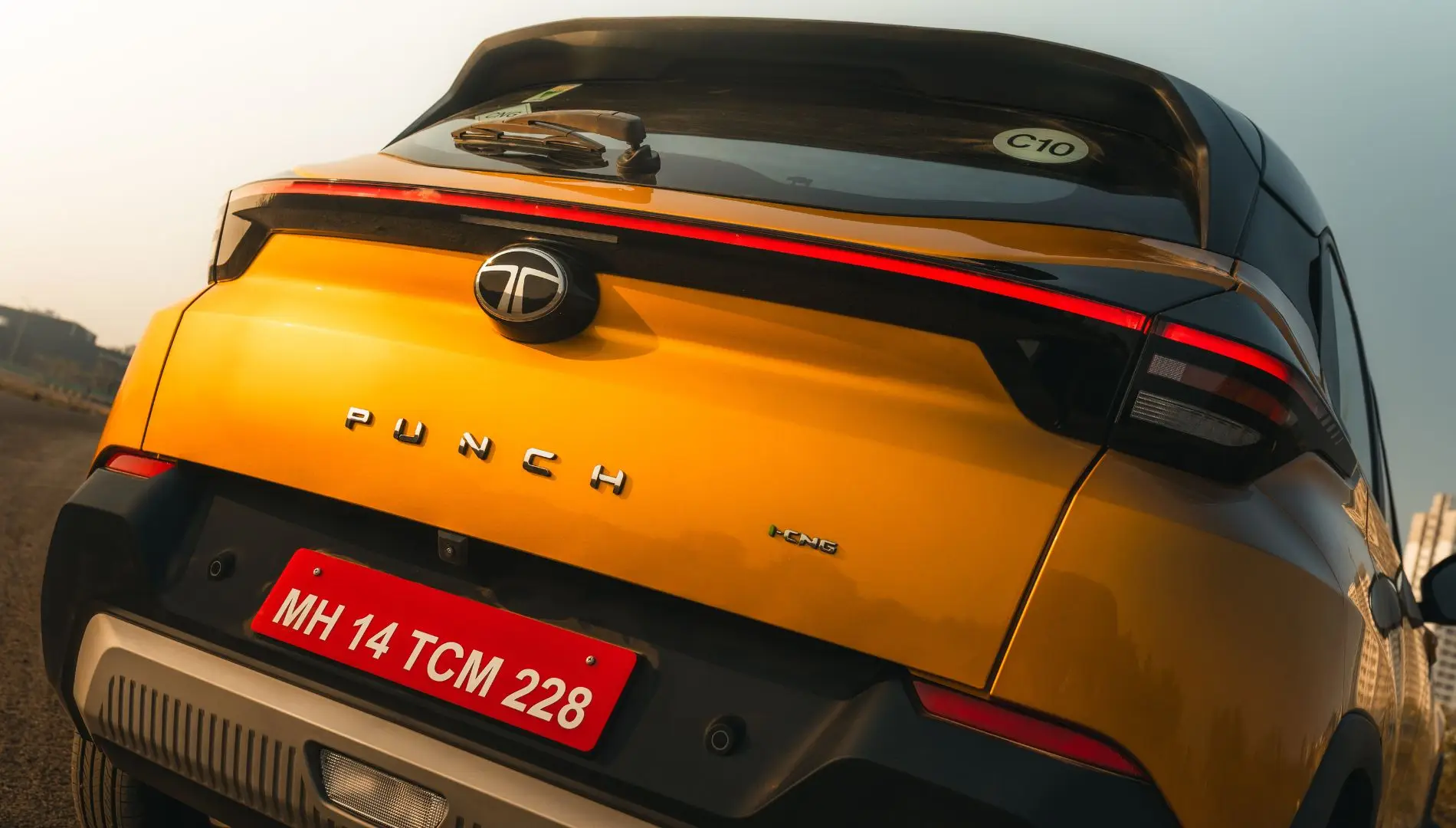
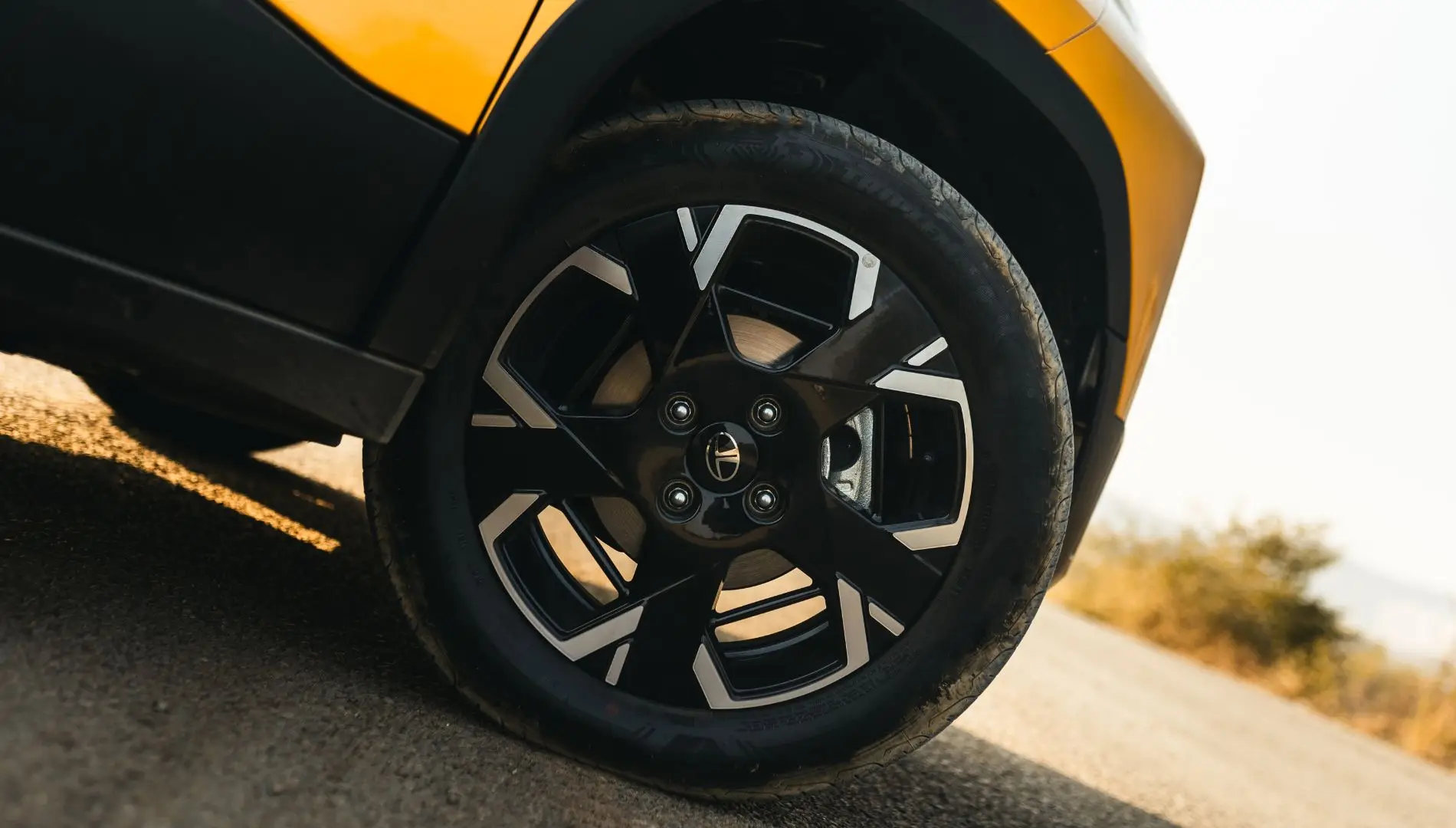
At the rear, a connected LED tail lamp strip modernises the look. The revised bumper and faux skid plate reinforce the SUV character. New 16-inch alloy wheels on higher variants noticeably improve the stance. Several new colours have also been introduced, giving the Punch a stronger showroom appeal.
Crucially, the fundamentals remain intact. Ground clearance is 193mm. Overhangs are short. Water wading capacity is rated at 400mm. The Punch continues to be engineered for Indian road conditions.
Familiar layout with added maturity
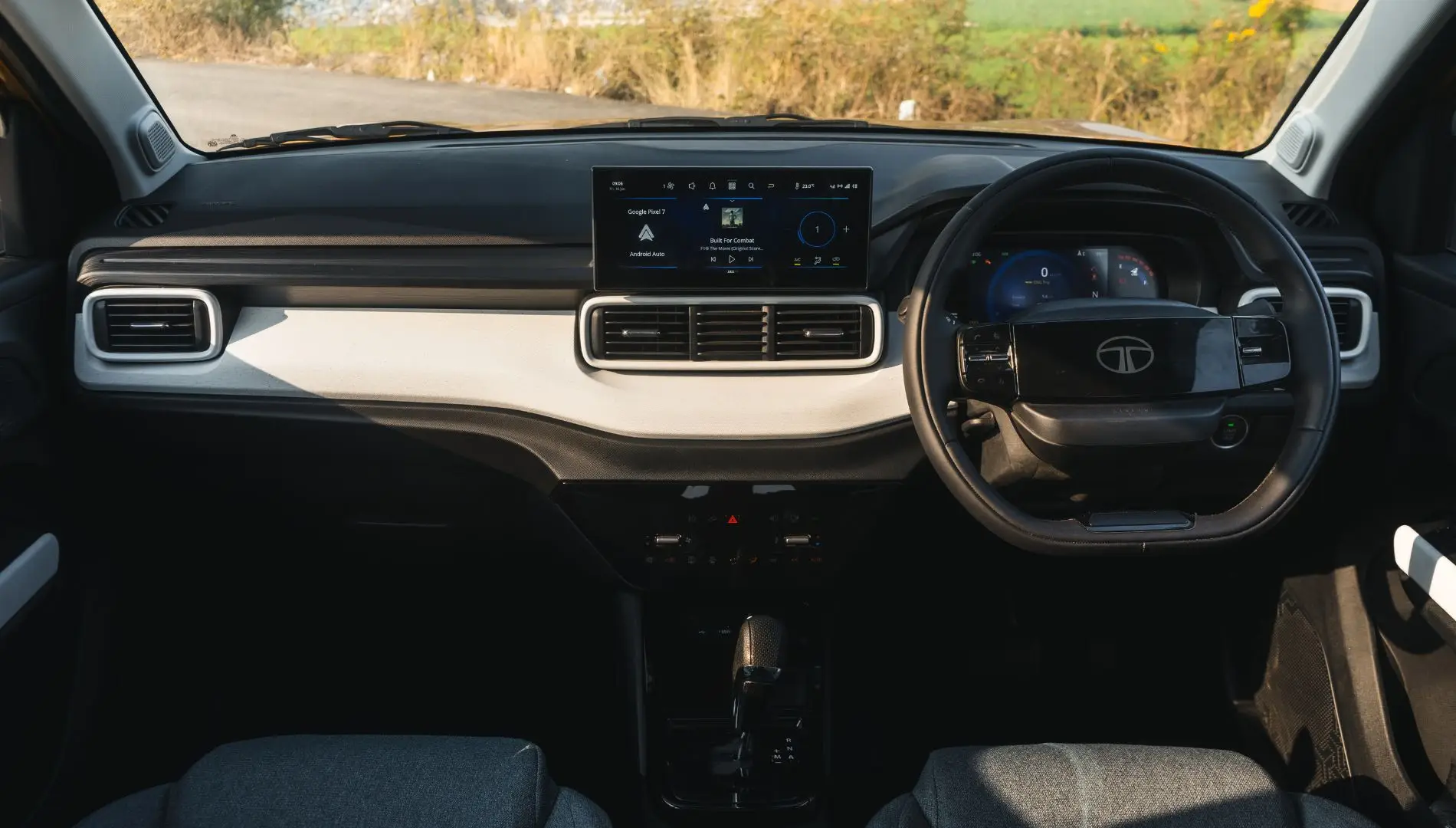
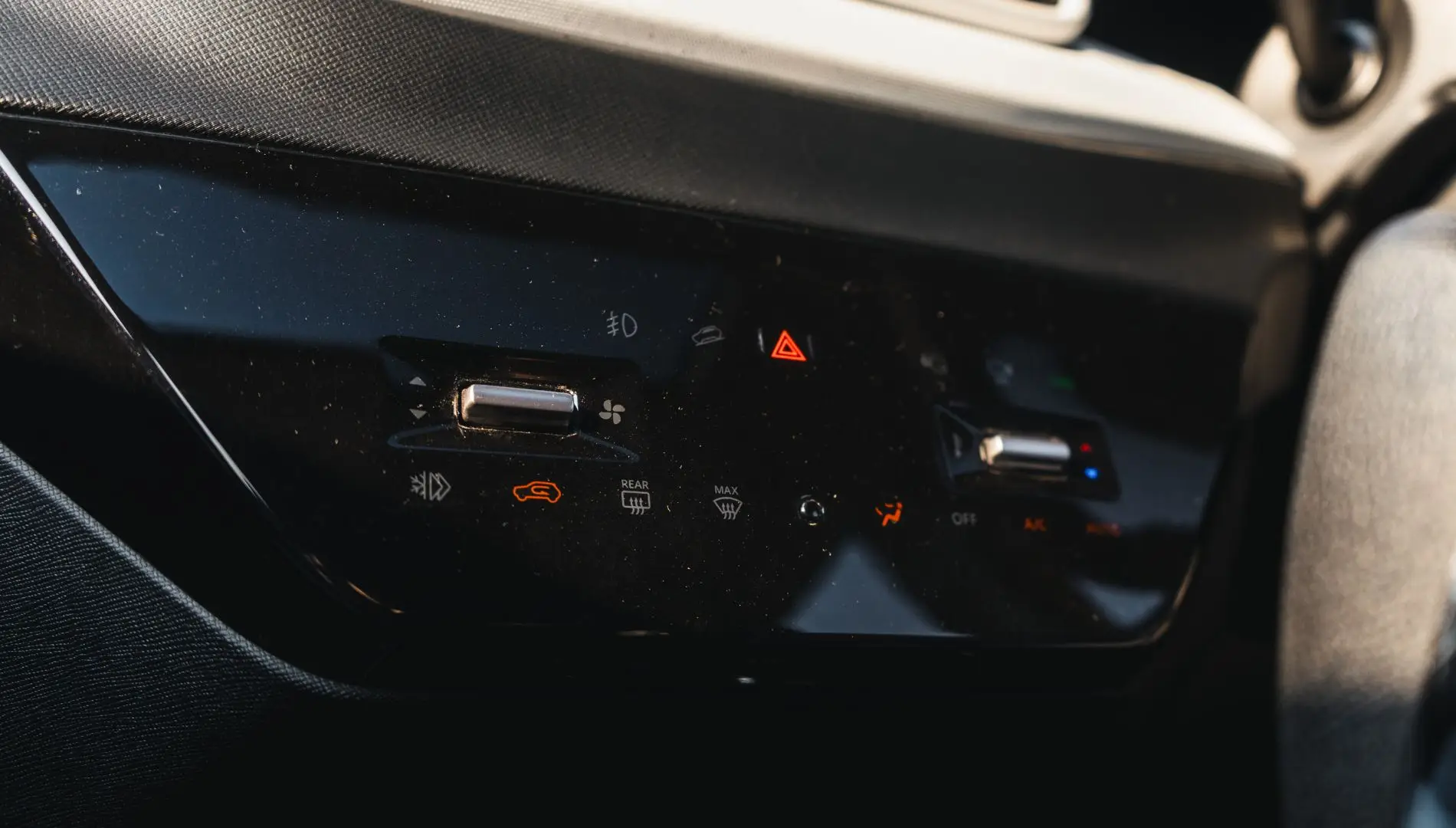
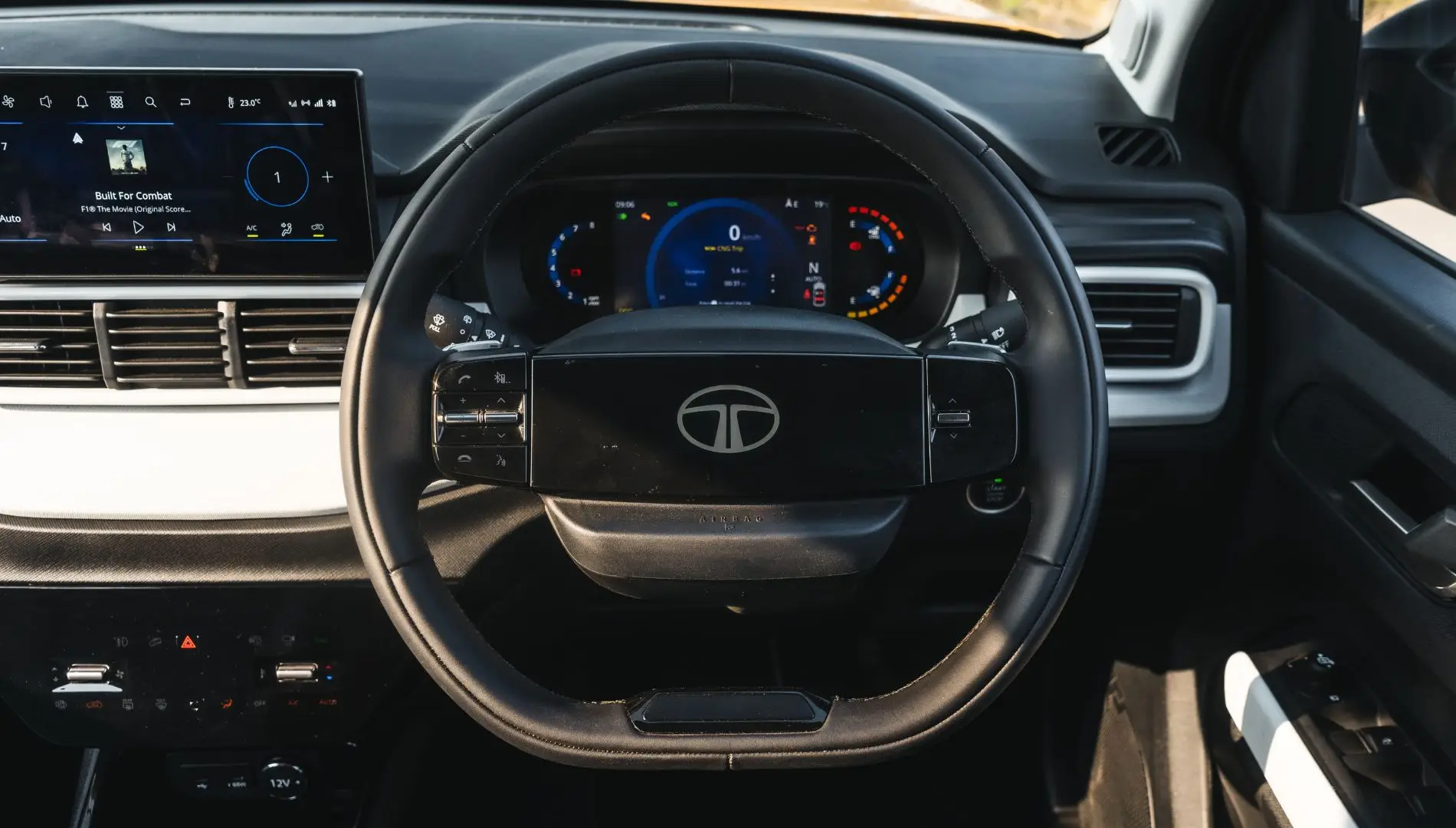
Inside, the layout is familiar, but the execution is more modern. The most noticeable update is the new two-spoke steering wheel with an illuminated Tata logo. It lifts the perceived quality of the cabin immediately, as it has been borrowed from the larger, more expensive Tata SUVs. The climate control panel is now touch-enabled and visually lifts the centre console, though the gloss black surface attracts dust and fingerprints easily and the lack of physical switches means it demands a little more attention from the driver.
The seats inspired by the Punch EV now offer extended thigh support for both front and rear occupants. This improvement is particularly welcome on longer drives. Rear passengers also benefit from three-point seatbelts for all positions.
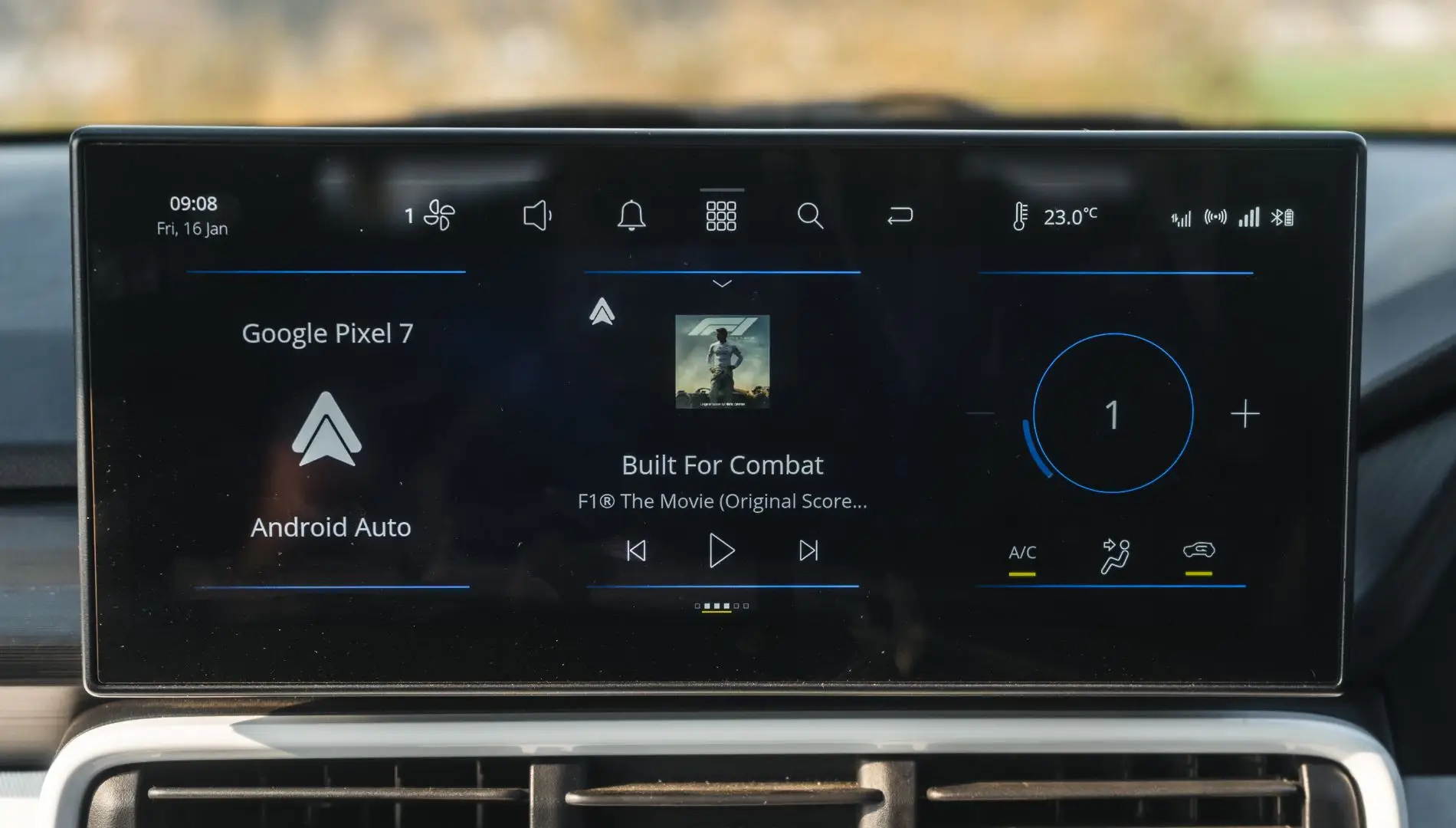
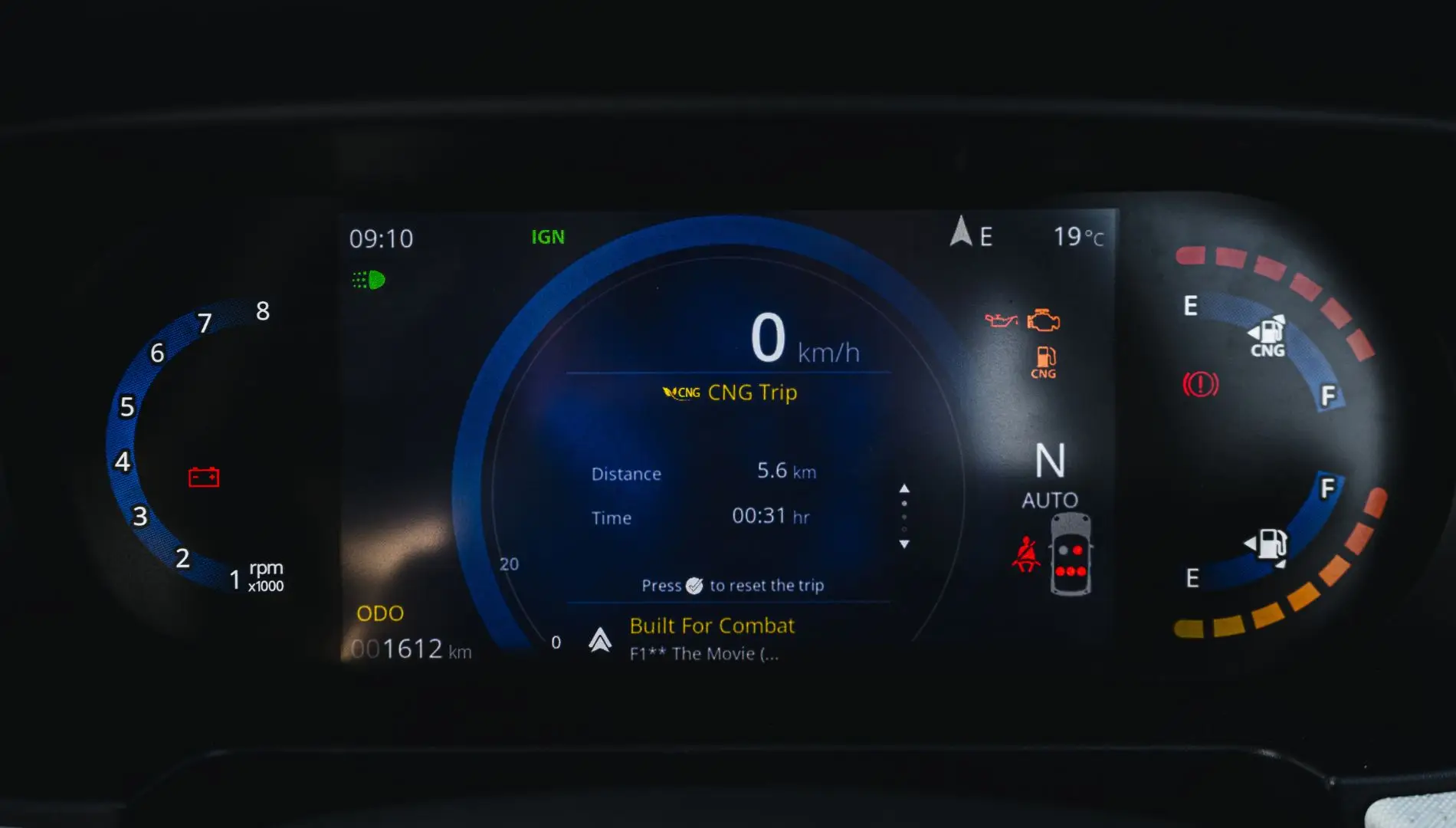
Technology has been upgraded significantly. The Punch now offers a 10.25-inch infotainment screen, a 7-inch digital instrument display, a 360-degree camera system, wireless Android Auto and Apple CarPlay, wireless charging, a 65W USB-C fast charger, automatic climate control with rear vents, cruise control and a single-pane sunroof.
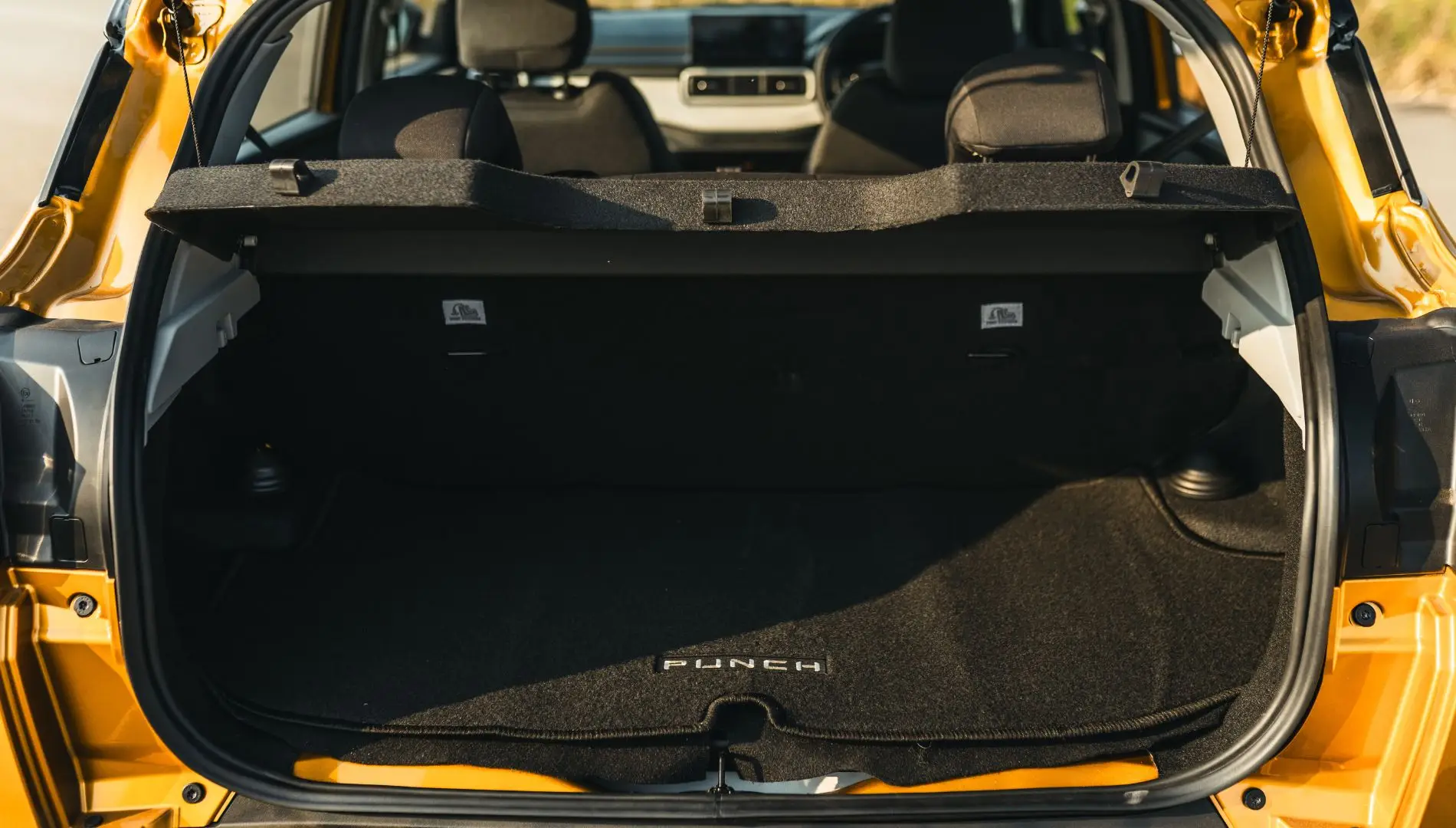
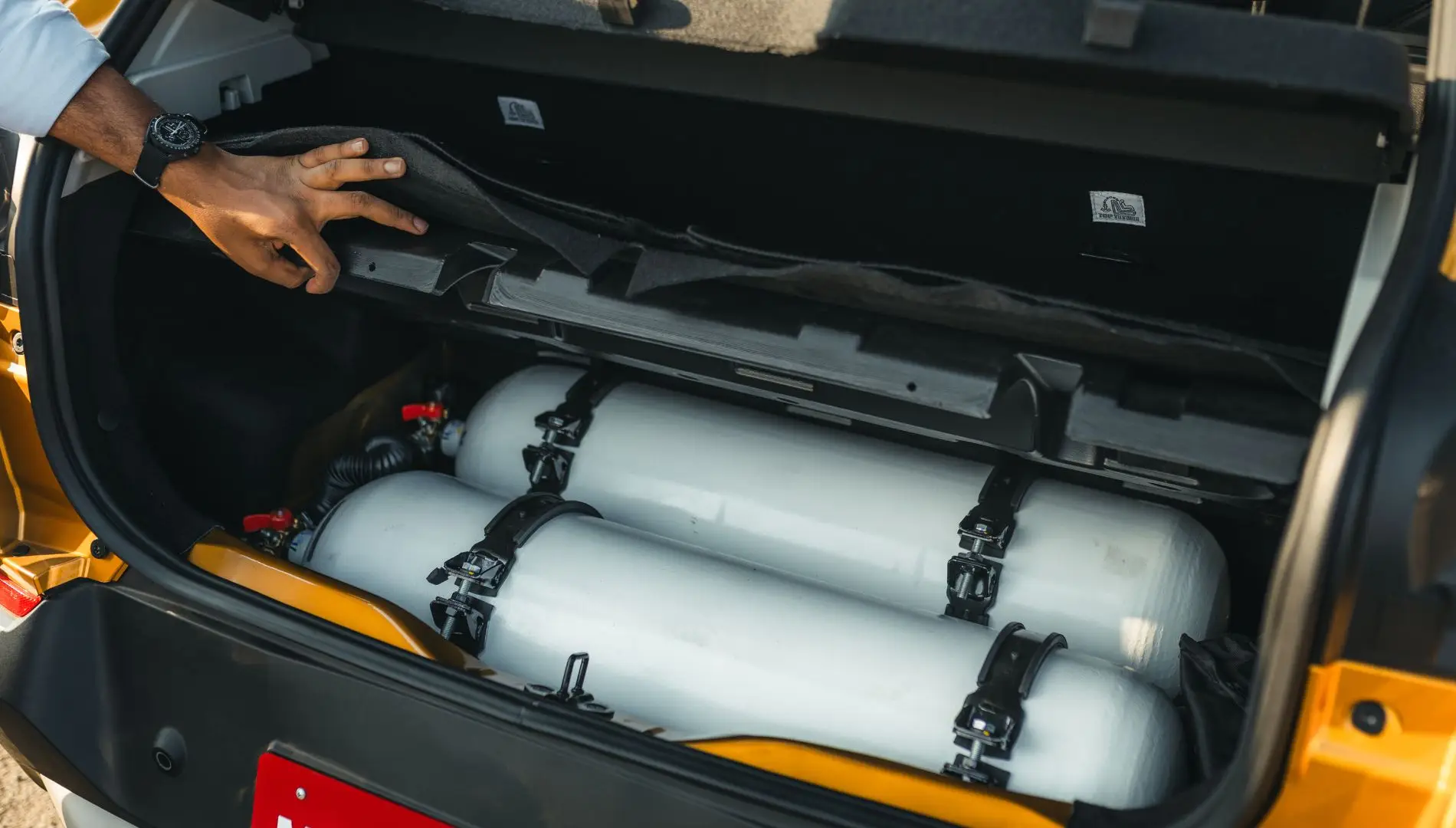
The brochure also highlights ambient lighting, connected technology and convenience features such as a cooled glovebox. Space continues to be one of Punch’s strengths. The upright architecture provides good headroom, easy access thanks to the 90-degree hinged doors and a sense of airiness. Boot space in petrol variants stands at 366-litres and 210-litres for the CNG variants.
Still the foundation
Safety remains central to the Punch. The facelift carries forward its 5-star Bharat NCAP rating and supports it with strong standard equipment. All variants get six airbags, ESP, hill hold, rear parking sensors, TPMS and ISOFIX mounts. Higher trims add the 360-degree camera blind view monitoring, auto headlamps, rain-sensing wipers and an auto-dimming mirror. Tata continues to emphasise body structure, crash integrity and fuel system protection.
Finally addressing the missing piece
The outgoing Punch always had one accepted weakness. Performance. The naturally aspirated 1.2-litre petrol was dependable and tractable but never enthusiastic. It suited the Punch’s urban brief but did not quite match the SUV image Tata had created.
The facelift addresses that directly with the introduction of a 1.2-litre turbocharged petrol engine producing 118bhp and 170Nm. These are figures that immediately reposition the Punch in its segment. Tata claims a 0 to 100kmph time of 11.1 seconds and, more importantly, a wide torque band from 1750rpm to 4000rpm which suggests usable performance rather than headline chasing.
This engine is paired with a 6-speed manual gearbox. There is no automatic option here. While some buyers will be disappointed, this decision keeps costs contained and avoids overlap with the Nexon. It also tells you how Tata views this variant, not as a mass automatic but as a driver-focused Punch.
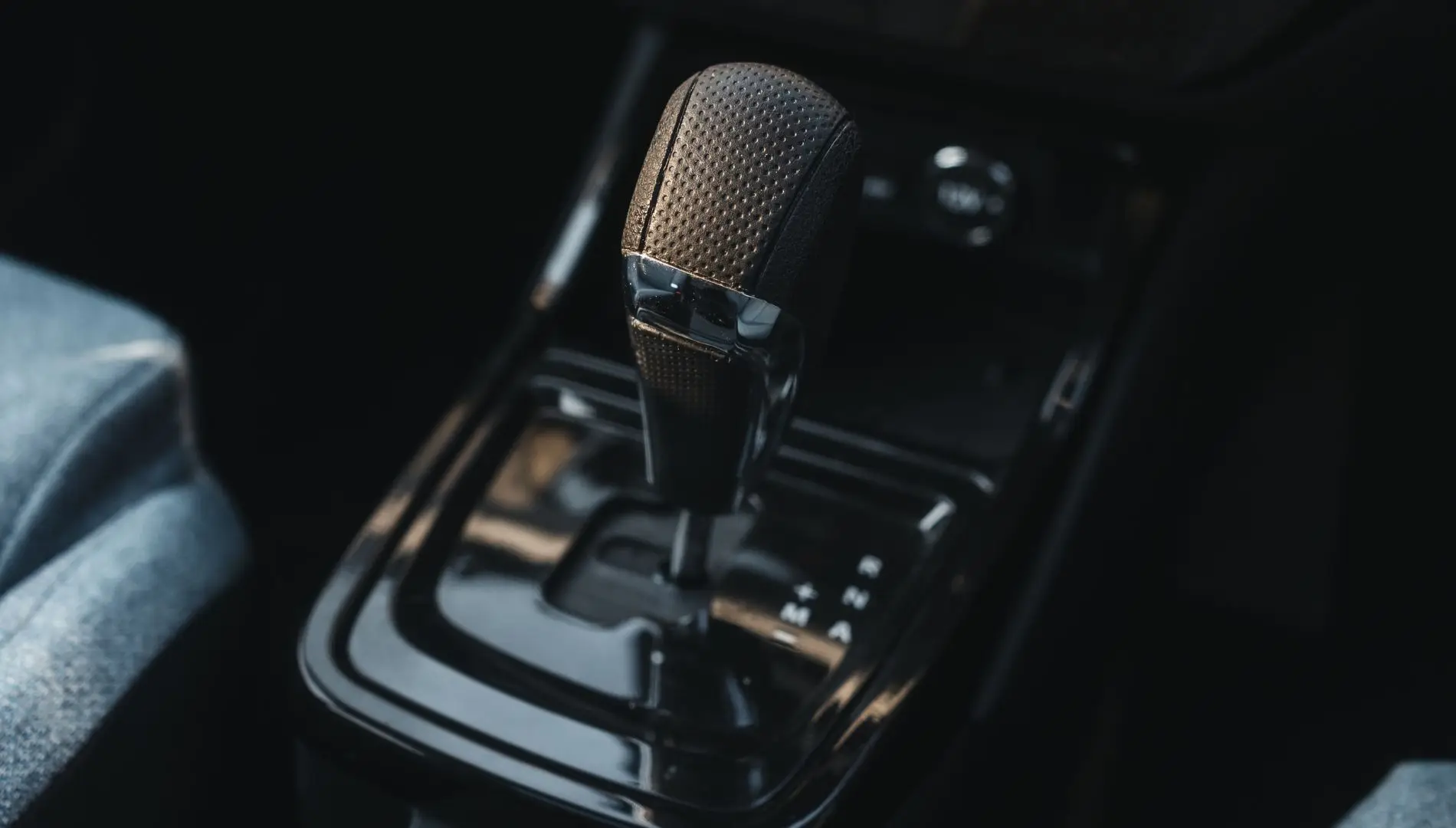
Alongside this new engine, the existing 1.2-litre naturally aspirated petrol with 87bhp and 115Nm and the petrol CNG with 72bhp and 103Nm continue. The major update here is the availability of an AMT gearbox with the CNG. This immediately makes it one of the most accessible automatic CNG combinations in the country. The brochure details integrated safety systems, including leak detection, thermal incident protection and direct CNG start, which reinforce Tata’s safety-led positioning.
First impressions behind the wheel
The driving position remains one of the Punch’s quiet strengths. You sit upright, with good visibility in all directions and a bonnet line that gives you a sense of where the car ends. It is a confidence-building place to be, particularly for new drivers and urban users.
Punch Turbo manual
The turbo petrol transforms the way the Punch accelerates. Where the earlier car built speed patiently, the new one gathers pace well. The difference is apparent within the first few metres of driving.
Throttle response at low speeds is progressive. There is no sudden surge off idle and that makes city driving easy. The clutch take-up is friendly. The engine pulls cleanly from low rpm and does not feel strained in slow traffic. In this environment, the turbo motor is actually easier to drive than the naturally aspirated one because you do not need to work it as hard to stay in the flow.
As revs build, the character changes. Between 2000rpm and 4000rpm, the engine develops a strong mid-range. This is where the Punch gains a new dimension. Overtakes that previously required planning can now be executed in smaller gaps. Two-lane highway driving becomes less stressful. Gradients require fewer downshifts.
The six-speed gearbox complements this well. Ratios are sensibly spaced. The additional sixth gear lowers cruising rpm and contributes to a more relaxed highway gait. Shift quality is light and positive, though not particularly sporty or precise. It suits the car’s brief, which is ease rather than aggression.
Engine refinement is good. There is a distant three-cylinder thrum under load, but vibrations are well contained. Wind and road noise dominate before engine noise does, which is a sign of improved overall refinement. High-speed stability is another area where the Punch benefits from the added performance. The car feels more settled at sustained highway speeds simply because it is no longer operating near the top of its ability. There is a usable reserve. That changes the way you approach long journeys.
Still a core strength
One of the original Punch’s biggest achievements was its ride quality. It dealt with broken roads better than many larger hatchbacks. That basic tuning philosophy continues with the facelift.
At low speeds, the suspension is supple. Sharp edges are rounded off well. Speed breakers and potholes are absorbed without sending shocks into the cabin. The suspension works quietly and without excessive secondary movement. This is important in a tall small car because excessive vertical motion quickly becomes tiring. The Punch manages to feel compliant without feeling floaty.
As speeds rise, the damping tightens perceptibly. On highways, the Punch feels planted. Expansion joints and surface undulations are absorbed in a single movement rather than a series of aftershocks. The body does not continue to oscillate once a bump has been dealt with.
There is a gentle firmness to the high-speed ride that contributes to stability. The Punch does not feel nervous or light at the front. Crosswinds and passing traffic do not unsettle it easily.
Safe and predictable rather than sporty
The Punch has never been a corner carver. The facelift does not change that. What it does improve is confidence. Body roll is present but controlled. The centre of gravity is inevitably higher than a hatchback. Turn-in is predictable rather than sharp. The front end responds progressively to steering inputs.
What the turbo engine adds is the ability to balance the car on the throttle. Mid-corner corrections are now easier because there is torque available without dropping two gears. That gives the driver greater control when flowing along twisty roads.
Tata has also equipped the Punch with electronic stability control as standard. In normal driving, it operates unobtrusively. It intervenes gently when provoked and never feels intrusive. Overall, the Punch’s handling philosophy remains unchanged. It is tuned to inspire confidence rather than excitement. The new engine simply allows you to access the car’s dynamic ability more easily.
Urban focus
The CNG AMT represents the other end of the Punch spectrum. Where the turbo manual expands the Punch’s dynamic appeal, the CNG AMT strengthens its role as a city companion.
The engine’s output is modest but adequate. In CNG mode, there is an expected drop in urgency, but drivability remains acceptable.The AMT gearbox is tuned for smoothness. It upshifts early, avoids unnecessary downshifts and suits relaxed urban driving. There is a slight pause between ratios, as is typical of automated manuals, but calibration is clean and predictable.
In stop-start conditions, the CNG AMT makes a strong case for itself. You do not need to work around the gearbox. It fades into the background and allows you to focus on traffic flow. When paired with the Punch’s ride comfort and commanding seating position, it becomes a very easy car to live with.
Where the turbo Punch invites longer journeys, the CNG AMT is happiest being used daily. School runs, office commutes and errand duty. It does these quietly and efficiently.
Long-distance usability
Where the turbo Punch really scores is in its ability to stretch beyond the city. Highway cruising is relaxed. The sixth gear allows the engine to sit at a comfortable rpm at 100 to 110kmph. Noise levels are controlled. The seats with their added thigh support make a difference over longer stints.
Verdict
The original Tata Punch worked because it was engineered around fundamentals. Structure, ride quality, visibility and safety. It did not try to be exciting. It tried to be dependable.
The facelift keeps those fundamentals intact. The ride quality is still a highlight. The car still feels solid on broken roads. The upright stance and commanding seating position continue to make everyday driving easy. And safety remains a core strength rather than a brochure statistic.
What the 2026 update really changes is the Punch’s bandwidth. The new turbo-petrol engine gives the Punch a layer of performance it always looked like it deserved. It allows the car to cruise more comfortably, overtake more confidently and take on longer journeys without feeling like it is working at the edge of its ability. It finally aligns the way the Punch drives with the way it looks.
At the other end of the spectrum, the CNG AMT strengthens the Punch’s original brief. It makes the car even easier to live with in the city, lowers the effort of daily use and does so without compromising ride comfort or usability.
What makes this expansion of ability more impressive is that it comes without a dramatic shift in pricing. With the range now starting at ₹5.59 lakh, the Punch continues to sit firmly within reach of first-time buyers while offering performance, safety and technology that were previously absent from this end of the market. In doing both, Tata has not changed what the Punch is. It has simply completed it.
Engines:
• 1.2L NA petrol, 3-cyl
• 1.2L turbo-petrol, 3-cyl
• 1.2L petrol-CNG, 3-cyl
Power & Torque:
• NA petrol: 87bhp, 115Nm
• Turbo-petrol: 118bhp, 170Nm
• CNG: 72bhp, 103Nm
Gearboxes:
• 5-speed manual (NA petrol, CNG)
• 6-speed manual (turbo-petrol)
• 5-speed AMT (CNG)
Boot space:
• Petrol: 366 litres
• CNG: 210 litres
Safety:
6 airbags, ESP, hill hold, TPMS, ISOFIX, 5-star Bharat NCAP
Price (ex-showroom)
₹5.59-₹10.54 lakh