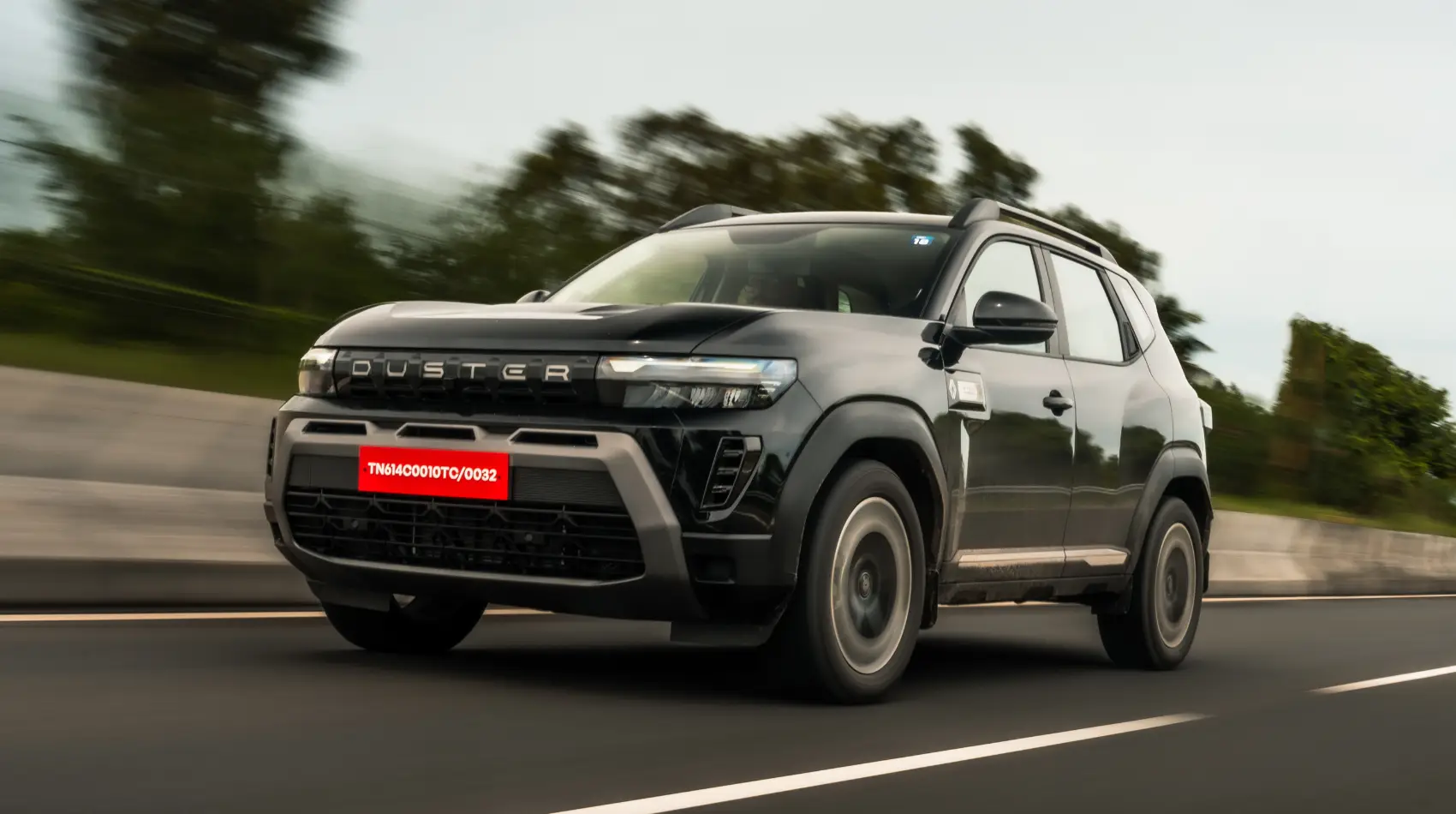
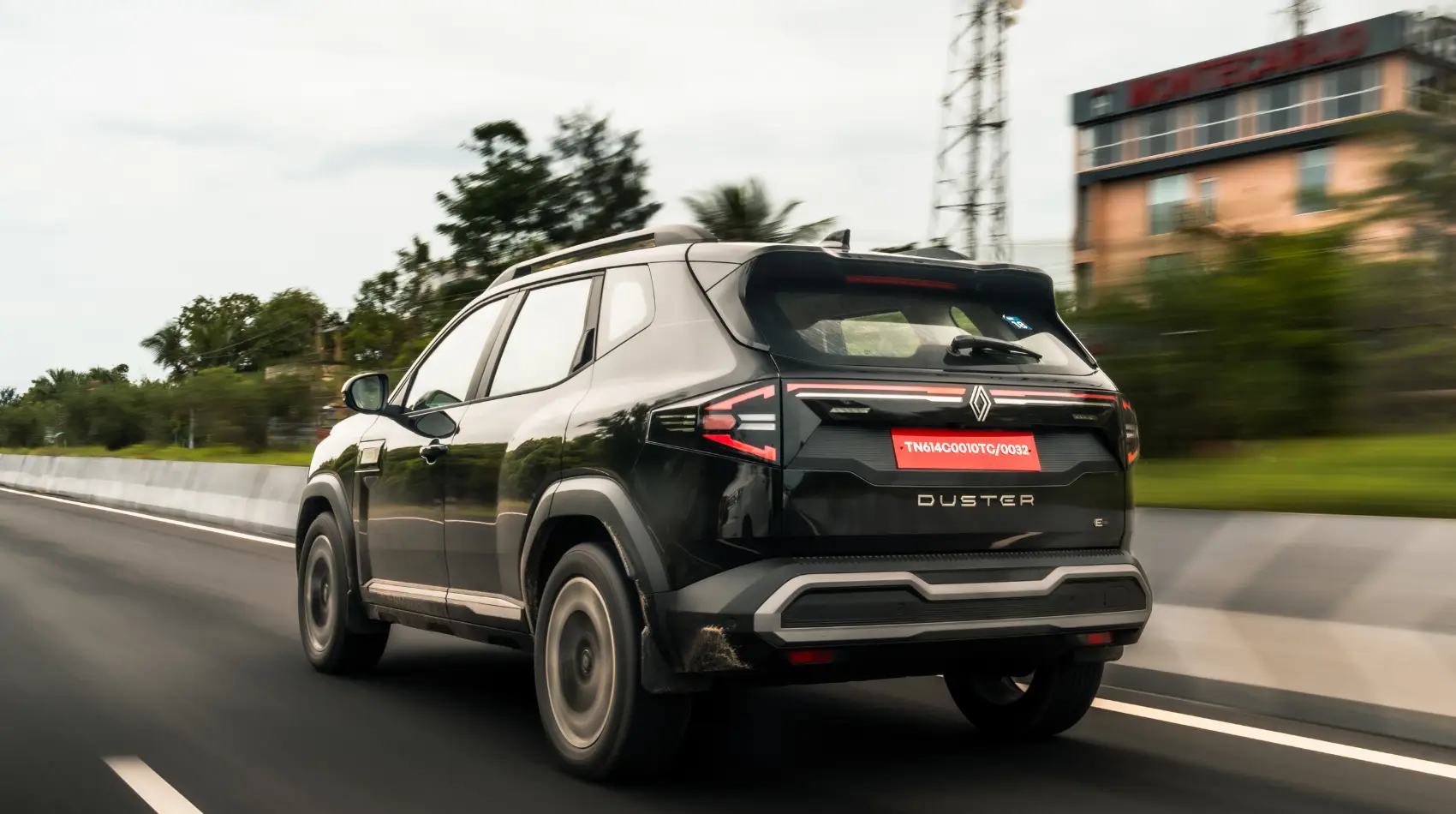
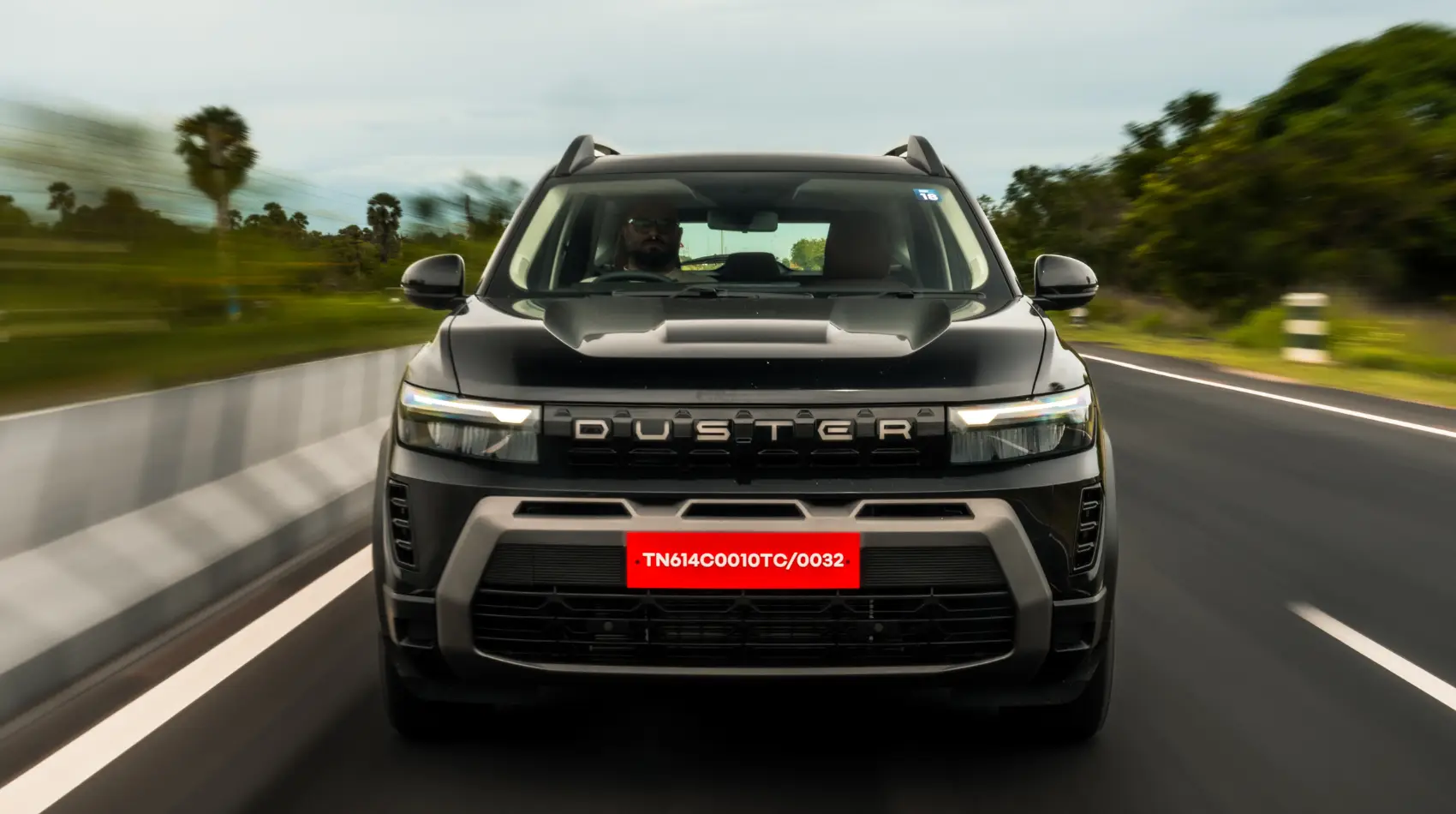
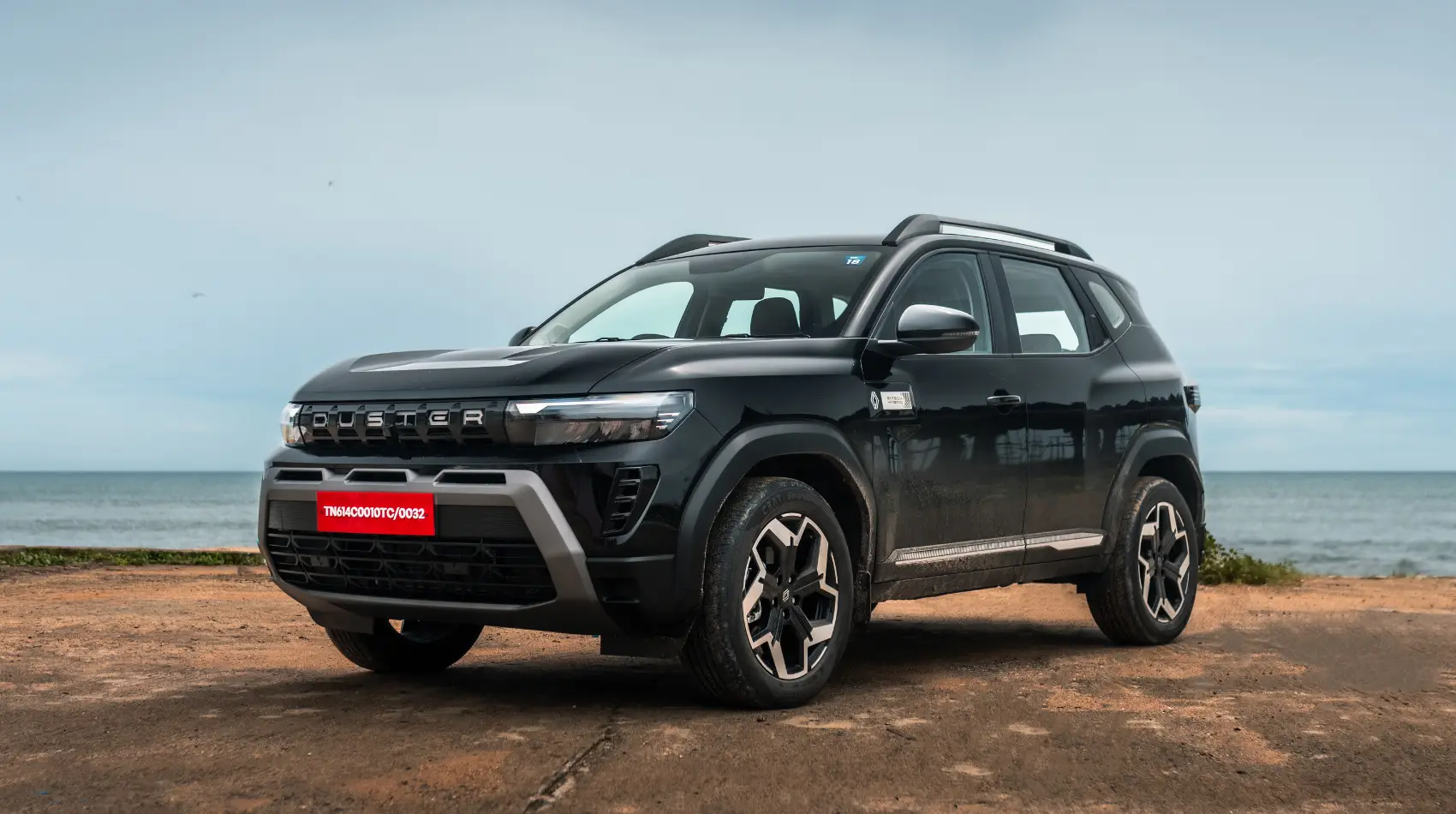
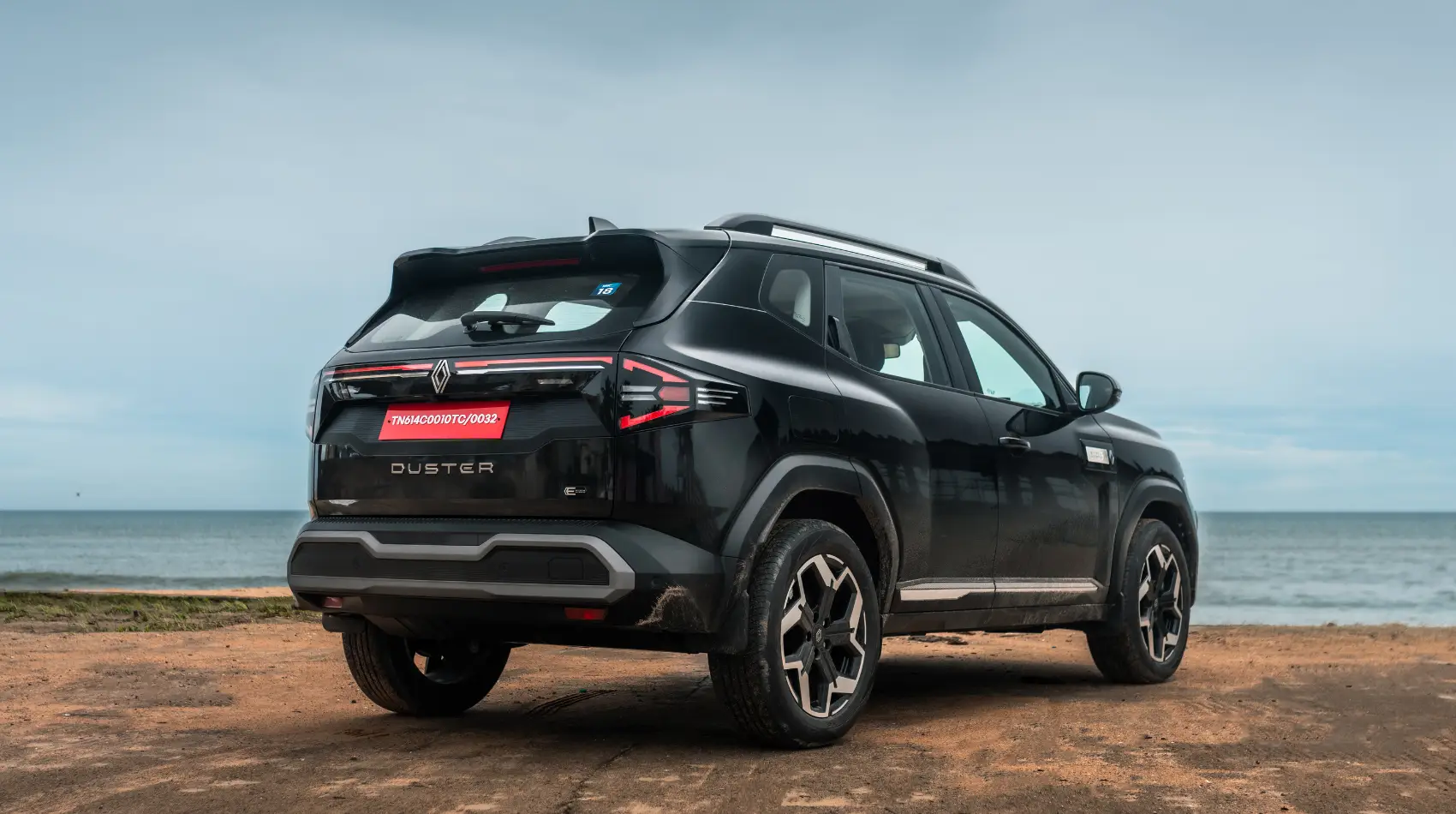
When the new Renault Duster was launched earlier this year, we all thought it would be a phenomenal hit. And why wouldn't we? It had a brand name that India once absolutely loved, just the right dimensions, good looks and, on paper at least, all the ingredients needed to become a bestseller.
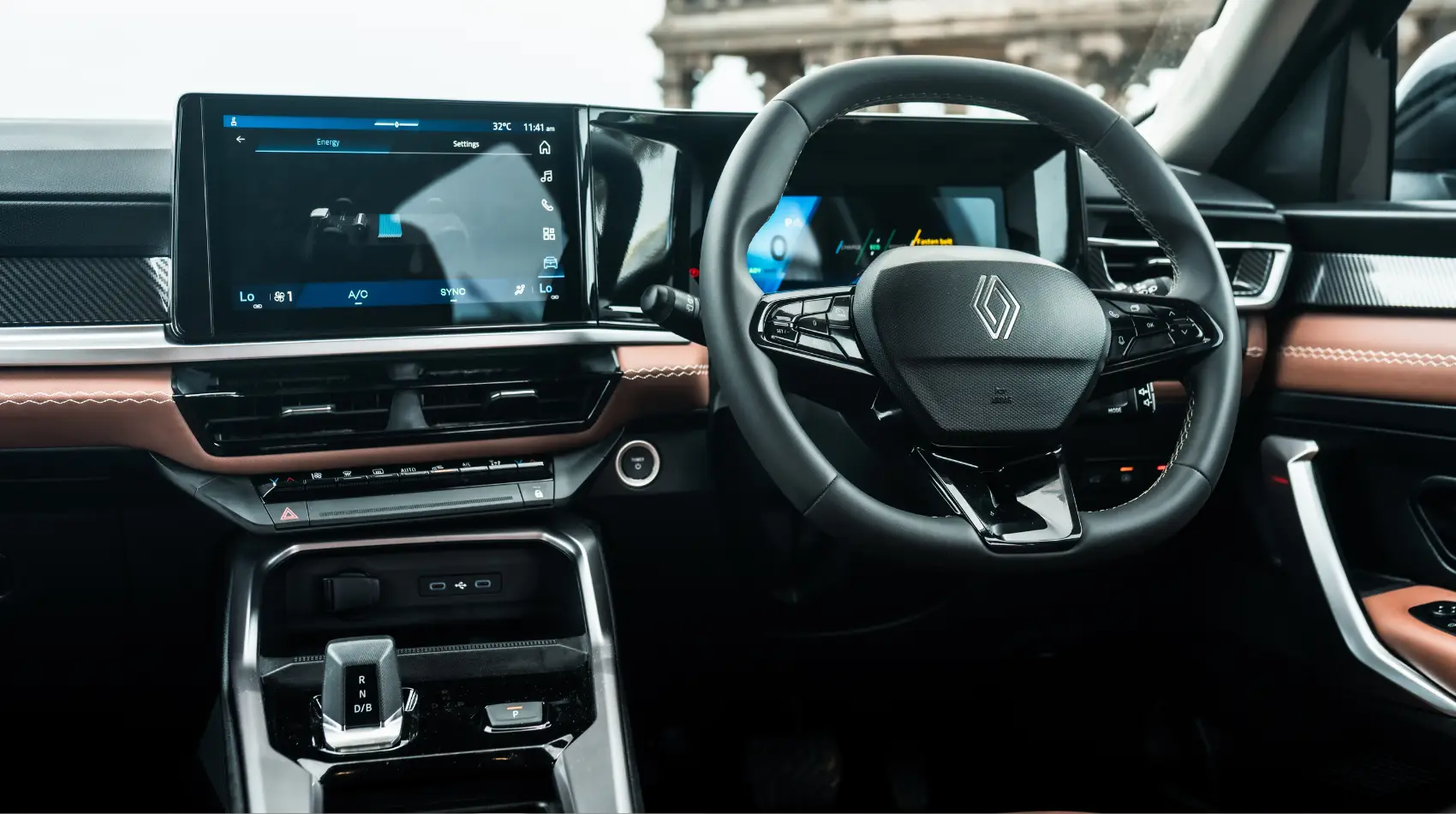
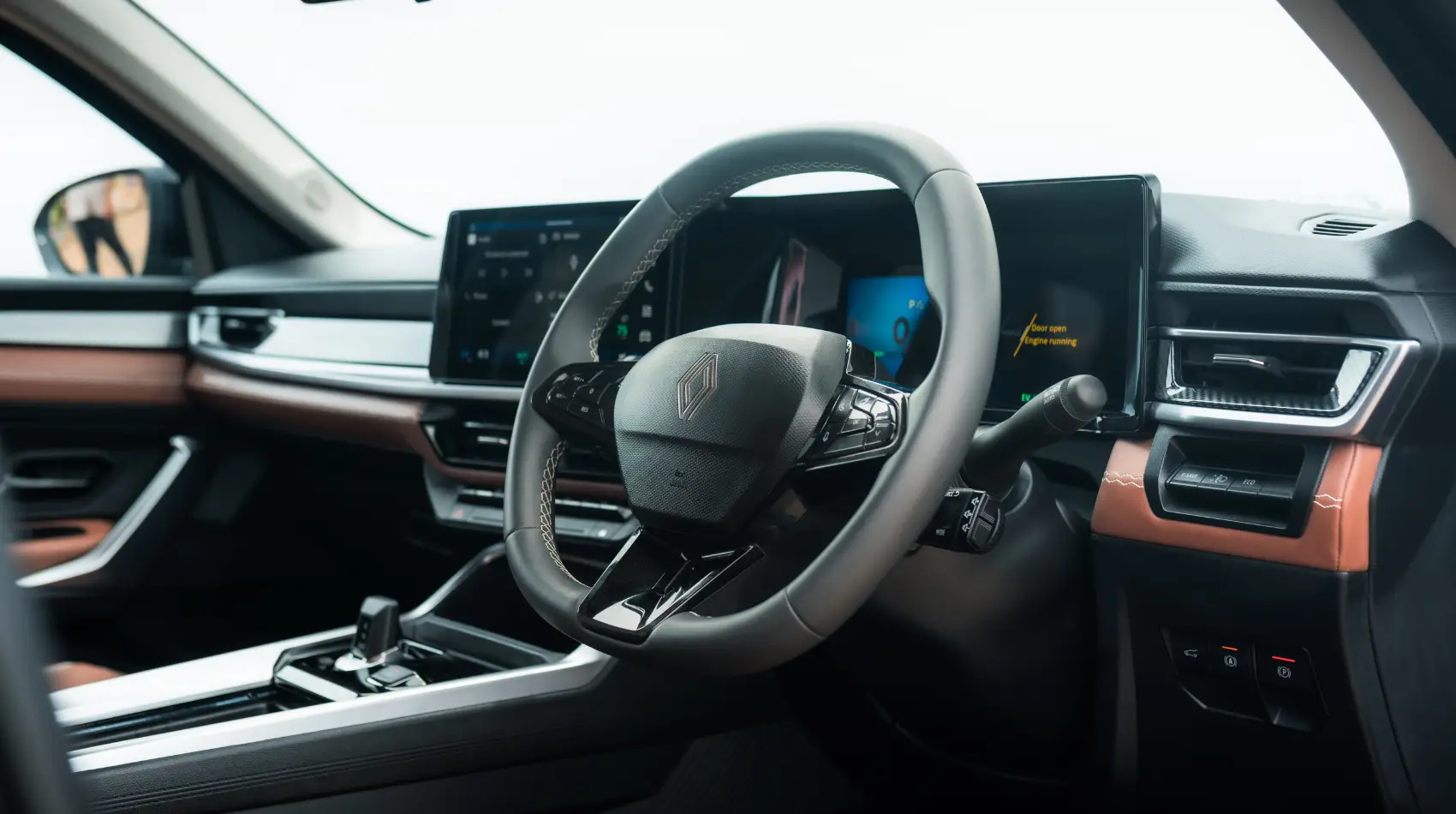
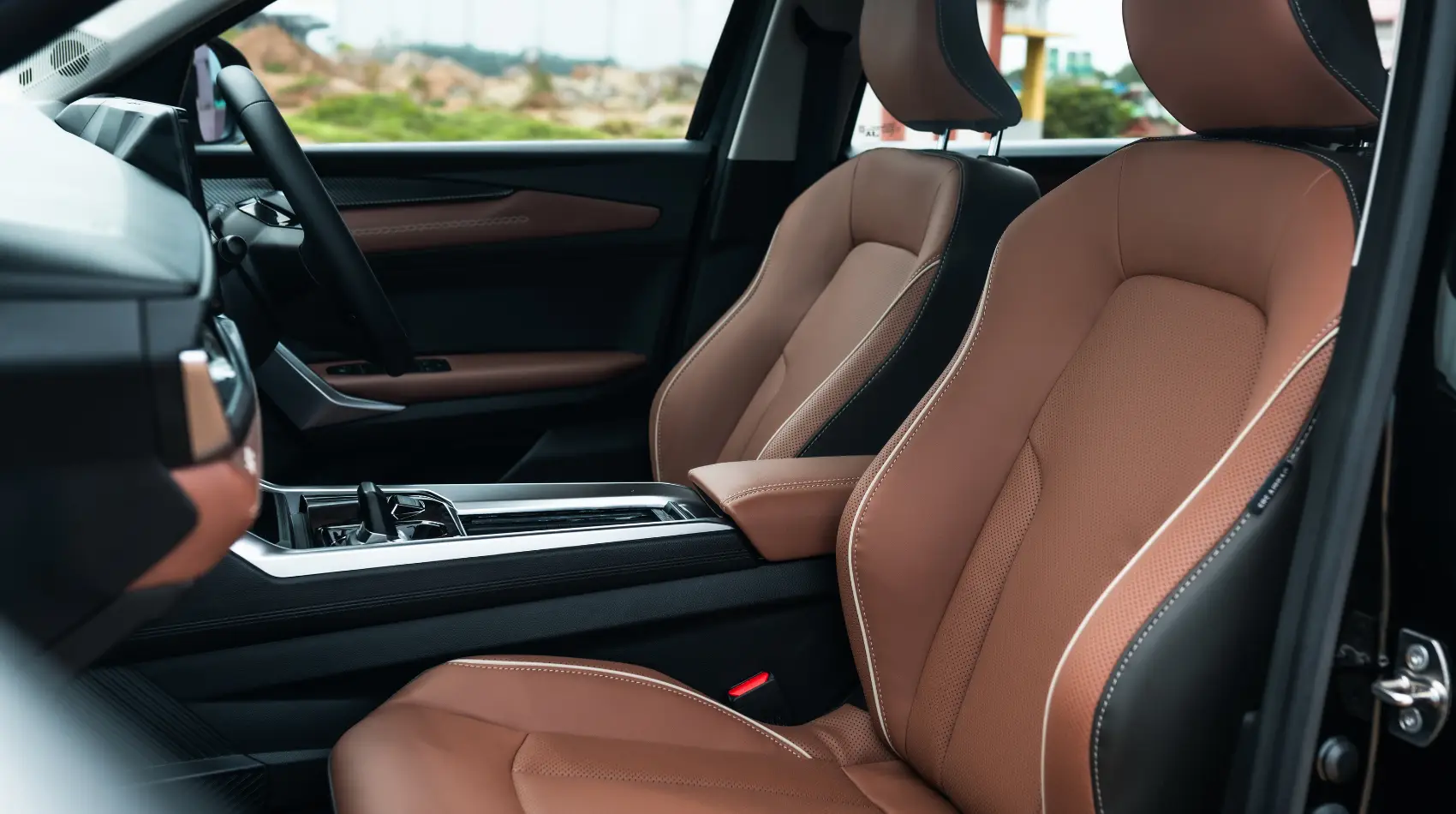
It was powerful, had a phenomenal chassis, handled brilliantly and was loaded to the gills with equipment. ADAS? Check. Panoramic sunroof? Check. 360-degree cameras, digital instrument cluster, cooled seats and a great infotainment system? Check, check and check. Basically, Renault had gone through the compact SUV checklist and ticked practically every box.
And yet, for some strange reason, India seems to have wholeheartedly decided that the new Duster isn't for India. In September 2026, Renault sold fewer than 500 Dusters. That's the combined number for both the 1.0-litre and 1.3-litre turbo-petrol versions. Meanwhile, the Kia Seltos, launched around the same time, managed a whopping 12,000 units.
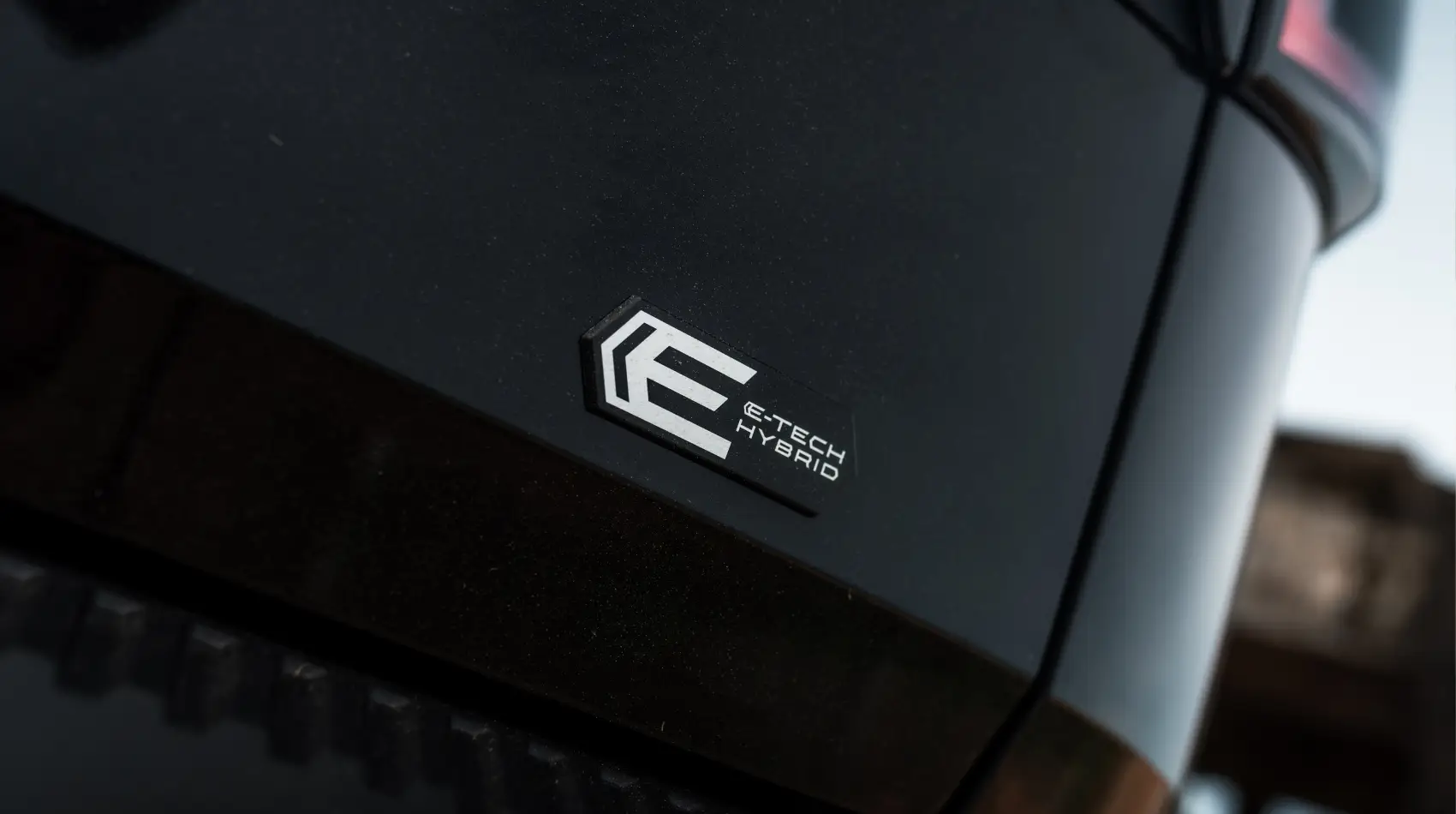
Twelve thousand versus fewer than five hundred. That's not a sales gap. That's an absolute massacre. Now, Kia did have one advantage. It launched with all its engine options available from day one. Renault, on the other hand, decided to hold back its hybrid powertrain. And now, a few months after the original launch, the Duster Hybrid is finally available to the public. The question is, can it turn things around?
Let's start with the pricing. The Duster Hybrid starts at ₹16.99 lakh, ex-showroom, and goes up to ₹19.49 lakh for the top-spec Emotion variant we're driving here. That puts it right in the middle of the Maruti Grand Vitara and Toyota Hyryder competition.
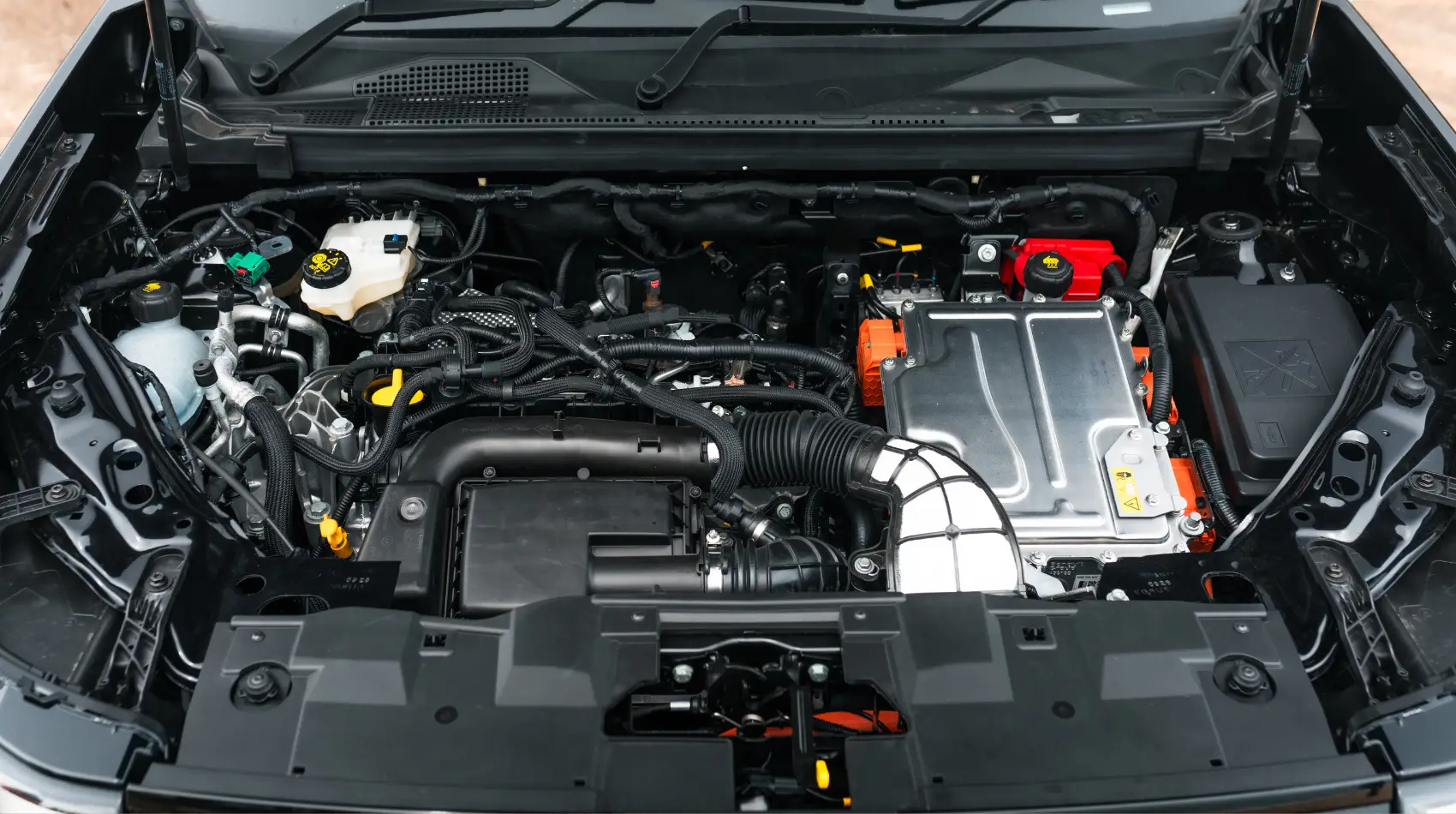
Under the bonnet sits a 1.8-litre naturally aspirated four-cylinder petrol engine. Two things are important here. First, it's a 1.8-litre engine, considerably larger than the 1.5-litre units used by its immediate hybrid rivals. Second, and perhaps more importantly, it has four cylinders instead of three. That inherently makes it a smoother engine, with better refinement characteristics than a typical three-cylinder motor.
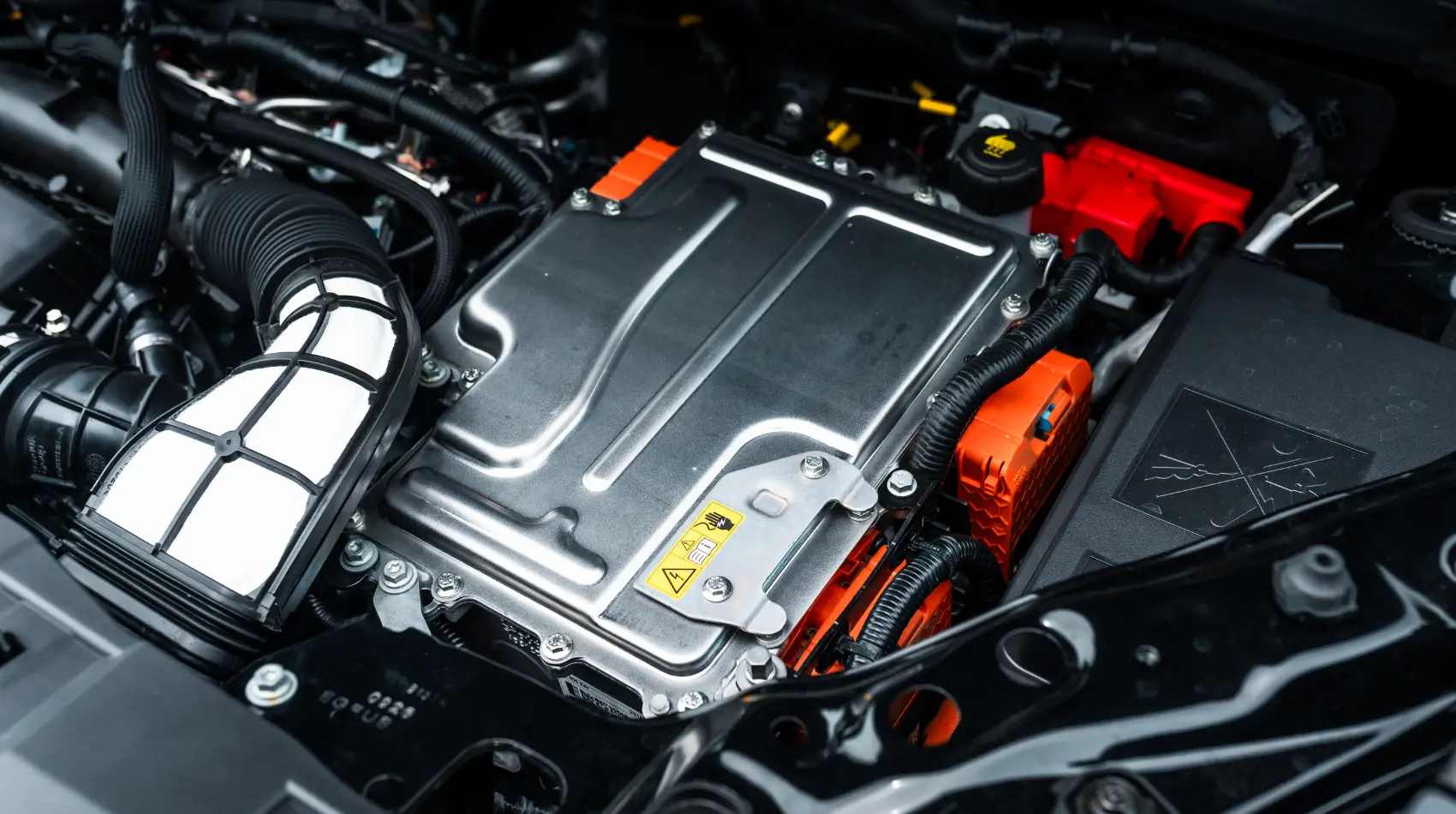
On its own, the petrol engine produces 110 horsepower, which, frankly, is a bit of a pittance for a modern 1.8-litre naturally aspirated engine. But there's also a 1.4kWh battery pack powering a 50hp electric motor, and the combined system output is a much healthier 160 horsepower.
And then there are Renault's efficiency claims. 29kmpl. And a claimed range of up to 1,400 kilometres under ideal conditions. Those are frankly ridiculous numbers for a petrol-powered SUV of this size. But we'll come back to efficiency in a moment, because something rather interesting happened during our drive.
The first thing you notice about the Duster Hybrid is just how effortlessly it drives. As expected, the naturally aspirated four-cylinder engine is beautifully smooth, and the electric motor fills in the gaps in power delivery rather brilliantly. There's plenty of torque available when you need it, and whether you're crawling through city traffic, accelerating onto a highway or overtaking slower vehicles, the Duster makes everything feel remarkably easy.
In the city, you'll spend a surprising amount of time running purely on electric power. And for regular urban driving, that's more than enough. The transition between electric and petrol power is also almost completely seamless. But then again, it's 2026. Hybrids have been around long enough that getting this right should be the bare minimum. Thankfully, Renault has.
The system essentially operates in three ways. The electric motor can power the car independently, the petrol engine and electric motor can work together, or the petrol engine can charge the battery while the car is being driven. You barely notice any of it happening.
Unless you're staring at the power-flow graphic on the infotainment screen, which you probably won't be because you'll have Apple CarPlay or Android Auto running, you'll have absolutely no idea what the powertrain is doing. There is one slightly unusual characteristic, though. Occasionally, while crawling through traffic, the petrol engine will rev up to charge the battery even though you're barely moving. Initially, that feels a little strange because the engine speed doesn't necessarily correspond to what your right foot is doing. But you get used to it quickly. And with some music or a podcast playing, you probably won't even notice.
Unlike the Kia Sorento Hybrid (yes, I know it is a much larger vehicle), there are no selectable regenerative braking modes. Personally, I would have liked that little bit of additional control. Instead, the Duster simply manages everything automatically. And to its credit, it does a fantastic job.
One of the biggest reasons I loved the turbocharged Duster was its chassis. The ride and handling balance was genuinely among the best in this segment, and I'm happy to report that the Hybrid hasn't ruined any of that. Despite the additional weight of the hybrid system, the Duster still rides beautifully. It's comfortable over broken surfaces, composed at higher speeds and surprisingly entertaining when you decide to drive it enthusiastically. The steering, suspension and overall body control continue to be the highlights.
I've previously said that mechanically, I had almost zero complaints about the turbocharged Duster. And after driving the Hybrid, that opinion hasn't changed. This is still one of the nicest compact SUVs to drive in India.
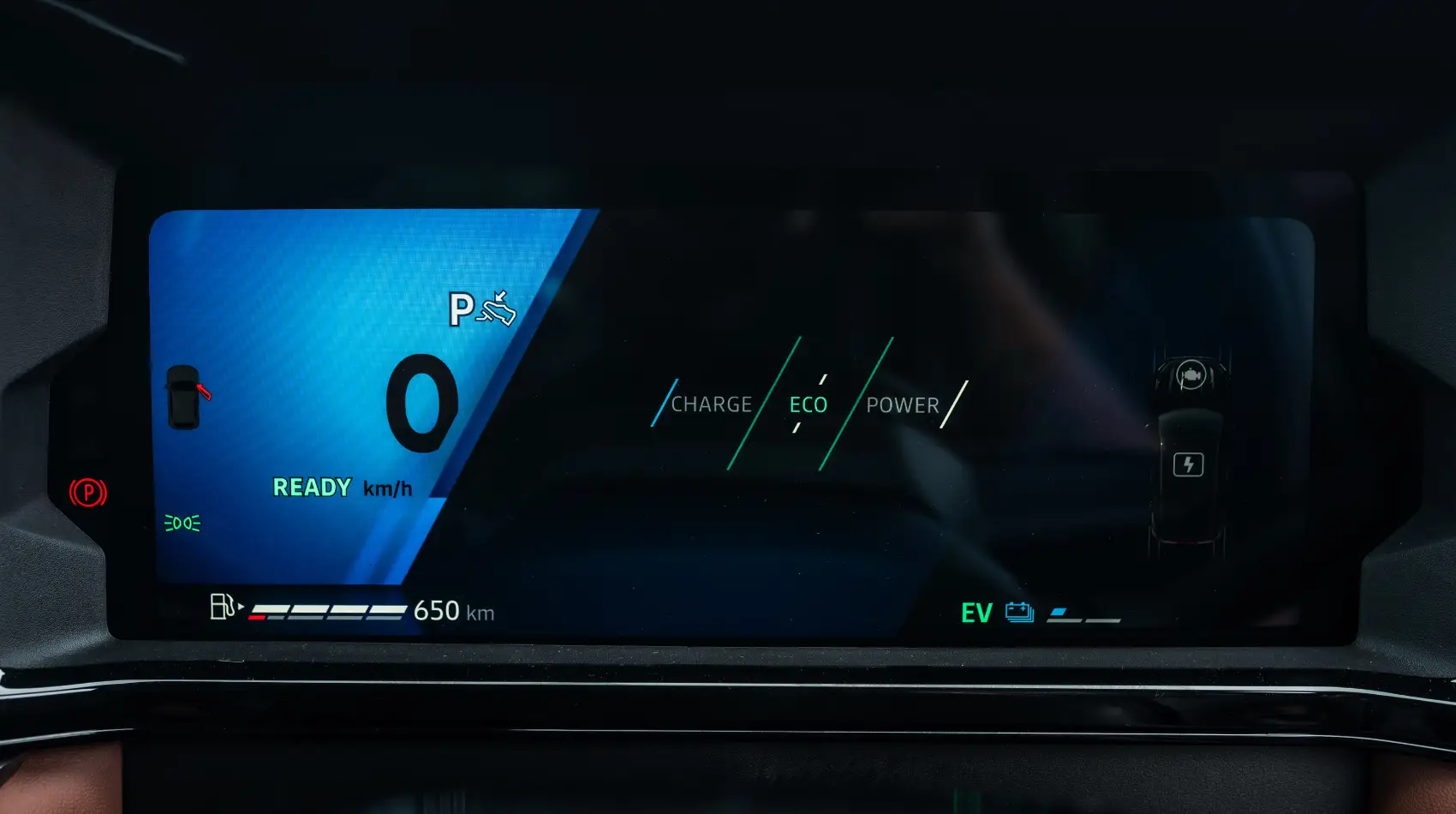
Now, about that claimed 29kmpl figure. Unfortunately, this was a first drive, and we didn't have the opportunity to conduct a proper, controlled fuel-efficiency test. That's something we'll be doing very soon. But here's what happened. When I started driving in the morning, the instrument cluster showed approximately 660 kilometres of remaining range. I then drove for a little over 90 kilometres. A mix of regular driving, some faster stretches and absolutely no attempt at hypermiling. When I returned to the hotel, the dashboard showed 650 kilometres of remaining range.
Read that again. I'd driven approximately 90 kilometres, and the estimated remaining range had dropped by just 10 kilometres. Now, obviously, this doesn't mean the car consumed fuel equivalent to just 10 kilometres of driving. The range display is an estimate that constantly recalculates based on consumption patterns, driving conditions and fuel remaining.
But it does suggest that the hybrid system was operating extremely efficiently. And considering I wasn't exactly driving like someone desperately trying to win an economy challenge, that's rather impressive. Whether the Duster can actually deliver anything close to Renault's claimed 29kmpl in real-world Indian conditions remains to be seen. But these initial impressions are extremely encouraging.
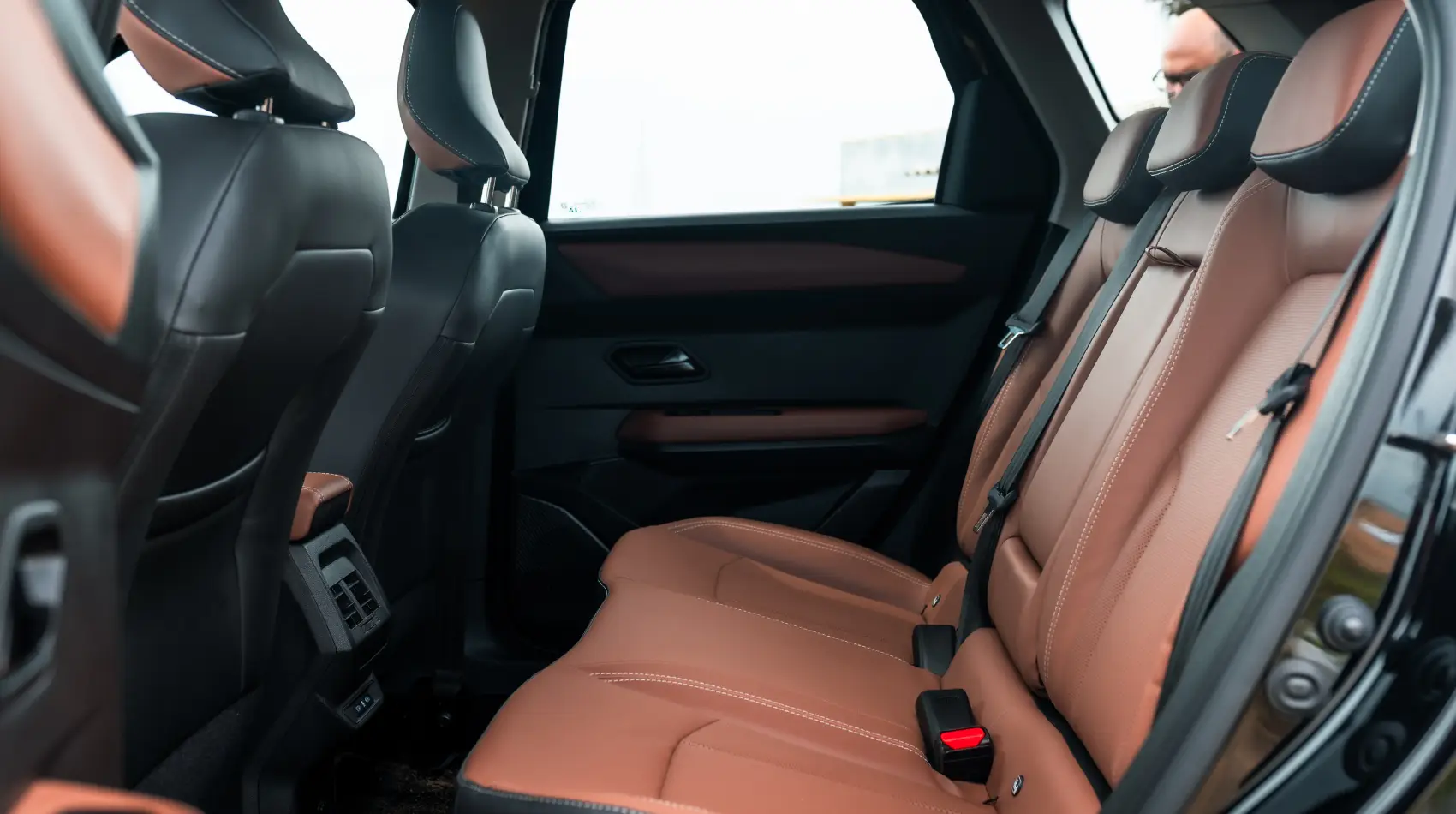
Unfortunately, there's one fundamental problem with the Duster that the hybrid powertrain simply cannot fix. Rear-seat space. And I genuinely believe this is one of the biggest reasons Indian customers haven't warmed up to the new Duster.
The compact SUV segment has moved on. The new Seltos is larger. The Tata Sierra feels almost cavernous inside. And the upcoming Creta is expected to follow the same philosophy of prioritising cabin space and rear-seat comfort. The Duster, meanwhile, feels like it's playing by an older set of rules. And that's a massive problem in India. You see, enthusiasts like us can spend hours talking about chassis balance, steering feedback, engine refinement and handling characteristics. But the average Indian car buyer doesn't necessarily care about any of that.
They walk into a showroom with their family. Their parents sit in the back. Their spouse checks the legroom. Someone comments that the rear seat feels cramped. And that's it. The car immediately drops to the bottom of the shortlist. It doesn't matter how brilliant the engine is, how many features it has or how wonderfully it handles. If the people sitting in the back aren't comfortable, the buying decision becomes remarkably simple. And that's where Renault has fundamentally misread the Indian market.
The Duster Hybrid is, mechanically speaking, an absolutely brilliant product. It's refined, powerful, comfortable, genuinely enjoyable to drive and potentially extraordinarily efficient. It is also priced sensibly enough to make a very compelling argument for itself. But the problem isn't the powertrain. It never was.
The problem is that Indian buyers increasingly want their compact SUVs to offer the space and comfort of something from a segment above. And the Duster simply doesn't deliver that. Which is a real shame, because Renault has built a genuinely excellent car. The Hybrid might just be the best Duster you can buy today. Whether that makes it the Duster India actually wants, however, is an entirely different question. And judging by those sales figures, Renault has a rather difficult answer to find.