The compact SUV segment is easily one of the biggest in the country. And that's hardly surprising. It represents the ultimate aspiration for the average middle-class Indian buyer. For most families, this is the step up from the hatchback they've owned for years, or the compact sedan or sub-four-metre SUV that got them through the early stages of life. This is the purchase that says, "I've made it." The car that matches where life has finally taken you.
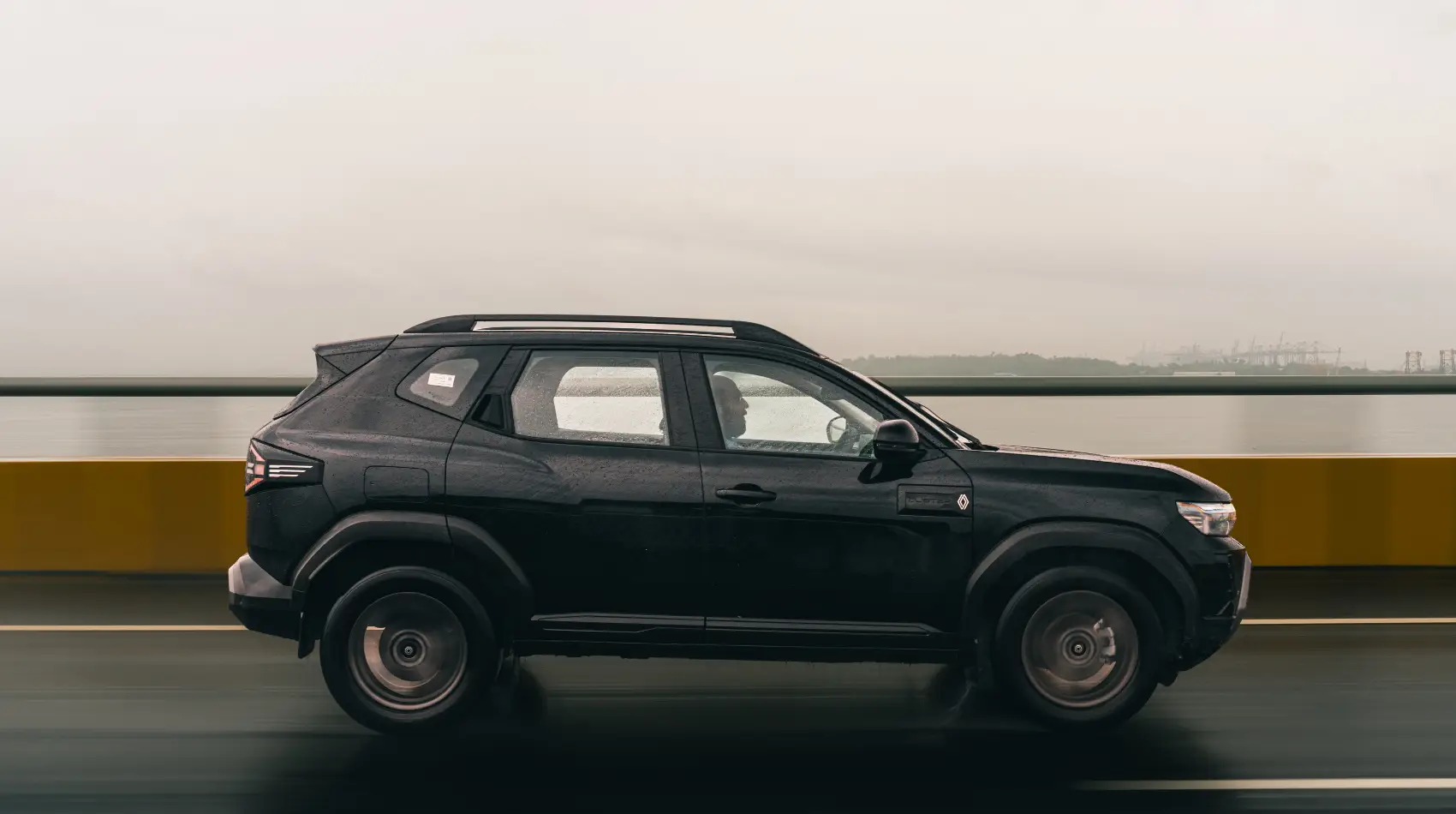
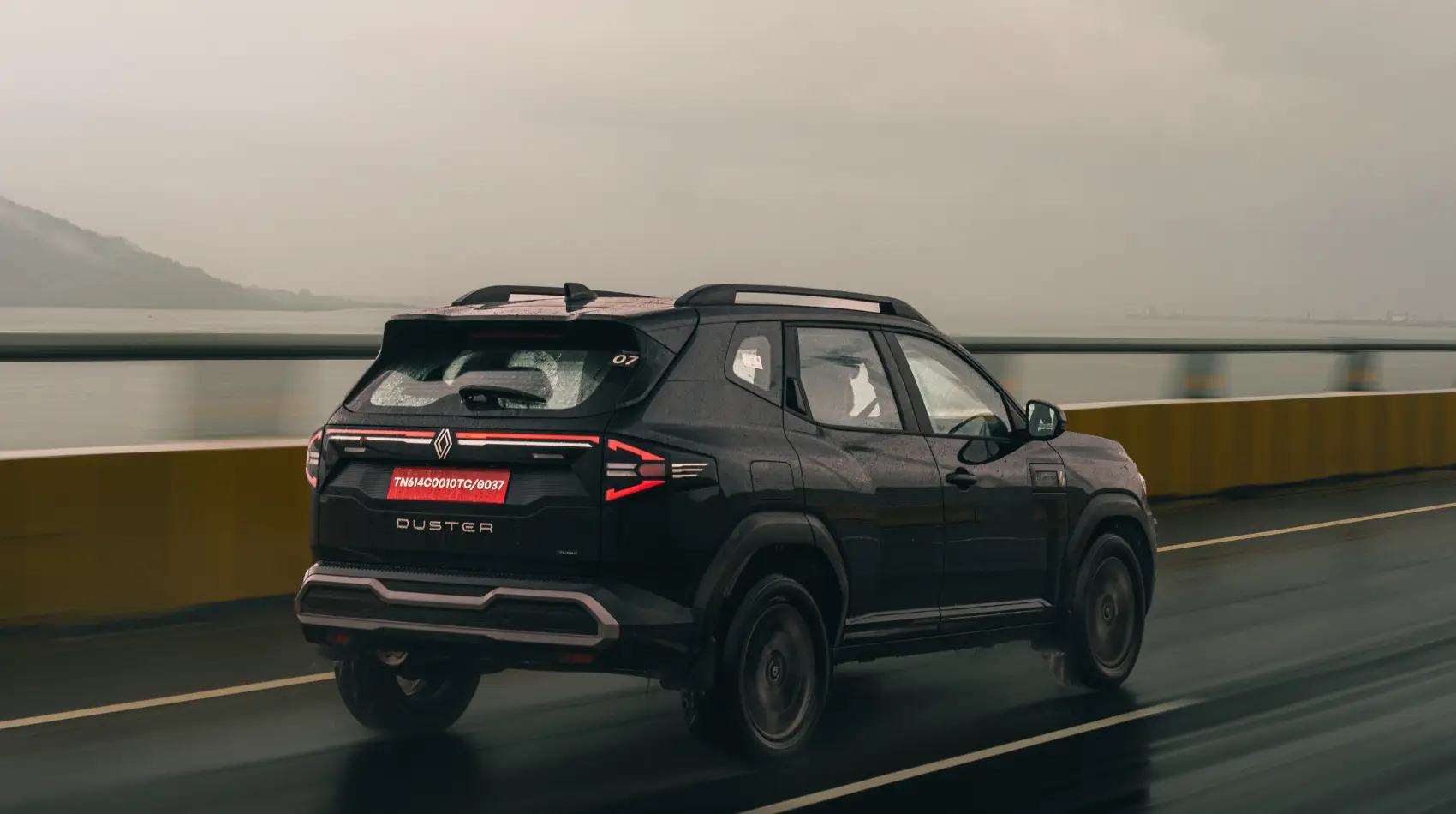
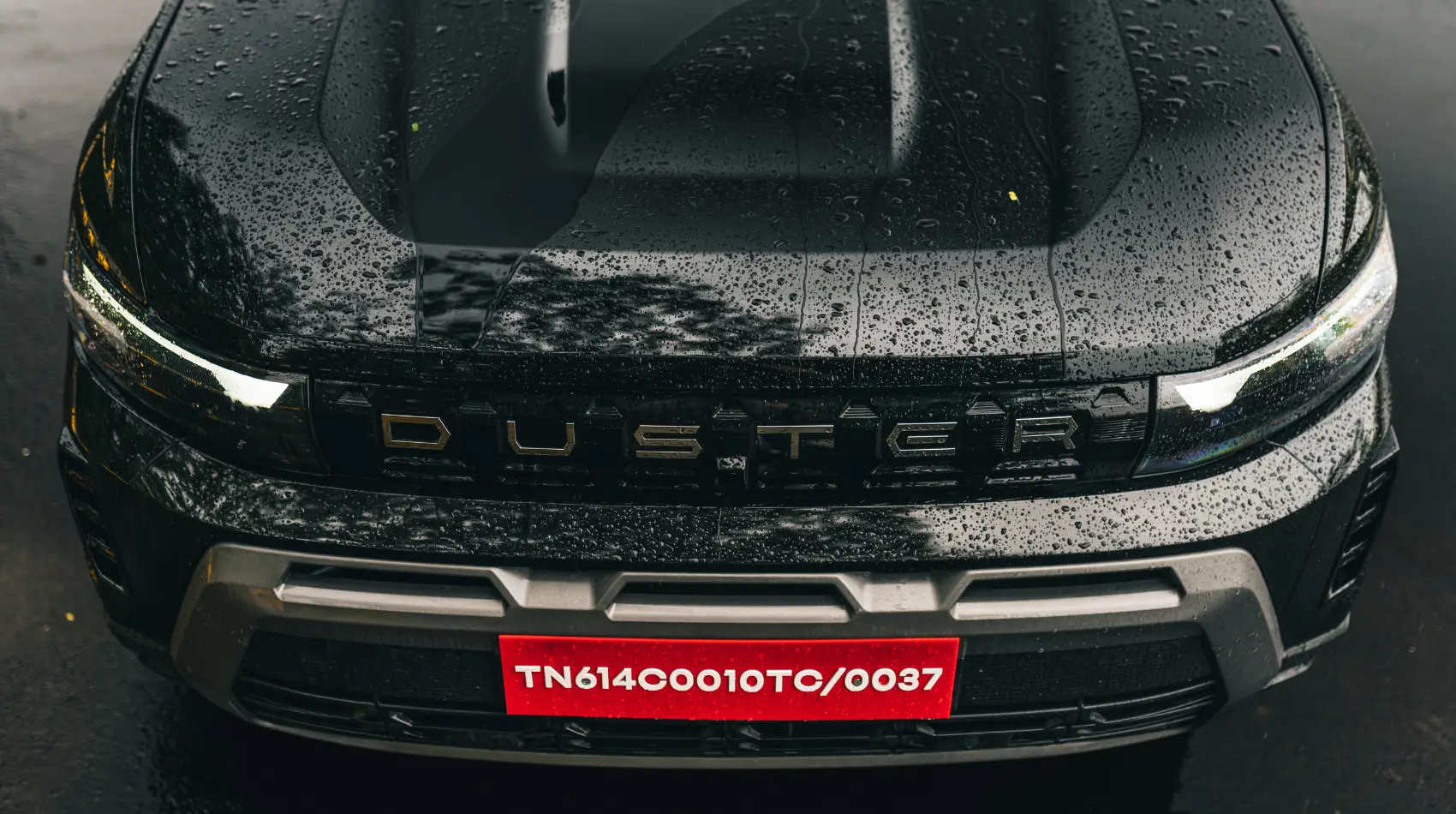
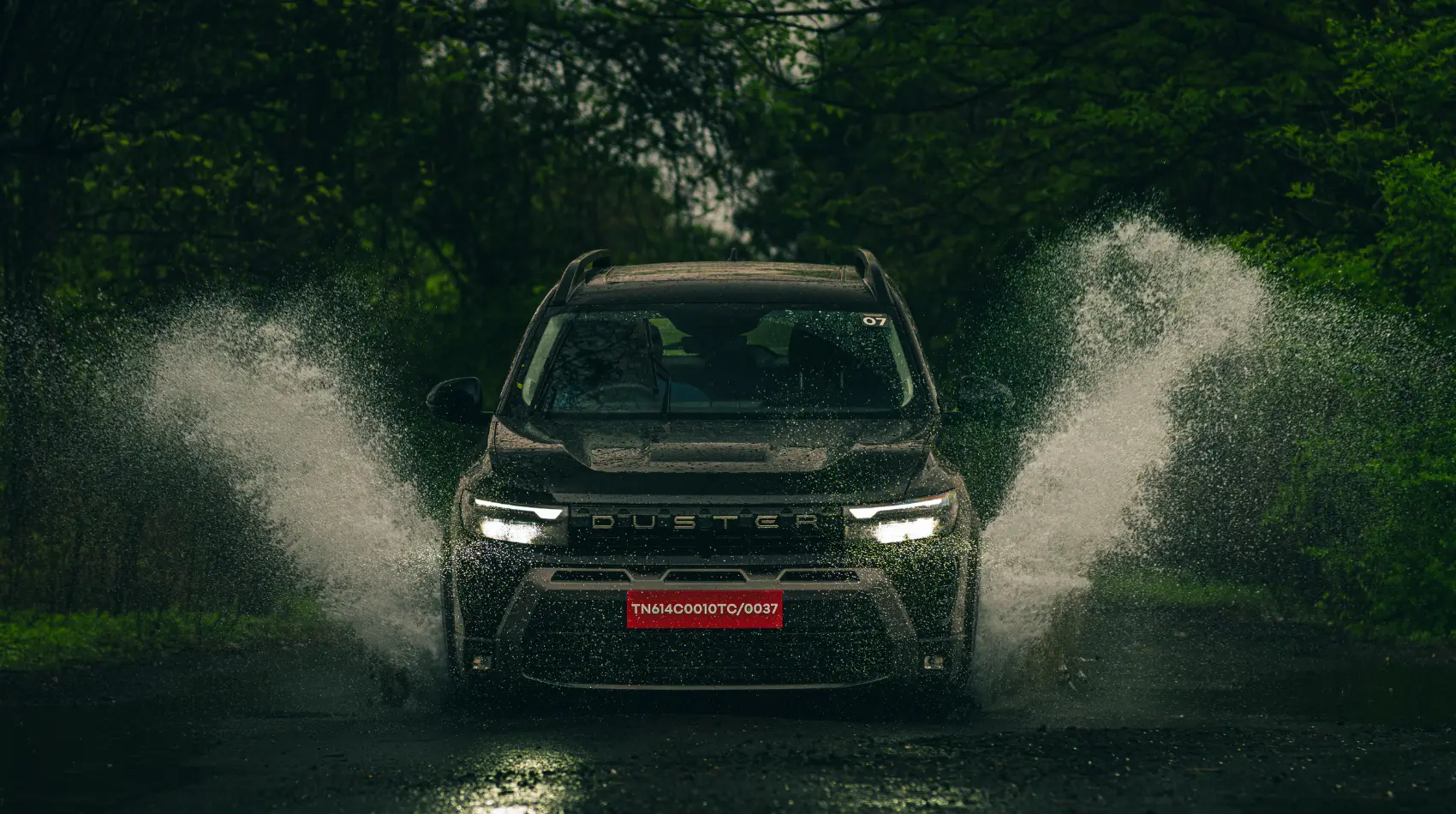
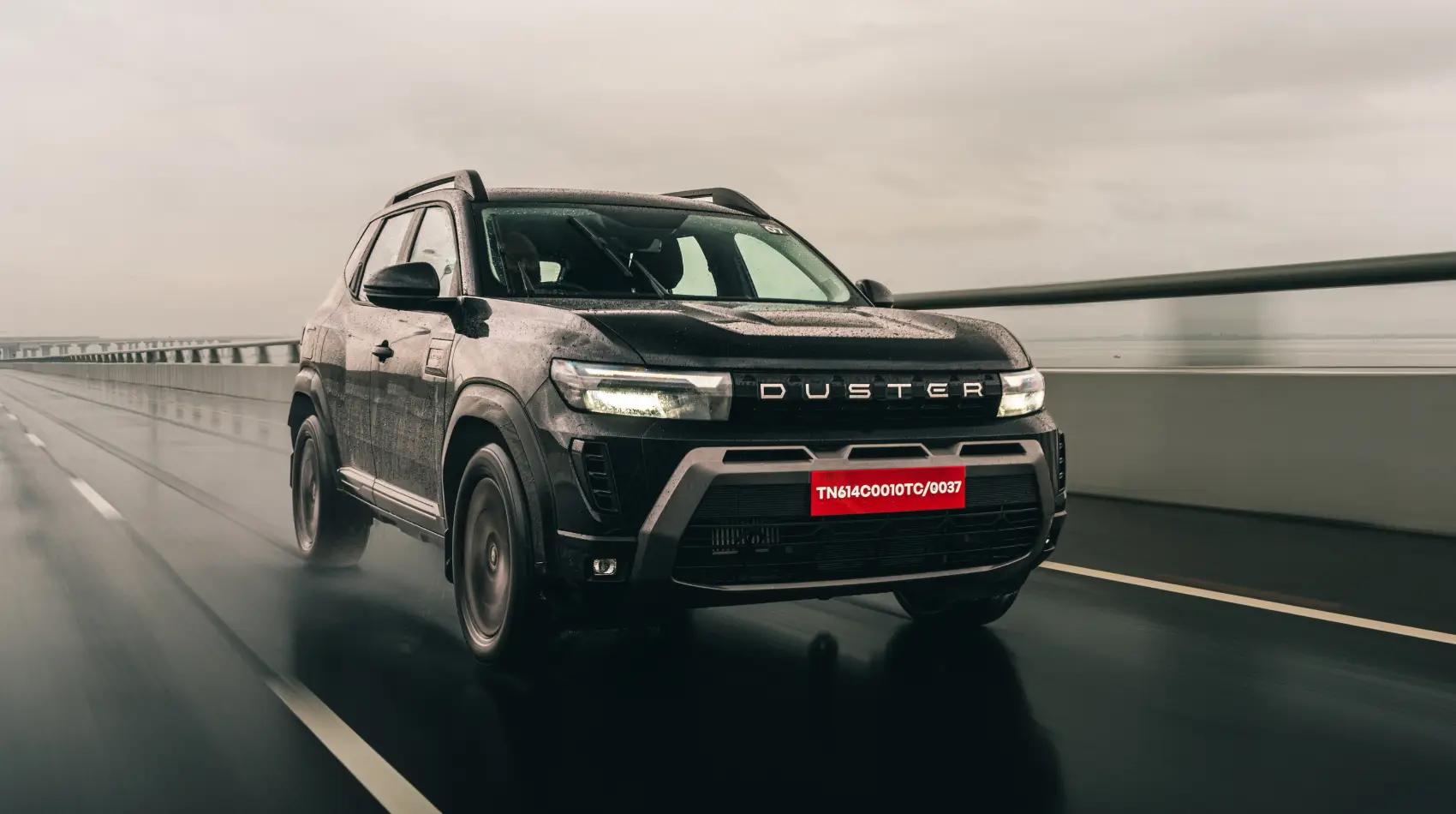
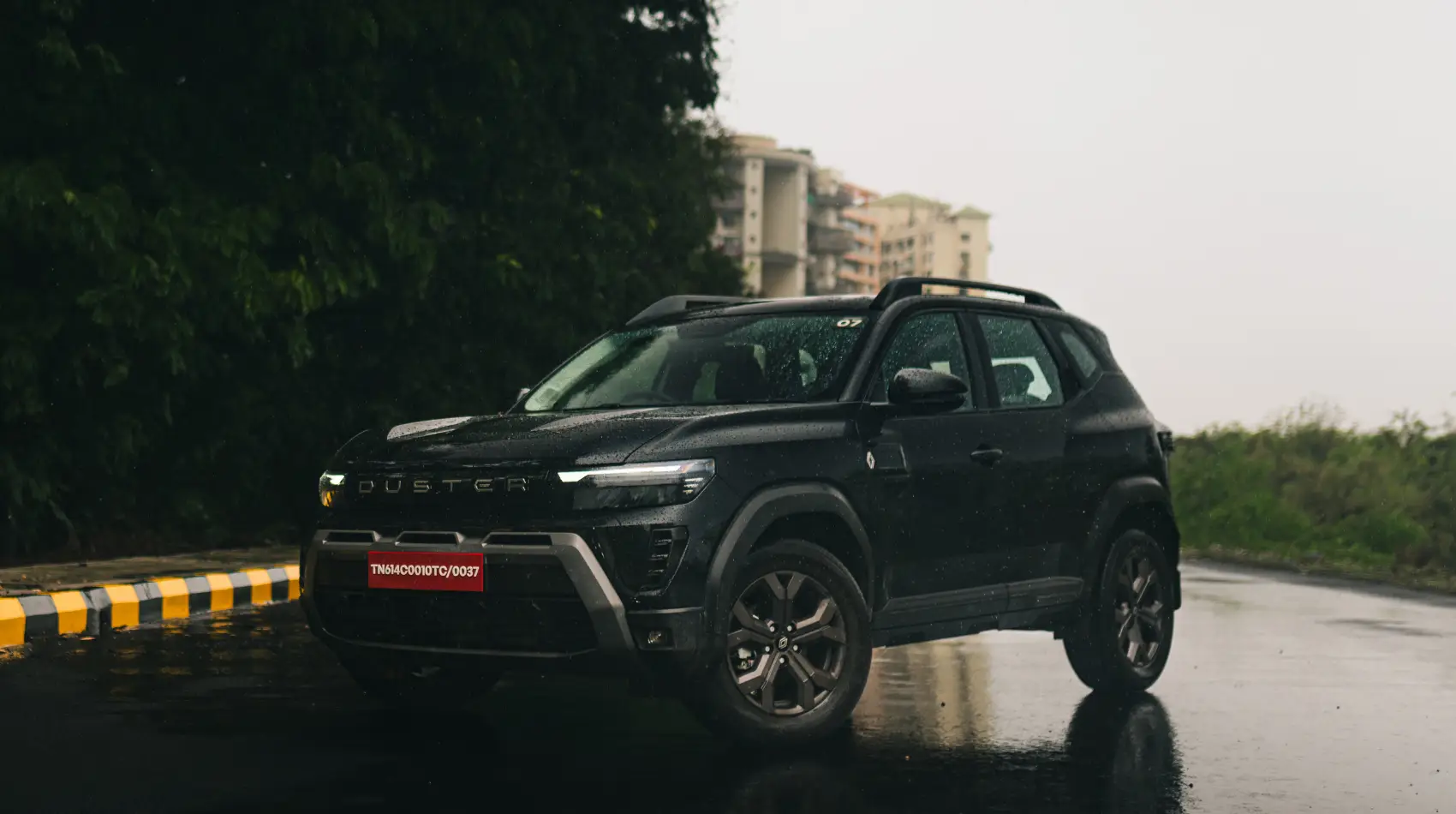
And right in the middle of that battlefield sits the all-new Renault Duster.
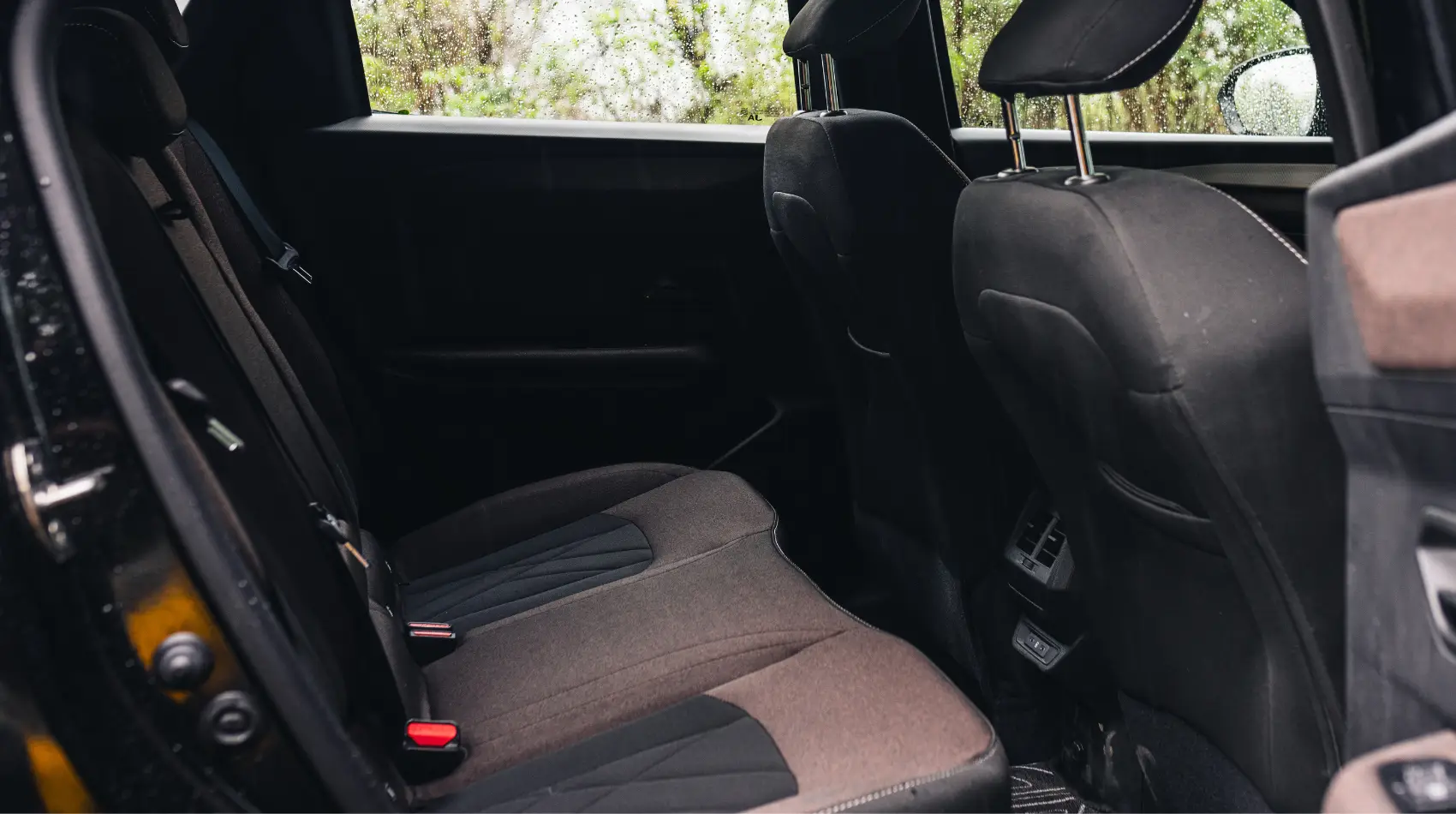
Now, if we're being completely honest, we already love the Duster. Especially the 1.3-litre turbo petrol paired to the DCT gearbox. It's one of the most enjoyable SUVs you can buy in this class. In fact, if you ignore the Mahindra Thar Roxx, which technically belongs here but is a completely different proposition, it packs the most powerful engine in the segment. It looks good, drives beautifully, handles better than almost everything else here and genuinely feels engineered by people who enjoy driving. Yes, rear-seat space isn't class-leading, and yes, it isn't exactly cheap, but as an enthusiast's SUV, it's very easy to recommend.
The problem is, not everyone buying a Duster is an enthusiast with ₹20 something lakh to spend.
There are plenty of buyers who love driving, appreciate good engineering and want something that feels special, but simply have a tighter budget. And history tells us that entry-level engines often end up being the volume sellers anyway. The naturally aspirated 1.5-litre Hyundai Creta, for example, outsells its turbo sibling by a massive margin. The same story repeats itself across almost every manufacturer.
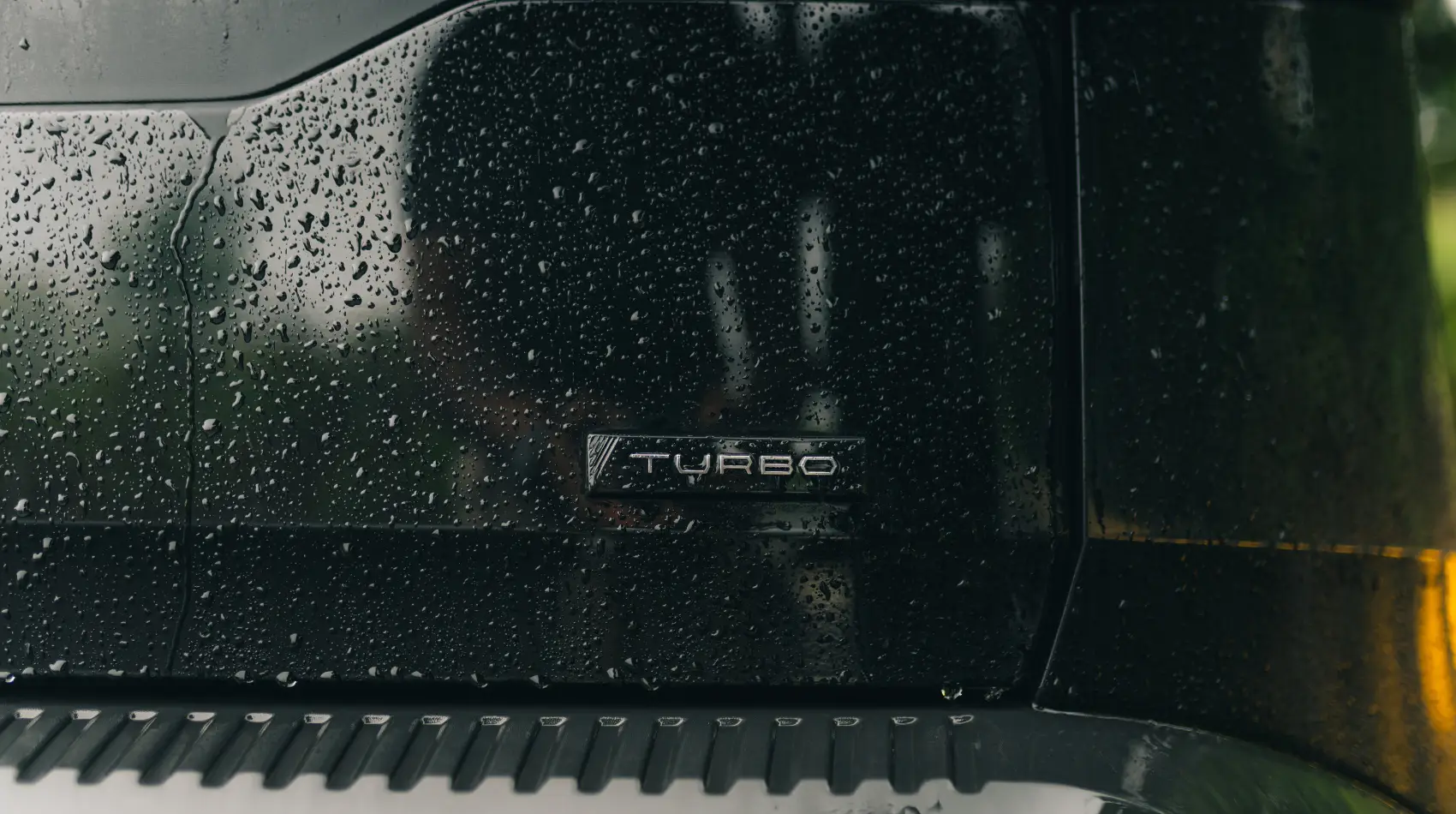
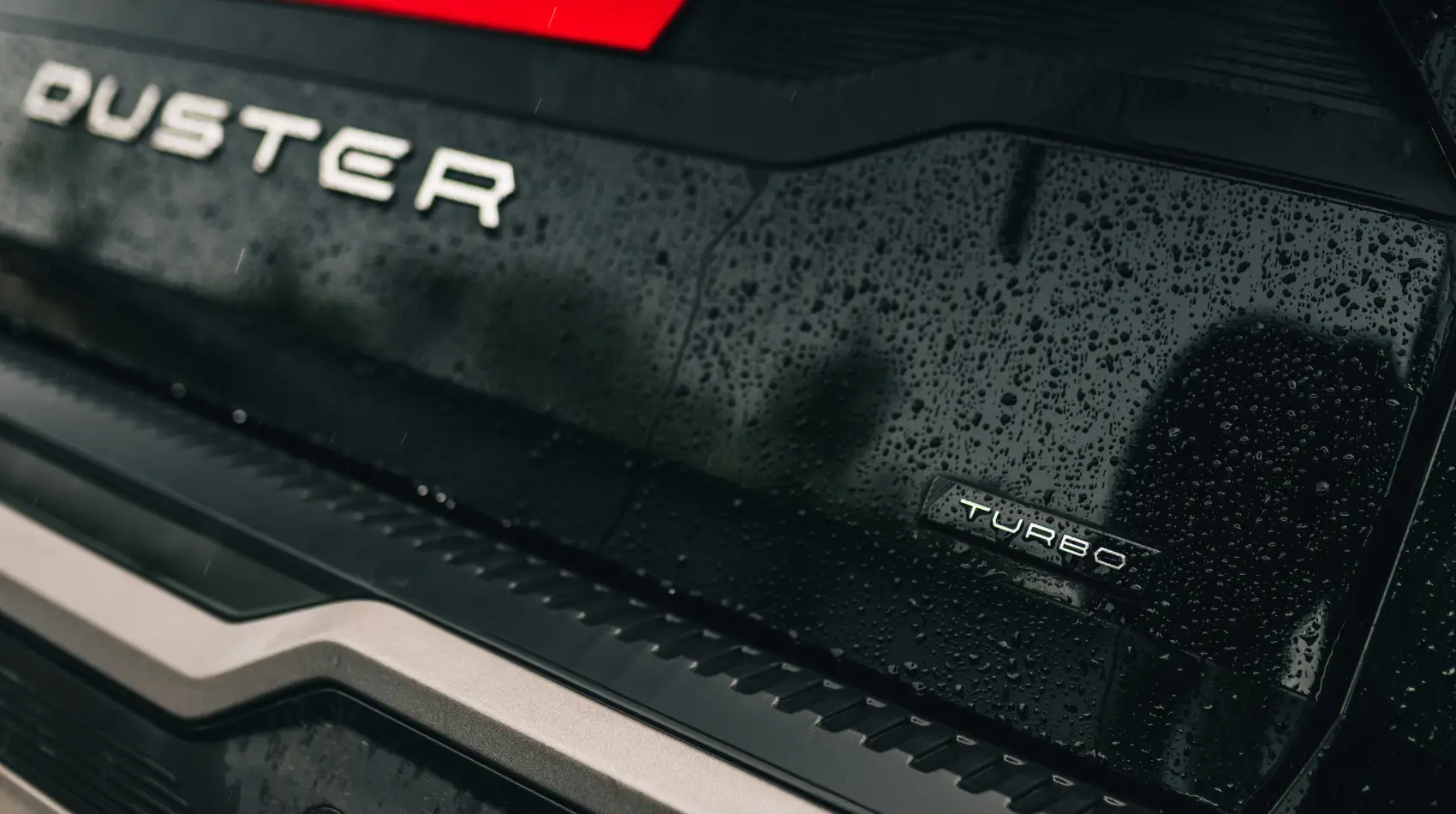
Which means there's a very good chance that one year from now, this 1.0-litre turbo manual could end up being the Duster most people actually buy.
So, the obvious question is...Does it still feel like a Duster?
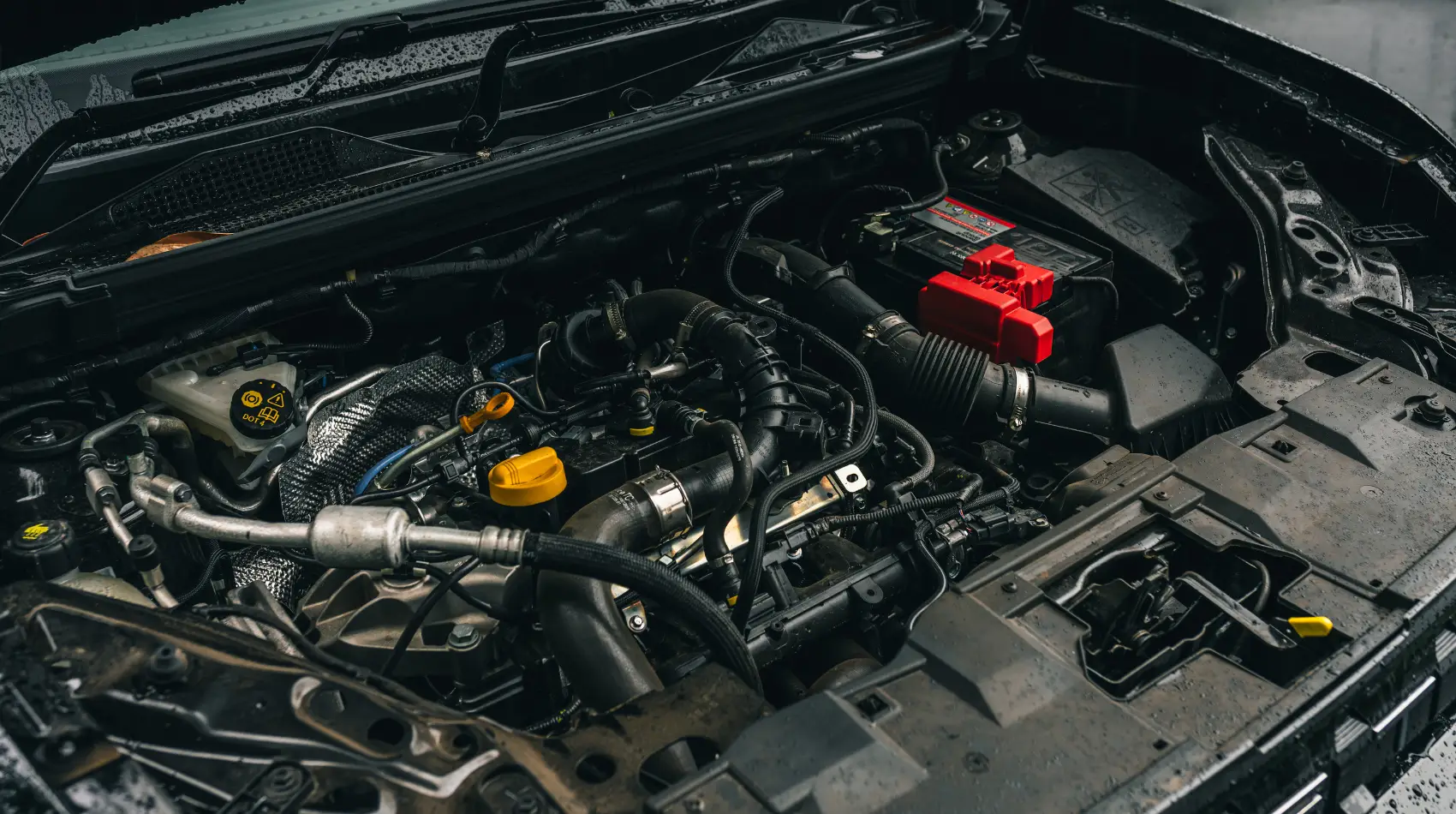
Thankfully, yes. First things first, the performance. We've already seen this 1.0-litre turbo petrol in the Renault Kiger, where it has always impressed. It's one of the punchier engines in the sub-four-metre SUV category, delivering strong low-end torque and surprisingly mature road manners. Naturally, moving it into a larger and heavier Duster raised a few concerns.
As it turns out, we probably shouldn't have worried. The engine has enough performance for almost everyone. It never feels desperately short on power, it never feels like it's dragging around more weight than it should, and perhaps most importantly, it never feels strained. That's actually quite impressive considering the size difference between the Kiger and the Duster.
Would I have liked a Dragy test to quantify exactly how much slower it is than the brilliant 1.3 turbo? Absolutely. Unfortunately, I didn't have my Dragy with me on the day of this drive. But honestly, numbers probably wouldn't change the conclusion. For 99.99 per cent of buyers in India, this engine will feel perfectly adequate.
Now, I should probably confess something. I'm generally not a huge fan of manual gearboxes in modern cars. If you're buying a brand-new car today, I'd almost always recommend stretching your budget and buying the automatic. Yes, it might cost another ₹80,000 or even ₹1 lakh, but over five or seven years of ownership, the convenience is worth every single rupee.
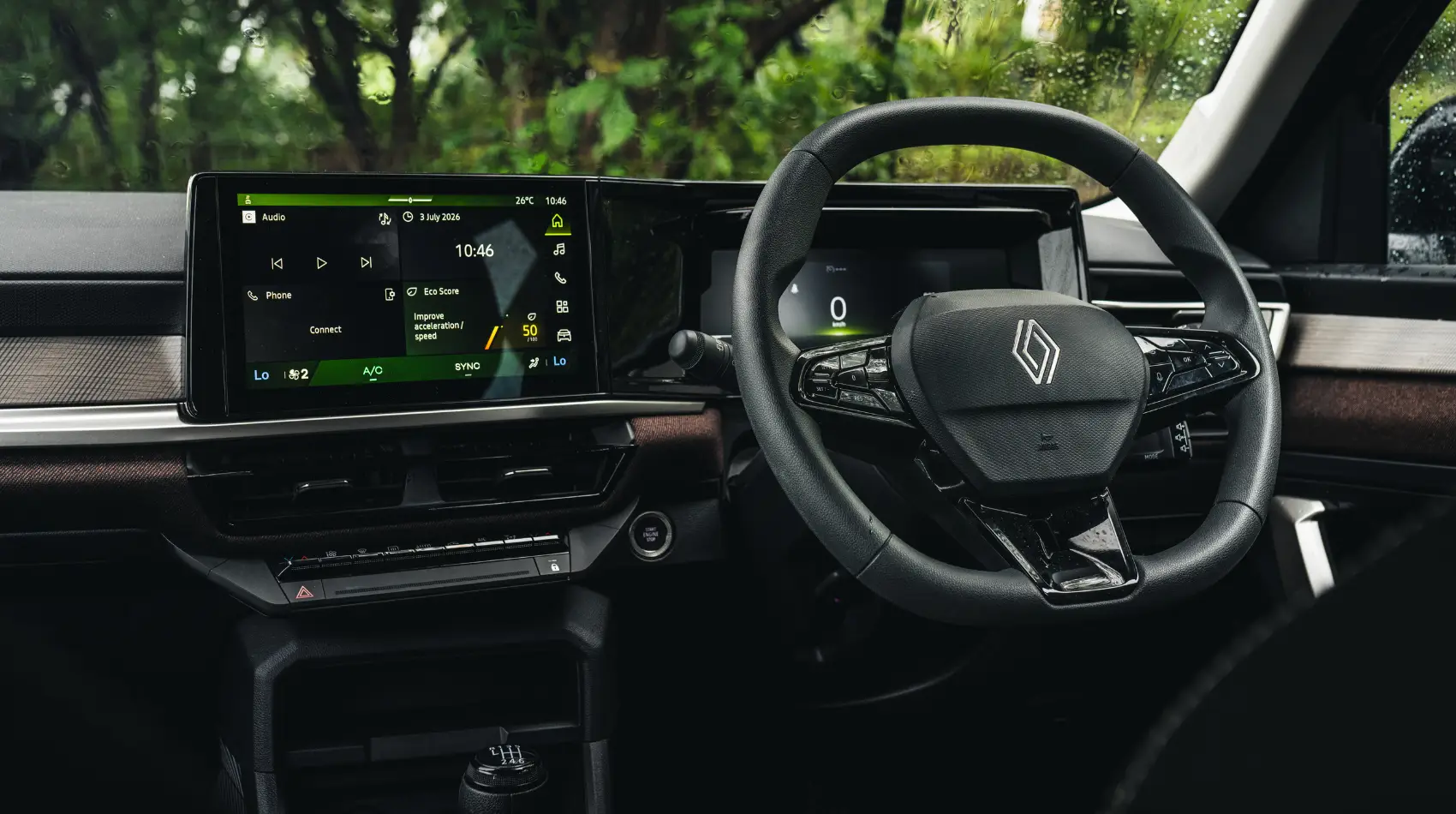
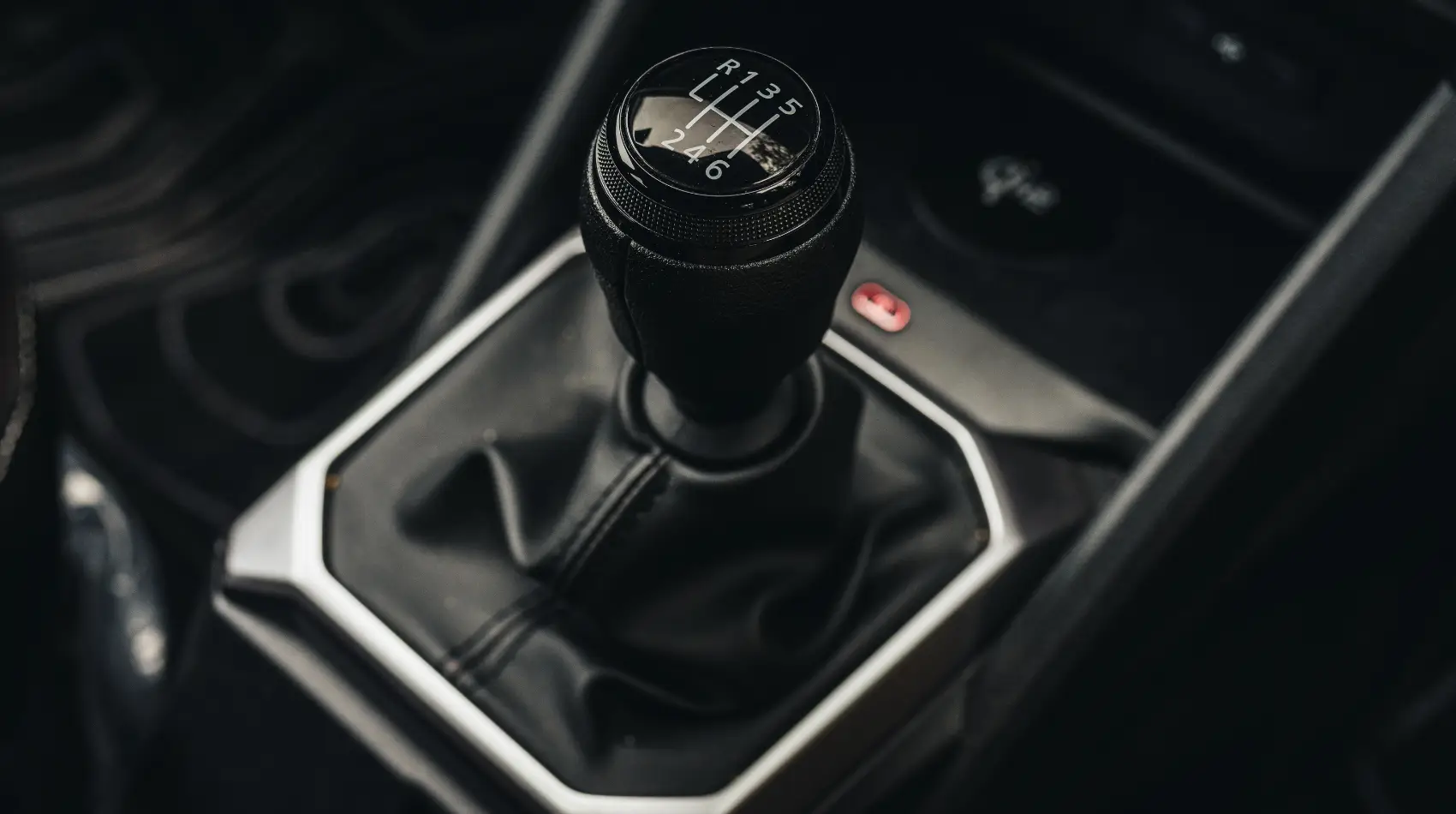
Unfortunately, Renault doesn't give you that option here. The 1.0 turbo is available only with a six-speed manual. Thankfully, it's a good one. No, it doesn't have the beautifully mechanical, rifle-bolt precision of an old Honda or Suzuki gearbox that makes every shift feel satisfying, but it's light, accurate enough, easy to use in traffic and generally gets the job done without ever becoming frustrating.
The engine itself deserves far more praise. Like most small-capacity turbocharged motors, it develops a slightly gruff note when you start pushing towards the upper reaches of the rev range. It sounds a little busier than the 1.3 and naturally feels like it's working harder. But stay within the heart of the power band, and that's exactly how most people will drive it, and it actually feels surprisingly refined. More importantly, it never feels breathless.
And that's where Renault deserves real credit. Too often, manufacturers introduce an entry-level engine simply to achieve a lower starting price. The result is usually an SUV that feels slow, lethargic and constantly out of breath. We've seen it happen countless times.
This isn't one of those cars. The 1.0 turbo still feels like it belongs in the Duster. It still carries that effortless, easy-going nature that made the original Duster such a success. It still has enough torque to make everyday driving enjoyable. It still feels relaxed on the move. And perhaps that's because Renault got one thing absolutely spot on.
The chassis. One of the best things about the Duster, whether it's the 1.3 or this 1.0, is that the suspension, steering and chassis feel like they were designed for significantly more power than they're actually being asked to handle. That's always a wonderful thing.
The suspension is beautifully judged. It absorbs rough roads with ease, yet still controls body movement remarkably well. The steering is predictable, the brakes inspire confidence and the entire car feels tied together in a way very few rivals manage.
At just over 100 horsepower, yes, there are moments where you wish for another 20 or 30 horses. But then you remember something important. Most buyers won't. Most buyers aren't hunting apexes on Sunday mornings. They're driving to work. They're heading out with their family. They're tackling broken roads. They're overtaking the occasional truck on the highway. And for all of those situations, this engine feels absolutely sufficient.
There's another advantage too. The official ARAI fuel efficiency figure stands at 19.41kmpl, which should translate into a fairly economical ownership experience as well. For someone stepping up from a hatchback, that's a genuinely attractive proposition.
And perhaps that's what makes this particular Duster so interesting. Usually, buying the smaller engine in a larger SUV means accepting compromise. You know you're getting the slower version. You know it'll feel strained. You know you're sacrificing a big part of what makes the car appealing in the first place. Here, that simply isn't the case.
The 1.0 turbo manual doesn't feel like a budget Duster. It still feels like a proper Duster. It still carries the same DNA. It still drives with confidence. It still has a chassis that's among the very best in the segment. And perhaps most importantly, it never leaves you wishing you'd bought something else every time you get behind the wheel.
If your budget doesn't stretch to the bigger engine, don't think of this as settling for less. Think of it as buying 90 percent of the Duster experience for significantly less money. And honestly, for most Indian buyers, that's probably the smarter choice.