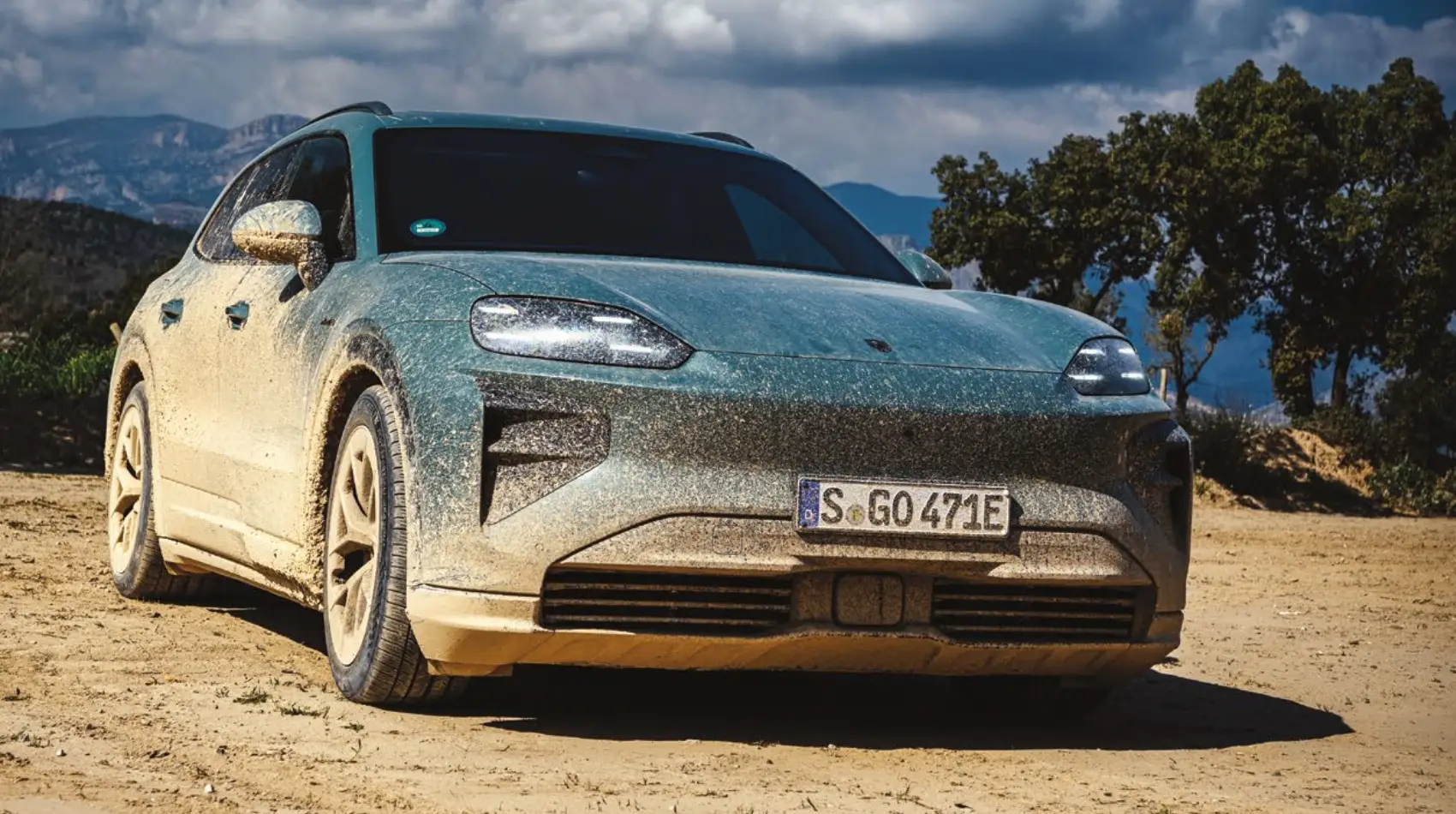
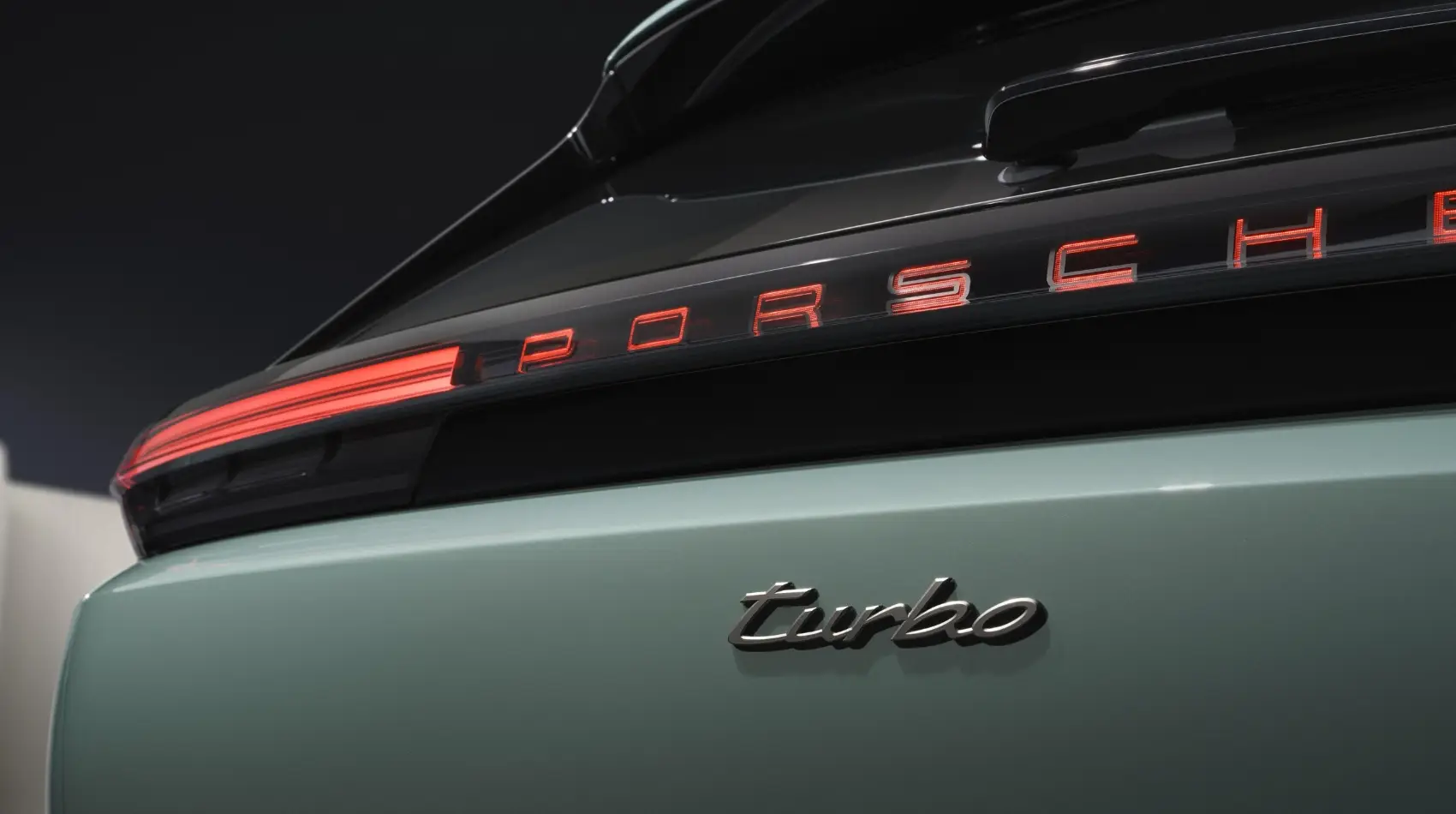
Barcelona doesn’t ease into the day; it sort of flickers awake, like someone’s slowly turning up the brightness on a screen. And parked outside our hotel, looking completely at peace with itself, is something that really shouldn’t be this calm. A Porsche Cayenne. Except this one has no engine, no soundtrack, no sense of theatre in the traditional way. And yet, as you stand there looking at it, you get the feeling this might be the most serious Cayenne Porsche has ever built. There was a time when performance had a sound. Loud. Mechanical. Emotional. The kind that announced itself long before it arrived. This doesn’t. And that’s exactly the point. Porsche has flown in over 220 media from around the world across multiple batches for this drive, and that alone tells you how big a deal this is. The Cayenne has always been important, but this feels like a reset moment.
Performance, Power & Tech
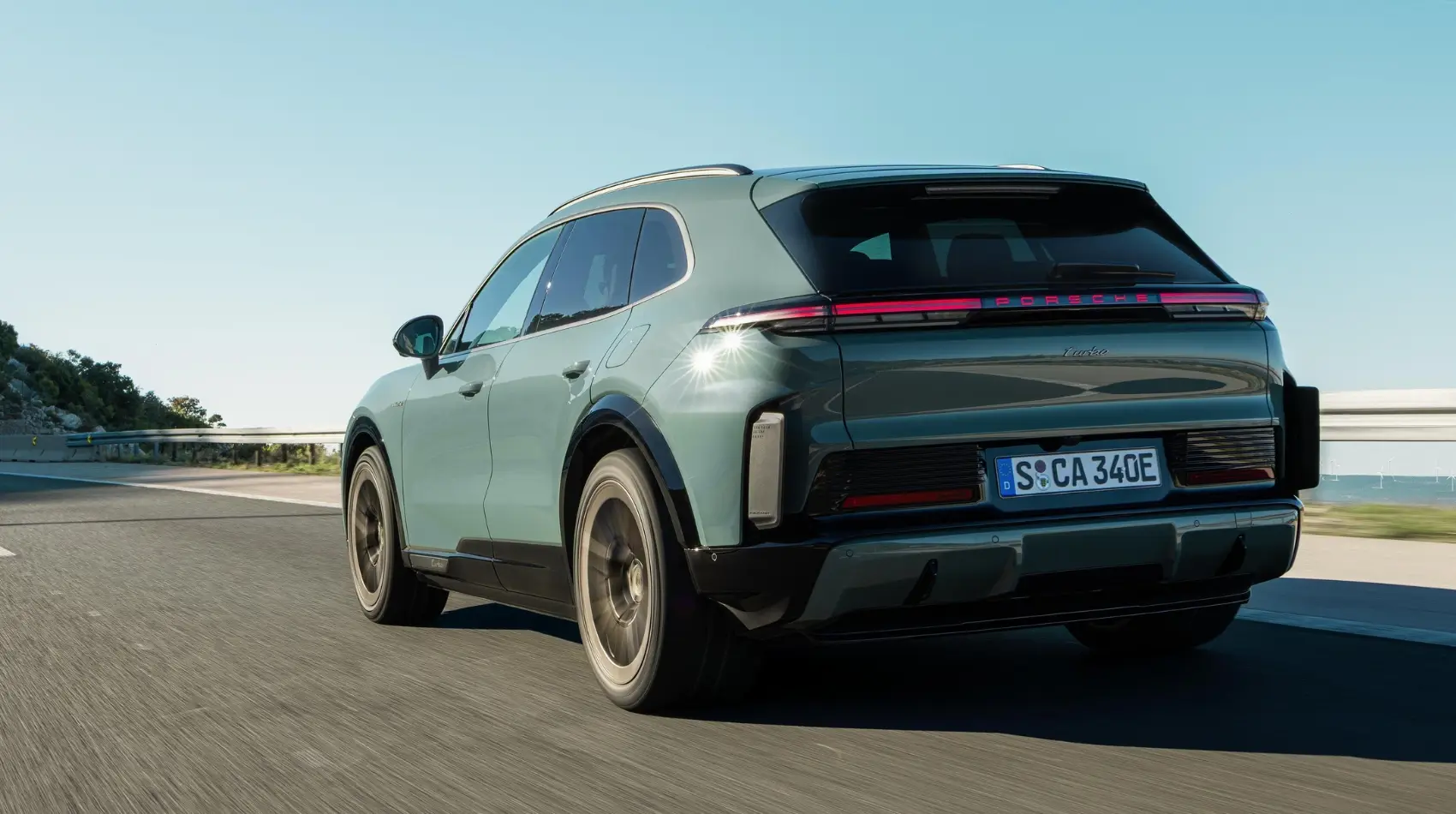
This is Porsche’s full-electric Cayenne, built on the PPE platform with a 113kWh battery and an 800V architecture that allows it to do things very quickly, both in terms of charging and going very, very fast. In its most extreme form, the Turbo pushes out up to 850kW in overboost, which is roughly 1,140bhp and around 1,500Nm of torque. That number isn’t
always there; it’s more of a peak moment when everything lines up, but even outside of that, you’re looking at something like 630kW, about 850bhp, which is already more than enough for anything you’d realistically do on the road.
Porsche claims 0 to 100kmph in about 2.5 seconds, 0 to 200 in under 10, and a top speed of around 260kmph. And yes, that puts it right in the same conversation as the Tesla Model X Plaid, which is still widely considered the fastest-accelerating SUV in the world. But beyond the numbers, what matters is how usable that performance is, because unlike the headline figures, this is something you can actually access without feeling overwhelmed.
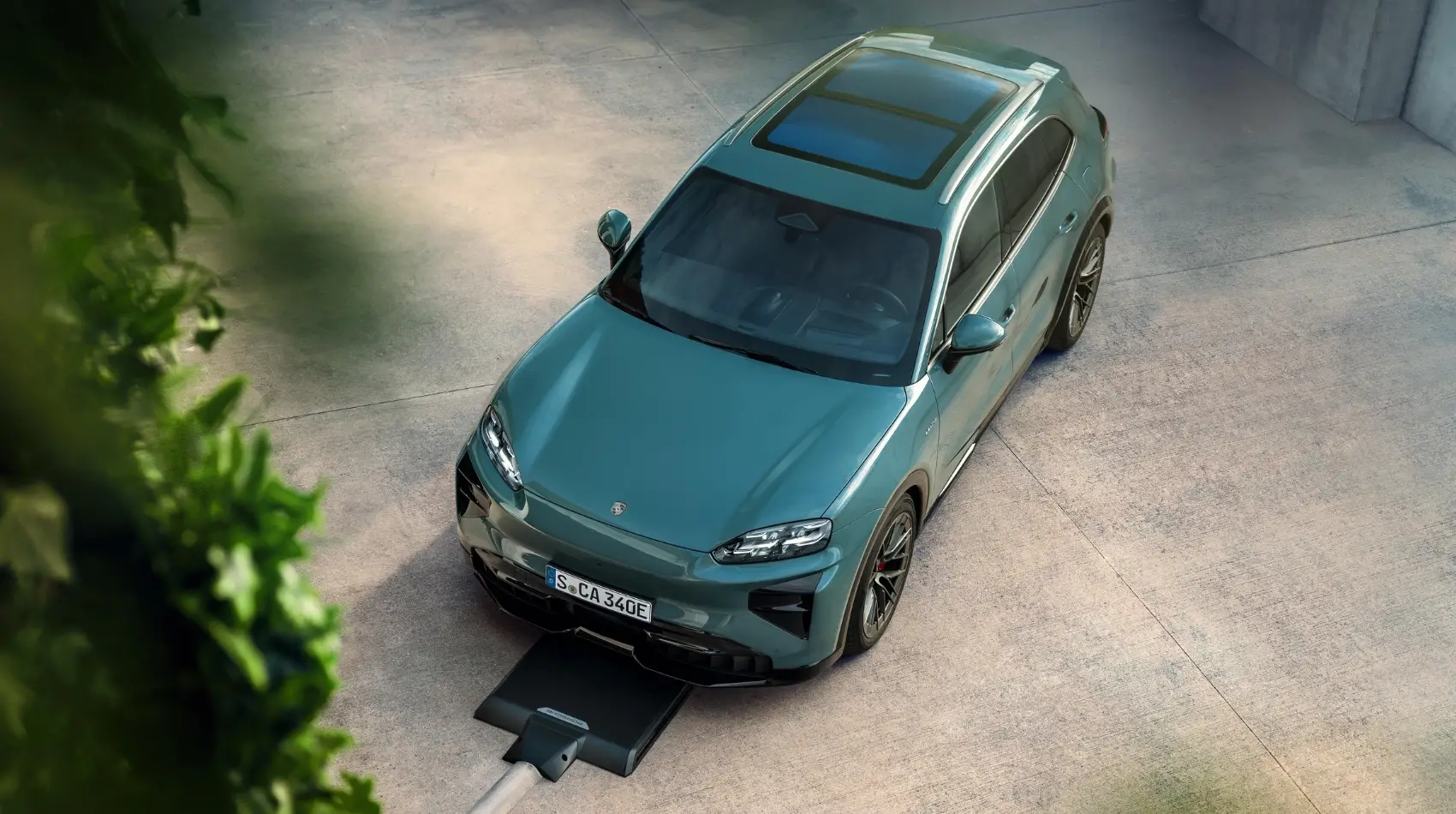
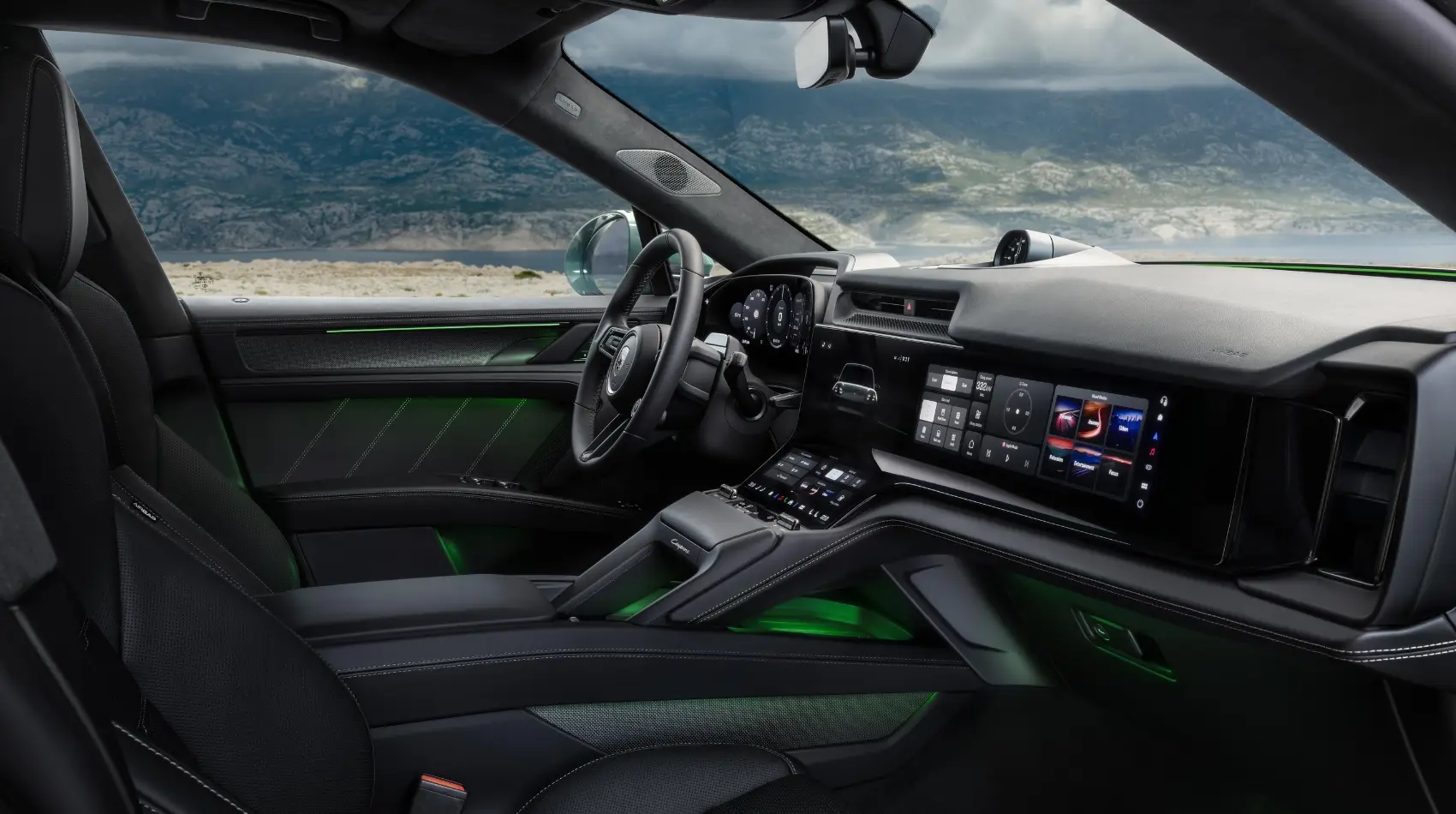
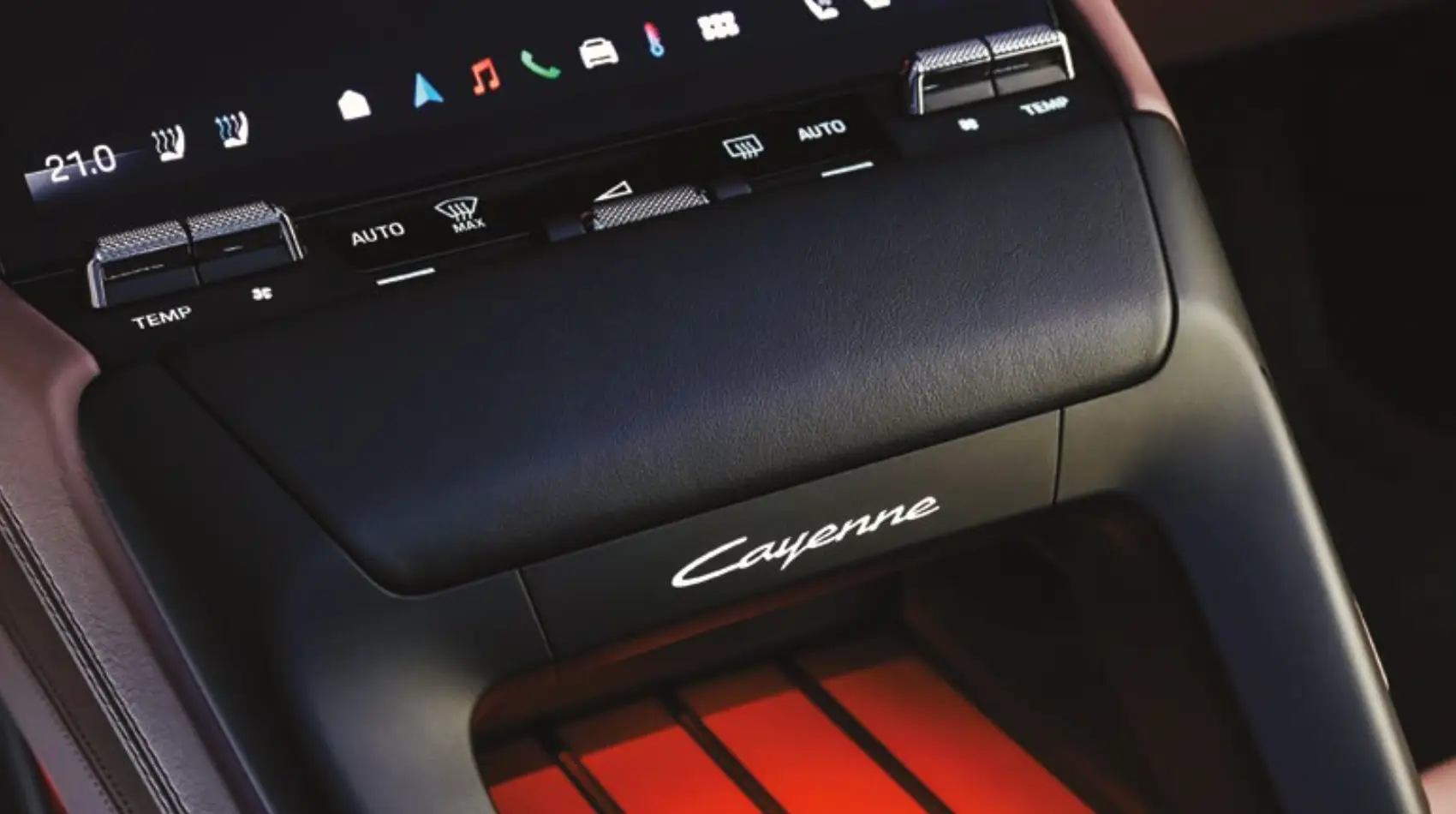
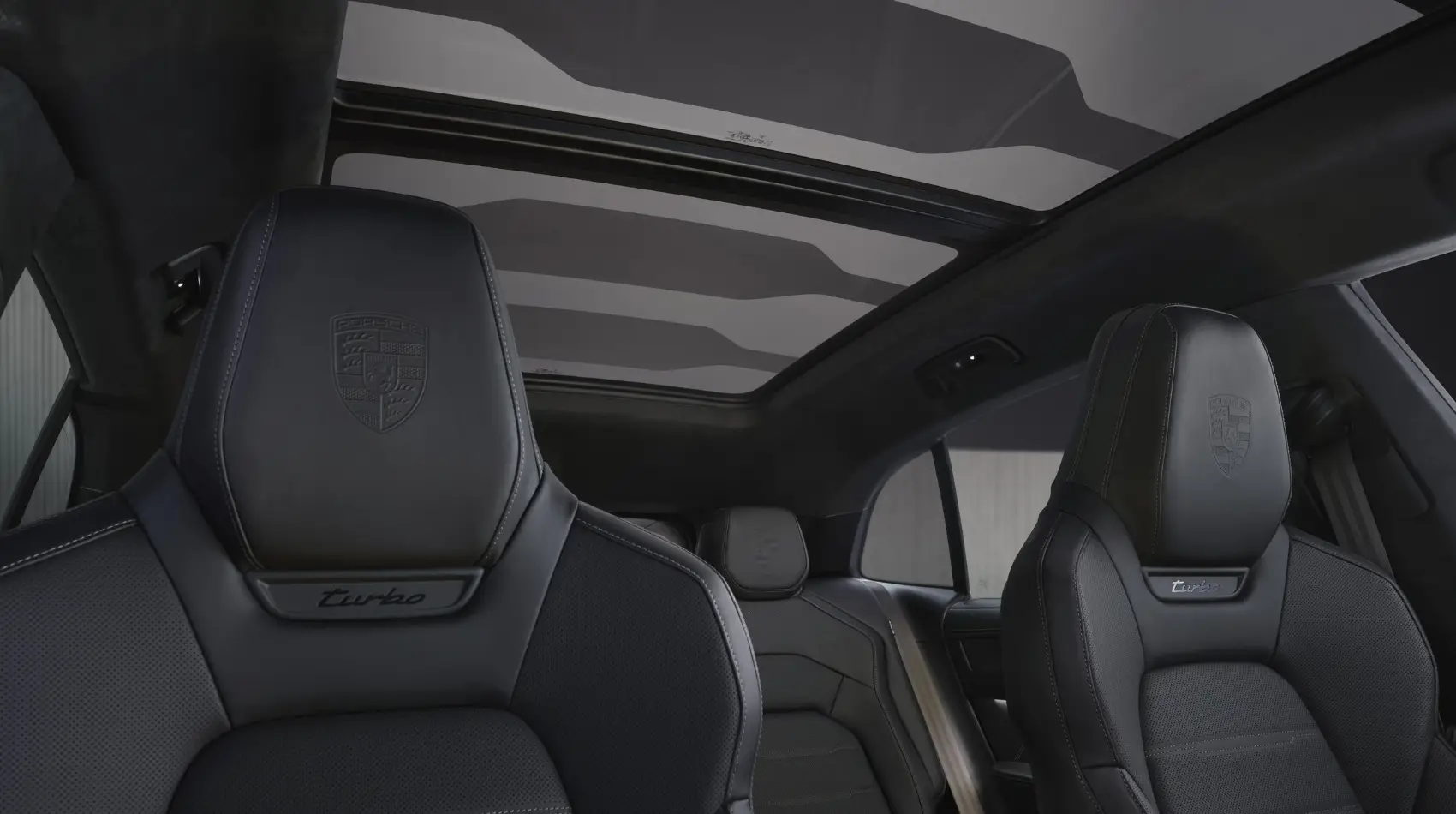
Inside, the tech story is just as strong, although it does lean heavily on screens. You get a curved digital driver display and a large central touchscreen that controls most functions, which works well once you get used to it, but does mean fewer physical controls than before. The optional passenger display is sharp and well integrated, with a viewing angle that keeps it hidden from the driver while the car is in motion, which is a thoughtful touch.
The central screen is quick and responsive, and most functions are logically placed, but you do end up relying on it quite a bit, which may not appeal to everyone. Ambient lighting and the electrochromic panoramic roof add to the overall experience, though some of it does feel more like refinement rather than necessity.
Underneath, the tech is more meaningful. The 800V system allows charging speeds of up to 400kW, meaning 10 to 80 per cent can happen in under 16 minutes, and you can add close to 300km of range in about 10 minutes. That’s genuinely impressive, although AC charging at 22kW is slightly behind some rivals.
There’s also energy recuperation of up to 600kW, which helps efficiency and reduces reliance on traditional braking. It all works seamlessly, but as with most EVs, the weight is always present in the background. Porsche has done a remarkable job managing it, but it hasn’t disappeared.
Driving and Offroad
Pulling out into Barcelona traffic, the first thing that hits you isn’t speed, it’s the absence of it, feeling like an event. There’s no ignition moment, no vibration, no sense of mechanical buildup. You press the throttle, and the Cayenne just moves, cleanly and immediately, like it’s been waiting for that exact input. Even in the non-Turbo, which is already sitting at around 436bhp, it feels properly quick. Not dramatic, not aggressive, just relentlessly efficient at gathering speed. The kind of pace that creeps up on you rather than announcing itself, which also means you have to keep an eye on your speed more than you normally would.
But once you get onto open roads and switch into the Turbo, everything sharpens. Throttle response becomes more urgent, the way it delivers power feels more intense, and suddenly the numbers start to make sense. Full throttle doesn’t feel like acceleration in the traditional sense; it feels like compression. The car doesn’t build speed; it simply arrives at it. There’s no gap between intent and action. You think about going faster, and it just does it. That said, the full 1,140bhp is only available in very specific conditions, so in everyday driving, you’re not constantly experiencing that headline figure.
In fact, after a few full-throttle launches, I started feeling slightly dizzy. This thing doesn’t just accelerate, it hits you. If you really want to show someone what performance feels like, put them in this and floor it. Their internal organs will have a very different opinion of SUVs after that. But do it repeatedly, and you’re also reminded that this level of performance is more of a party trick than something you’ll realistically use all the time.
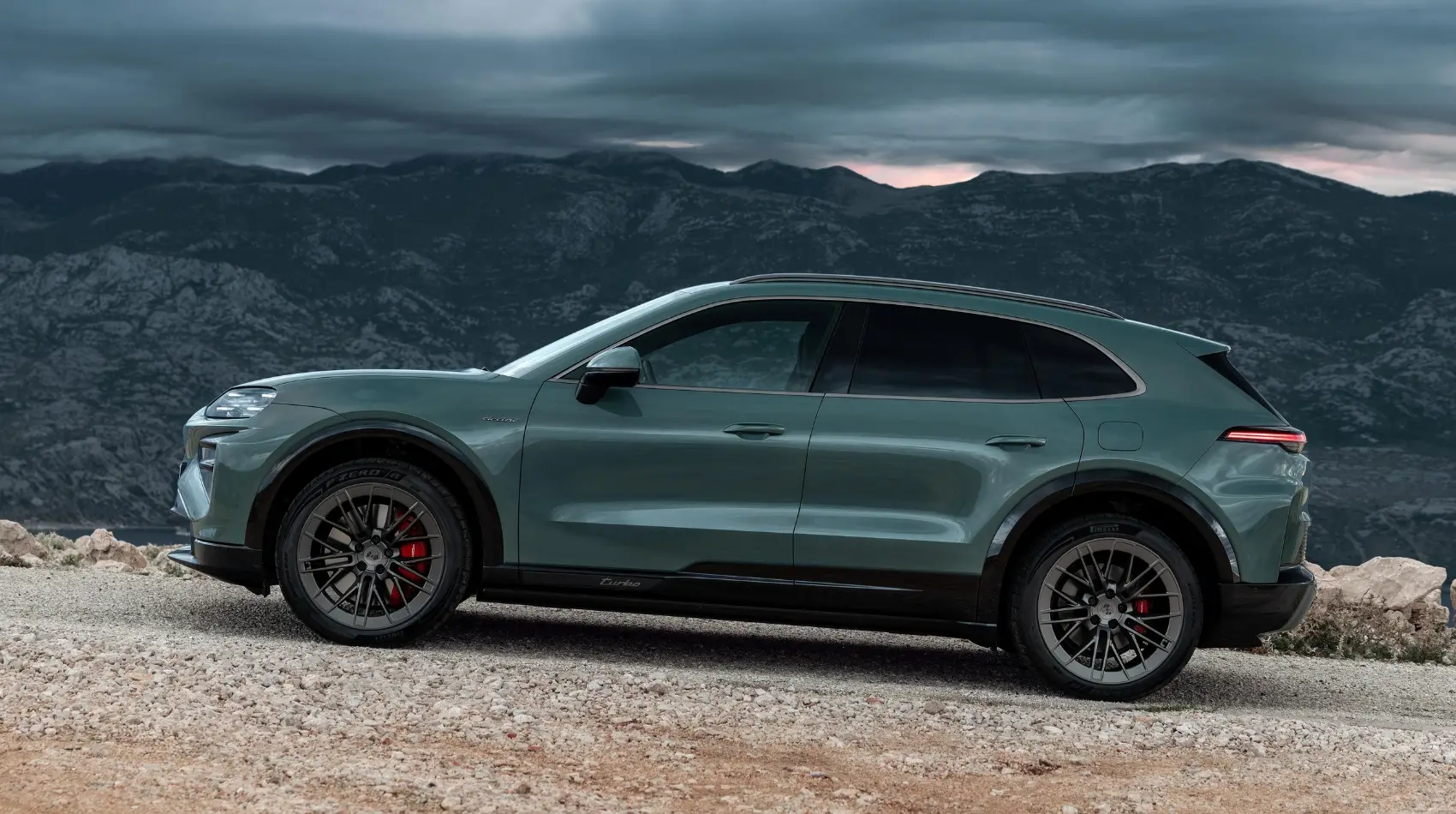
What’s impressive is not just the outright pace, but how usable it feels. You’re not wrestling with it, you’re not managing it, you’re simply guiding it. The weight is always there in the background; you can’t ignore the fact that this is a 2.6-tonne SUV, and if you push it hard through tighter sections or quick direction changes, you do start to feel that mass. But Porsche has done an exceptional job of keeping it controlled. The steering is precise, predictable, and more connected than you’d expect from something in this segment, even if it doesn’t have the same feedback you’d get from a smaller, lighter Porsche. And then the suspension comes into play. The twin-valve dampers and dual-chamber air suspension mean the car is constantly adapting. Over rough patches, it softens and absorbs without fuss. Push harder into corners, and it tightens up, reducing movement and keeping things composed. With Porsche Active Ride in the mix, the car actively works to keep itself flat. You can feel it resisting the natural tendencies of a tall, heavy SUV. It doesn’t lean as much as you expect, but it’s not completely immune to physics either, especially when you start pushing harder than most people realistically will.
This is where it starts to blur the lines. Because even though it’s not meant to chase something like a 911 Turbo S through a tight set of corners, it doesn’t feel out of place when you start pushing it. There’s enough grip, enough composure, and enough control to keep things interesting. But it still prefers flowing roads over tight, technical ones, where itssize and weight become more apparent.
Take it off the road, and the character shifts again, but not in a way that feels forced. With the optional off-road package, the Cayenne lifts itself up to around 246mm of ground clearance, and the geometry changes to suit. Approach angle improves to roughly 25 degrees, departure angle to about 22.7 degrees, and breakover angle sits close to 18.8 degrees. There’s also a wading depth of up to 555mm, which means it’s not just about gravel tracks; it can deal with more serious terrain if needed.
Out on the off-road course Porsche had prepared, things got properly interesting. Steep inclines, awkward angles, and moments where you could feel wheels lifting off the ground entirely. At one point, you’re looking straight at the sky, the next you’re staring down at the terrain below, and through all of it, the Cayenne just gets on with it. No fuss, no drama, just steady, controlled progress. The electric drivetrain actually helps here, with precise torque delivery, making it easier to manage tricky sections, although the overall size of the car does mean you’re more aware of where you place it.
Then came the drift section, a low-grip surface designed to mimic ice. And this is where the character shifts again. At speed, with the rear stepping out and the tyres searching for grip, the Cayenne still feels largely in control. It moves around, but in a predictable way, giving you confidence to explore that balance. It’s playful, but not in the same way as a lighter performance car. You’re always aware of the mass, even if the systems are doing a lot to mask it.
Verdict
It isn’t perfect. It’s heavy, like every EV in this segment, and while Porsche has done a remarkable job managing that weight, you’re still aware of it when you push harder than intended. It’s also not the longest-range option out there, and if comfort is your priority, there are softer, more relaxed alternatives that isolate you better. But that’s not really what this car is trying to be.
The Cayenne has always been about balancing performance and usability, about being something you can live with every day but still enjoy when the road opens up. What this version does is carry that idea into a completely new era, even if it comes with a different kind of character. It doesn’t rely on noise or traditional drama anymore, and that will take some getting used to, especially if you associate performance with sound. But spend some time with it, and you begin to understand what Porsche is aiming for.
It delivers its performance in a way that’s less emotional on the surface, but incredibly effective underneath. And while it may not have the same raw edge as its combustion predecessors, it makes up for it with precision, consistency, and an ease of use that’s hard to ignore. And that’s what matters. Because, despite losing the engine and despite changing more than any Cayenne before it, this still feels like one. Just interpreted for a different era, where performance is quieter, faster, and a little more calculated than before.
Power: 844 bhp (standard), 1139 bhp (overboost)
Torque: 1500 Nm
Drivetrain: Dual-motor AWD
Battery: 113 kWh (gross)
Range (WLTP): Up to 623 km
Top Speed: 260 kmph
0–100 kmph: 2.5 seconds