A fair word of warning before you start reading this review. Usually, when I write, I love being flowery with my language or use weird innuendos and comparisons to compare certain things or features on a car with popular culture or real life scenarios. With this review, i’ve binned that approach and that is because of one simple reason. The Renault Duster is important - not to Renault (which btw it is crucially important to) but to you - the reader. The fact that you are reading this means most likely, you want to buy one. So for this (and just this) review, I put my sensible writing hat on and give you a review as detailed as I can give you - without sounding overly boring like some other people would (wink wink). So, let's begin.
The Renault Duster didn’t just enter a segment back in 2012, it created one. Before it, this whole mid-size monocoque SUV space simply didn’t exist in India the way we know it today. Everything from the Creta to the Seltos, the Taigun, Kushaq, Grand Vitara, Hyryder… all of them, in some way, owe their existence to the Duster. The question now is simple: can the king reclaim its throne?
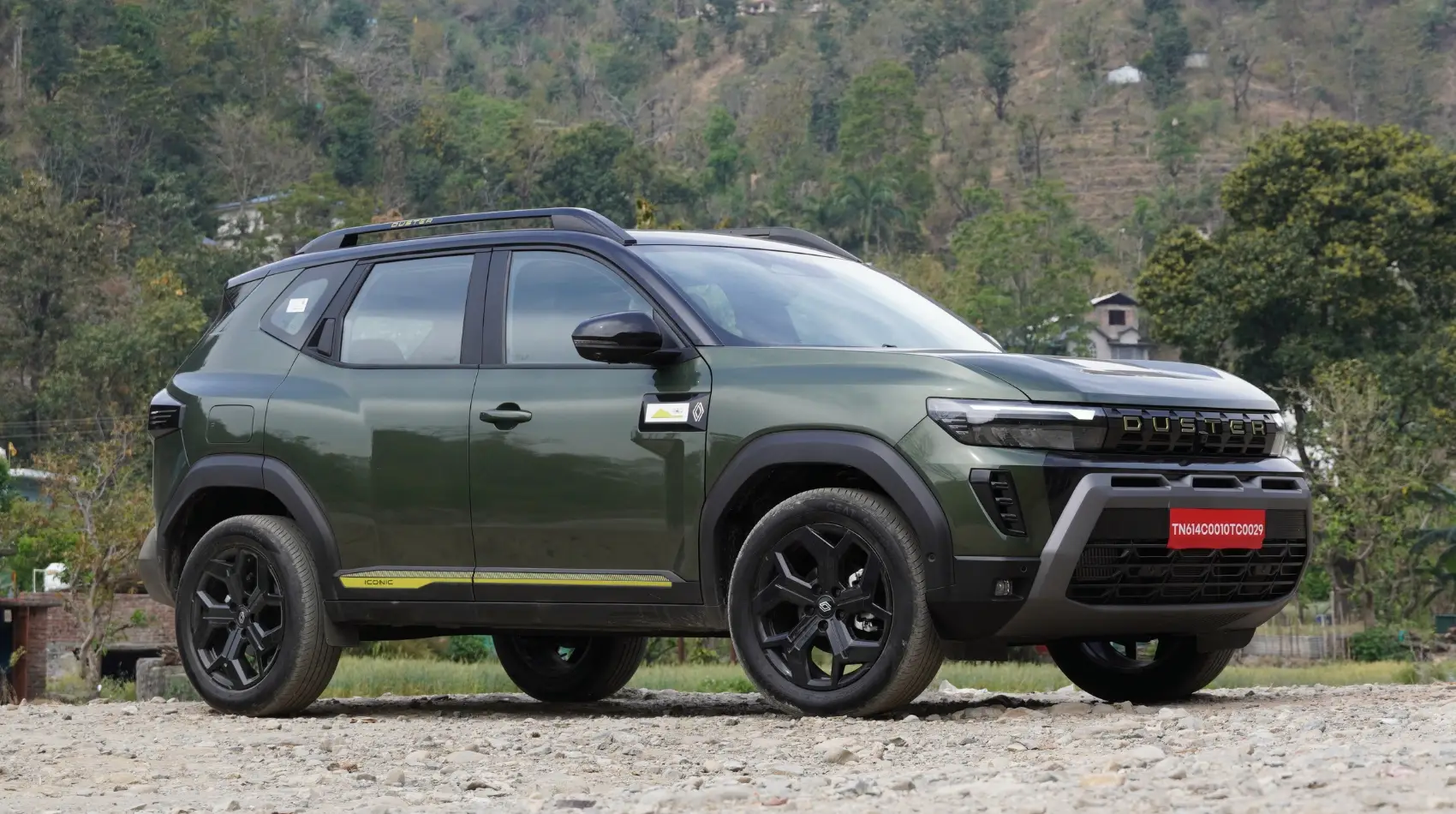
The answer, at least from a design standpoint, begins with something quite refreshing, the new Duster doesn’t try to be anything it isn’t. In a world where SUVs are slowly turning into over-styled hatchbacks on stilts, the Duster sticks to what made it iconic. It’s still unapologetically boxy. Still upright. Still very… SUV.
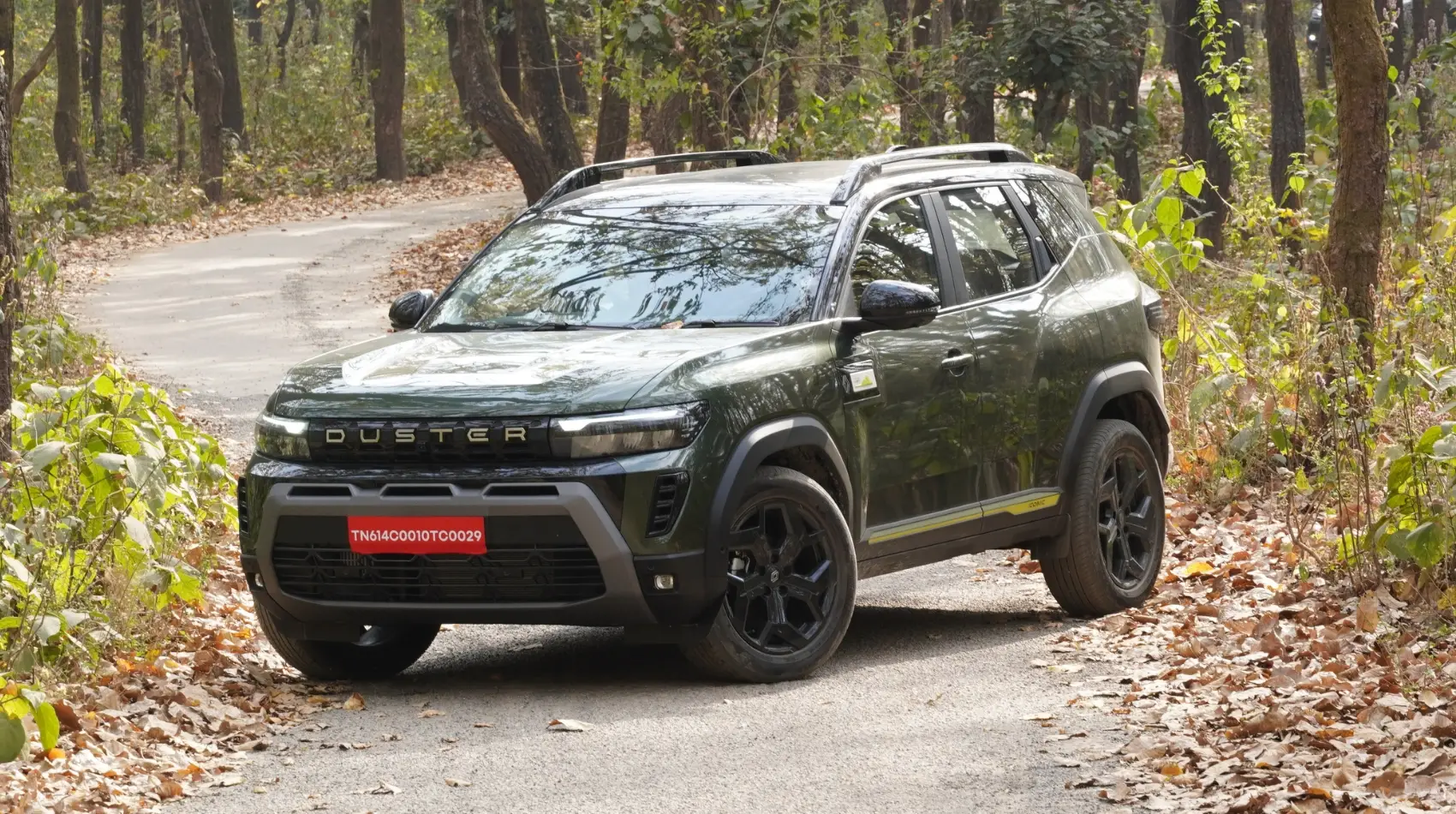
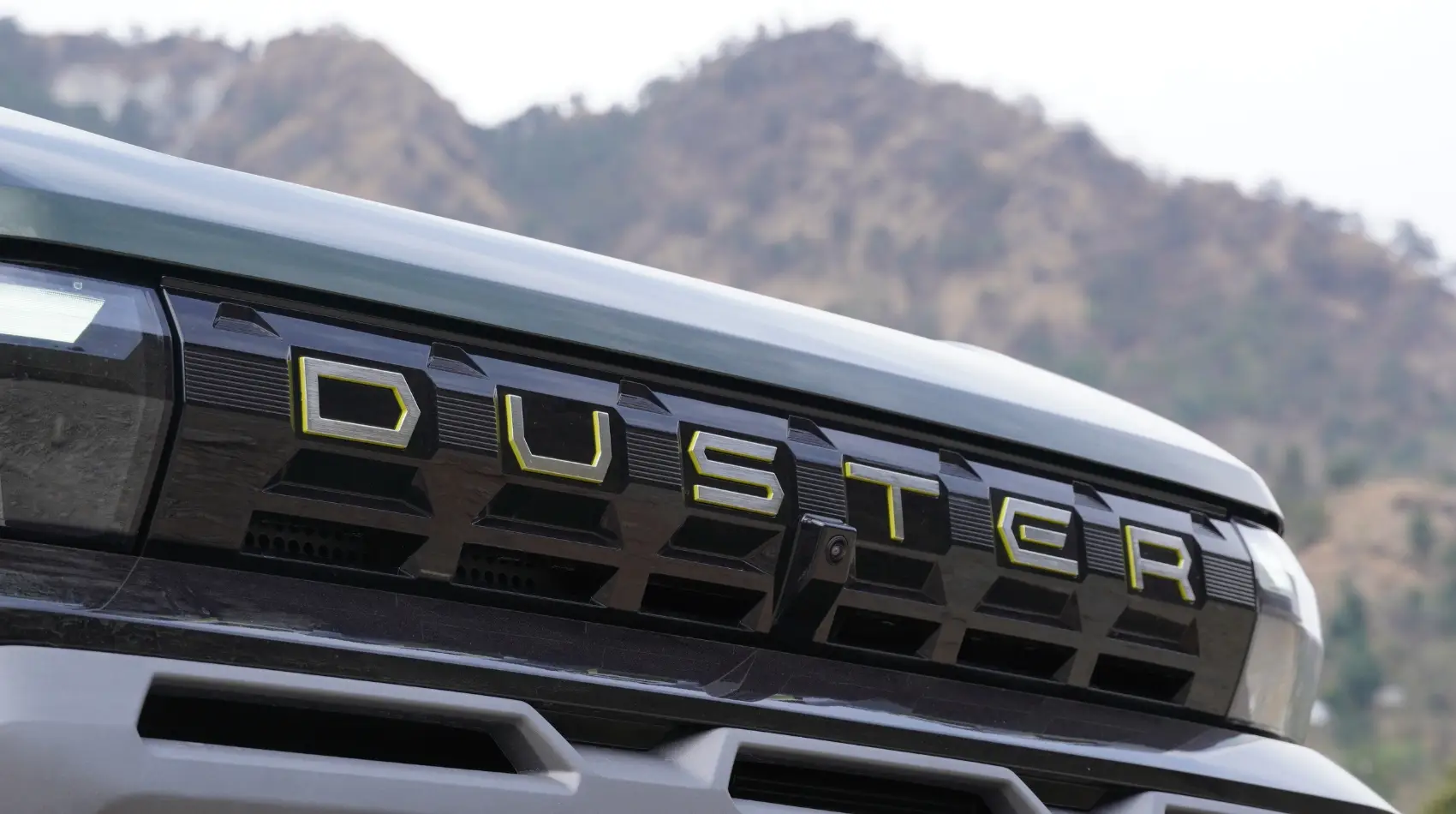
The front fascia, in particular, is as flat and as squared-off as you’d want it to be. There’s a certain honesty to it. No unnecessary drama, no excessive curves trying too hard to look futuristic. Just a clean, strong, upright face that feels like it belongs on something that can actually go off-road, not just pretend to.
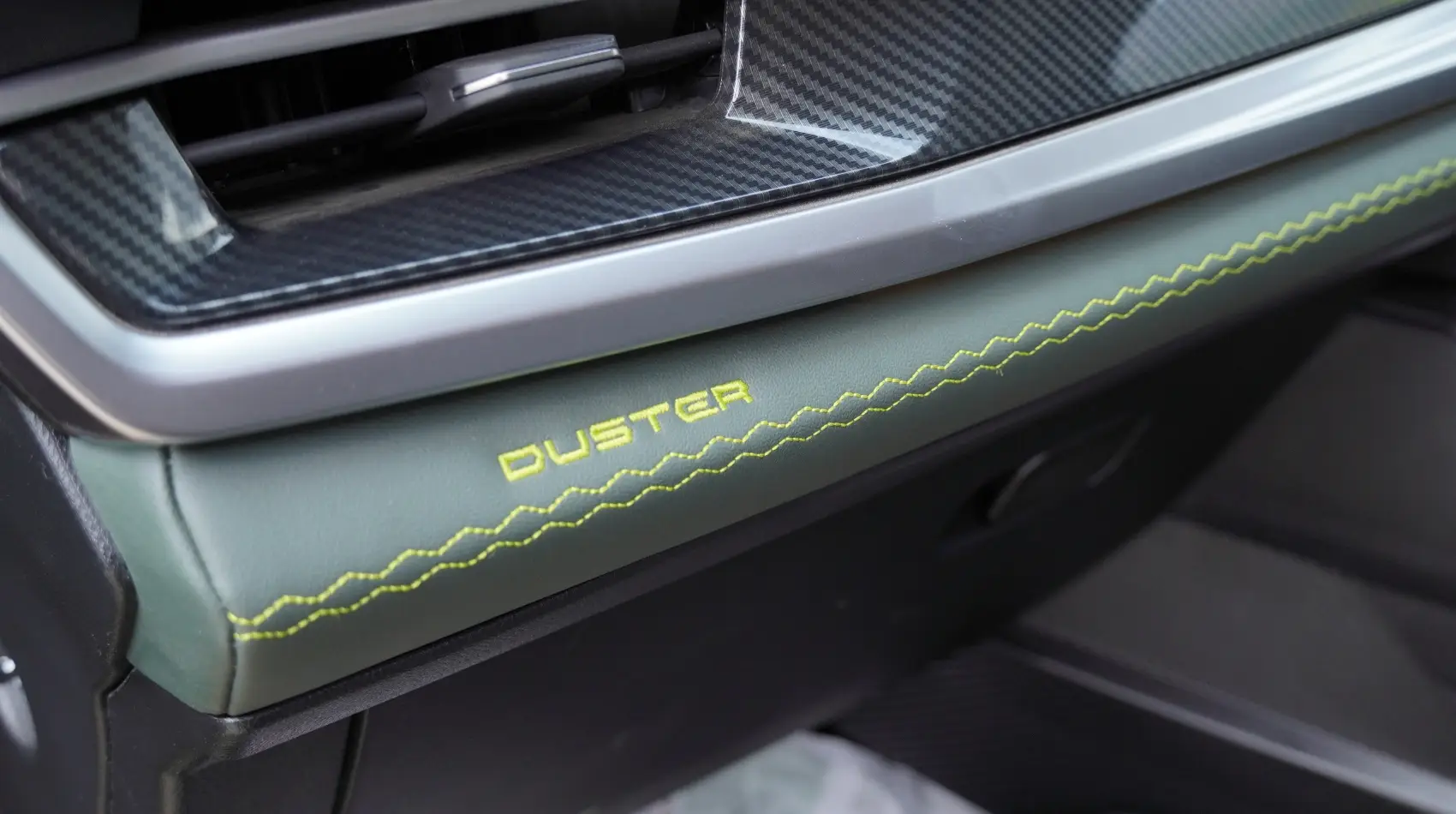
And then there’s the badge, or rather, the lack of one. Up front, you won’t find a Renault logo. It simply says Duster. That’s it. And in a strange way, it makes perfect sense. Because in India, the Duster name carries more weight than Renault ever has. The brand built the car, sure, but the car built the brand. You do still get Renault badging on the sides and at the rear, but the message at the front is clear: this is a Duster first, and everything else comes later.
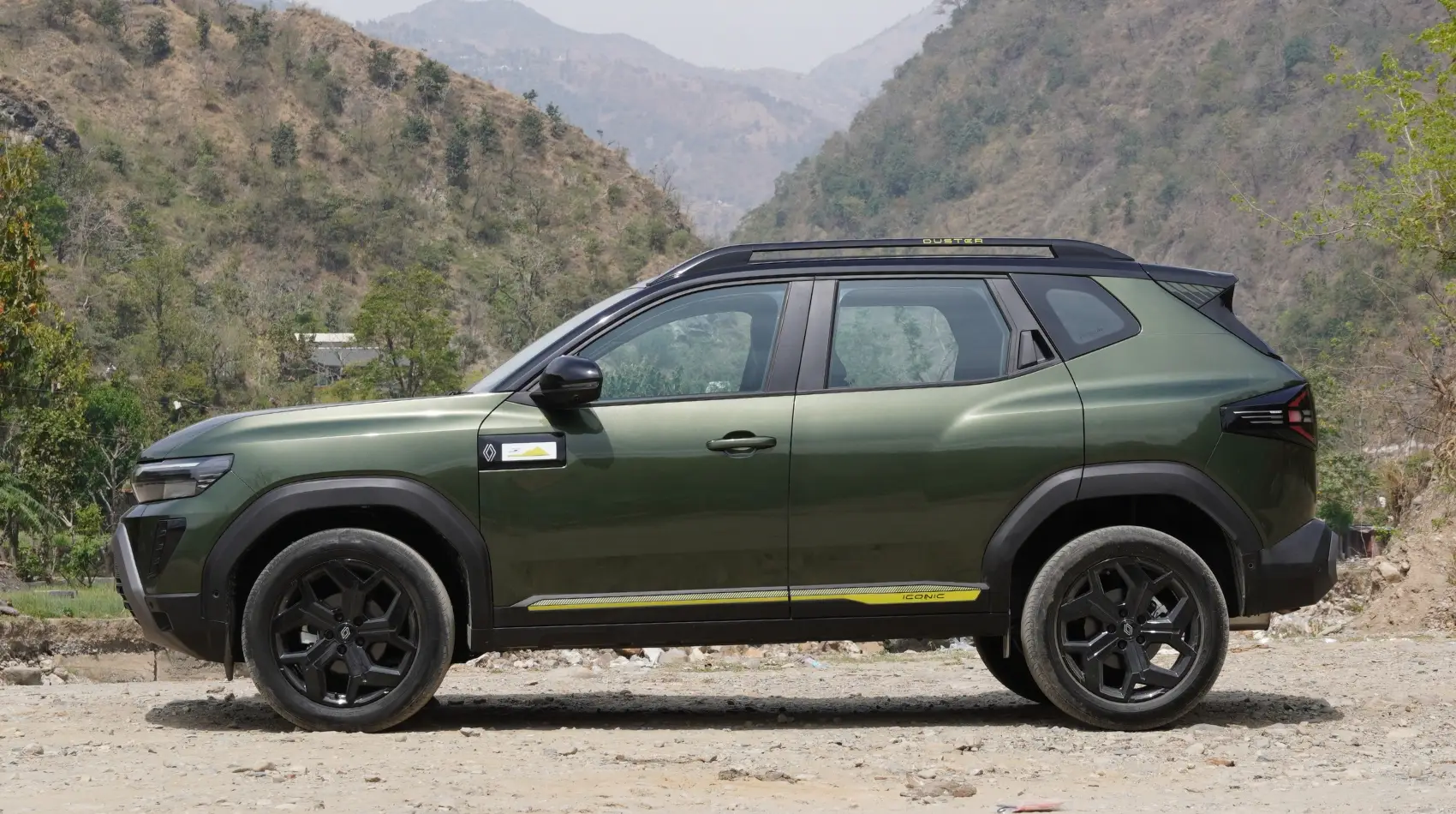
Move to the side, and you immediately notice that Renault hasn’t messed with a winning formula. The squared-off wheel arches, the slightly exaggerated haunches, the muscular stance, they’re all still there. It feels like a modern reinterpretation of the original rather than a complete redesign, and that’s exactly what it needed to be.
Those 18-inch wheels, though, are a bit of a mixed bag. The size is great, fills up the arches nicely, and gives the car the stance it deserves. But the design? It feels a little… familiar. Almost like something we’ve seen on a few Tata products in the recent past. It’s not bad, but it’s not special either. And on a car that carries so much legacy, you expect just a little more flair.
One thing that really stands out, though, is the bonnet. It’s beautifully sculpted with what can only be described as a proper power dome. It reminds you of those rally-bred machines from the ‘80s and ‘90s. Think Clio Williams, think old-school homologation specials. And from the driver’s seat, you can actually see it. That raised, sculpted bonnet line is always in your view, and it adds a certain sense of occasion every single time you’re behind the wheel. It’s a small detail, but for enthusiasts, it matters.
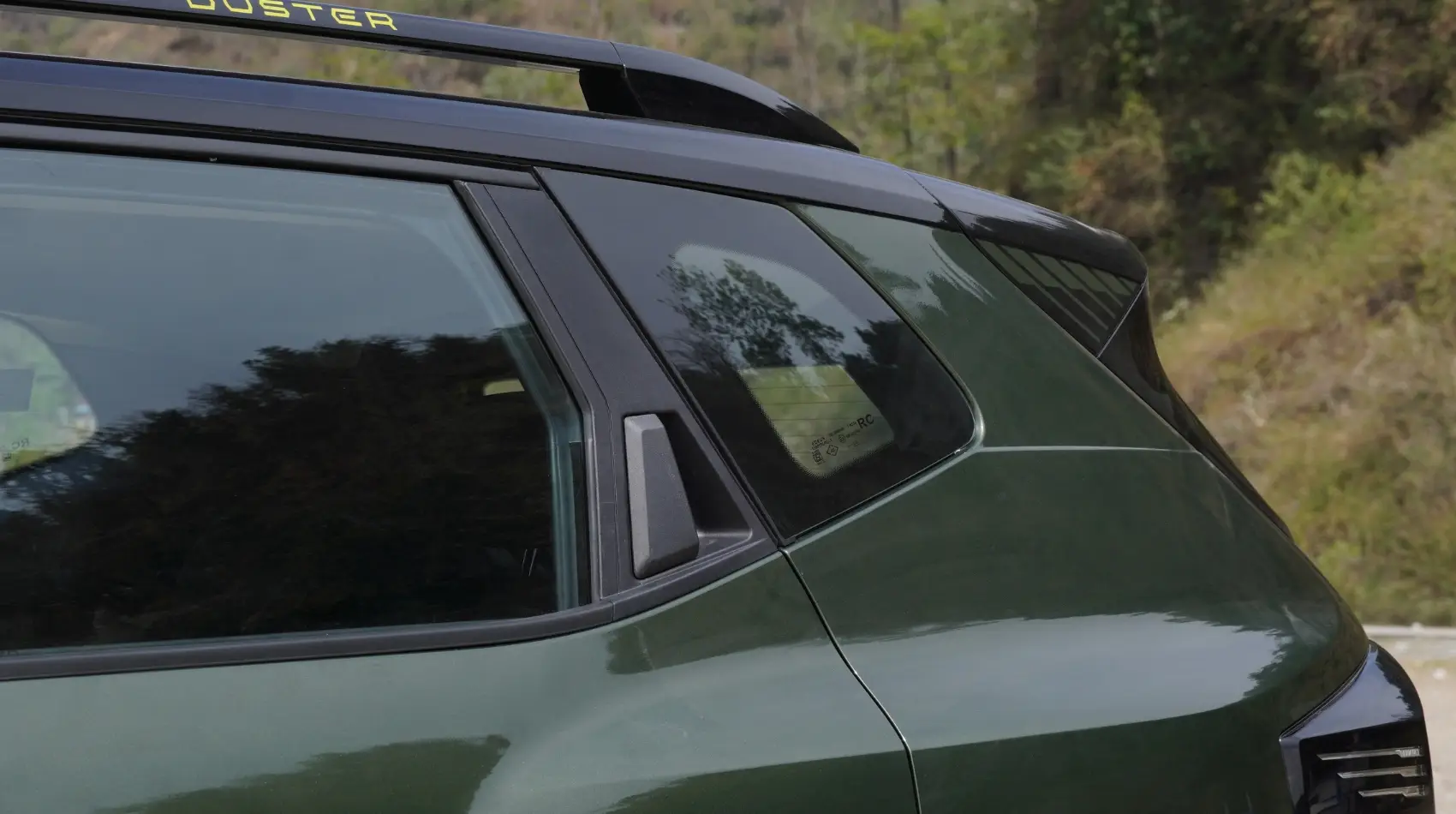
Not everything is perfect, though. The rear door handle placement feels odd, almost like an afterthought. And more importantly, it feels cheap. In a car that otherwise feels quite solid and well thought-out, this is one of the few areas where it doesn’t quite live up to the rest of the package.
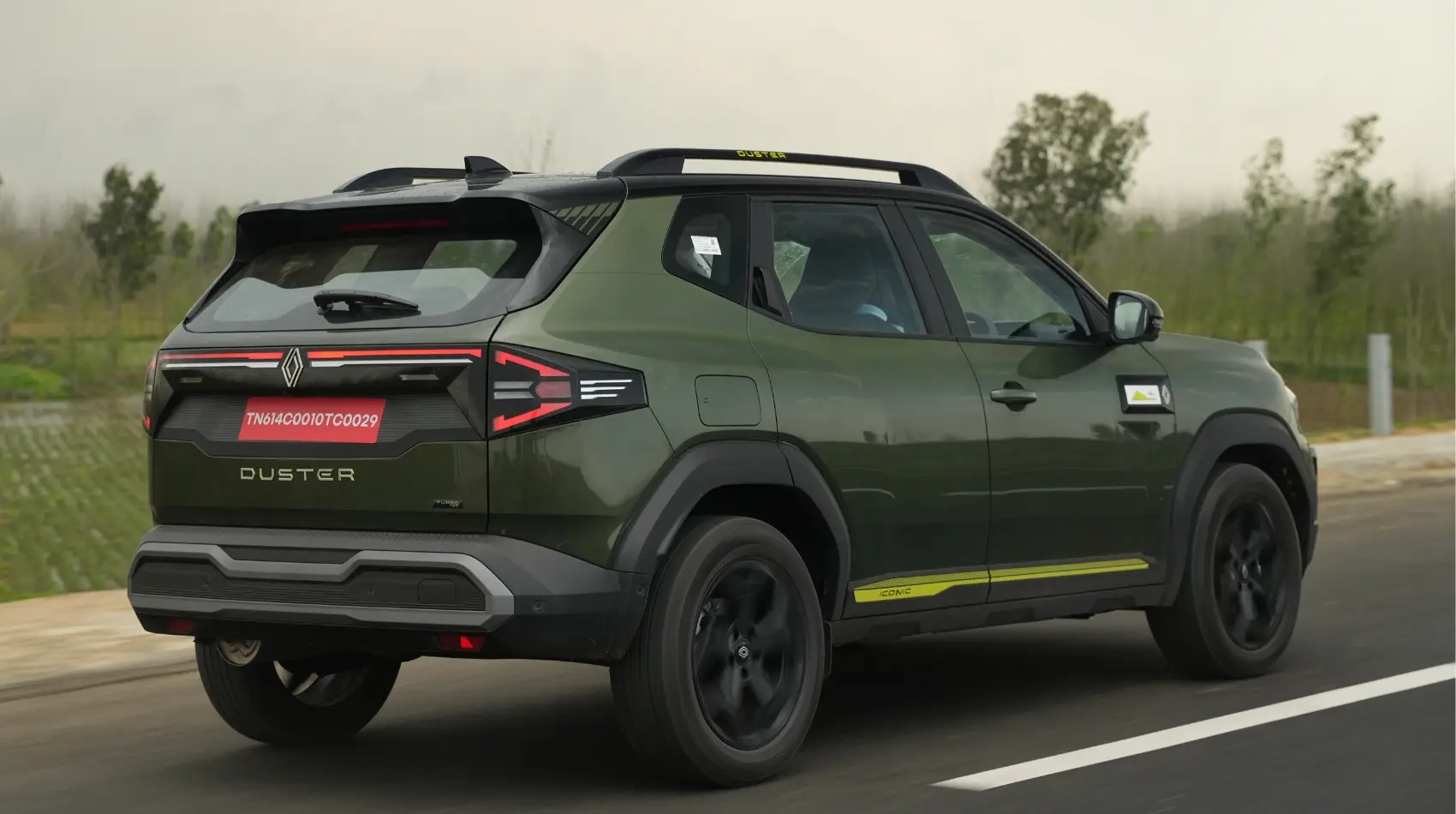
The rear, however, brings things back on track. This is where the Duster’s SUV identity really comes through. It doesn’t try to look like an urban crossover. It doesn’t try to be sleek or coupe-like. Instead, it leans into its ruggedness. The bumpers, both front and rear, feature those classic silver/grey skid plate-style elements, and they’re not just for show. They visually reinforce what the Duster has always stood for: toughness.
It looks masculine. It looks purposeful. And most importantly, it looks like it belongs outside the city just as much as it does in it.
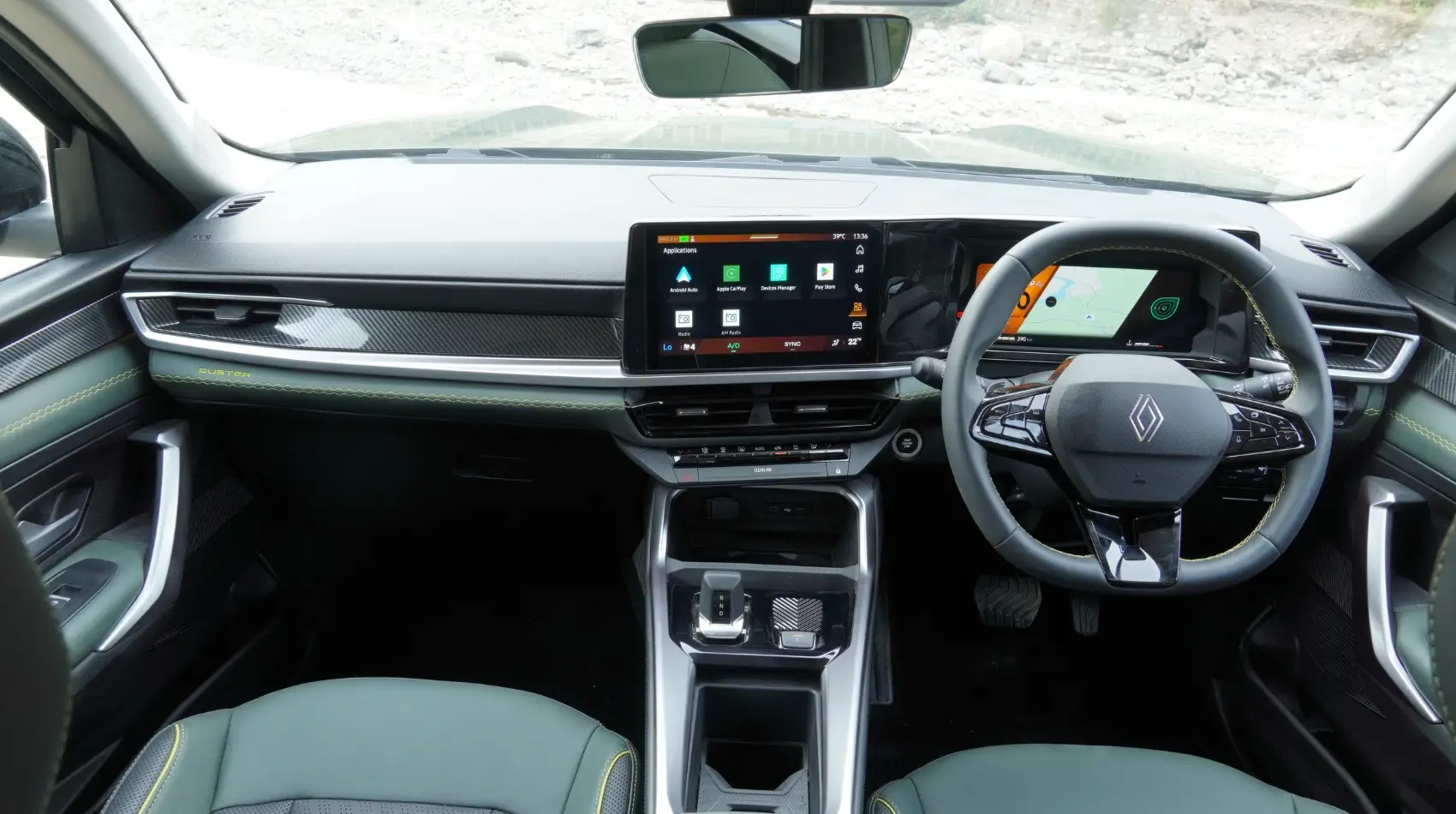
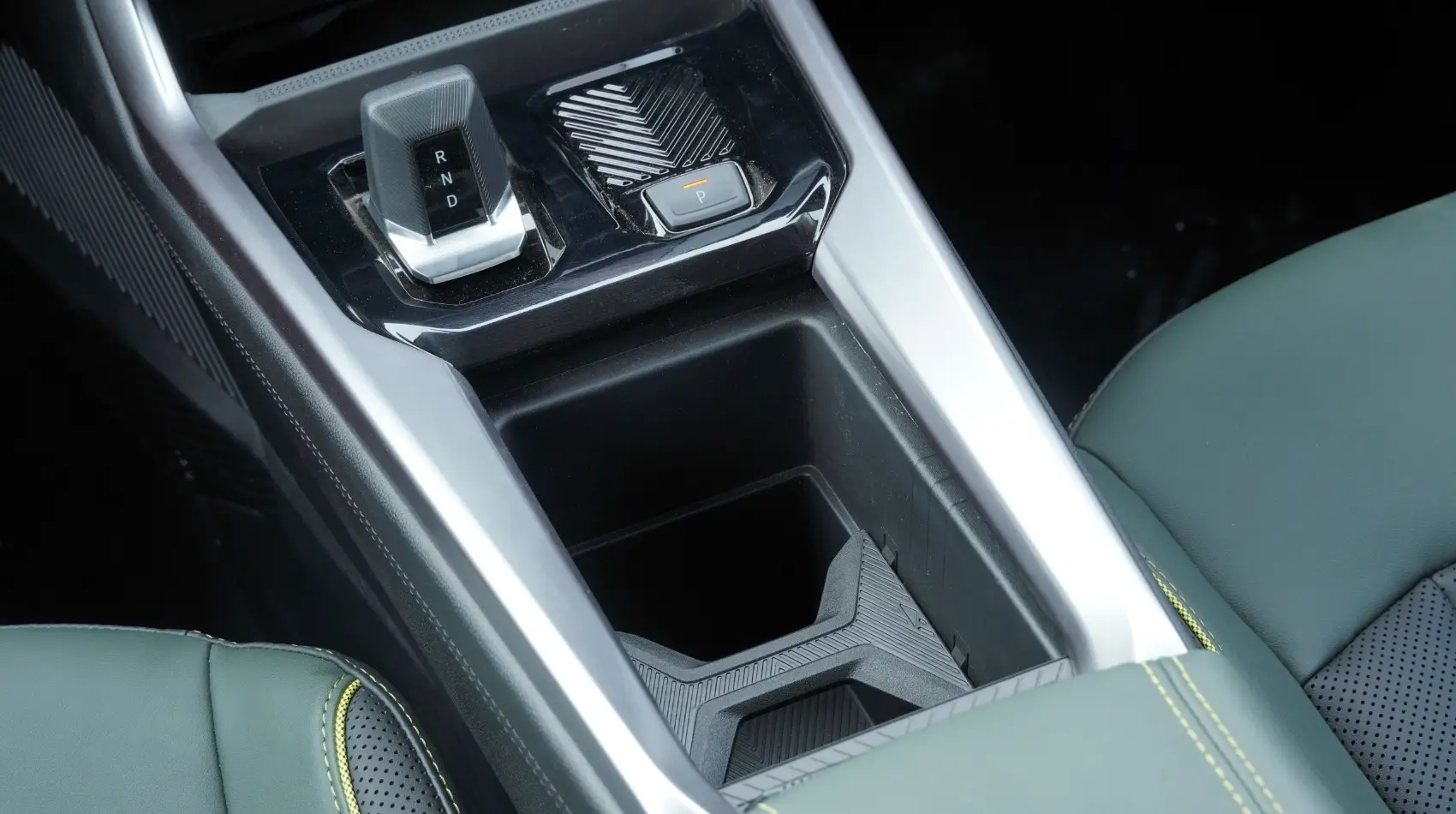
Step inside, and the first thing that hits you is how good the basic touchpoints are. The seats, in particular, are excellent. They feel properly well-built, nicely cushioned, and supportive in all the right places. On this top-spec version, you get contrast stitching, and the green stitching on this car looks particularly cool.
In fact, if you’re buying this car, get it in green with the green interior accents. That’s the spec. That’s the one that just feels right.
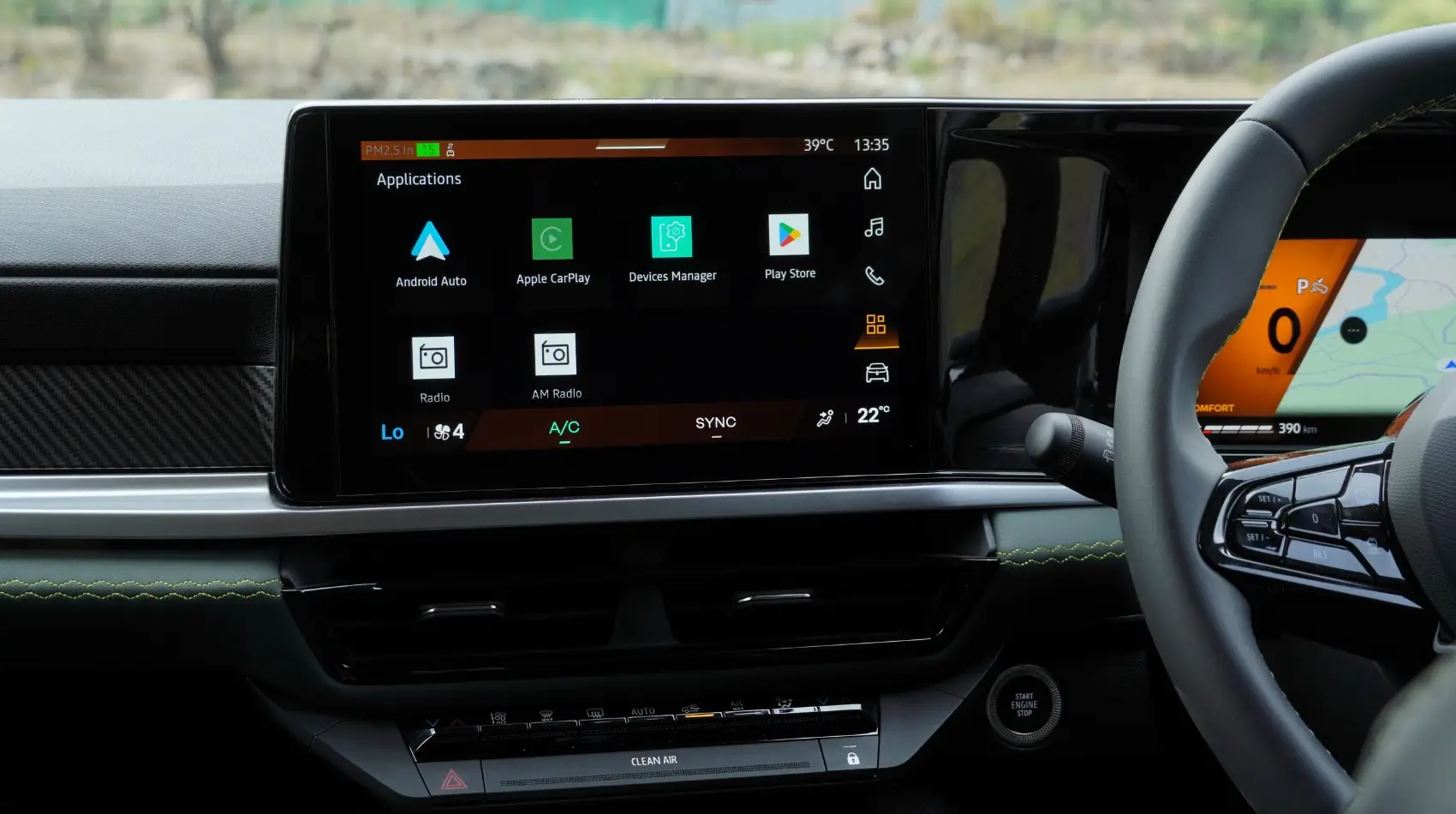
The infotainment screen is another highlight. No, it’s not the biggest in the segment. But it doesn’t need to be. Because what it does, it does really well. The clarity is sharp, the contrast is excellent, and more importantly, the interface is genuinely intuitive. Even the native UI, not just Apple CarPlay or Android Auto, is well thought out, responsive, and easy to use. That’s something a lot of manufacturers still struggle with.
What’s also really cool is how the instrument cluster and infotainment visuals sync with the ambient lighting. Change the lighting colour, and everything else follows. It sounds like a gimmick at first, but once you start playing around with it, you realise just how much you can customise the cabin’s vibe.
Feeling sporty? Go red. Want something a little more relaxed? Blue or white. Feeling like turning your car into a nightclub? Purple works. And yes, if you want pink, that’s there too. It’s a small feature, but it adds a layer of personalisation that a lot of people will genuinely enjoy.
Ergonomically, it’s mostly solid, but not without quirks. The seat cooling controls, for instance, are in a slightly odd position and not the easiest to reach. But what Renault gets absolutely right is the use of physical buttons.
You have proper, tactile controls for the AC. You have a physical volume buttons atop the screen itself that the passenger can easily access. And then there’s the classic Renault touch, the steering column-mounted audio controls for the driver. It’s something Renault has done for years, and honestly, it still makes a lot of sense. With so many functions already crammed onto the steering wheel, having a separate, dedicated control stalk actually makes things easier.
Then there’s one of the most interesting additions in this car, the ADAS off button. One press, and you can disable all the assistance systems. Or, if you prefer, you can turn them off in stages. Now, we’re not suggesting you should go around driving with everything turned off, these systems exist for a reason, and they can genuinely save lives. But there are situations where you might want more control, and having a single, easily accessible button to do that is actually quite thoughtful.
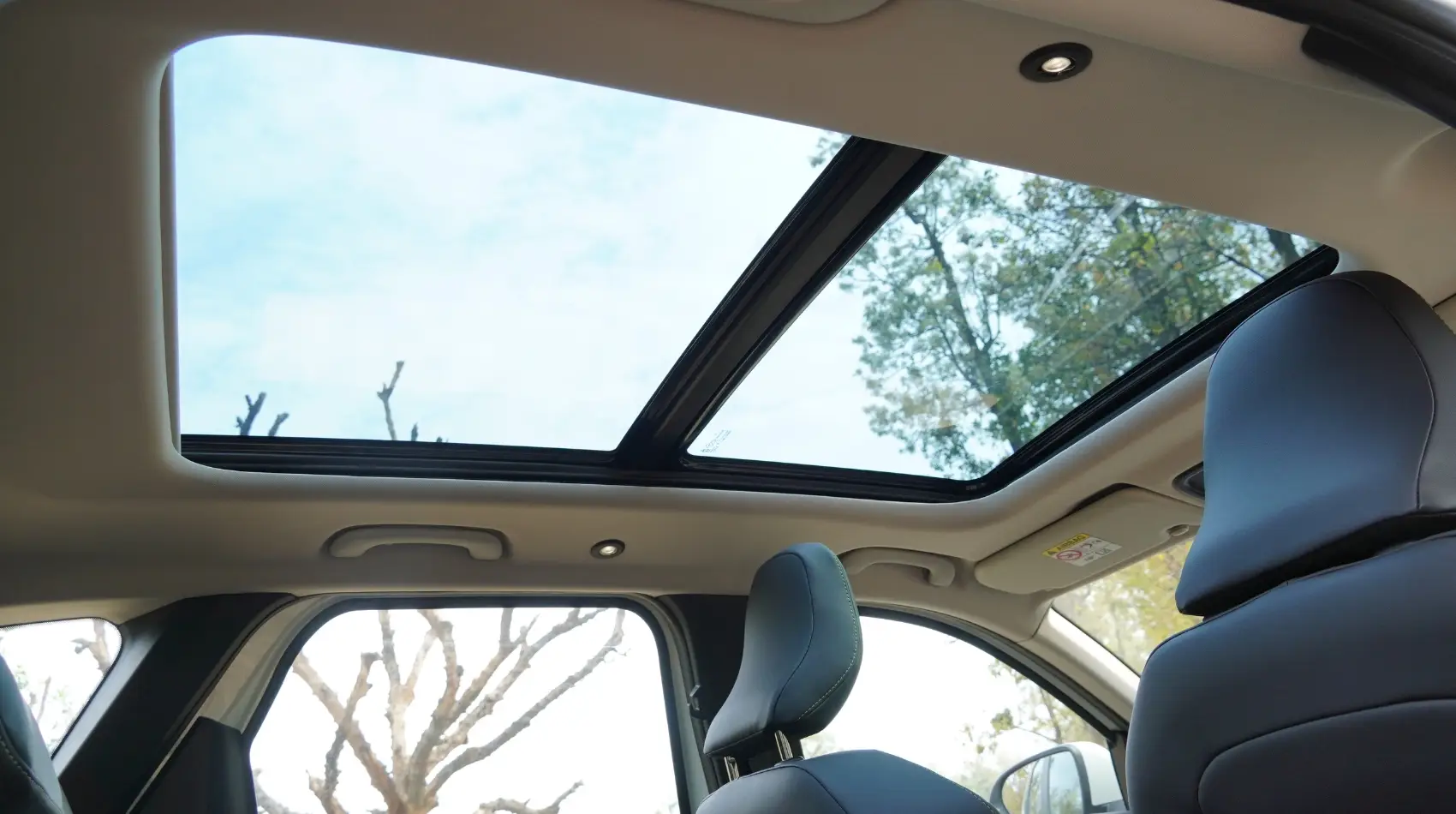
Another nice touch is the sunroof controls. Instead of one complicated switch that requires you to be weirdly precise with your fingers, you get two separate controls, one for the sunroof and one for the sunblind. It’s simple. It’s intuitive. And it works. The panoramic sunroof itself is massive, by the way. It floods the cabin with light and adds to the overall sense of space.
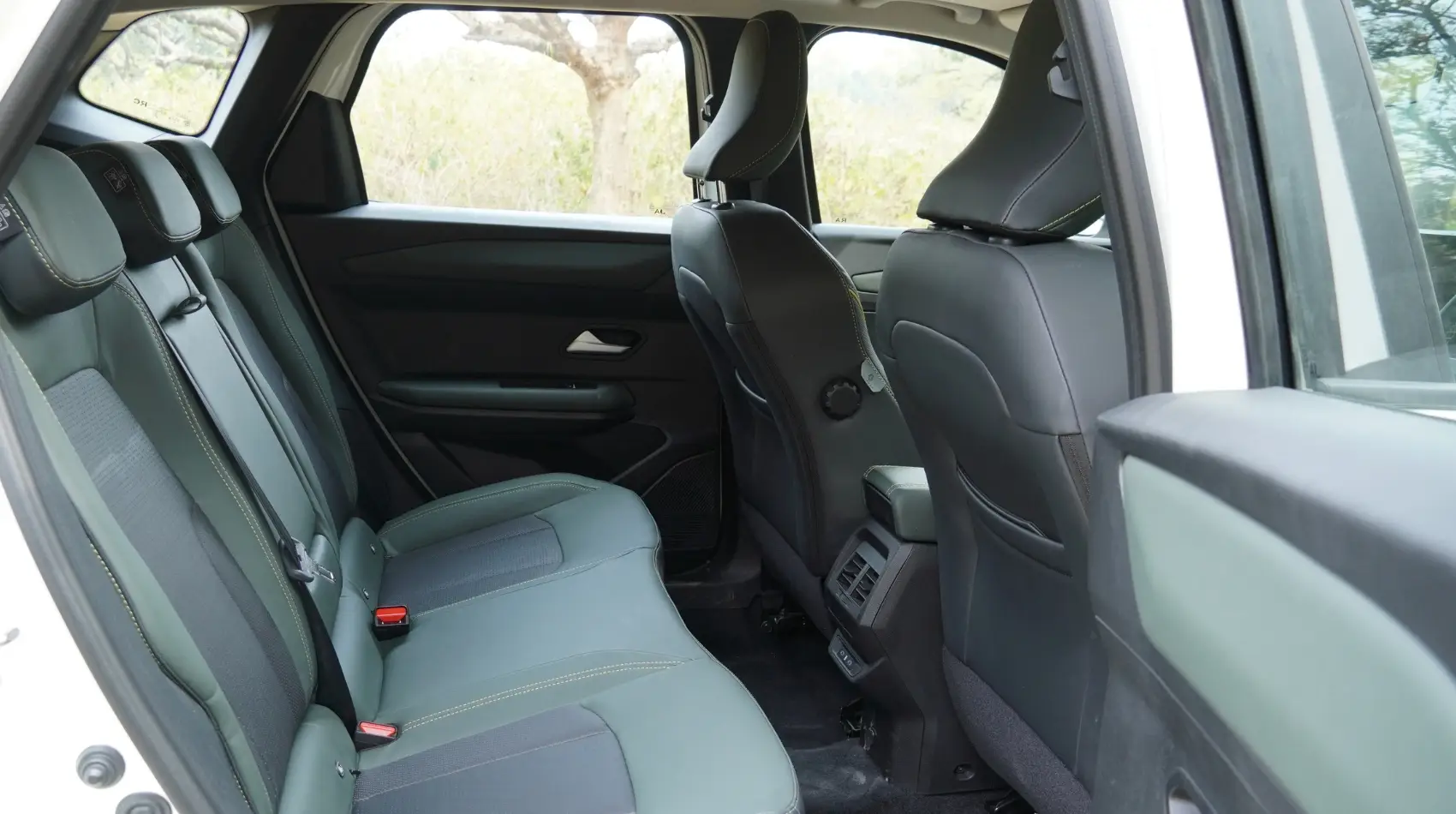
Speaking of space, let’s talk about the rear seats, because this is where the Duster makes a conscious trade-off.
Compared to something like the latest Sierra (which is much much larger on the inside) or the new Seltos, this feels smaller. Even against the Creta, there are areas where it doesn’t quite match up in terms of sheer space. It’s closer in size to the Taigun and Kushaq, maybe even slightly roomier in some respects, but it’s definitely not chasing the “biggest-in-segment” tag.
The seats themselves are, once again, very well shaped. Comfortable, supportive, and good for long journeys. But legroom is on the lower side, and while headroom is decent, it’s not exceptional. Realistically, this is a rear seat best suited for two adults. Three will fit, but it won’t be comfortable, unless the third occupant is a child. And even then, a proper child seat setup would be the better way to go.
But here’s where the trade-off comes in, boot space. Because what the Duster lacks slightly in rear seat room, it more than makes up for in the boot. It’s massive. Easily one of the biggest in the segment. The loading lip is semi-friendly, the electric tailgate makes access easy, and if you fold the rear seats down, the amount of space you get is genuinely impressive.
This is clearly a car designed for someone who drives themselves. Not someone who sits at the back. It prioritises the driver, the driving experience, and practicality in terms of luggage over outright rear seat luxury.
And that brings us to performance, because this is where the Duster legacy really comes alive.
The original Duster had two standout traits. One, that 1.5-litre diesel making 110hp. On paper, it didn’t sound like much. But in reality, it was an absolute gem. Strong, torquey, and incredibly usable. It set a benchmark for what a good diesel engine should feel like.
The second was its ride and handling. Simply put, nothing else came close. It could take abuse that would make other cars fall apart, and it would still come out unfazed. Broken roads, bad highways, rough terrain, it just didn’t care. And at the same time, it handled brilliantly. It was, without question, one of the best-driving SUVs of its time.
This new Duster carries that DNA forward. The platform may be new and specifically developed for India, but underneath it all, it still feels like a Duster. There’s a certain toughness to the way it moves. A solidity that reminds you of where it comes from.Renault’s motorsport and rallying heritage is still very much evident here. The chassis feels alive. It feels connected. And more importantly, it feels capable.
That said, it’s not without its flaws. Our test car did exhibit a few squeaks and rattles, which is a bit concerning. It suggests that while the car feels solid now, long-term durability might not quite match the bulletproof reputation of the original. Hopefully, this is something Renault addresses in production cars.
In terms of handling, though, it’s right up there. Possibly even the best in the segment right now, but we’d need back-to-back comparisons to say that definitively. What we can say is that the benchmark has been raised again. The Duster has thrown down the gauntlet.
Under the bonnet, things get even more interesting.
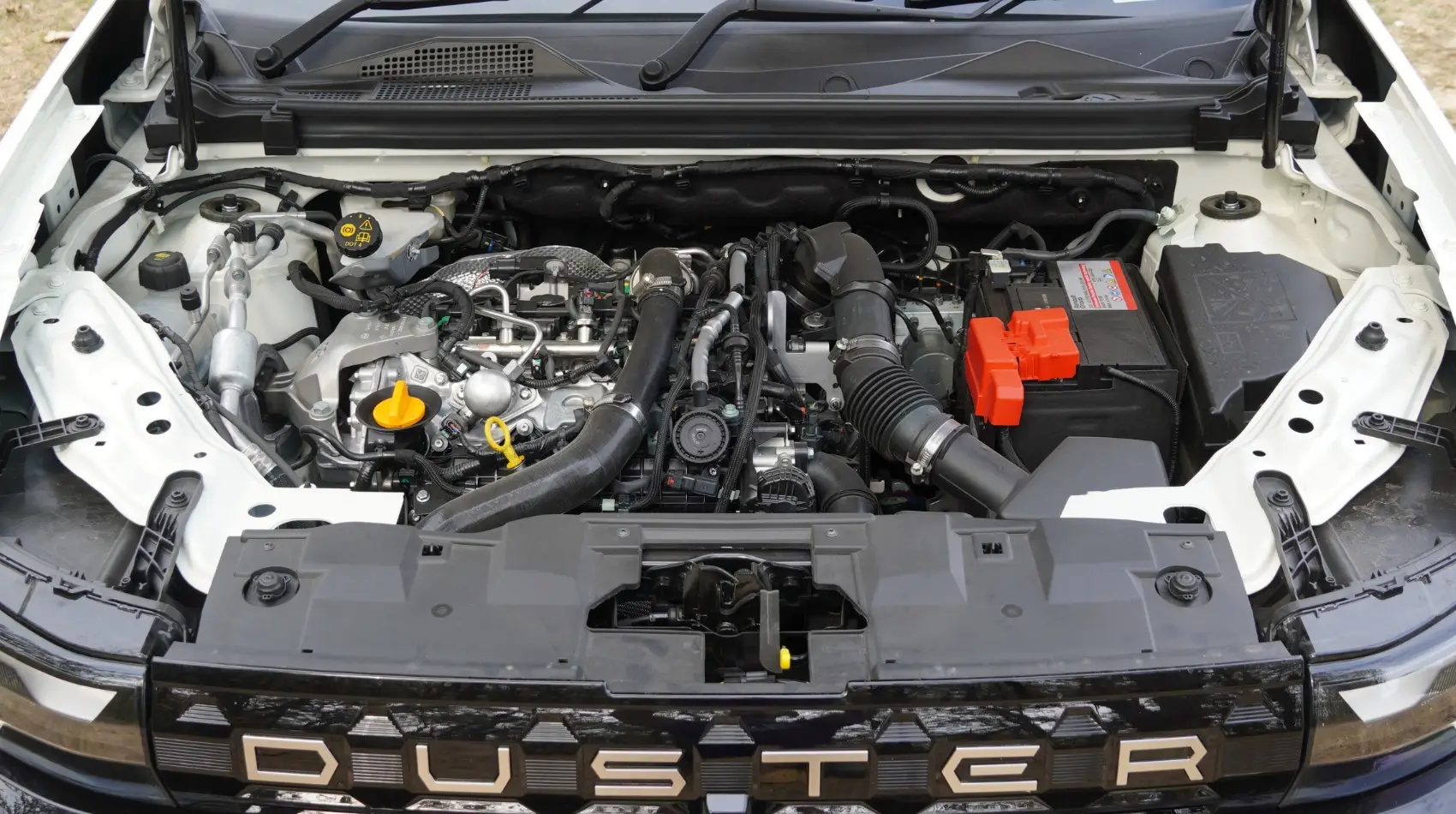
This is now the most powerful car in its segment. A 1.3-litre four-cylinder turbo petrol engine producing 163 horsepower. Let that sink in for a second. A Duster, more powerful than the VWs. More powerful than the Hyundais and Kias. That’s not something anyone would have predicted a few years ago.
And it shows. The car feels properly quick. In everyday driving, it’s smooth and quiet, almost deceptively so. But push it harder, and it comes alive. The engine note builds, the performance kicks in, and suddenly, you realise this isn’t just about getting from A to B. The DCT gearbox is decent. In regular driving, it does its job well enough, smooth shifts, no major complaints. But when you start pushing, when you want that extra bit of responsiveness, it does feel a step behind the likes of Volkswagen’s DSG or even Hyundai’s DCT.
It doesn’t downshift as aggressively. It feels a bit more protective, a bit more conservative. Which means that if you’re really trying to drive it hard, it doesn’t quite keep up with your inputs the way you’d want it to. That said, for most buyers, this won’t even register as an issue. In everyday use, it works just fine.
One thing we did notice on our test car, though, was a strange electronic whine. Initially, we thought it might be our recording equipment causing interference, so we turned everything off, but the sound persisted. It seemed to rise and fall with engine revs, which led us to believe it was coming from somewhere within the car’s electronic system, possibly even the speakers. It’s likely a one-off issue with this particular car, but it’s something worth noting.
On the whole, NVH levels are impressive. The cabin is well insulated, road and wind noise are kept in check, and it feels refined for the most part. But again, those minor rattles and squeaks do stand out, and we’d strongly urge Renault to address them before full-scale deliveries begin.
The new Duster isn’t here to politely reintroduce itself. It’s not doing a Shah Rukh Khan arms-open comeback. This is more - John Wick walking back into a room everyone thought he’d retired from - calm, unfazed, and very, very aware of what it’s capable of. Because while the rest of this segment has been busy turning into iPads on wheels with commitment issues, the Duster has quietly shown up like, “Oh, we’re still pretending driving doesn’t matter?”
It’s not the biggest. It’s not the flashiest. It doesn’t have mood lighting that can host a Coldplay concert, no wait, actually, it does. But what it does have more than anything, is intent. The kind that made the original a cult. The kind that makes you take the long way home, not because you have to, but because you want to.
Is it perfect? Of course not. There are quirks. There are rough edges. But that’s the point. The Duster has never been about being perfect, it's been about being right. In 2012, it was right and now in 2026, in a segment full of overthought, overdesigned, overmarketed machines, this feels like the one SUV that just showed up, dropped the mic, and said, “Relax. I built this!”