More premium cabin, 19-inch wheels look great, Rear disc brakes
Against
Infotainment can be glitchy, No wireless Apple CarPlay, Rear suspension still feels bouncy
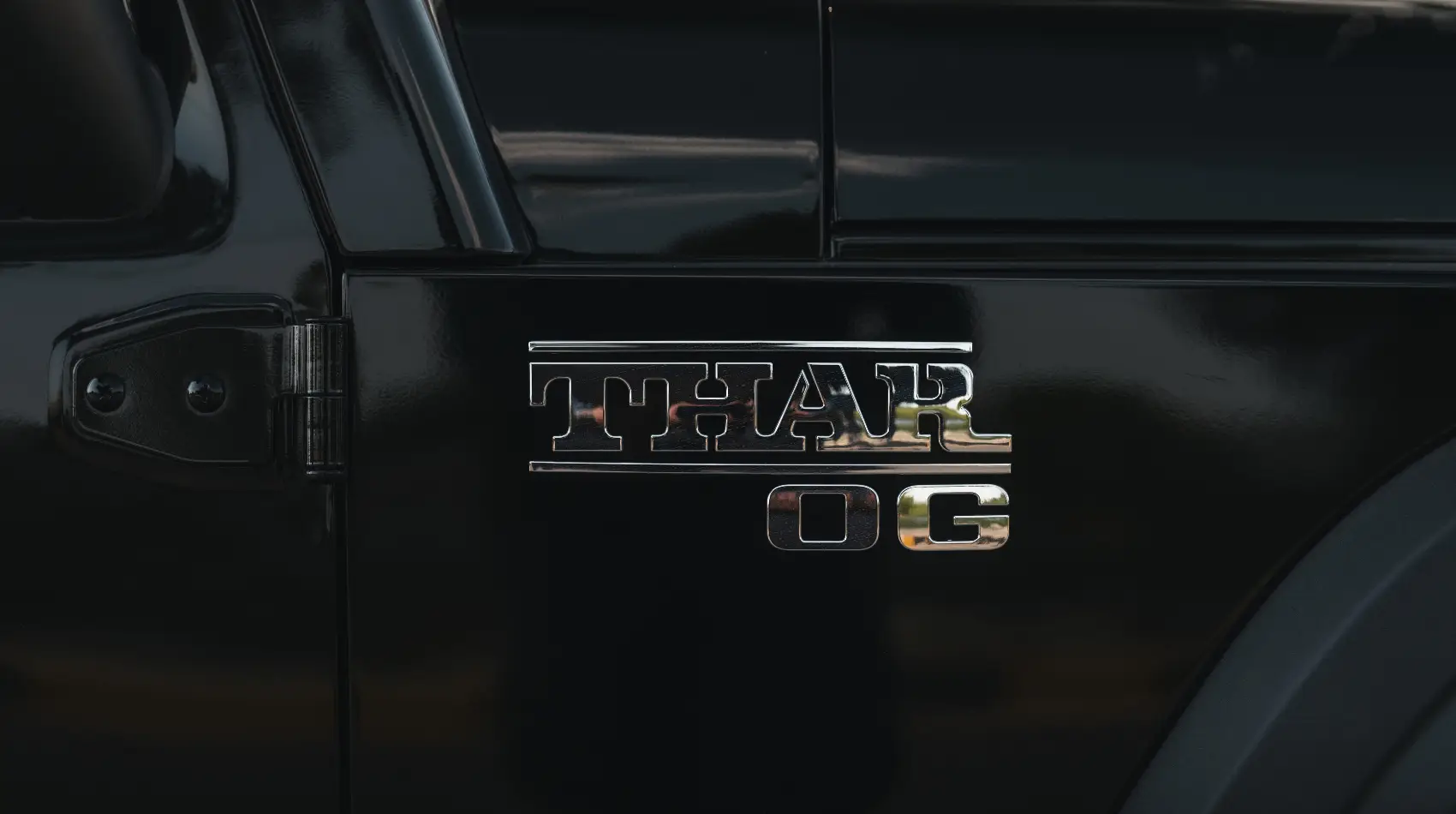
Okay, I’m not even going to mince my words. I’m not even going to give you an intro. Let me just start by saying this: Mahindra either needs to hire someone who knows how to name cars, or fire whoever has been doing the job rather badly. Because there has been a string of very, very strange names recently.
The Thar Roxx took some getting used to, but eventually, we did. The Scorpio Lifestyle definitely isn’t something I’m ever going to get used to. And now, completing the hat-trick, we have the Mahindra Thar OG.
OG.
I don’t know whether this is some grand plan to excite Gen Z and bring a younger audience into Mahindra showrooms, but trust me, it isn’t working. Gen Z laughs at stuff like this. It feels like a very obvious attempt to fit in. Like a 60-year-old man who has spent his entire life wearing formal shirts and kurtas suddenly turning up in a Stüssy tracksuit and a pair of Off-White Jordan 1 Chicagos. You’re not fooling anyone. It just looks weird.
Right. Now that we’ve got that out of the way, let’s talk about the car. Because, thankfully, the car itself is considerably better than its name. The car that changed Mahindra The three-door Thar has been around for six years now. It launched in 2020, and if you really want to identify the turning point in modern Mahindra’s history, this is probably it.
It wasn’t just another update to the old Thar. It was a proper evolution into a modern lifestyle off-roader. And more importantly, it was exactly the sort of vehicle India apparently wanted. Petrol. Diesel. Manual. Automatic. Soft top. Hard top. Proper four-wheel drive. It had almost every combination you could ask for. Then came the Thar Roxx, which broadened the appeal enormously. The Roxx can genuinely be your only car. Yes, your children might occasionally be rearranged internally when you hit a bad patch of road, but it has proper rear doors, usable rear seats and enough comfort and practicality to work as a family SUV. The three-door remained the cooler, more compromised sibling. It received an update recently, but frankly, this is the update it actually needed.
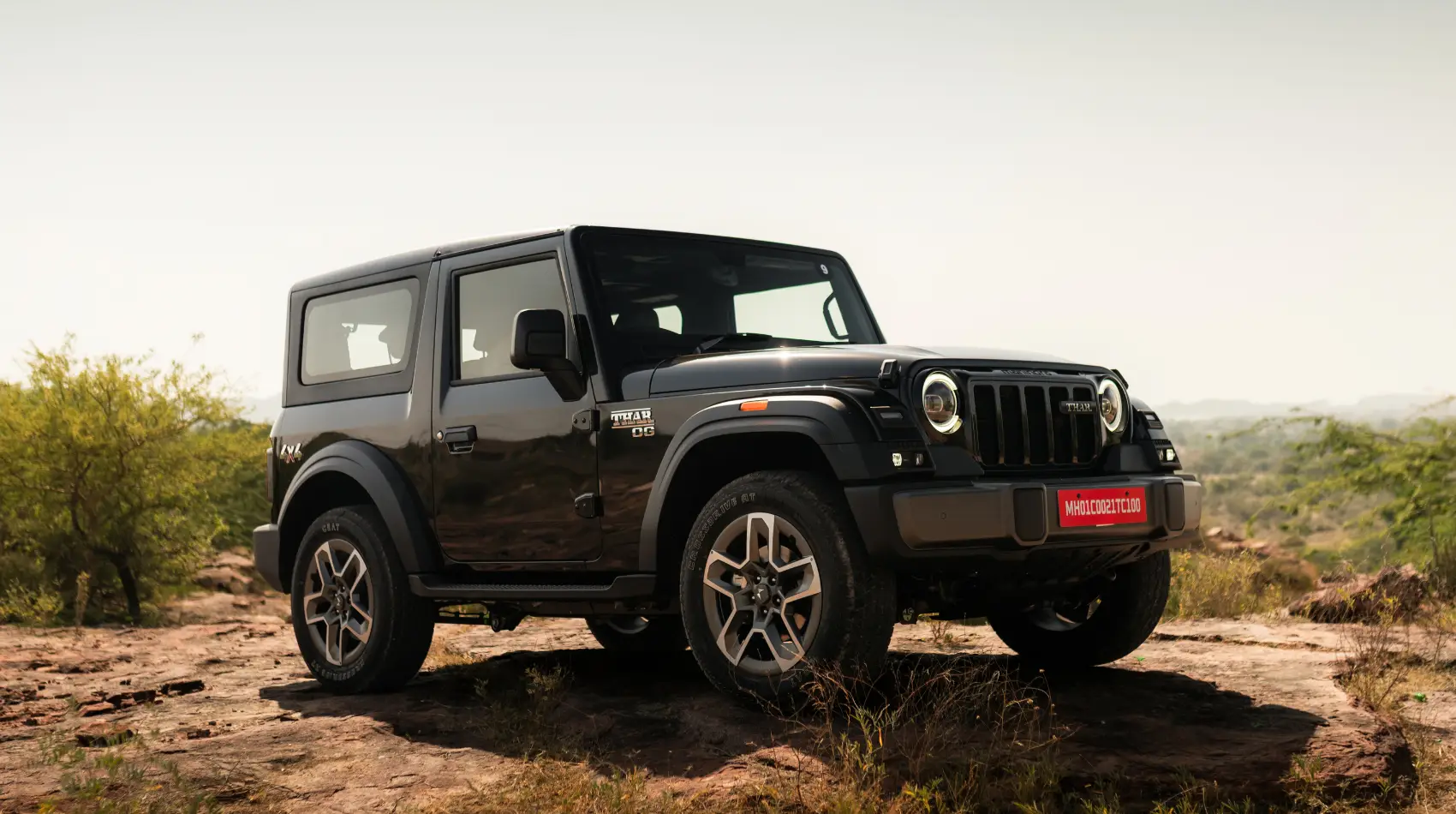
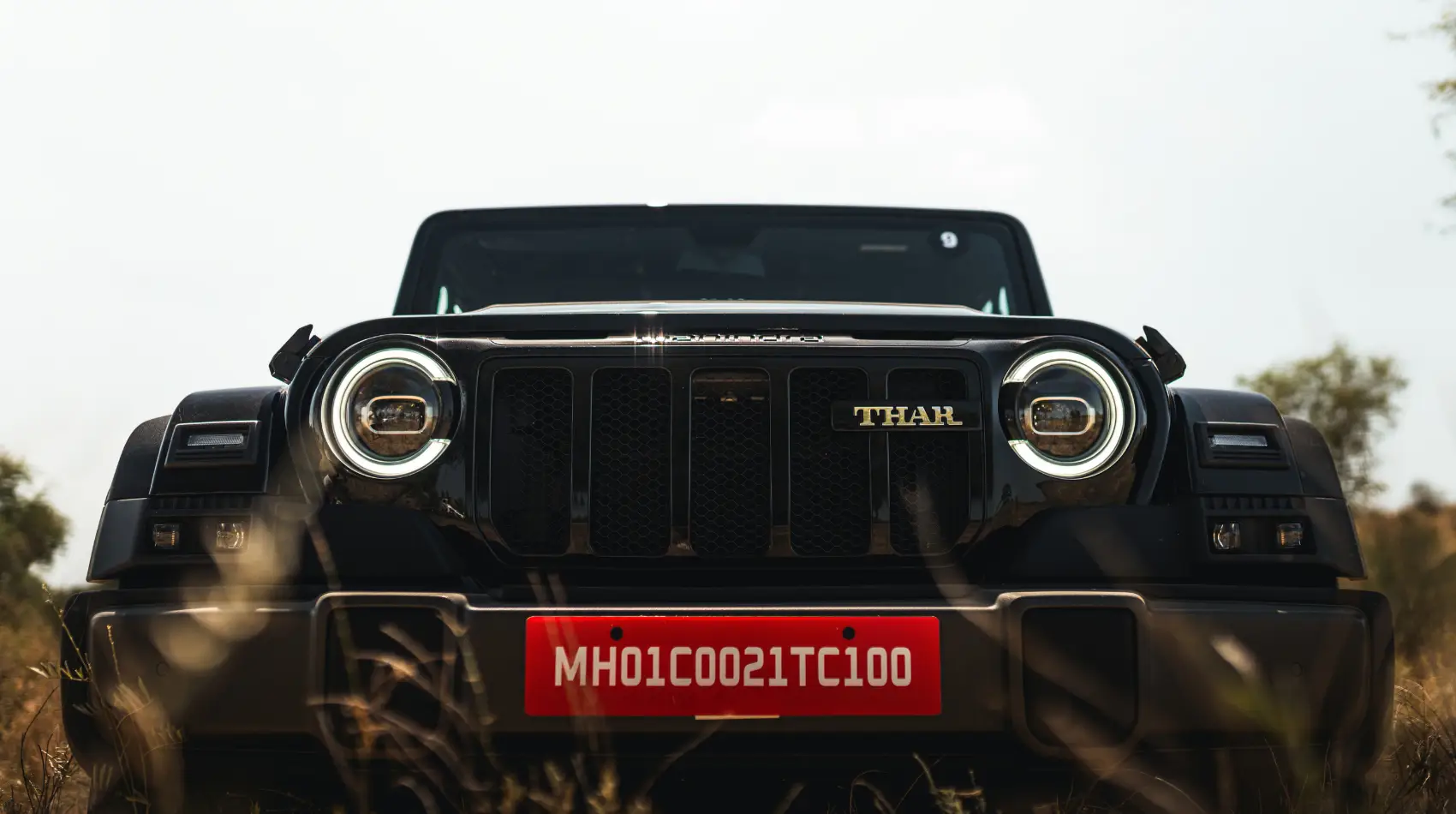
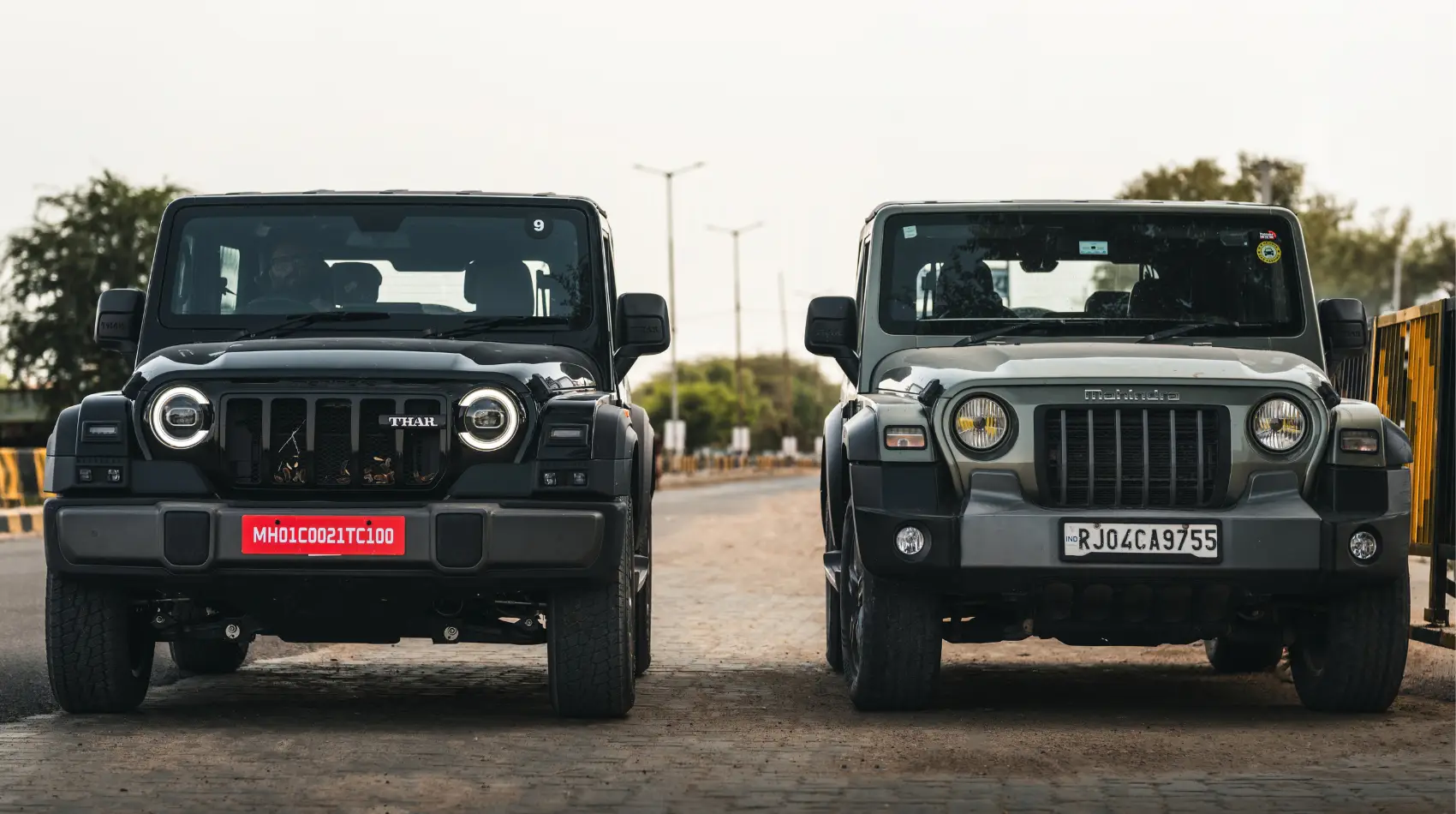
Finally, a face that doesn't need fixing. Let's start outside. I really like the new front end. The original three-door Thar always had a slightly awkward grille, which is probably why approximately four minutes after taking delivery, half its owners went online and ordered an aftermarket one.
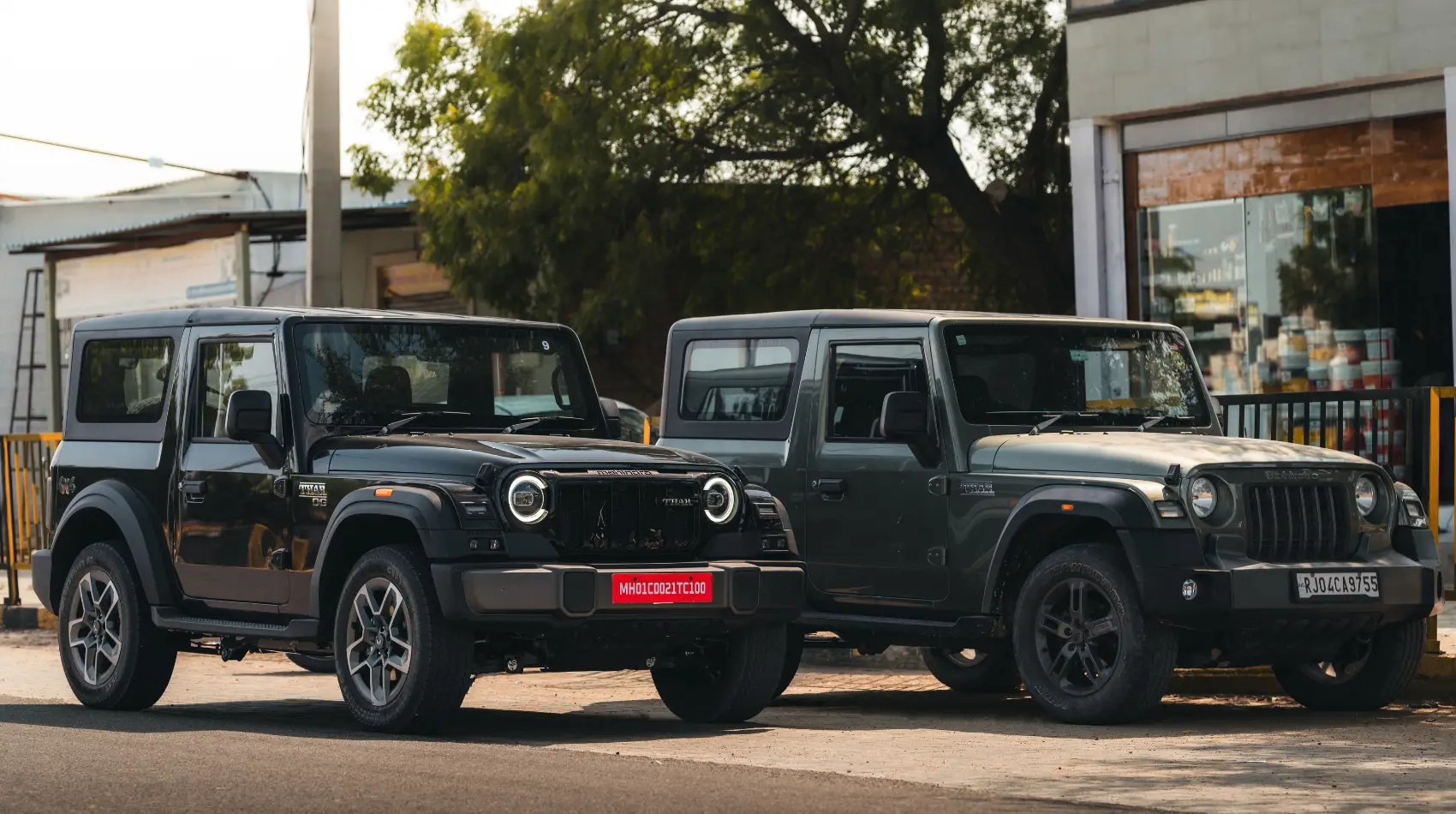
This new grille actually looks good. Really good. In fact, unlike the Roxx, which I still think looks better with the right aftermarket grille, I’d leave this completely alone. Somebody should actually make a version of the OG grille for the Roxx. There are new bumpers too, with these chunky vertical elements that remind me slightly of old American cars. If you have some time, Google “Dagmar bumper guards”. Actually, perhaps don't do that at work.
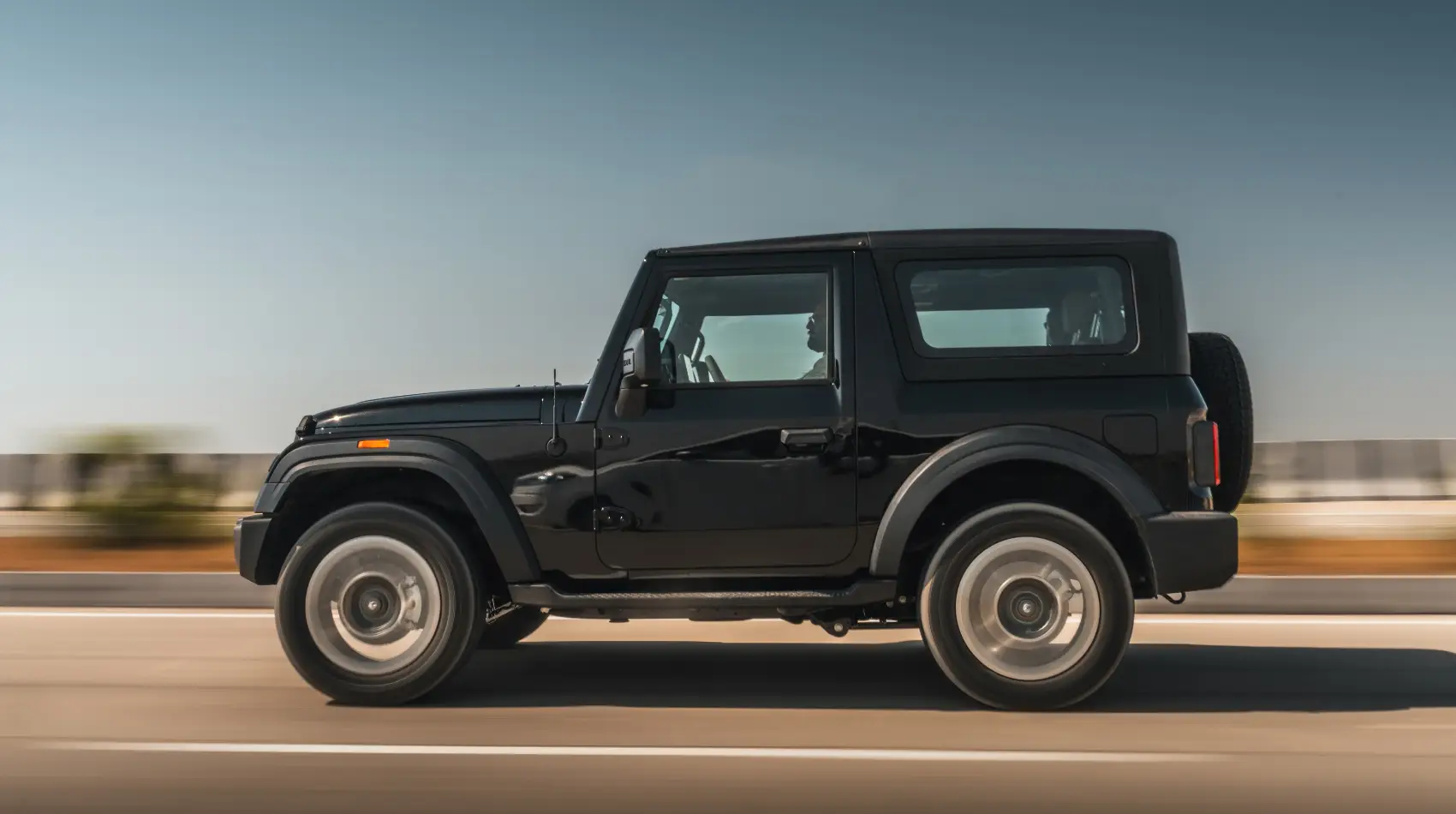
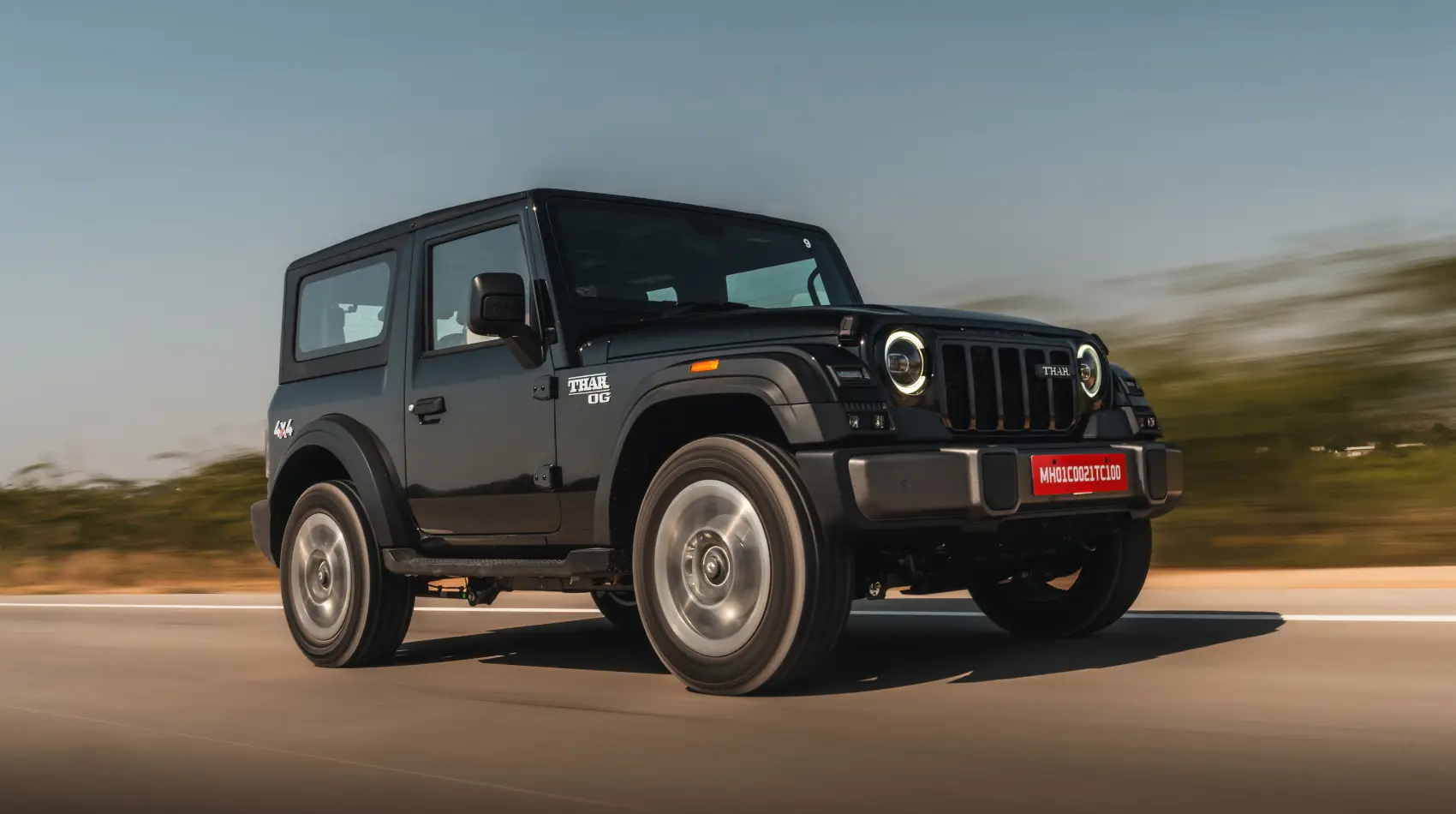
The wheels are new too. The old Thar ran 18s while the top-spec Roxx moved to 19s, and now the three-door gets 19-inch wheels as well. And, for once, I can say this without any caveats: Mahindra has designed a really good-looking set of wheels. They're simple, chunky and properly SUV-like. I actually prefer them to the wheels on the Roxx.
What you can no longer have is a soft top. Cue outrage from people who were never going to buy one. It’s like that old cliché about artists only being appreciated after they're dead. Ever since Mahindra killed the soft top, I've seen people lamenting its demise as though some great piece of Indian automotive history has been lost.
Except when it was actually available, hardly anybody bought one. And frankly, it wasn't very good. It sagged, it was cumbersome to remove and reinstall, and it always felt like a compromise. If Mahindra ever decides to bring a convertible Thar back, do it properly. Give it a genuinely clever roof mechanism, electric, preferably, and make something people will actually use.
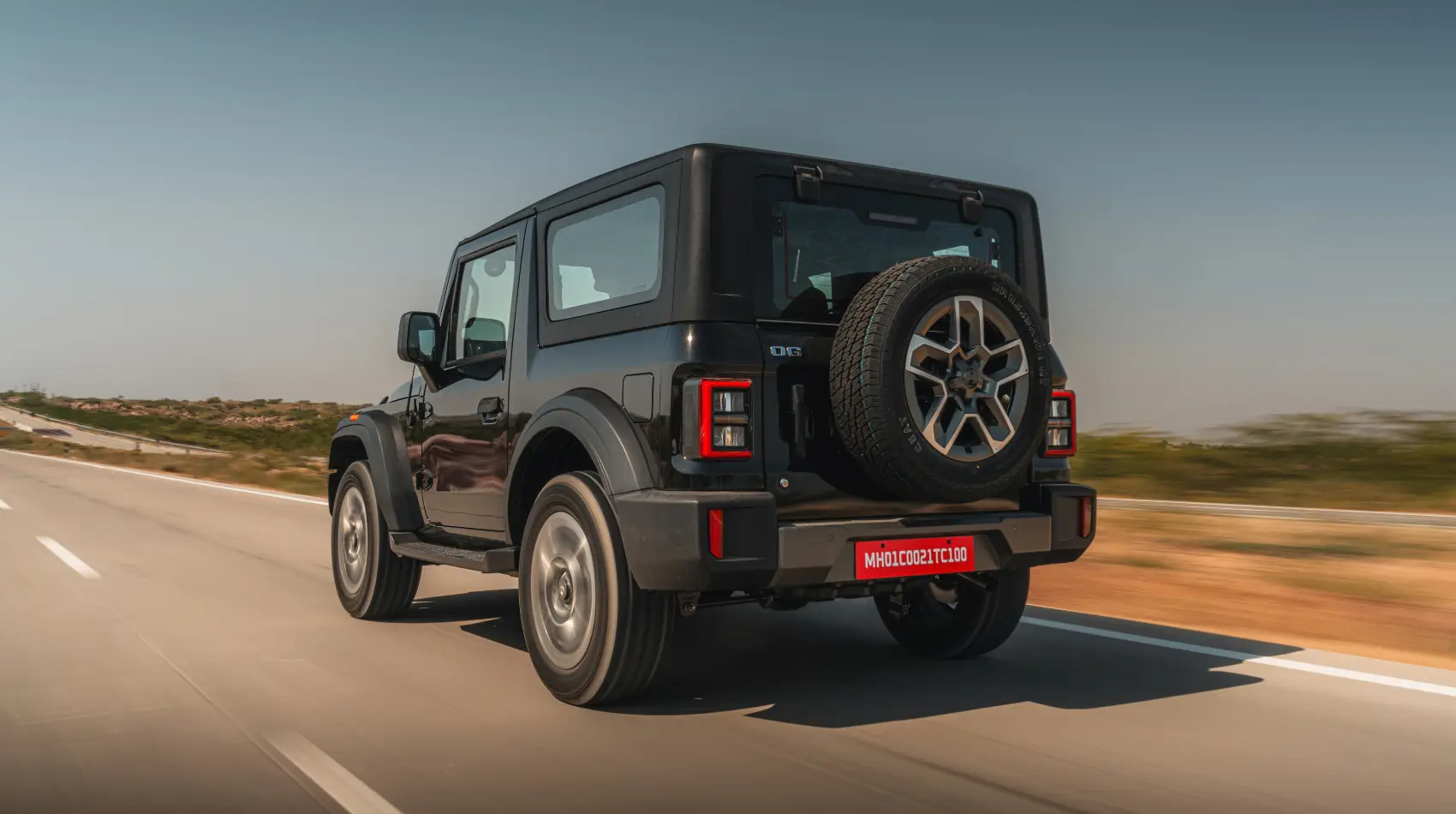
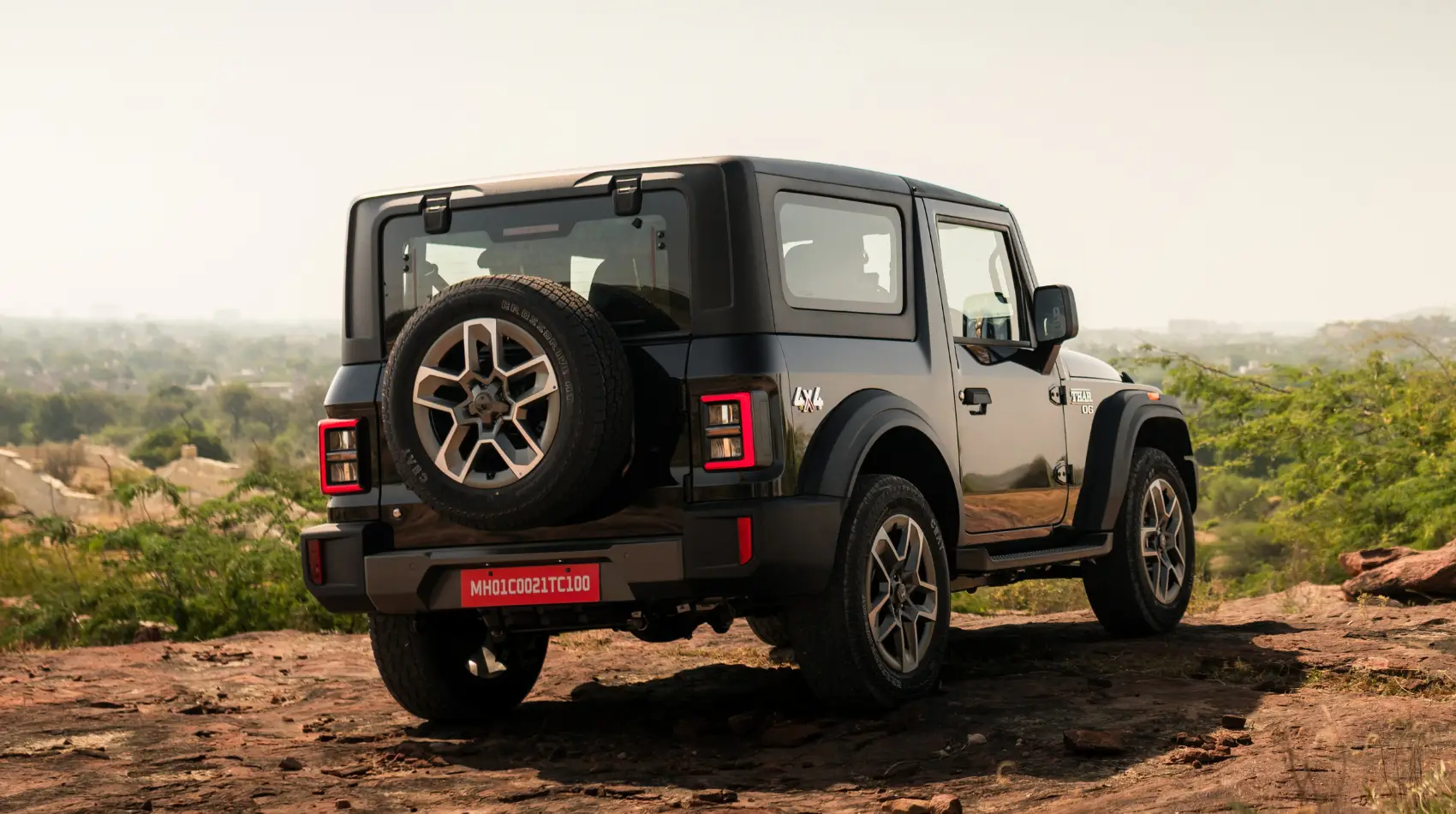
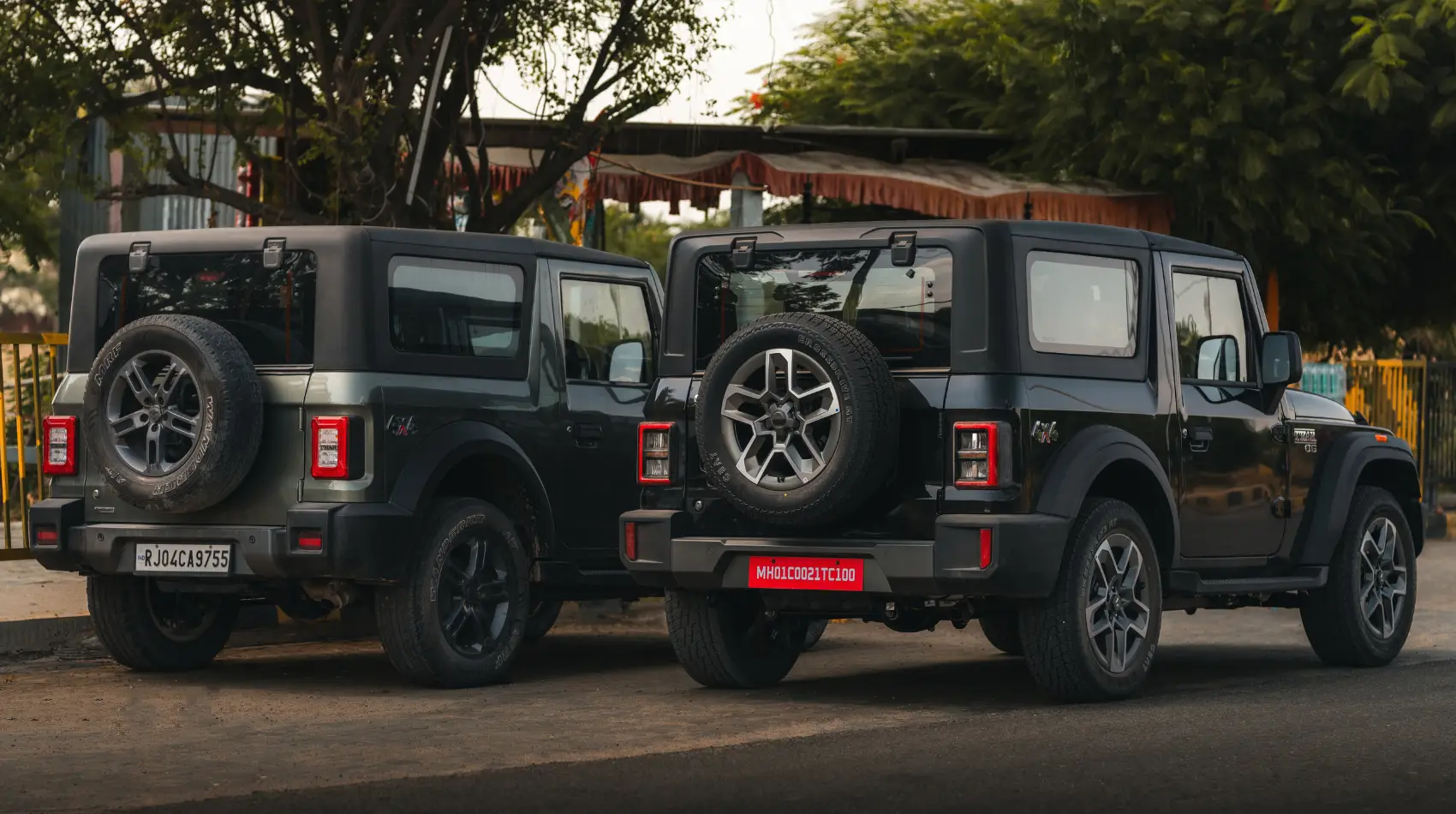
Otherwise, hard top it is. Mahindra has clearly been paying attention to the aftermarket in other areas too. The new LED head lights and tail-lights look remarkably similar to the sort of aftermarket units Thar owners have been fitting for years, and they suit the car rather well. The rear bumper has been redesigned too. But importantly, none of this messes with the basic character of the Thar. It still looks unmistakably like one.
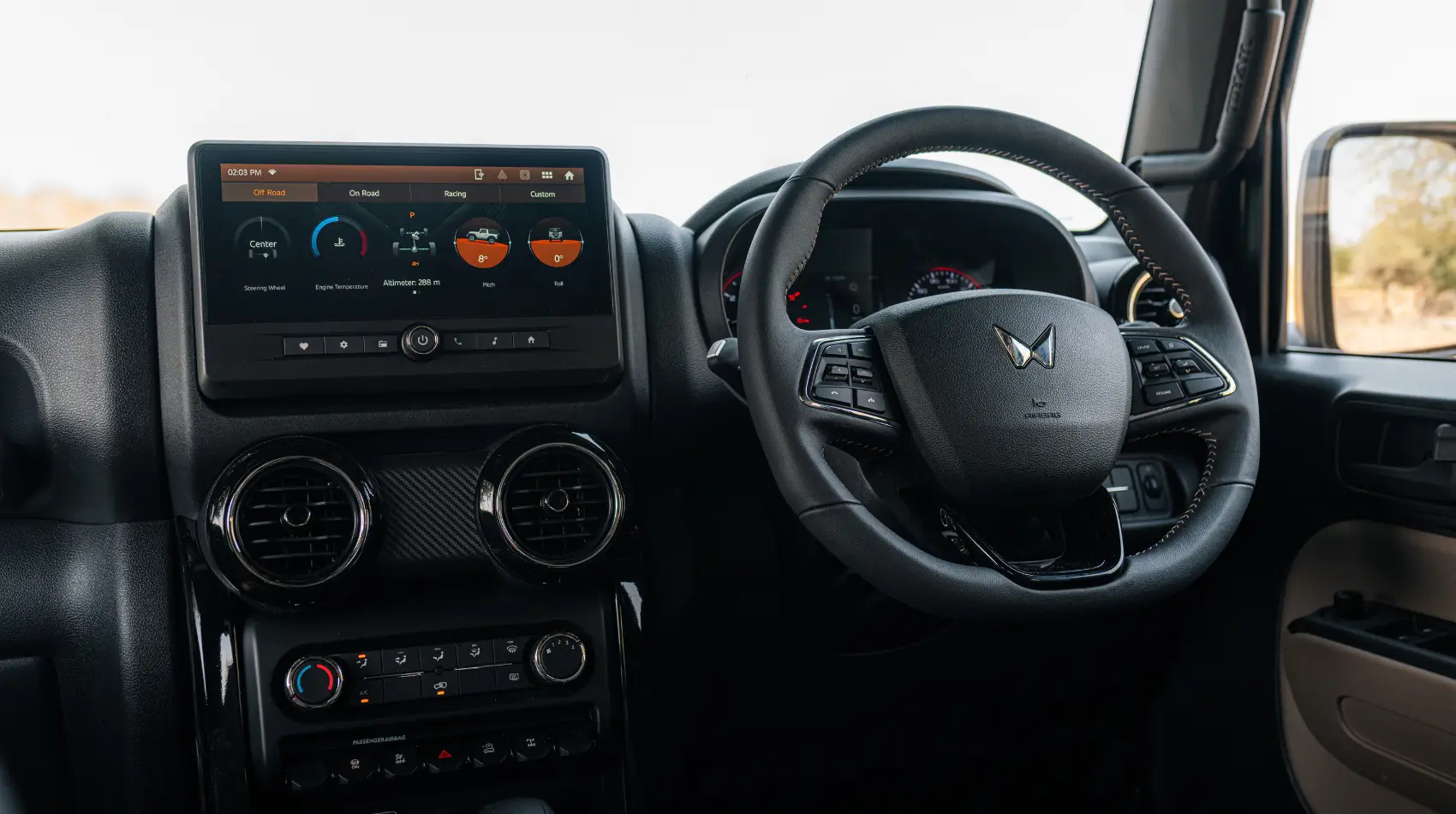
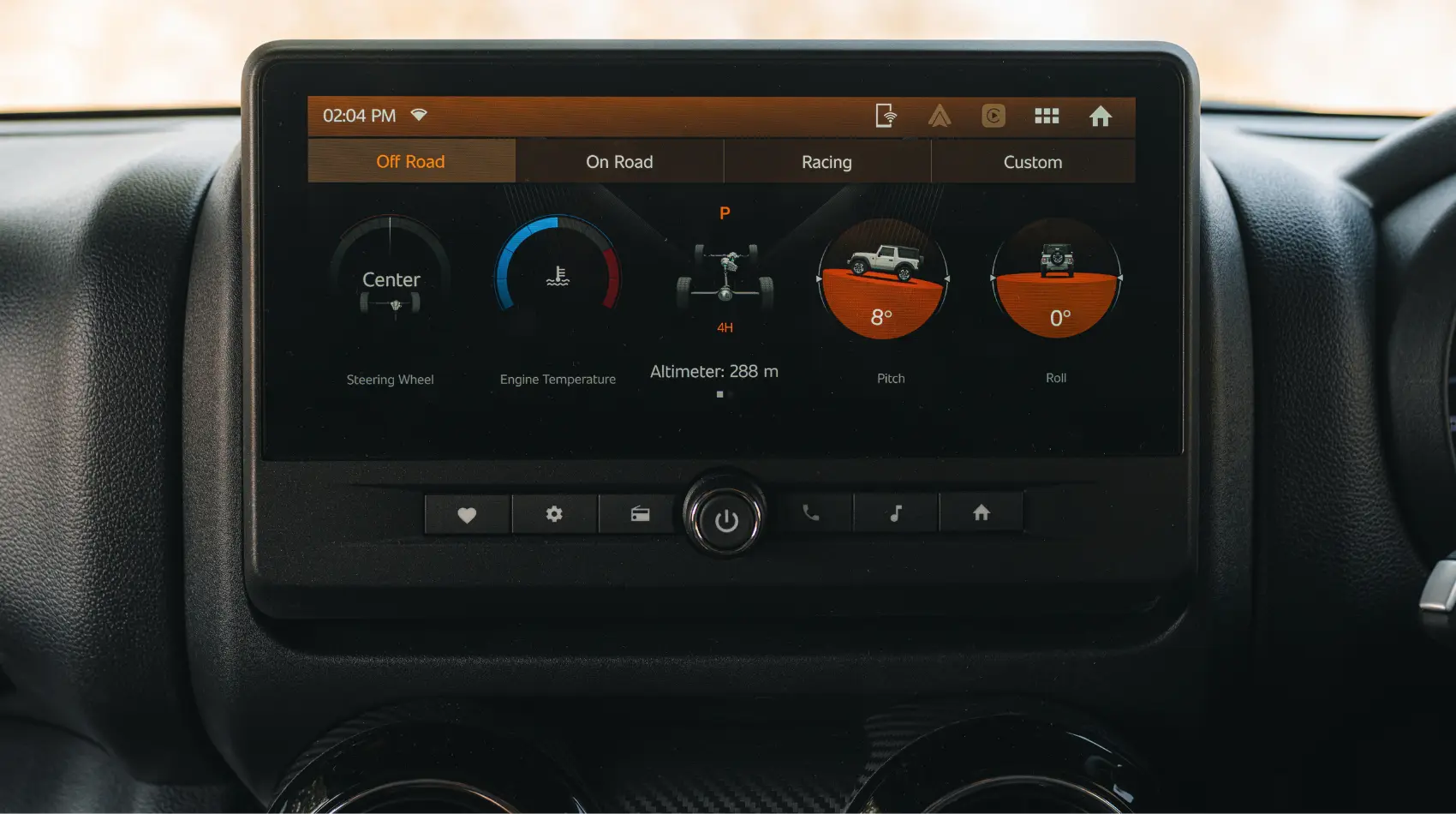
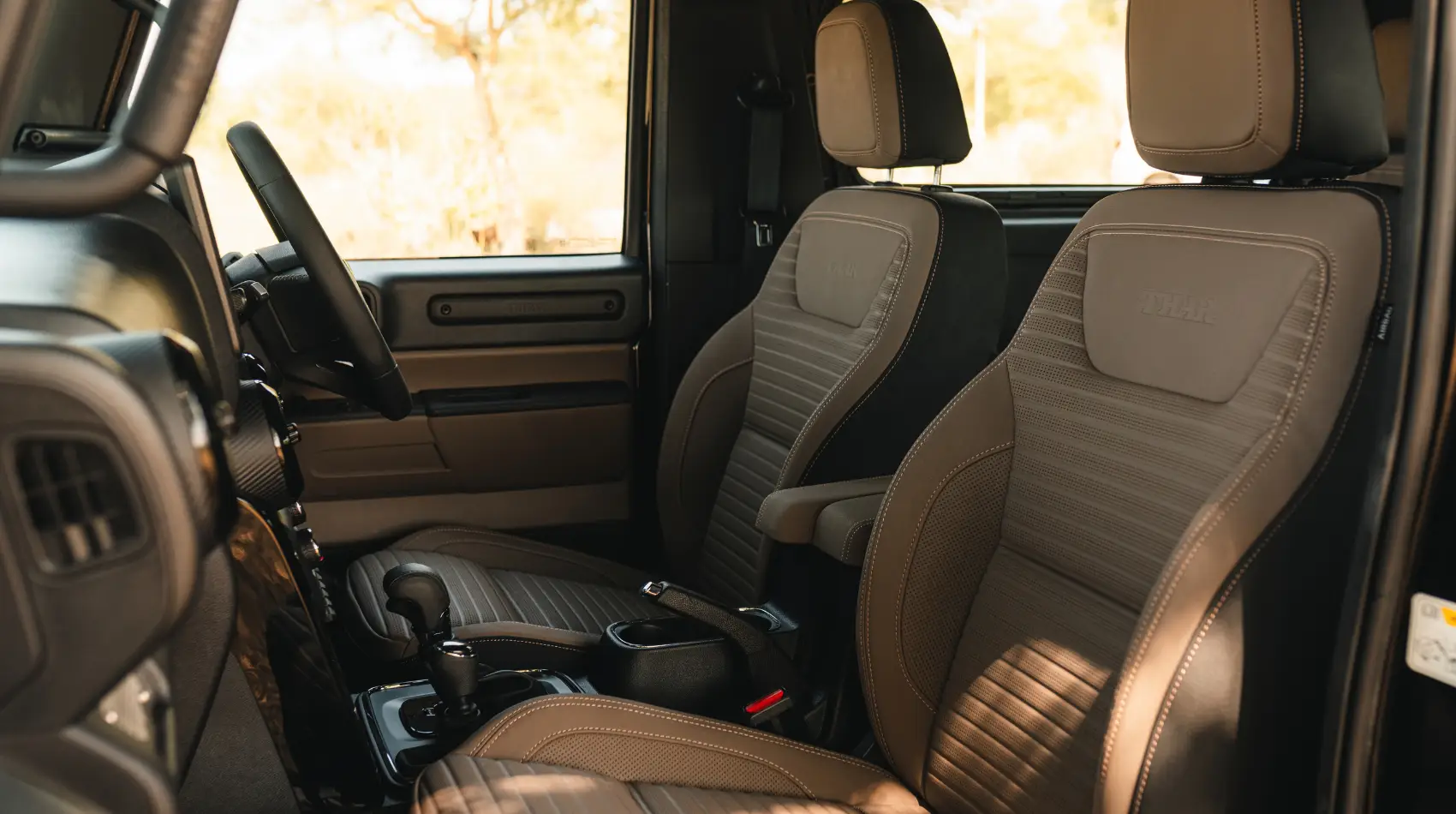
There are bigger changes inside. The cabin feels more upmarket now, with leatherette upholstery and a larger infotainment screen, among other improvements. But there are some baffling omissions.
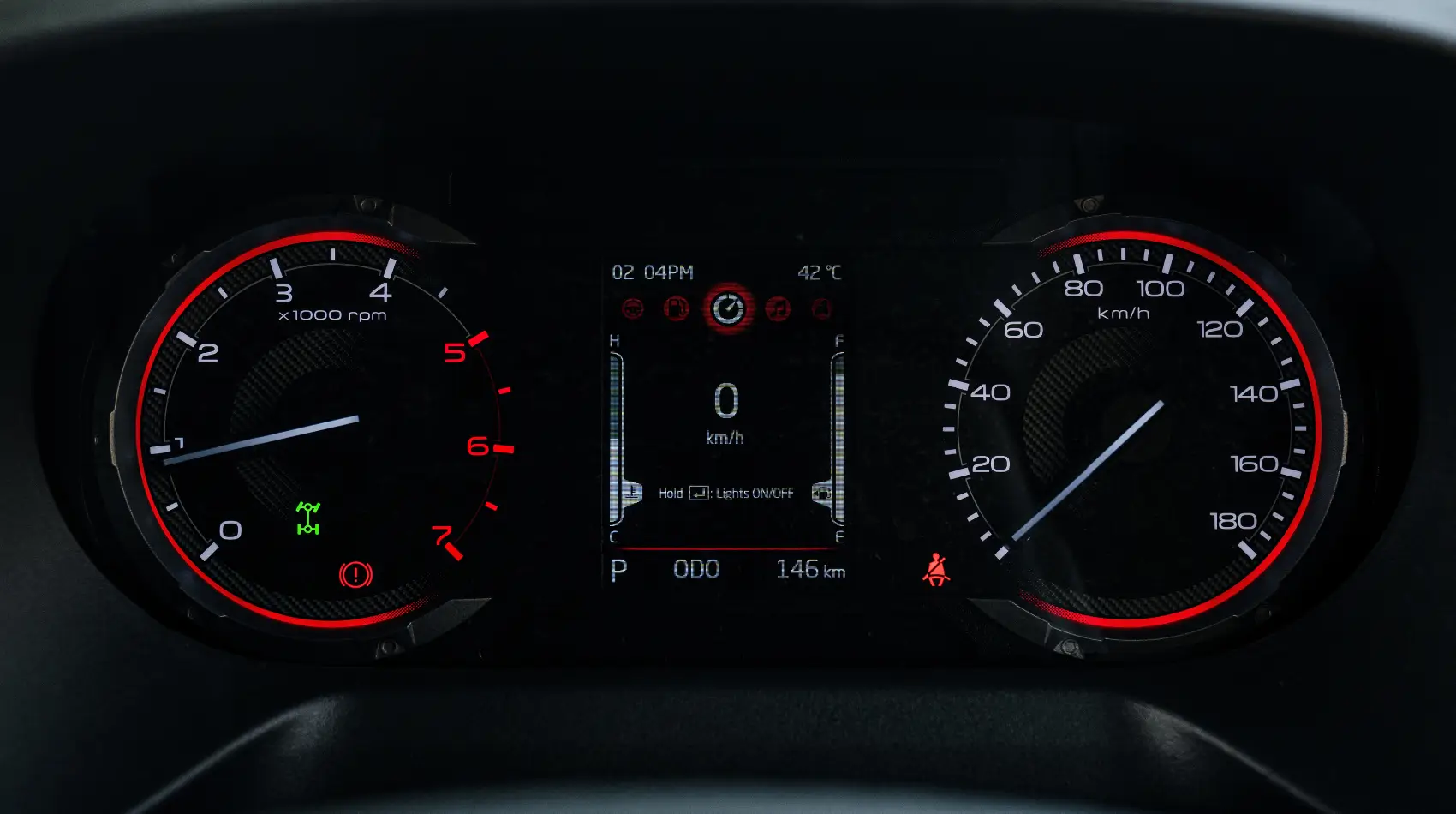
There’s still no digital instrument cluster, for example. Considering Mahindra already has one sitting in the Thar Roxx parts bin, surely that couldn't have been particularly difficult. But that isn't even the annoying bit. Six bloody years later, there is still no wireless Apple CarPlay. Why?
Wireless Android Auto is available, but CarPlay remains wired. And before somebody says it must have been the aftermarket cable I was using, I tried an official Apple cable too. Same story. CarPlay disconnected repeatedly. The infotainment system froze a few times. Sometimes the phone simply wouldn't reconnect. This stuff drives me mad.
We've said for years that one of Mahindra's weakest areas is its infotainment and software, and issues like these keep proving the point. Losing CarPlay while you're driving through the middle of nowhere means you've suddenly lost your navigation. You've lost your music. You've lost your podcast. And now you're prodding at a touchscreen trying to convince your phone and car to become friends again. In 2026, this simply shouldn't be happening.
The other obvious omission is ventilated seats. The Roxx gets them. Why doesn't this? Put them on the top-spec version. Charge another ₹50,000 if you absolutely have to. This is now a fairly expensive lifestyle vehicle being sold in a country where large parts of the year feel like somebody has left the oven door open. Ventilated seats aren't a gimmick anymore. They're genuinely useful.
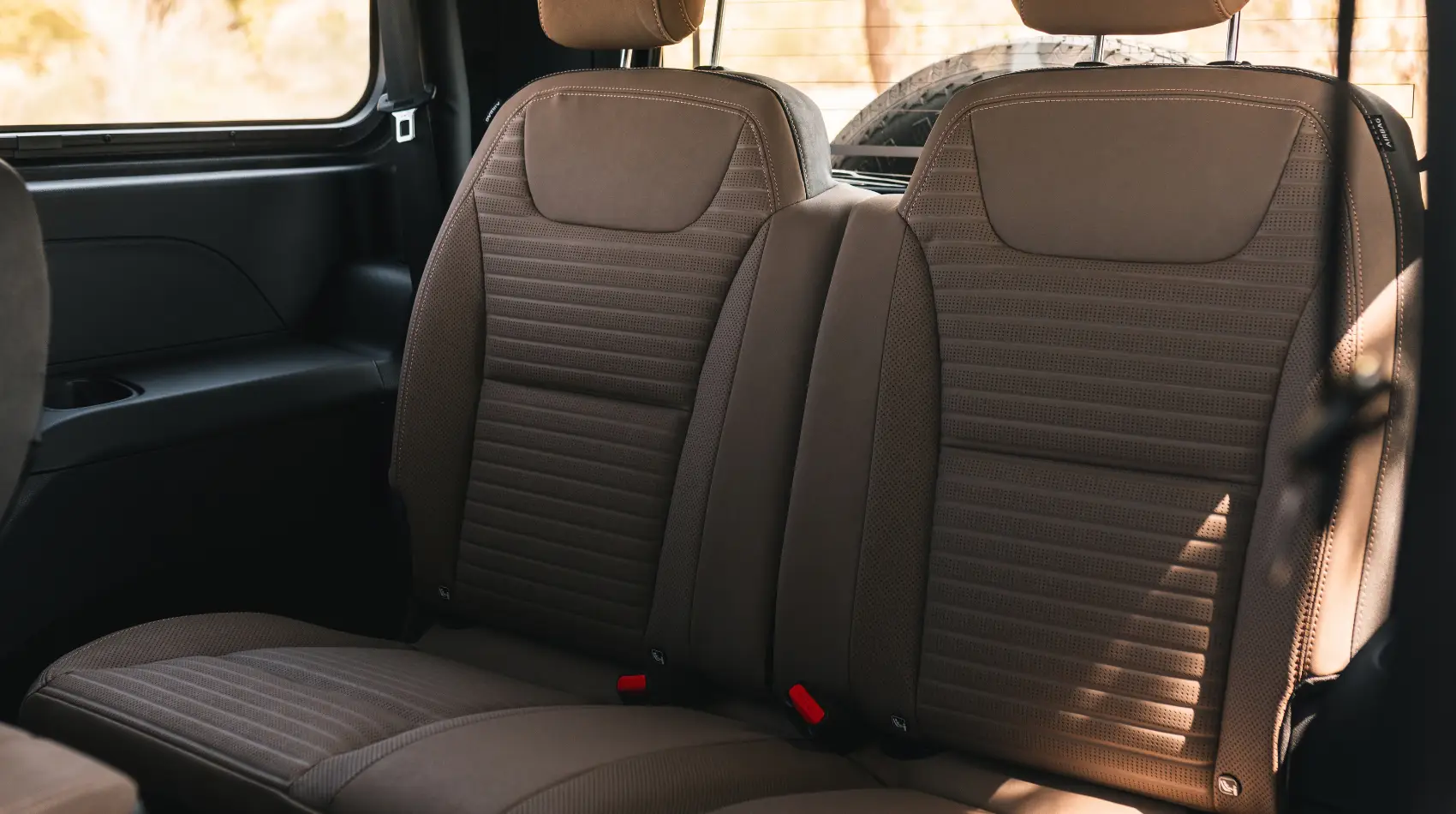
The rear seats have been improved too. They're better bolstered and you now get armrests on either side along with a cupholder. But there is still no centre armrest. More importantly, it's still a single-piece folding rear bench. That means if the rear seat is occupied and you've got something sitting in the luggage area, your options are essentially opening the tailgate or performing some strange over-the-seat yoga manoeuvre to retrieve it.
Split-folding rear seats have been available through the aftermarket for ages. Mahindra should have incorporated them into this update. Because while the Thar will always involve compromises, some compromises no longer need to exist.
Mechanically, the formula remains familiar. You still get the 2.2-litre diesel and 2.0-litre turbo-petrol, both now making a little more power than before. There's also the smaller 1.5-litre diesel at the bottom of the range, largely there to give the Thar a more attractive starting price.
The interesting change is that four-wheel drive is now diesel-only. That's slightly surprising because I always thought the petrol 4x4 made enormous sense as the indulgent lifestyle version, the weekend toy rather than the rational purchase. Apparently, customers disagree.
Mahindra's ownership data suggests buyers who actually want four-wheel drive overwhelmingly prefer diesel. And when customers are voting with their wallets, it's difficult to argue with the decision. On the road, performance remains familiar.
There's enough power and torque to get along quite nicely, and highway overtakes aren't something you need to plan three business days in advance. You do need to pick your opportunities occasionally because this is still a large, heavy, aerodynamically questionable brick, and it doesn't have the sort of performance available in some of Mahindra's more powerful SUVs. But it's enough. And let's face it, we've all seen what happens when you give certain Thar drivers the horsepower they already have. I'm not entirely convinced adding another 50 per cent would benefit society.
The biggest change, however, isn't something you can see. It's underneath. The Thar's chassis and suspension setup have received substantial attention, and this is arguably the most important improvement Mahindra could have made. Because the old three-door Thar was fine if you treated it purely as an off-roader or weekend toy. In that context, you forgave the bouncing, pitching and general impression that the rear axle occasionally wanted to pursue an independent career.
But that's not how most Thars are actually used. People daily them. They commute in them. They drive them on highways. They sit in traffic in them. They take their families out in them. And for those people, the ride simply wasn't good enough. Mahindra has now brought across learnings from the Thar Roxx and its newer SUVs, including its electronically controlled damper technology. And yes, it has made a difference. A significant one. The front end in particular is transformed. It's more composed, more stable and considerably less busy than the old car. The Thar doesn't constantly feel like it's reacting to every tiny imperfection underneath it anymore.
The rear, unfortunately, hasn't quite received the same memo. There's still some bounce and lateral movement when you hit a rough patch of road, particularly over consecutive rumble strips or those inexplicable little speed breakers that occasionally appear in the middle of Indian highways. Hit four or five of those in succession at speed and you can still feel the back moving around underneath you.
So has the suspension improved? Absolutely. Is it as good as the Roxx? No. Not even close. The front end is dramatically better. The rear still needs work. And before somebody tells me that a Thar should ride badly because that's part of its rugged, macho character, RUBBISH!
A bad ride isn't character. Better damping doesn't somehow make an off-roader less manly. If you can make a vehicle more controlled, more comfortable and more predictable without sacrificing its capability, that's simply better engineering.
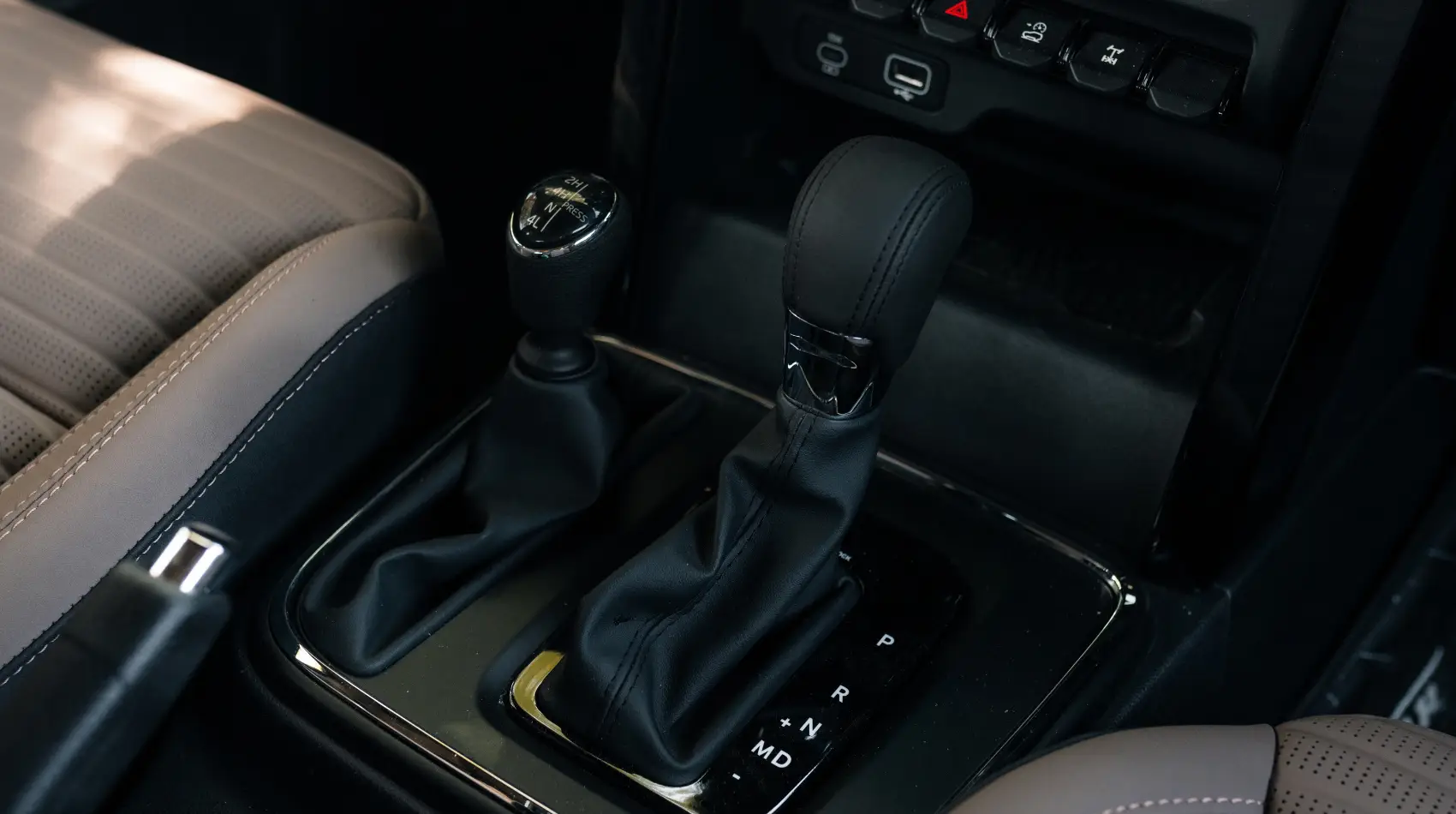
And the Thar certainly hasn't forgotten what it's supposed to be. The four-wheel-drive versions remain enormously capable, and Mahindra has updated the rear differential setup too, moving to an electronically controlled locking differential rather than the older mechanical arrangement. For the overwhelming majority of Thar owners, this will be something they'll never properly need. For the small percentage who genuinely take these cars into situations where locking differentials matter, however, the capability remains.
There is another mechanical upgrade that you'll probably appreciate considerably more often: rear disc brakes. The old drums are gone, replaced by discs borrowed from the Roxx. And they make a difference. I remember early three-door Thars moving around slightly at the rear under really hard braking, particularly in slippery or low-grip conditions. This car feels noticeably more composed. Stand on the brakes and it remains much straighter and more predictable. Combined with the improved front suspension, the whole car feels considerably more settled when you're trying to stop nearly two tonnes of Mahindra in a hurry.
One little tip, though. Mahindra's recommended tyre pressures sit in the low-30psi region depending on specification and load, but I suspect this car would ride beautifully at around 28-29psi when conditions and loading allow it. We've seen something similar with the Scorpio N. Drop the pressures slightly below 30psi and the ride can improve enormously.
So, should you buy the OG? First, one final time: the name is stupid. Sorry, Mahindra but even you know this to be true! Thankfully, the product underneath the badge is much better.
Would I sell an existing three-door Thar to buy this one? No. The aftermarket ecosystem surrounding the Thar is enormous, and if you already own one, there are suspension kits, interior upgrades, lights, wheels, seats and practically every other component imaginable that can improve your existing car. Some properly sorted older Thars may even drive better than this one.
But if you're buying a new three-door Thar in 2026? This is unquestionably the one to have. It looks better. It rides better. It stops better. The cabin is nicer. The wheels are better. And crucially, Mahindra hasn't sanitised the thing in the process.
It still feels like a Thar.
Yes, the Thar has acquired an absolutely rotten reputation thanks to a particularly visible minority of owners whose driving style appears to be inspired by internet comments sections. But most Thar owners I've met are perfectly normal, pleasant, sorted people. And frankly, given the choice, I'd happily daily one of these for the foreseeable future.
The Thar has been one of Mahindra's biggest success stories since the badge first appeared in 2010. This one looks better, drives better and makes more sense than the car it replaces.So yes, Mahindra has another very good Thar on its hands. Now please just stop naming things that do not need naming.