The Hyundai Venue has been one of the most popular names in the compact SUV segment, and has been one of the cars I have enjoyed driving on my own for a very long time. It has a nice balance of practicality, performance and features, all packed into a relatively compact suv footprint. With a peppy petrol engine, a diesel powertrain option, a feature-loaded cabin and, of course, Hyundai's familiar combination of comfort and convenience. It's a car that has worked really well for buyers looking for an SUV that's equally suited for both regular city drives and long journeys with a family.
But what if you're someone who wants something a little different? Something that moves away from the familiar Venue formula, brings in a completely fresh design, offers a more spacious cabin, has a stronger road presence but doesn't have the budget to move up to a Creta?
That's where the Hyundai Bayon comes into the picture.
Filling up the gap between the Venue and Creta, a fresh alternative in the compact SUV space, the Bayon brings a fresh design to the table.Yes, It retains Hyundai's signature styling elements but interprets them in a much bolder and more distinctive way. And with its unconventional proportions and sharp detailing, it certainly has the potential to attract buyers who want something beyond the usual mid size SUV experience. I, for one, would definitely get curious to find out more about the car if I saw it on the road.
But here's the big question: Is a fresh design and additional space really enough to convince someone to choose the Bayon over the proven Venue? And more importantly, with competitors like the Maruti Suzuki Victoris already making their presence felt, does the Bayon have what it takes to be a serious contender in this segment? Let's find out shall we?
EXTERIORS
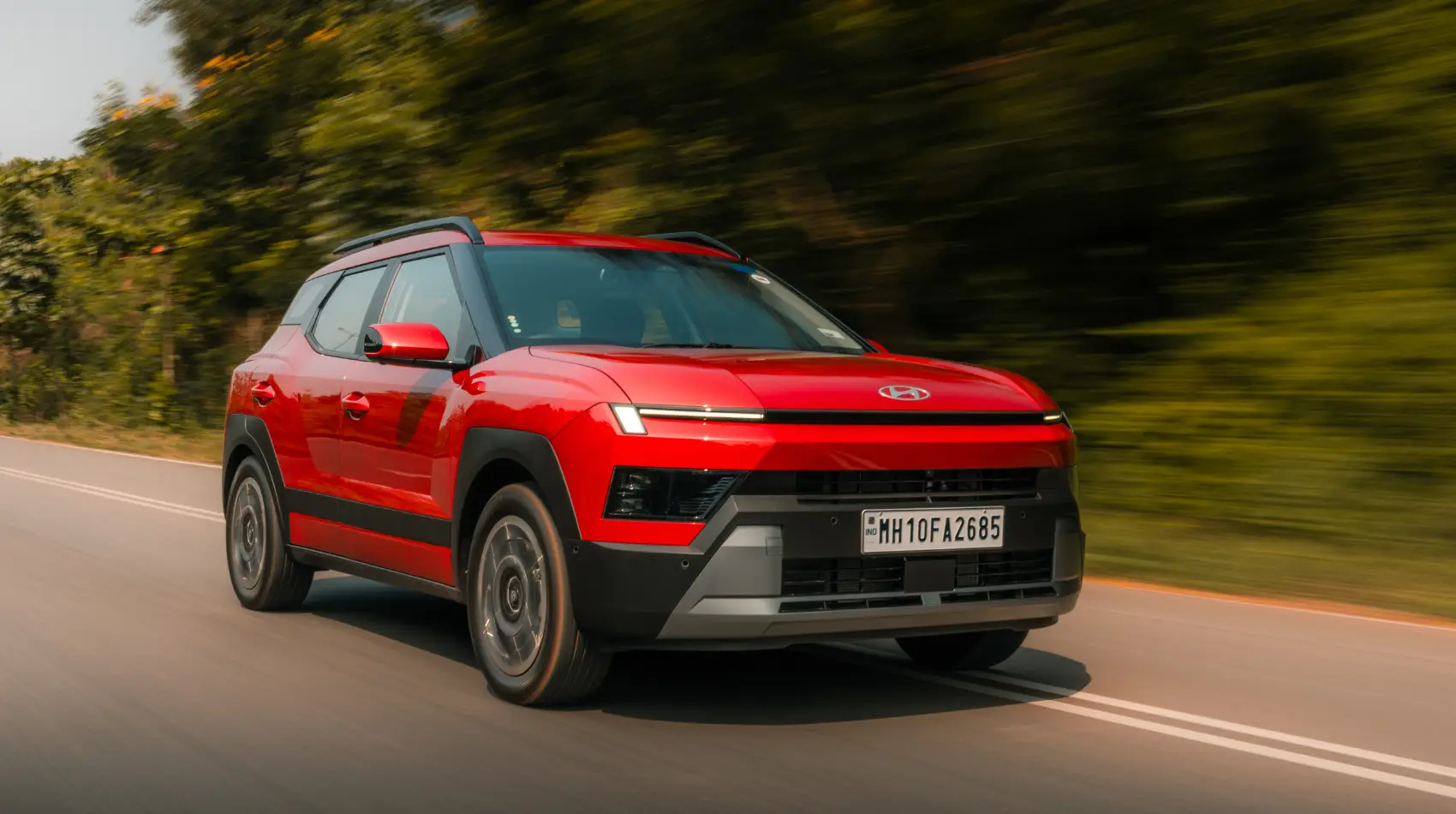
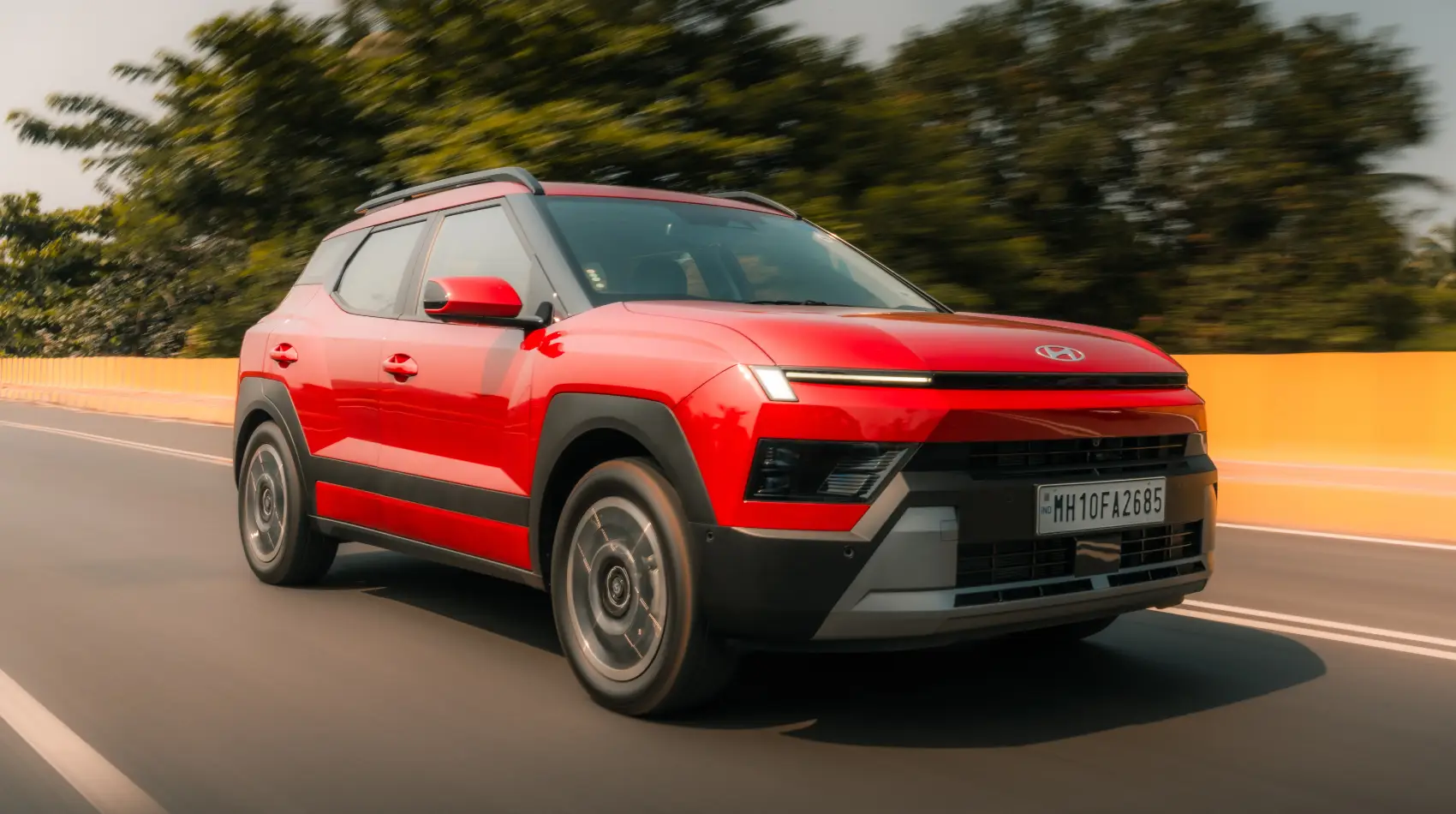
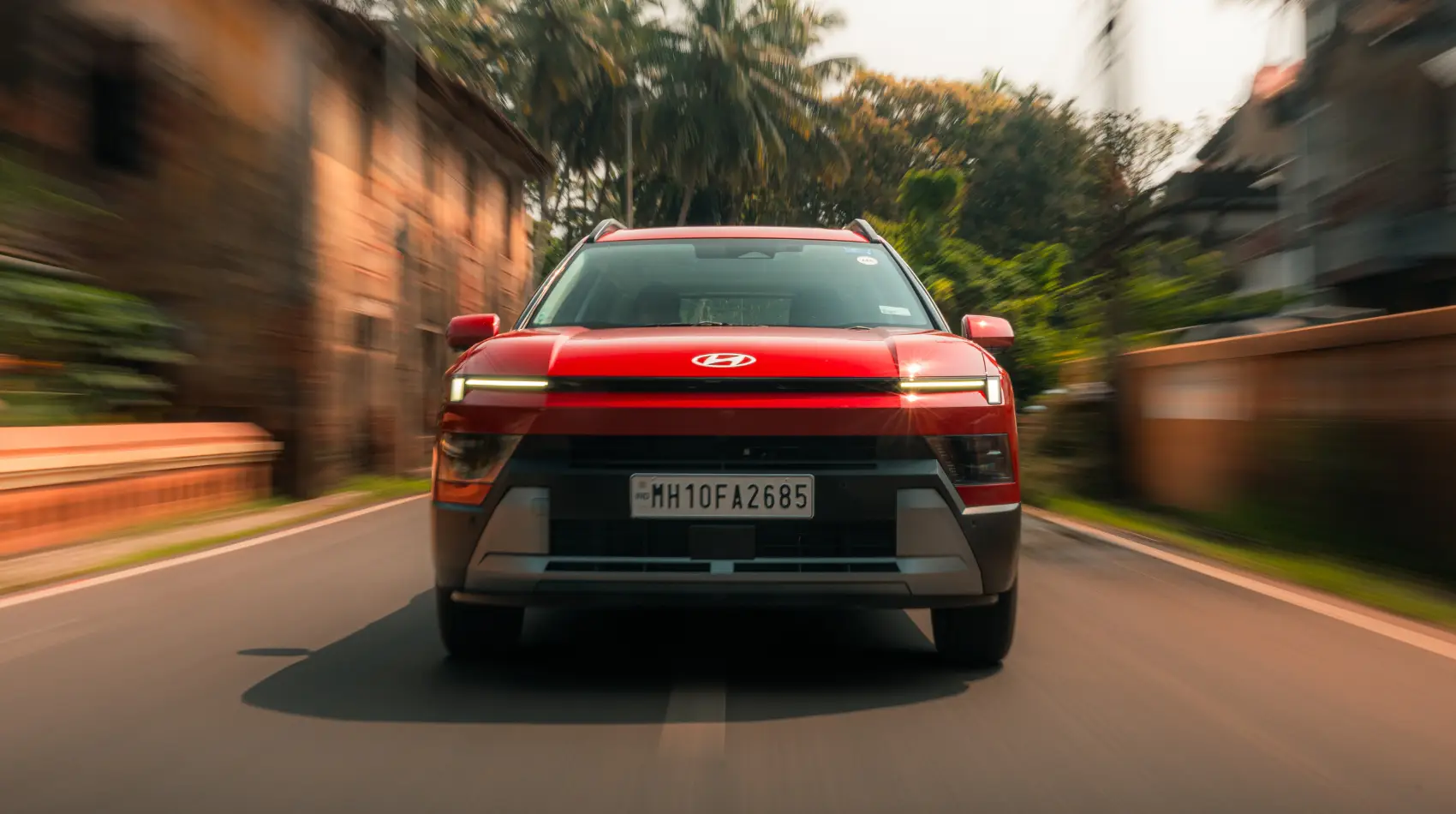
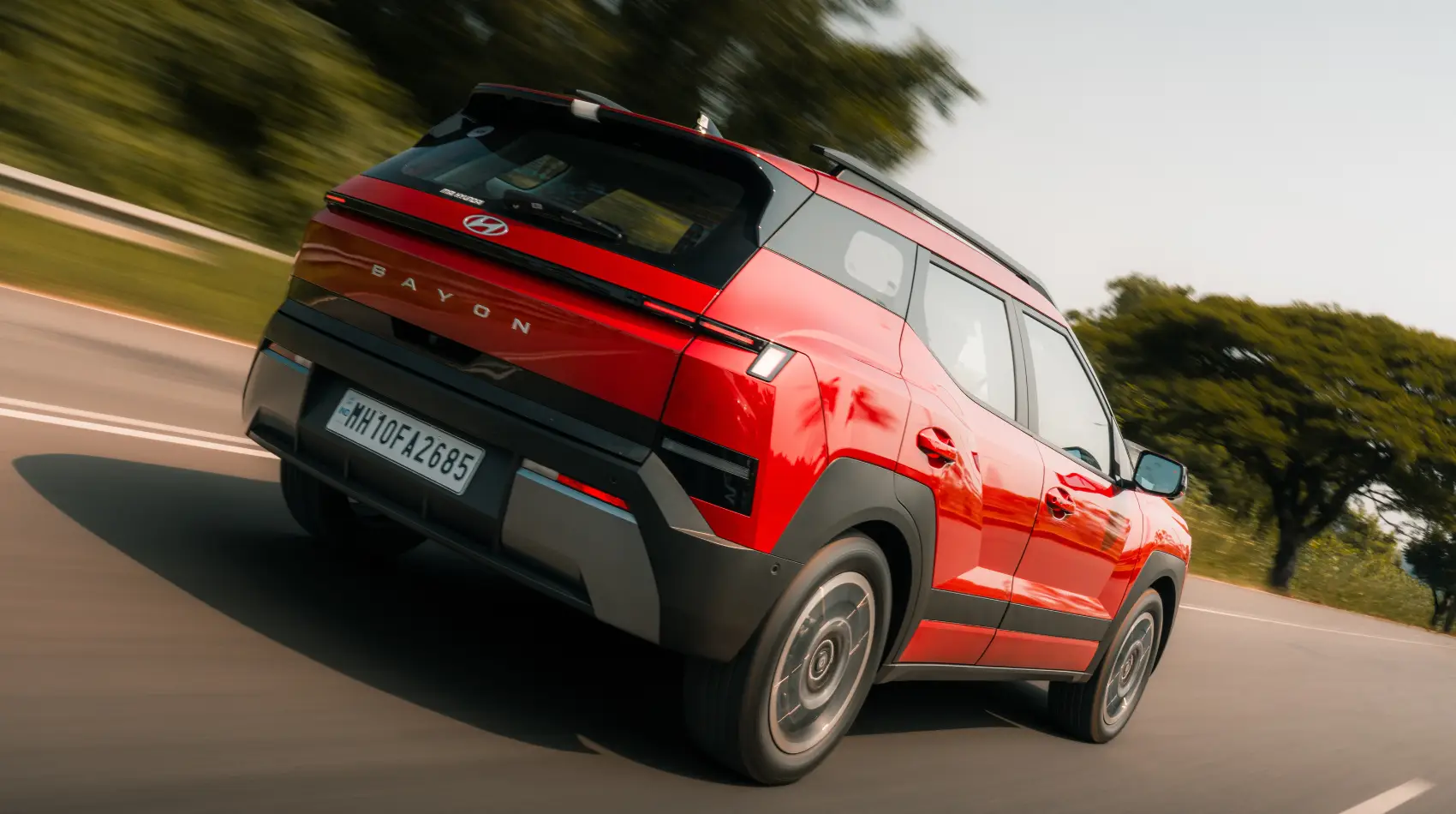
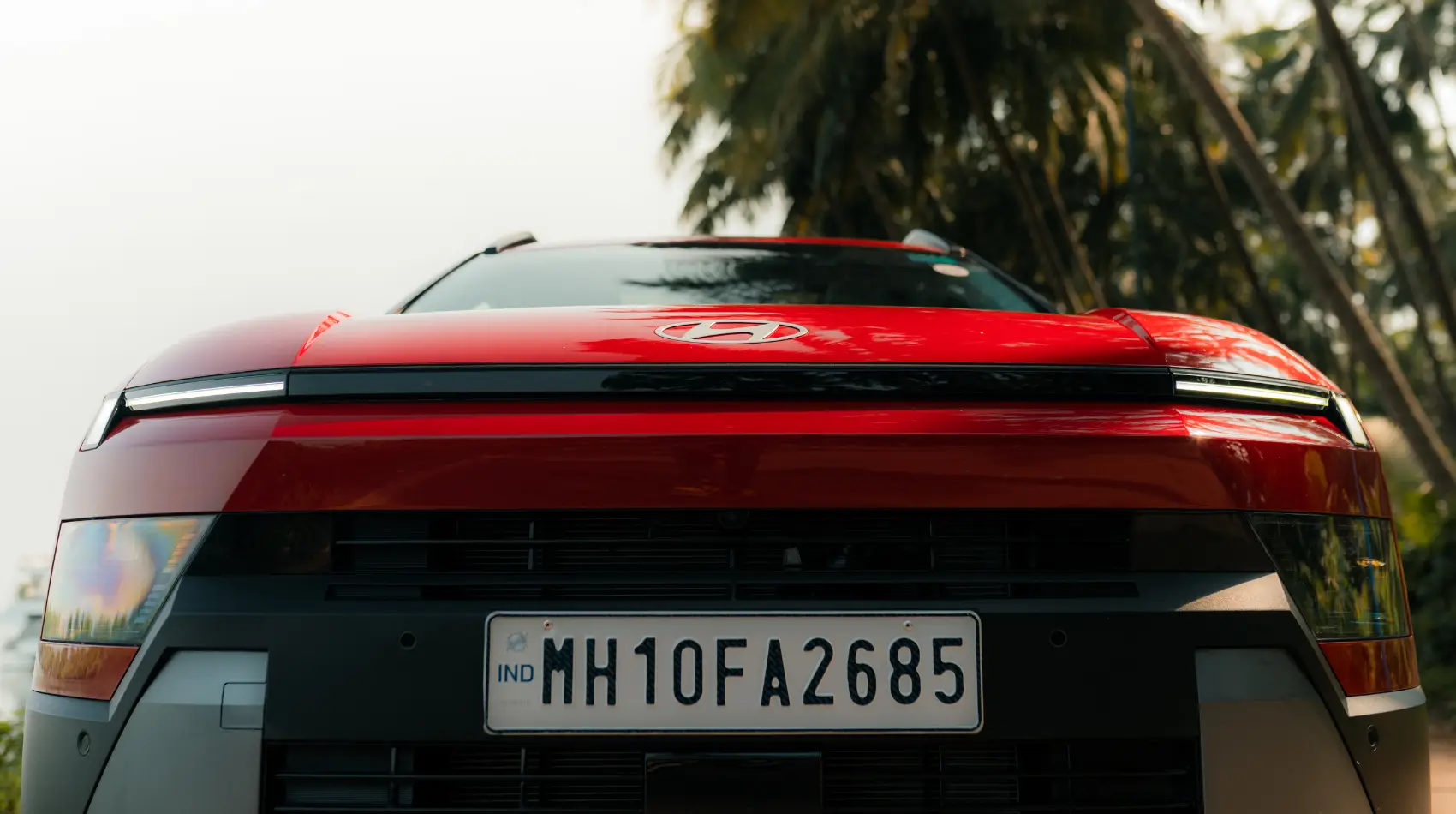
When it comes to the design of the car, the first thing that grabbed my attention was the wider and lower stance of the car. It's not the usual stance Hyundai goes for, and that's exactly why the Bayon stands out more. The sharp H-Edge LED DRLS gives the front end of the car a slightly sporty look with the lines flowing on the bonnet. There’s black cladding going around the whole car. And the three colour treatment is also a nice visual touch in making the car have a sporty yet distinctive look.
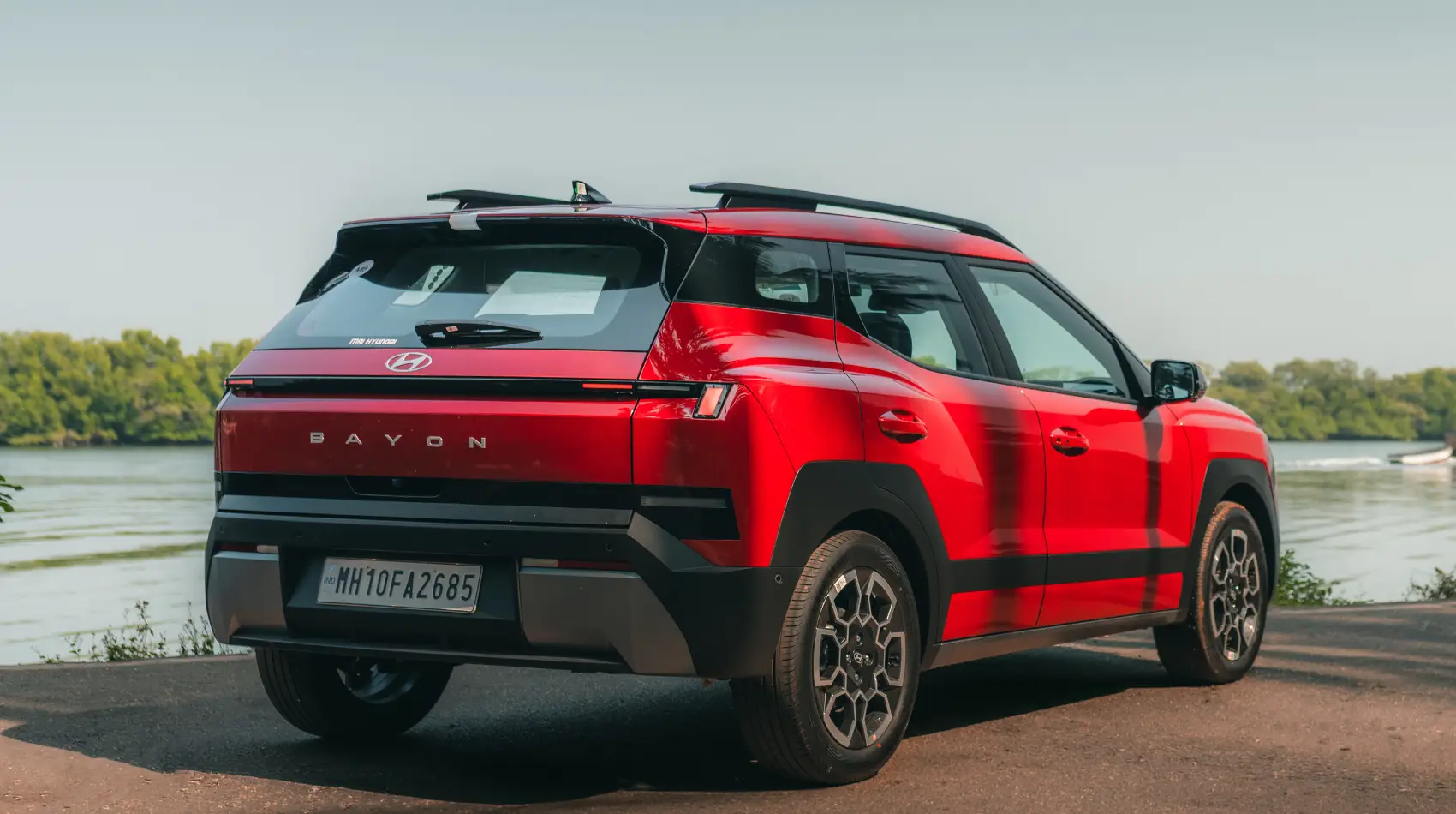
Moving to the side profile, the character lines flow seamlessly from the front, giving the Bayon a well-sculpted appearance. The top-spec variant sits on 17-inch alloy wheels, and I particularly like their design. It's a refreshing departure from the rather conventional patterns we see on most cars in this segment, and they add a distinct character to the overall side profile. Another detail I appreciate is the way the side indicators have been integrated into the ORVMs. The design is subtle yet well-executed, complementing the overall styling without looking out of place.
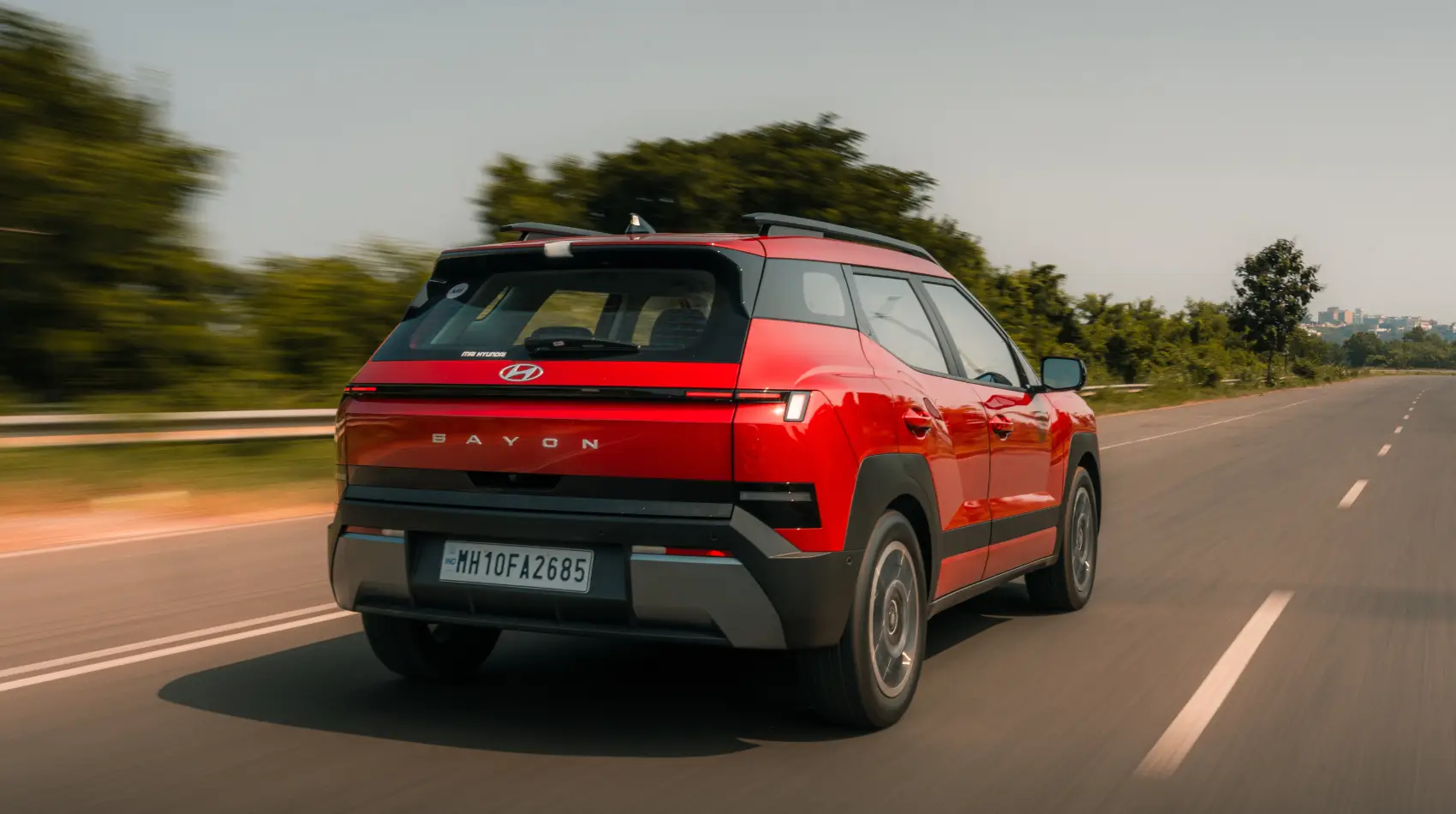
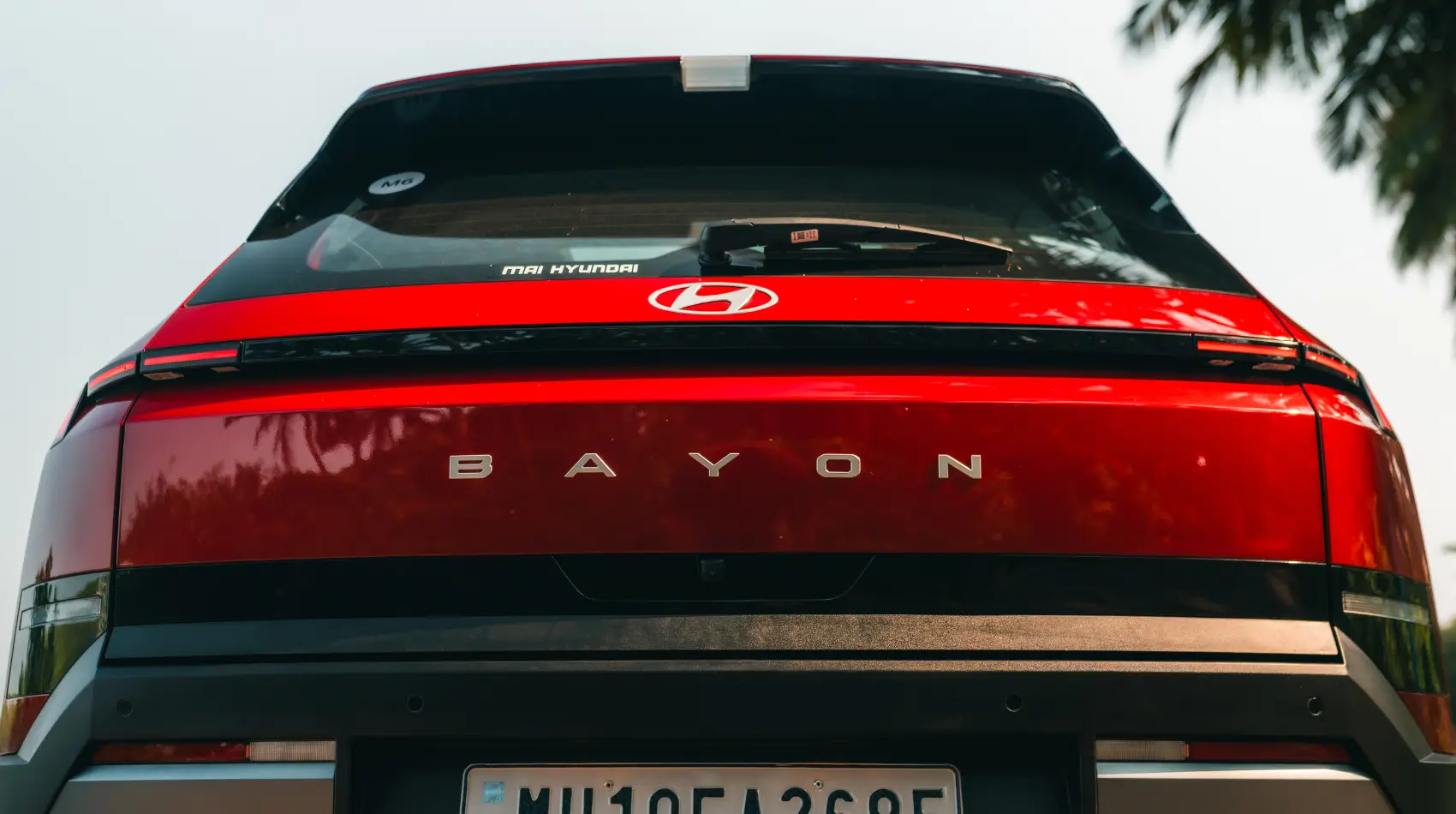
At the rear, there's a clear hint of the IONIQ 5 in the design. The extensive black cladding takes a major part, adding a rugged touch to the rear profile. The high-mounted stop lamp is neatly integrated into the roof spoiler, making for a clean and seamless finish.
What really stands out, however, is the car's wide stance. It gives the rear a muscular appearance and adds considerably to its road presence. While the design is certainly unconventional, it gives the Bayon a distinctive character and helps it stand apart from the usual crowd. Comparing it to the Maruti Suzuki Victoris, it does have a lower profile. The Victoris has a taller and longer appearance, but both cars have a similar wheelbase so there won't be a major difference in terms of space.
The Bayon has a boot space of 505 litres, which in my opinion is more than enough. We could fit in three cabin luggages and three small backpacks easily. But in future with the CNG variant the boot space might slightly reduce as the tanks will be placed under the boot.
INTERIORS
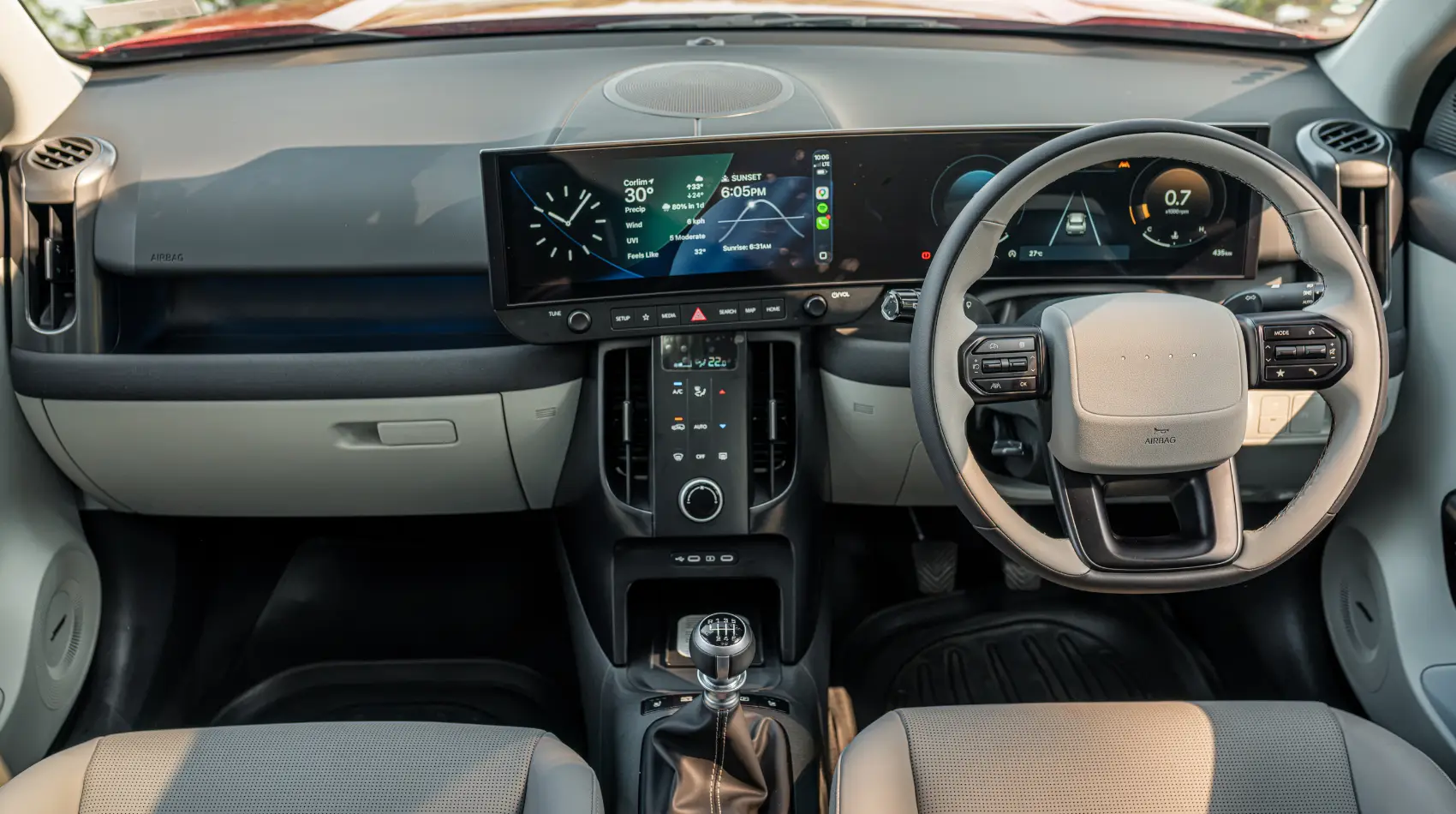
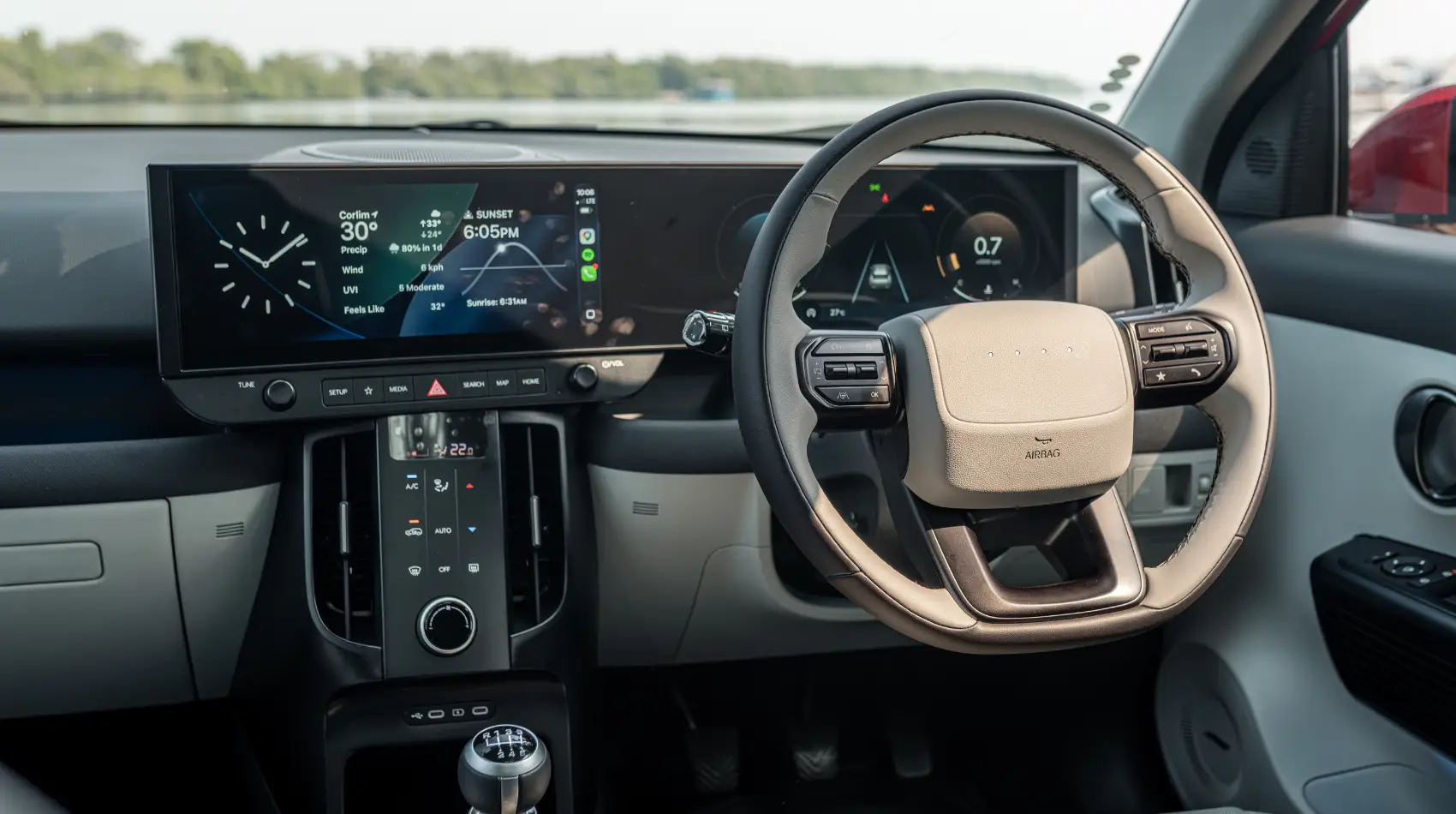
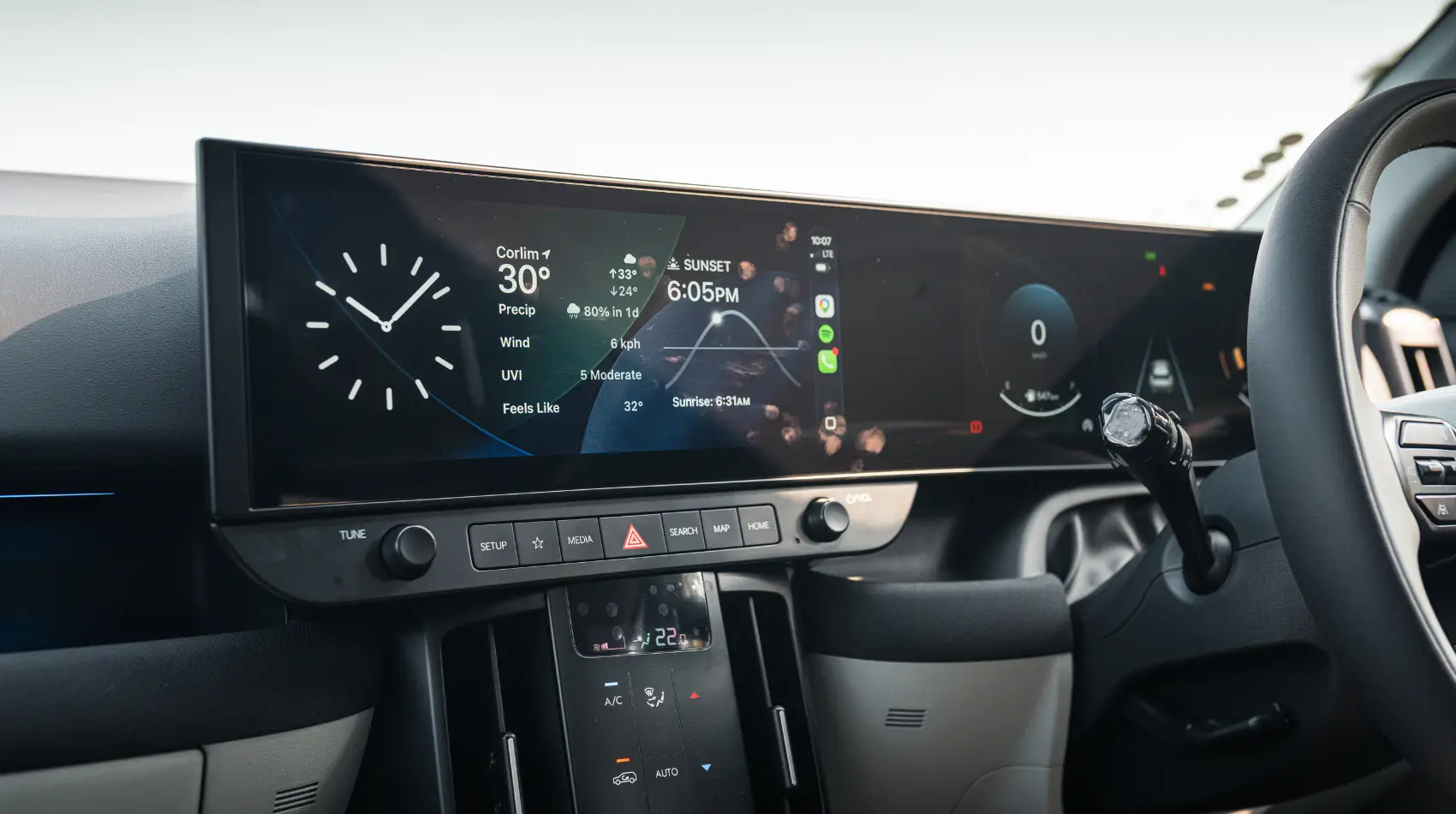
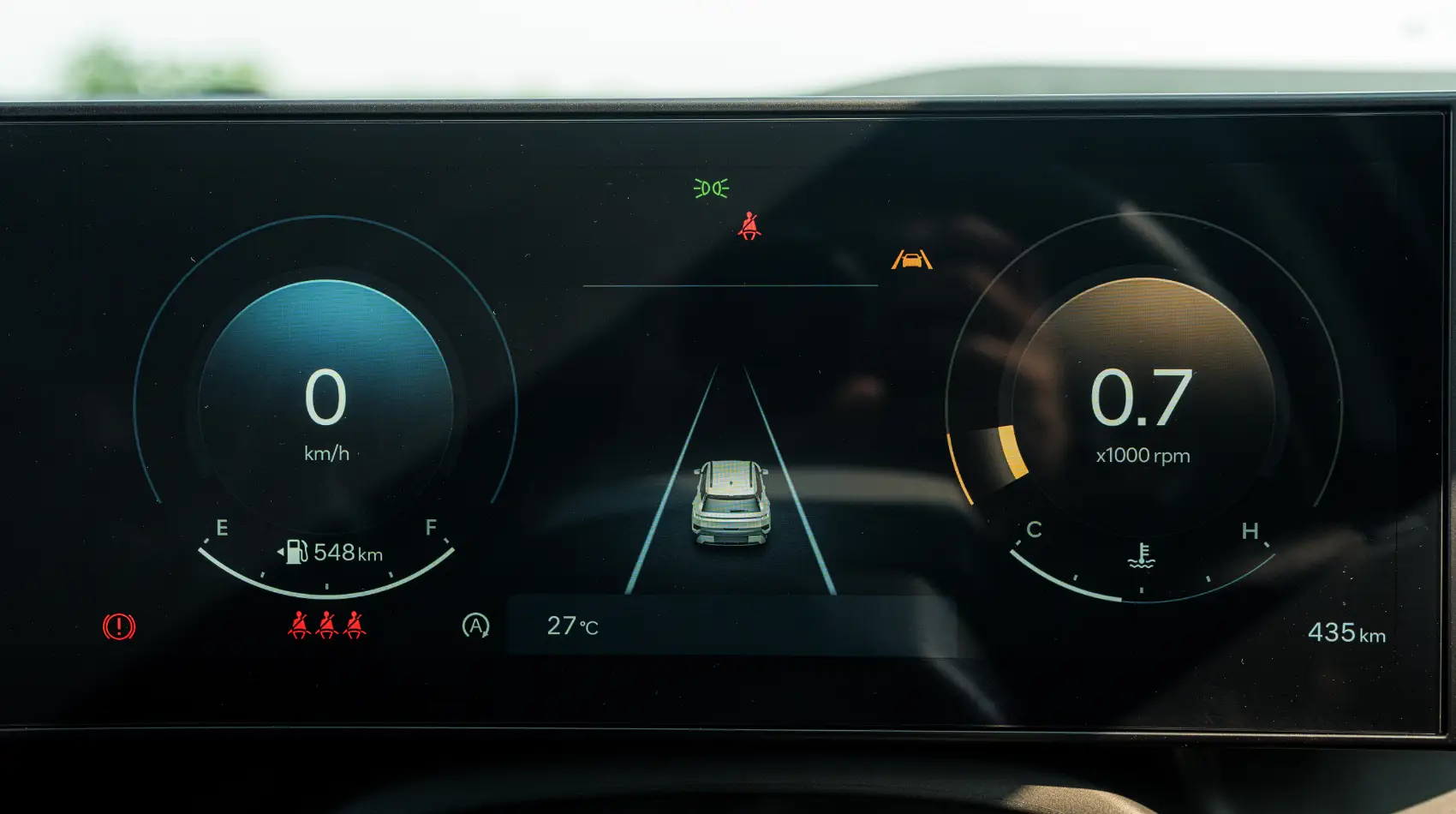
Stepping inside the Bayon, the first thing you'll notice is the 12.3-inch dual-screen setup, which it shares with the Venue. It gives the dashboard a tech-focused appearance. One detail I particularly appreciate is that Hyundai has retained physical controls for the volume and climate-control functions. It's a small but thoughtful addition, making these everyday functions far more convenient to operate while driving. That said, I'm not entirely convinced by the design of the central control panel. The layout feels a little unconventional, and while it may appeal to some, I personally think it could have been executed better.
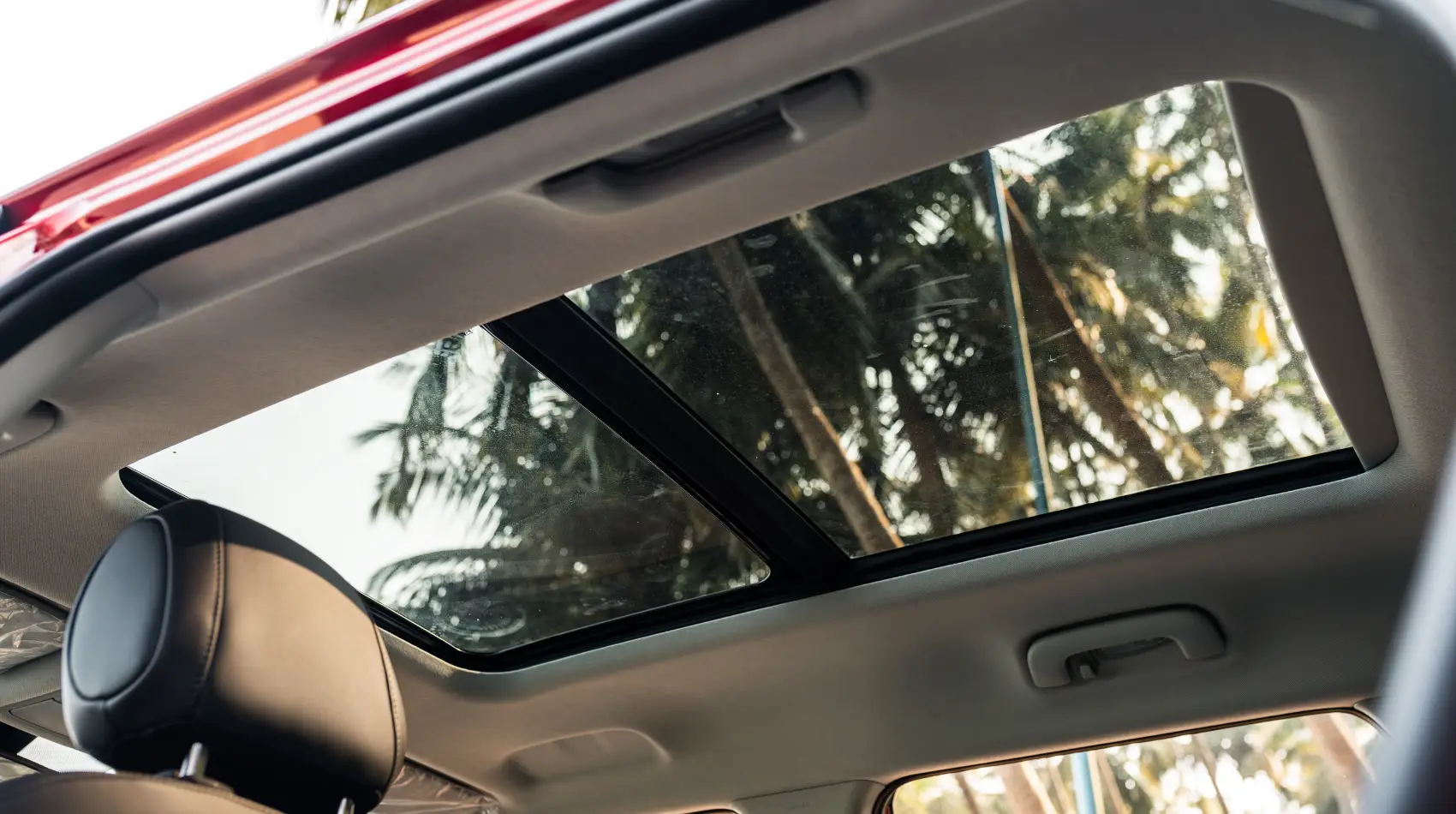
On the features front, the Bayon gets wireless Android Auto and Apple CarPlay, wireless charging and ventilated front seats is a great addition. Although it misses out on the head-up display and powered tailgate, it comes equipped with an inbuilt dashcam which is not available in the Victoris. Hyundai is offering two sunroof options, both single-pane electric sunroof or the panoramic sunroof.
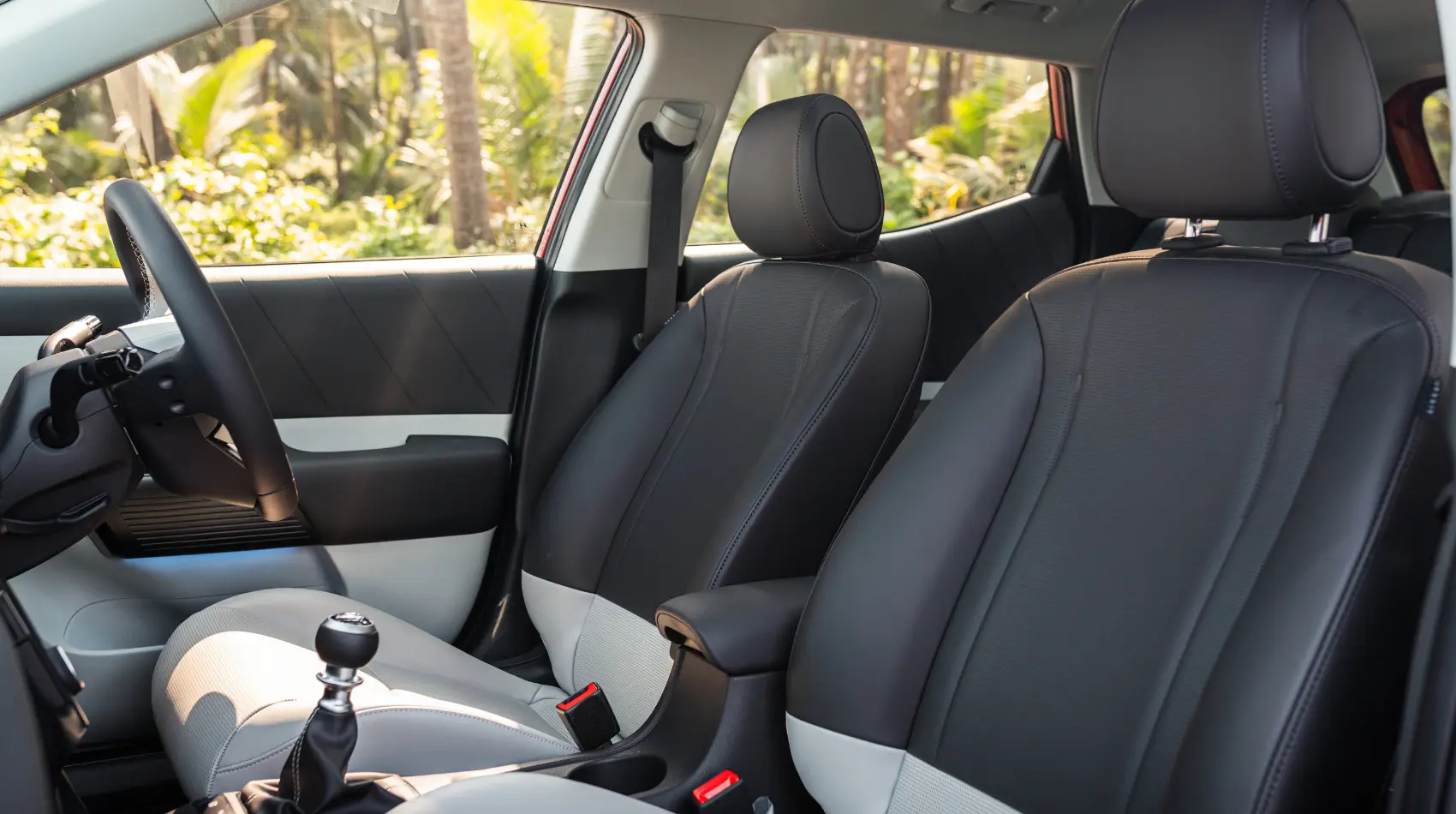
Coming to seat comfort, I found the seats reasonably comfortable. However, Nirmeet, when he was driving the car, felt that they were slightly narrow for his build. So, if you have a broader frame, you might find the front seats a little restrictive, especially on longer drives. It's something worth considering before making a purchase. The dual-tone treatment across the cabin is a nice touch giving the interiors a brighter and more spacious feel. However, I would have preferred the seats to feature a single, consistent colour rather than the contrasting finish.
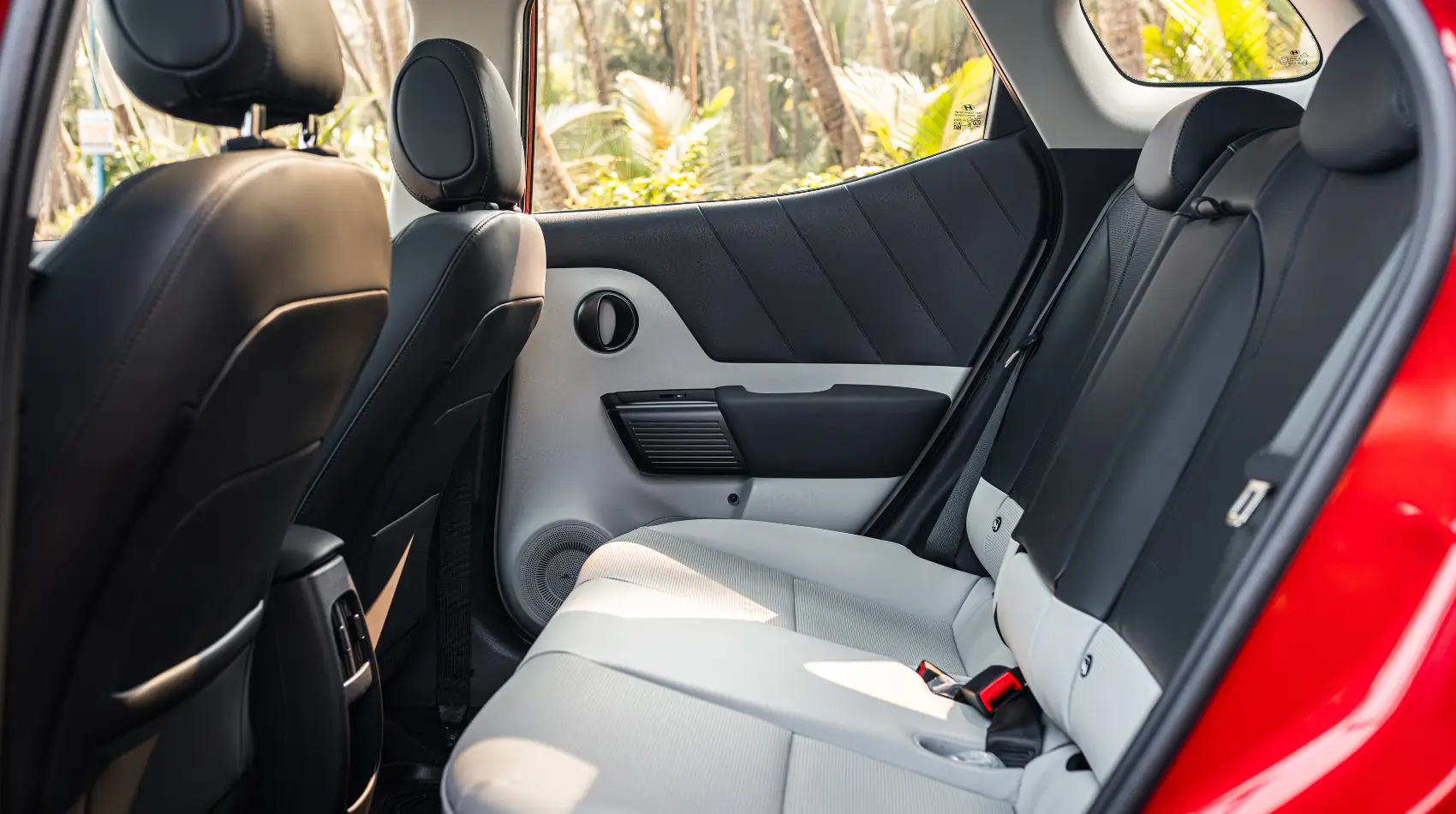
The backseat comfort is great too. It comes with a good legroom and headspace considering it does have a lower stance than the Victoris, it doesn't compromise on the space for the passengers. The recline function on the rear seat is definitely a value addition to the car during longer journeys. It comes with a c type charging port and a centre armrest too.
As for overall cabin quality, the Bayon makes a fairly premium impression. The materials, fit and finish feel well put together, and Hyundai has managed to create an interior that strikes a good balance between modern design, technology and everyday usability.
PERFORMANCE
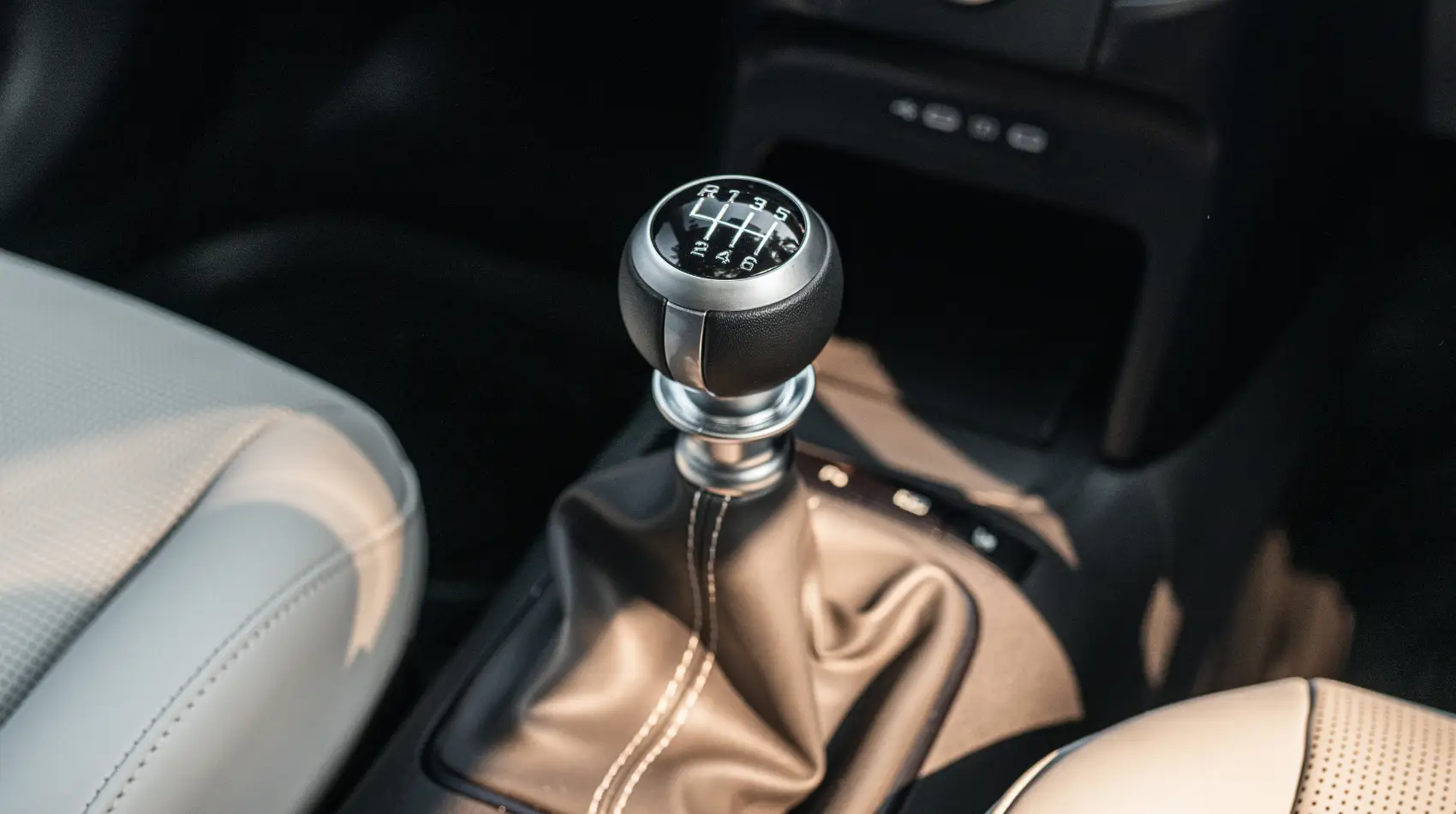
The Bayon is powered by Hyundai's naturally aspirated 1.5-litre, four-cylinder petrol engine, which produces 115 hp and 143 Nm of torque. It is offered with a 6-speed manual gearbox, while an IVT automatic is also available.
However, even though it is paired up with a 6-speed manual gearbox, the engine feels sluggish and lacks the urgency you'd expect when you get behind the wheel, it's like it doesn't like to be pushed. The initial acceleration is rather modest, and overtaking requires a fair amount of planning and effort. You will have to remain on to lower gears and keep the revs higher up to 3000rpm at times to get the torque out of the engine. Personally, I was expecting a more engaging and responsive powertrain. The engine also becomes quite vocal once you cross the 2,000 rpm mark. It's an aspect Hyundai can definitely work on.
Coming to the handling, the Bayon gets Hyundai's familiar comfort-oriented suspension setup. The softer tuning does help absorb most road imperfections, but the suspension does filter some noise into the cabin when going over rough patches. The rear end also feels a little light when you carry more speed through corners. But it still gives a comfortable driving experience when leisure driving is the focus. The steering is reasonably responsive, but a little more sharpness would be appreciated. It does have a good feel to it and weighs up nicely.
Overall, the Bayon is clearly tuned with everyday comfort and ease of driving in mind. But if you are someone who likes to enjoy the thrill of driving and expect high performance, you might be left needing more from the engine. The Bayon is focused more towards someone with a light foot and someone who prefers to have a nice leisure time behind the wheel.
CONCLUSION
So, coming back to the second question — is the Bayon a competitor to the Victoris? Absolutely. In terms of design, interior quality and features, the Bayon makes a very strong case for itself. Both cars offer a compelling package, although neither has a significant advantage over the other when it comes to performance.
Would I recommend the Bayon over the Victoris? Definitely yes, particularly with its starting price of ₹9.99 lakh. With its fresh styling, spacious interiors and features list the Bayon is the better option.
However, bring the Venue into the equation, and the comparison becomes a little more interesting. Despite being based on a lower platform than the Bayon, the Venue has a sportier and more responsive powertrain. It feels so much easier to push the performance out of the Venue.
So, while the Bayon scores well on design, space and features, the Venue still has the upper hand when it comes to outright performance. Ultimately, the choice comes down to what matters more to you-
If you are someone who prefers a more enthusiastic driving experience, Venue is the car for you. But if you want a fresh look and have a light foot on the throttle the Bayon is a great option for you.