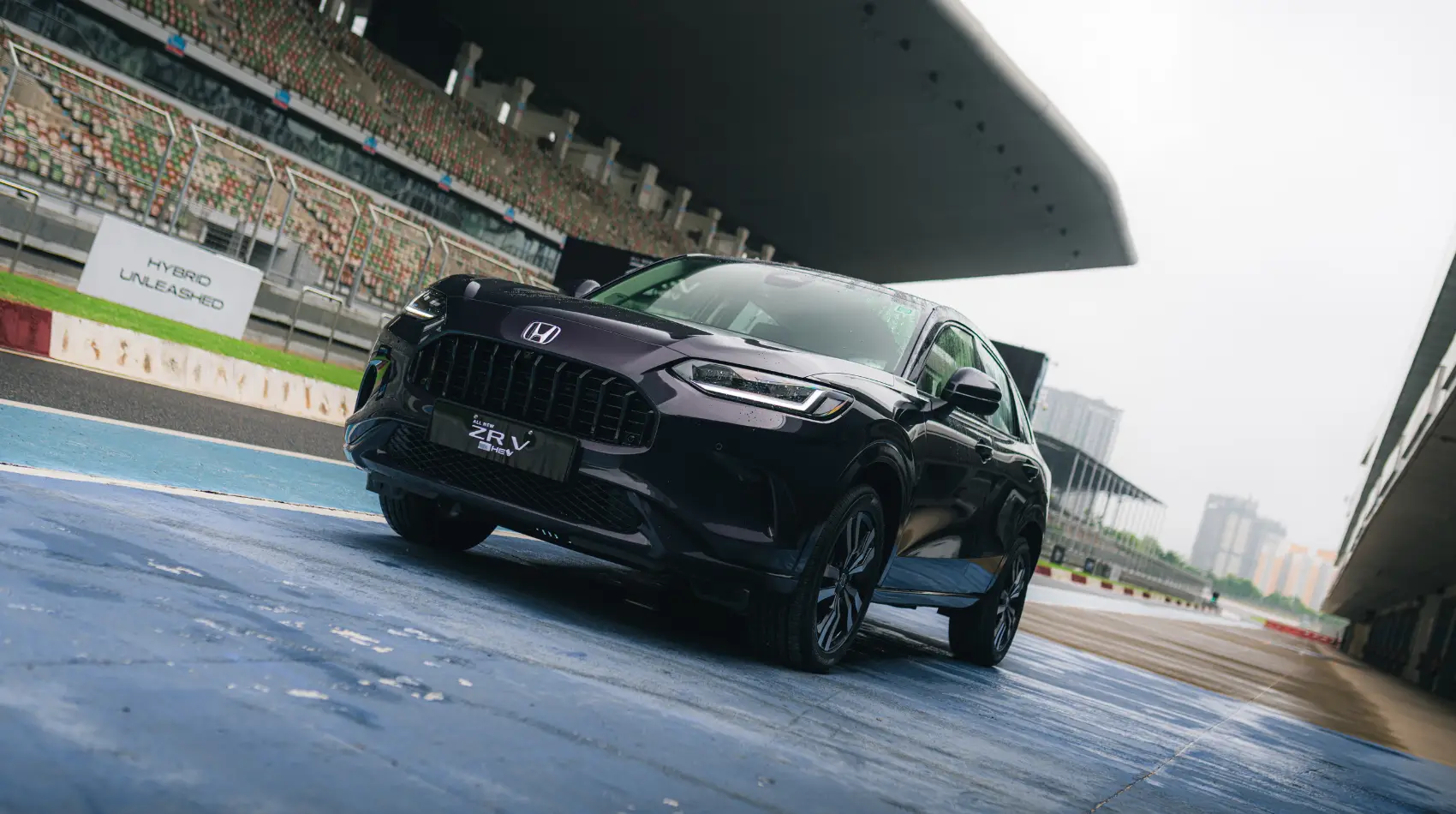
The Honda ZRV packs in a hybrid powertrain with a fuel economy figure of over 22 kmpl, but will it help Honda play in a segment dominated by power and might?
Honda hasn't had a flagship product in India for a while now. We don't get the Accord anymore. We don't get the CR-V anymore. Hell, we don't even get the Civic anymore. For a company that once had one of the strongest premium line-ups in the country, that's been a rather odd place to be.
Only, Honda hasn't brought back the car everyone was expecting. Instead of reviving the CR-V, which still enjoys a loyal following in India, or bringing back the Accord or even the Civic, Honda has decided to introduce something completely different. Meet the ZR-V.
Now, if you're wondering exactly what the ZR-V is, you're probably not alone. Think of it as a premium five-seat SUV that slots somewhere in the Volkswagen Tiguan territory. In fact, it's actually a little longer than the Tiguan, although the Volkswagen still edges it out in terms of width, height and wheelbase. It is designed to sit comfortably in that premium SUV bracket, but unlike most of its rivals, Honda's biggest talking point isn't a turbocharged engine or a flashy interior. It's the hybrid system underneath.
And not the kind of mild hybrid manufacturers love to advertise these days. This is a proper, full-fledged hybrid. But before we get behind the wheel, let's start with the way it looks.
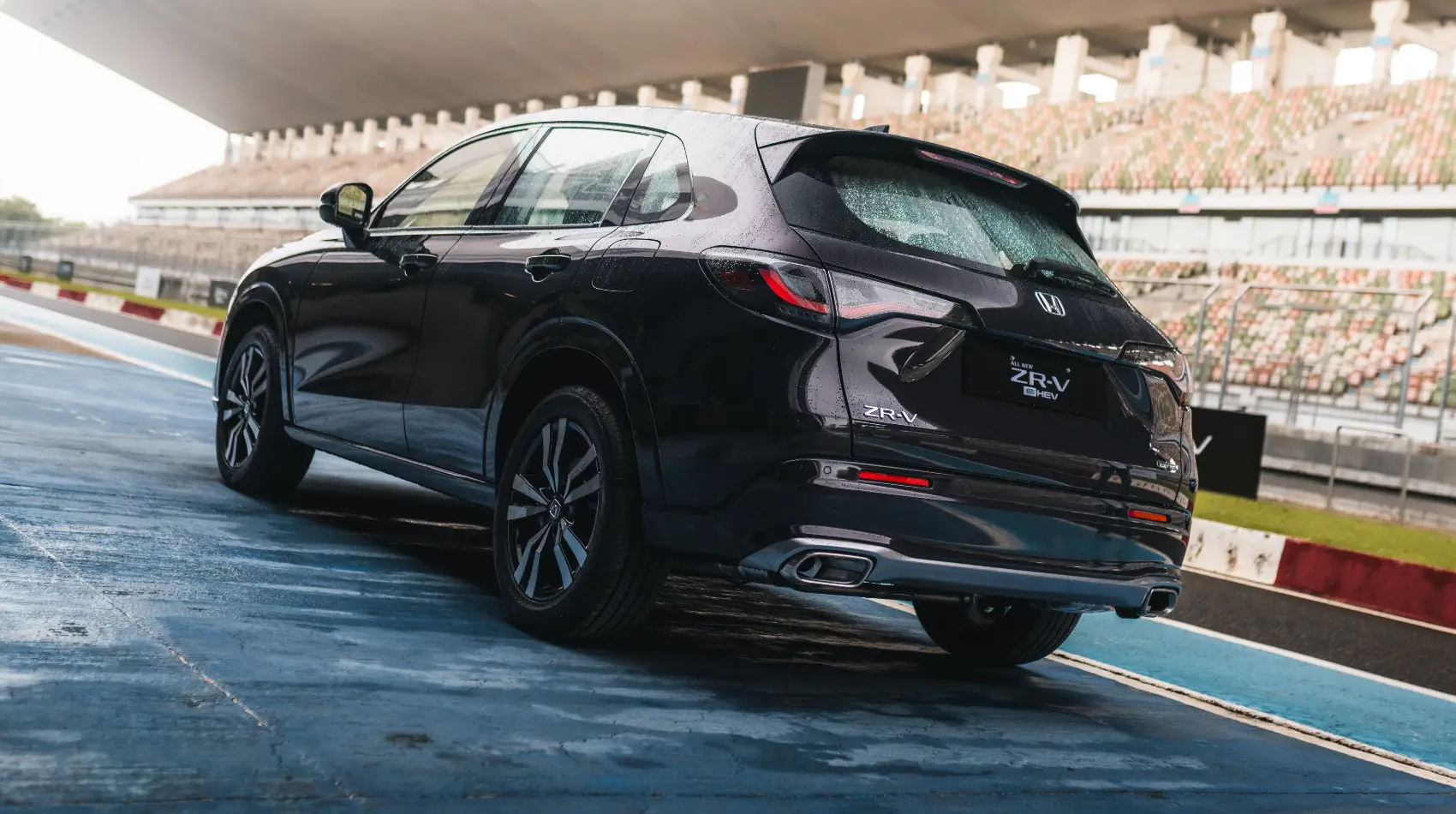
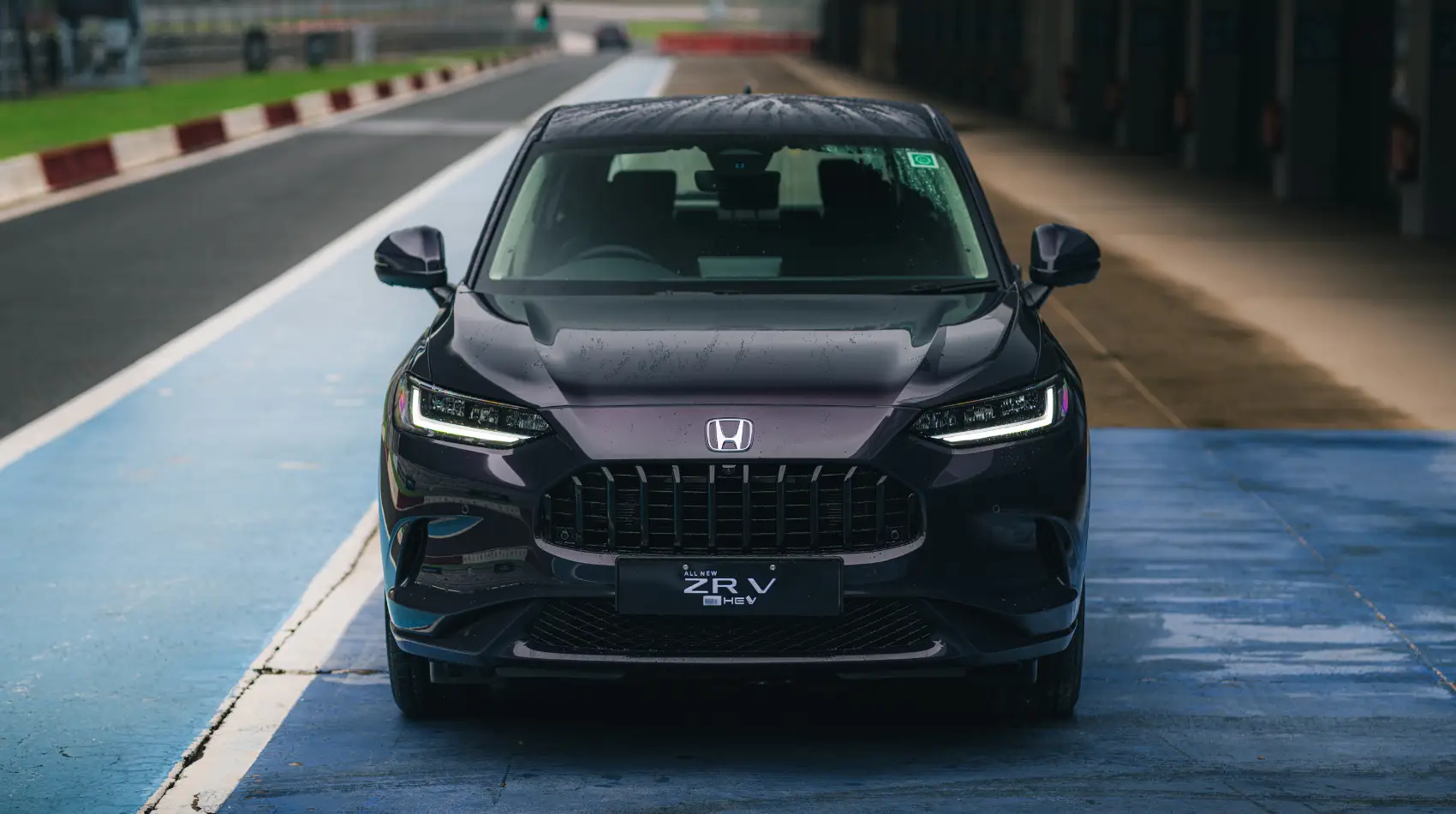
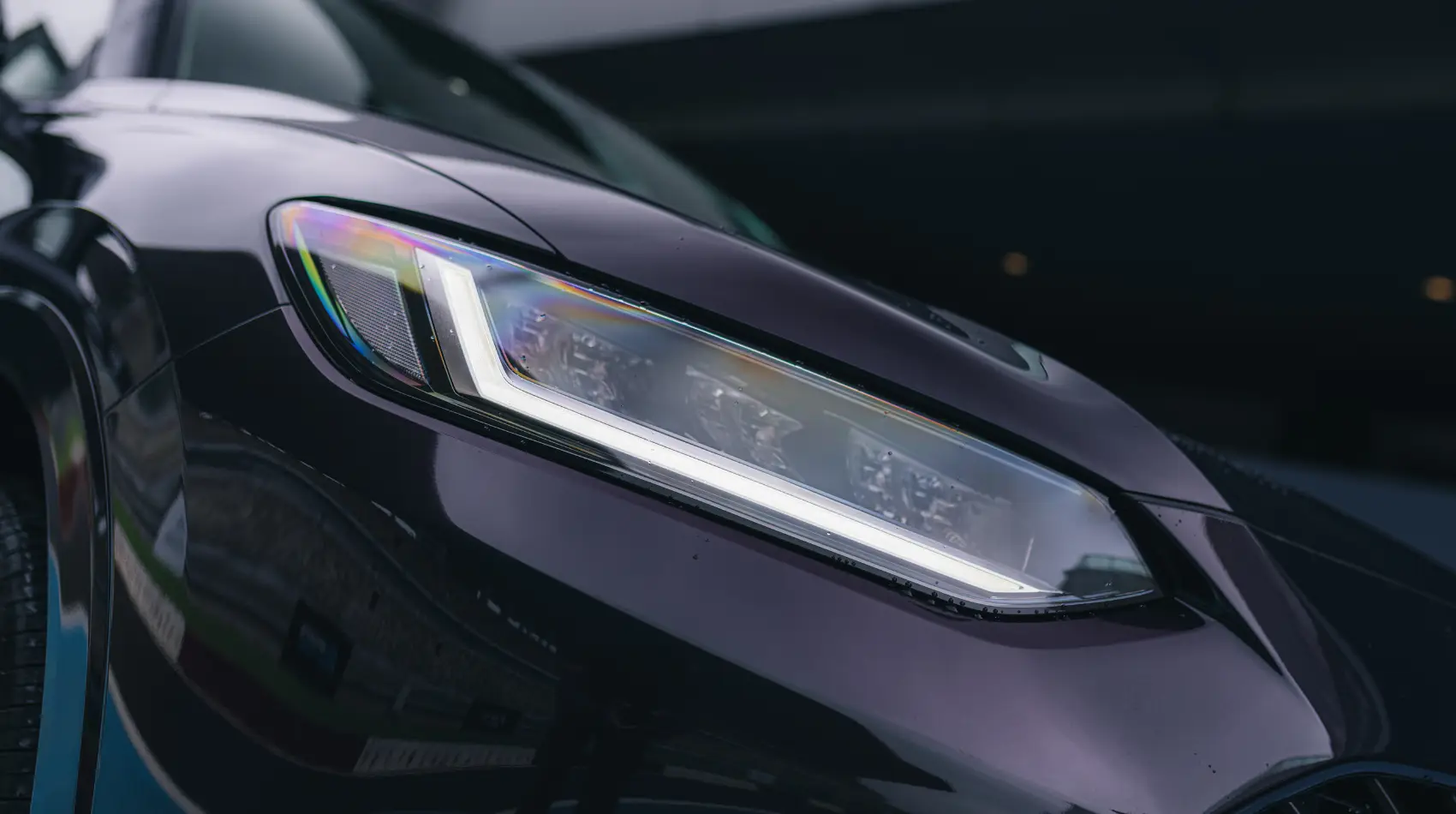
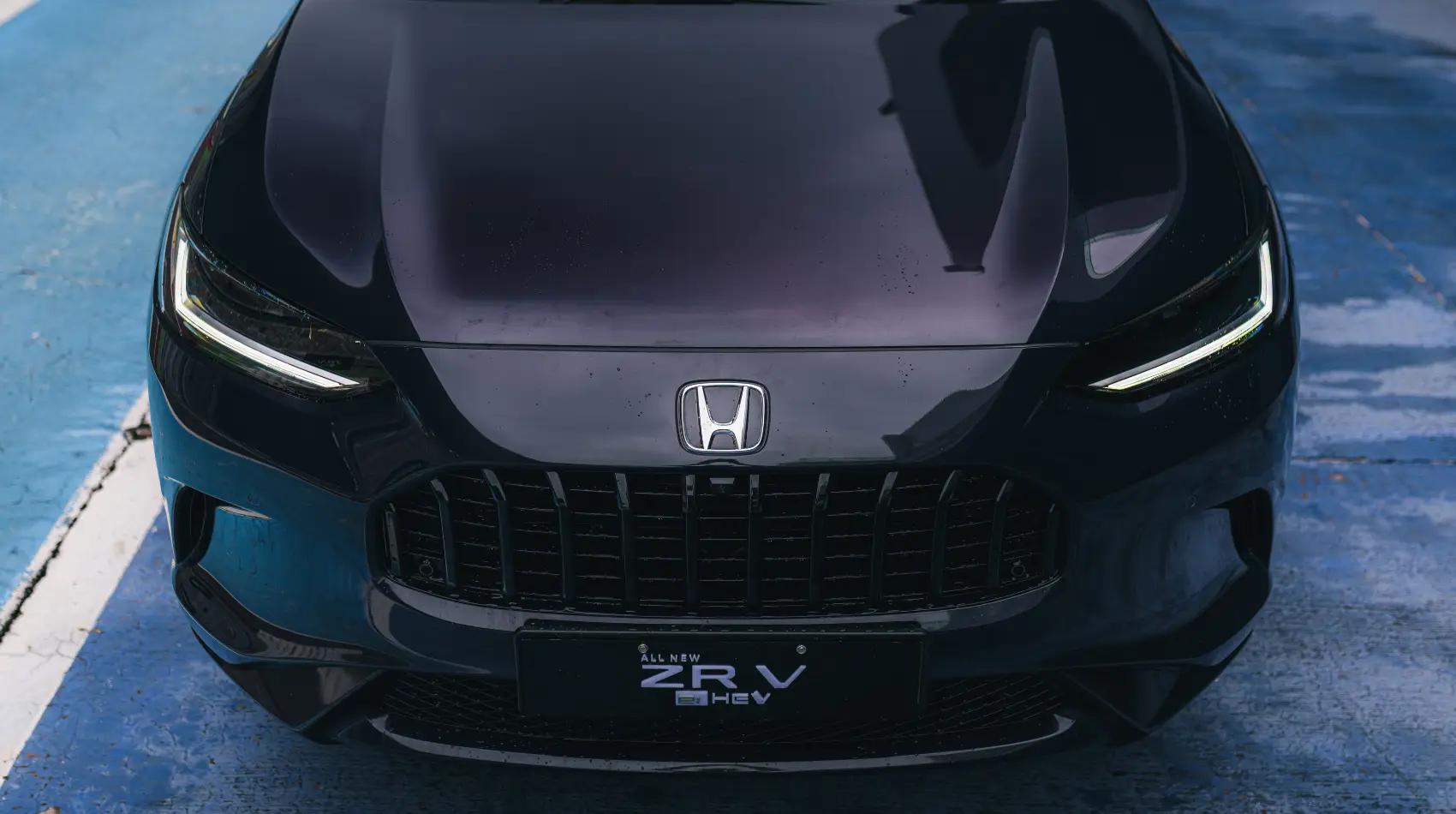
The ZR-V is perhaps one of the most understated SUVs Honda has designed in recent years. In fact, I'd argue Honda itself has already moved beyond this design language. Compare it to the latest City or even the new Amaze and you'll notice that those cars look sharper, cleaner and more contemporary. The ZR-V, despite being a relatively modern car globally, carries design cues that feel like they're from the late 2010s.
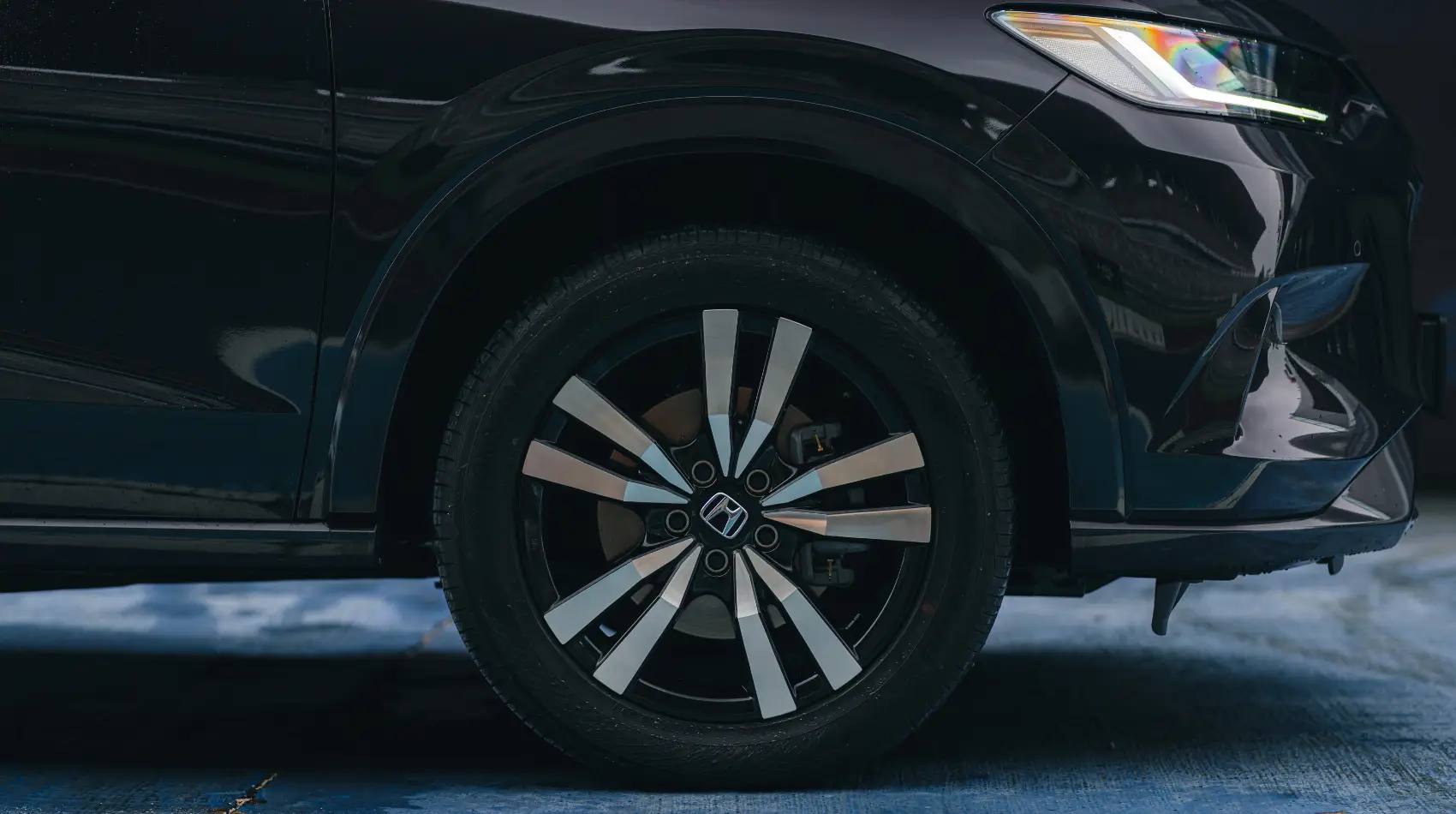
It's clean, elegant and typically Japanese in the way it refuses to scream for attention. You get neatly integrated LED lighting, subtle body creases,but then the 18-inch alloy wheels barely fill the arches although the wheel arch cladding is body coloured, lending the SUV a more premium appearance than the rugged black plastic treatment most manufacturers prefer these days.
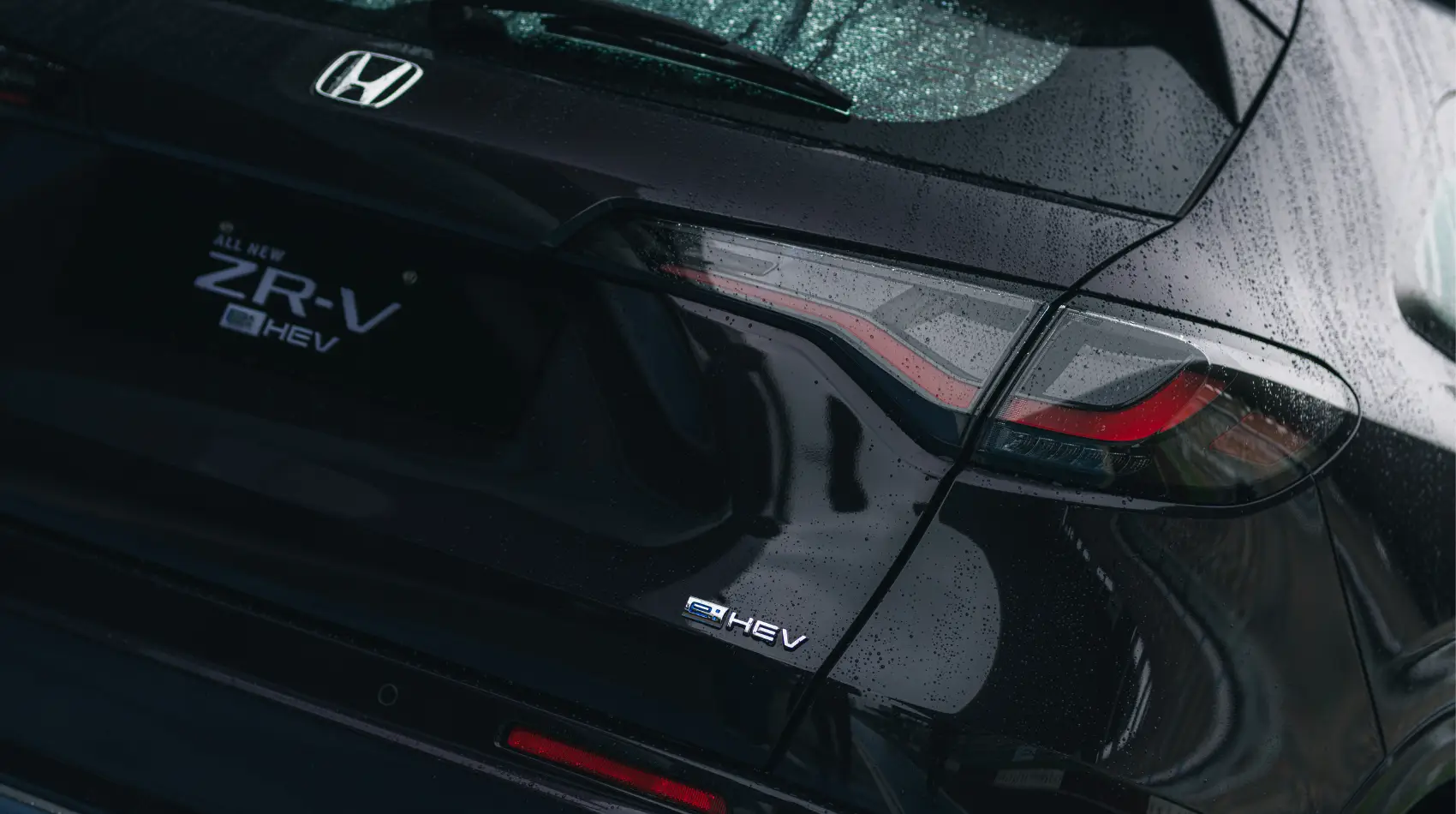
Park it next to a Tiguan R-Line, a Skoda Kodiaq or even some of the newer Chinese rivals sold abroad, and the Honda simply doesn't demand a second glance. It doesn't have oversized grilles, aggressive character lines or futuristic lighting signatures. In fact, viewed from the rear, it reminded me quite a bit of the facelifted first-generation Audi Q7.
Its overall silhouette is equally conservative. While most modern SUVs are embracing boxier proportions and more muscular surfacing, the ZR-V retains softer curves and flowing lines. It's a shape that feels familiar rather than futuristic. Whether Indian buyers appreciate that restraint or see it as dated remains to be seen.
That said, Honda has always had a loyal customer base, perhaps more loyal than many people realise. Just like there are buyers who have owned nothing but Mercedes-Benz E-Classes for decades, or families that simply replace one Toyota Innova with another every few years, Honda too has its faithful.
The City is probably the best example. There are countless owners who have bought every single generation of the City without even considering another sedan. The CR-V had exactly the same sort of following. I personally know owners who've gone through three or even four generations of the CR-V and have spent the last few years wondering what they're supposed to buy next. The ZR-V could very well become that replacement.
Especially considering it's expected to arrive as a CBU. Yes, that means it won't be cheap - in fact, Honda has hinted at a price point upwards of Rs 45 lakh and that means an on road price that is well past Rs 55 lakh!
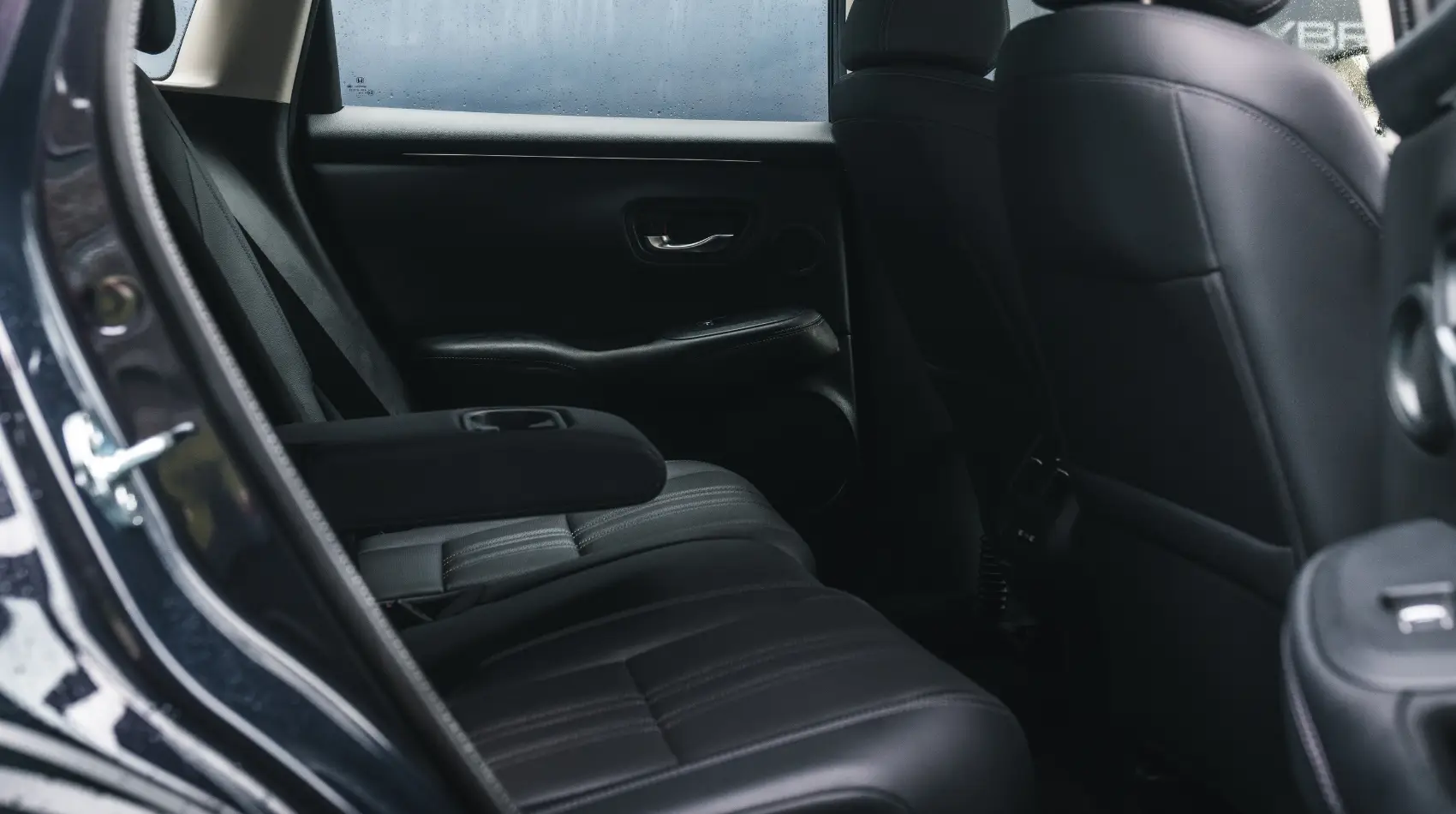
Step inside and you immediately realise the ZR-V follows exactly the same philosophy as the exterior. Simple. Functional. Let's start where most owners will probably spend their time, the rear seat.
There aren't any massive entertainment screens. No fancy touchscreen climate controls. No extravagant ambient lighting animations. In fact, equipment levels are almost surprisingly modest. You get rear AC vents mounted low on the centre console, USB charging ports, a fold-down centre armrest and even old-school reading lamps mounted in the roof, almost like the dome lights you'd find in your living room.
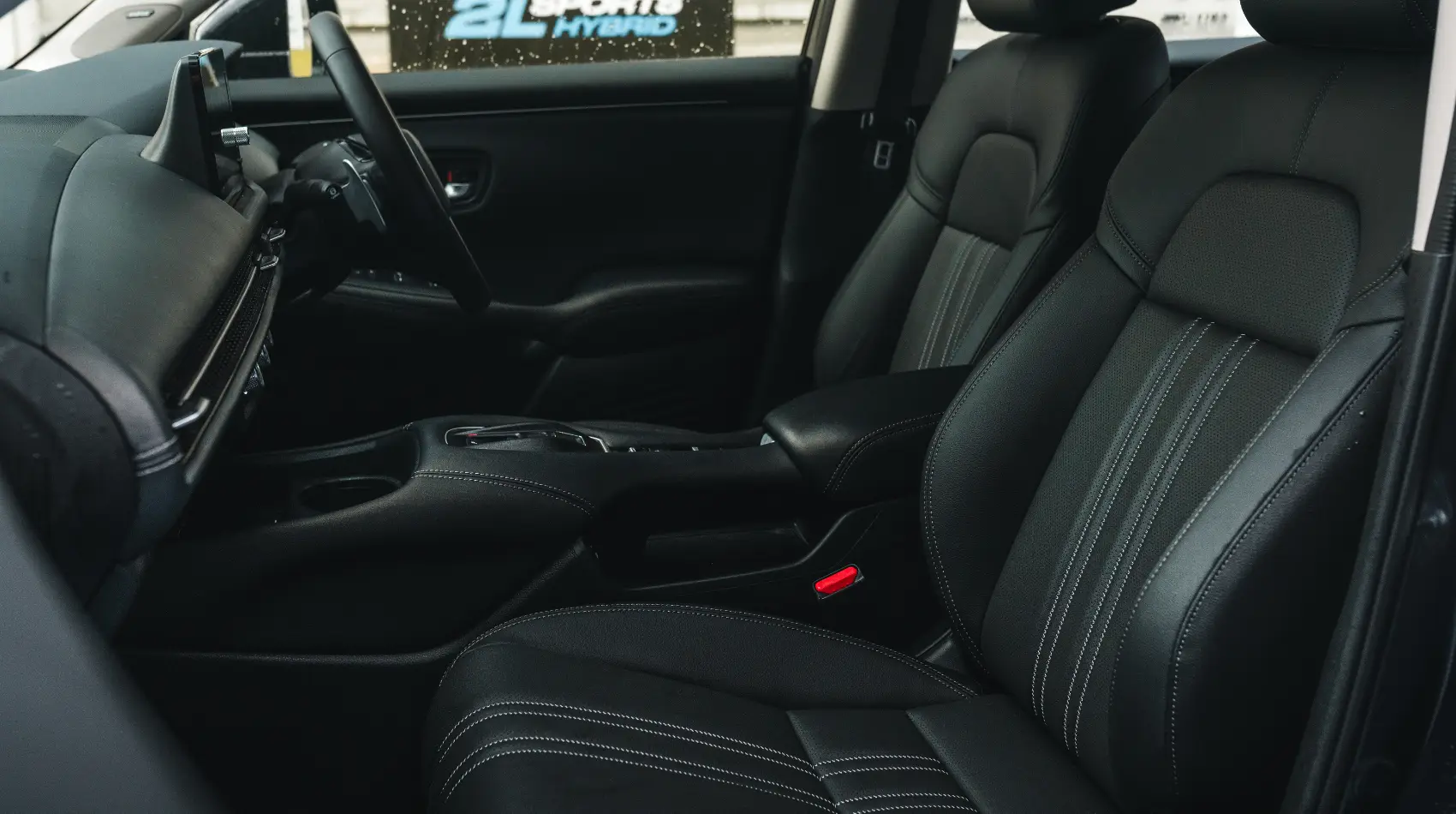
But, the seat itself is absolutely brilliant. Honda has always understood seating comfort better than most manufacturers. While many European brands favour firmer cushioning wrapped tightly in leather, Honda takes a completely different approach. The seats are softer, more forgiving and allow you to sink into them ever so slightly. You feel supported without ever feeling squeezed.
We've seen this philosophy before. The Accord was famous for it. Even the Elevate carries a little bit of that DNA. The ZR-V simply takes it one step further. The seat base angle is spot on. The backrest contour feels natural. Long journeys feel like something you'd actually look forward to rather than endure. Sure, outright legroom isn't class-leading, and there are SUVs that offer slightly more space, but comfort isn't measured with a tape measure.
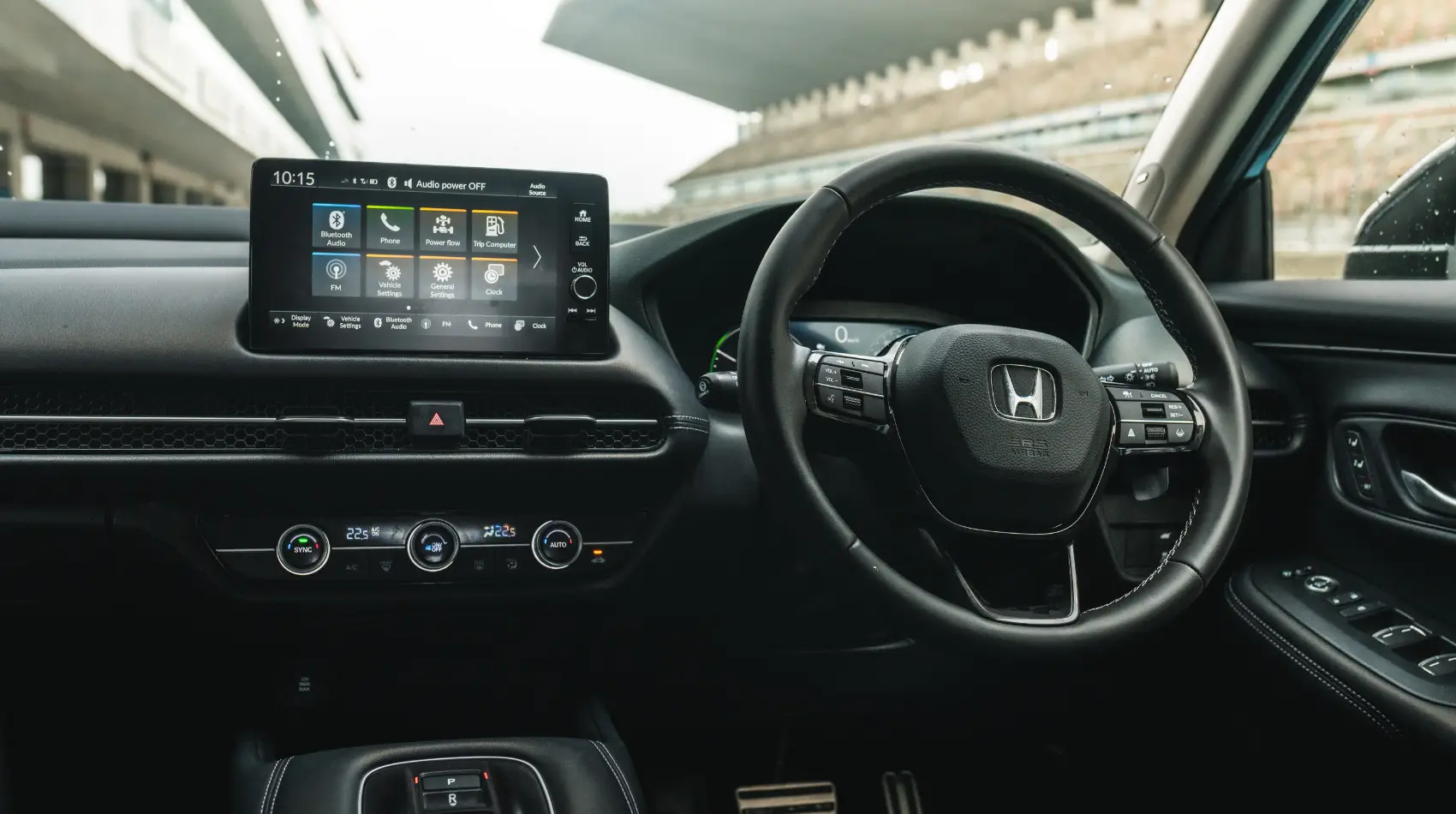
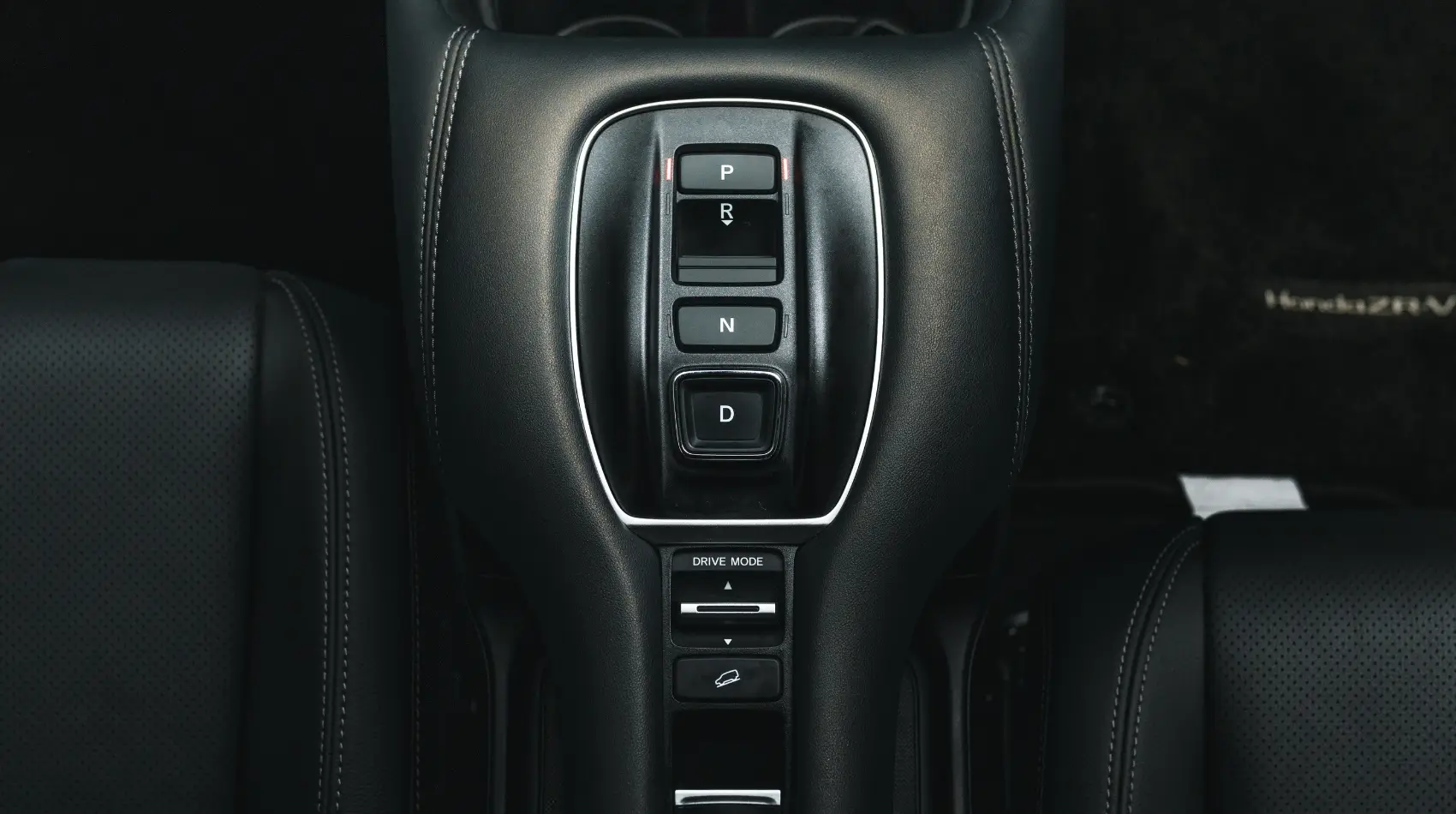
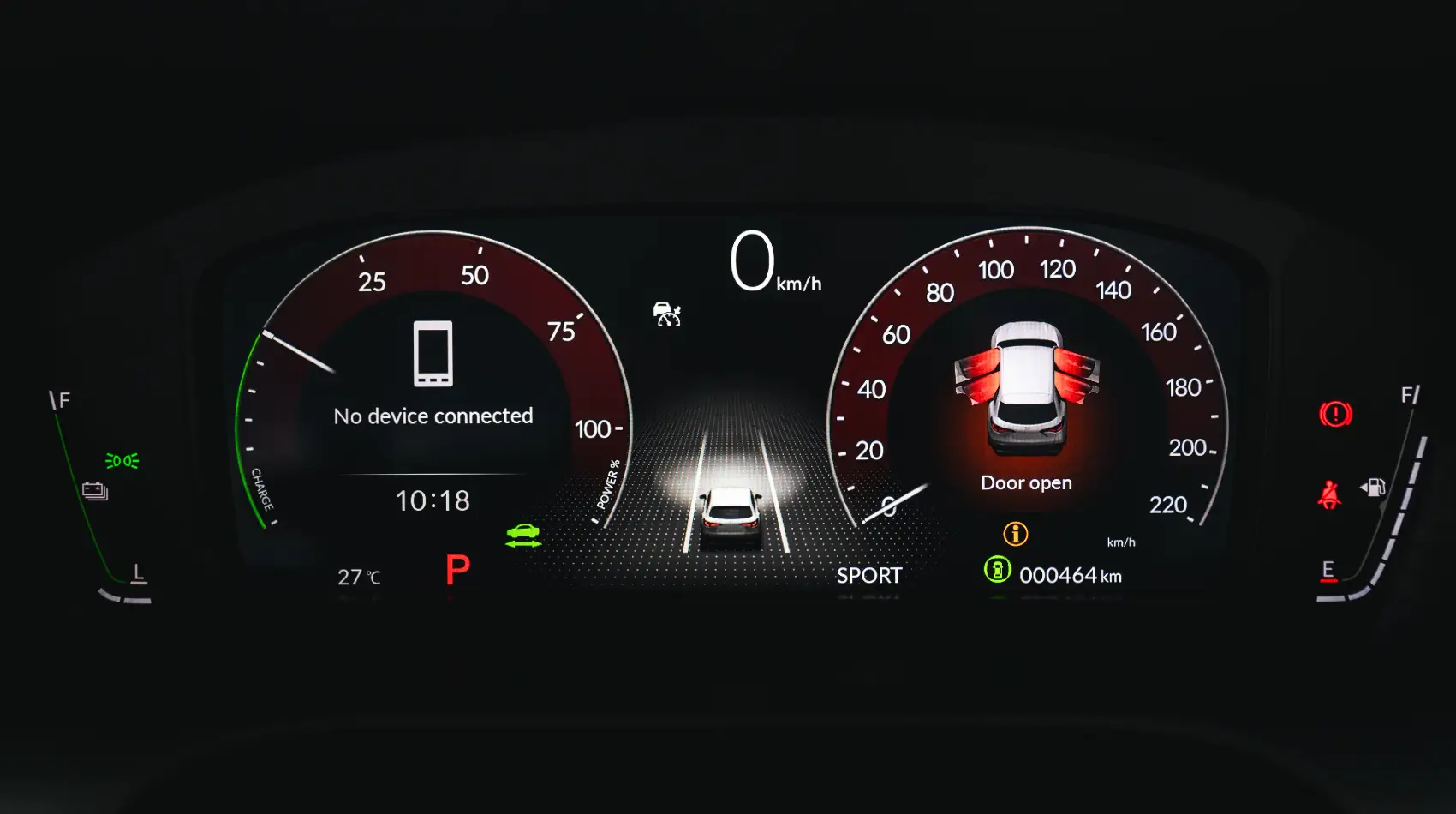
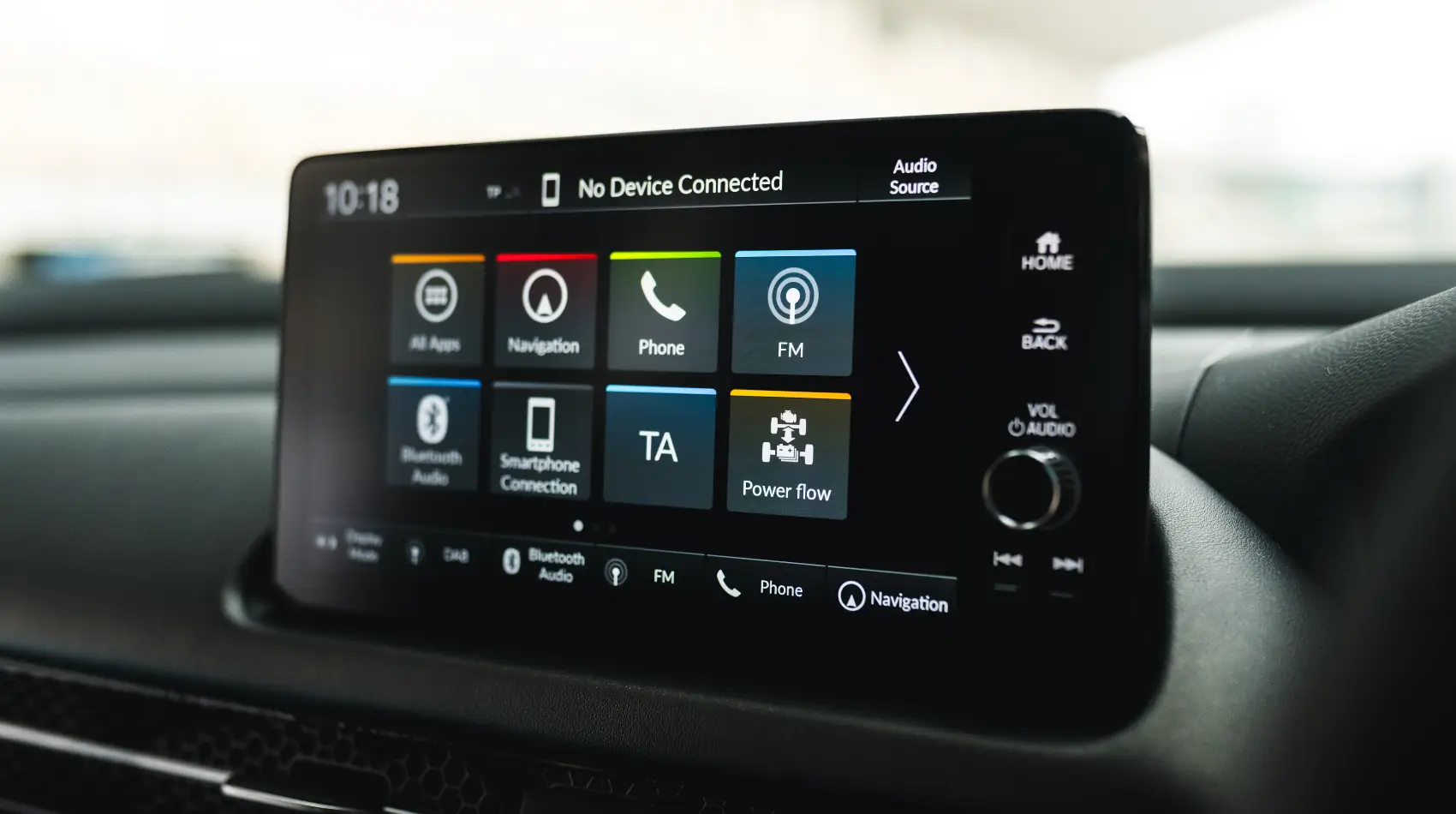
Move into the driver's seat and you encounter another cabin that's unmistakably Honda. Again though, perhaps one generation behind where the industry currently is. There are screens, of course. A digital instrument cluster sits behind the steering wheel and a touchscreen infotainment display occupies the centre of the dashboard. But compared to rivals like the Tiguan, Kodiaq or Tayron, the displays feel almost modest. The climate control gets proper physical buttons. The audio controls remain conventional. Simple rotary knobs still exist. Frankly, every manufacturer should be doing exactly this.
Under the bonnet sits what is arguably the ZR-V's biggest party piece. Honda's 2.0-litre naturally aspirated Atkinson-cycle petrol engine paired with its hybrid system. By now, most buyers understand how hybrids work, so there's little point getting into the technicalities. Depending on the situation, the car is powered by the battery, the petrol engine or a combination of both, constantly deciding which configuration is most efficient.
The important part is that it all happens seamlessly. There are no awkward transitions. No hesitation. No drama. Just smooth, quiet progress. When we began our drive with a fully charged battery and a brimmed fuel tank, the instrument cluster displayed a range of 909 kilometres. That's diesel territory. Except you get there with petrol levels of refinement, silence and smoothness.
For anyone who spends serious time on highways, that's a genuinely compelling reason to consider the ZR-V. You get the sort of range diesel SUVs used to be famous for, but without the clatter, vibration or the uncertainty surrounding diesel ownership in certain cities.
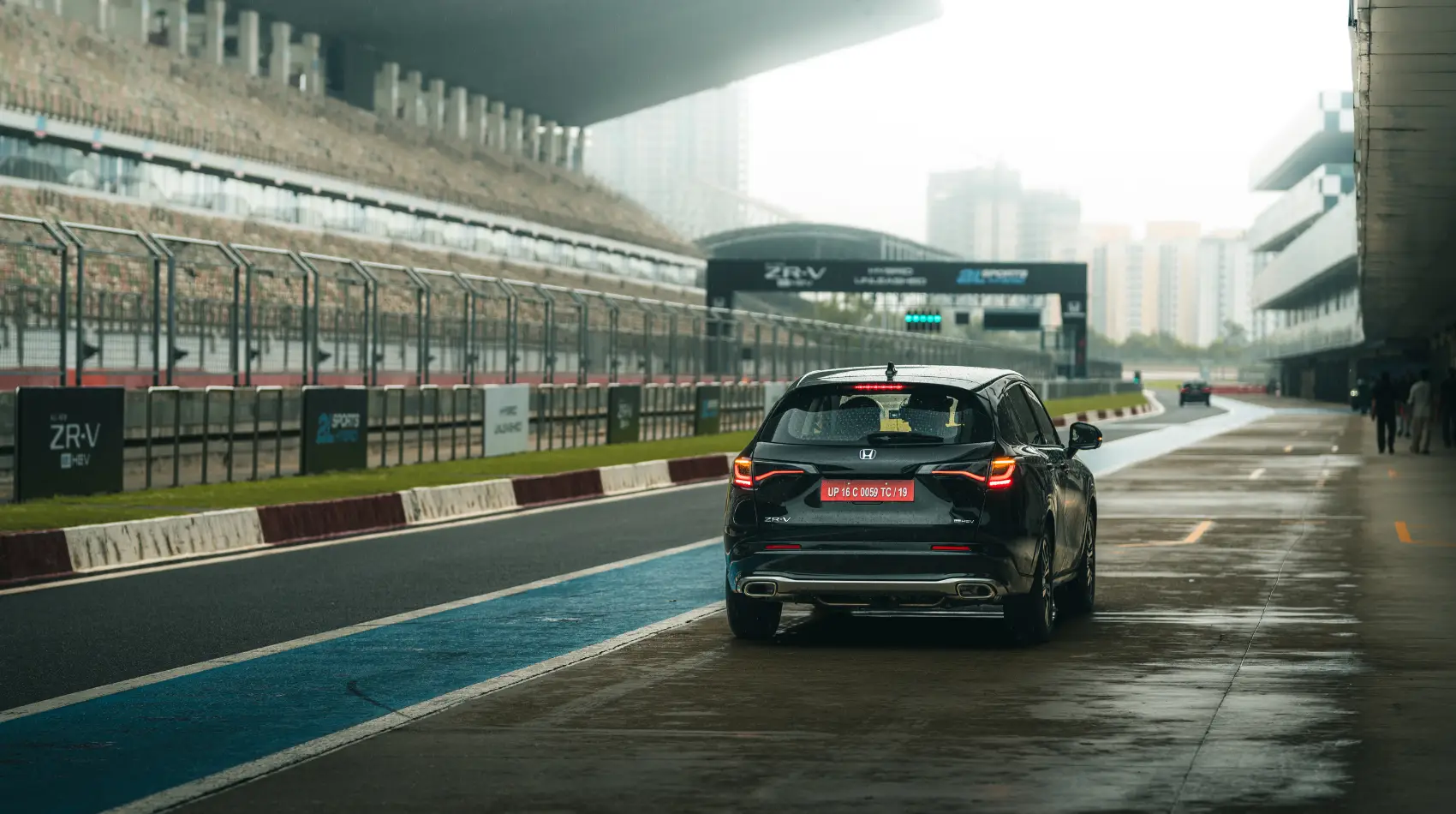
Performance isn't really the point here. With around 184hp available from the hybrid system, the ZR-V has more than enough performance for everyday driving, but it never encourages you to chase lap times - which is why we were quite surprised when Honda told us we would be driving this on the Buddh International Circuit and not out on the open road. .
The suspension follows the exact same philosophy. It's comfortably on the softer side. Yes, there's a little body roll if you start pushing through corners, but that's hardly surprising considering the setup. More importantly, it absorbs imperfections beautifully. Unfortunately, on a racetrack, one cant really make out what the ride quality would be like - which for this car is something of a primary quality anyways. . I did, however, deliberately drive over a few larger kerbs and rougher patches at lower speeds just to get a sense of the suspension's initial compliance.
The result was encouraging. There wasn't any harshness filtering into the cabin, nor did the suspension feel crashy over sharper inputs. It simply dealt with them quietly and got on with the job.
One interesting feature is the pair of paddles mounted behind the steering wheel. Unlike a conventional automatic where they'd be used to change gears, here they adjust the level of regenerative braking. Pull one paddle and the regeneration increases, allowing the car to slow more aggressively when you lift off the throttle. Pull the other and the effect is reduced.
There is one curious quirk though. In Eco or Normal mode, if you select the highest regeneration setting and then accelerate again, the system resets the regeneration level. In Sport mode, however, the selected regeneration level remains where you've left it.
Personally, I found that a little counterintuitive. If anything, I'd have expected the opposite. Eco mode should ideally allow drivers to set their preferred regeneration level and leave it there to maximise efficiency, while Sport mode could prioritise a more conventional driving experience.
It's hardly a deal breaker, but it did strike me as an odd calibration choice.
To wrap this up, the ZR-V is a great product but one that might be a little too little, too late and at a price point that will make me want to examine someone’s psyche. BUT, there is most certainly a very well heeled buyer for who this car will be all they need and that is exactly what Honda needs. Is this really the long overdue flagship Honda deserves though? No. But will it do for now? Sure. The only problem of course is going to be the price point this comes in at, because at that price, the likes of the Tayron and the Kodiaq just seem like a tastier choice.