Three years is a long time in the Indian car market. Long enough for a sensible SUV to become an under-equipped one, for a promising product to lose ground to better-equipped rivals, and for buyers to start asking uncomfortable questions. The Honda Elevate, launched in 2023, has found itself in precisely that position.
When it arrived, the Elevate was built around a fairly straightforward proposition: give buyers a spacious, comfortable, dependable SUV, wrap it in Honda’s reputation for engineering, and let the fundamentals do the talking. It was built in India for the world, and it felt like a product designed by people who understood that a car might spend more time crawling through traffic and negotiating broken roads than posing outside a fancy restaurant.
That philosophy still holds up. The trouble is that the competition has moved on. Hyundai and Kia have raised the bar for cabin equipment, while Maruti Suzuki, Toyota, Volkswagen and Skoda have given buyers plenty to consider across different price points and powertrain options.
Honda’s response? A comprehensive equipment upgrade, some cosmetic surgery and a renewed attempt to make the Elevate relevant. The engine, however, remains untouched. After a 250km drive from Gurugram towards Jaipur, I have a fairly clear idea of whether that is enough.
Bolder Face, Familiar Silhouette
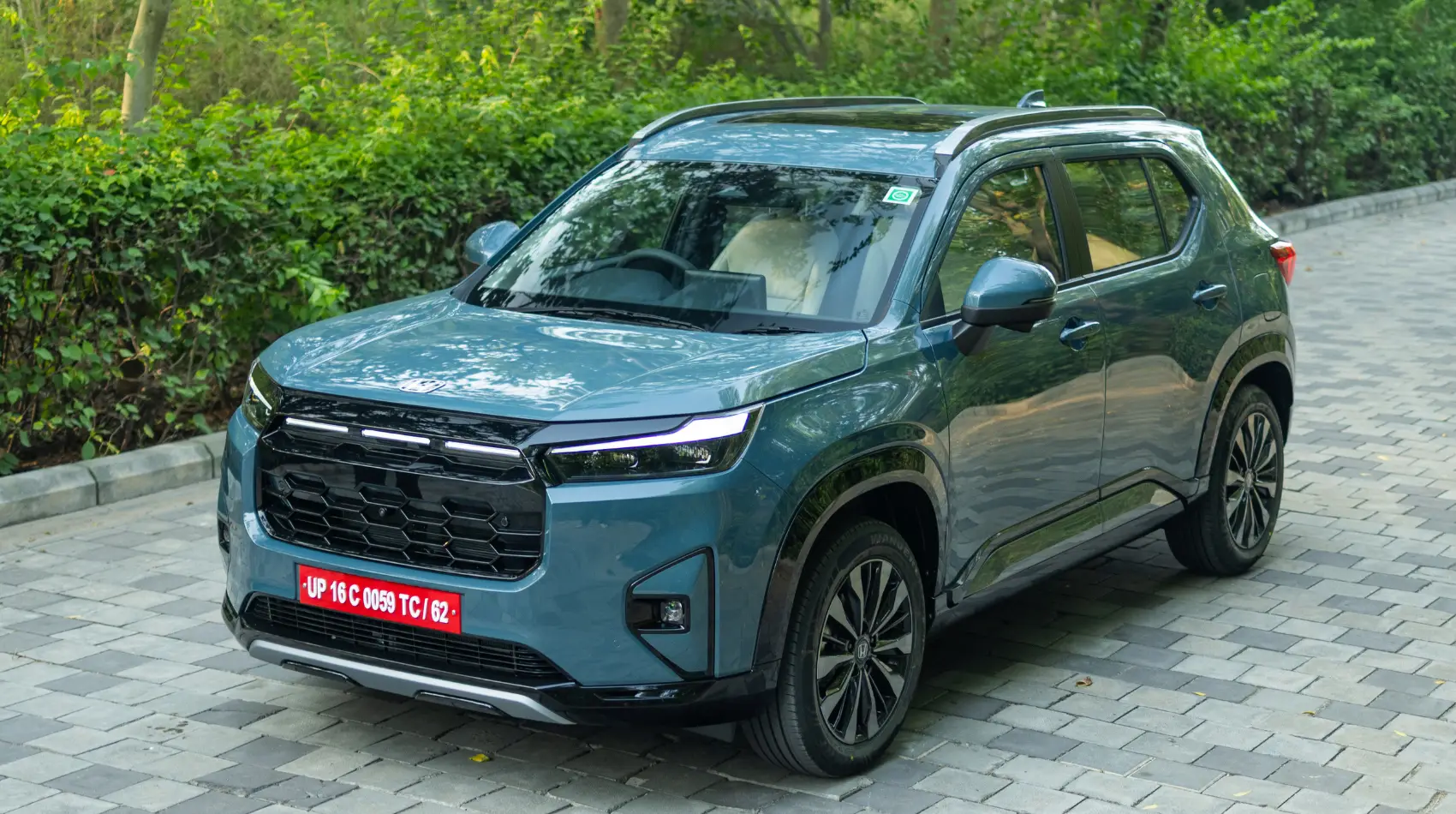
The original Elevate had the proportions of a proper SUV. There was no needlessly sloping roofline, no attempt to disguise its height, and certainly no shortage of visual heft. The facelift retains that upright stance, but gives the front end a more assertive identity.
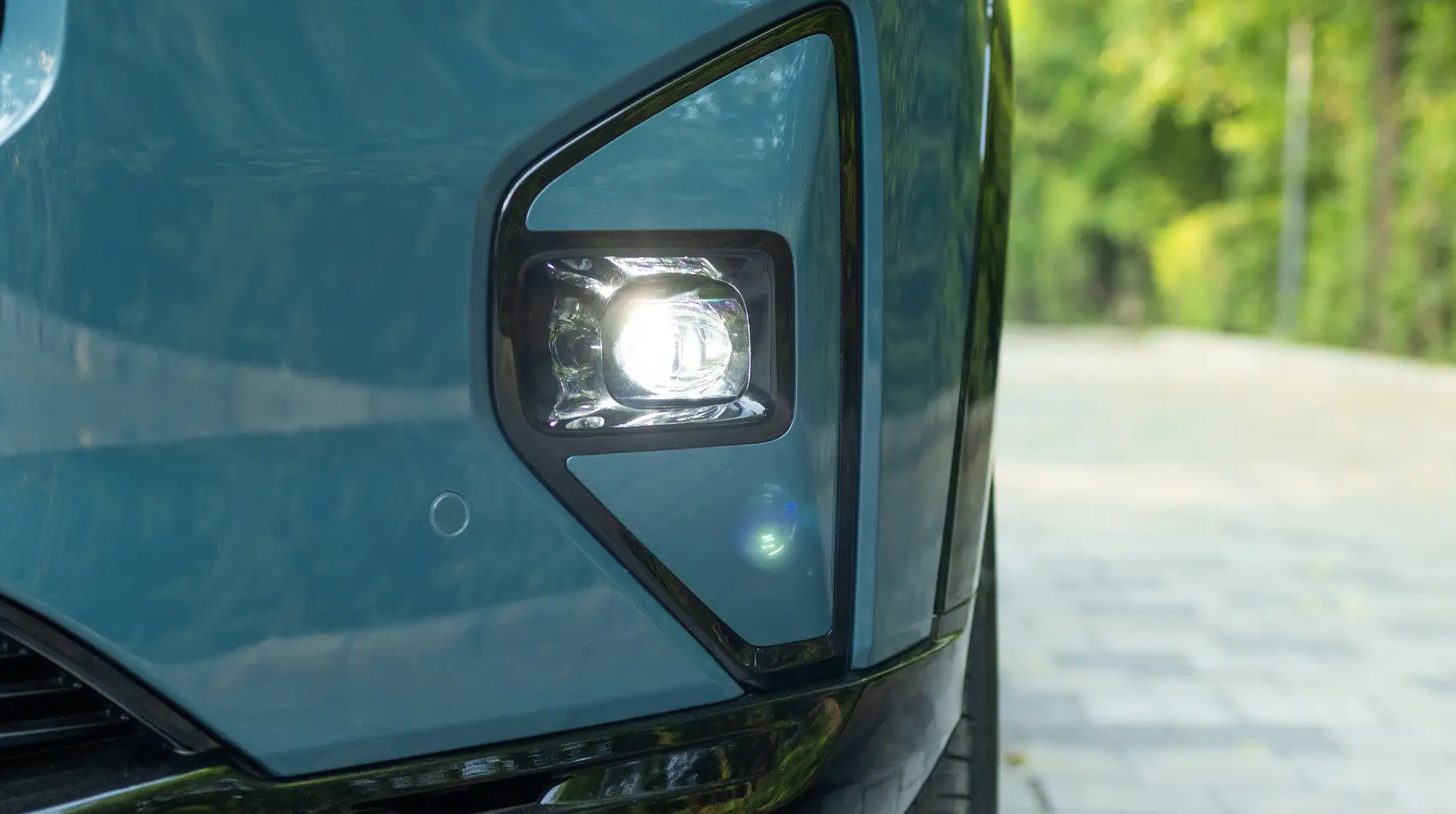
The new mesh grille, finished in gloss black, is flanked by revised lighting signatures. Tri-bar LED position lights lend the nose a more contemporary appearance, while the Honda badge has moved up to the bonnet edge. Gloss-black detailing now extends to the lower bumpers and wheel-arch cladding, and the 17-inch diamond-cut alloy wheels get a darker finish.
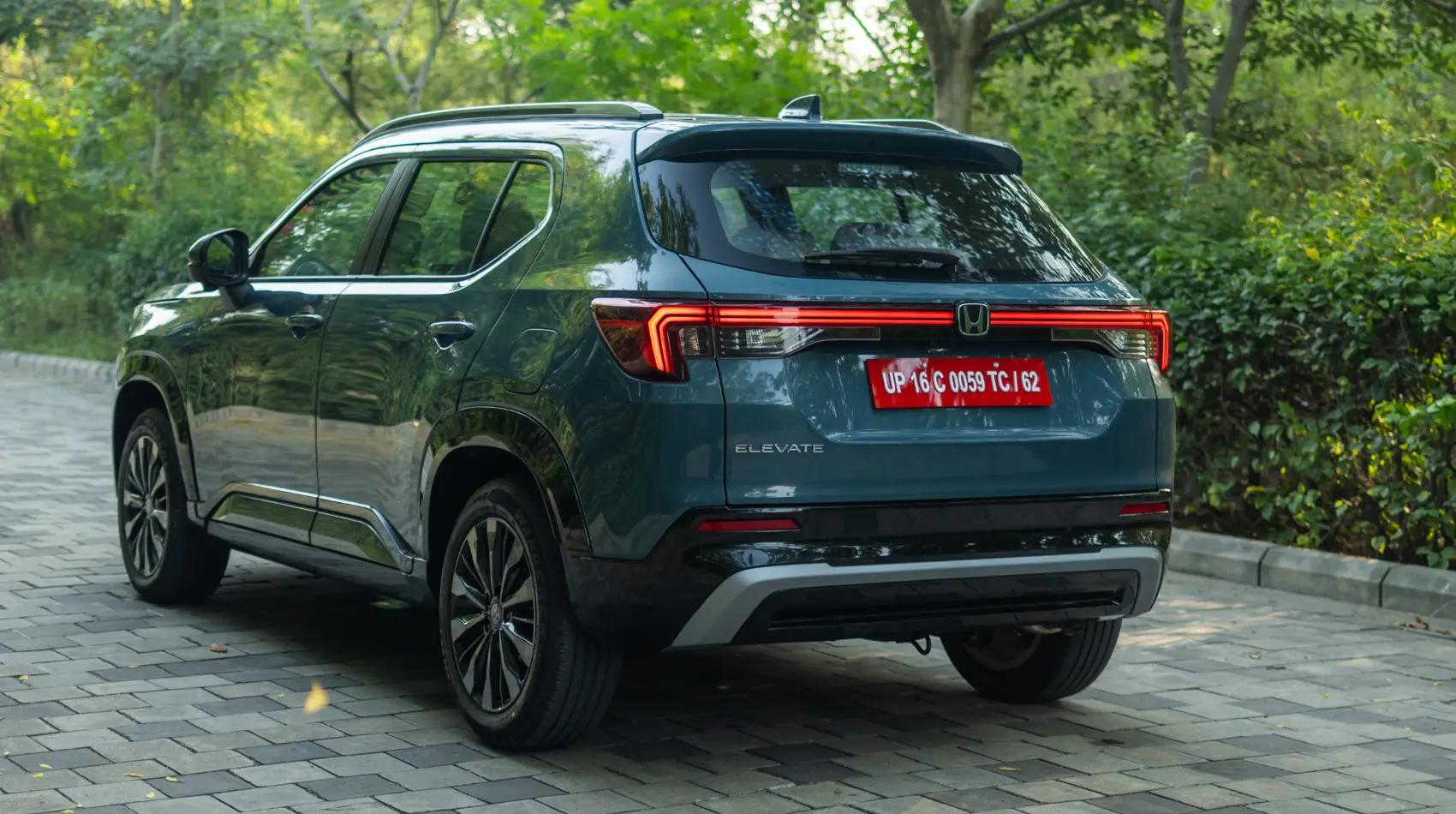
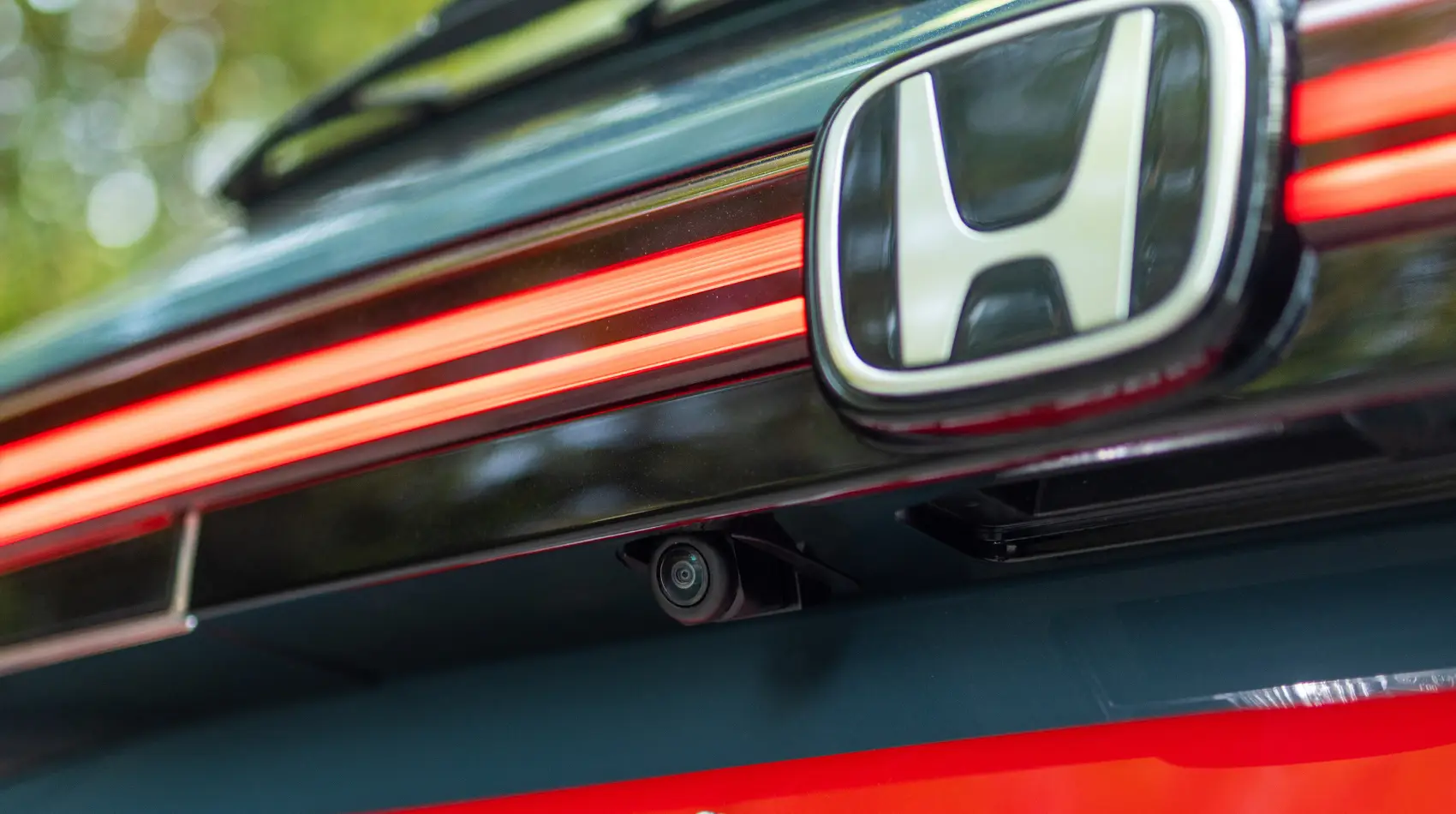
At the rear, a full-width connected LED tail-lamp signature is the most obvious change. It brings the Elevate visually closer to the modern SUV aesthetic without attempting to reinvent its shape. A new Nordic Forest Pearl paint option adds to the refreshed palette.
It is a convincing update, if not a radical one. The Elevate looks more current, more cohesive and arguably more expensive than before. Crucially, it still looks like an SUV rather than a raised hatchback that has been sent to the gym.
Cabin Catches Up
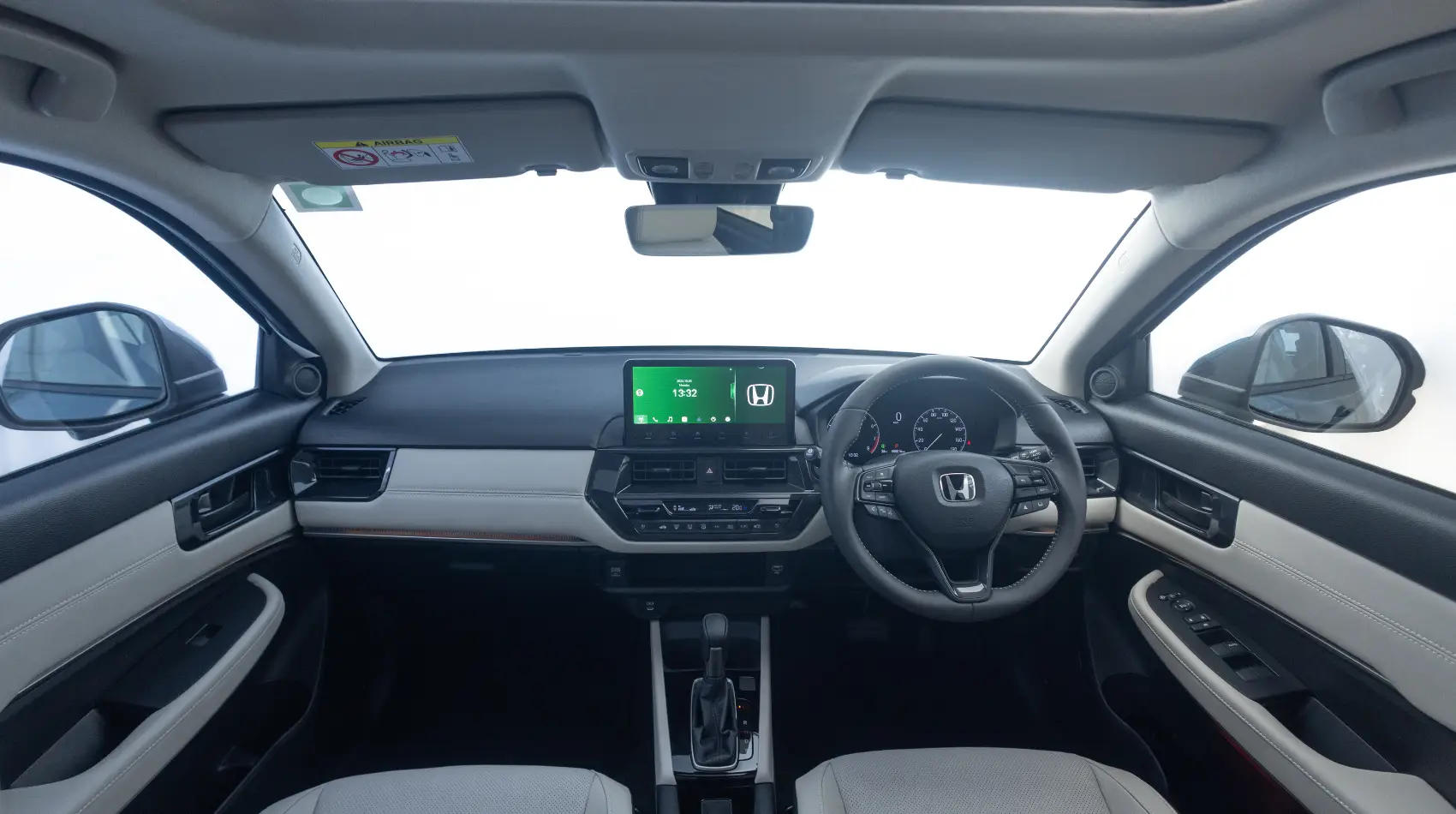
If the exterior changes are evolutionary, the cabin improvements address some long-standing omissions. The new ivory-and-black colour scheme, soft-touch upholstery, additional stitching and gloss-black accents make the dashboard feel more upmarket. Ambient lighting adds some evening theatre, while the existing 10.25-inch touchscreen and wireless Apple CarPlay and Android Auto continue to handle infotainment duties.
The bigger additions are functional. The driver gets an eight-way power-adjustable seat, while the front passenger gets four-way adjustment. The front seats are ventilated, the cabin gets a PM2.5 air-quality indicator, and a factory-fitted 360-degree camera finally replaces the need to rely on a dealer-installed solution for an all-round view.
But the headline feature is at the back. The Elevate is the first in its segment to offer ventilated rear seats, a feature that feels particularly relevant in a country where summer temperatures can make even a short drive uncomfortable. It is the sort of addition that rear-seat passengers will appreciate far more than another animated graphic on the infotainment screen.
There are Type-C charging ports for rear occupants, too, alongside touch-sensitive LED reading lamps. Honda has also worked on cabin sound insulation, addressing one of the earlier car's more noticeable shortcomings.
The front seats deserve special mention. Their broad adjustment range makes finding a comfortable driving position easy, while the lumbar support is particularly welcome on longer journeys. The suspension's inherent suppleness helps, of course, but the seats ensure that the Elevate remains comfortable even after hours behind the wheel.
Engine Remains Unchanged
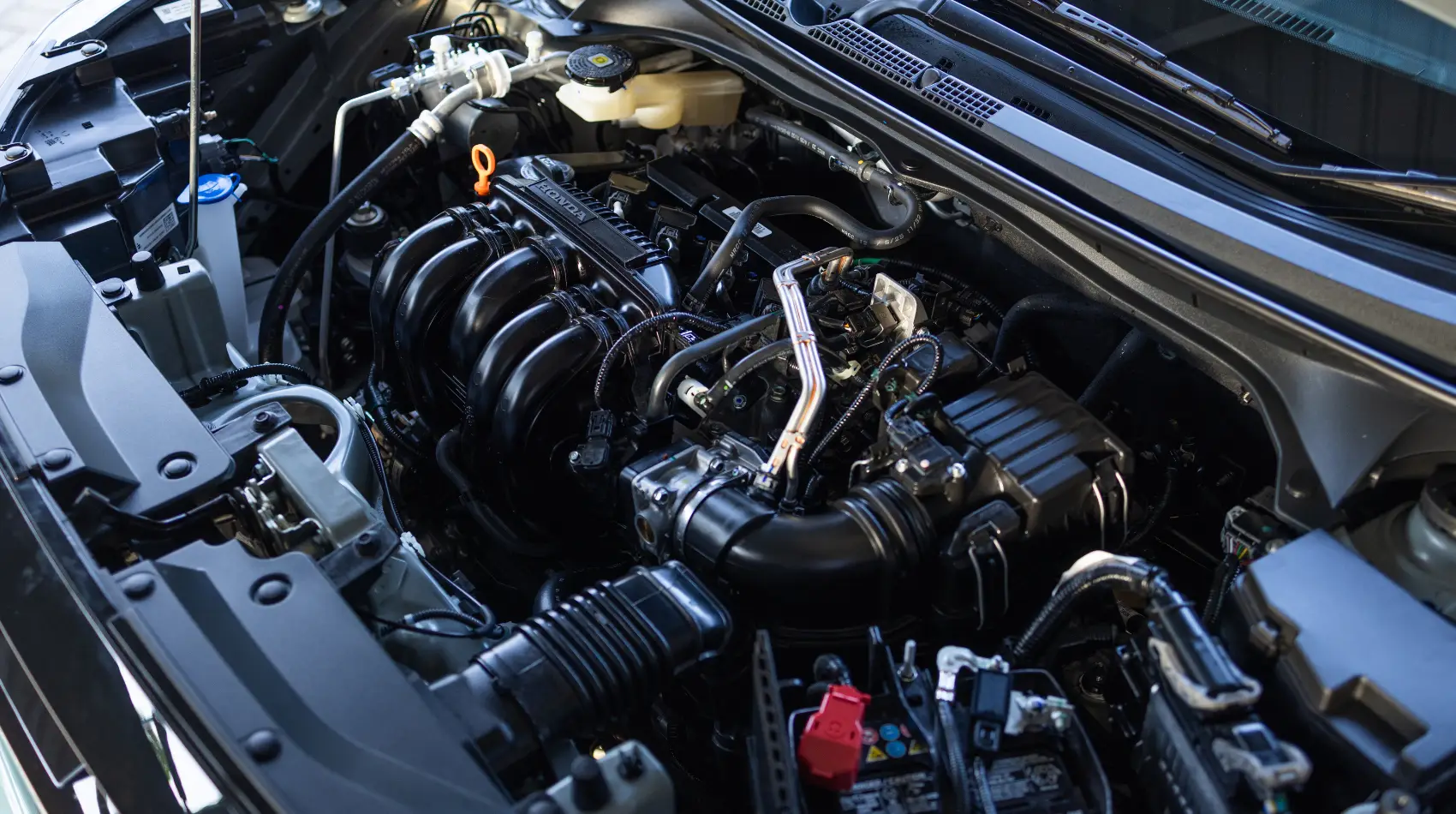
Under the bonnet sits the familiar 1.5-litre naturally aspirated i-VTEC petrol engine, producing 121hp and 145Nm. It is paired with either a six-speed manual or a CVT automatic, and there is still no turbocharged petrol or hybrid option.
That last omission is becoming increasingly difficult to ignore. Honda already has hybrid technology in its portfolio, but the Elevate continues to make do with conventional petrol power alone.
The CVT-equipped car I drove is perfectly civilised when treated gently. It settles into a relaxed rhythm on the highway, and the engine is sufficiently refined when you're maintaining a steady speed. But then, when you ask it for a burst of acceleration, the gearbox allows the engine to climb the rev range before the car gathers momentum. The resulting surge of noise arrives well before the corresponding surge of speed.
There is some improvement in sound insulation, and the cabin does a better job of containing the racket than before. But the moment you press on for an overtake, the engine's vocal protest can still interrupt a conversation.
This isn't to suggest that the Elevate is underpowered for everyday use. It isn't. The issue is one of urgency and refinement under load. The CVT suits a relaxed driving style, but those who enjoy a more immediate response from their cars may find it frustrating. A strong hybrid would have made the Elevate a considerably more compelling proposition, particularly in urban conditions.
Chassis Means Business
Fortunately, the powertrain isn't the whole story. The Elevate's ride and handling were among its strongest attributes when it first arrived, and the facelift leaves that character largely intact.
The steering is light at low speeds, making the SUV easy to manoeuvre in traffic and tight parking spaces. As the pace builds, it gains weight naturally and remains accurate enough to inspire confidence. There is a reassuring sense of predictability to the way the car responds, without any unnecessary heaviness or artificial sportiness.
The suspension is the real star. It has enough travel to deal with broken tarmac and uneven surfaces, but the damping keeps the body controlled rather than letting it bob about after every bump. The Elevate feels supple over poor roads and composed when you pick up the pace. That balance is difficult to achieve, and Honda deserves credit for preserving it.
The addition of rear disc brakes is another welcome change. Over our 250km drive, the braking felt reassuring, and the hardware complements the Elevate's otherwise well-sorted dynamics. It is an upgrade that makes more sense than a cosmetic flourish, even if its benefits are less obvious in a showroom.
Sensible SUV in an Unreasonable Segment
In many ways, Honda has addressed several of the Elevate's most obvious equipment-related shortcomings without compromising the qualities that made it appealing in the first place. It looks fresher, feels better appointed and offers a meaningful improvement in comfort, particularly for rear-seat passengers.
At ₹11.80 lakh to ₹18.40 lakh (ex-showroom), though, the Elevate occupies a fiercely contested space. Its rivals offer a wider variety of powertrains and, in some cases, a more sophisticated driving experience. Honda's naturally aspirated engine and CVT combination remains its biggest limitation, and no amount of ambient lighting or ventilated upholstery can disguise that.
Yet there is a case for the Elevate, and it is a fairly persuasive one. It rides beautifully, handles predictably, offers a genuinely comfortable cabin, and now has the equipment to match its price bracket more convincingly.
The facelift makes the Honda Elevate a better car. It doesn't make it a fundamentally different one. If you want a feature-packed SUV with a punchy powertrain, there are alternatives worth considering. But if you value comfort, dependability and a chassis that feels properly engineered for Indian roads, the Elevate deserves a place on your shortlist.
Engine: 1.5-litre, 4-cylinder, naturally aspirated petrol
Maximum Power: 121 PS
Maximum Torque: 145 Nm
Transmission: 6-speed manual / CVT automatic
Price: ₹11.80 lakh to 80 lakh to ₹18.40 lakh