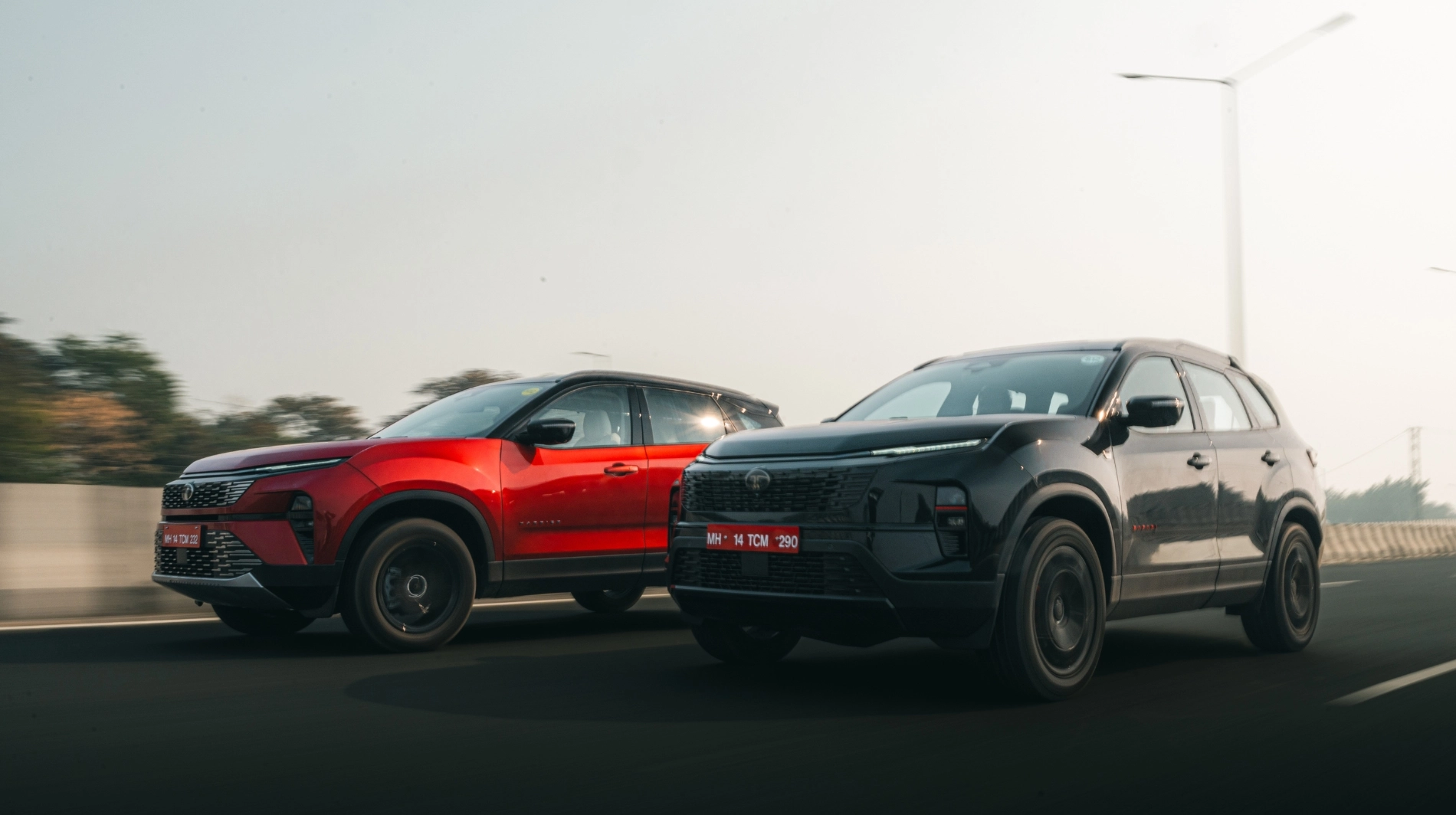
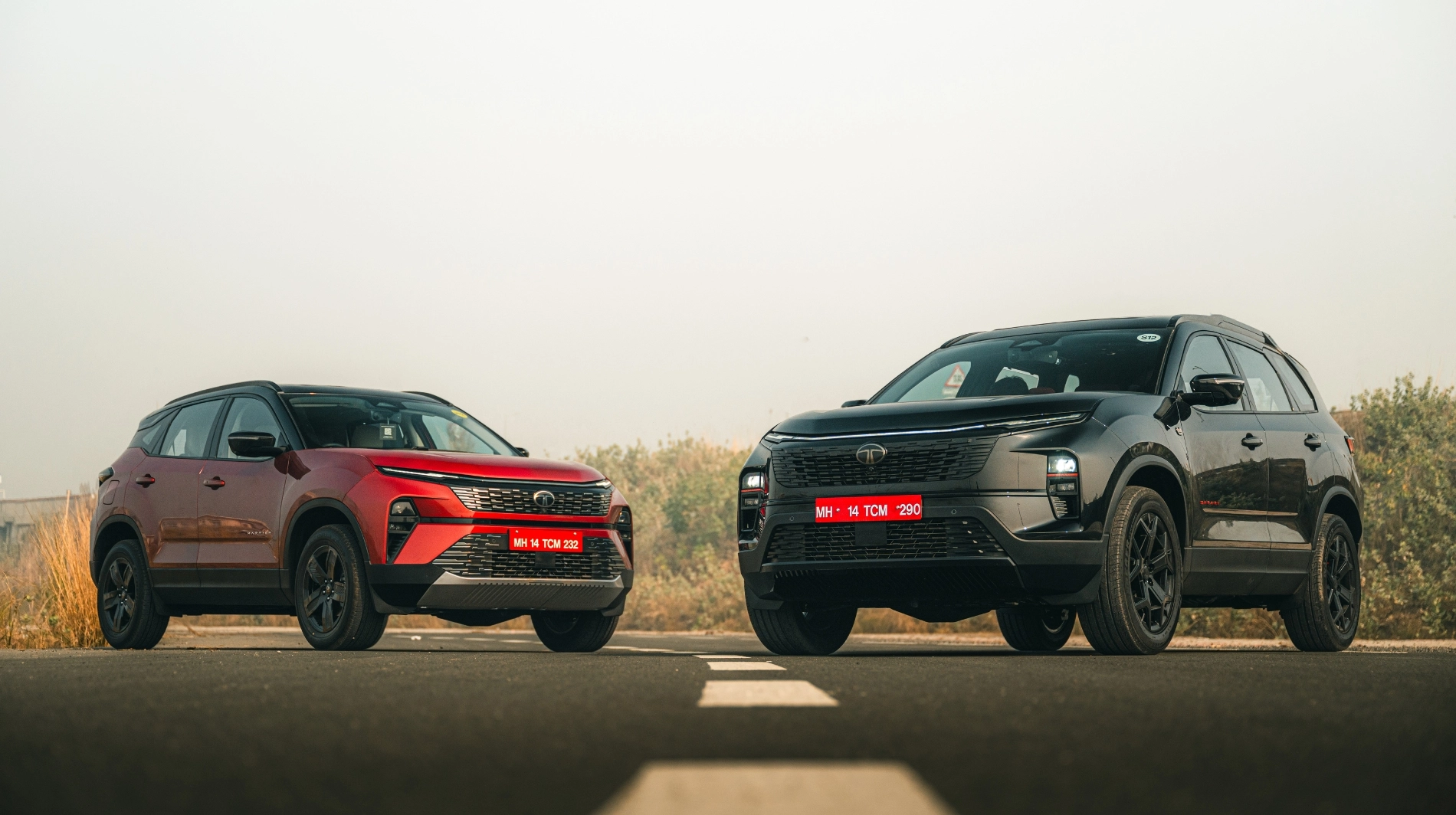
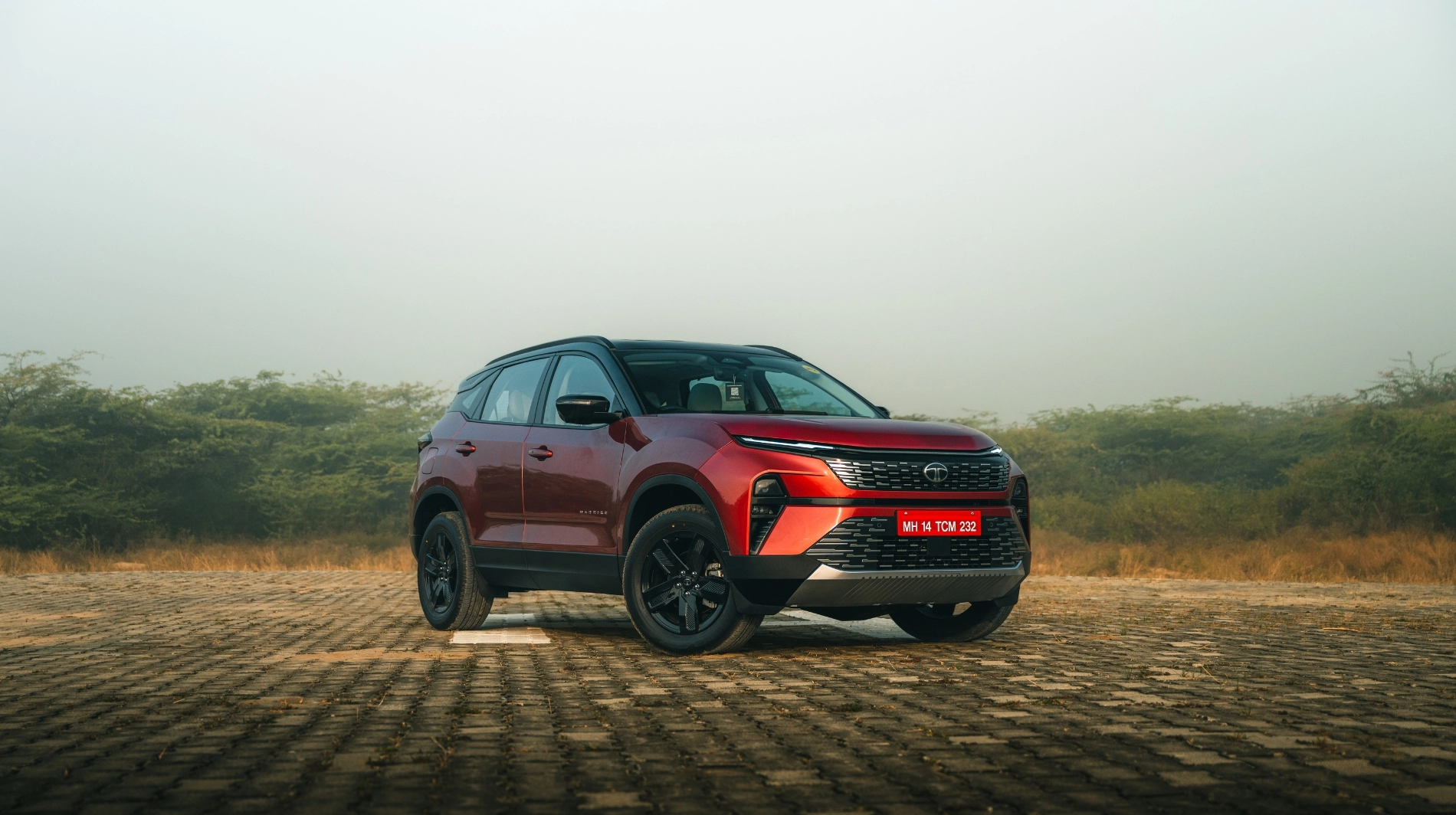
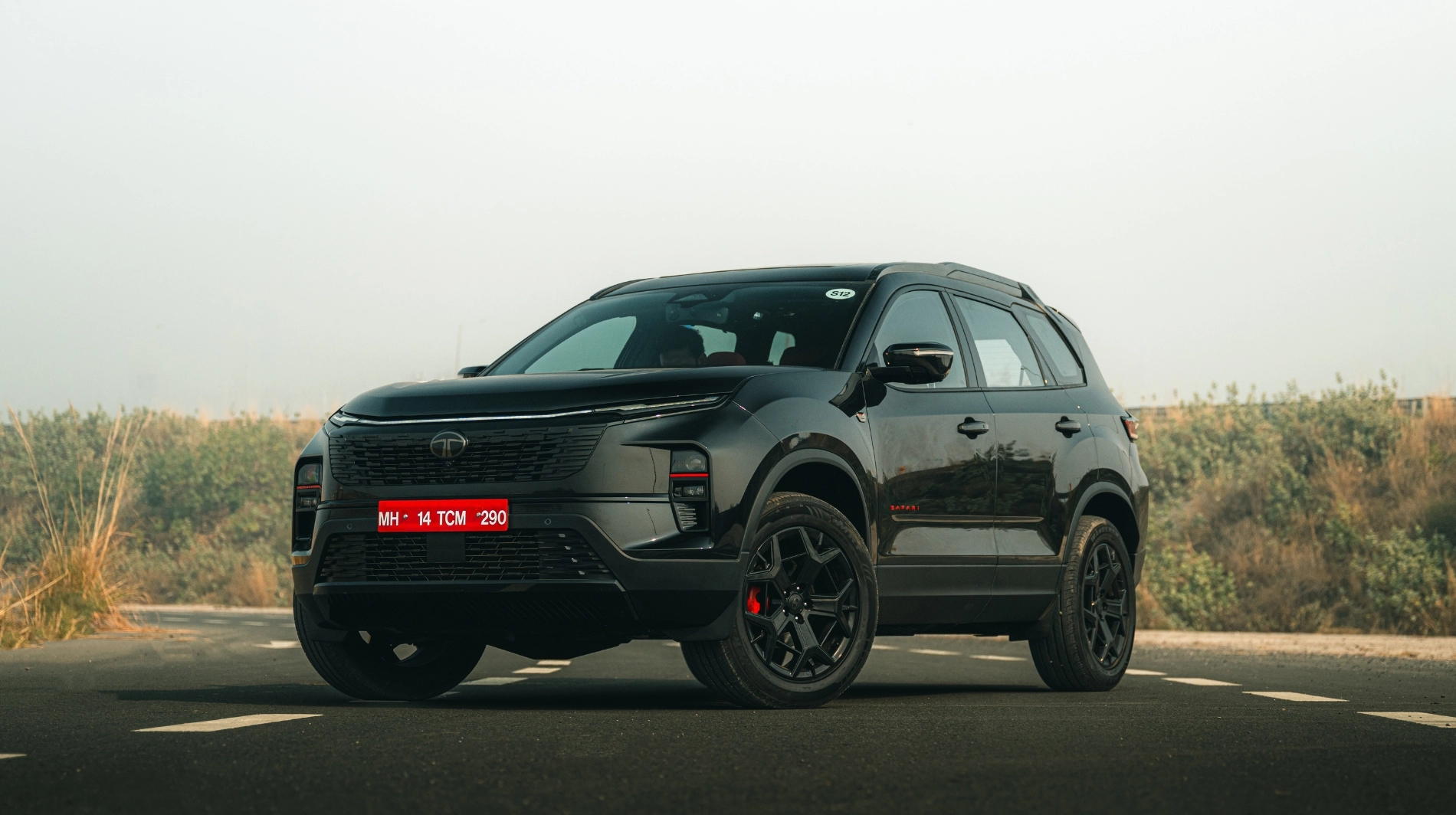
When Tata Motors invited us to drive the petrol versions of the Harrier and Safari, the obvious question was not whether a petrol engine belongs in SUVs of this size, but how Tata planned to make it work. These are large, heavy vehicles that have so far relied on diesel torque to deliver that big-SUV sense of effortlessness. A petrol engine, no matter how modern, has its work cut out here.
What makes this introduction interesting is that the engine itself isn’t new. We drove it just last month in the new Tata Sierra, where it impressed with its refinement and easy drivability. But the Harrier and Safari are a very different proposition. They are larger, heavier and expected to deliver a calmer, more sophisticated driving experience. Simply transplanting the Sierra’s engine wouldn’t have been enough.
So Tata has given this 1.5-litre 4-cylinder Hyperion turbocharged petrol a higher state of tune for its larger siblings, increasing power and torque while retaining the same underlying architecture. More importantly, while the Harrier and Safari share identical output figures, the calibration differs, tailored to their respective body weights and intended roles. The result is that both SUVs feel distinct in character rather than like two sizes of the same mechanical package.
Engine Performance: Numbers Matter Less Than Delivery
The Hyperion engine now produces 168bhp and 280Nm, a step up from the Sierra and one that’s necessary given the mass it has to move. But this isn’t an engine that impresses through numbers alone. Tata’s has clearly been working on how the performance is delivered.
Peak torque arrives early and remains available across a wide rev band, which means you’re not constantly revving to make progress. In everyday driving, the engine feels willing without feeling strained and that balance is what makes it work in these SUVs.
Around town, throttle responses are smooth and predictable, with none of the hesitation sometimes associated with turbo-petrols. There’s also a noticeable lightness to the way both SUVs move, helped by the petrol versions shedding close to 80kg compared to the diesel. The front end feels less burdened, responses are cleaner and the vehicle feels easier to place in traffic.
In the city, this makes a bigger difference than you might expect. These are still large SUVs, but they no longer feel cumbersome. You point them where you want to go, press gently, and they move smoothly and without fuss.
Out on the highway, the character changes, but not surprisingly. The engine settles into a relaxed rhythm, delivering torque in a broad, usable band rather than in a sudden surge. Overtakes don’t feel rushed or dramatic; you simply feel confident that the power is there when you need it.
Same Engine, Different Personalities
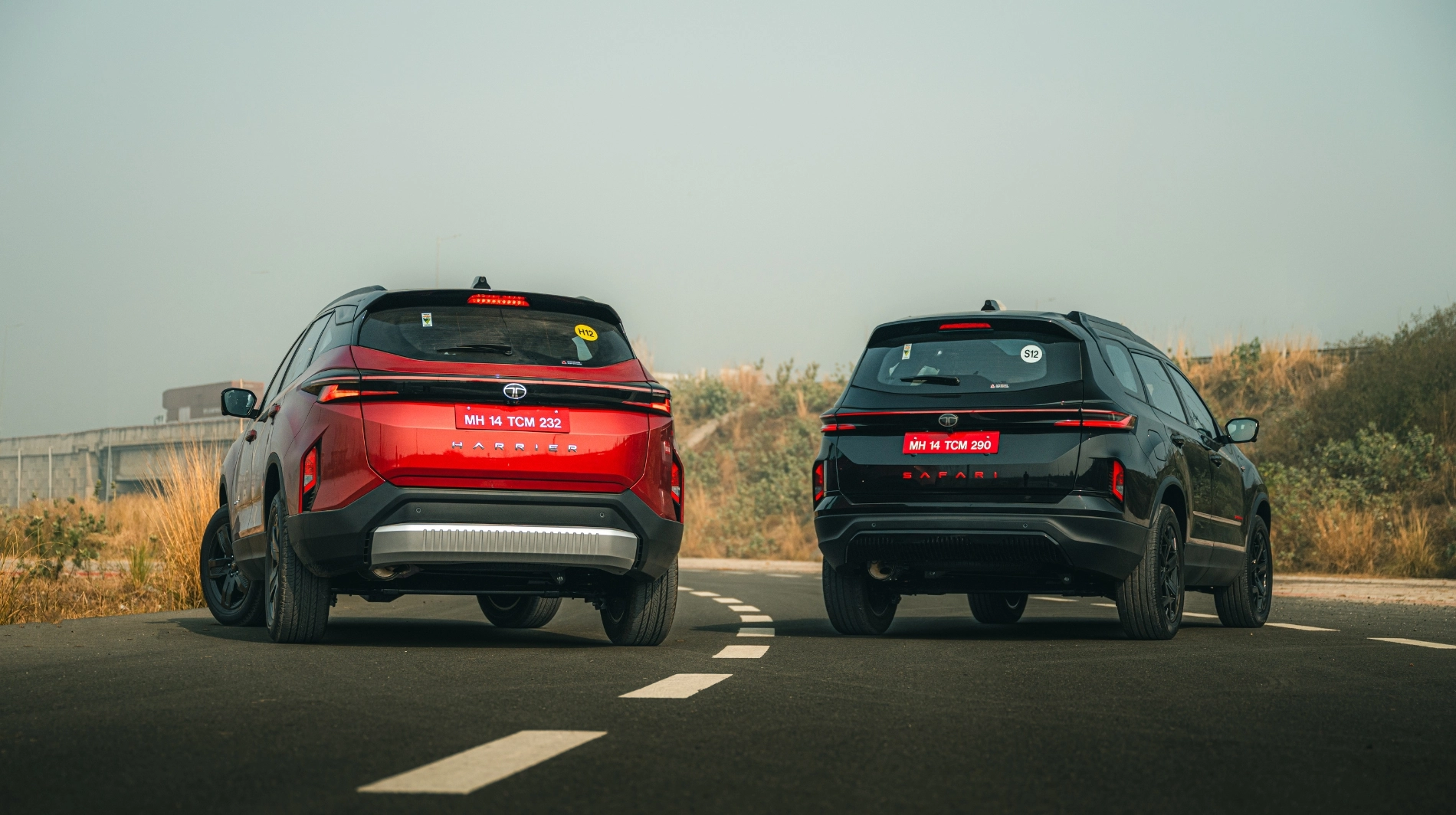
Drive the Harrier and Safari back-to-back and the calibration differences become apparent. The Harrier feels a touch more alert. Throttle responses are slightly quicker and it feels happier being driven with intent. It suits someone who wants to use it as a daily driver, even if comfort and space now take priority over outright involvement.
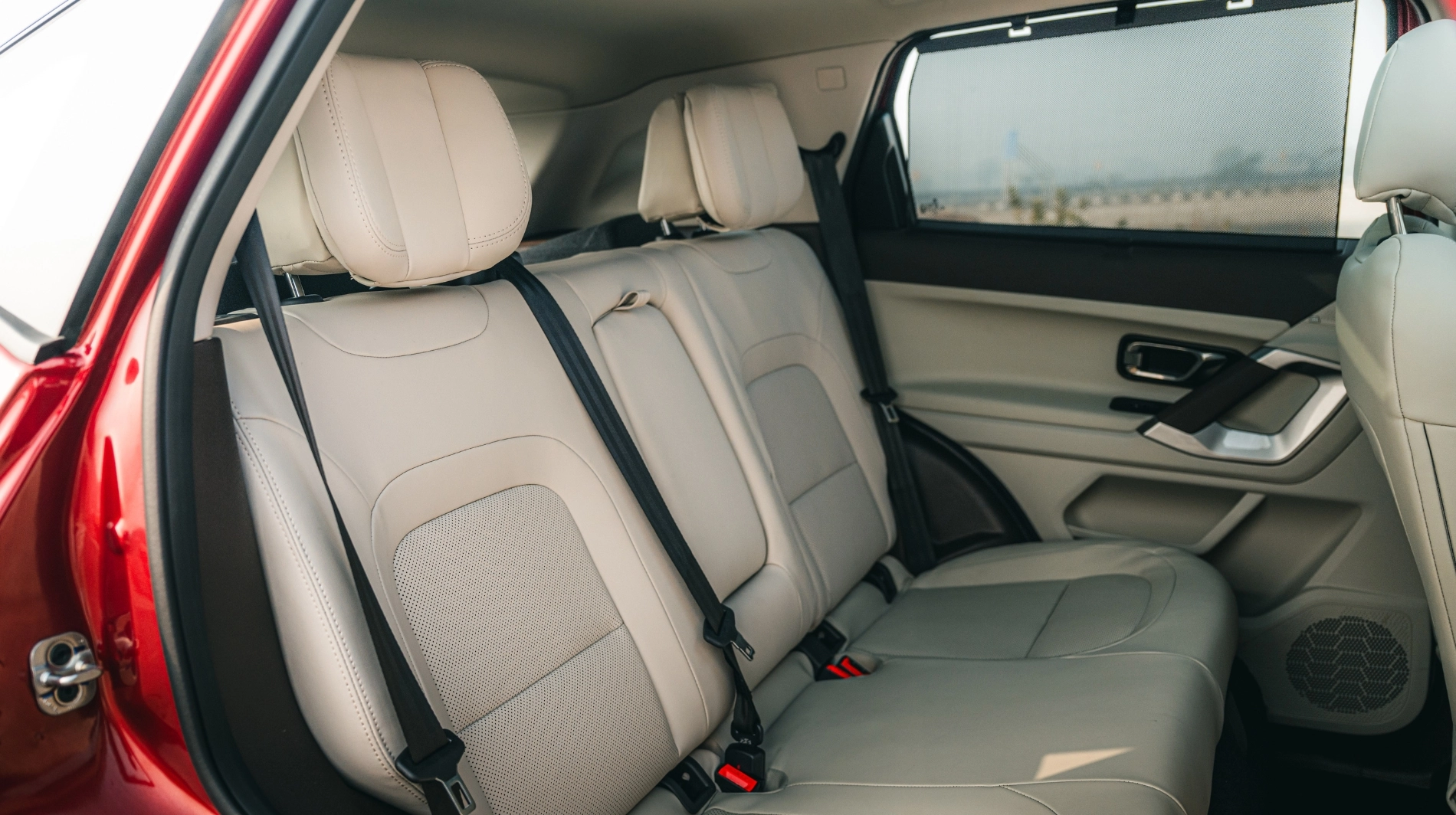
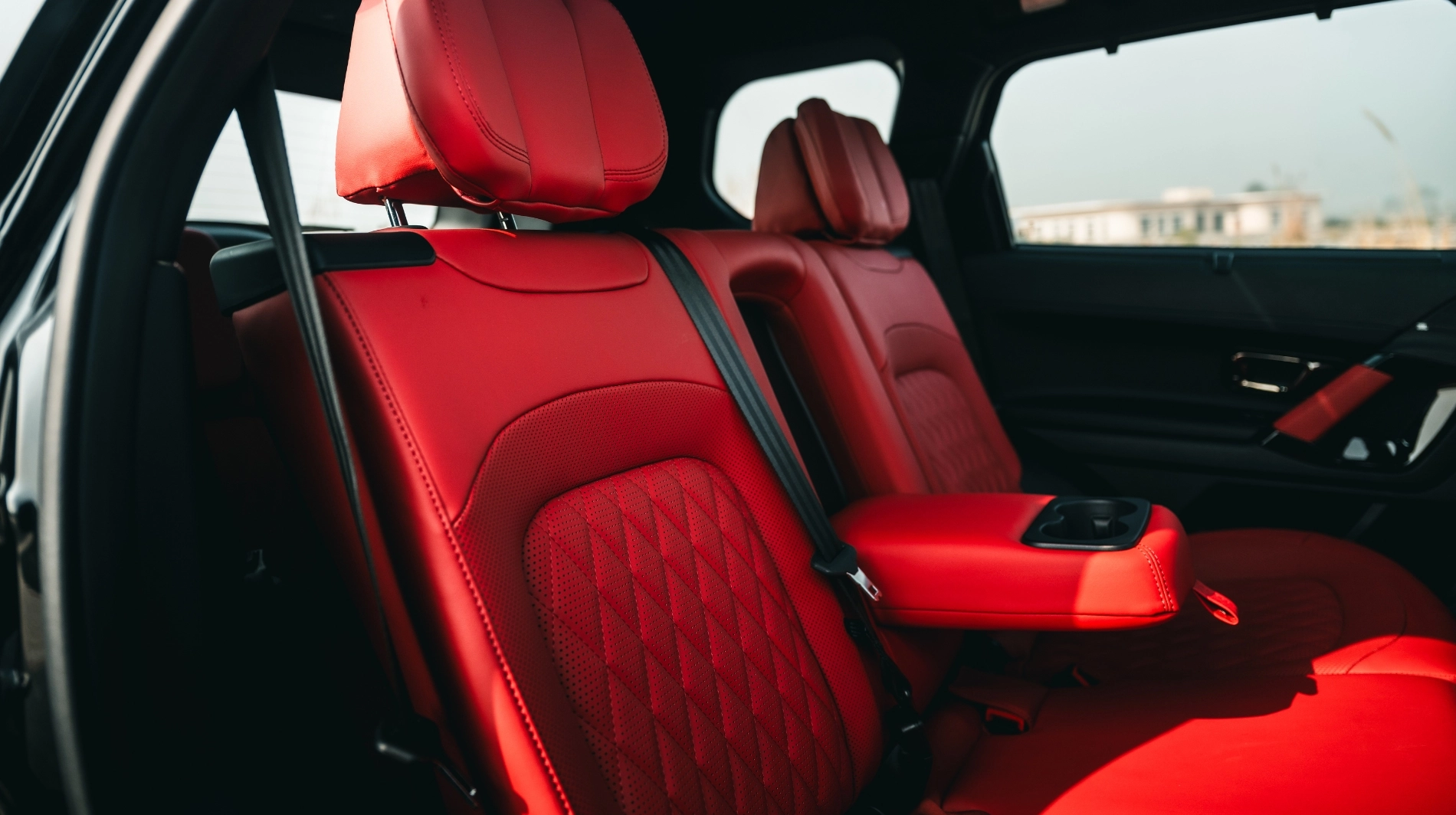
The Safari, by contrast, feels more mature. Tata has clearly prioritised smoothness and composure, especially with a full load of passengers. It builds speed steadily which is exactly what you want in a three-row family SUV. Neither feels underpowered and neither feels stressed at highway speeds; they simply feel well matched to their respective roles.
Best Left to Its Own Devices
The driving experience isn’t defined by the new engine alone. A large part of it comes from the 6-speed automatic transmission sourced from Aisin, Japan.
This is not a gearbox designed provide lightning-fast shifts or sporty behaviour. Instead, it’s been chosen for its smoothness, reliability and predictability qualities that matter far more in SUVs like these. In everyday driving, shifts are almost imperceptible and the gearbox works with the engine rather than against it.
It seems to instinctively know when to upshift early to preserve refinement, or hold a gear slightly longer when you ask for more. Kickdown responses are prompt without being dramatic and there’s none of the constant gear-hunting that can plague turbo-petrol automatics.
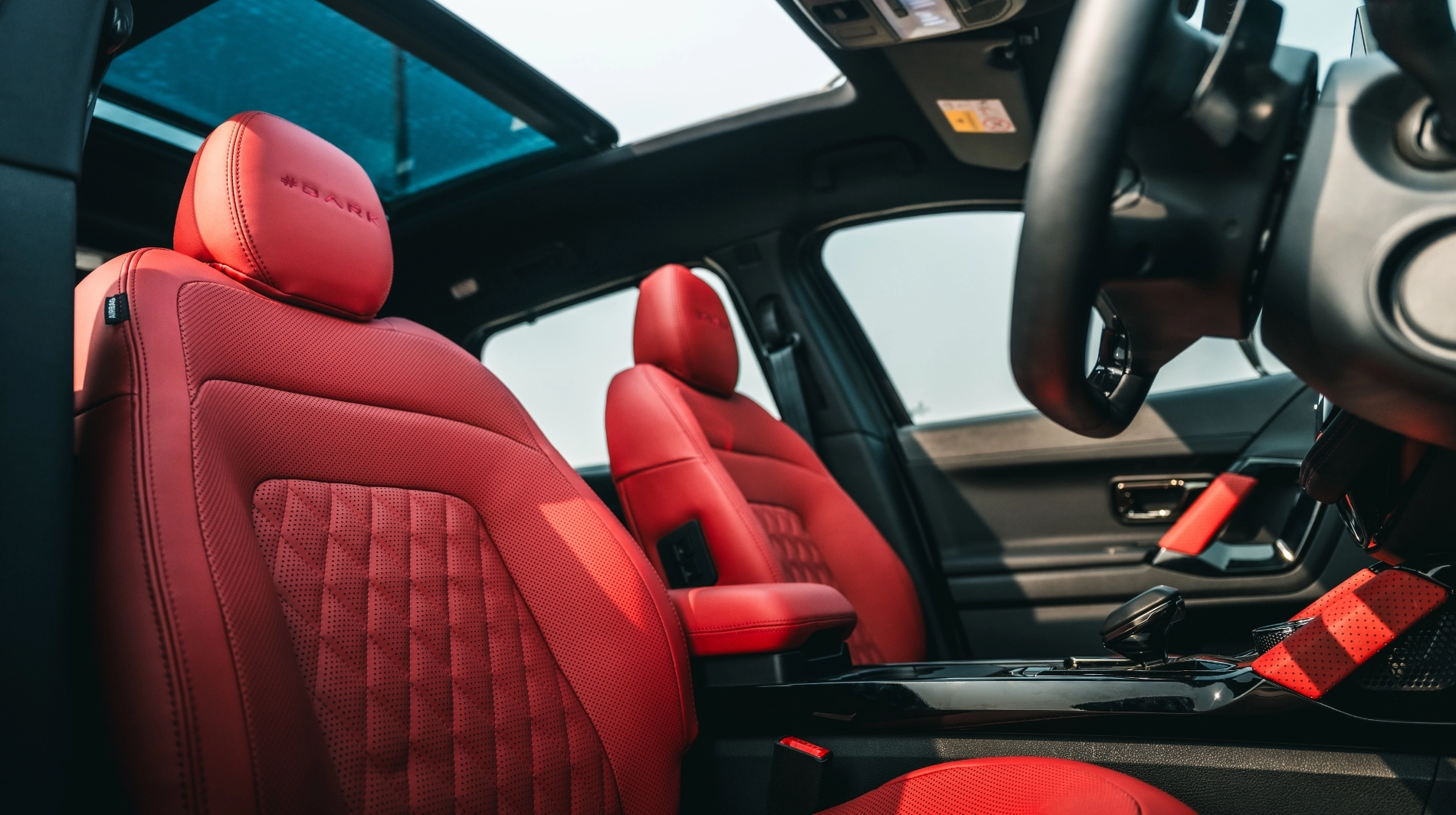
You do get paddle shifters, which switch the drive mode to what Tata calls Boost mode, but they feel like an afterthought. The paddles themselves are thin plastic pieces that feel out of place in an otherwise premium cabin. More importantly, the gearbox doesn’t particularly enjoy being overridden. It hesitates, occasionally refuses shifts based on rev limits and often responds in ways you don’t expect. In short, this is a gearbox that works best when you don’t interfere.
A Clear Step Forward
One of the biggest highlights of the petrol Harrier and Safari is just how quiet they are. Tata claims a significant improvement in NVH and from behind the wheel, that claim feels entirely believable.
At idle, the engine is barely audible. Under acceleration, noise levels remain well controlled, never intruding into the cabin. Push harder and there’s a faint raspy note that adds some character without breaking the calm. At cruising speeds, the powertrain fades into the background, allowing you to focus on the drive rather than the machinery.
This level of refinement doesn’t come by accident. It’s the result of careful insulation, revised engine mounting and extensive real-world testing. The result is a petrol SUV that genuinely feels more premium in the way it goes about its business, not just in the features it offers.
Impressive, With Small Real-World Caveats
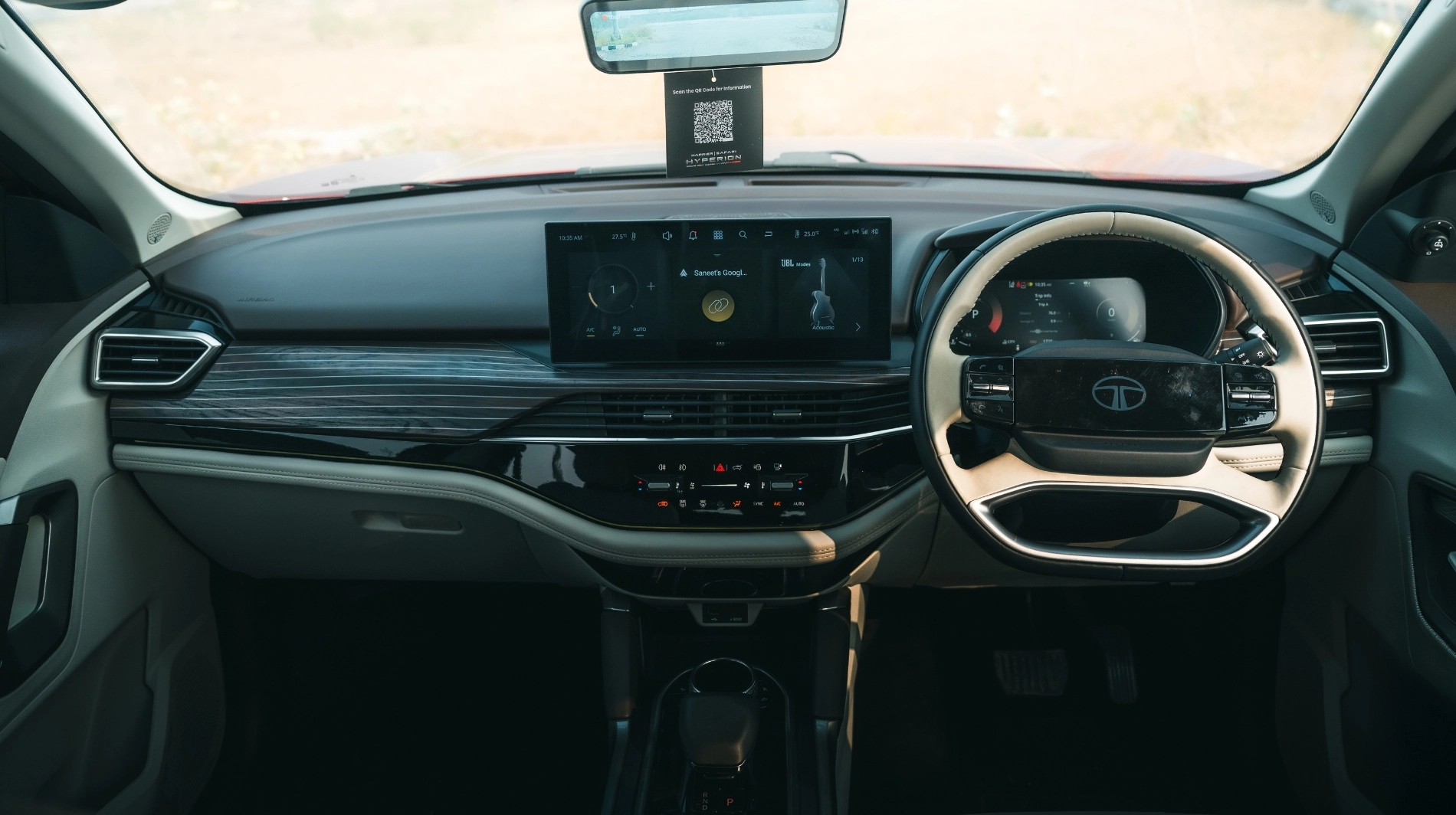
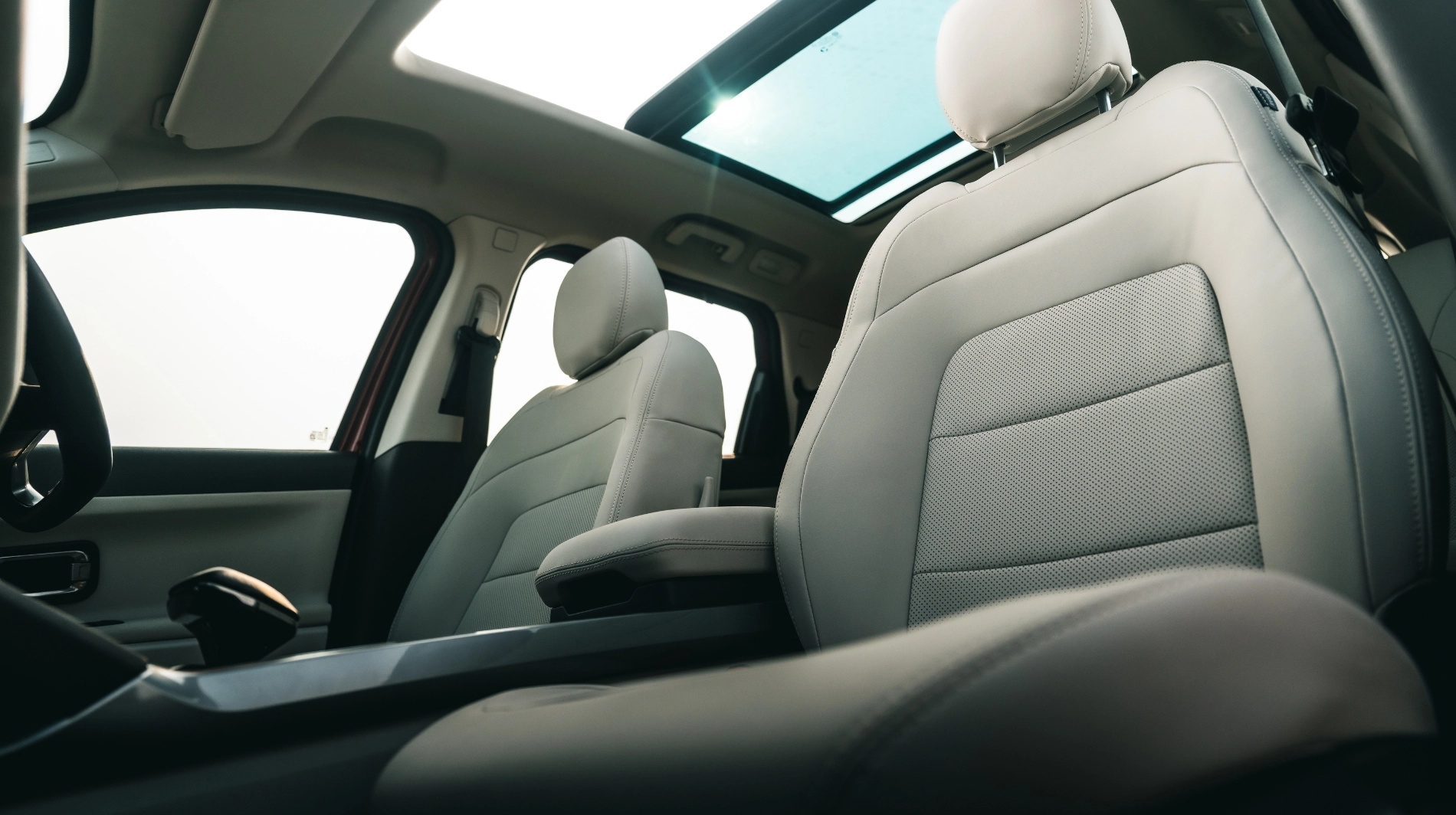
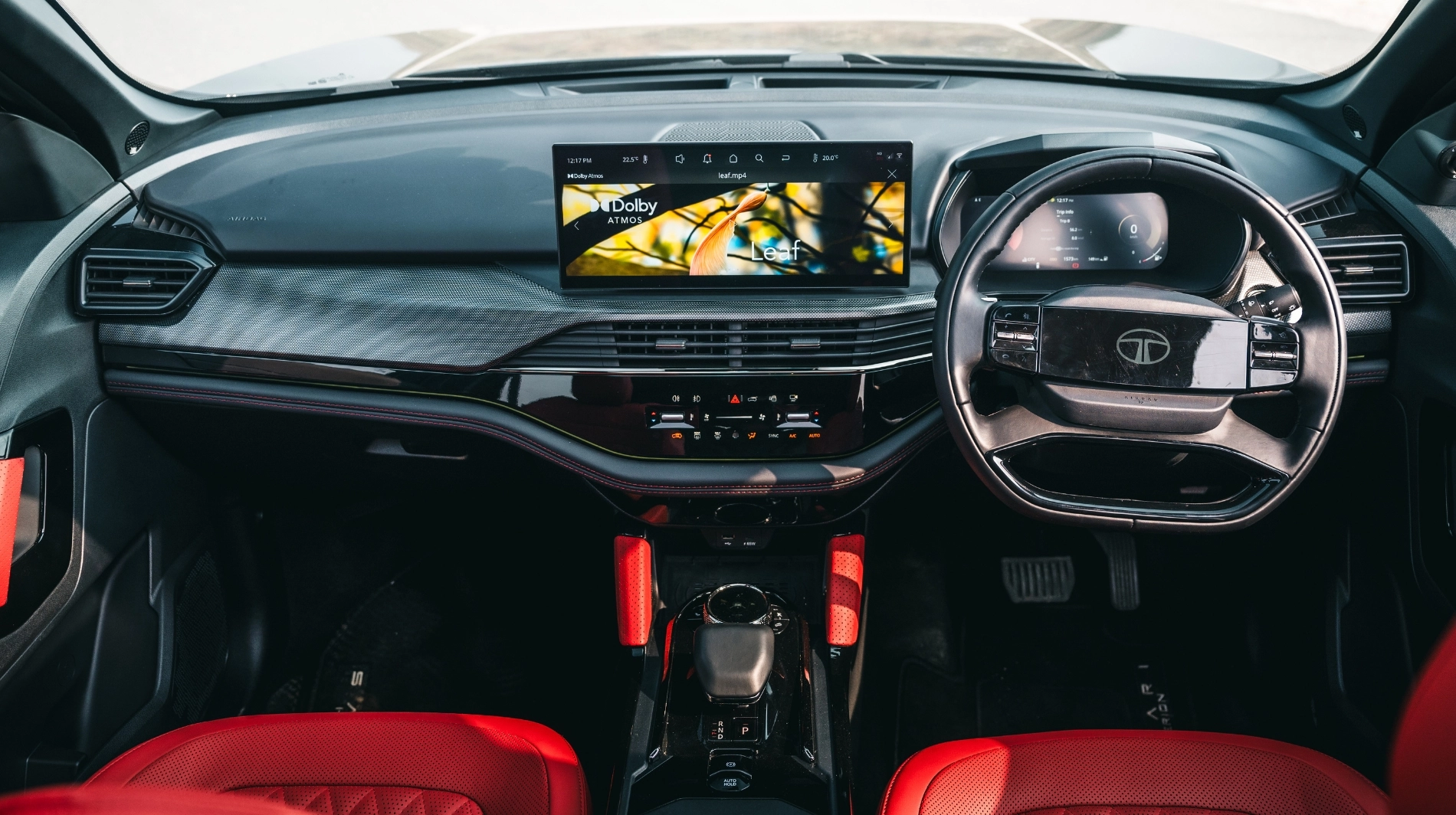
The powertrain isn’t the only update. Step inside the Harrier or Safari and the 14.5-inch infotainment screen by Harman, powered by Samsung’s Neo QLED technology, becomes the visual centrepiece of the cabin. In use, it’s sharp, crisp and fluid, with quick responses and clean graphics. Navigation maps are easy to read, camera feeds are high res and the interface is intuitive enough that you don’t find yourself hunting through menus.
Spending time with the car on a hot Delhi afternoon did reveal one small quirk, though. After extended use, the screen gets noticeably warm to the touch. It didn’t affect performance or responsiveness during our drive, but it’s something you become aware of, particularly because the rest of the cabin does such a good job of isolating you from heat and noise.
The JBL audio system with Dolby Atmos is far easier to like. Straight out of the box, it sounds well balanced, with little need to adjust the equaliser. Bass is controlled, vocals are clear and even at higher volumes, there were no rattles or vibrating panels. Turn it up and it simply gets louder, not messier, which makes long drives genuinely enjoyable.
Mirrors, Cameras and Everyday Use
The digital IRVM with the integrated dashcam and DVR works exactly as intended. The image quality is clear and stable and the built-in dashcam means you’re not looking to add an aftermarket solution later. It still takes some getting used to, not just here, but even in much more expensive SUVs like the Range Rover but once the SUVs boot is fully loaded, its advantage becomes obvious. Rear visibility remains completely unaffected.
The memory ORVMs are more immediately intuitive. The auto reverse-dip function works well and makes parking these large SUVs less intimidating. One thing to remember, though, is that mirror positions need to be saved along with the seat memory. We forgot to do this initially in the Safari and every time reverse was engaged, the mirrors dipped and stayed there, forcing manual readjustment. Once set correctly, the system works as intended.
Finally, the camera washers for both front and rear cameras are one of those features you only truly appreciate in real-world conditions. Dust, slush and grime can render camera systems useless far quicker than you’d expect and having washers neatly integrated into the bodywork means visibility is restored at the press of a button. It’s a simple, practical addition and one that feels particularly well-suited to Indian driving conditions.
Where This Leaves the Harrier and Safari
What Tata has done with the petrol automatic Harrier and Safari is all about refinement and entering a segment they were a part of 5-years ago. By taking a familiar engine, giving it a higher state of tune, calibrating it intelligently for two different SUVs and pairing it with a smooth, proven automatic gearbox, Tata has changed the way its flagship SUVs feel without changing what they fundamentally are. For buyers who prioritise ease of use, quietness and everyday comfort over sheer torque, this new petrol automatic setup may well be the most rounded version of the Harrier and Safari yet.
Tata Harrier & Safari Petrol Automatic – Specs
Engine
1.5-litre, 4-cylinder turbo-petrol (Hyperion)
Max power
168bhp @ 5,000rpm
Max torque
280Nm @ 2,000–3,000rpm
Transmission
6-speed torque converter automatic (Aisin)