Not the SUV that impresses instantly, but one that rewards you over time
7/10
For
Still one of the most rewarding SUVs to drive in its segment.
Against
Misses out on key features and the immediate appeal that rivals offer.
It is worth asking a simple question at the start. What do most SUVs today try to do? They try to impress. Quickly!
Within the first few minutes, you are expected to notice the large screens, the feature list, the ride's softness, and the ease with which the car goes about its job. It is all designed to make a strong first impression, because in this segment, that matters. The Taigun has never really played that game. And honestly, with this new facelift, it still doesn’t.
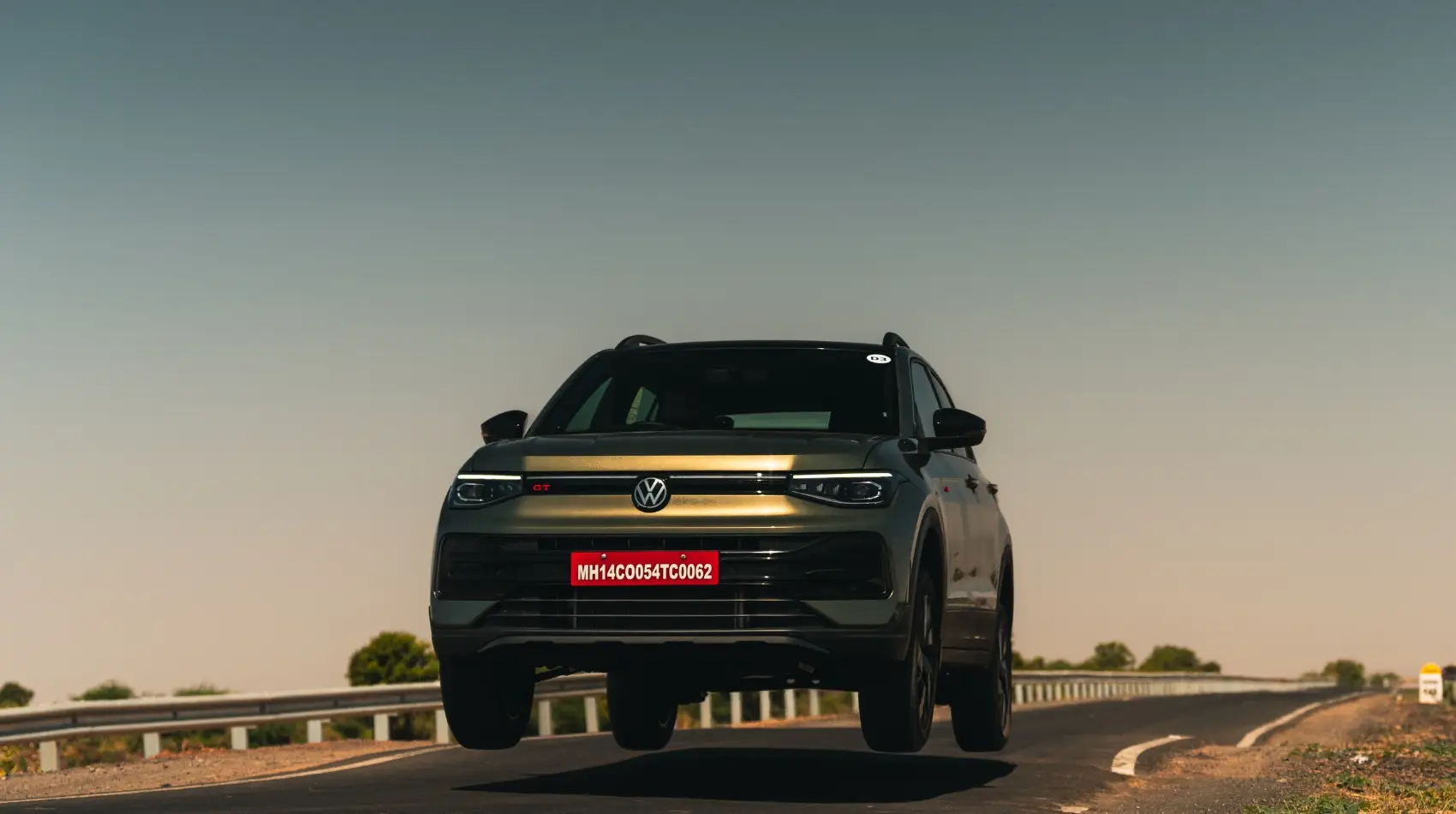
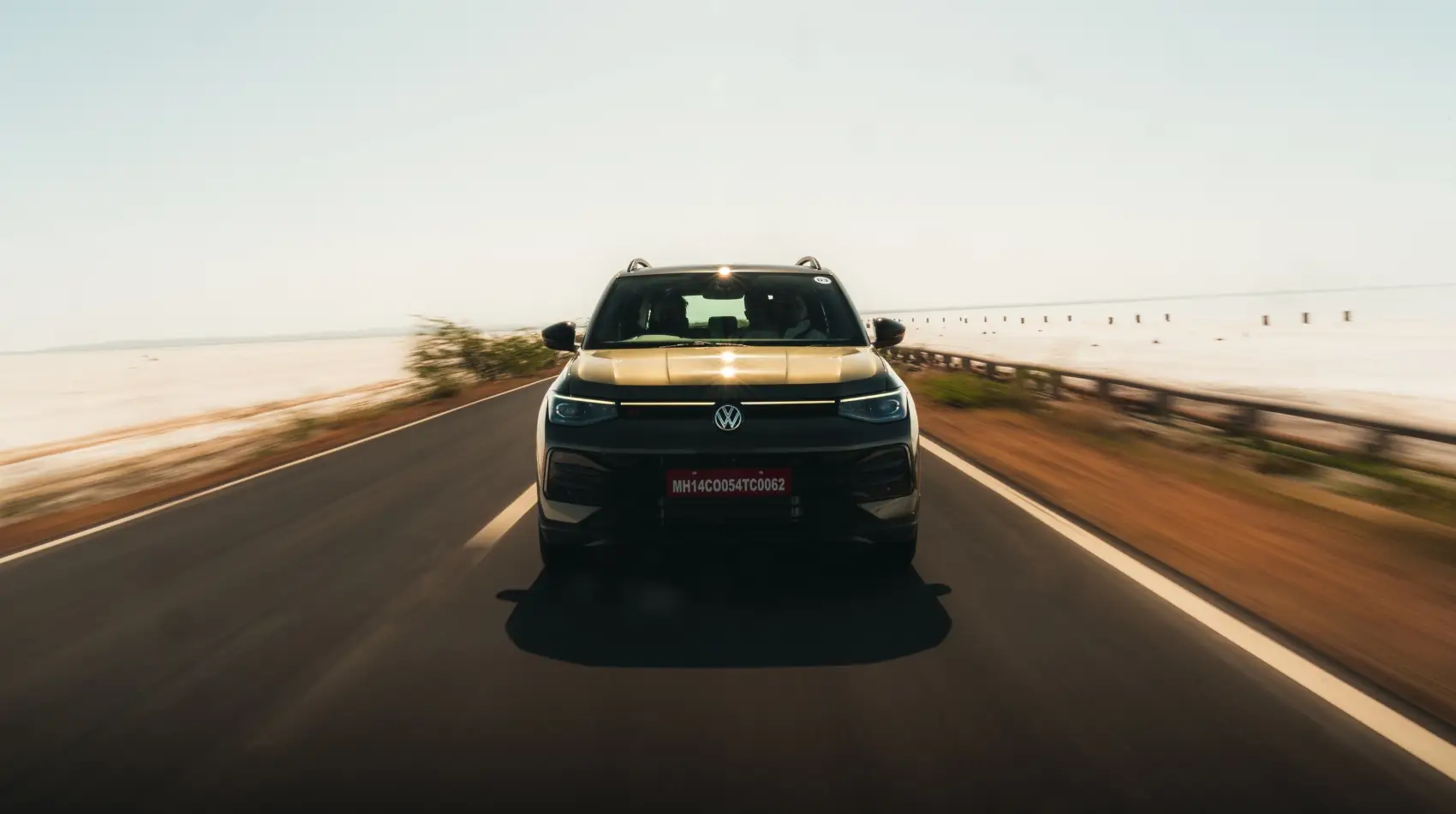
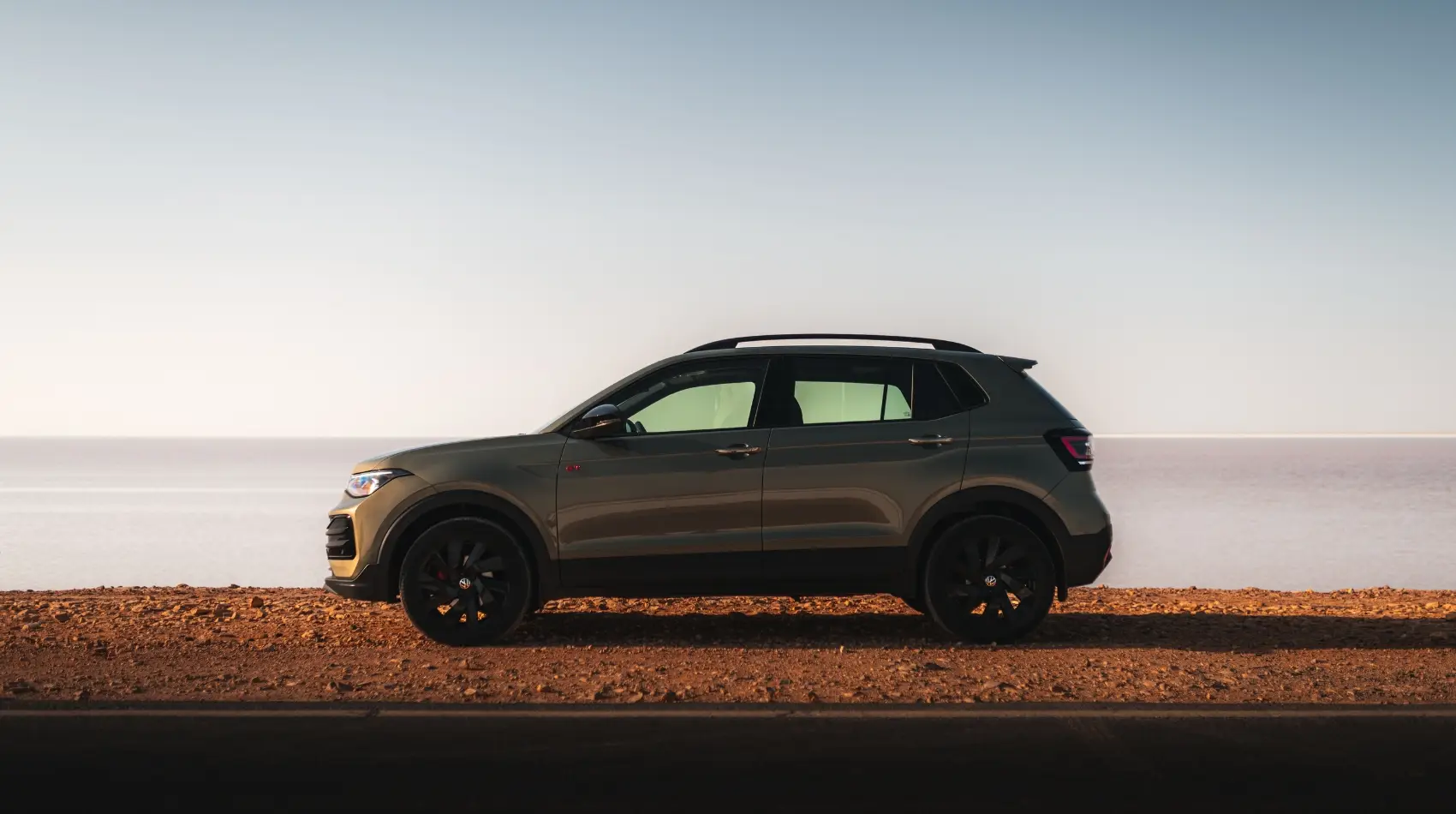
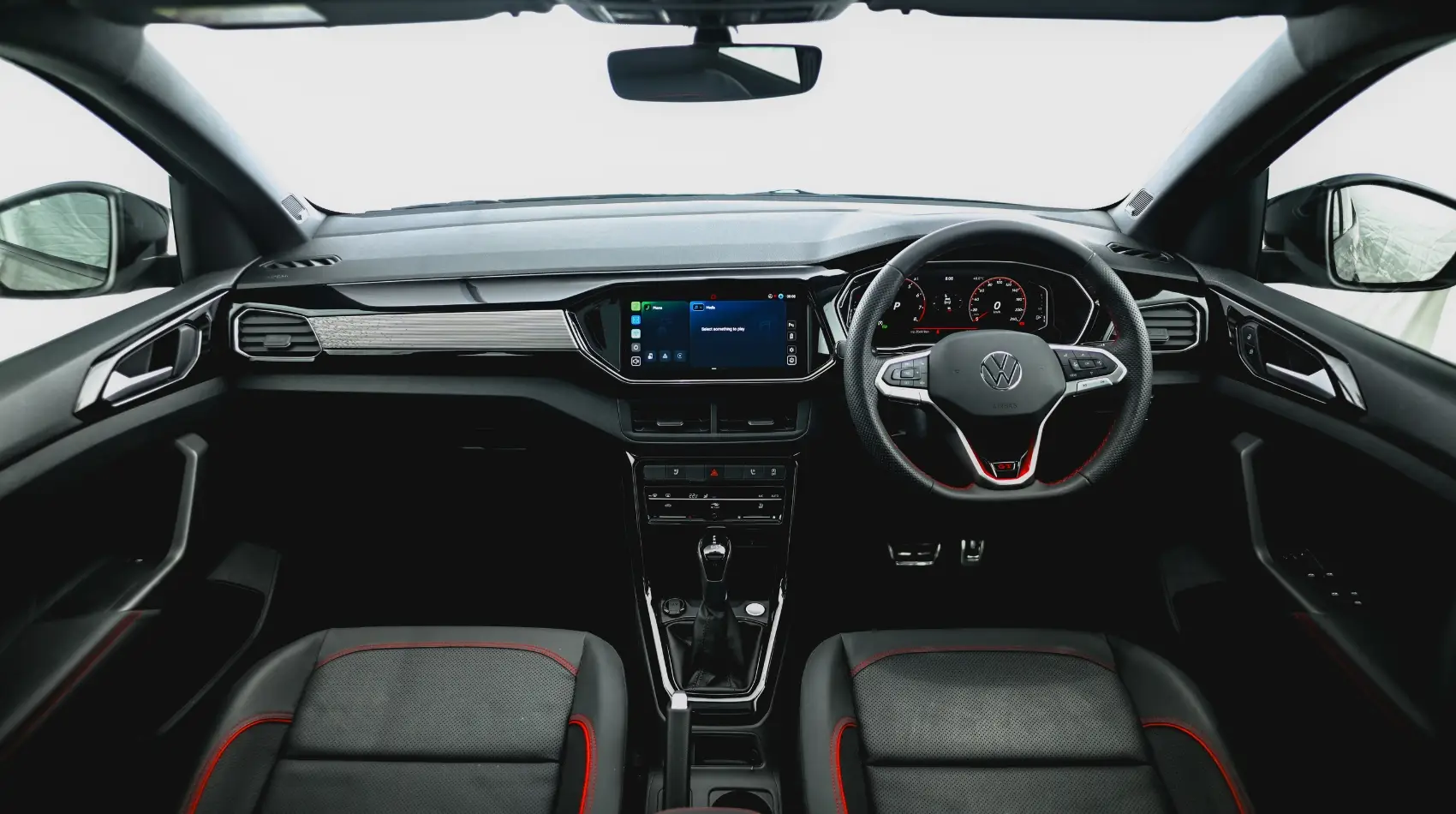
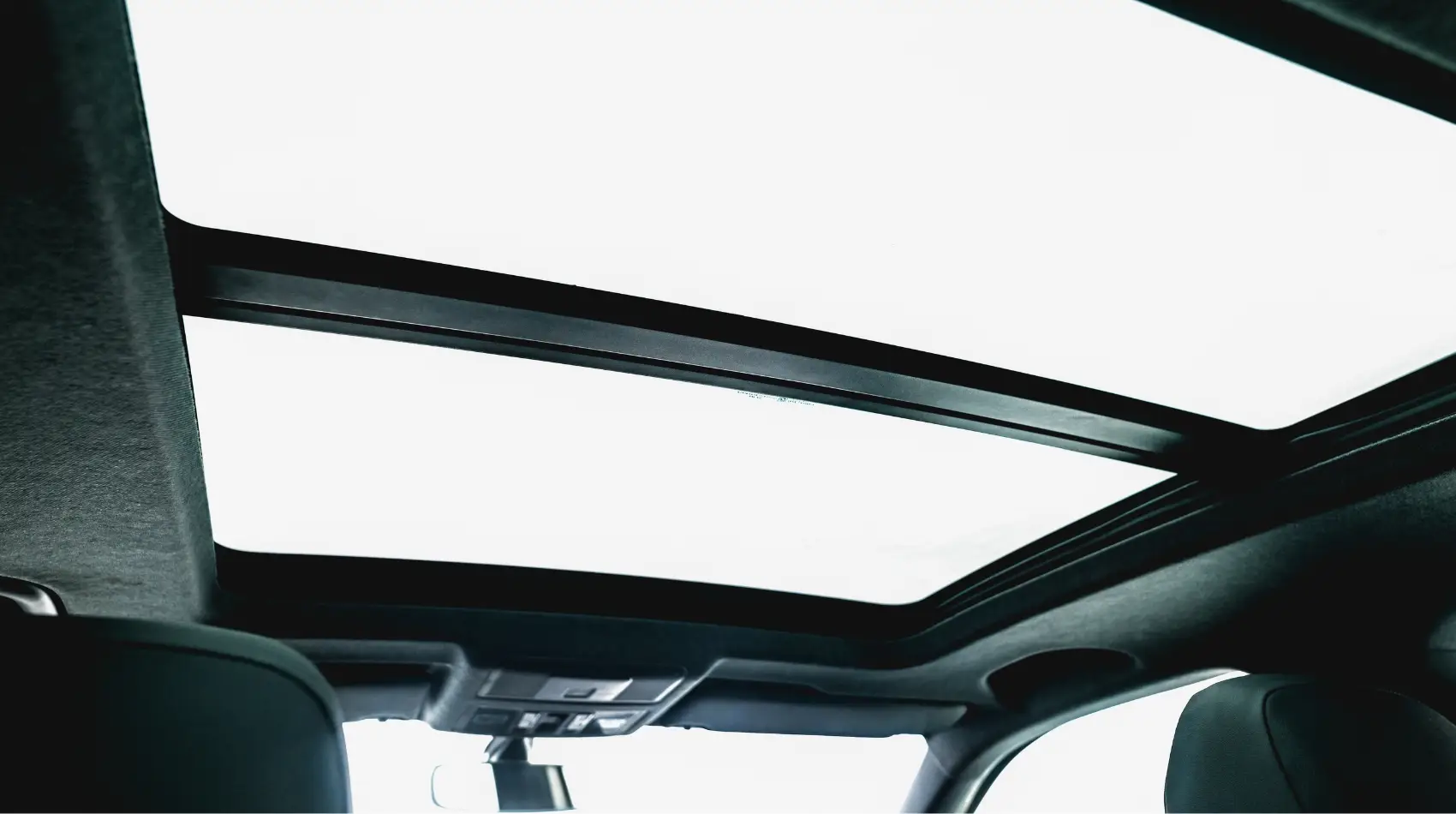
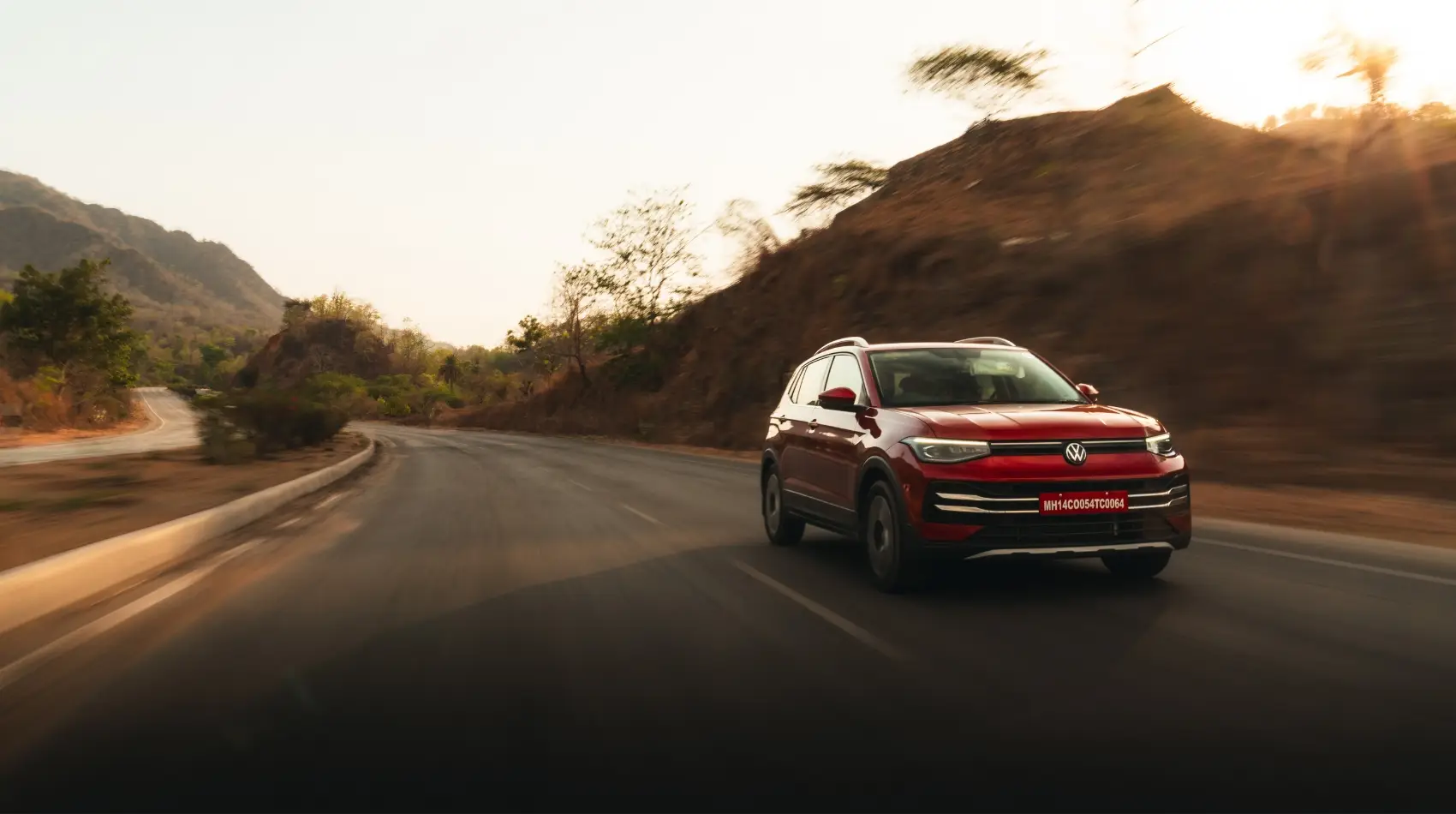
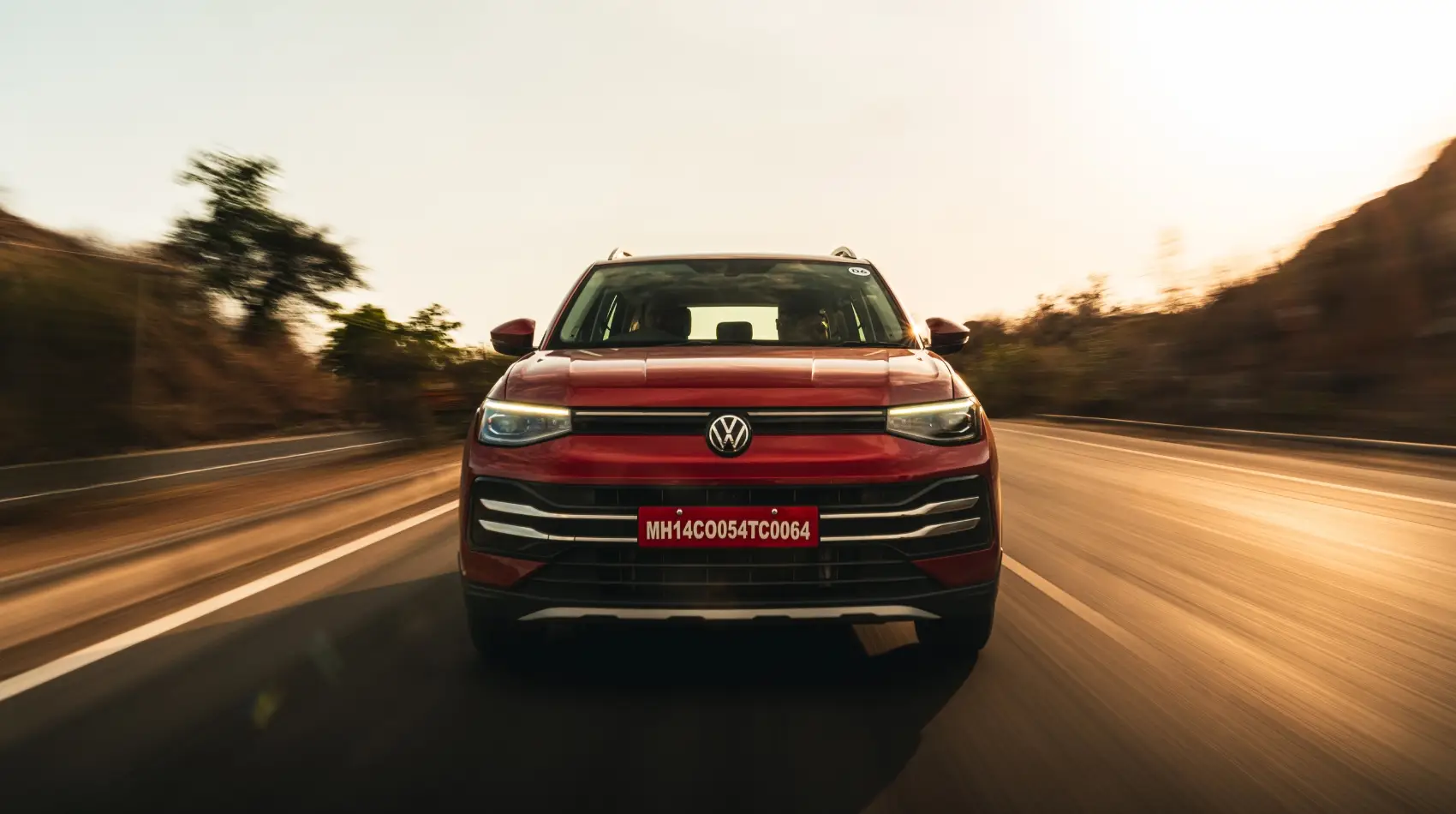
At first glance, not much has changed. There are visual updates, yes—a light band across the grille, illuminated logos, updated LED signatures and a slightly refreshed stance. Inside, there is a larger digital cockpit, a panoramic sunroof and a more modern interface. It feels fresher, more current, more aligned with what buyers now expect. But spend a little time with it, and you realise that the real changes are not immediately visible. Because this is still very much the same Taigun underneath, and that is both its strength and its challenge.
Where it still gets it right
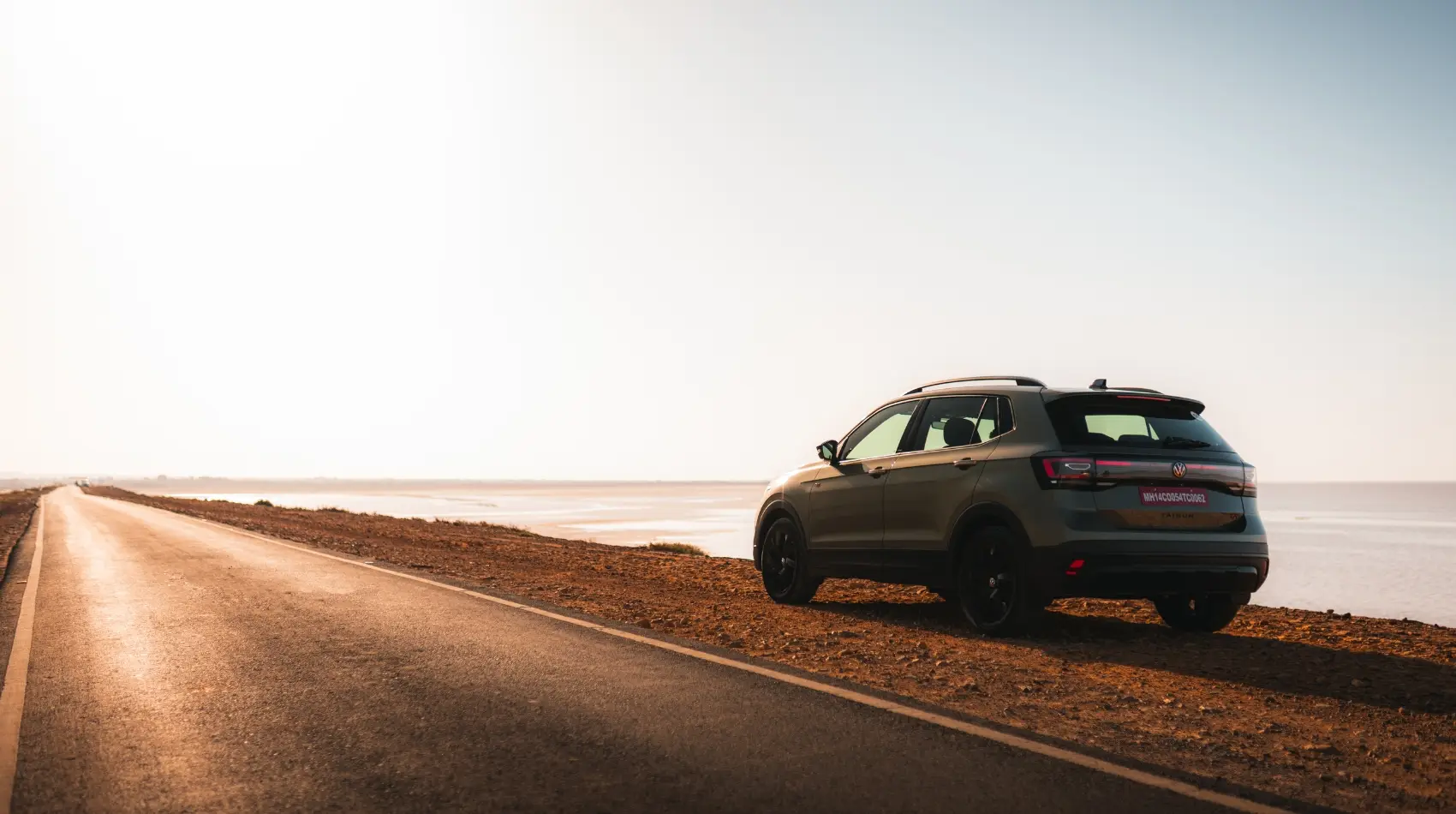
We drove it across a mix of terrain from Bhuj to Dholavira and further on towards Udaipur. Long, open highways, broken patches, uneven surfaces and stretches that demand more from the car than a typical urban commute ever would. Roads like these don’t take long to show you what a car is really like. And within a few kilometres, the Taigun begins to make sense again.
There is a precision to the way it responds that is increasingly rare in this segment, thanks to the MQB A0 IN platform. Turn the steering wheel and the front end reacts immediately. It responds instantly, with none of the softness you often get in this segment.
Once you are in a corner, it settles into a line and holds it without requiring constant correction. You are not making small adjustments to keep it where you want it. It simply stays there. There is a sense of composure that builds confidence, and that confidence encourages you to keep driving. The chassis plays a significant role in this.
Firm, but fundamentally sorted
Yes, the ride is on the firmer side. Broken patches and sharp edges are more noticeable than they would be in something tuned primarily for comfort. But it never feels unsettled. The car absorbs the impact, regains composure quickly and continues without fuss.
In fact, the faster you go, the better it begins to feel. On open roads, there is a planted quality to its movement. It feels tied down, stable and secure in a way that many softer SUVs do not. This is where the Taigun starts to stand apart.
Drive something Korean or Indian in the segment immediately after this, and the difference becomes clear. Those cars feel softer, lighter and easier at lower speeds. They are designed to impress quickly. But as speeds rise, they do not quite offer the same level of confidence or composure. The Taigun takes longer to reveal its strengths, but when it does, they are more fundamental.
Clear split in character
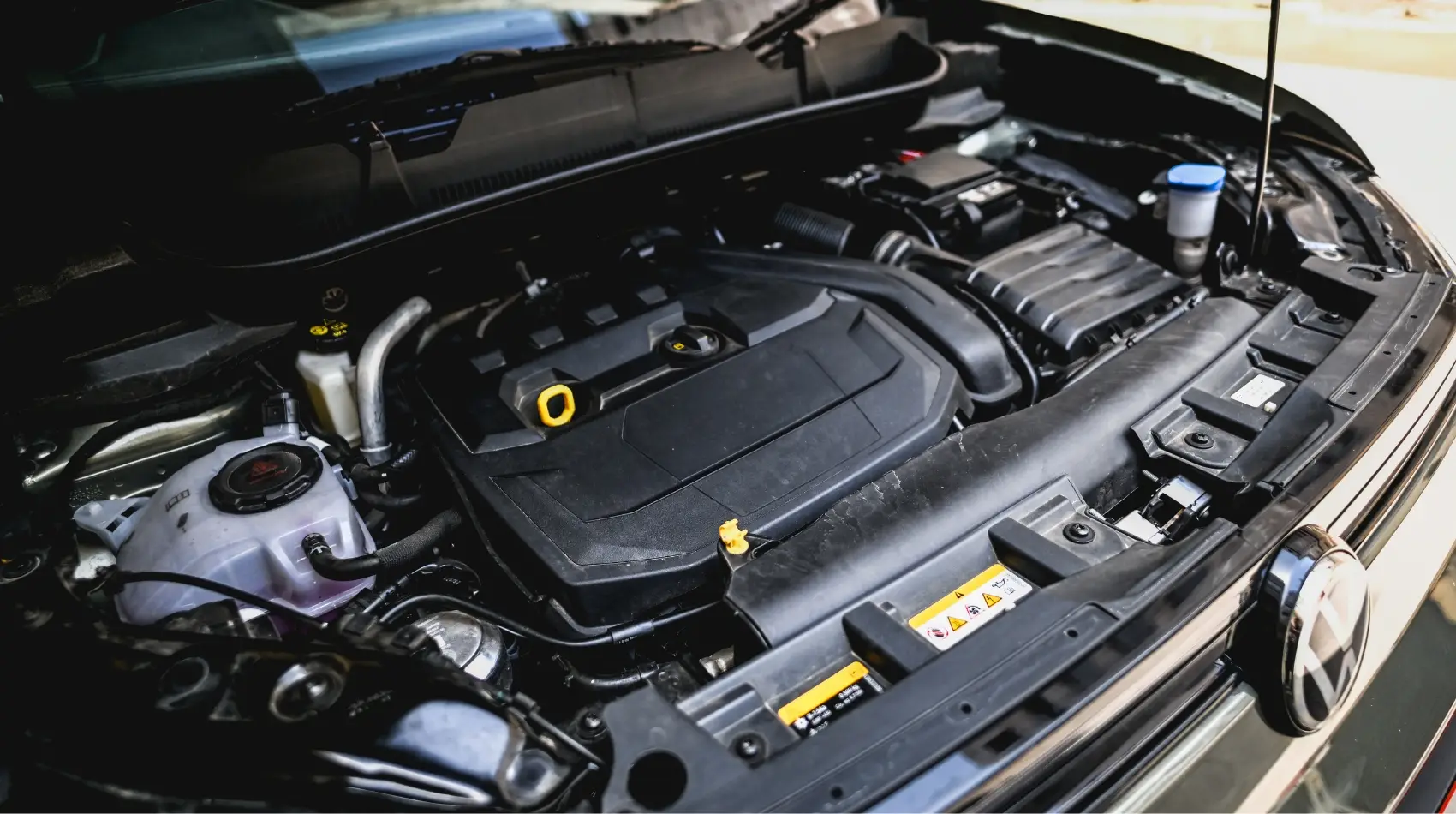
Under the bonnet, the familiar engine options continue. The 1.5-litre TSI remains the defining unit for those who enjoy driving. It produces 148bhp and 250Nm of torque and the way it delivers that performance is what makes it special.
There is a strong mid-range, a clean pull through the rev range and enough top-end to keep things engaging. You lean into the throttle, and the engine responds with intent. It does not feel strained or overworked. It feels willing.
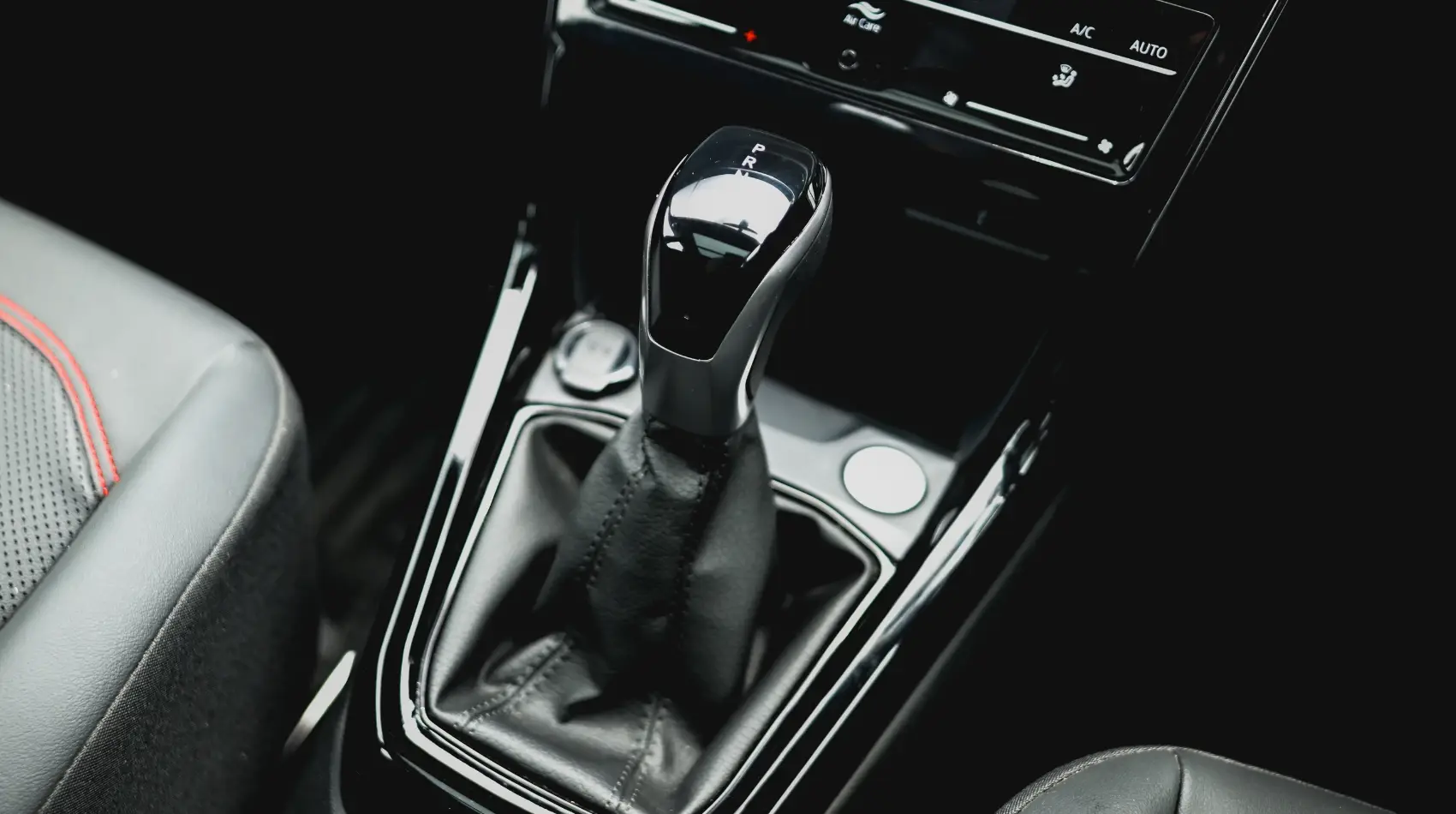
The DSG gearbox complements this character well. Shifts are quick and largely seamless, happening in the background without interrupting the car's flow. It is not just about speed; it is about maintaining rhythm, and in that sense, the gearbox does its job very effectively.
The 1.5-litre engine also benefits from cylinder deactivation technology, which helps improve efficiency during steady cruising. It operates seamlessly, and most drivers will not notice it in action.
The more significant change, however, is with the 1.0-litre TSI. This engine now comes paired with a new 8-speed torque converter automatic gearbox, replacing the earlier 6-speed unit. On paper, this is a move aimed at improving efficiency and refinement. In practice, it changes the car's character quite noticeably.
In city conditions, the new gearbox feels smoother. It creeps more naturally in traffic, is less abrupt at low speeds and generally requires less attention from the driver. It makes the car easier to live with daily. However, when you begin to push it, the difference becomes apparent.
It does not react as sharply as before. There is a slight delay when you demand more performance, and the overall response feels more relaxed. This is not necessarily a drawback. It is simply a different approach.
The distinction between the two engine options is now clearer than ever. The 1.0-litre automatic is for those who prioritise ease of use and everyday comfort. The 1.5-litre DSG, on the other hand, remains the choice for those who value driving engagement.
Steering, as always, is one of the Taigun’s strengths. It is precise and predictable, allowing you to place the car accurately on the road. There is consistency in the way it responds, which adds to driver confidence. At higher speeds, however, a little more weight would have been welcome. The precision is there, but additional heft would have enhanced the sense of connection.
More kit, same philosophy
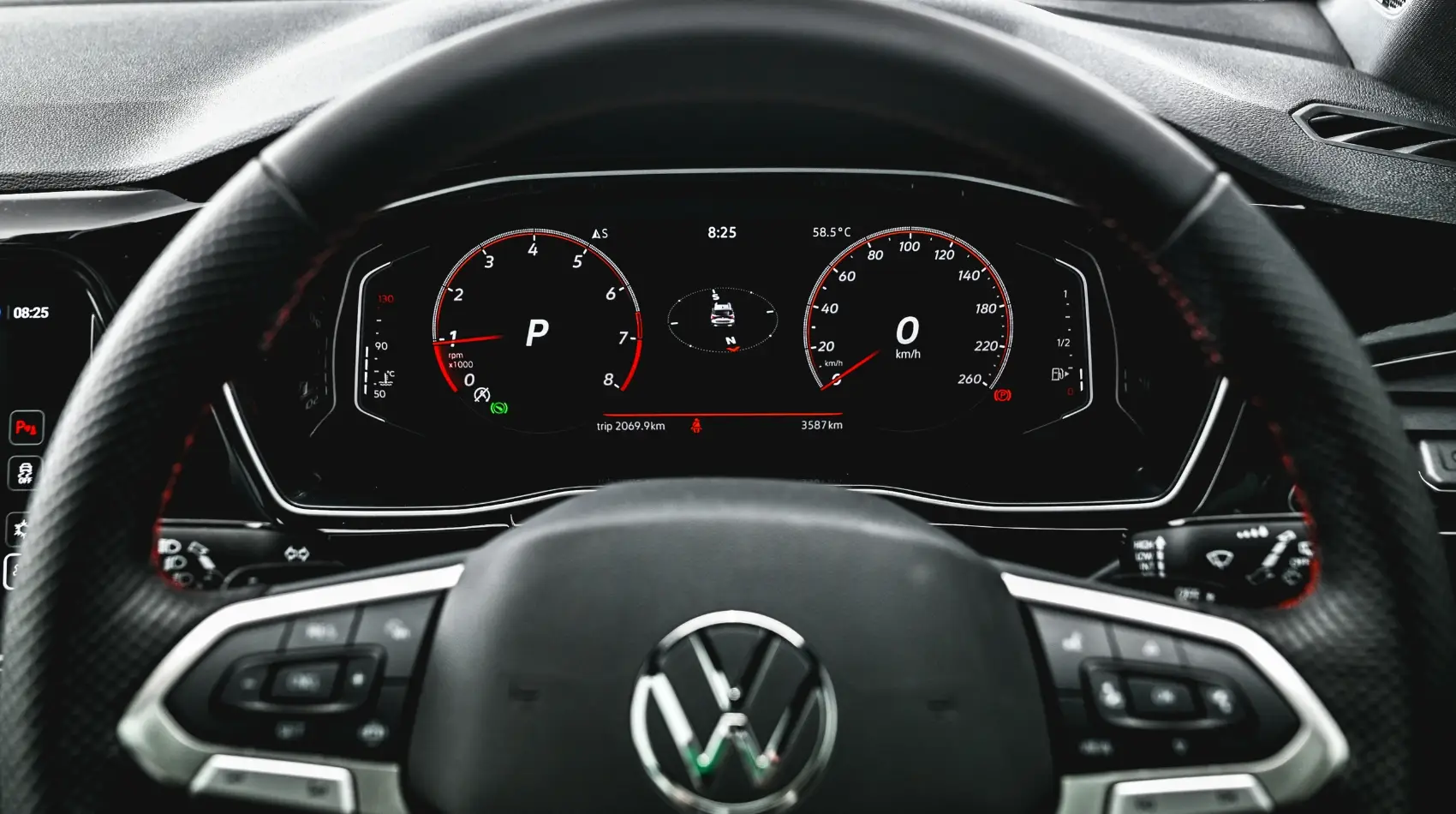
Inside, the changes are more noticeable than on the outside. The introduction of a larger digital cockpit improves the sense of modernity. It is clear, configurable and easy to use, providing essential information without unnecessary complexity.
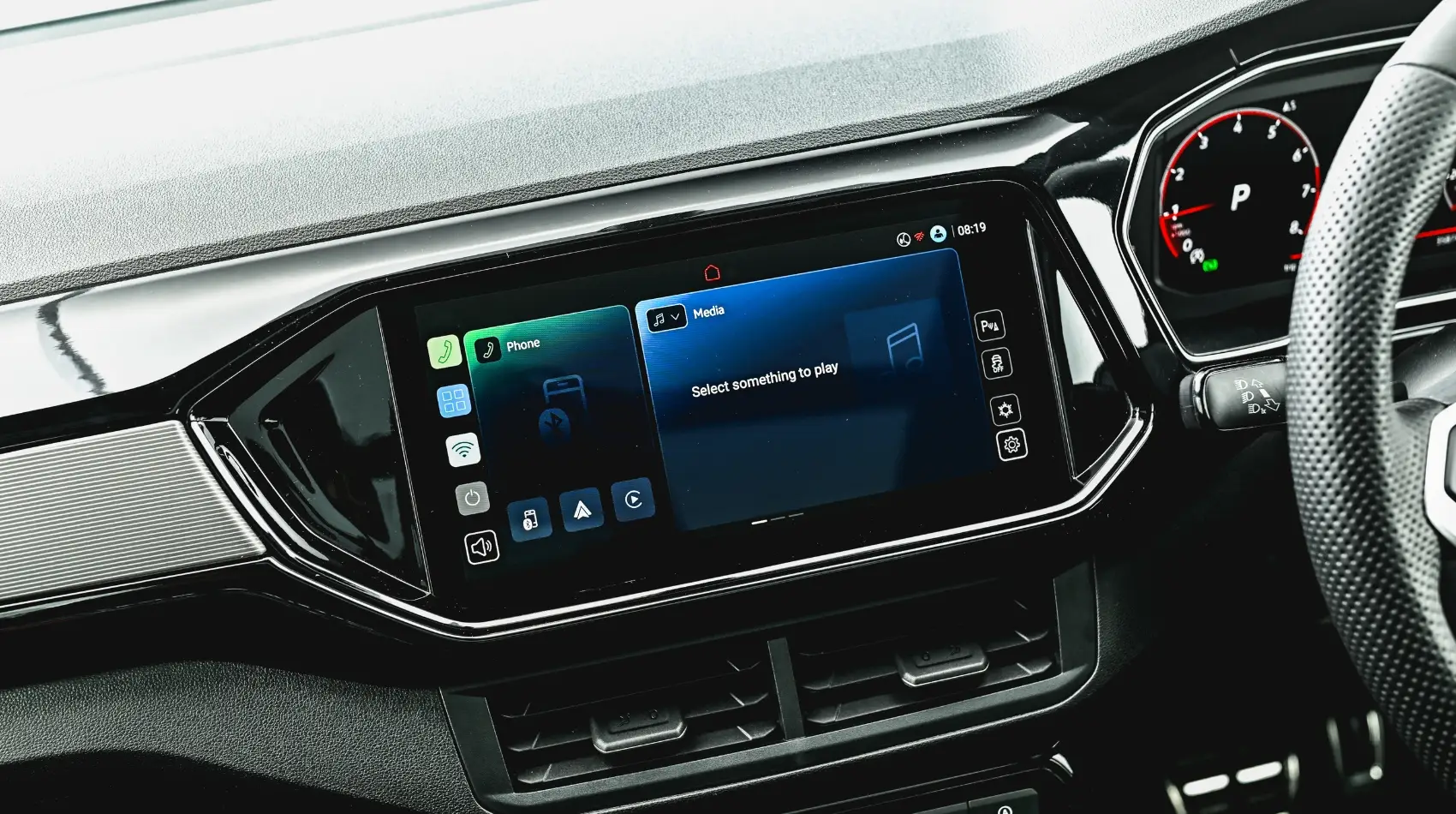
The infotainment system has also been updated, offering improved functionality, connected features and support for wireless Android Auto and Apple CarPlay. It integrates well into daily use, and the built-in apps add a layer of convenience.
A panoramic sunroof has been added, which is now almost expected in this segment. It enhances the sense of space within the cabin, even if its practical use in Indian conditions remains somewhat limited.
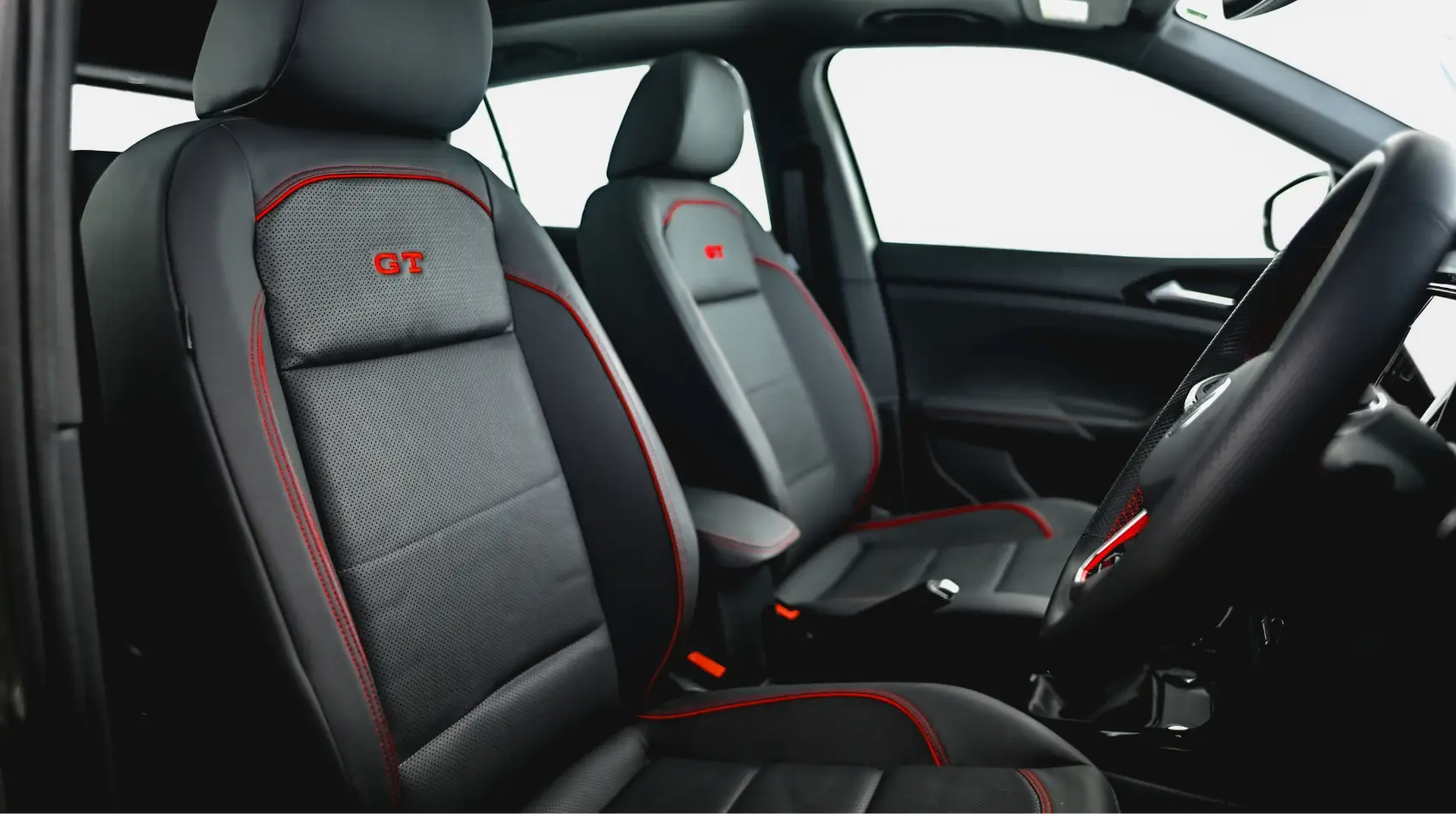
Front seat ventilation is another welcome addition, improving comfort in warmer climates. The overall cabin layout remains largely unchanged, and that is not necessarily a bad thing. It continues to be functional, intuitive and well put together.
Material quality is solid, and the build feels robust. This is an area where the Taigun has always performed well, and that continues here.
However, the cabin does not try to impress in the conventional sense. It is not flashy. It does not overwhelm you with design elements or features. Instead, it focuses on getting the basics right. That approach, while commendable, also highlights some of its shortcomings.
Not trying to win on paper.
It still lacks certain features that have become common in this segment. There is no ADAS suite, which many competitors now offer. A 360-degree camera is also missing, no sunshades for the rear passengers and the quality of the rear-view camera quality could be improved.
These are not deal-breakers, but they are noticeable omissions in a market where feature lists often influence buying decisions.
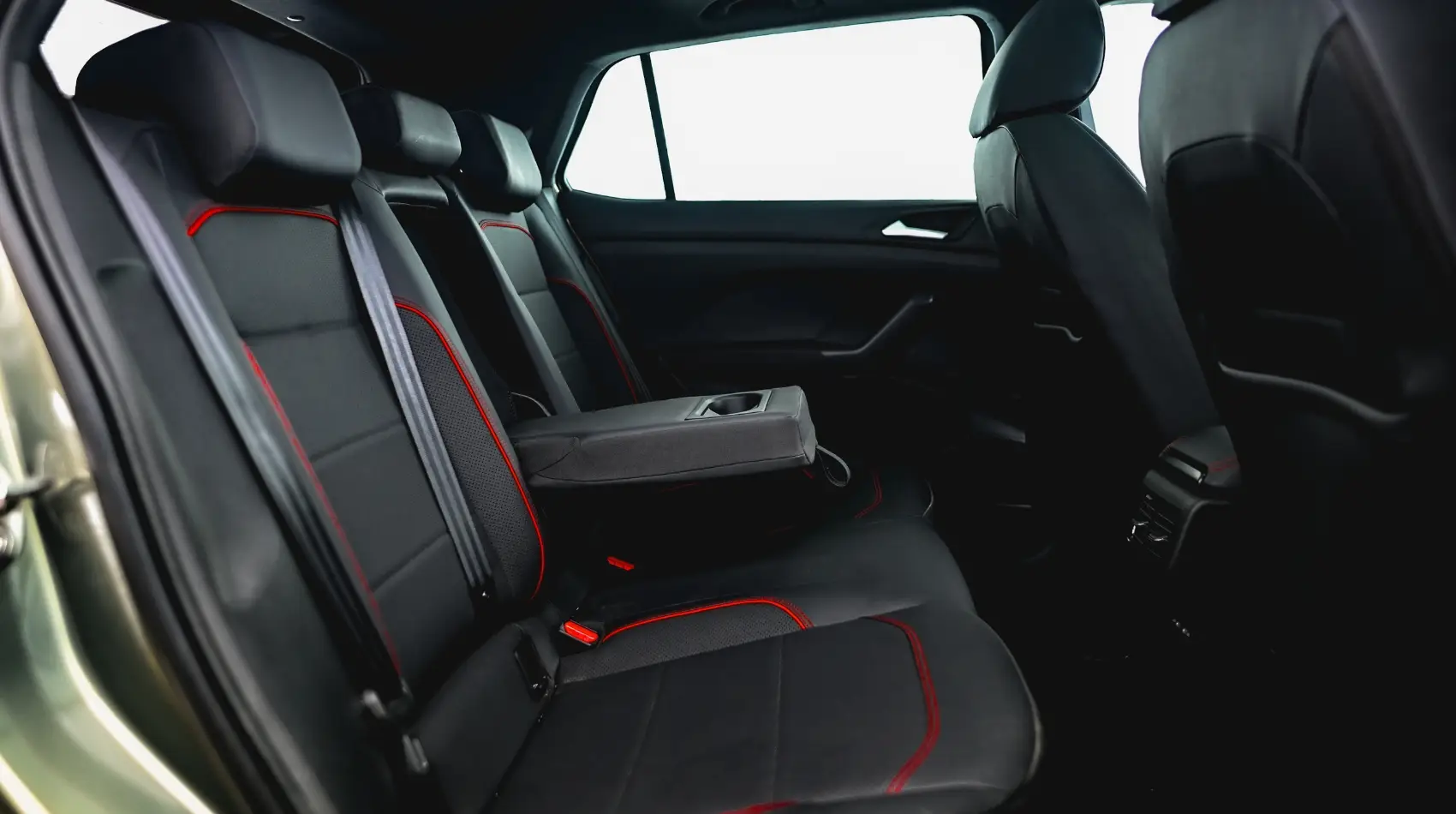
Rear seat space remains adequate, but not class-leading. It is comfortable enough for most use cases, but newer rivals offer a greater sense of room and flexibility.
In terms of safety, the Taigun continues to offer a strong package, with features such as electronic stability control, multiple airbags and a robust structure designed to meet stringent crash safety standards.
All of this brings us to the core question. Where does the Taigun stand in today’s market?
For those who notice the difference
If you look purely at specifications and features, it does not lead the segment. There are rivals that offer more equipment, more space and a stronger sense of immediate appeal.
But that has never been the point. The Taigun is not built to impress in the first five minutes. It is built to reward you over time.
It is for buyers who value how a car drives, how it responds and how it feels once you move beyond the basics. It is for those who are willing to look past the spec sheet and focus on the fundamentals.
That makes it a slightly more difficult car to recommend in a broad sense. Because not everyone will notice the difference, not everyone will prioritise it. But for those who do, the appeal is clear.
The Taigun remains one of the most driver-focused SUVs in its segment. It offers a level of precision, composure and engagement that is increasingly rare. With this facelift, it has addressed some of its shortcomings, added a few key features and improved everyday usability. At the same time, it has retained the qualities that define it. And that’s not something most cars in this segment even attempt.
The Taigun isn’t trying to tick every box. It’s doing what it has always done, focusing on how it drives. And you can feel that the moment you spend some time with it.