It’s back! The final boss of ‘affordable’ enthusiast vehicle is back in a brand-new avatar for India. Technically, Toyota calls this the tenth-generation Hilux globally if you count every evolution the nameplate has ever worn. For us though, this is effectively Gen 2. And while the first generation Hilux sold in decent enough numbers only after Toyota dealers slashed prices rather aggressively, what it really created was something money simply cannot buy, a genuine cult following.
Not the kind you manufacture through influencer campaigns or viral reels. A proper, old-school cult following made up of owners who actually use these things. People who drive them across states, through forests, over mountains and into places where Google Maps politely gives up. Thankfully, none of those owners have also decided to recreate a Middle Eastern news report by mounting anything of particularly large calibre into the flatbed. Phew.
That community is exactly why the new Hilux matters. This isn't just another pickup. It's one of the very few vehicles left that still appeals almost entirely to enthusiasts rather than spreadsheet buyers. And thankfully, Toyota has got the styling absolutely right.
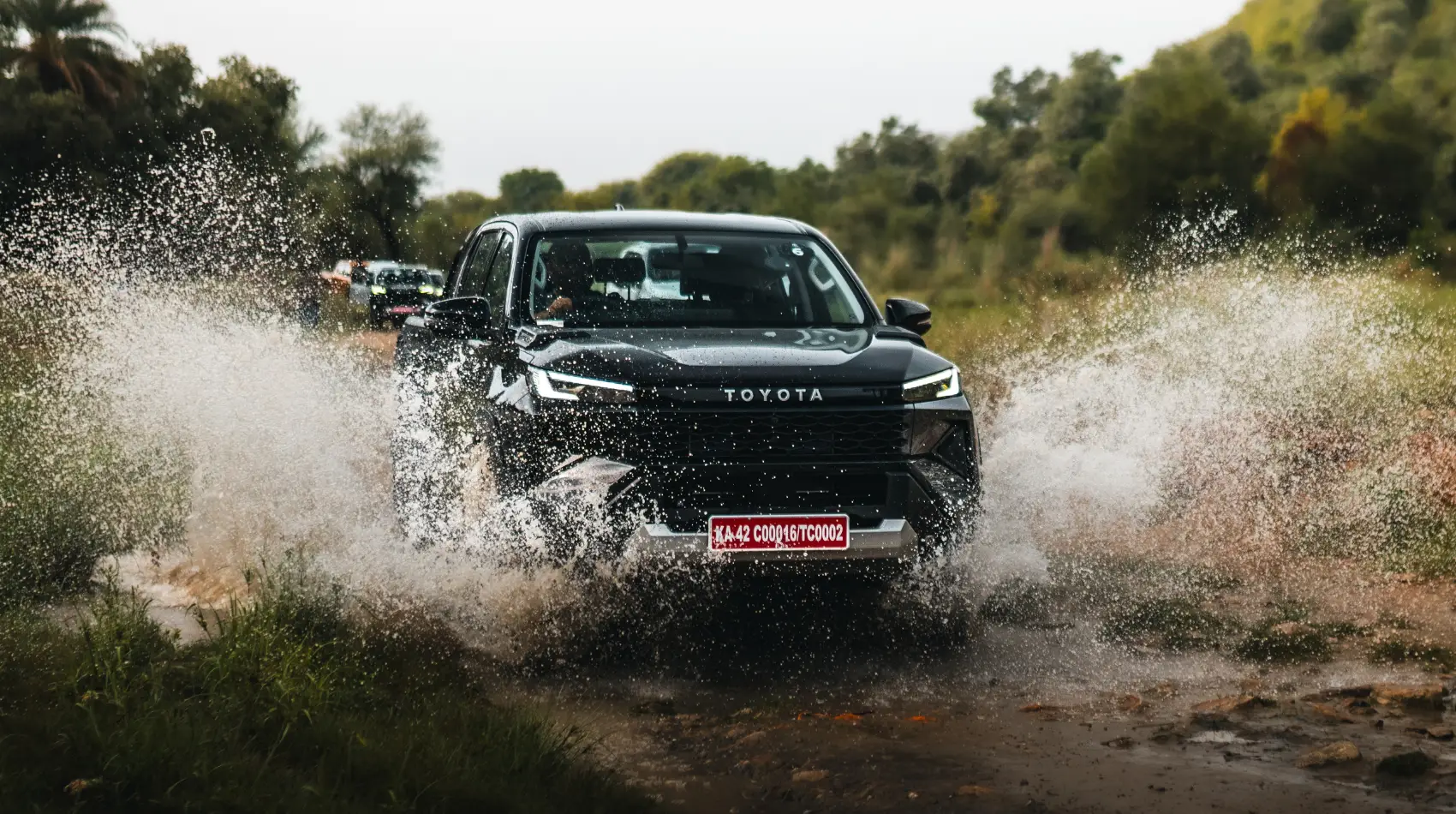
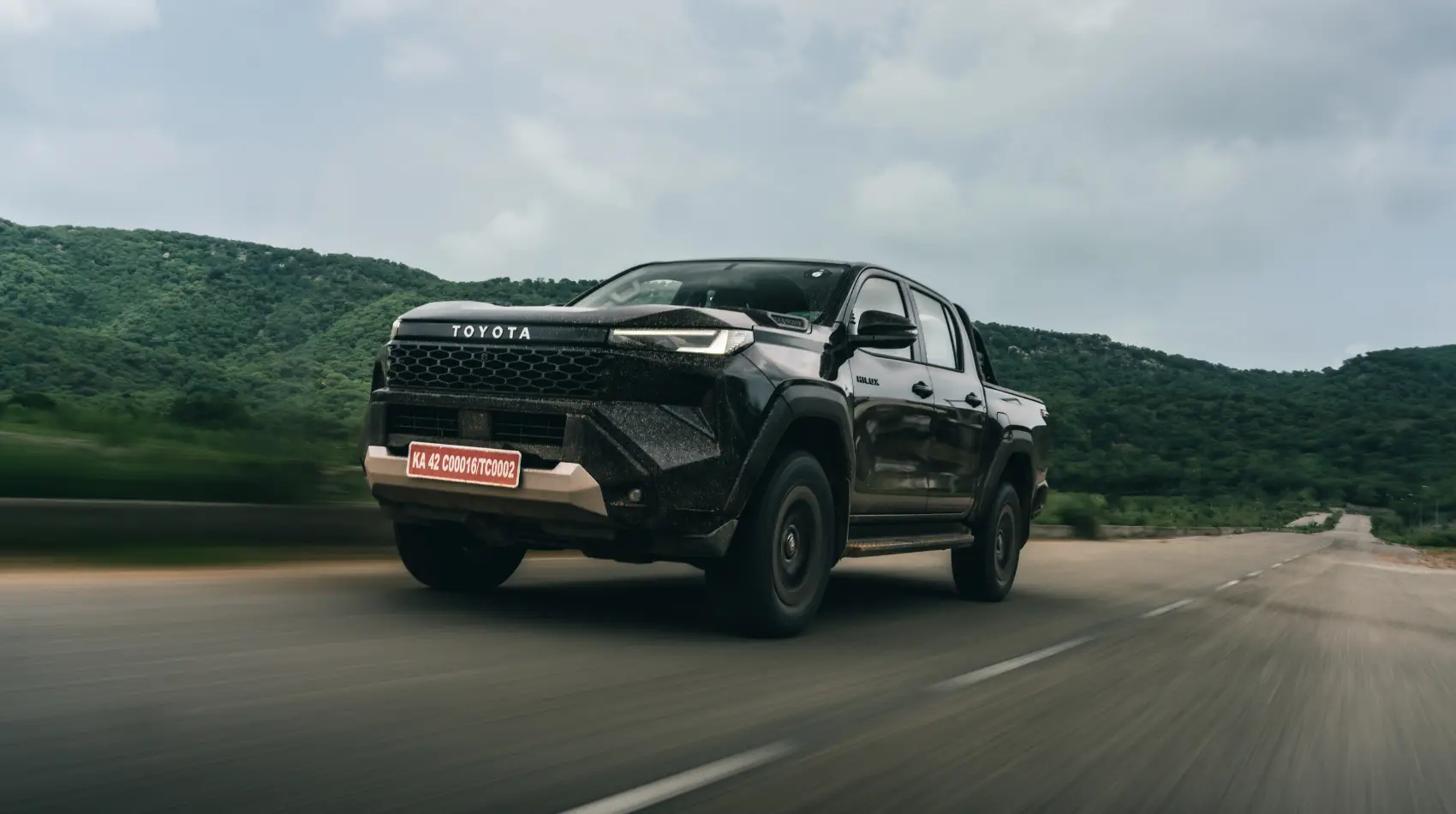
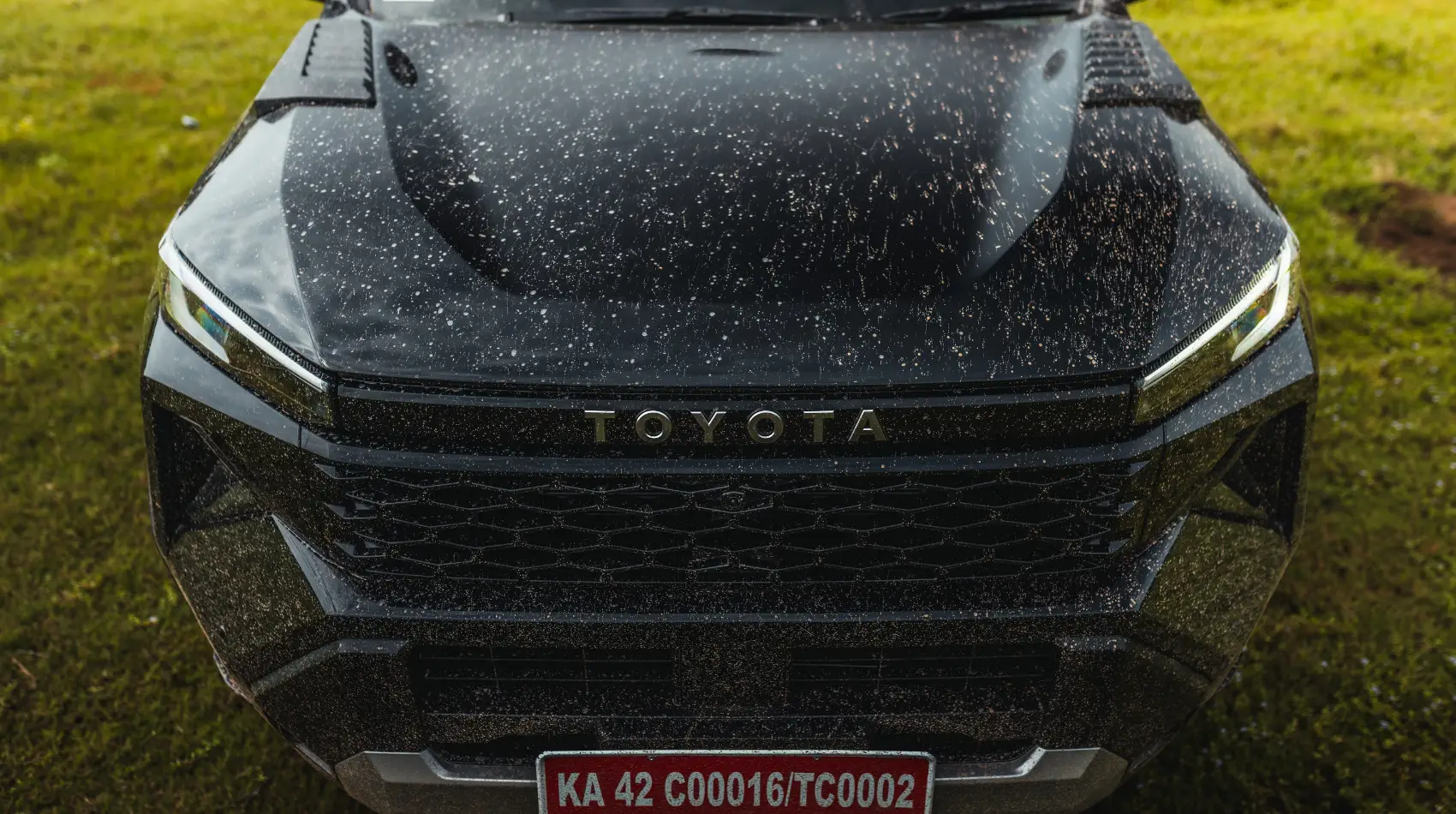
The previous Hilux always looked a generation older than it really was. Even when it was new, it lacked the visual drama of the Fortuner/Legender, to the point where several owners actually converted their Hiluxes using Legender front ends. They looked fantastic too. This one doesn't need any of that. The new Hilux is sharper, boxier and considerably more aggressive. Gone is the relatively flat face, replaced by angular surfacing, slimmer headlamps and a front bumper that almost looks like Toyota spent an afternoon browsing aftermarket catalogues before sketching it. Think Hamer-style bumpers, not Hummer, the Thai aftermarket specialist, not oversized American SUVs.
The new headlamp clusters look excellent, the inset Toyota logo is a neat touch, and the mid-mounted grille works far better than the oversized opening on the older truck. There's a definite hint of the latest Prado here, and that's absolutely intentional. More importantly, it's an international design language rather than something developed specifically for one market.
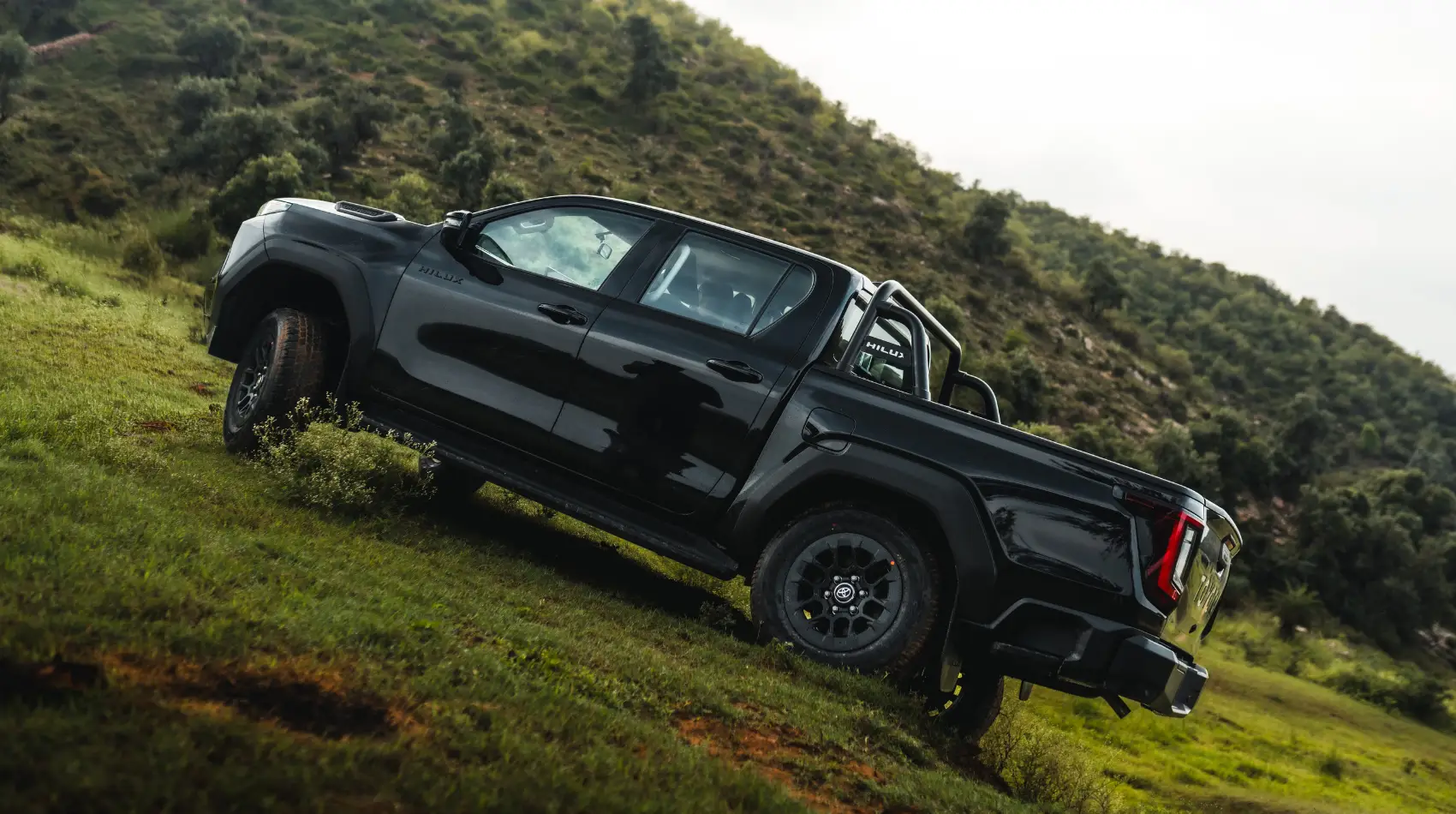
The result is a Hilux that finally looks as modern as its reputation. It feels contemporary without trying too hard, and honestly, it looks good enough to remain relevant for years to come. Wink, wink... Scorpio pickup. The side profile retains everything enthusiasts loved about the previous truck. The squared wheel arches, chunky plastic cladding and towering stance all remain. It still looks every bit the indestructible pickup it has always been.
I could however do without the fake plastic "OFF ROAD" trim stuck onto the bonnet. Toyota really didn't need to do that. If you're buying a Hilux, everyone already knows what it's capable of. The plastic fake oddities don't make it any tougher.
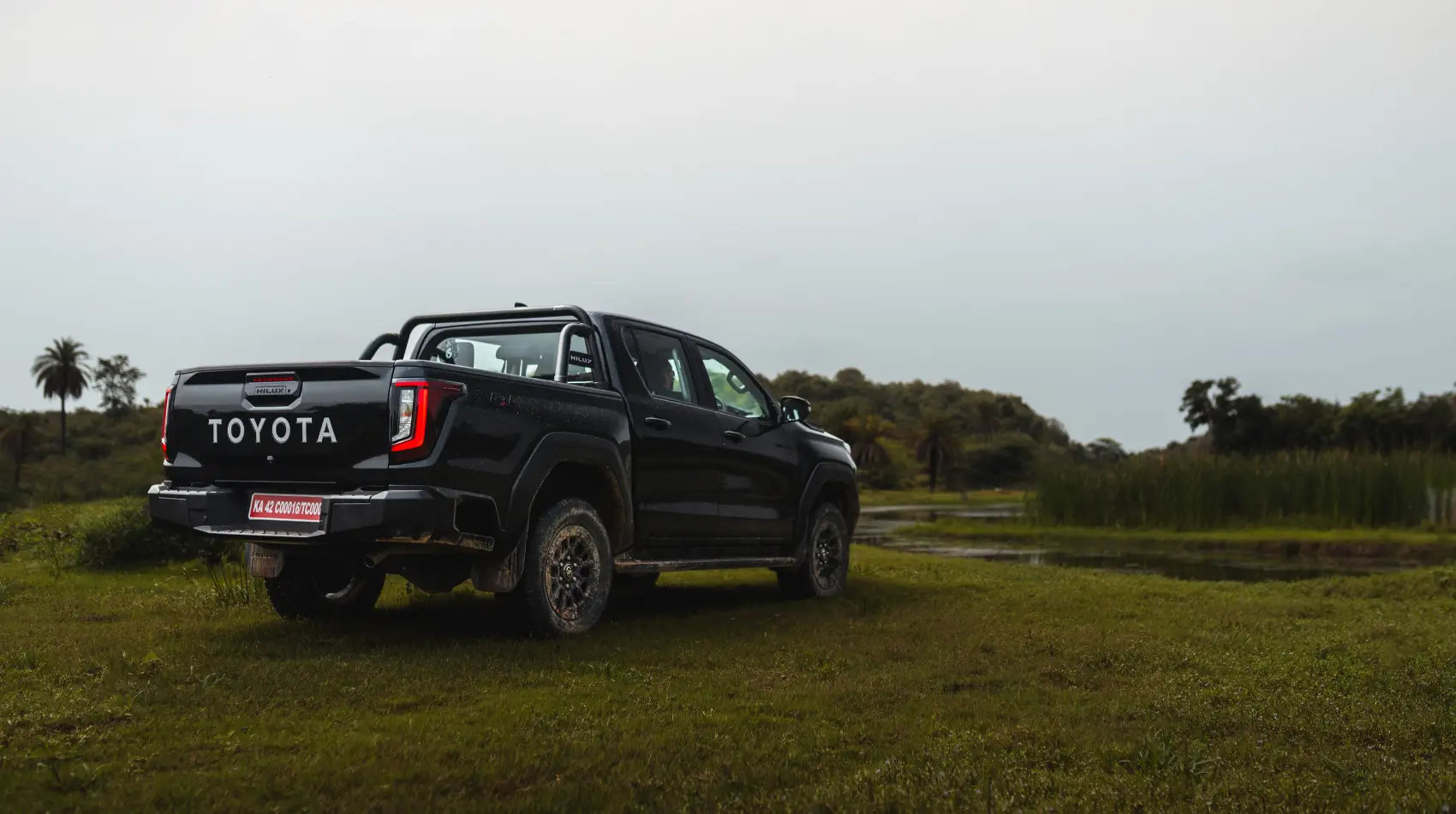
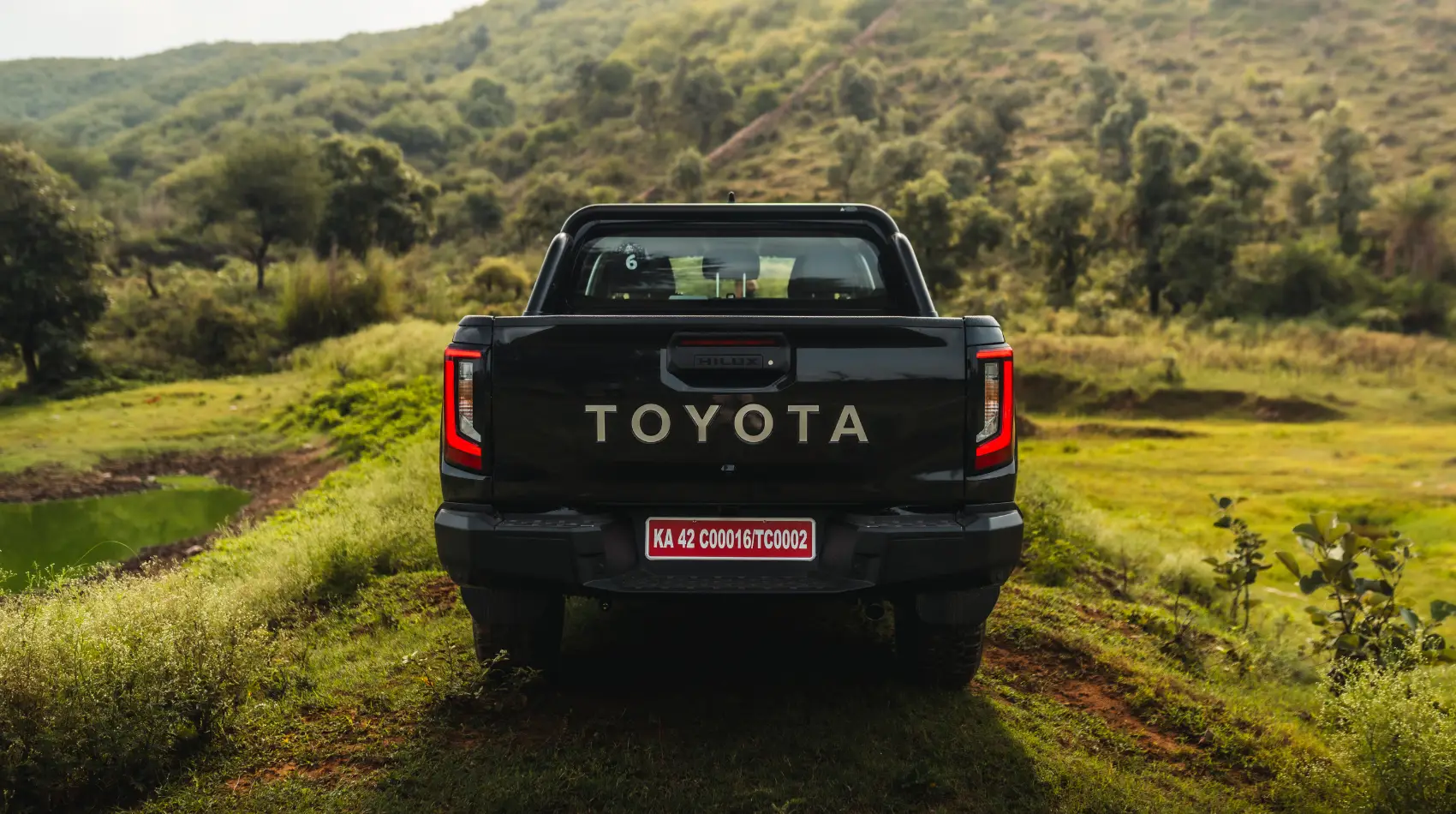
Round the back, Toyota continues the tradition of embossing a massive TOYOTA script across the tailgate, and while the taillamps are clearly inspired by the outgoing model, they're inverted and modernised just enough to look fresh. Overall, this is a genuinely handsome truck.
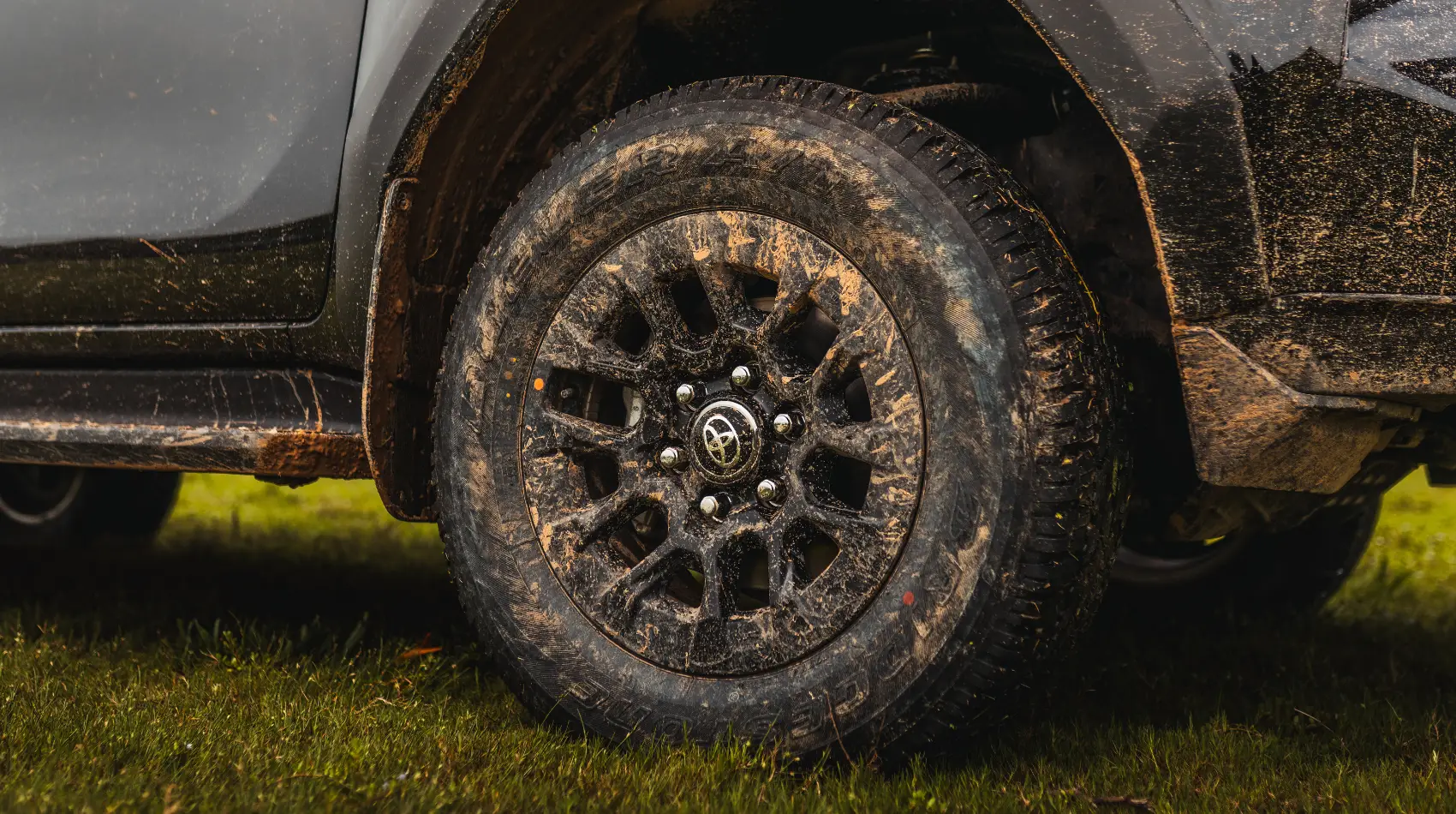
And then there are the wheels. Remember how I mentioned Toyota borrowing inspiration from the aftermarket? Look closely and you'll notice these alloys look remarkably similar to the sort of wheels Hilux owners have been fitting for years. Better still, Toyota has downsized from an 18-inch wheel to a 17. Initially that might sound like a downgrade. It isn't.
Yes, the factory tyre looks a little undersized and leaves the wheel arch looking emptier than it should. But let's be honest, almost every Hilux owner is going to fit larger all-terrain tyres anyway. A 17-inch wheel gives you a vastly better range of tyre options, more sidewall, improved ride quality and far better proportions once you upgrade.
So although you'll probably spend a little extra at the tyre shop after taking delivery, the end result will actually look considerably better than the previous generation ever could. For enthusiasts, that's an easy win.
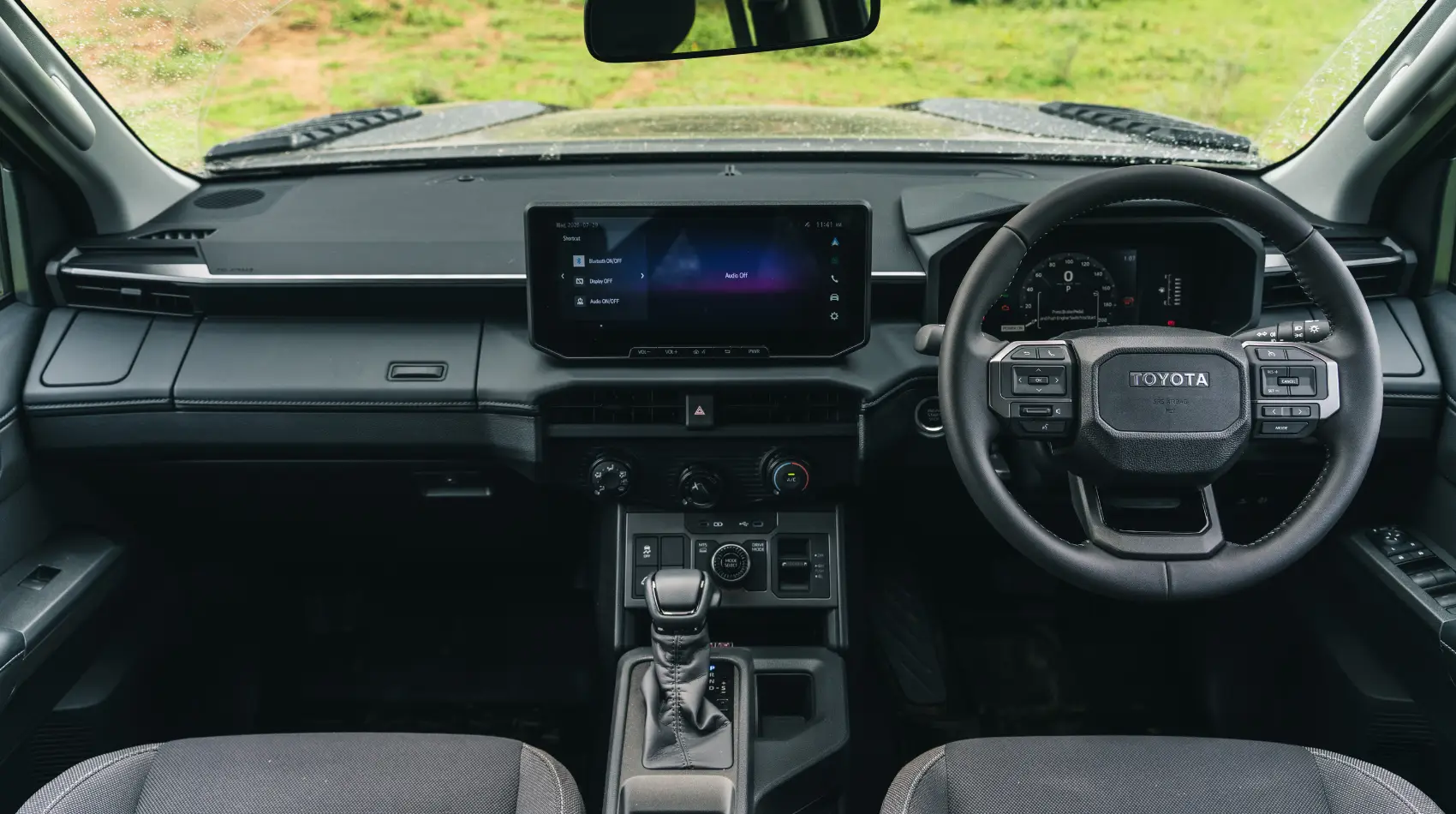
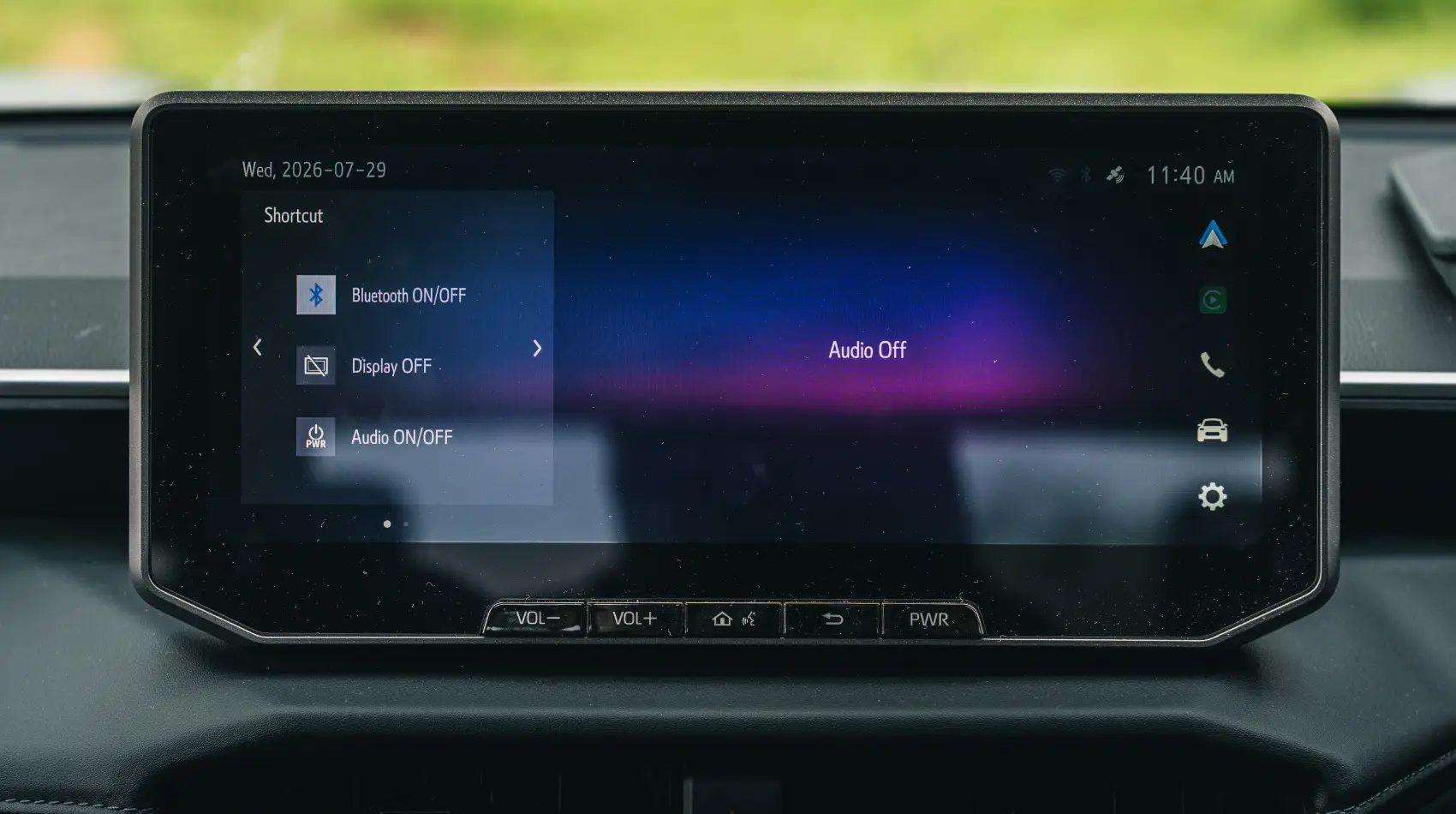
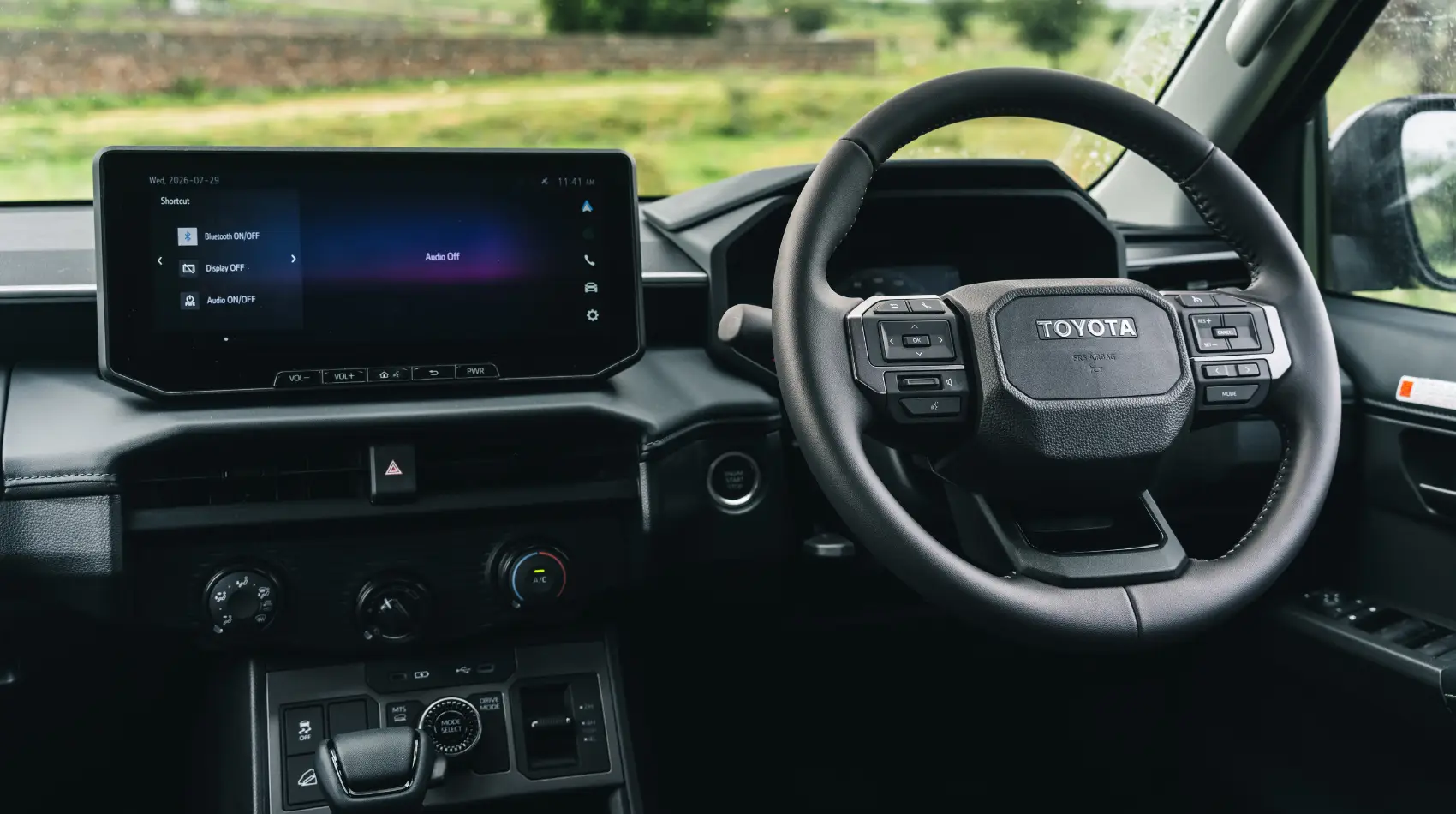
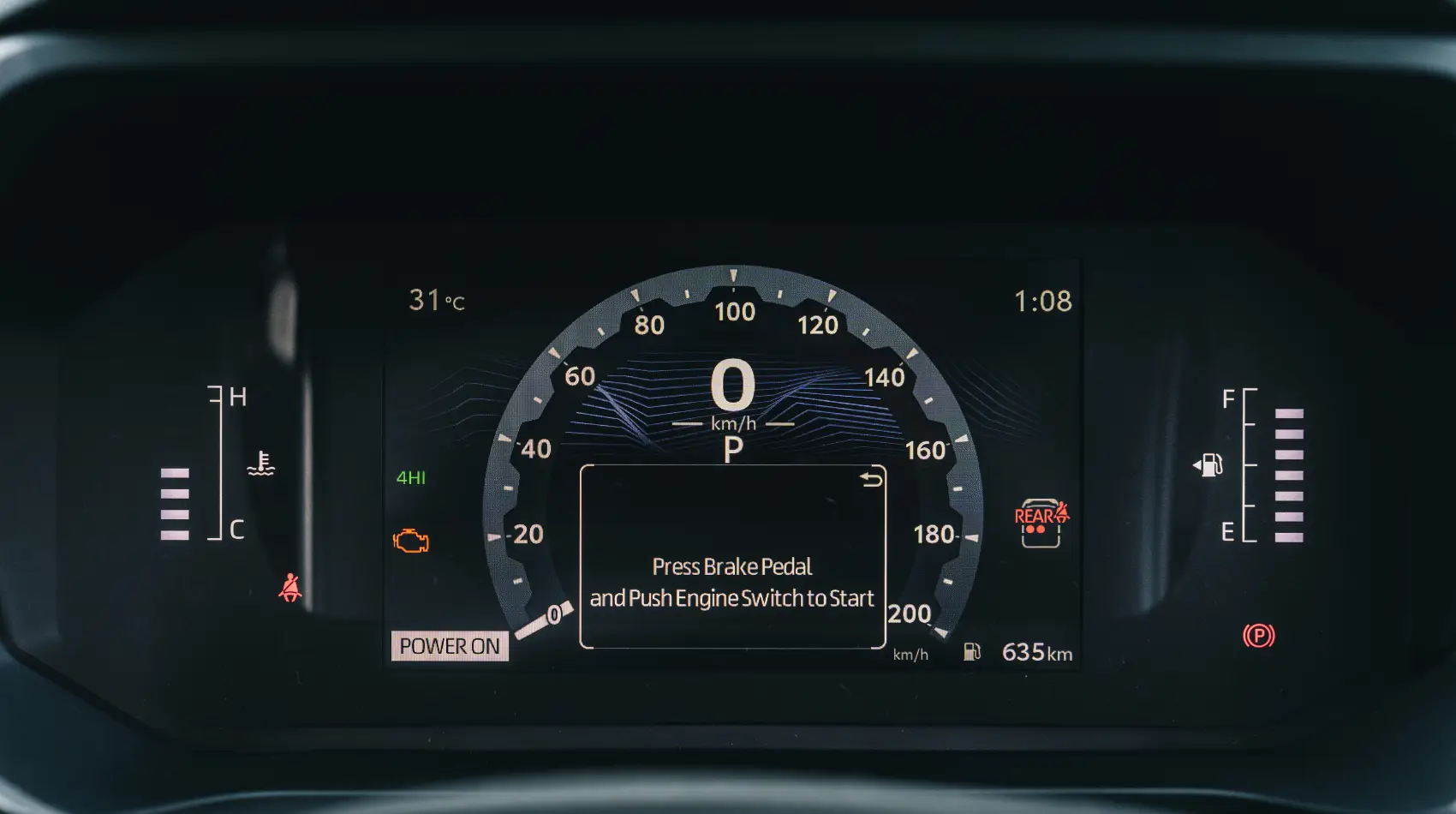
Unfortunately, things become rather more complicated once you climb inside. Because while the exterior feels like a giant leap forward, the cabin feels like Toyota took one backwards. There are positives, of course. The new infotainment screen is large and modern, and the steering wheel itself looks far better than before. But Toyota has filled in the lower spoke, which means anyone who enjoys resting a hand casually at the bottom of the wheel while cruising down a highway suddenly has nowhere comfortable to hold it.
Yes, I already know the comments - "Hands at nine and three." "Ten and two." "Proper driving position." Relax. Not every kilometre needs to be driven like you're chasing pole position at Le Mans.
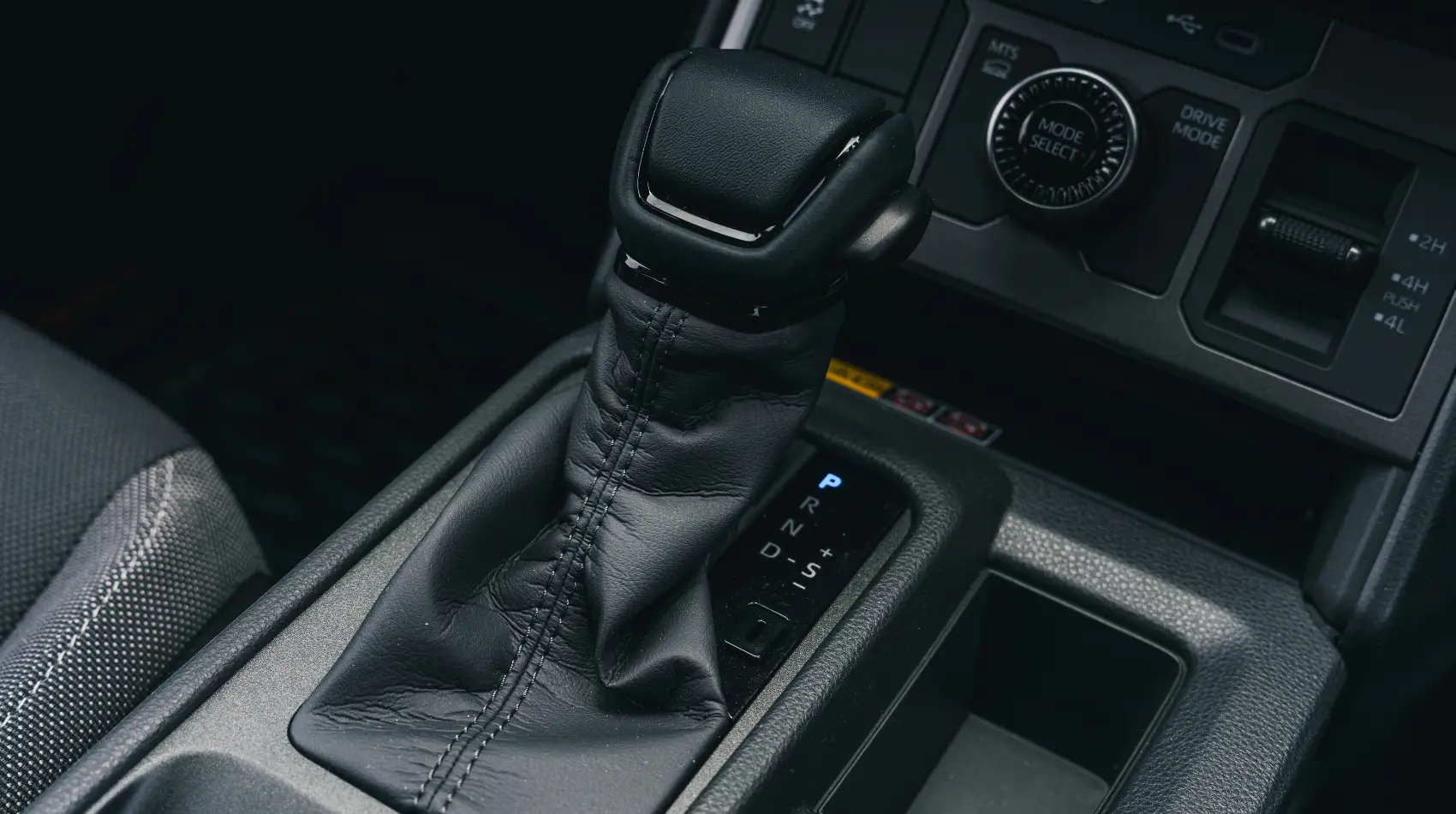
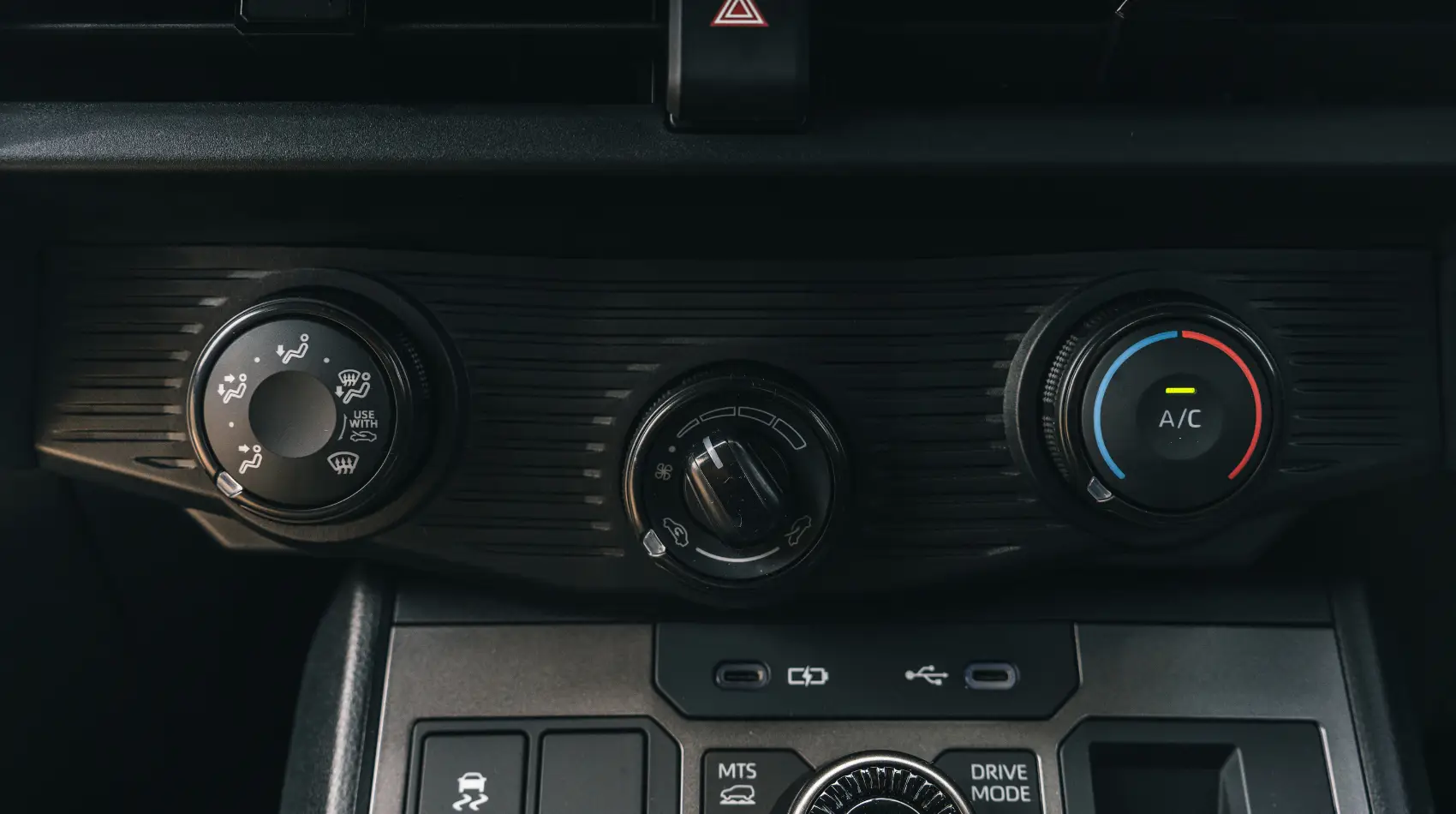
Then come the seats. Fabric. In a pickup that comfortably sails past ₹40 lakh on-road. That's simply disappointing. The bigger issue though is the centre console. Storage space is surprisingly poor. There aren't enough useful cubby holes, and forget fitting a large Starbucks coffee or one of those giant McDonald's drinks without it becoming an engineering exercise. But the biggest offender is staring right at you every time you reach for the air conditioning. Where has the climate control gone? These manual rotary controls genuinely look like they belong in a ₹4 lakh commercial van from fifteen years ago. Yes, enthusiasts love physical buttons. I certainly do. But there's a difference between tactile and cheap. This feels cheap.
At this price point, there really is no excuse. Toyota will almost certainly have to revisit this during a future update because it simply doesn't align with what buyers expect from a ₹40 lakh-plus vehicle. The cost-cutting doesn't end there either. Take a look at the rear-view mirror assembly. It looks like it's been lifted straight from an ageing commercial vehicle. There are no visible sensor housings that would suggest rain-sensing wipers or a more sophisticated ADAS suite, and although automatic headlights are present, the overall execution lacks any sense of occasion.
The plastics are average. The all-black interior feels unimaginative. A dark tan or rich brown cabin would have transformed the ambience entirely and instantly elevated perceived quality. Instead, it feels functional. Almost too functional. Commercial is the right word maybe.
Thankfully, that's where the criticism ends. Because underneath the bonnet sits one of the finest diesel engines ever sold in India. Many expected Toyota to experiment with some form of petrol-hybrid powertrain here. Personally, I actually think petrol would've worked rather well in the Hilux. Toyota clearly disagreed. And I'm very glad they did. The legendary 2.8-litre four-cylinder turbo-diesel survives unchanged, producing 204hp and a monumental 500Nm of torque.
It remains wonderfully refined for a commercial-based engine, delivers torque exactly where you want it and feels almost indestructible, which, let's be honest, is pretty much the Hilux brand promise. Even better, every automatic Hilux now gets the familiar six-speed torque-converter gearbox. No manual. Good. Because in something this large, the automatic simply makes more sense. Whether you're crawling over rocks, sitting in Mumbai traffic or cruising across Rajasthan, the six-speed remains smooth, predictable and entirely stress-free.
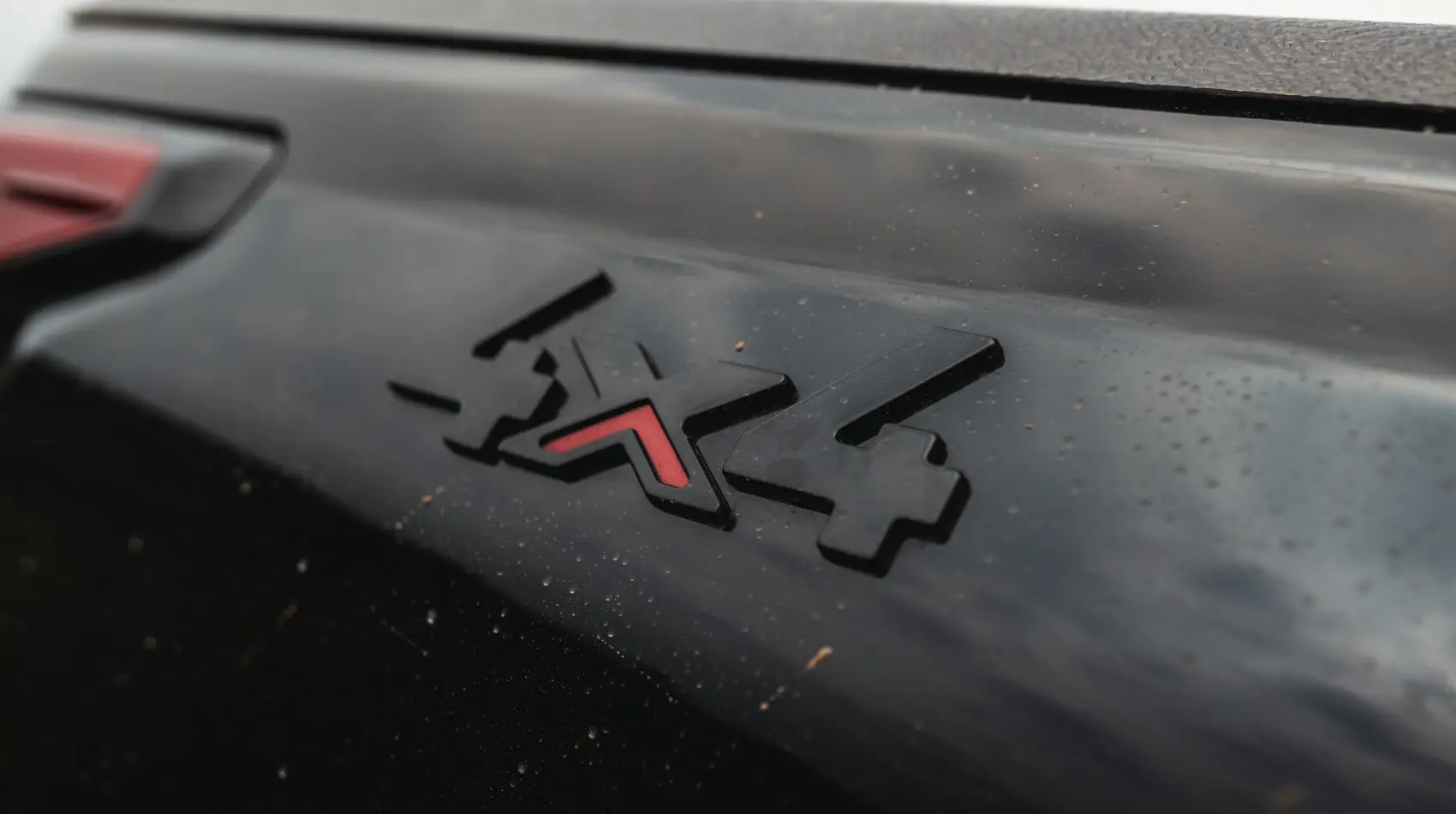
Toyota has also made a surprisingly sensible decision by introducing both four-wheel-drive and rear-wheel-drive variants. Purists will immediately complain. Ignore them. The overwhelming majority of Hilux owners never venture beyond mildly broken roads anyway. Rear-wheel drive is perfectly capable of tackling moderate trails if the driver knows what they're doing, while simultaneously making the truck more affordable for buyers who simply love the lifestyle image.
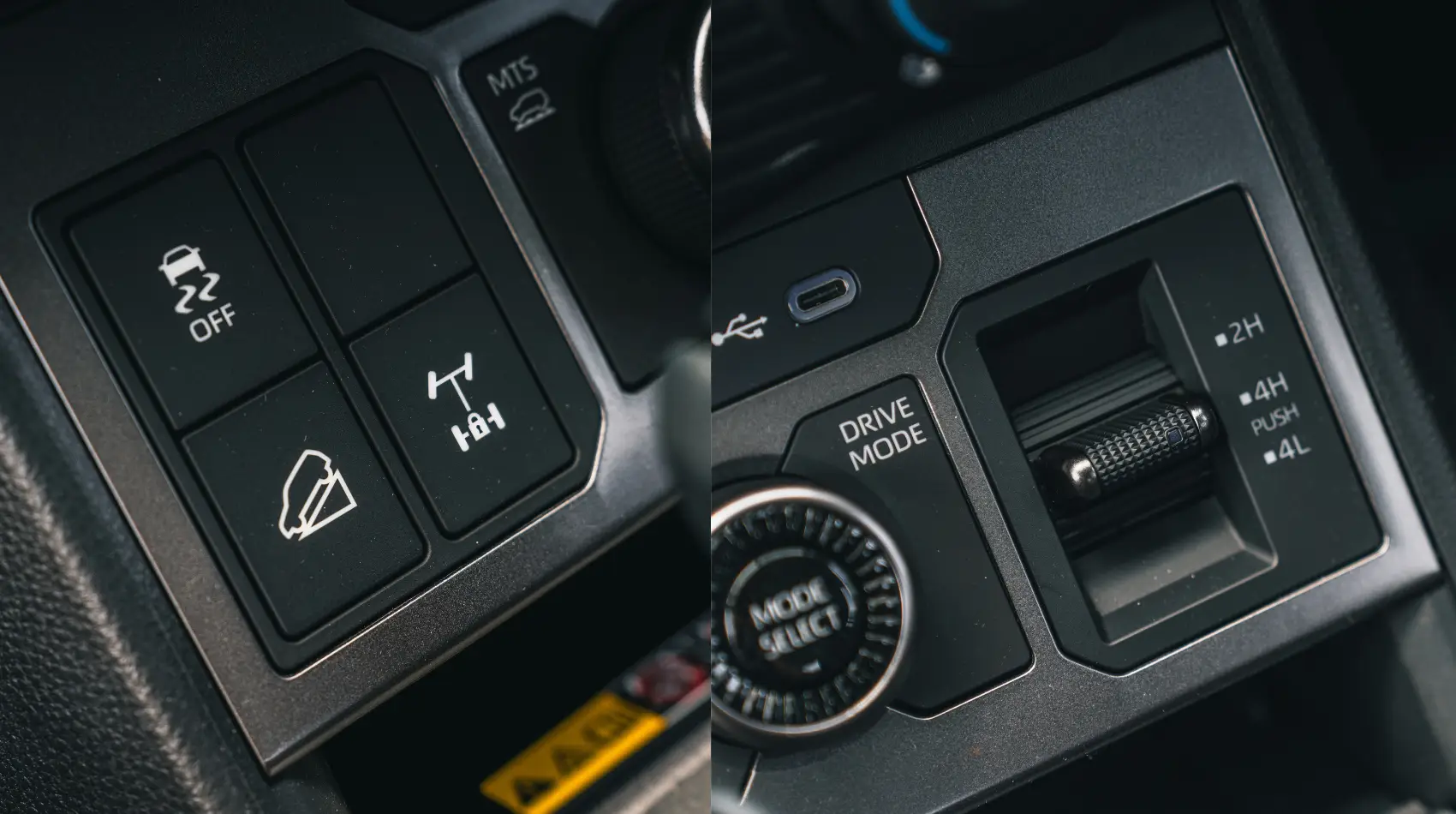
For everyone else, the proper off-road hardware remains. There's a rear locking differential. Two-wheel drive. Four-wheel-drive High. Four-wheel-drive Low. Everything you'd expect from a serious off-roader. Interestingly, while you can shift between two-wheel drive and four-wheel-drive High on the move, engaging Low Range still requires stopping and selecting Neutral. That's perfectly acceptable. What surprised me more was the noticeable drivetrain clunk when shifting back from four-wheel-drive High into two-wheel drive. It's not dramatic, but it is present. Perhaps Toyota could refine that just a little further. Then again, maybe I'm just showing my age.
Because I'm still one of those old-school off-roaders who believes that after finishing a trail, you should stop, shift back into two-wheel drive and reverse a couple of metres just to unwind the drivetrain before carrying on. Old habits die hard. Now remember, this isnt a hard core mud plugger or rock crawler. It is more of a trail brawler. And that it does really really well. Yes of course it is a little bouncy because there is literally no weight on the back end, but it also does feel literally INDESTRUCTIBLE!
A similar feel for on road manners too. It gets to three digit speeds quart of quickly and will happily sit there at the 120kmph speed limit that our expressways have - and even higher to be honest, but do you really want to drive this at higher speeds? The ride quality on most road surfaces is good, smaller potholes are inconsequential, but larger ones do shake up and car to a point where that 10 and 2 driving position might not be such a bad idea. Decent brakes too, nothing too sudden, nothing too little, just enough. IF you do want to make it ride better though, the good old ‘cement bags in the loading bay’ trick will have to be adopted though.
Ultimately though, none of this changes what the Hilux represents. This isn't trying to be a luxury SUV with a cargo bed. It isn't chasing touchscreen sizes or ambient lighting colours. It isn't pretending to be anything other than one of the toughest, most dependable vehicles you can buy. Could the cabin be significantly better? Abso-bloody-lutely! Does Toyota need to address the obvious cost-cutting? Without question. But the fundamentals remain almost impossible to fault.
It still has one of India's best and most loved diesel engines. It still feels engineered to survive the apocalypse. It still has genuine off-road credentials instead of merely looking adventurous. Most importantly, it still has soul. And in an automotive world increasingly dominated by crossovers pretending to be rugged and SUVs trying desperately to become smartphones, that alone makes the new Toyota Hilux something genuinely special. It's definitely overpriced. But if you understand what the Hilux stands for, chances are you'll forgive every single one of those flaws the moment the road disappears, although frankly, that interior should not be forgiven!
Toyota Hilux
Price: 31.99 lakh (ex-showroom)
Engine: 2.8-litre Diesel
Power: 204hp
Torque: 500Nm
Gearbox: 6-speed AT