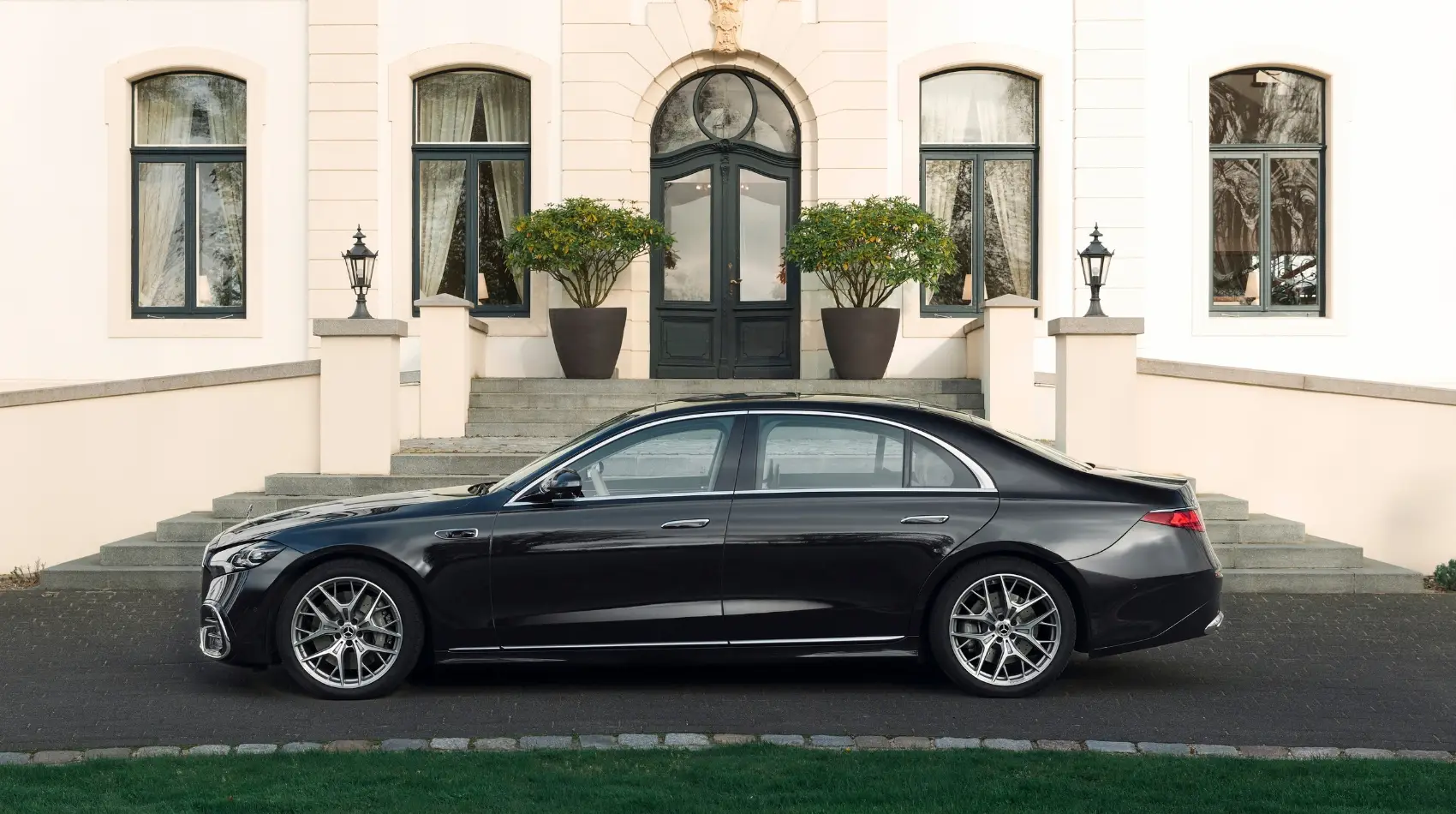
Ninety minutes outside Hamburg, parked along the icy Baltic coastline, sat the stunning Weissenhaus Resort. Heated floors, sprawling suites, a castle hidden within the property and a steaming indoor-outdoor pool fighting the five-degree German winter. Somewhere between the Baltic Sea breeze and a jacuzzi overlooking the coastline, Mercedes-Benz handed us the keys to the 2026 S-Class. And honestly, there could not have been a better setting, because the S-Class has never been just about driving. It’s about insulation from the outside world, a car engineered to make stress disappear as soon as the doors shut. That philosophy still defines the new S-Class, although the 2026 update feels more evolutionary than revolutionary, which is probably the right approach. S-Class buyers are rarely asking for dramatic redesigns or experimental interfaces. They want refinement, familiarity and technology that improves the experience without suddenly making their existing car feel old, and Mercedes-Benz seems to understand that balance well.
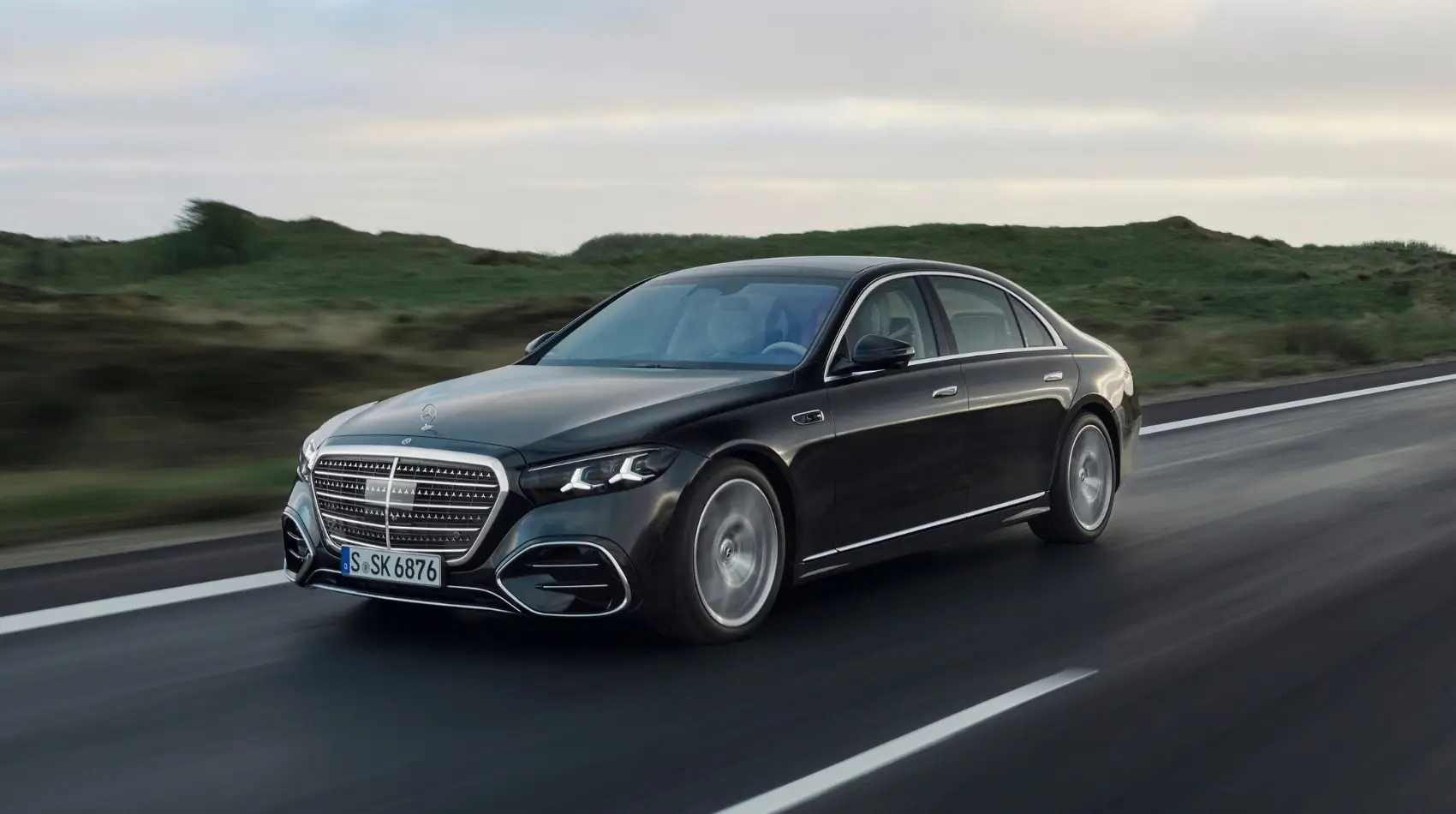
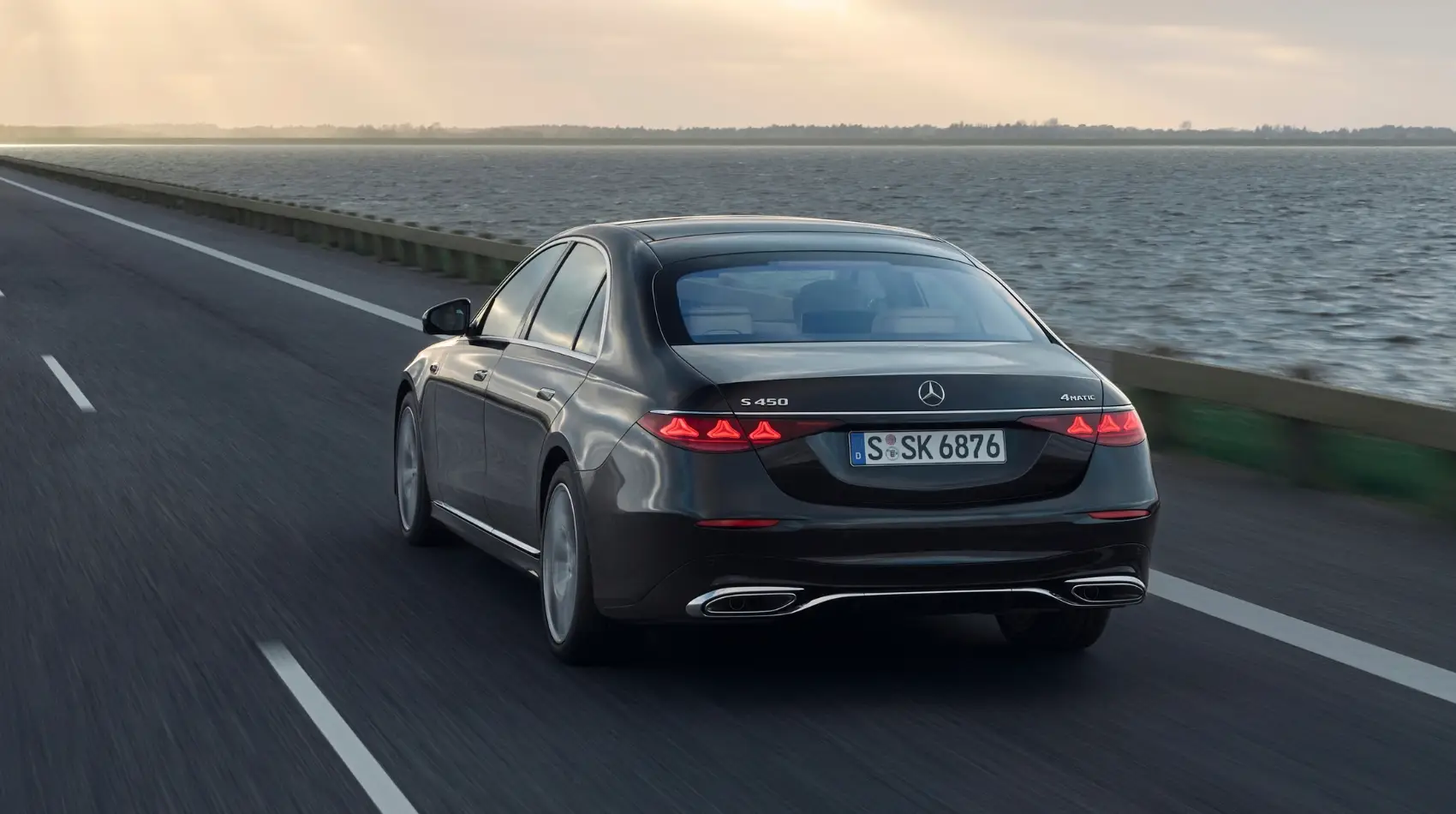
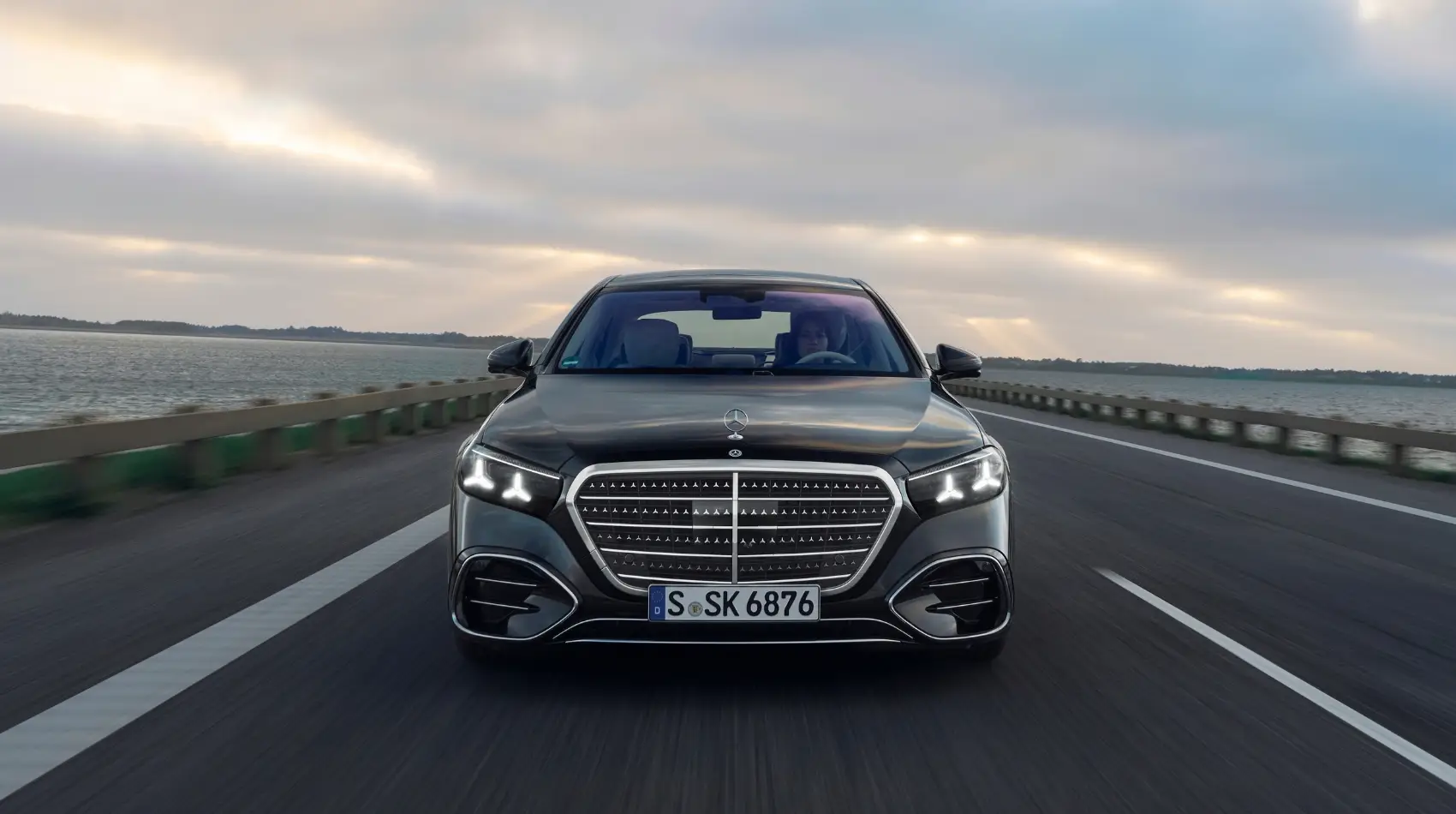
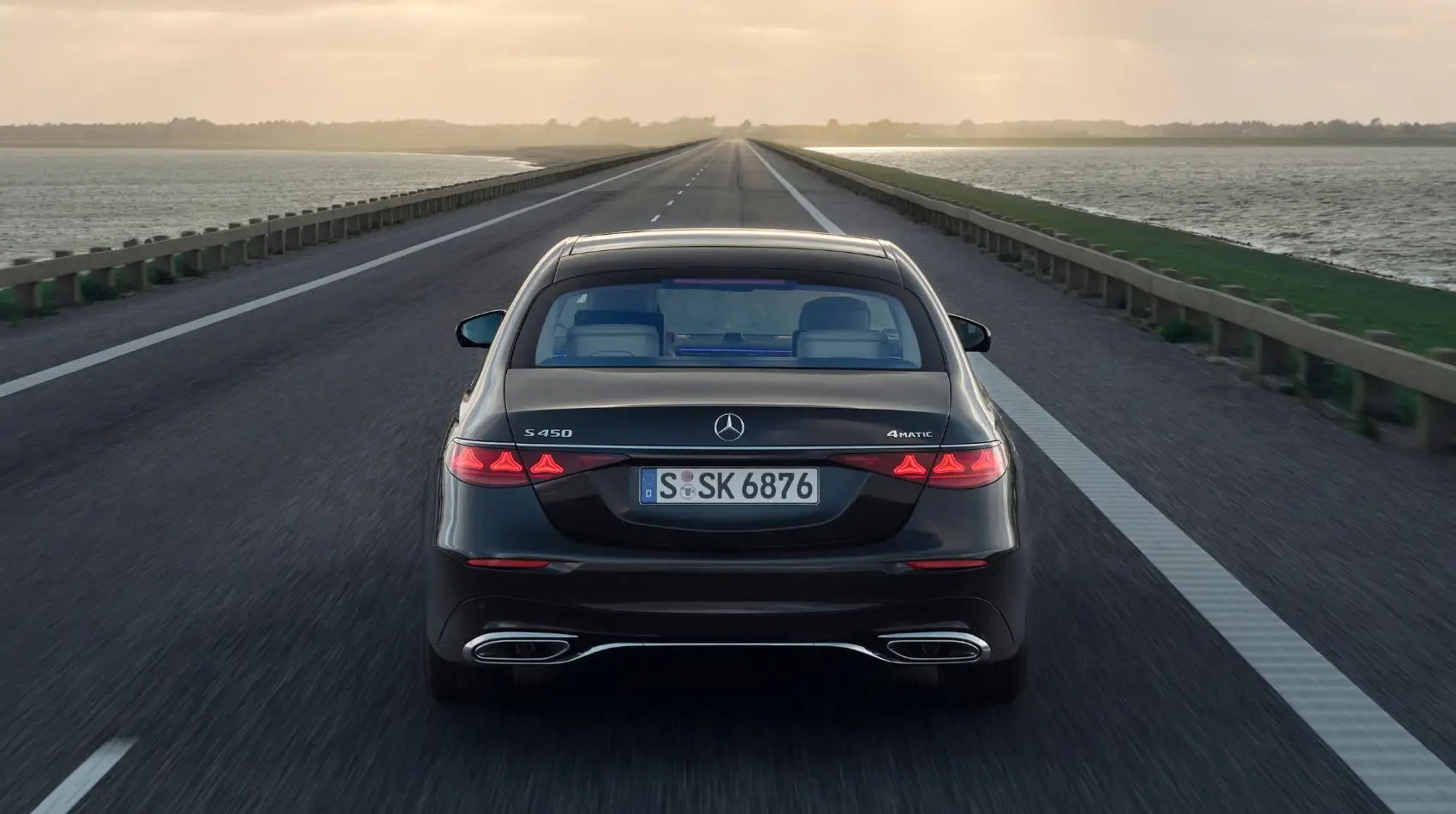
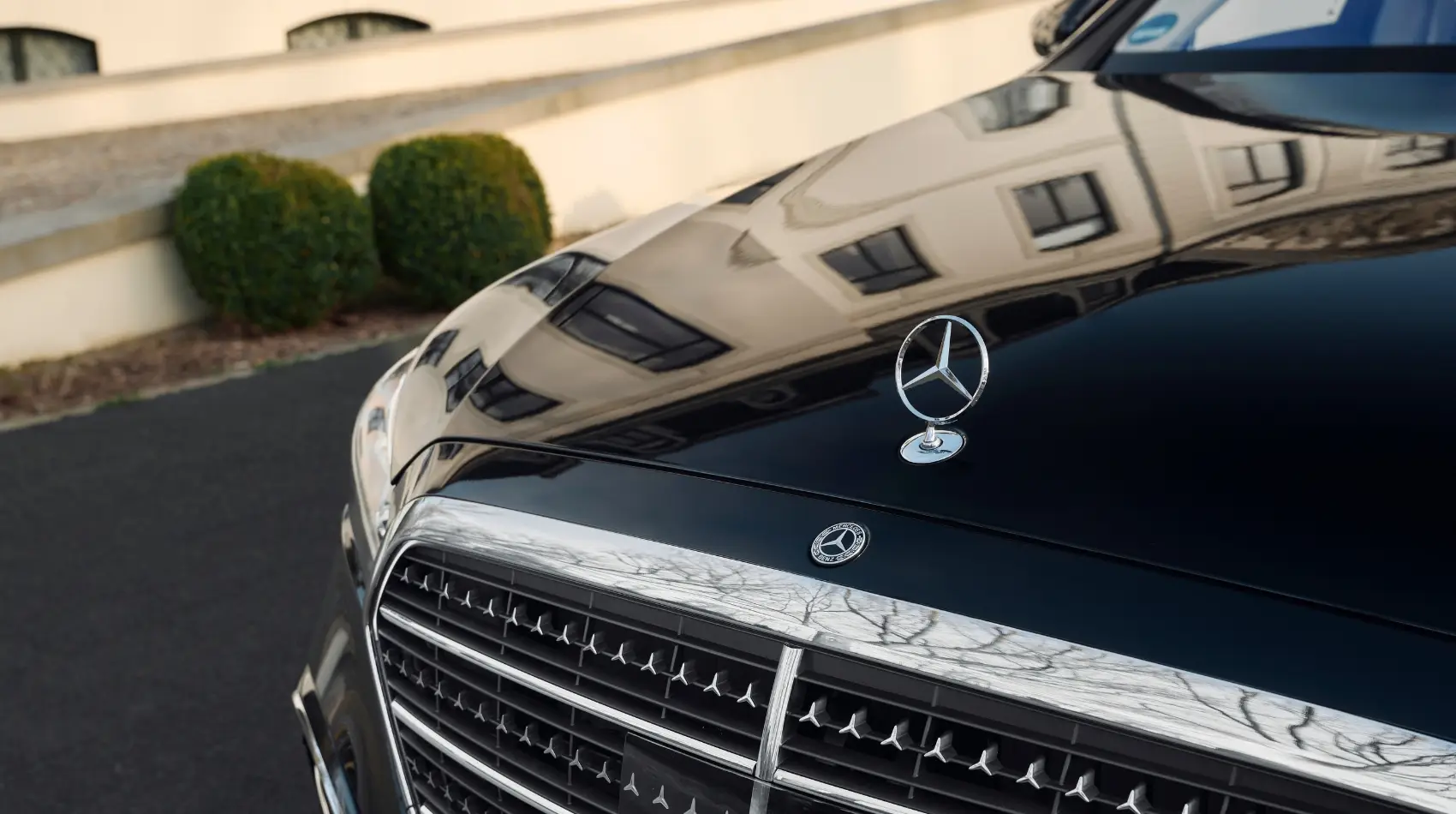
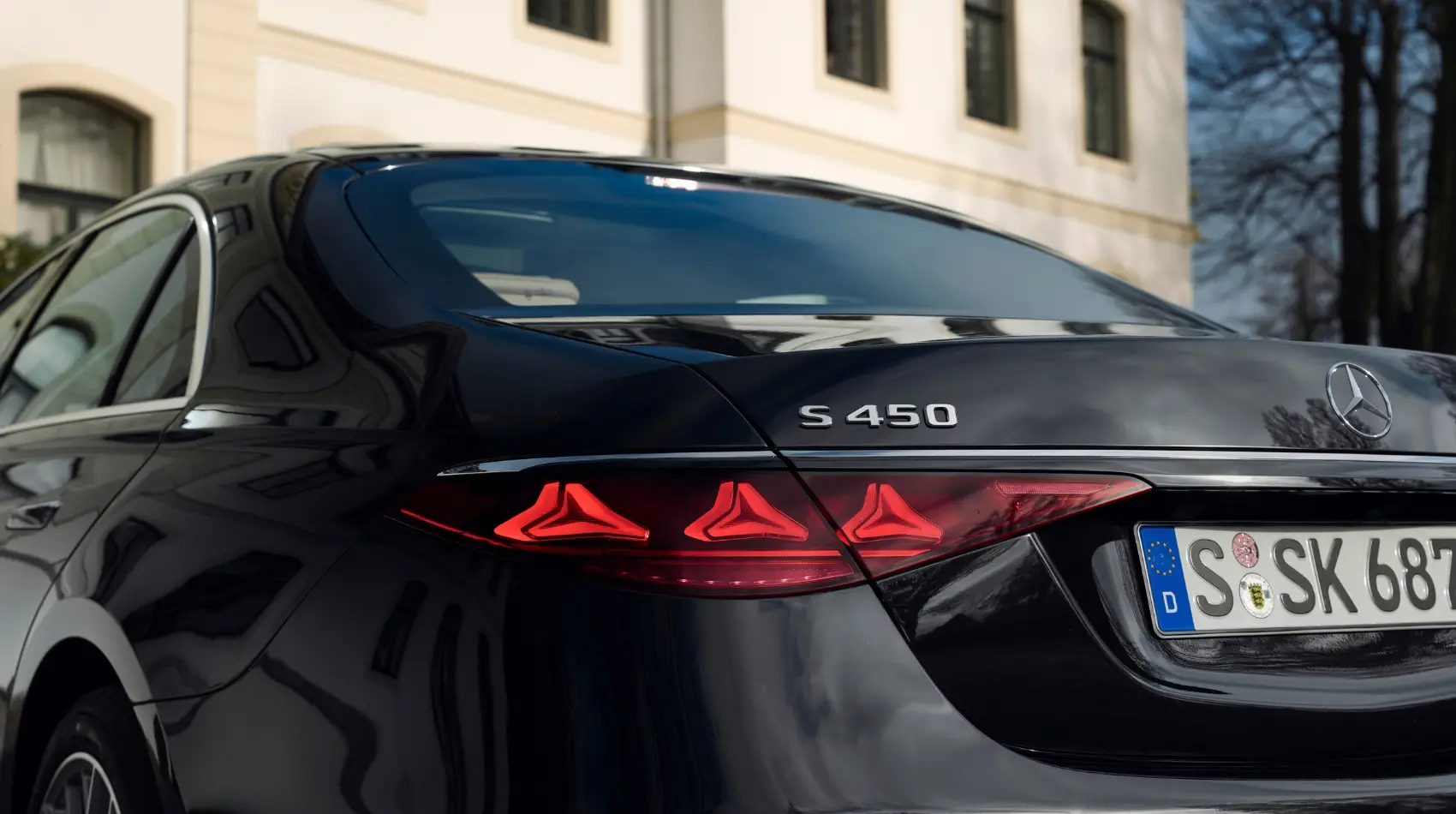
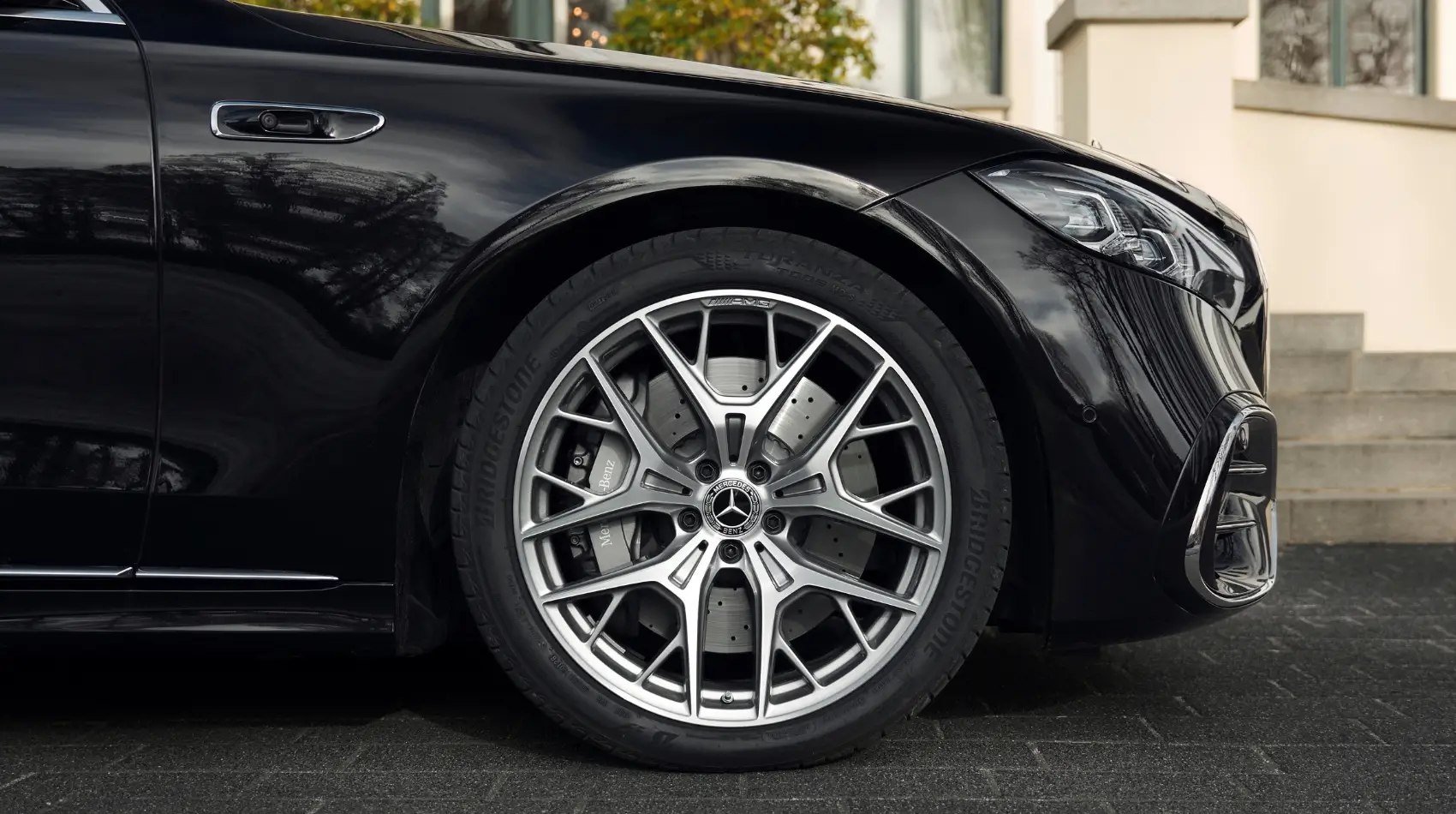
Over 2700 parts are reportedly new and more than 50 per cent of the car has been updated. Much of that engineering overhaul also revolves around preparing the S-Class for stricter future emission norms, including Euro 7 readiness, without compromising refinement. Yet visually, the changes remain subtle. Existing owners won’t feel like their older S-Class has suddenly aged overnight, and in this segment that matters enormously. Look closer though, and the facelift reveals itself through the larger illuminated grille, updated tri-star lighting signatures, new headlights, redesigned bumpers and cleaner wheel designs. The proportions remain classic S-Class with its long bonnet, restrained chrome and enough road presence to still command attention outside luxury hotels or diplomatic buildings without trying too hard. After driving it through Hamburg’s autobahns and waterfront roads, one thing became clear. This update feels designed not just for Europe, but increasingly for markets like India where luxury buyers want technology, sustainability and comfort without sacrificing traditional luxury values.
The India Angle – Why this update matters
Globally, Mercedes-Benz continues offering multiple powertrains on the S-Class including diesels, plug-in hybrids, V8s and V12 Maybach variants. For India, the brand is expected to introduce the facelifted S-Class with the new S 450e plug-in hybrid as a major highlight of the lineup. Petrol-powered variants are also likely to continue, while the future of the diesel-powered S 350d remains uncertain amid tightening emission regulations. And that makes complete sense because Indian S-Class buyers often experience the car very differently from European customers. This is not always a self-driven luxury sedan. It’s equally a moving office, airport transfer, rear-seat lounge and status symbol. Which is why the real brilliance of the S-Class isn’t outright performance, but the consistency of the experience.
Cabin Experience – Luxury through isolation
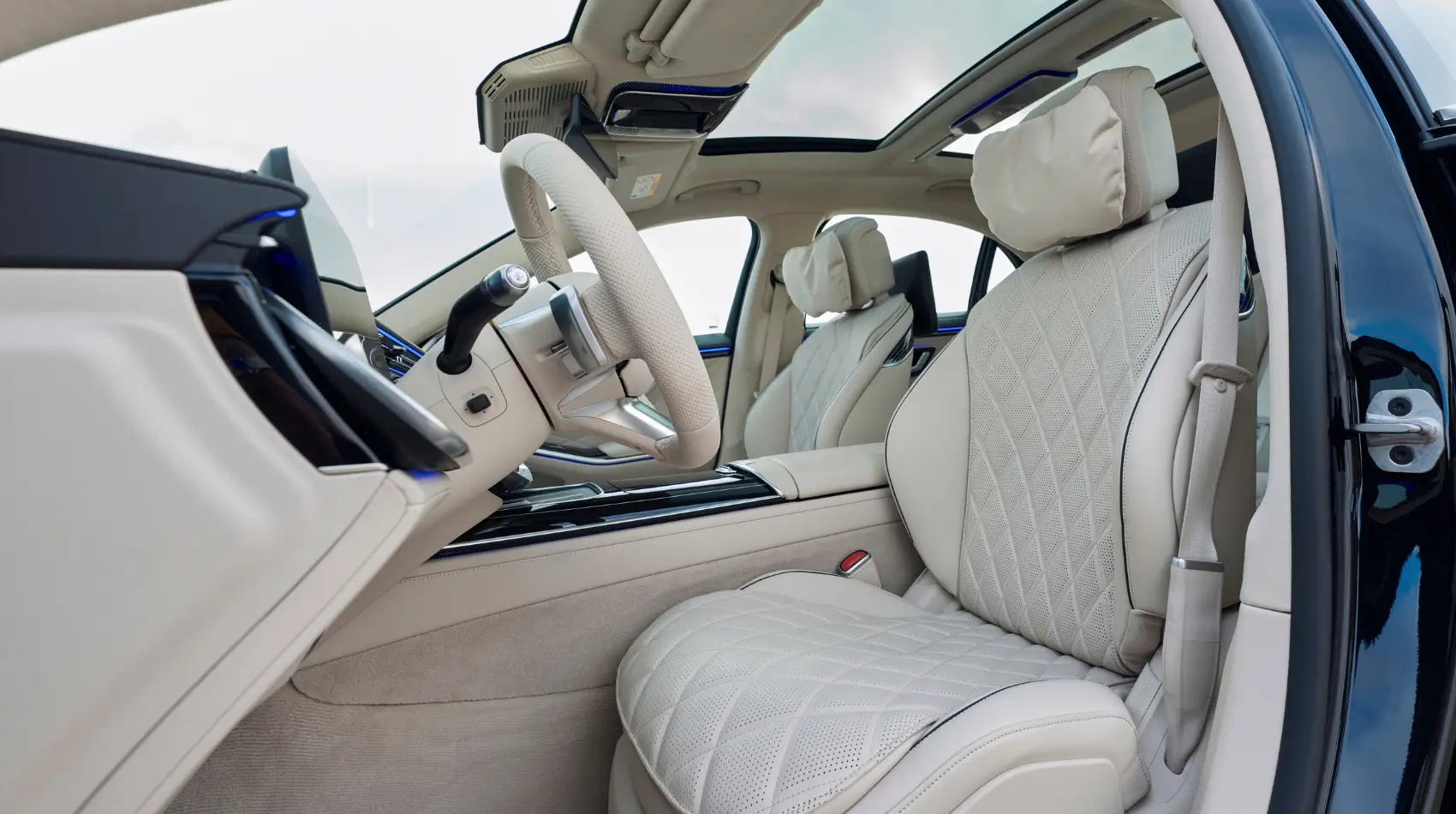
The moment you shut the doors, Hamburg disappears. That remains the S-Class’ greatest strength. Cabin insulation is still among the best in the segment, although at very high autobahn speeds you can notice slight tyre noise filtering through on rougher surfaces. It’s minor, but worth mentioning. Still, the S-Class remains exceptionally refined. The suspension simply dissolves imperfect roads underneath you while the double-glazed acoustic glass isolates the cabin impressively well. Even after long hours behind the wheel, the car never feels tiring. Mercedes-Benz has also gone deeper into comfort technology. The updated air purification system refreshes cabin air in roughly 90 seconds, while the heated seats can now reach up to 44 degree celsius. In Germany’s freezing temperatures that felt properly indulgent, though Indian buyers are likely to appreciate the ventilated seat functions far more. Even the seatbelts can now be heated.
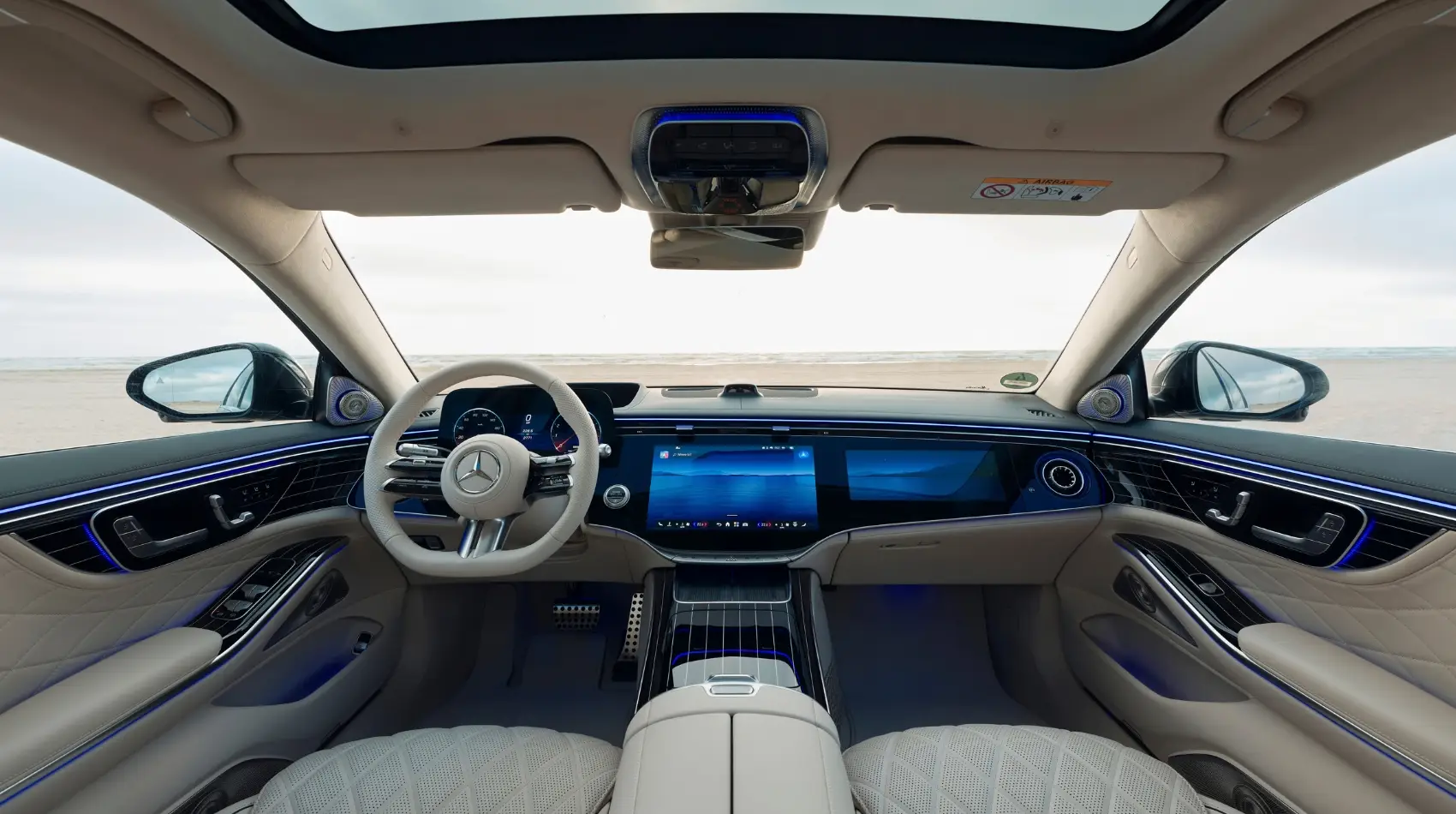
Underneath the cabin sits Mercedes’ next-generation ‘MB.OS’ architecture, effectively the digital backbone of the car. Response times feel quicker, voice commands are more natural and the MBUX system feels cleaner than before. The biggest visible change inside is the new full-width digital dashboard layout, replacing the older wood-heavy dashboard with a far more screen-centric design. A large gloss-black panel stretches across the dashboard integrating multiple displays, while redesigned AC vents and cleaner storage areas modernise the cabin noticeably. Thankfully, the brand still understands restraint. Unlike some luxury cars that now feel like oversized rolling tablets, the S-Class still integrates screens elegantly into the cabin design. The optional front passenger display is particularly interesting, using viewing-angle control technology that prevents the driver from properly viewing video content while driving, allowing the passenger to use entertainment functions without distraction.
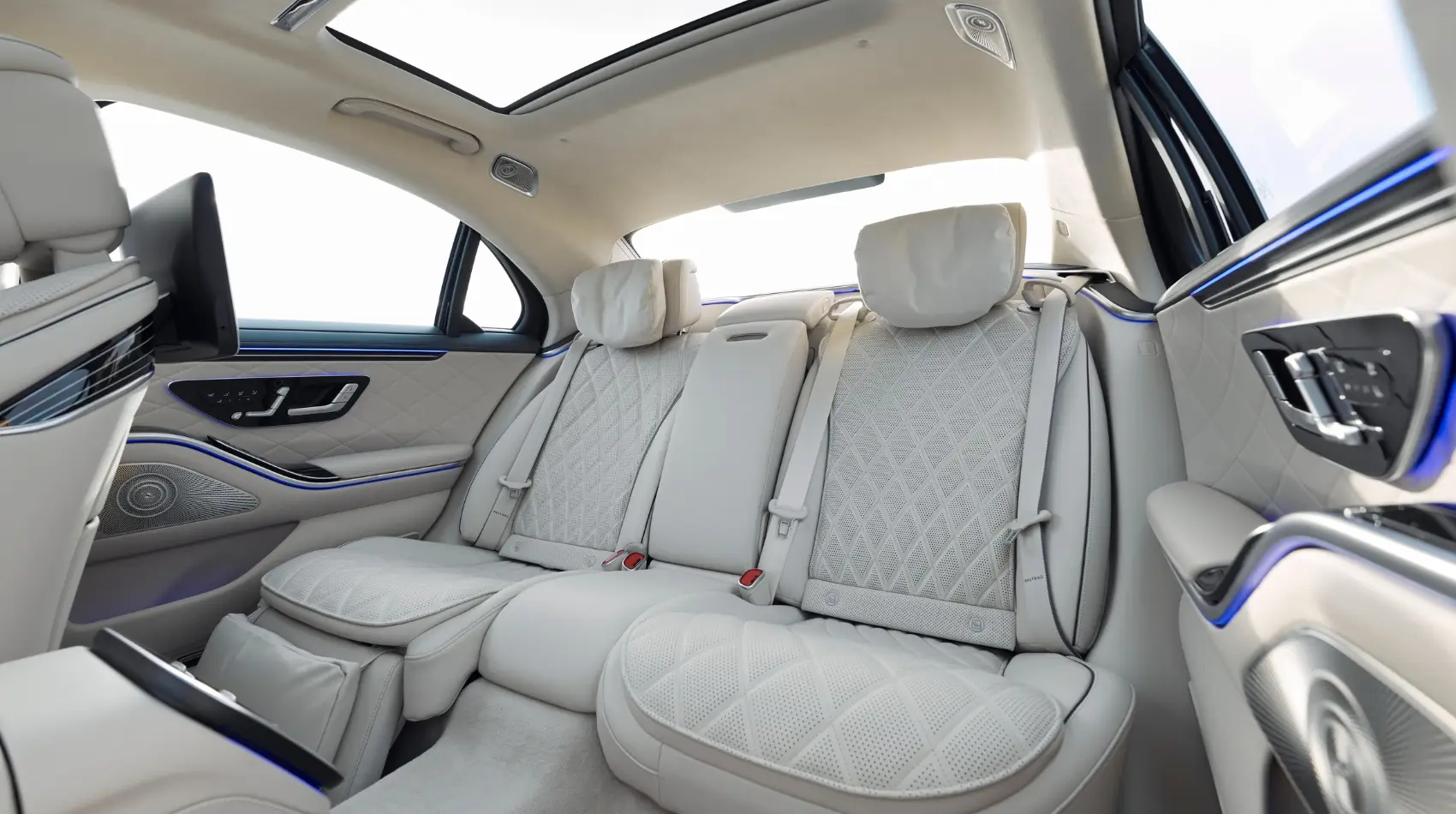
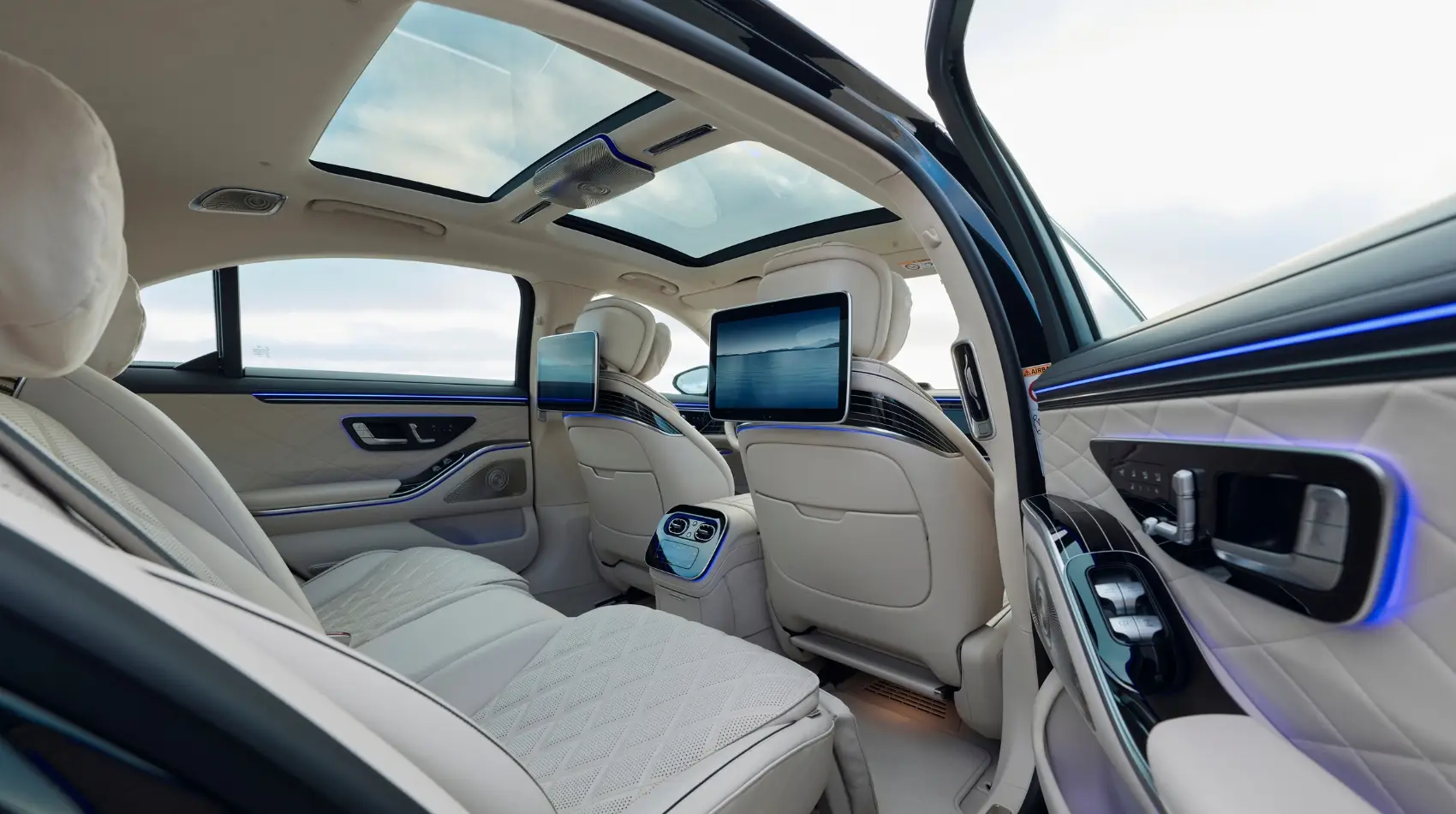
Rear seat comfort remains one of the strongest reasons to buy an S-Class in the first place. Recline the seats, activate the massage function, close the blinds and the outside world starts fading away remarkably quickly. Mercedes-Benz has also upgraded the rear entertainment experience with improved displays and updated rear-seat controls, further reinforcing the limousine character of the car. The brand has additionally expanded in-car conferencing functionality through integrated camera support and improved rear-seat connectivity features. That said, the sheer amount of digital interfaces may feel slightly overwhelming to more traditional luxury buyers who preferred the understated simplicity of older S-Class generations.
The Intelligence Layer – Smarter and faster
The new S-Class now gets 12 ultrasonic sensors supporting upgraded ADAS systems. Parking assistance has become noticeably quicker and smoother than before. The car can even store the last 150 metres driven and intelligently retrace its path out of tight parking situations. During the demonstration, the system manoeuvred with surprising confidence at speeds of up to around 4kmph while automatically steering, braking and parking itself. For increasingly cramped urban environments, especially in cities like Mumbai or Delhi, this could become genuinely useful rather than simply a showroom gimmick. The DIGITAL LIGHT system is equally impressive. Mercedes claims illumination range of up to 600 metres, turning dark highways into something remarkably close to daylight visibility. There’s also integrated red-light detection within the assistance systems, adding another layer of awareness to the driving experience. Yet the impressive part is how unobtrusive all this technology feels. The S-Class still avoids overwhelming the driver with constant notifications and artificial drama. Most systems quietly fade into the background unless needed.
Driving the Global S 580 V8 - Effortless speed
While India is unlikely to receive the V8-powered S 580 in large numbers, driving it in Germany showcased the engineering depth of the platform beautifully. The heavily updated 4-litre twin-turbo V8 now produces 530bhp and over 750Nm with mild-hybrid assistance. Despite weighing well over two tonnes, the limousine still manages 0 to 100kmph in roughly 4.2 seconds. But the real story isn’t acceleration, it’s effortlessness. This isn’t an AMG-style aggressive V8. The car delivers speed with such calmness that autobahn cruising happens almost without drama. At speeds approaching the electronic limiter, the S-Class remained incredibly composed, stable and reassuring. Even under heavy braking from high speeds, the car maintained impressive composure without unsettling passengers inside. The steering remains light rather than sporty, but that suits the character of the car perfectly. The S-Class isn’t trying to be a sports sedan. It’s trying to make speed feel invisible, and it succeeds remarkably well.
The Plug-In Hybrid – Quietly becoming the smarter choice
Then came the surprise package, the S 450e plug-in hybrid. Traditionally, plug-in hybrids in large luxury cars can feel compromised. Too heavy, too artificial or lacking character. This one works surprisingly well. The combination of the 3-litre inline-six petrol engine and electric motor produces a combined 408hp and 650Nm. Despite the additional hybrid weight, the car still manages 0 to 100kmph in around 5.2 seconds while also offering enough electric-only range to function like an EV during everyday urban commutes. But again, acceleration isn’t the point. Silence is. Around Hamburg, the S 450e glided through the city in electric mode with almost eerie smoothness. No vibration, no interruption and no dramatic transition between electric and combustion power. For Indian metro cities gradually moving toward stricter emission regulations, this setup suddenly feels extremely relevant. You get meaningful electric commuting capability during the week while retaining the long-distance usability expected from an S-Class. It may not have the emotional theatre of the V8, but in many ways it feels like the more intelligent luxury solution moving forward.
Why the S-Class still matters
In an era where luxury manufacturers are increasingly obsessed with giant screens and startup-style reinvention, the S-Class still feels deeply engineered, and that matters. Features introduced here eventually filter into the rest of the industry. Adaptive suspension systems, advanced safety technologies, intelligent lighting, rear-wheel steering and cabin filtration innovations have historically all passed through the S-Class first. That hasn’t changed with the 2026 model. The doors still close with vault-like precision. The ride quality still manages to isolate occupants from poor road surfaces better than almost anything else. The cabin airflow, refinement and composure still operate at an incredibly high level. But unlike earlier generations, the S-Class no longer feels untouchable. Competition from cars like the BMW i7, Rolls-Royce Spectre and even ultra-tech luxury sedans emerging from China means Mercedes can no longer rely purely on legacy. In Asia especially, even cars like the Lexus LM and Toyota Vellfire are redefining rear-seat luxury expectations. Which is why this update feels important. It modernises the car without losing what made the S-Class special in the first place.
Verdict – Still the benchmark, but the segment is evolving
The 2026 Mercedes-Benz S-Class is not trying to reinvent luxury. It’s refining it carefully, and for India, that’s probably the smartest direction Mercedes could have taken. Whether through the new plug-in hybrid or existing petrol and diesel variants, the S-Class still perfectly suits how Indian buyers use these cars. Chauffeur comfort, long-distance composure, rear-seat luxury and understated road presence remain unmatched strengths. At the same time, the plug-in hybrid hints at where the future of luxury mobility is heading, while the V8 reminds you why traditional engineering still holds emotional appeal. The S-Class may no longer exist without competition breathing down its neck, but after driving the updated model through Germany, it still feels like the benchmark every luxury car manufacturer quietly studies before entering the room.