No turbo automatic, NA engine feels dated, introductory pricing gimmick
There is something strangely admirable about a car that refuses to chase trends. While the rest of the compact SUV segment spent the last few years adding dramatic styling, increasingly complicated technology and headline-grabbing performance figures, the Maruti Suzuki Brezza quietly carried on doing what it had always done best. It sold in huge numbers because it was dependable. It was easy to own. It held its value. It rarely surprised anyone.
And therein lay the problem. The Brezza had become predictable. The Tata Nexon evolved into a design statement. The Kia Sonet became almost premium. Mahindra's XUV 3XO arrived with performance that genuinely caught enthusiasts off guard. Even Hyundai kept nudging the Venue further upmarket. Suddenly, the Brezza wasn't leading the conversation anymore. It was simply participating in it.
This facelift feels like Maruti Suzuki recognising exactly that. Rather than reinventing the car, they've carefully addressed almost every criticism buyers had while preserving the qualities that made the Brezza successful in the first place. It's a measured update rather than a revolutionary one, but sometimes measured is exactly what a mature product needs.
The Brezza's story stretches back to 2016 when it launched as the Vitara Brezza. At a time when compact SUVs were still finding their feet, Maruti delivered something perfectly suited to Indian buyers. It looked rugged enough, drove comfortably, returned respectable fuel economy and came backed by the country's largest service network.
Success followed almost immediately. By the time the second-generation Brezza arrived in 2022 (sans the Vitara badge), it had become one of India's automotive institutions. The problem wasn't sales. Those continued. The problem was perception. It had become the sensible option.
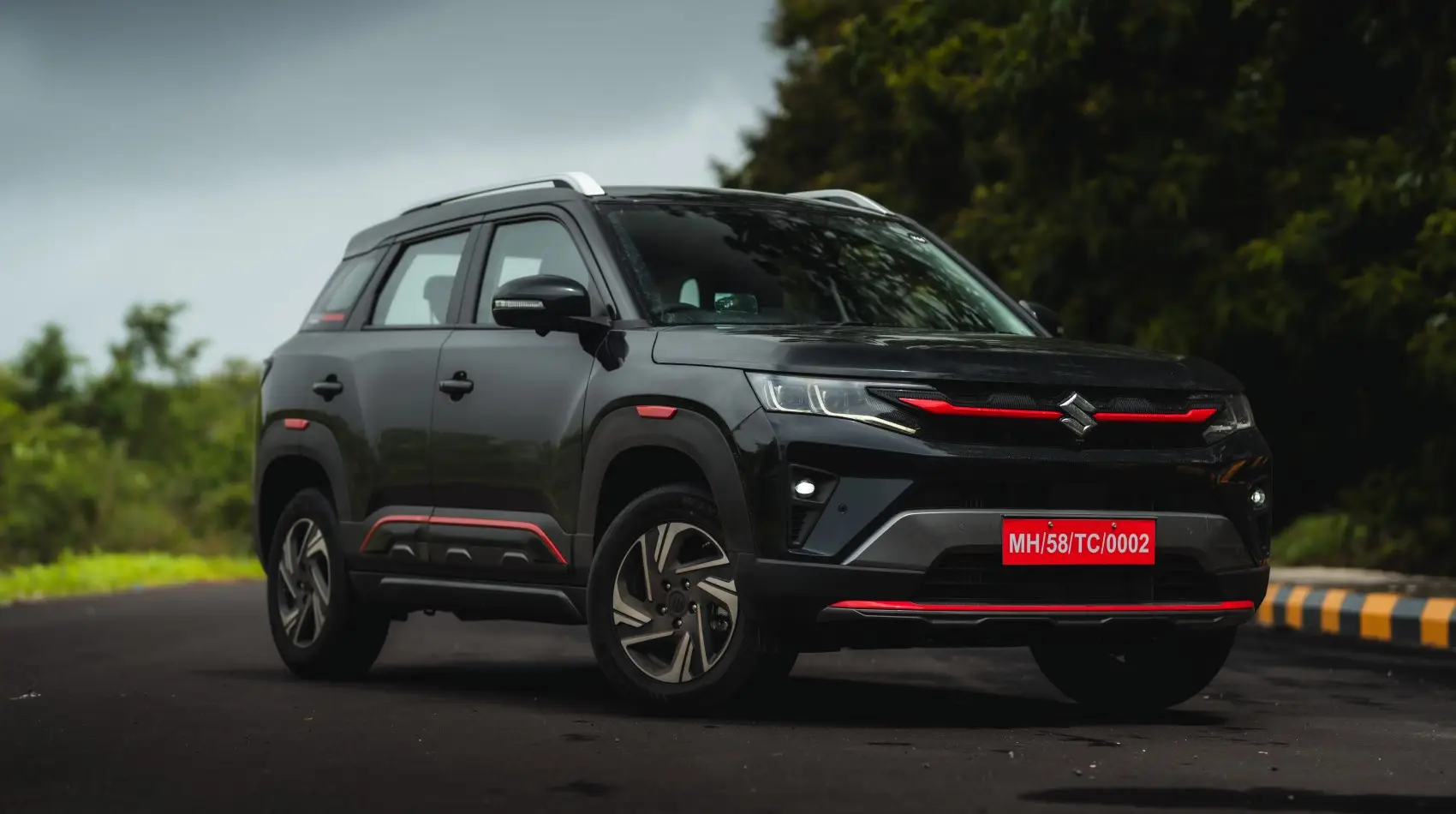
The facelift attempts to change that. Thankfully, Maruti hasn't fallen into the trap of trying too hard. One glance is enough to tell you this is still unmistakably a Brezza.
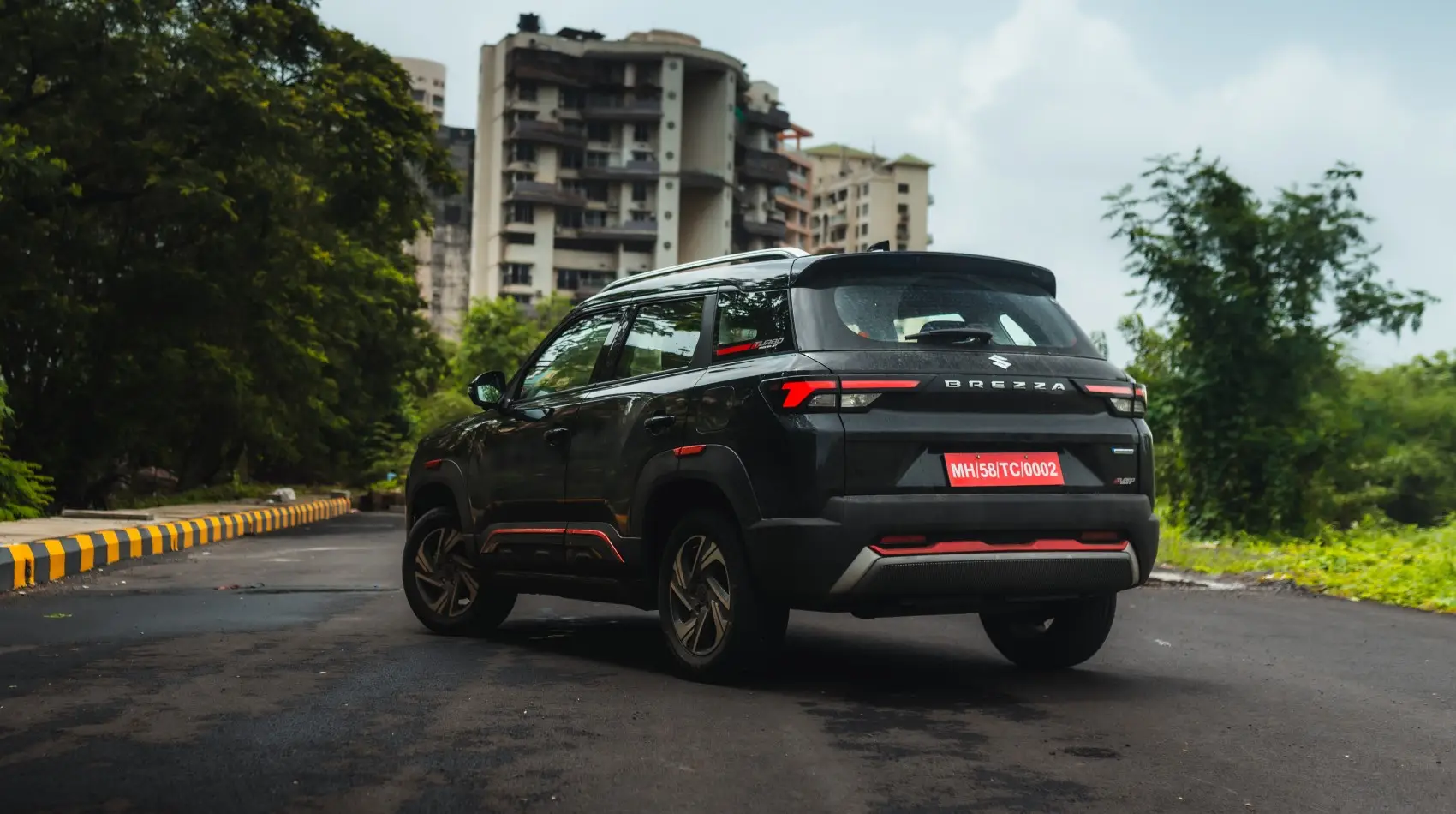
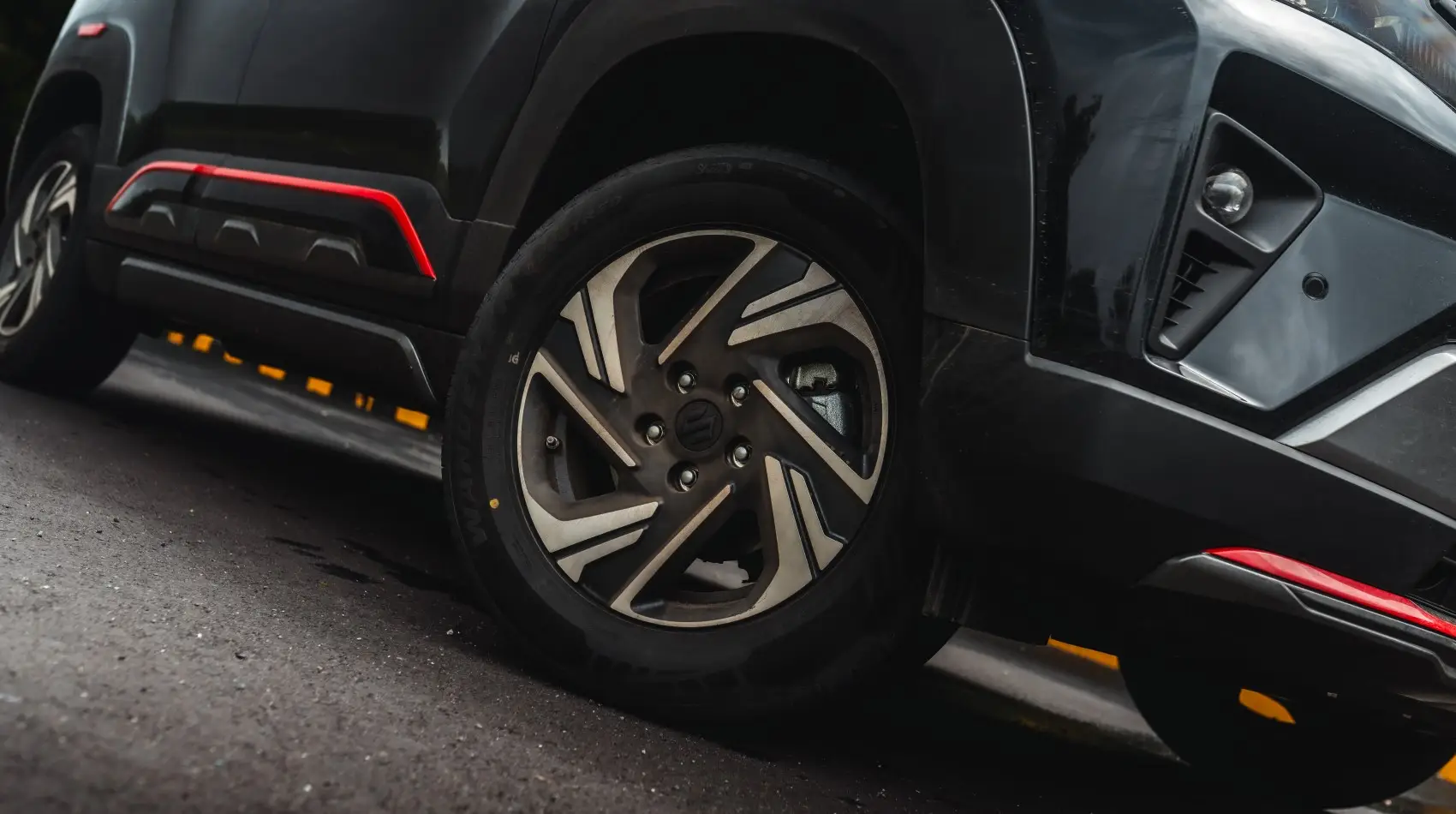
The familiar proportions remain intact, but the details have matured. The new grille carries a darker chrome treatment that gives the front end considerably more character, while the redesigned bumpers sharpen the overall stance without becoming unnecessarily aggressive. New alloy wheels finally look substantial enough to fill the arches properly, adding visual confidence that the outgoing design lacked.
It's a cleaner execution rather than a louder one. Park it next to the previous model, and the improvements become obvious. Viewed on its own, however, the Brezza simply looks like a more complete design of itself, and that restraint works in its favour.
Inside, the transformation is considerably more noticeable. The outgoing cabin always felt functional, but it never made you pause and appreciate it. This one finally does.
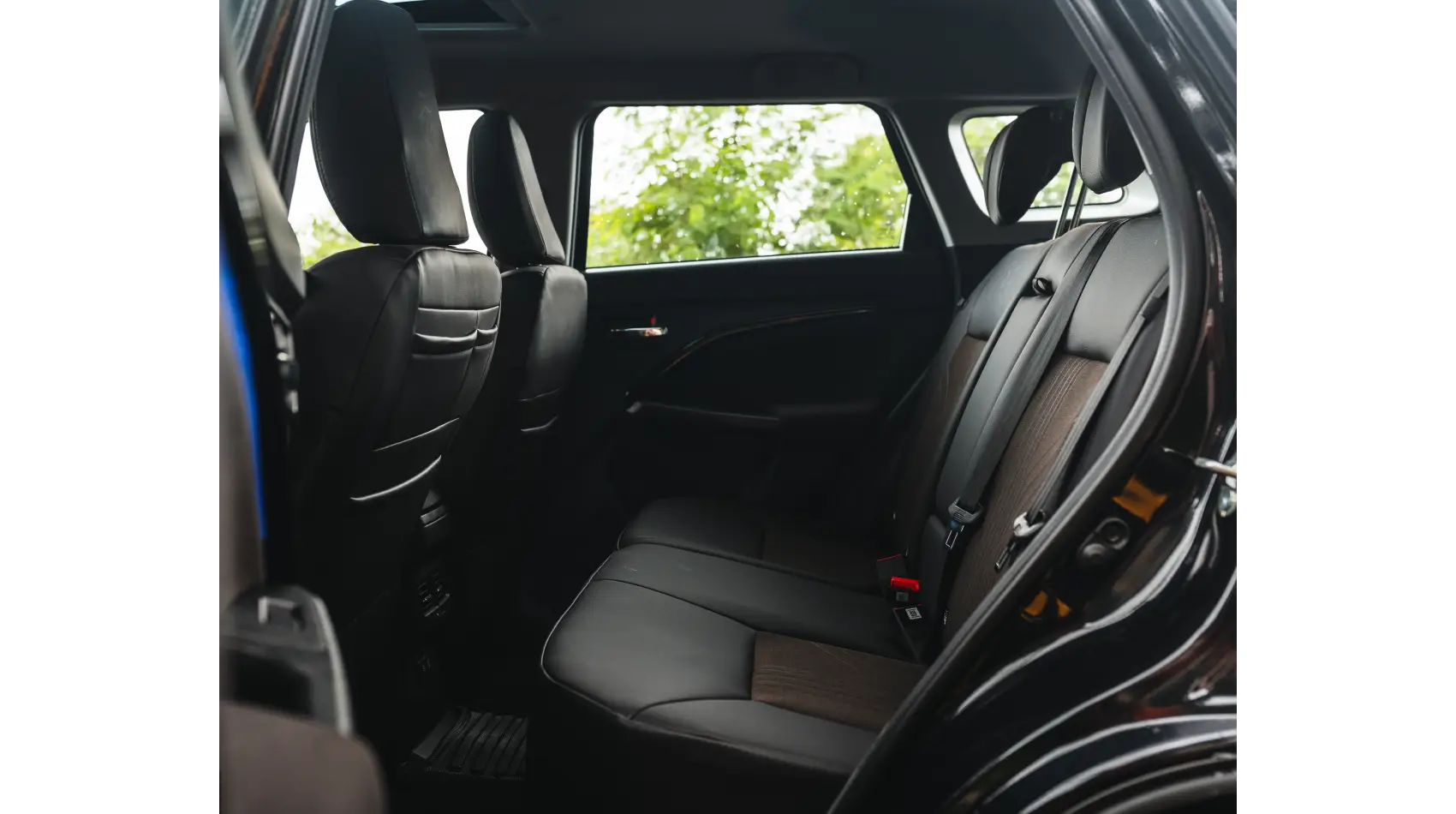
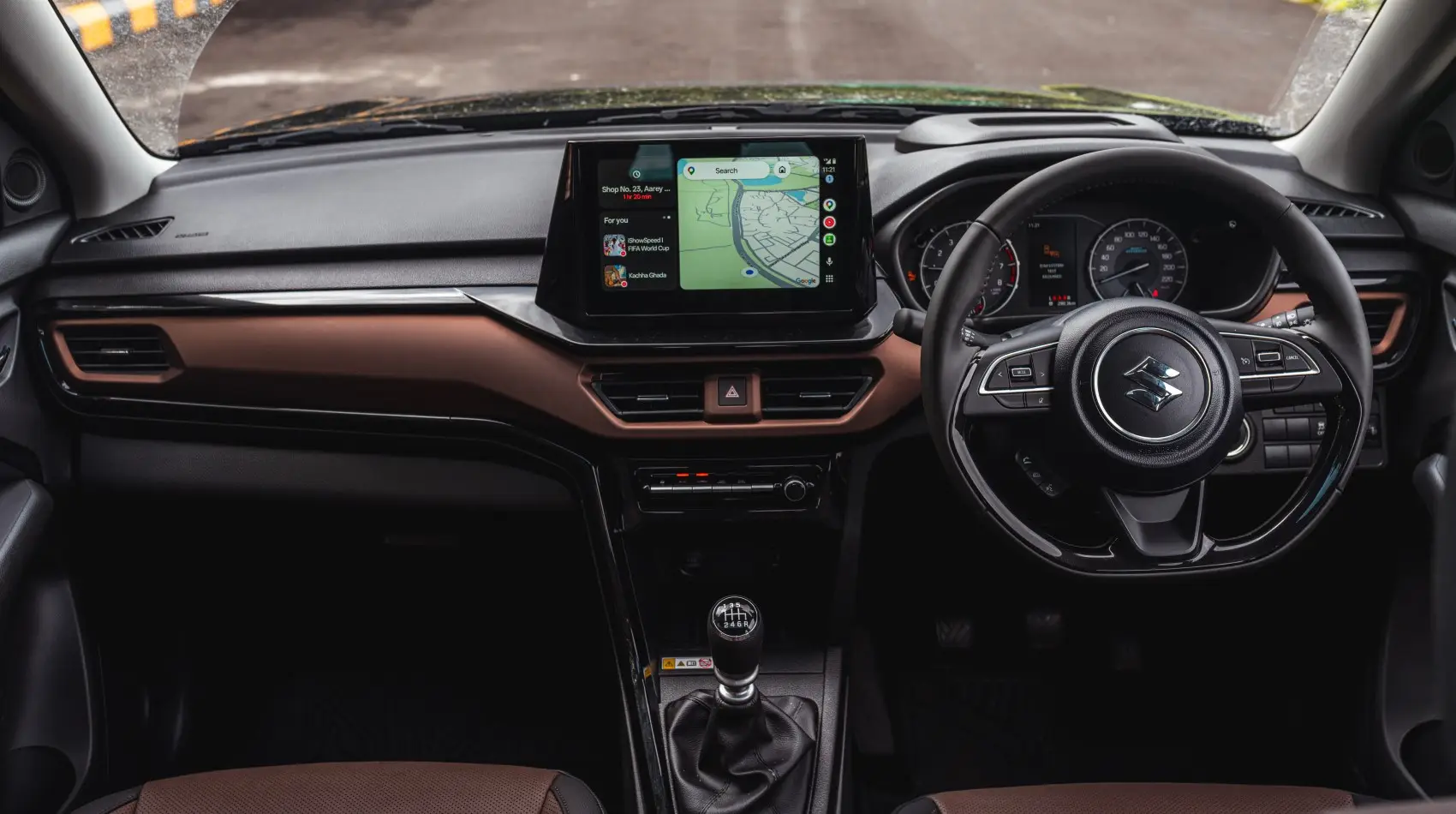
The new brown-and-black dashboard immediately lifts the ambience, while soft-touch materials across the fascia introduce a sense of quality that was previously missing. It isn't trying to imitate luxury, nor does it need to. Instead, it creates an environment that feels contemporary and pleasant to spend time in.
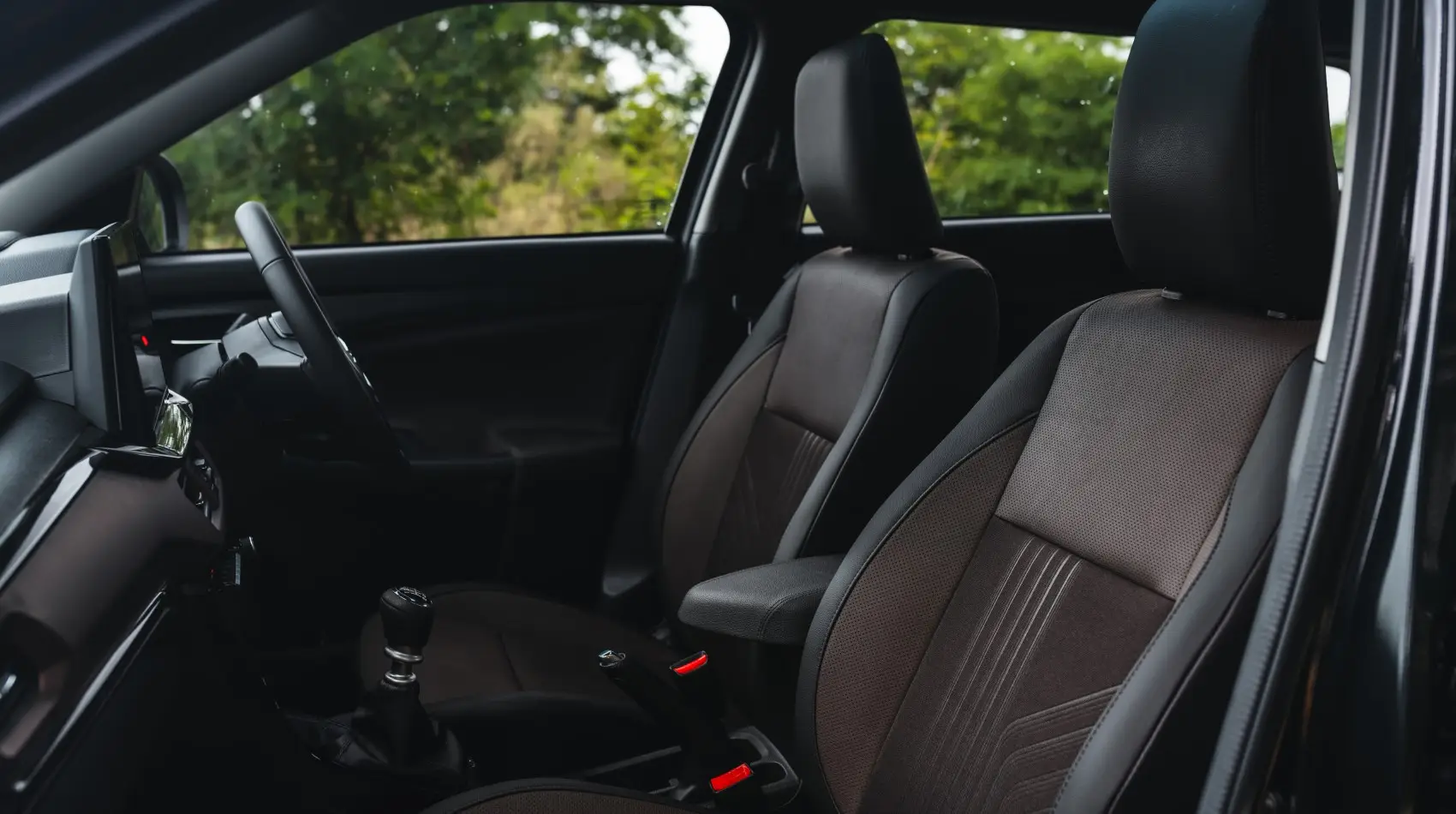
Leatherette upholstery adds another layer of sophistication, while the 64-colour ambient lighting injects just enough theatre for buyers who expect a little visual drama after sunset.
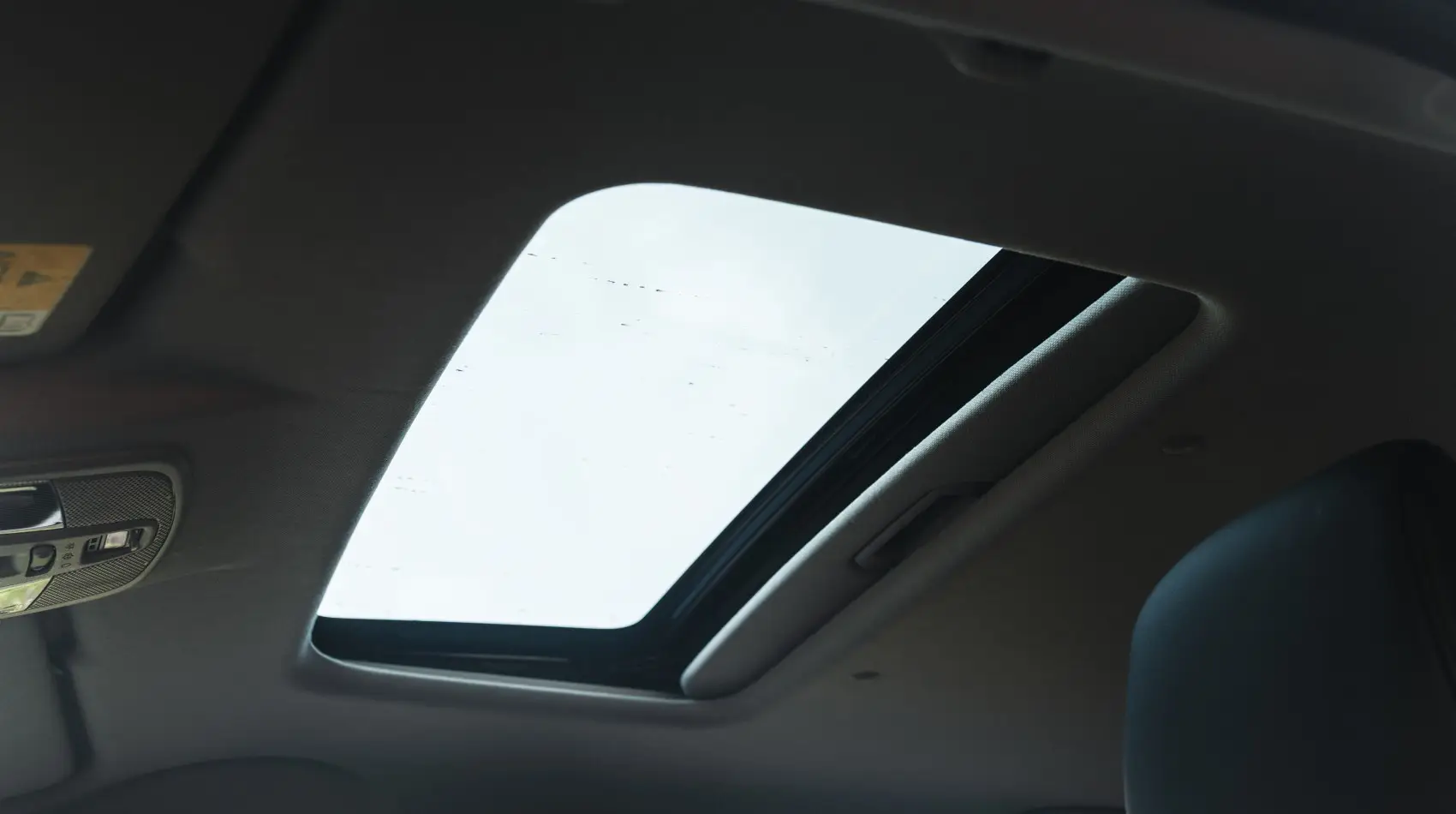
There is, naturally, an electric sunroof. Whether you personally value one or not has become almost irrelevant in this segment. Buyers expect it. Maruti has finally obliged.
Technology has received one of the biggest upgrades. Dominating the dashboard is a new 10.1-inch infotainment display that supports wireless Apple CarPlay and Android Auto. The interface feels cleaner than before, responds quickly and, importantly, doesn't demand your full attention while driving.
Maruti's integrated navigation system remains available for those who prefer factory software, while practical touches like a wireless charging pad with active cooling acknowledge a uniquely Indian problem: phones overheating while charging. It sounds like a small feature until you've lived without one.
Storage solutions remain sensible, visibility is excellent, and ergonomics continue to be among the Brezza's strongest qualities. This is still a car designed around everyday usability rather than visual gimmicks. Then come the features buyers genuinely care about today. Ventilated seats and a 360-degree camera.
It is remarkable how quickly these have evolved from luxury additions into expected equipment in India's compact SUV market. Launching a new entrant without either now feels almost impossible. Maruti has recognised that reality, and both systems perform exactly as they should.
The 360-degree camera, in particular, proves invaluable while manoeuvring through crowded city streets, while the ventilated seats are something you'll appreciate every single summer afternoon.
Interestingly, Maruti has retained an analogue instrument cluster instead of replacing it with an entirely digital display. Some will inevitably see this as dated. Personally, I don't. There is a reassuring simplicity to physical dials. They remain instantly legible, require no adaptation and communicate information without unnecessary animation. In an era where every dashboard risks becoming another tablet, a well-designed analogue cluster still has its place.
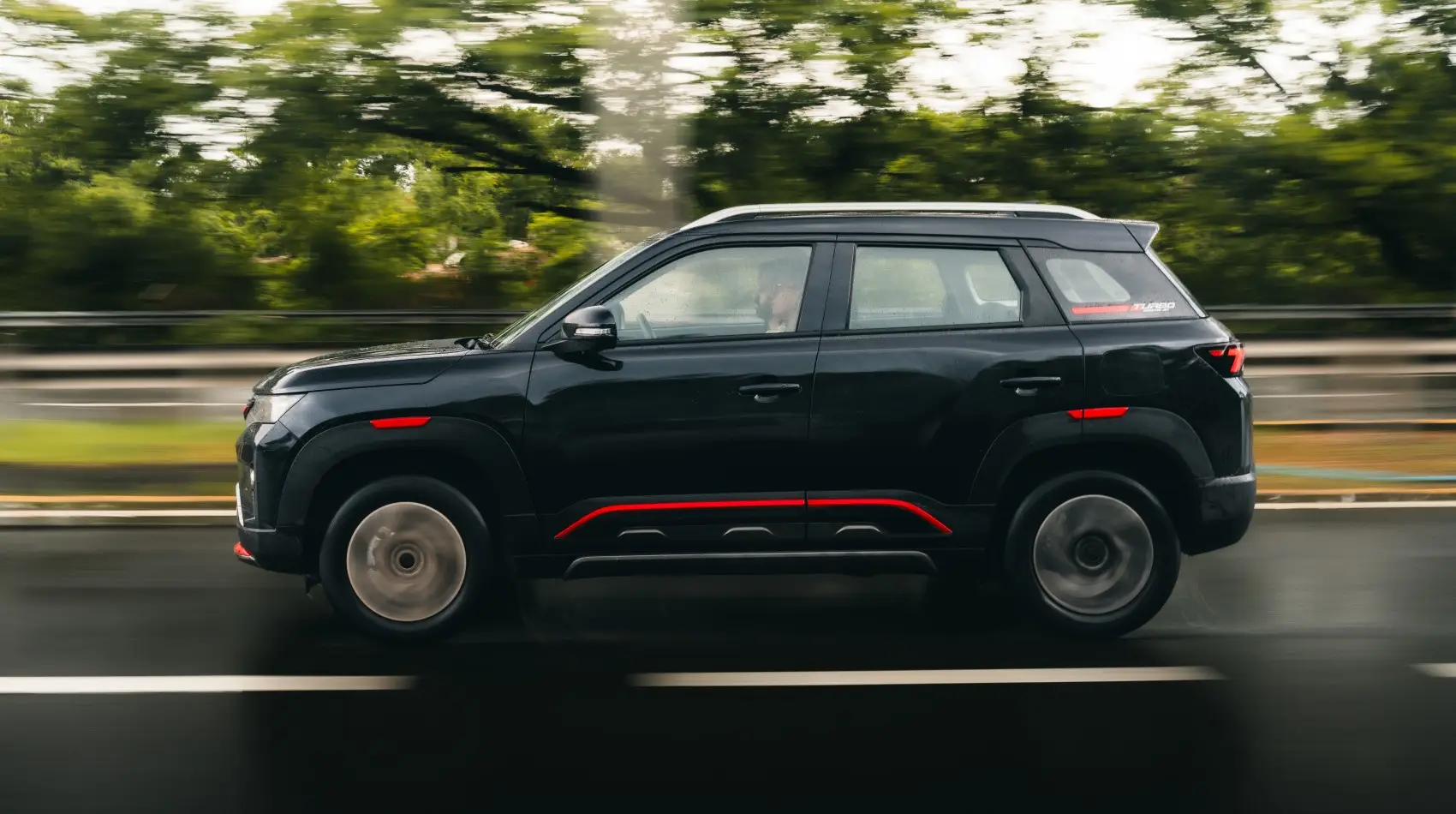
Then comes the headline act. The return of the Boosterjet. Maruti's new 1.0-litre turbo-petrol completely changes the Brezza's personality. Drive it gently and it behaves exactly as you'd expect from a daily commuter. Smooth, refined and perfectly civilised.
Keep the engine below 2,000rpm, and it remains relaxed, almost understated. Cross that threshold, though, and everything changes. The turbo begins delivering meaningful boost, transforming the Brezza into something genuinely entertaining. Overtaking doesn’t quite become effortless, but it becomes easy enough to put a smile on your face. Highway acceleration arrives with conviction rather than hesitation. There is enough urgency here to make enthusiastic driving genuinely rewarding.
What impressed me most wasn't the outright pace. It was the calibration. Many small-capacity turbo engines suffer from an abrupt surge once boost arrives. The Brezza doesn't. Power builds progressively, allowing you to exploit the engine confidently without feeling like it's suddenly lunging forward. It encourages you to work through the gears, which is something that’s always greatly appreciated by those who prefer manual transmissions.
Perhaps that's exactly why Maruti has paired it exclusively with a six-speed manual transmission. For enthusiastic drivers, that decision makes perfect sense. The gearbox complements the engine beautifully, allowing you to stay within its sweet spot while extracting the best from its performance. There's genuine satisfaction in chasing the torque band rather than simply relying on automatic kickdowns to do the work for you.
It has been a while since a Maruti SUV genuinely encouraged spirited driving. This one finally does. If outright performance isn't particularly high on your priority list, the familiar 1.5-litre naturally aspirated petrol continues alongside manual, automatic and CNG options. That engine remains smooth, dependable and entirely suited to buyers who spend most of their lives navigating congested urban traffic.
But if it were up to me, I'd still choose the turbo every single time. Ride quality continues to be one of the Brezza's strengths. Suspension tuning remains comfortably biased without becoming excessively soft, absorbing broken urban roads with confidence while maintaining composure at highway speeds.
The steering doesn't pretend to be particularly communicative, yet it is accurate enough for everyday driving and light enough to make parking effortless. That's exactly what most buyers will appreciate.
Safety has received meaningful attention as well, though it still does not get an ADAS 2.0 suite. Nevertheless, the car brings a number of useful safety features onboard, like Blind Spot Monitoring, Rear Cross Traffic Alert, Safe Exit Warning, TPMS and six airbags. And I feel these are significant enough to strengthen the Brezza's credentials. The 5-star Bharat NCAP recognition helps as well, of course.
The important thing amidst all this is that none of these systems feel like marketing additions. They genuinely improve day-to-day usability, as I found out during my short drive around Mumbai while doing this review.
What I appreciated most about this facelift is that Maruti hasn't attempted to transform the Brezza into something it never needed to become. It hasn't chased exaggerated styling for the sake of social media photographs. It simply feels... complete now.
Every meaningful weakness of the outgoing car has been addressed. The cabin finally reflects modern expectations. The equipment list no longer trails the competition. Most importantly, the new turbo engine injects genuine enthusiasm into what was previously an entirely rational purchase.
That said, all this doesn't automatically make the Brezza the segment leader. Yet, this can definitely be treated as Brezza’s mature re-entry into the segment. For years, most people buying the Brezza have felt like they’re making the responsible decision. Now, for perhaps the first time since the original Vitara Brezza arrived a decade ago, it may feel like a decision they’re making because they want to.