The Honda City has always had a very clear identity. It’s the sensible sedan in its class that doesn’t try too hard to impress you with gimmicks or unnecessary drama. Instead, it focuses on getting the fundamentals right — comfort, refinement and ease of driving. And honestly, that’s exactly why so many people still continue to buy one. But with newer rivals looking increasingly aggressive and flashy, Honda clearly felt the City needed a bit more pizzazz. And that’s exactly what this second facelift of the fifth-generation City attempts to do. Unlike the 2023 update, which felt more like a mild nip and tuck, this facelift is a far more comprehensive visual overhaul with a sharper face – and this is done to make the City more appealing to younger buyers.
Interestingly, this shift in design philosophy also comes at a time when Honda has bigger plans for India. The company has confirmed six launches between FY26 and FY27, its first BEV for India is set to arrive in 2026, and there’s also a new sub-compact SUV planned for 2028. So this sharper, younger-looking City is setting the tone for what’s coming next!
Styling and Interior
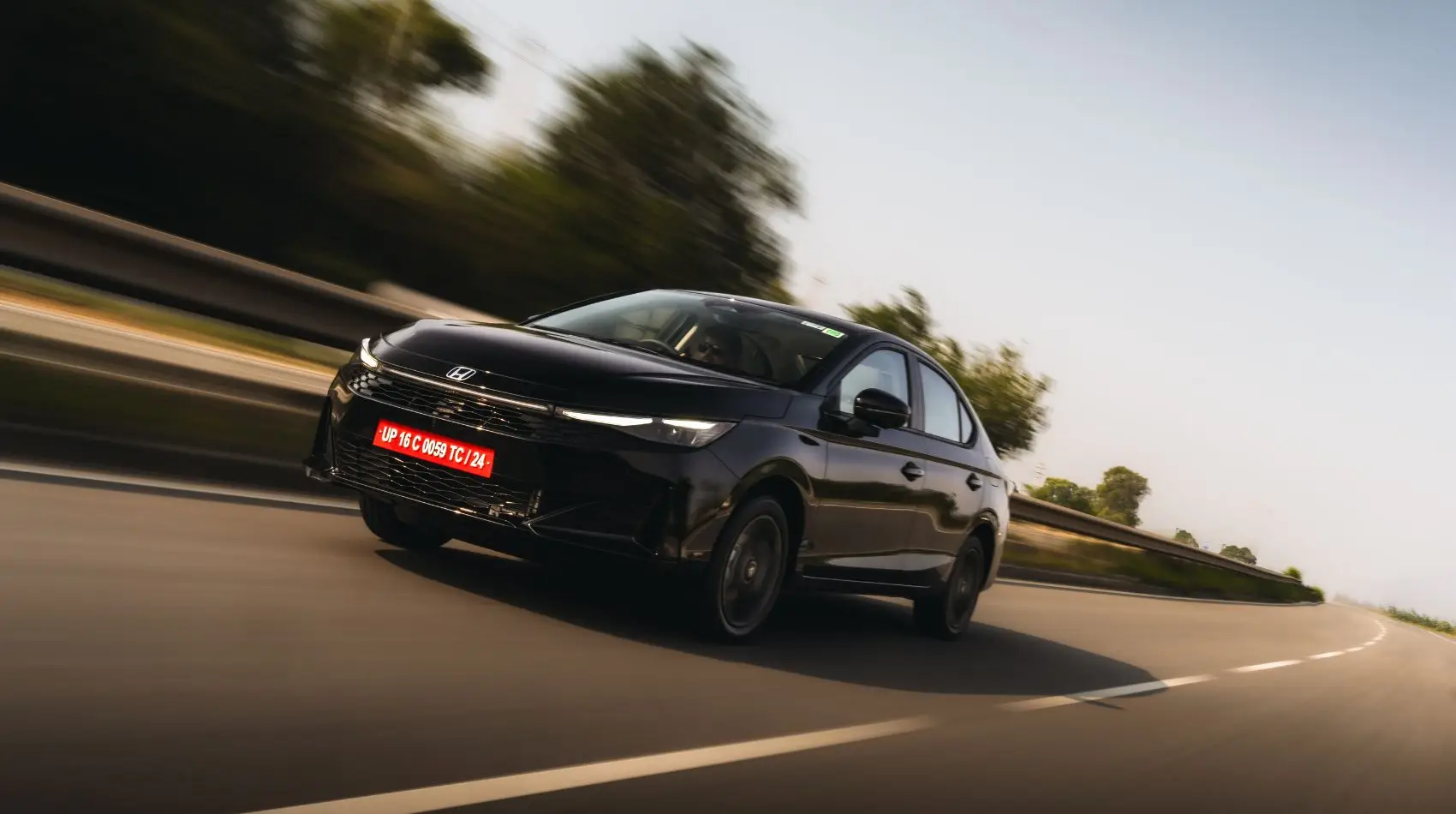
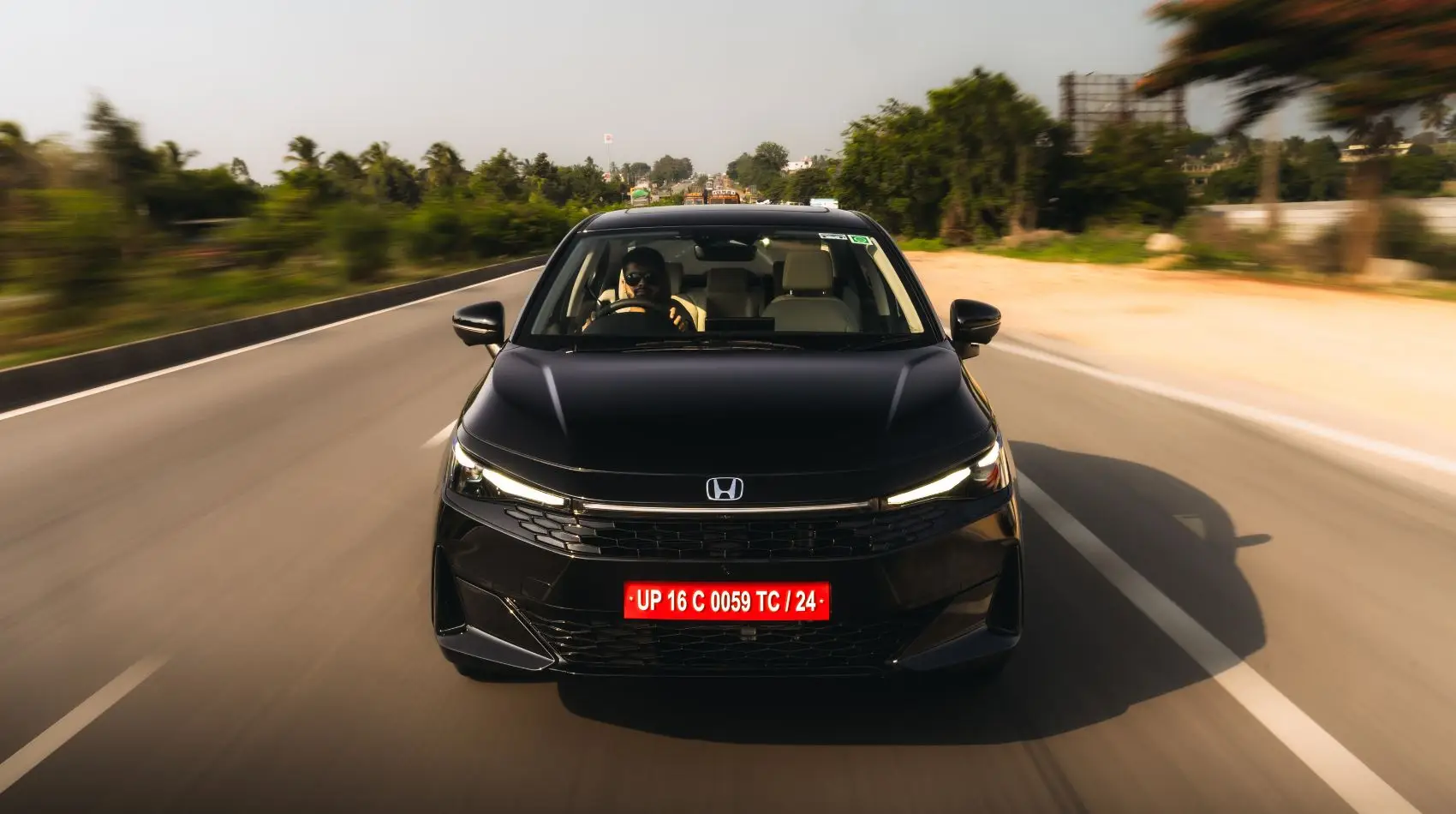
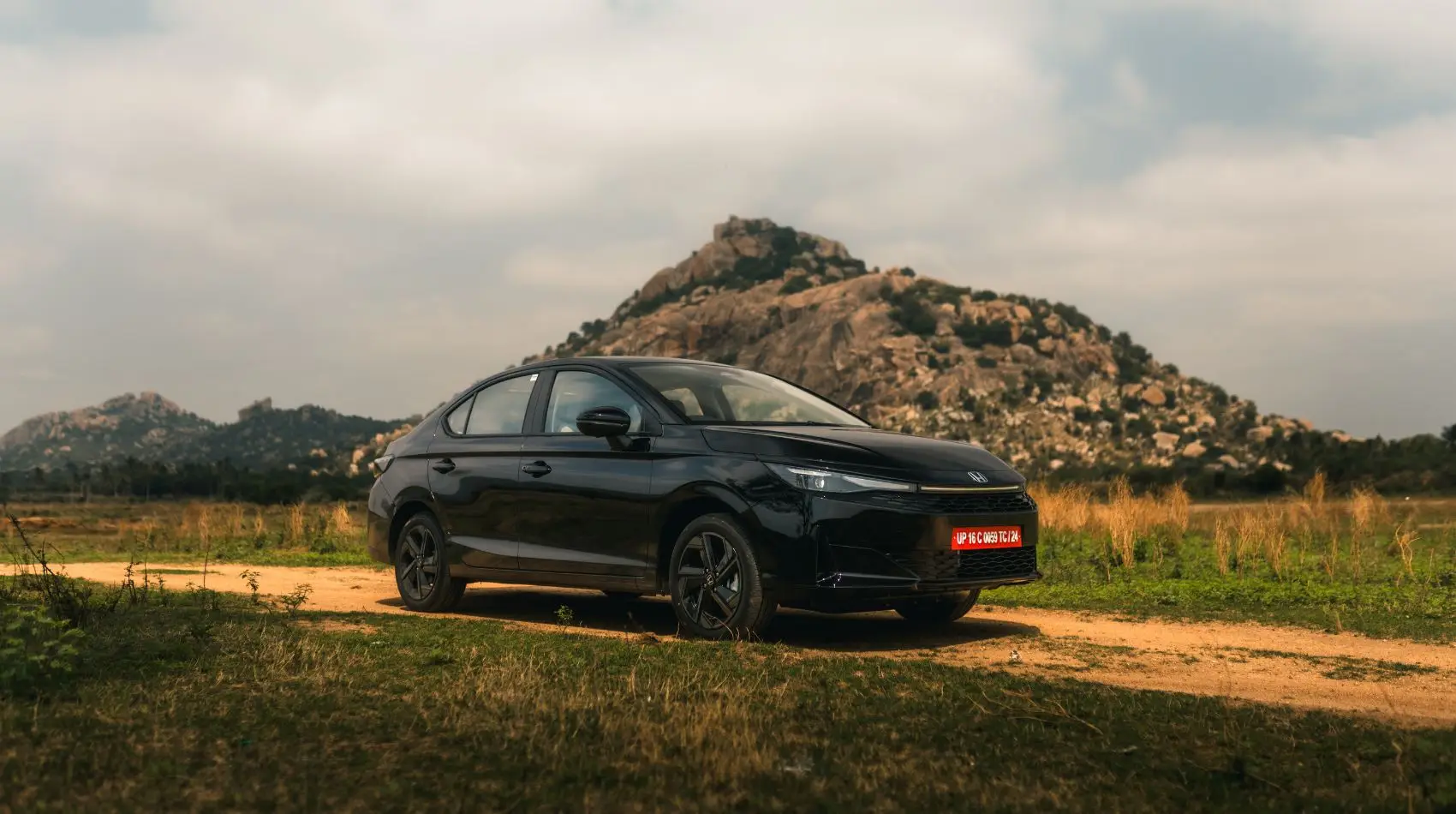
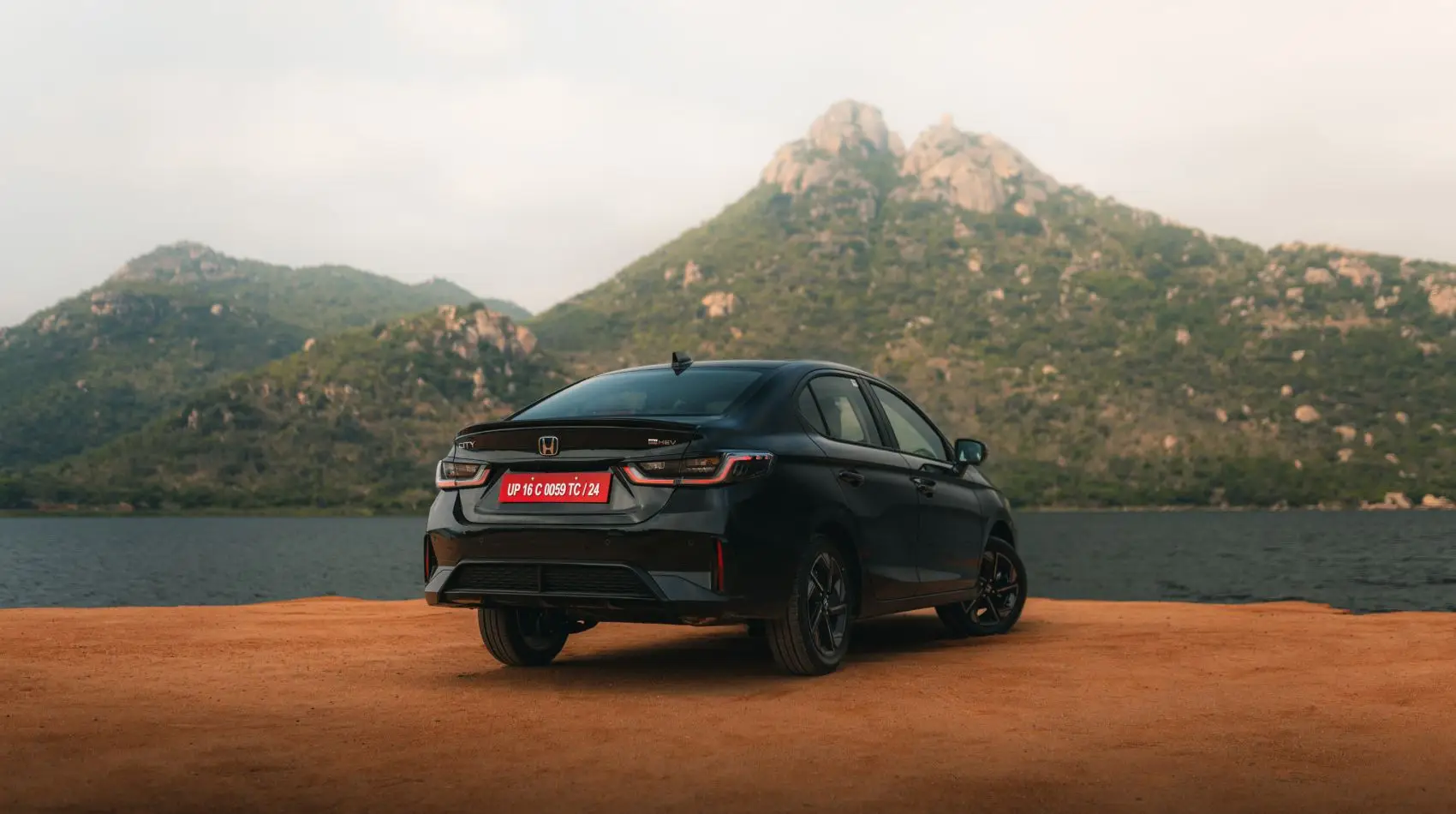
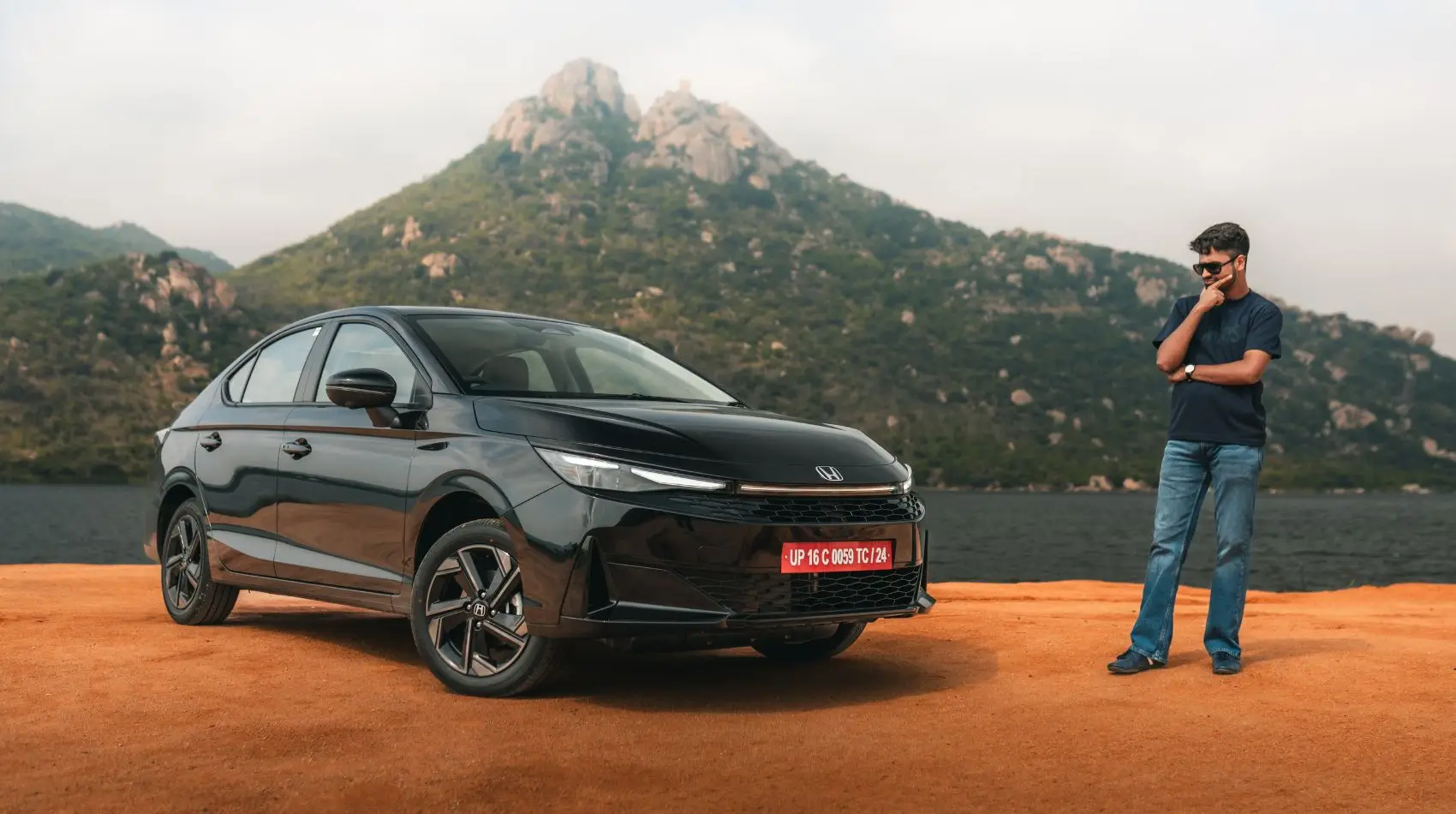
The biggest talking point is obviously the completely redesigned front end. Gone is the more mature and slightly conservative face of the older car, and in comes a much sportier setup with a new split grille finished in this honeycomb pattern. The LED headlights are now sleeker and get split DRLs. The bumper is sharper too, with larger air intakes and functional vertical triangular elements at the corners. Even the Honda badge now sits above the grille, which subtly changes the proportions of the nose and makes it look cleaner. From certain angles, the front end actually reminds me a little bit of the new Prelude, with that low, sharp nose and the sleeker lighting signature, and honestly, that’s a very good thing because it makes the City look far more exciting than before.
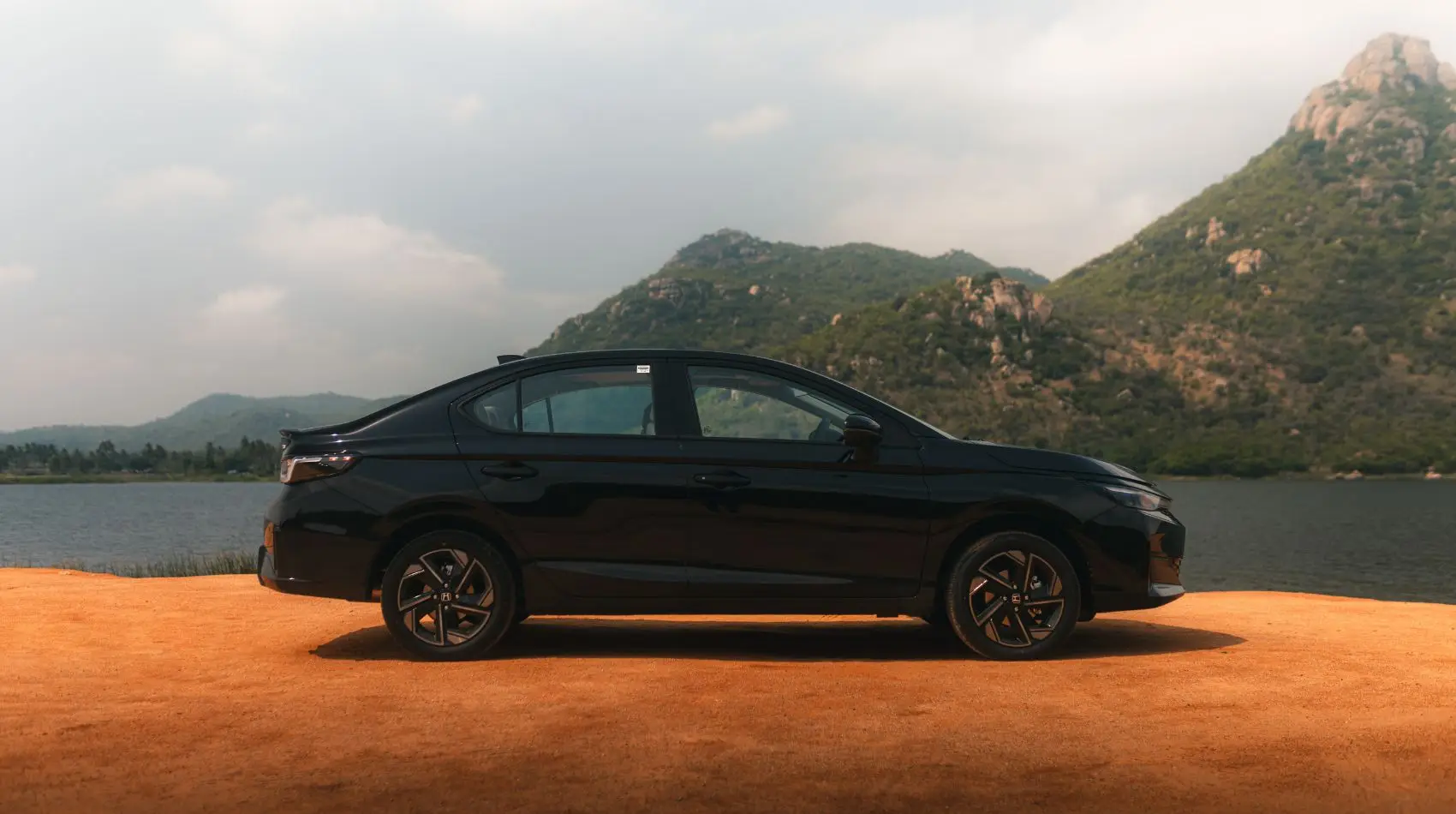
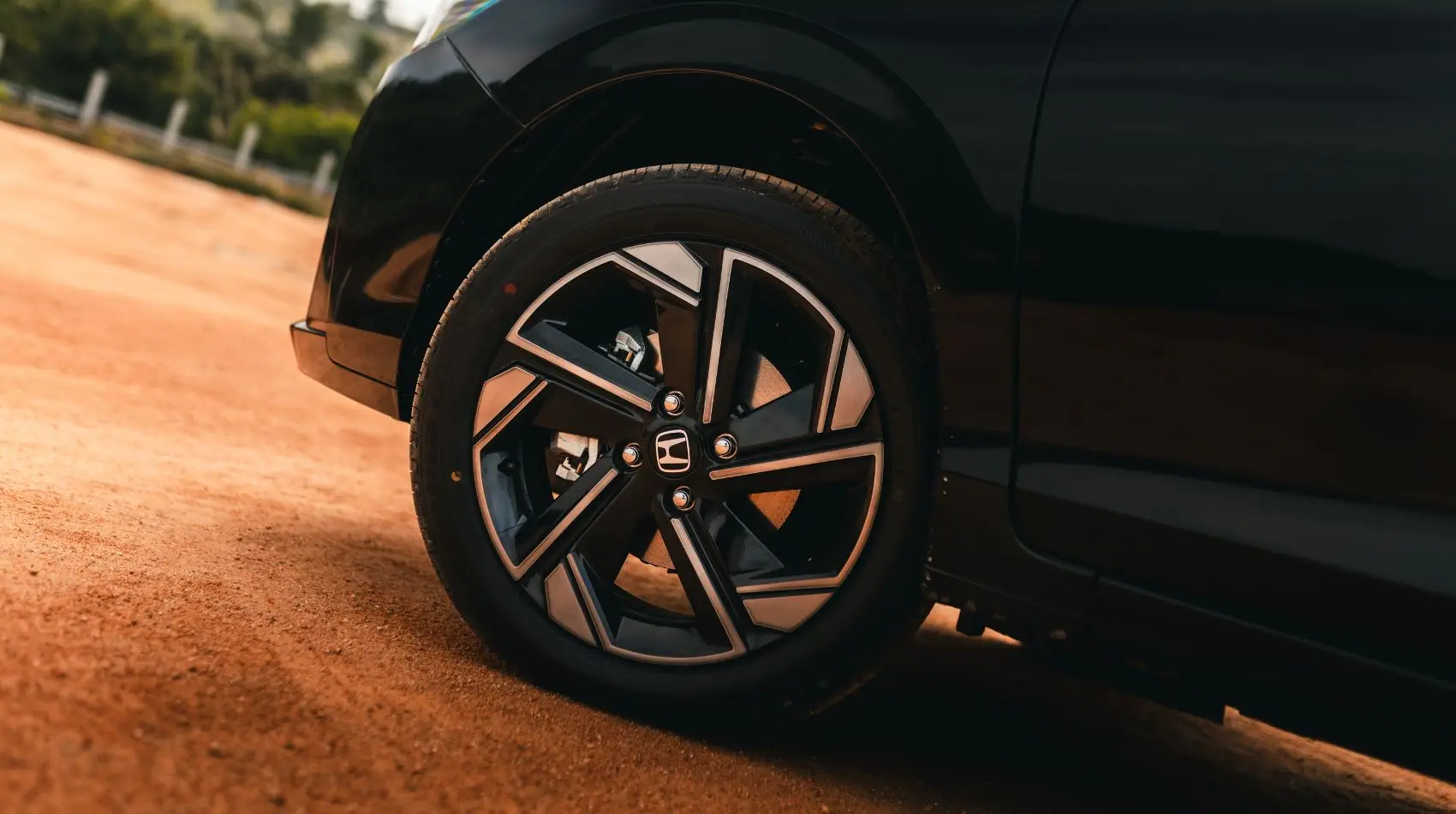
In profile and at the rear, though, there aren’t any major changes. The 16-inch alloy wheels continue, albeit with a new design. Yes, a set of 17-inch wheels would’ve filled the arches much better and given the car a more planted visual stance, because right now it still looks slightly undertyred. But the upside of sticking with these smaller wheels becomes evident the moment you start driving — the ride quality remains beautifully supple, more on that later. At the back, it continues with the same LED tail-lights and smart little bootlid spoiler, but gets a redesigned faux diffuser. There’s also a new Crystal Black Pearl shade which looks absolutely smashing.
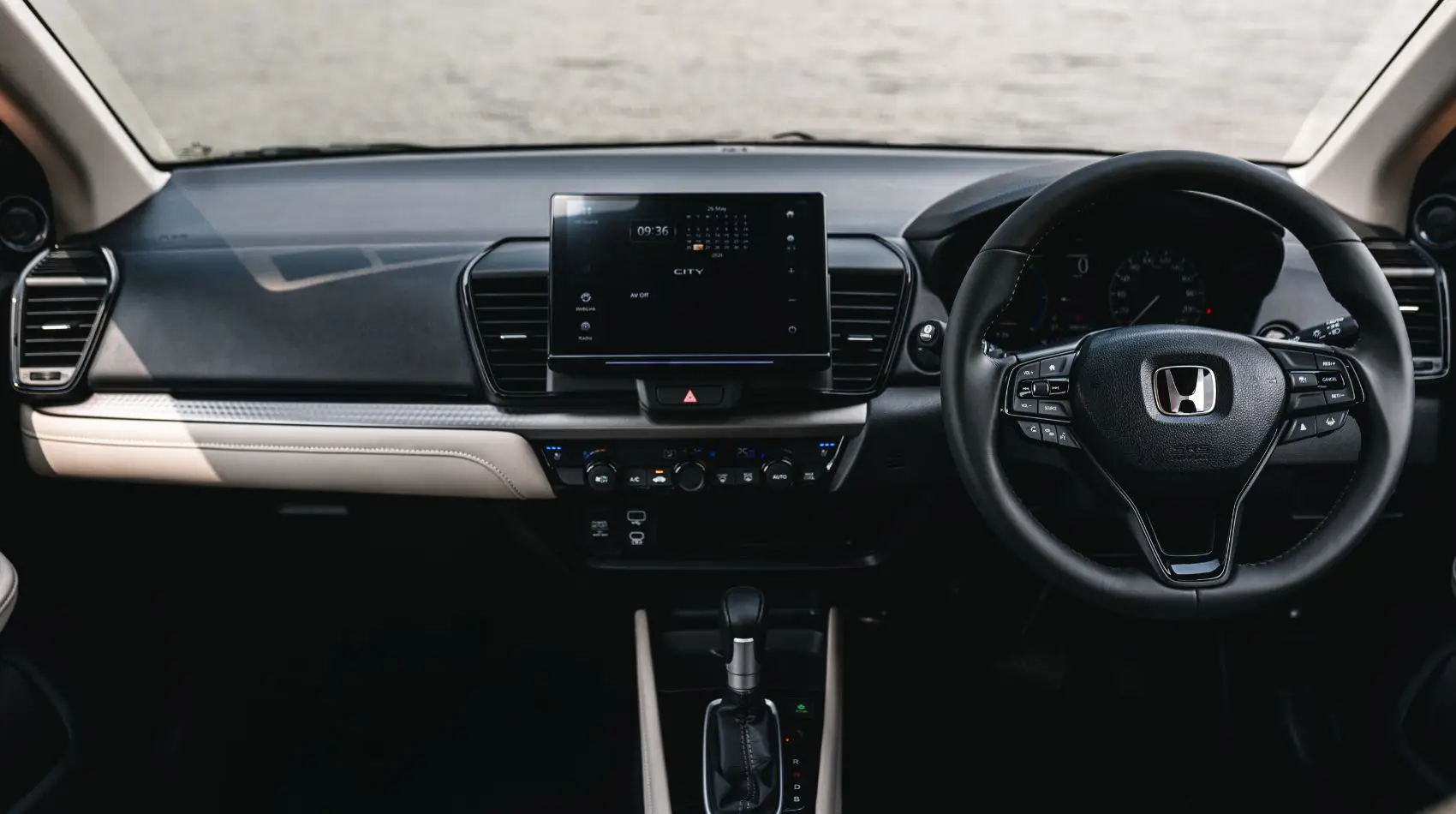
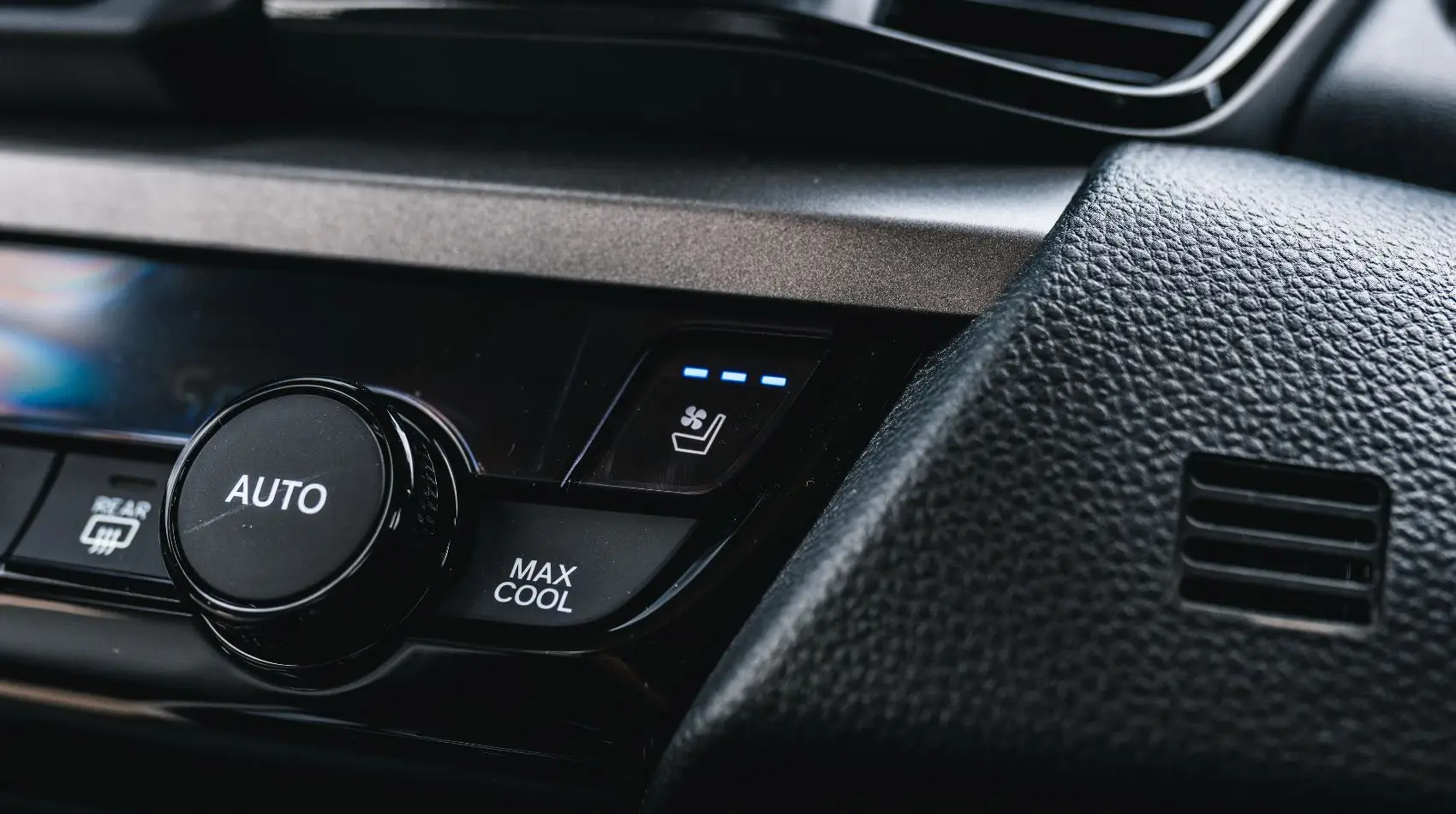
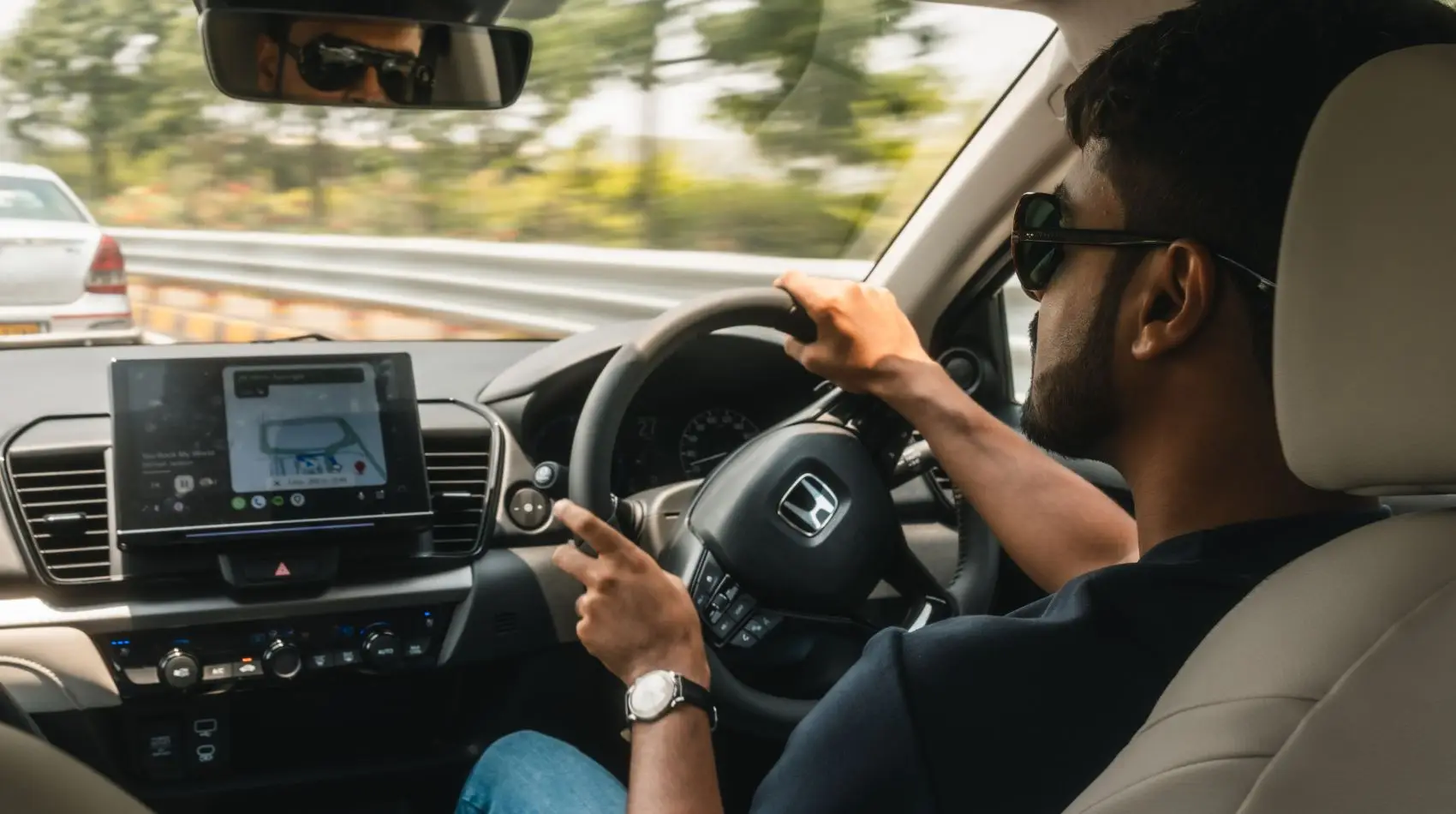
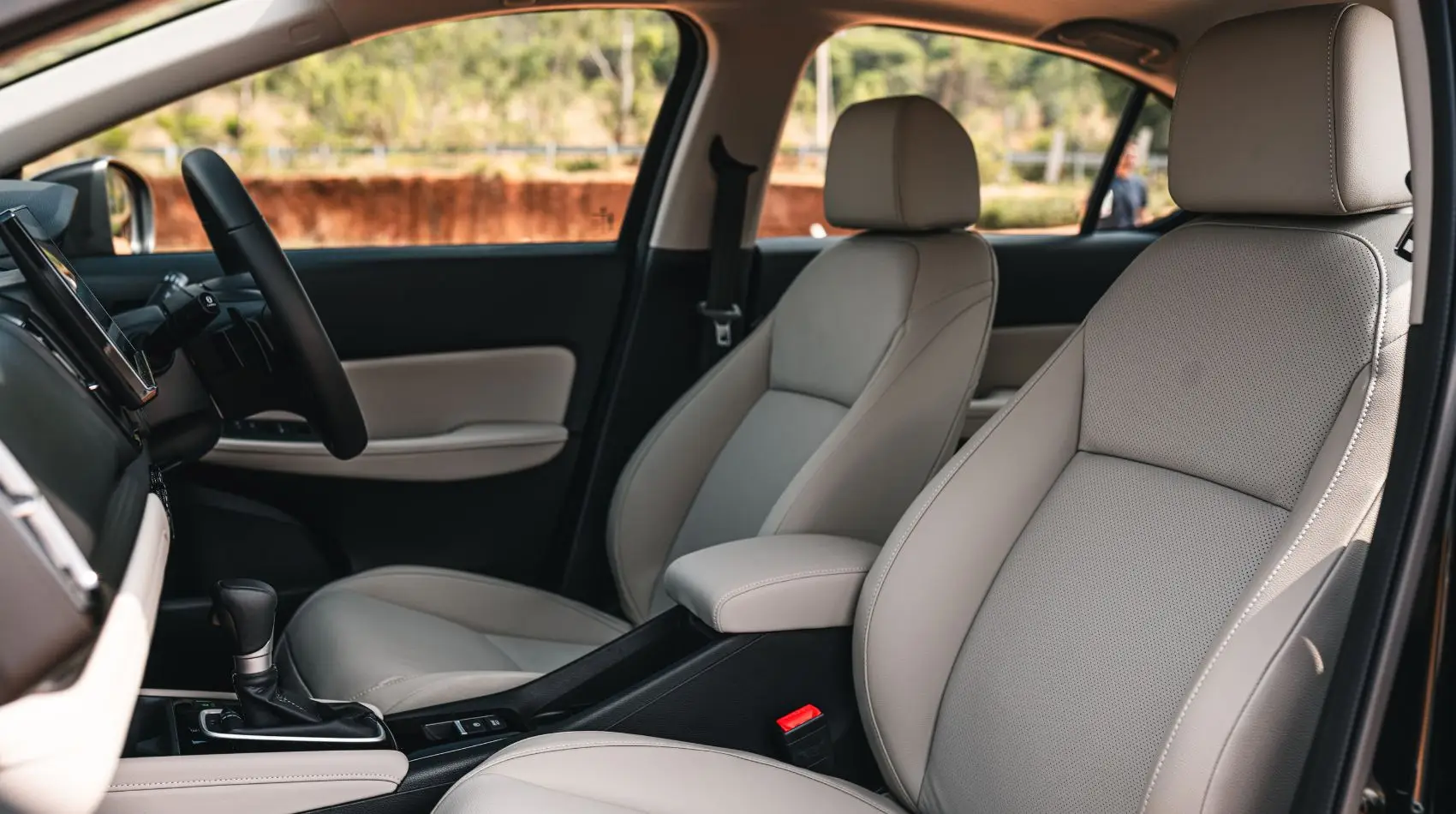
Step inside and the cabin largely retains the same layout as before, but honestly, that’s not a bad thing. The City’s interior still feels solidly built, well put together and a nice place to be in. There’s a nice mix of soft-touch materials across the dashboard and door pads, and even the plastics feel properly nice to touch. More importantly, there are still physical buttons and knobs for key functions like the climate control, which instantly makes the cabin feel easier to use while driving. Yes, I would’ve also liked a physical volume knob, but that’s hardly a deal breaker.
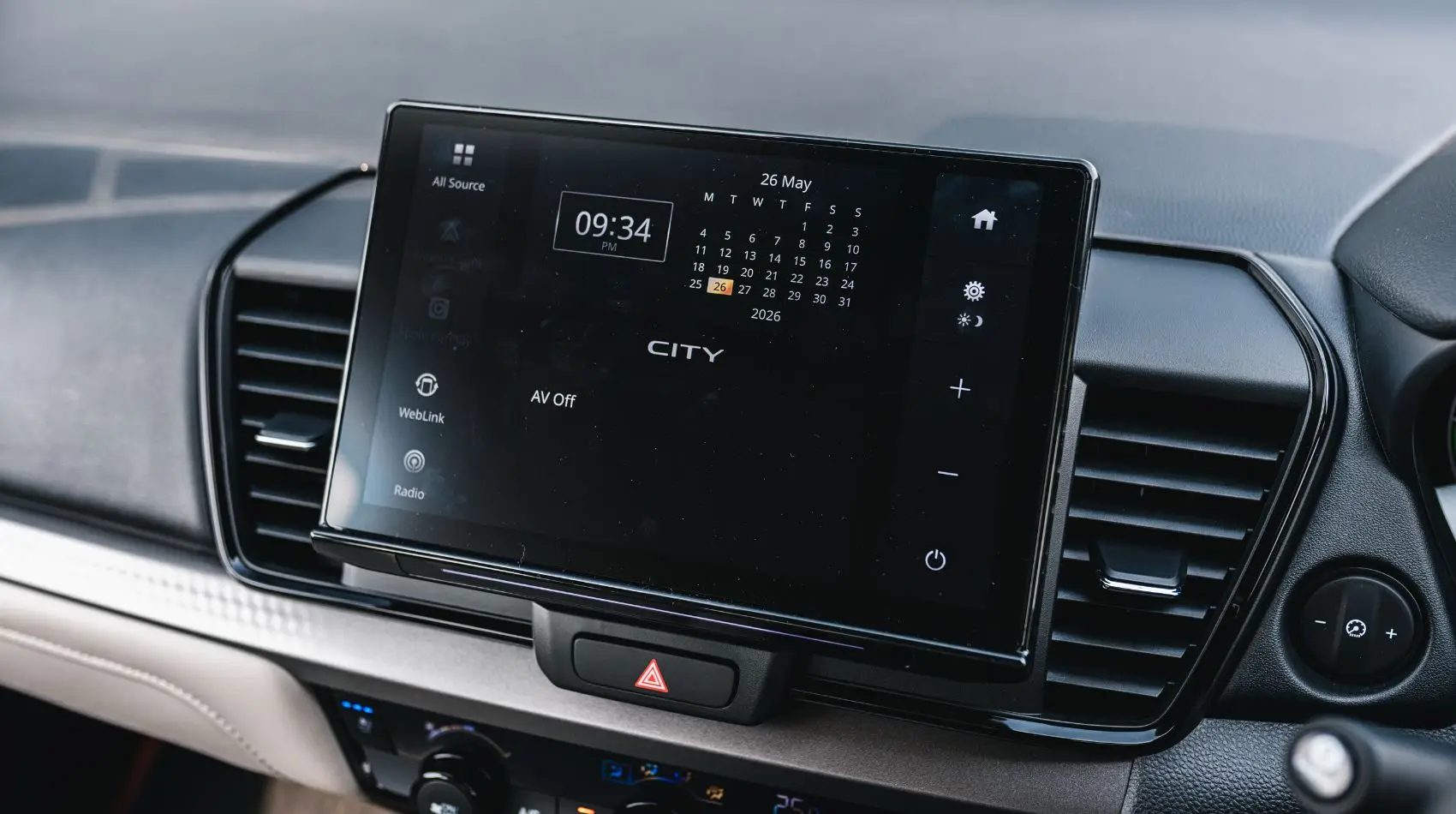
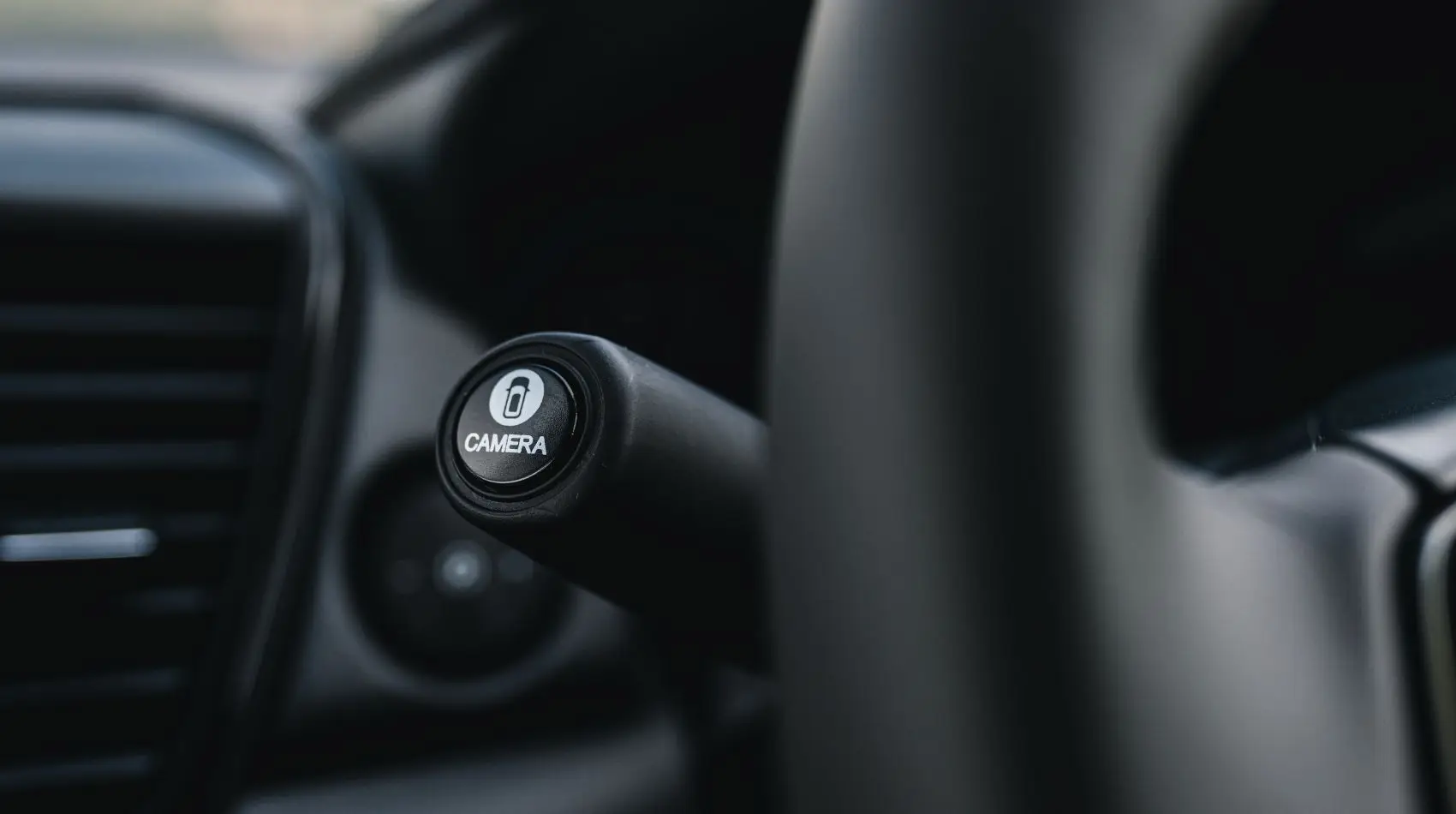
There are three major additions this time around: ventilated front seats, a 360-degree camera system finally, and a larger 10.1-inch infotainment touchscreen that doesn’t sit flush into the dash – it is updated with a new UI that feels cleaner, but is hard to read under direct sunlight and lacks legibility. I wish it was a tad bit brighter. The ventilated seats are genuinely useful in our hot Indian summers and the 360-degree camera system is definitely handy when you’re trying to squeeze through tight lanes or park in cramped spaces. That said, the image quality from the camera feed could’ve been much better because it still feels slightly low-resolution and grainy.
The features that are carried forward include wireless Apple CarPlay and Android Auto connectivity, a wireless charger that’s very conveniently placed between the electronic parking brake and the centre armrest, an eight-speaker sound system, the part-analogue part-digital 7-inch instrument cluster, sunroof, ambient lighting, an air purifier, dedicated AC vents and two Type-C ports at the back. On the safety front, it continues with six airbags as standard across the range, while the higher variants also get Level 2 ADAS features like adaptive cruise control, autonomous emergency braking, lane keep assist, auto high beam assist and a few more driver aids. Apart from that, it also comes equipped with features like hill-hold assist, an auto-dimming IRVM, TPMS, rain-sensing wipers, traction control and ISOFIX child seat mounts for the rear seats.
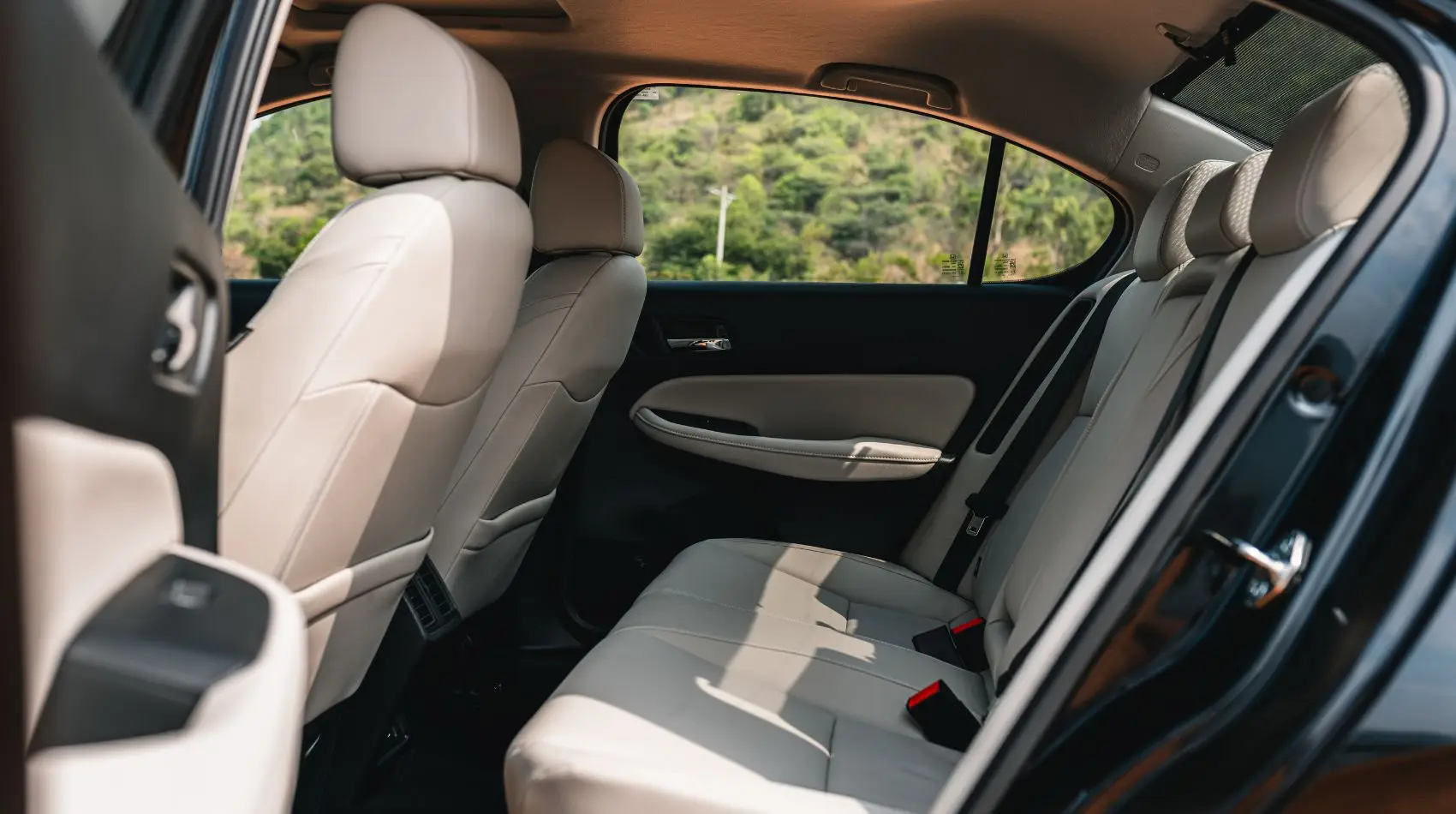
What still remains slightly questionable though is the packaging. Despite being a fairly large sedan, headroom isn’t particularly generous, both at the front and rear, and taller passengers will definitely notice that, especially at the back. The floor also feels slightly high, which results in a somewhat awkward seating and driving position up front. It’s one of those things you notice within the first few minutes behind the wheel. That said, rear seat legroom continues to be excellent and there’s still enough space overall to keep passengers comfortable on longer journeys. Surprisingly, while the City does get a blind for the rear windscreen, it still misses out on side window blinds for rear passengers, which feels like an odd omission in a car positioned as a premium family sedan. Especially in a country like ours where rear seat comfort matters so much.
Engine, performance and handling
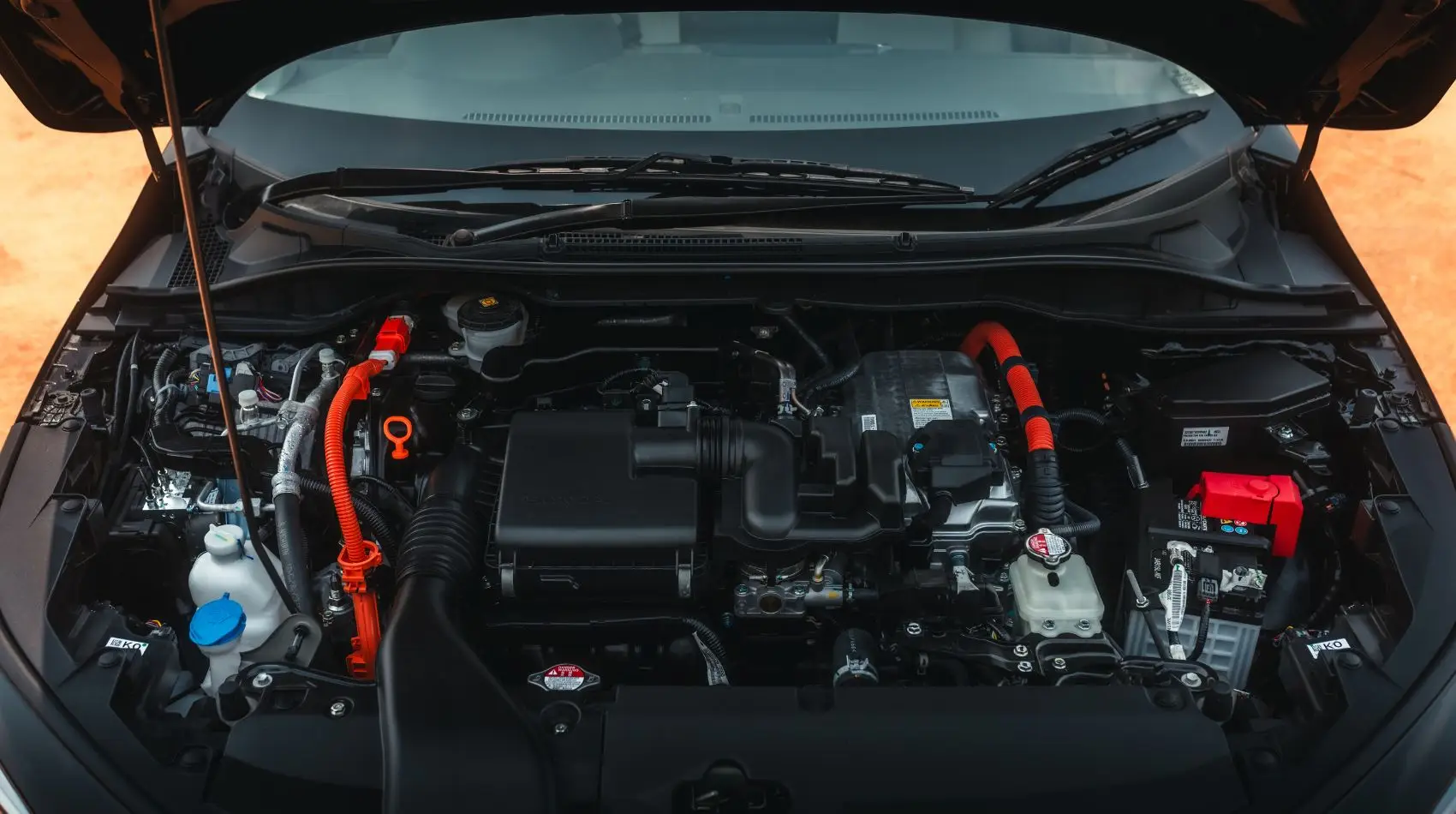
Under the hood, mechanically, the City remains unchanged. The standard car continues with the familiar 1.5-litre naturally aspirated four-cylinder petrol engine, which can be had with either a six-speed manual or a seven-step CVT. This engine produces 119bhp and 145Nm, and as always, it feels smooth, refined and extremely easy to drive. The hybrid powertrain also continues. In the e:HEV variant, the engine gets assistance from an electric motor and combined output stands at 124bhp and 253Nm. That’s only 6bhp more than the standard City, but torque figures are actually right up there with the class-leading Hyundai Verna turbo. And you can genuinely feel that immediacy from the moment you get off the line. The electric motor delivers instant acceleration from standstill, making the City feel surprisingly responsive in city traffic. In fact, in bumper-to-bumper conditions, it often feels quicker than the numbers suggest.
However, the hybrid setup isn’t perfect. Push hard on the throttle and the engine does become noticeably loud under load. Yes, the cabin could’ve definitely been better insulated because when you really wring it out, the mill becomes quite vocal. A lot of that also comes down to the familiar rubber-band effect from the e-CVT, where the engine revs rise first before the car properly gathers speed, making hard acceleration feel slightly disconnected at times.
What’s genuinely impressive though is how frequently the car slips into EV mode while cruising — not just in slow-moving traffic, but even at highway speeds. The transitions between petrol and electric power are smooth and seamless enough that most people probably won’t even notice them after a point. And the fuel efficiency on offer is seriously impressive. Honda claims close to 27kmpl and honestly, this still remains one of the most efficient cars you can buy in the segment today.
That said, I still feel Honda should seriously consider offering a turbo-petrol engine option on the City. Because yes, the hybrid is no slouch and very refined, but it still doesn’t quite have the character and excitement that younger buyers today are looking for. A punchy turbo-petrol paired with either a manual or a proper DCT gearbox would instantly make the City feel far more exciting and enthusiast-friendly. Especially now, when rivals like the Verna, Virtus and Slavia already offer that extra layer of performance appeal.
What the City continues to nail is that it strikes a really nice balance between comfort and handling. This thing absolutely glides over bad roads and deals with them in a very mature manner. The soft suspension setup does an excellent job of cushioning out rough surfaces, but importantly, it doesn’t feel floaty or disconnected at highway speeds either. Yes, there is a bit of body roll — especially when you compare it to rivals like the Virtus or Slavia — but the City still feels planted and surefooted when you’re driving enthusiastically. The steering, although light, is fairly direct, and you can confidently chuck it into corners without feeling nervous and it changes direction predictably. The low ground clearance, though, does mean you’ll have to be slightly careful around larger speed breakers. Braking again feels sure-footed, with a good bite from the pedal that’s easy to modulate.
Price and verdict
The new City facelift is priced from ₹11.99 lakh, ex-showroom, for the base variant, which is exactly the same as before. That said, the higher variants have become slightly more expensive by around ₹20,000 to ₹30,000, which honestly seems fair considering the updates. The sole hybrid variant, however, now commands nearly a lakh more, at ₹20.99 lakh, and that definitely affects its value-for-money proposition compared to earlier.
But even then, the City continues to get the fundamentals absolutely spot on. It’s comfortable, refined, easy to drive and genuinely effortless to live with every single day. And now, with sharper styling and a few more much-needed features that finally complete its must-have features list, the City definitely feels far more appealing and up-to-date than before. As an overall package, it’s now the most well-rounded sedan in its class.
Engine: 1.5-litre, naturally-aspirated, four-cylinder
Gearbox: e-CVT
Power: 126bhp
Torque: 253Nm
Price: ₹11.99 lakh, ex-showroom onwards
e:HEV: ₹20.99 lakh, ex-showroom