
Creta N Line

Tekton
The Creta N-Line won our Mega Test and became the compact SUV benchmark in the process. Now Nissan’s brand-new Tekton wants the crown. And it gets remarkably close.
By now, I’m sure you’ve seen our rather enormous compact SUV Mega Test. If you haven’t, the basic premise was simple. Assemble virtually every relevant compact SUV on sale in India, subject them to a series of scientific, numbers-based tests and find out which one actually deserves to be called the best. No brochure hyperbole, no “it feels a little quicker” and no conveniently ignoring the bits we didn’t like. Numbers, measurements and results.
And after all of that, the Hyundai Creta N-Line won.
Which creates a rather useful problem for every manufacturer launching a new SUV in this segment. The Creta is now the benchmark. You want to claim your shiny new SUV is the best in the class? Fine. Beat this.
The latest manufacturer to have a go is Nissan with the new Tekton.
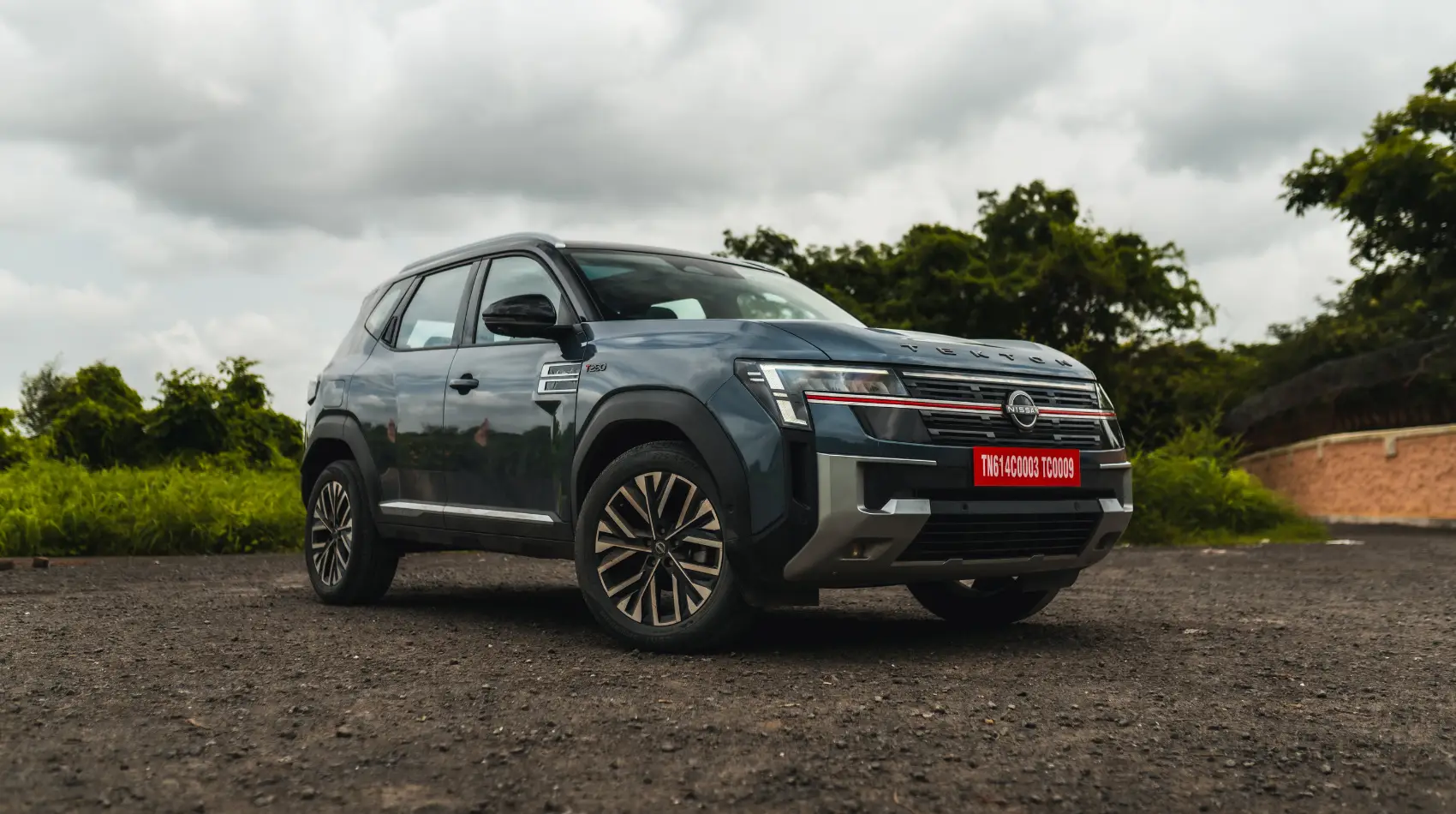
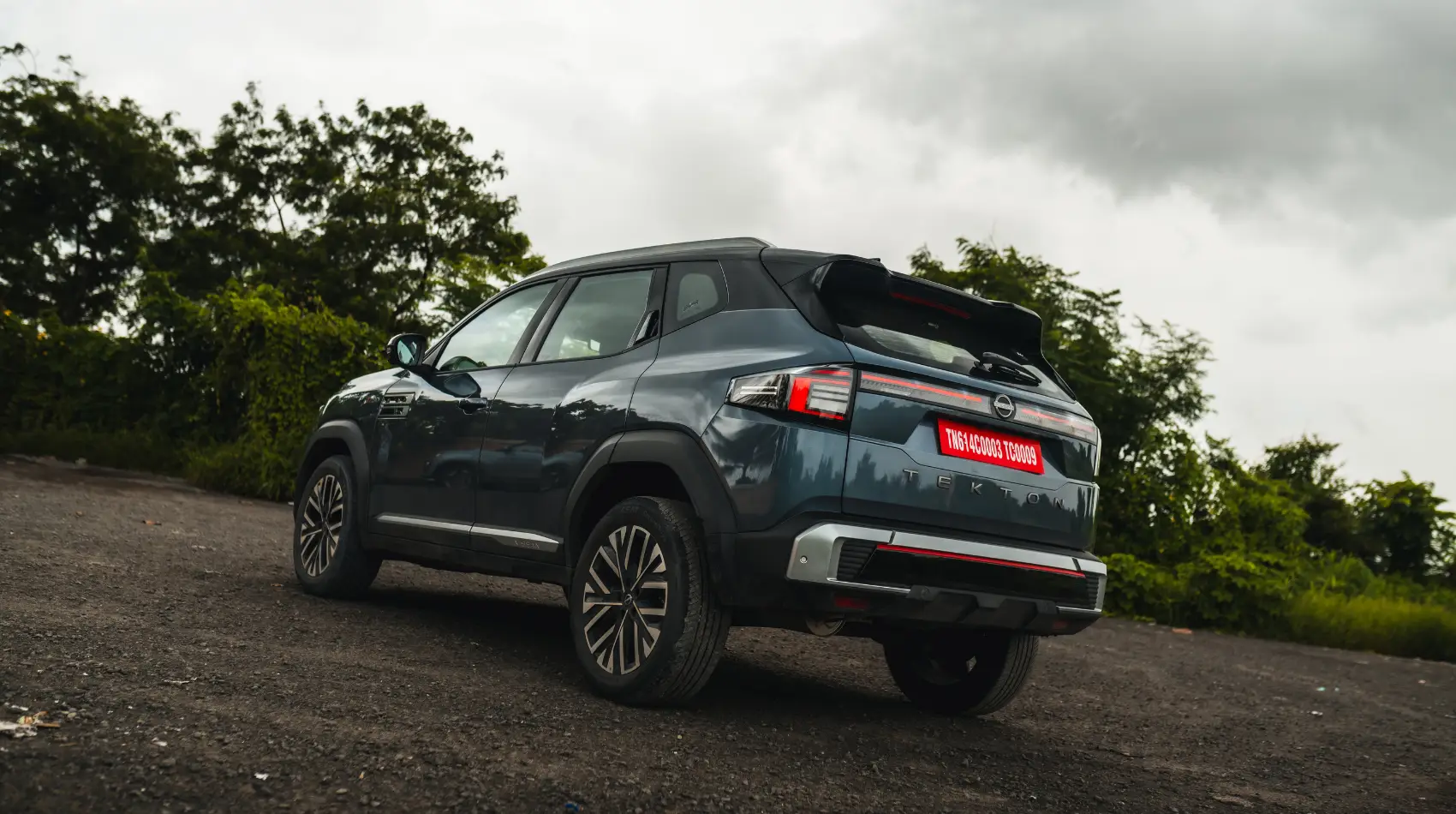
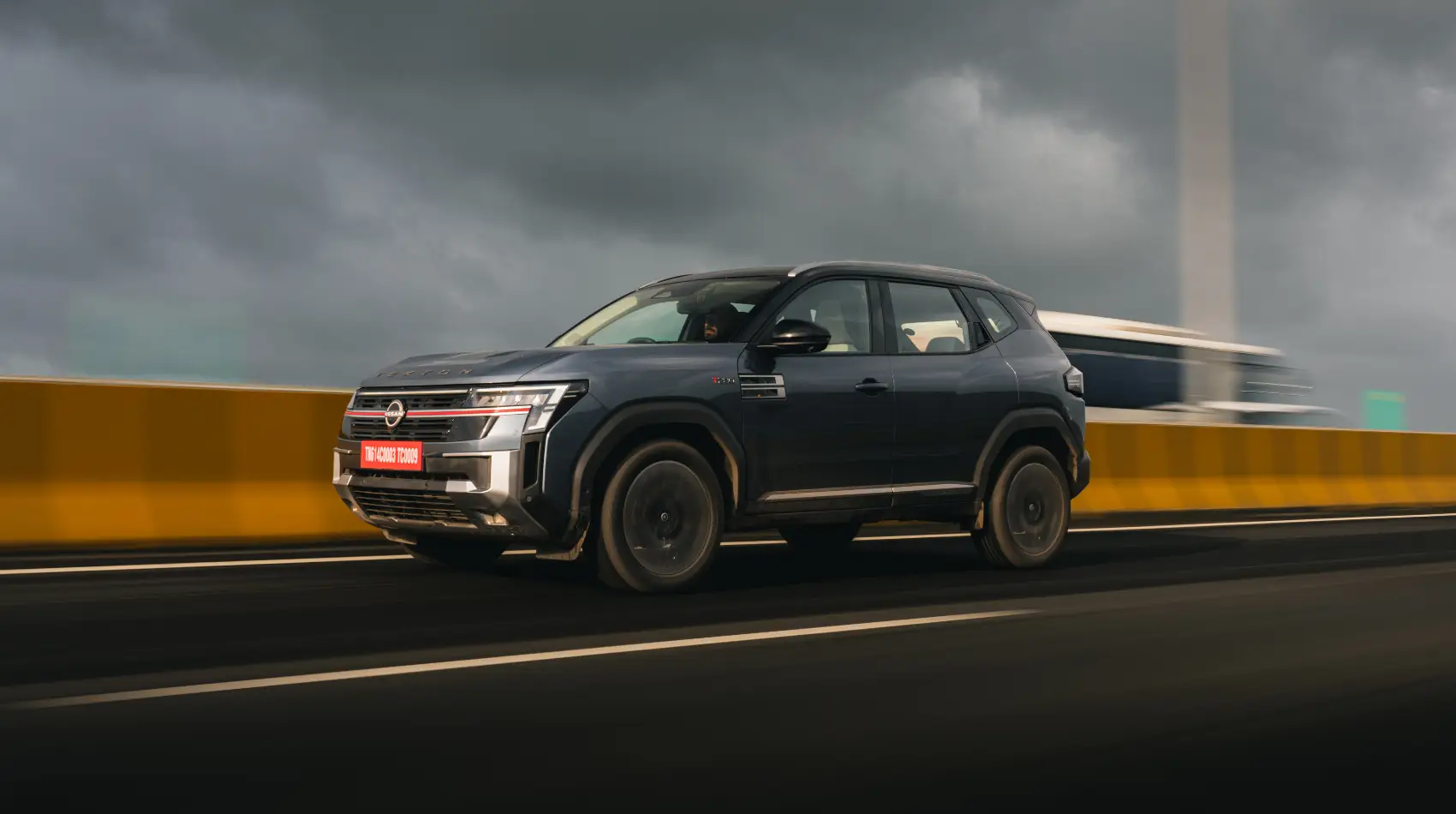
Now, the Tekton is essentially the sister car to the Renault Duster, in much the same way that the Volkswagen Taigun and Skoda Kushaq are related. Except there is a crucial difference. With the VW and Skoda, the family resemblance is fairly obvious. Nissan, on the other hand, has done a surprisingly good job of giving the Tekton its own identity. You don’t look at it and immediately think somebody has simply taken a Duster, changed the grille, swapped the badges and gone home early.
That makes this particularly interesting because the Duster didn’t perform quite as strongly as we expected in our Mega Test. The ingredients were clearly there, but as an overall package it fell short of the Creta.
So has Nissan taken broadly the same mechanical foundation, shuffled the ingredients around and finally created something capable of knocking the Creta off its perch?
This time, we’re doing things a little differently. The Mega Test was deliberately scientific. This one isn’t. There will be no tape measures, decibel meters or obsessive timing equipment. This is about the things you actually notice when you put two cars next to each other: design, quality, comfort, performance and how they make you feel. Because sometimes numbers tell you everything. And sometimes you just need to drive the bloody things.
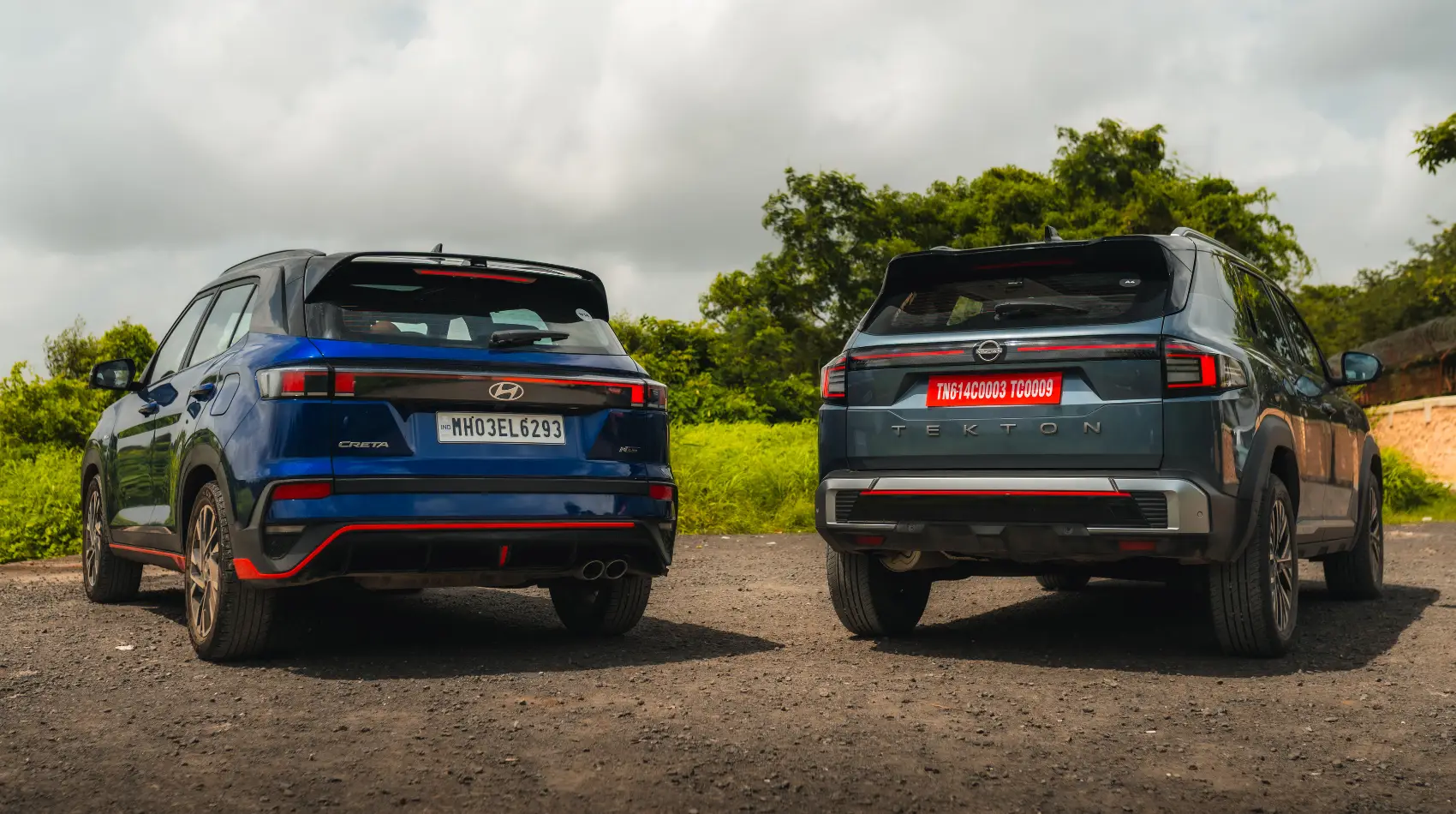
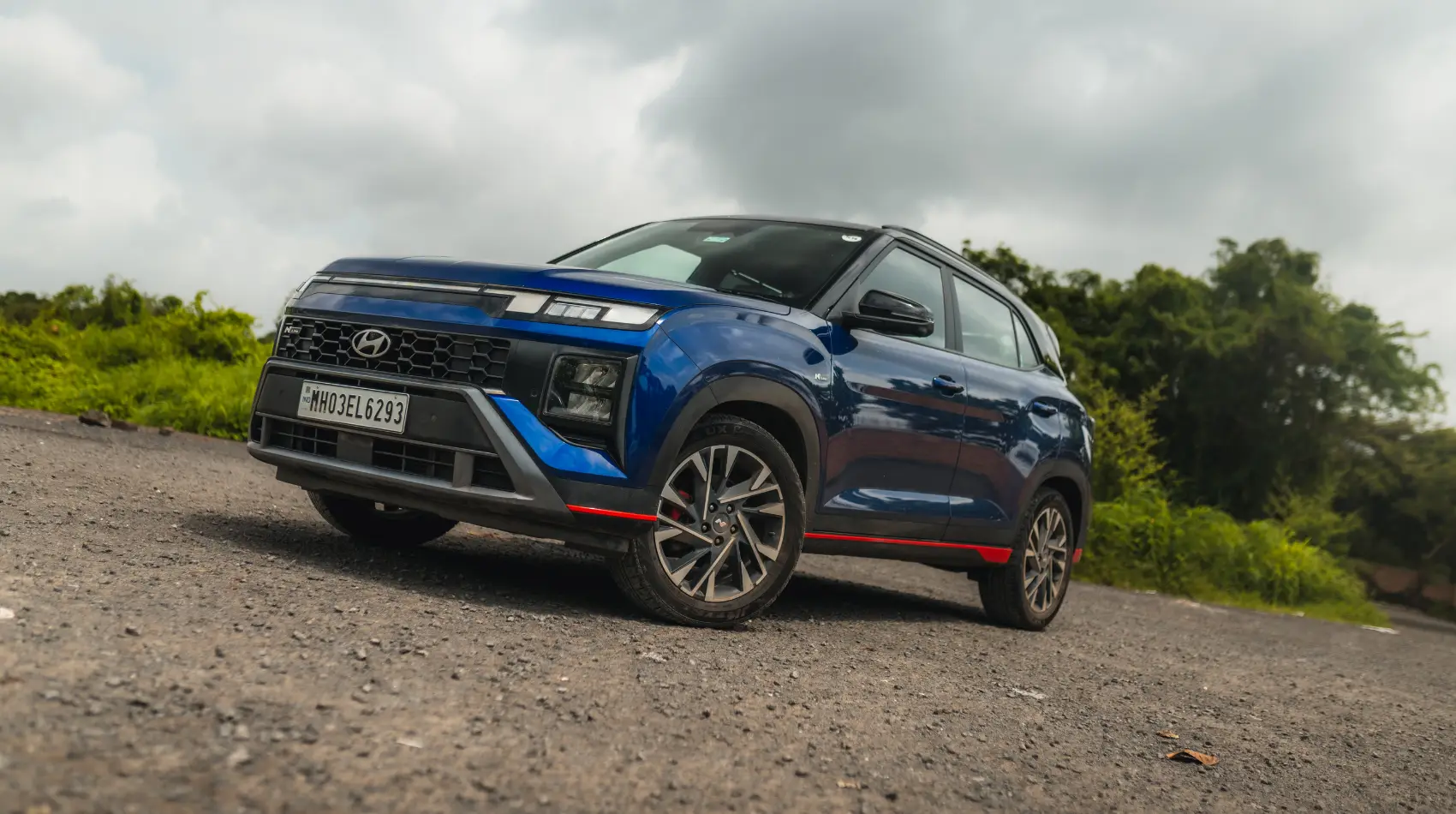
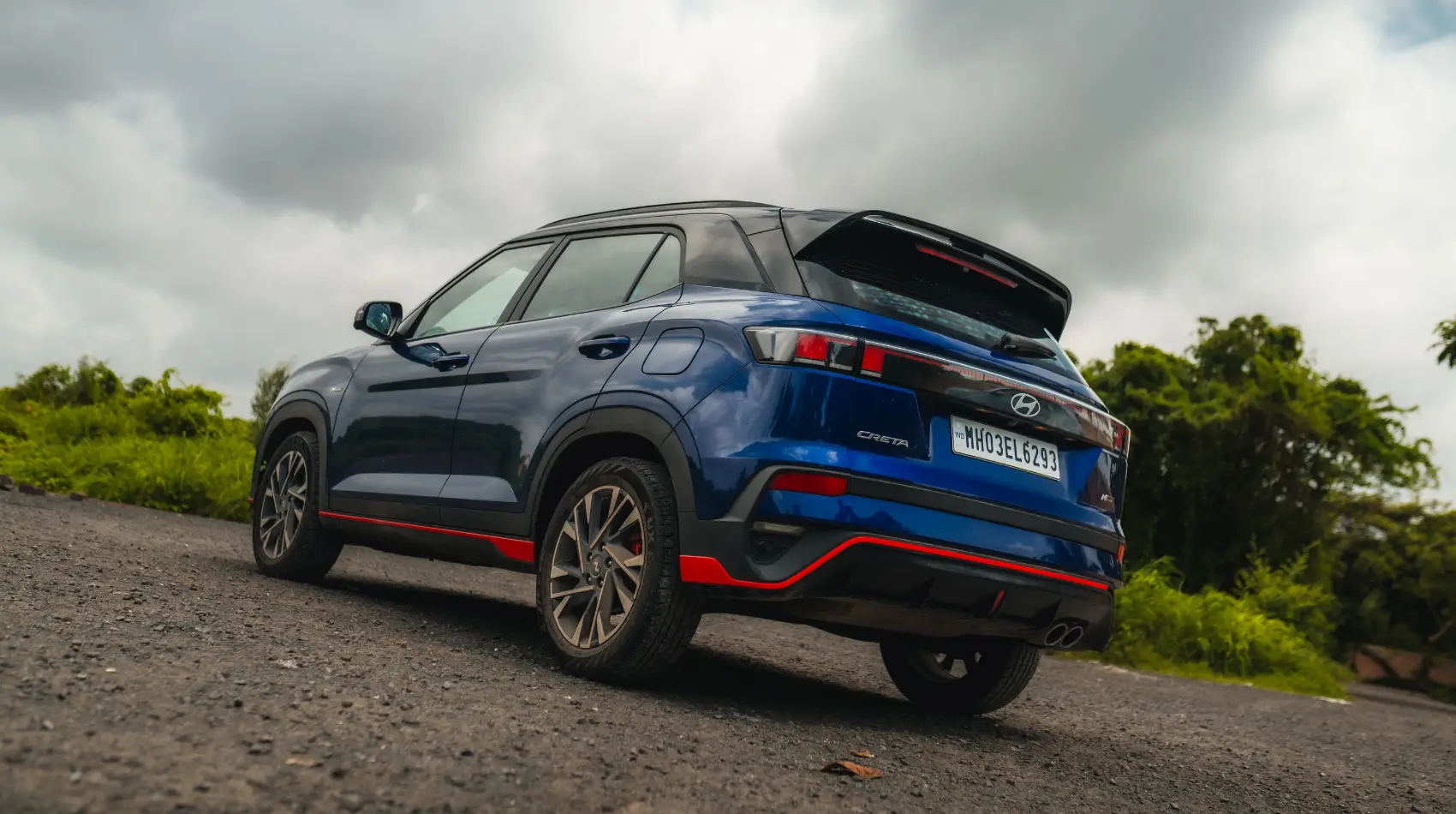
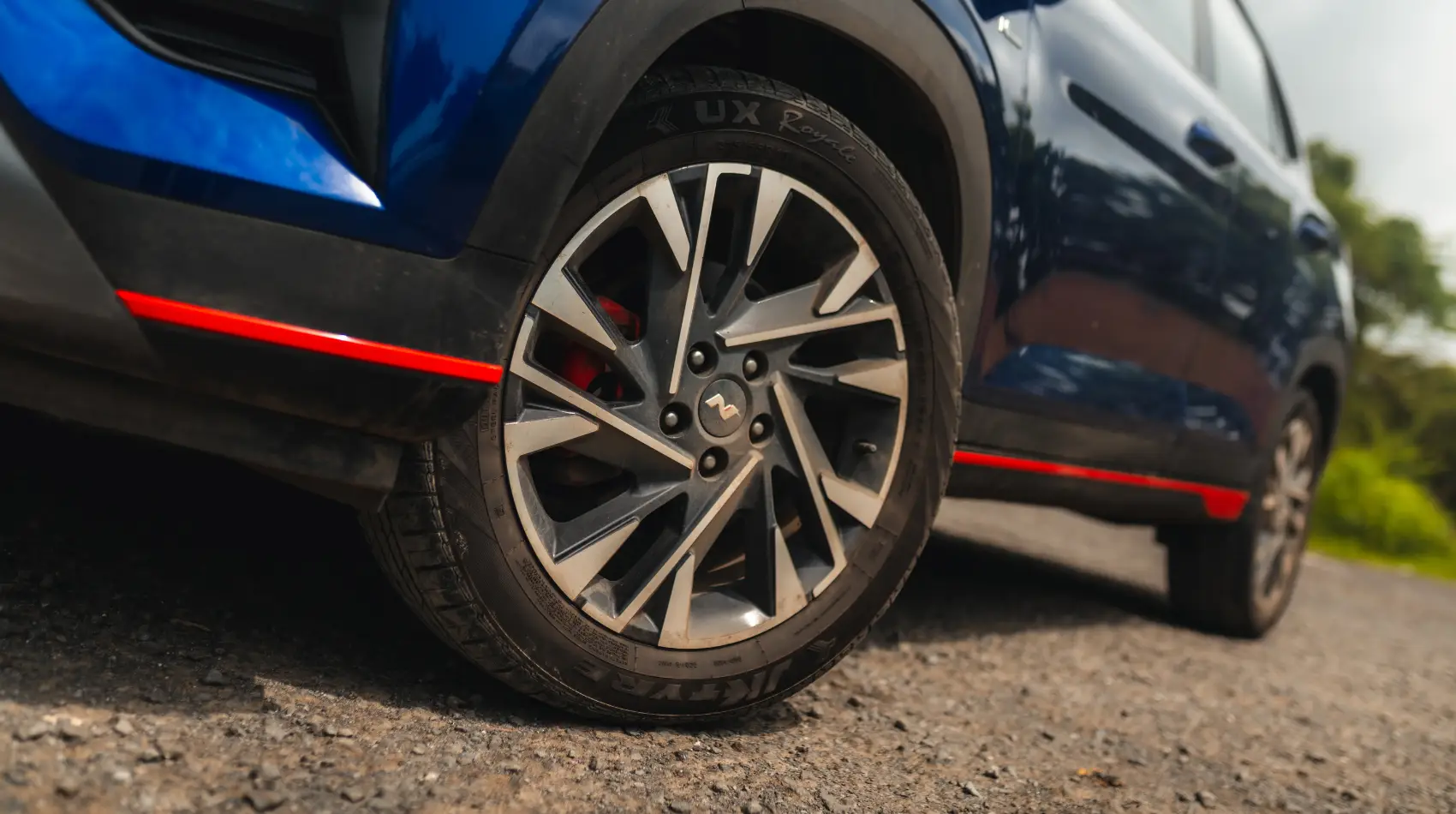
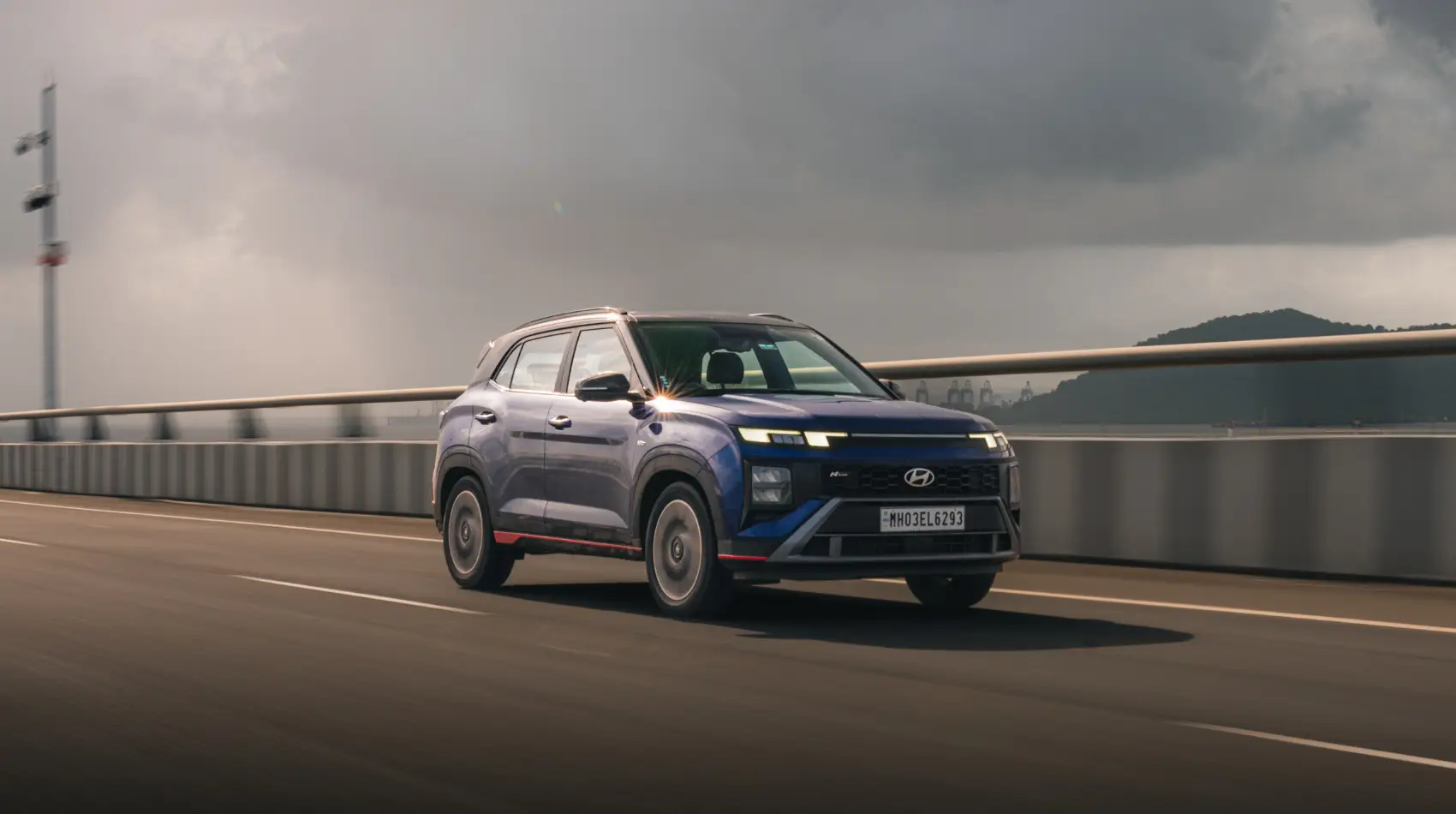
We’ve become so accustomed to seeing the Creta that it is easy to forget that the N-Line is actually a rather handsome thing. The standard Creta is everywhere. Absolutely everywhere. But the N-Line does enough visually to separate itself from the hundreds you’ll encounter on your commute. The bumpers are better, the spoiler adds some much-needed attitude and the red detailing gives the whole thing a slightly more purposeful appearance. Even the 18-inch wheels are pretty decent. Could the wheels be better? Of course. But I say that about approximately 97 per cent of new cars.
As a complete package, though, the Creta N-Line remains one of the better-looking SUVs in the class. It looks urban and sporty without falling into the trap of covering itself in fake vents, unnecessary aero and enough black plastic to manufacture a small fishing boat.
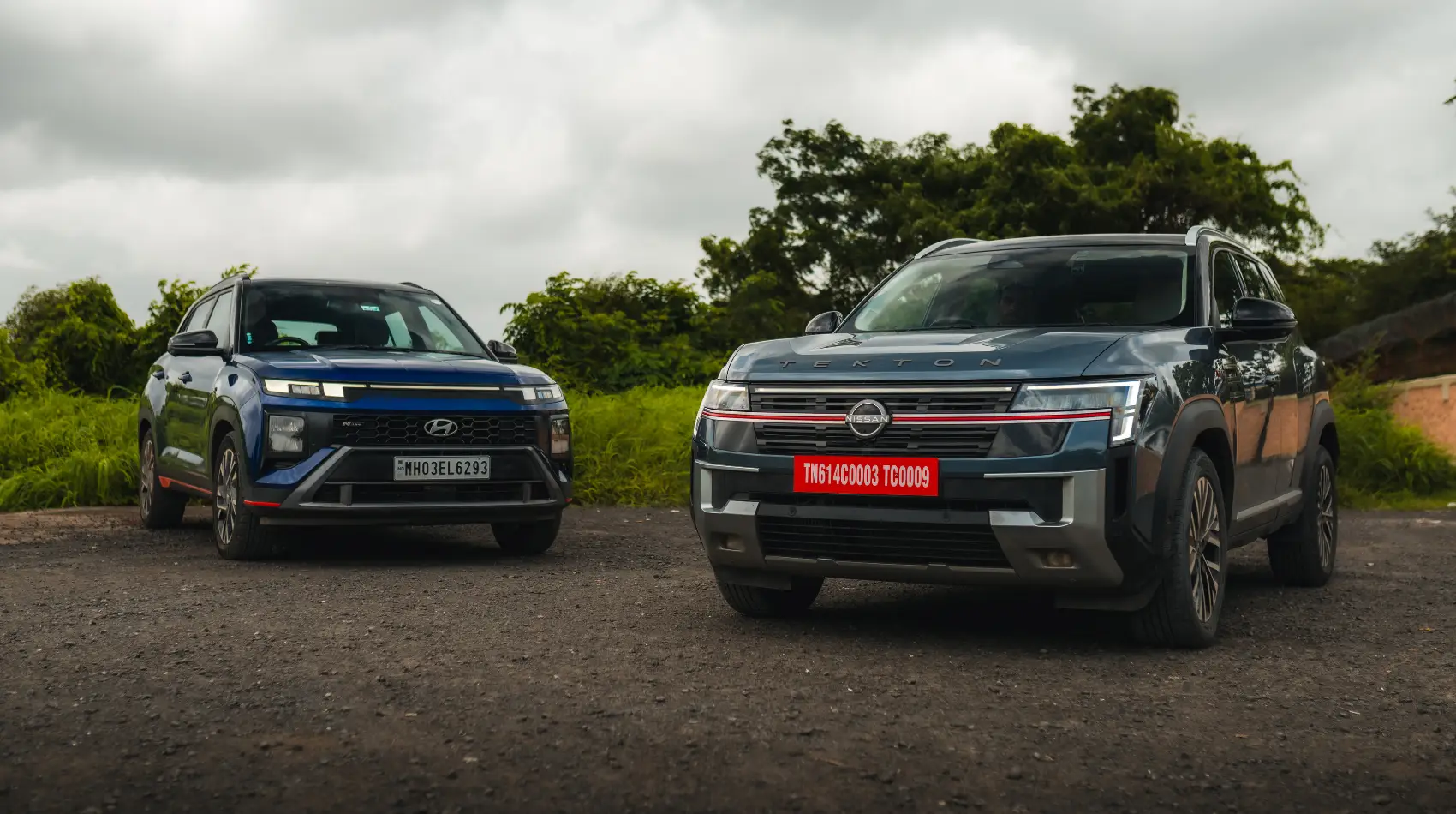
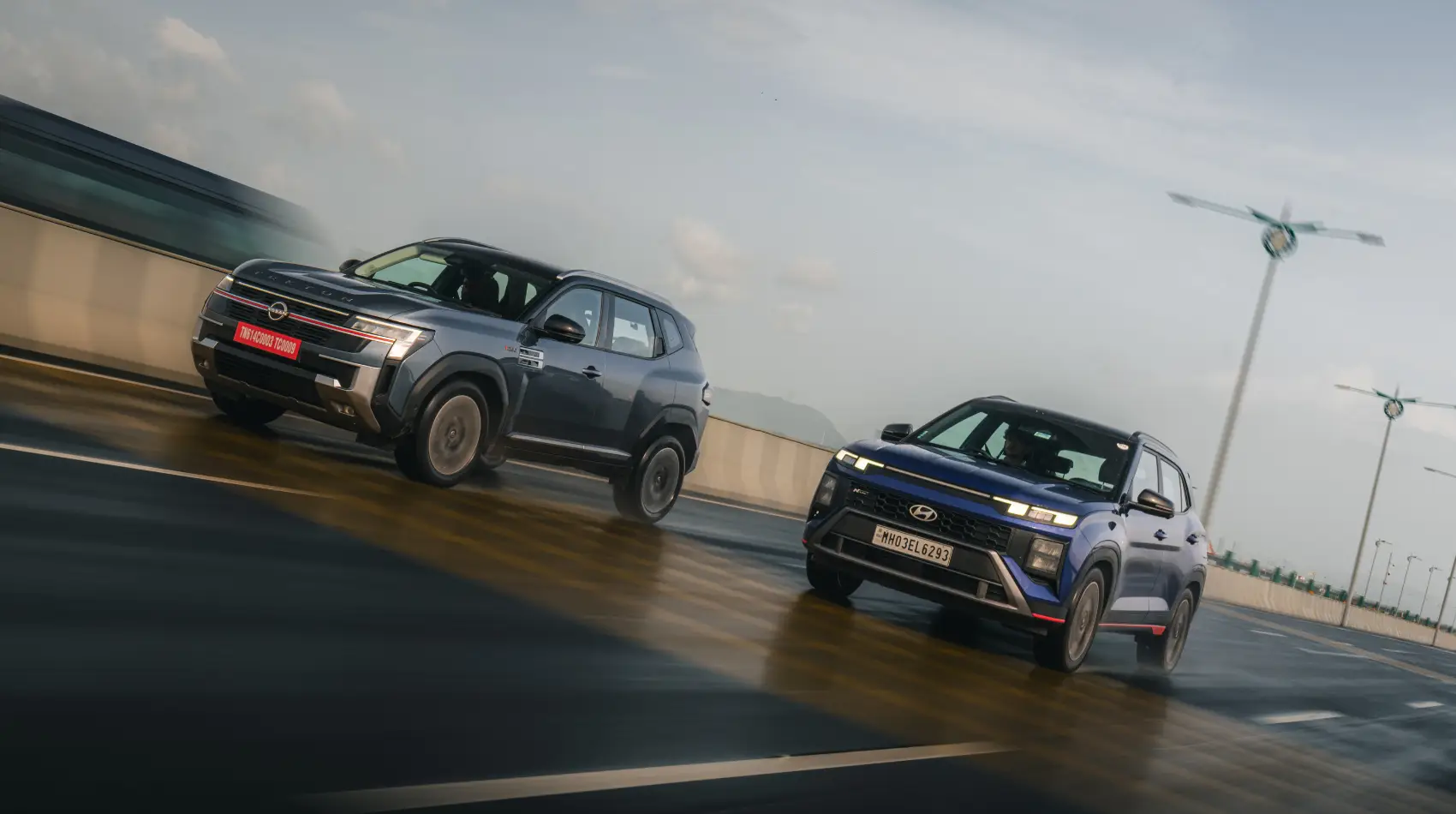
Then you park the Tekton alongside it and suddenly the Hyundai looks a little more conventional. There are some interesting similarities between them. The red detailing around the Tekton’s front end, for instance, is very Creta N-Line. Red accents aren't exactly a common theme among SUVs in this class, so you can't help noticing the resemblance when they're parked nose-to-nose. But that's broadly where the similarities end.
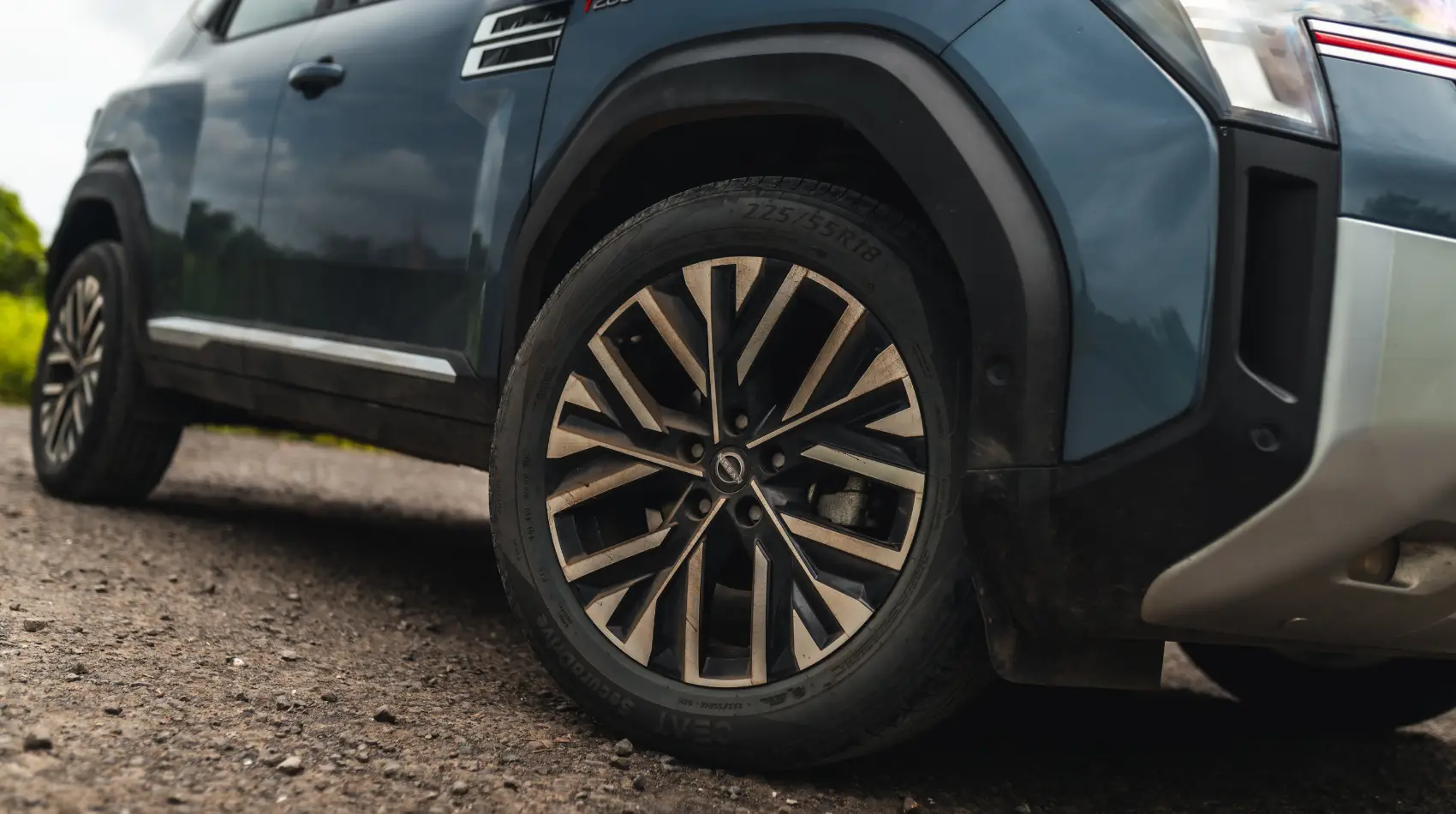
Where the Creta looks like a street-oriented SUV, the Tekton looks like an SUV in the more traditional sense. It appears more upright, more muscular and somehow wider, even if the measuring tape doesn't necessarily support what your eyes are telling you. Both cars get 18-inch wheels in the specifications tested here, but the Nissan carries its bulk differently. It has more visual weight mainly because of the larger 225/55 R18 tyres as compared to the Creta’s 215/55 R18 tyres. And if you want to be really banal about it, the Tekton’s tyres are wider by 4.65% and the diameter overall is larger by 1.59%. No wonder it looks larger!
If I were choosing purely on appearance, I think I’d have the Tekton. It’s fresher, more muscular and simply more interesting to look at. But design is perhaps the most subjective category here. I can equally understand somebody seeing a blue Creta N-Line, deciding it looks fantastic and signing the cheque. So we'll call this one even.
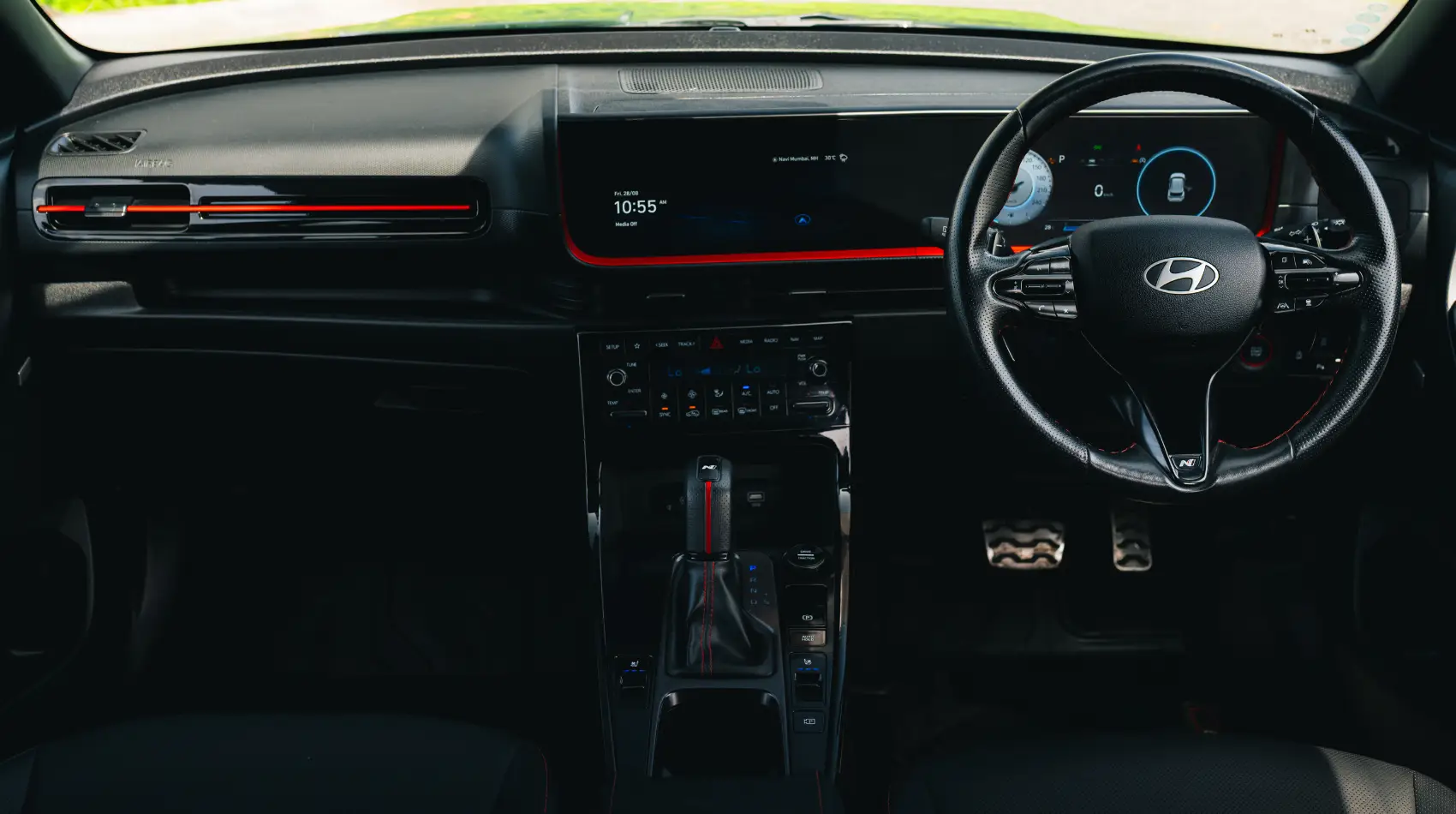
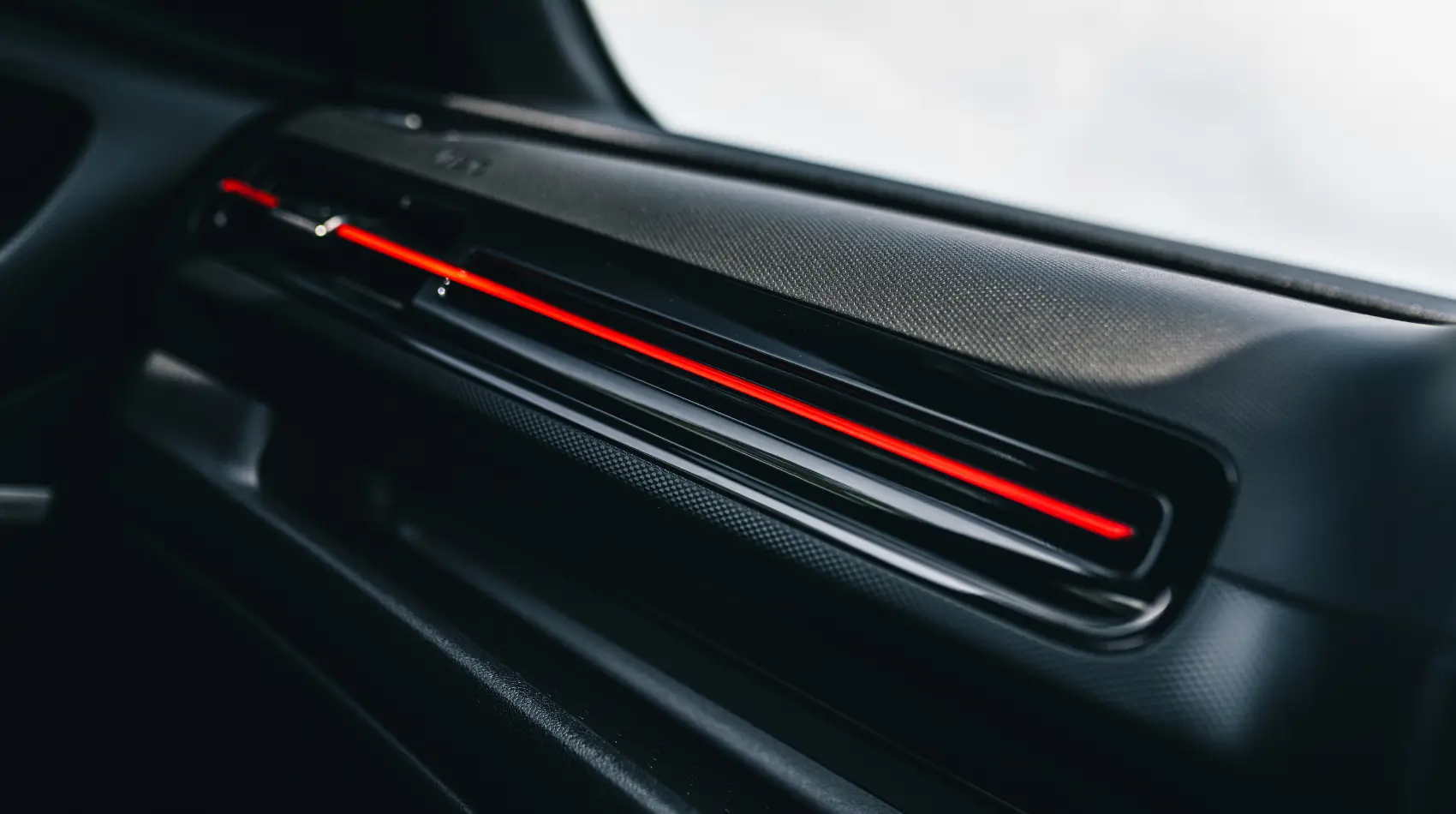
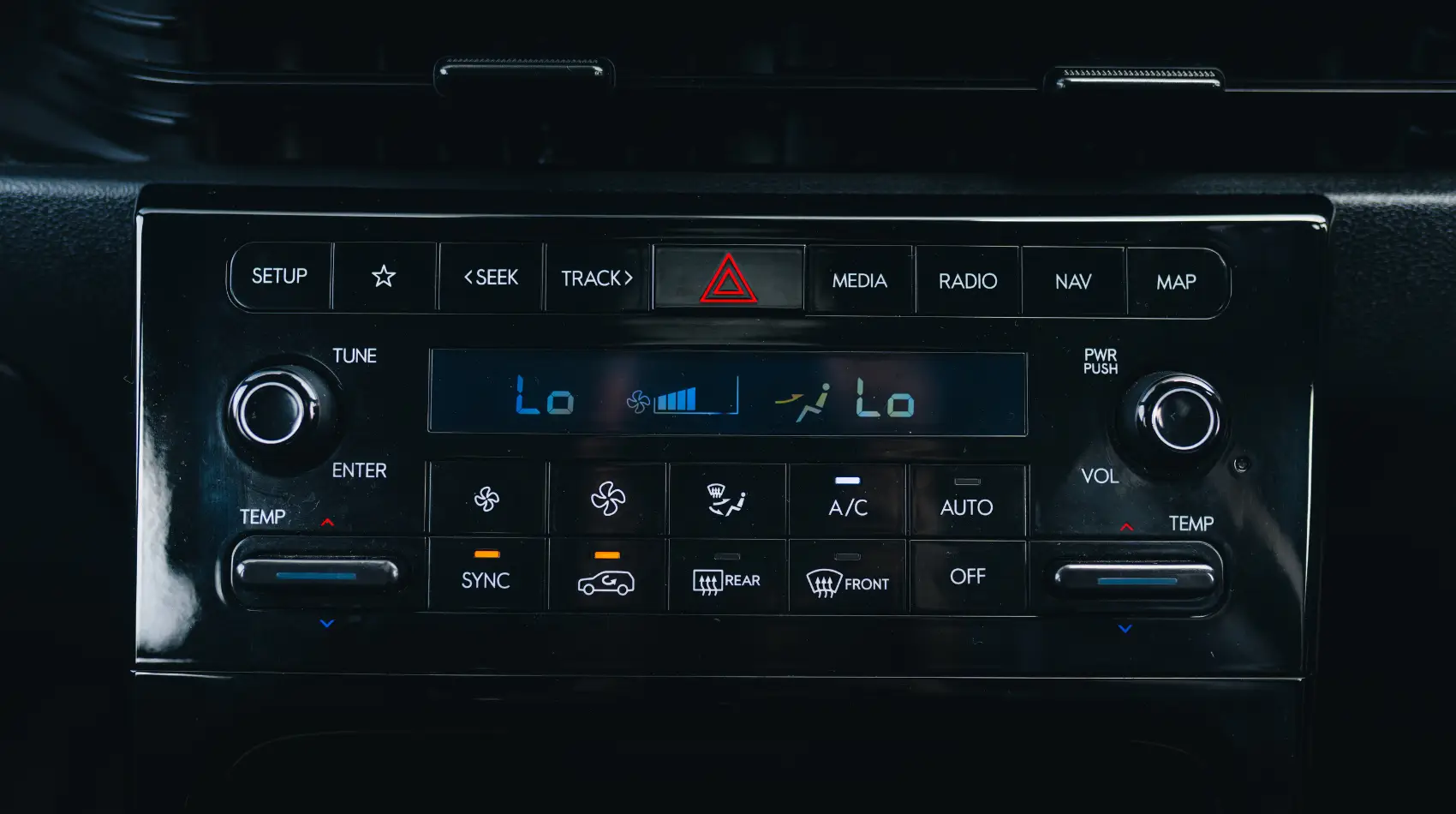
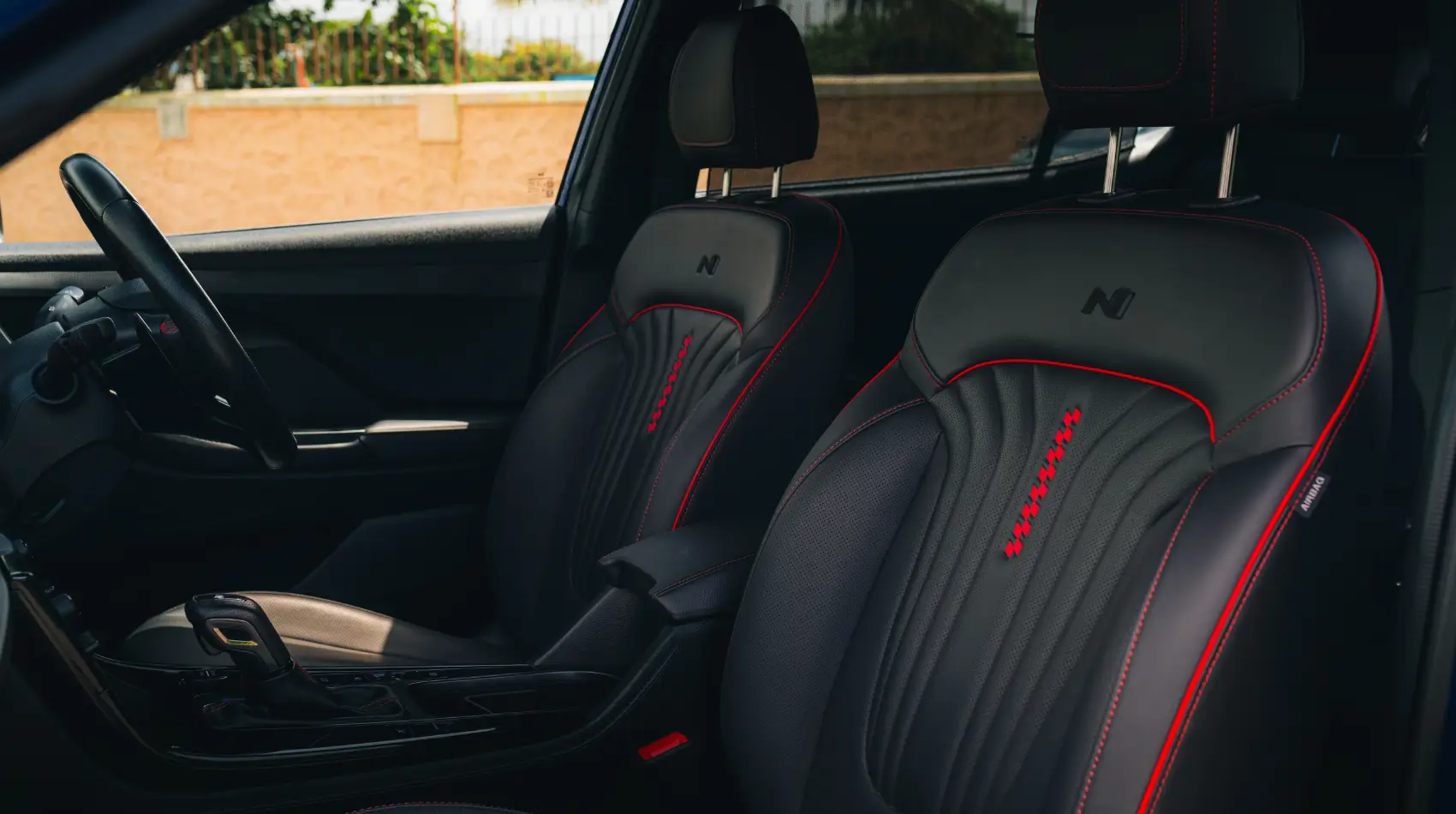
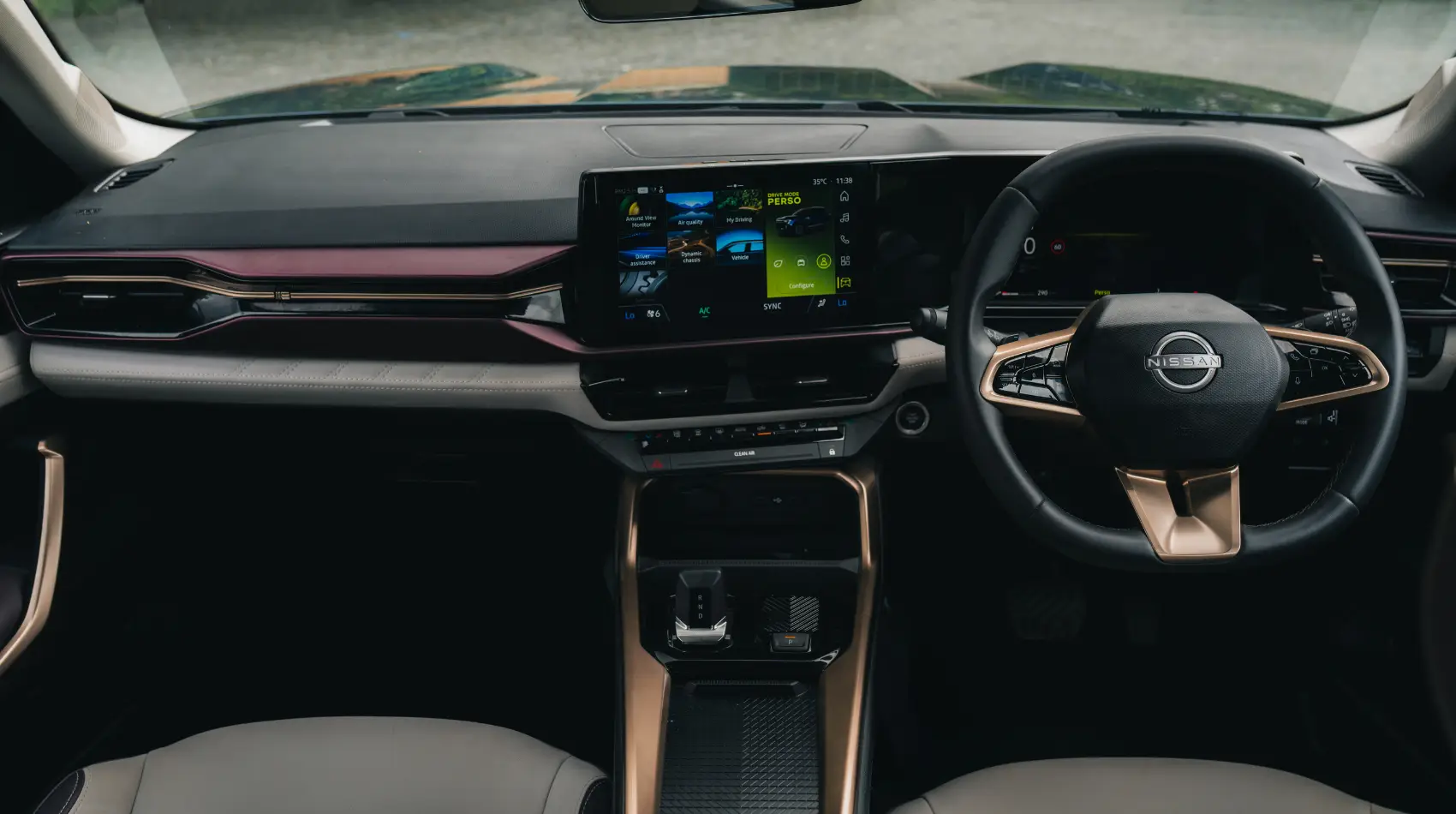
The interior produces almost the exact opposite result. The Tekton is the newer car and, unsurprisingly, feels it. Yet I think the Creta still has the better overall cabin design. There is something about the Hyundai’s layout that just works. I like the broad single-pane treatment of the displays and I like the flashes of red that come with the N-Line. Everything looks cohesive without trying too hard to remind you every four seconds that you've bought the sporty one.
Its age is beginning to show, though. There are plastics on the door cards and around the centre console that feel decidedly ordinary today. They aren't disastrous, but put your fingers on them immediately after sitting in the Nissan and the difference is obvious.
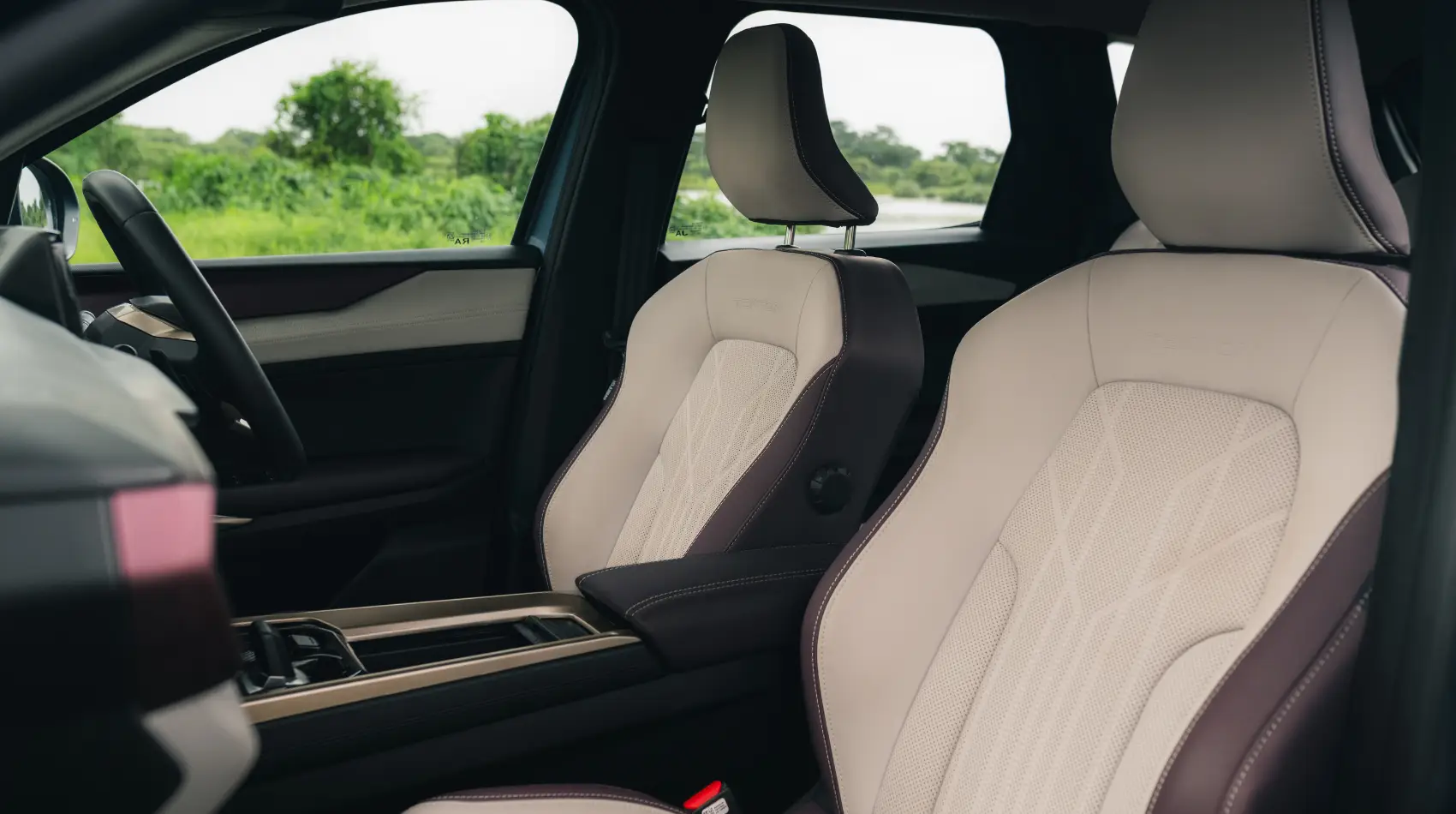
The Tekton simply feels more expensive. The steering wheel feels nicer in your hands, the seat upholstery feels better and the centre console has a greater sense of solidity. It is one of those cabins where the improvement isn't necessarily obvious in photographs, but becomes immediately apparent when you spend five minutes touching the things you actually use.
I also like Nissan’s use of painted interior surfaces. They add colour and character without resorting to the now obligatory giant slabs of gloss black that acquire fingerprints if somebody so much as thinks about touching them. There is, however, a small part of me that wonders what those painted panels will look like five or six years from now. Paint fades and scratches. If one panel needs refinishing later, matching it perfectly to everything surrounding it could prove interesting. And surprisingly, there were already small spots of aging showing on some panels on the test car. Or perhaps they'll age beautifully. Time will tell.
There is another distinction between these two cabins that matters specifically because of the variants we're comparing. Neither of these is, in my opinion, the configuration bought by somebody who regards a car purely as an appliance. A Creta N-Line buyer has deliberately ignored the regular Creta and chosen the slightly more interesting one. Equally, somebody spending the money on a top-spec turbo-DCT Tekton probably has at least a passing interest in driving.
And from an enthusiast's perspective, the Hyundai gets several little things right. The drive and traction settings are easier to access and the larger paddles are simply nicer to use. These sound like inconsequential details until you're actually driving quickly and discover that the control you want is exactly where your hand expects it to be.
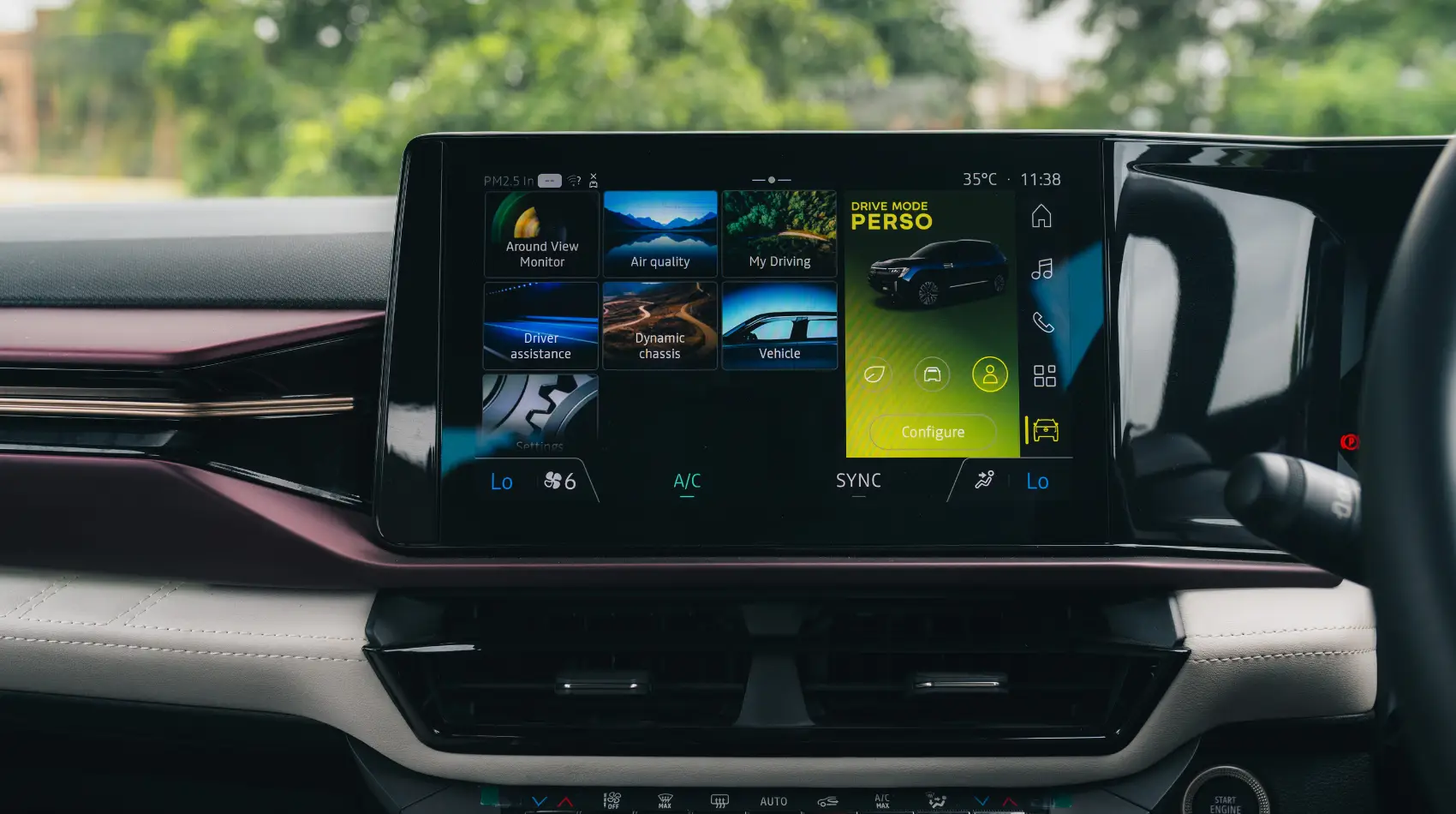
The Nissan fights back with one of my favourite features: a configurable shortcut that can make dealing with the driver-assistance systems considerably easier. Anyone who has spent time navigating three menus every time they start a modern car simply to turn off the thing that keeps shouting at them will understand why that matters. So the interior is another draw, albeit for completely different reasons. The Hyundai wins on design and enthusiast ergonomics. The Nissan wins on materials and sheer touch-and-feel quality.
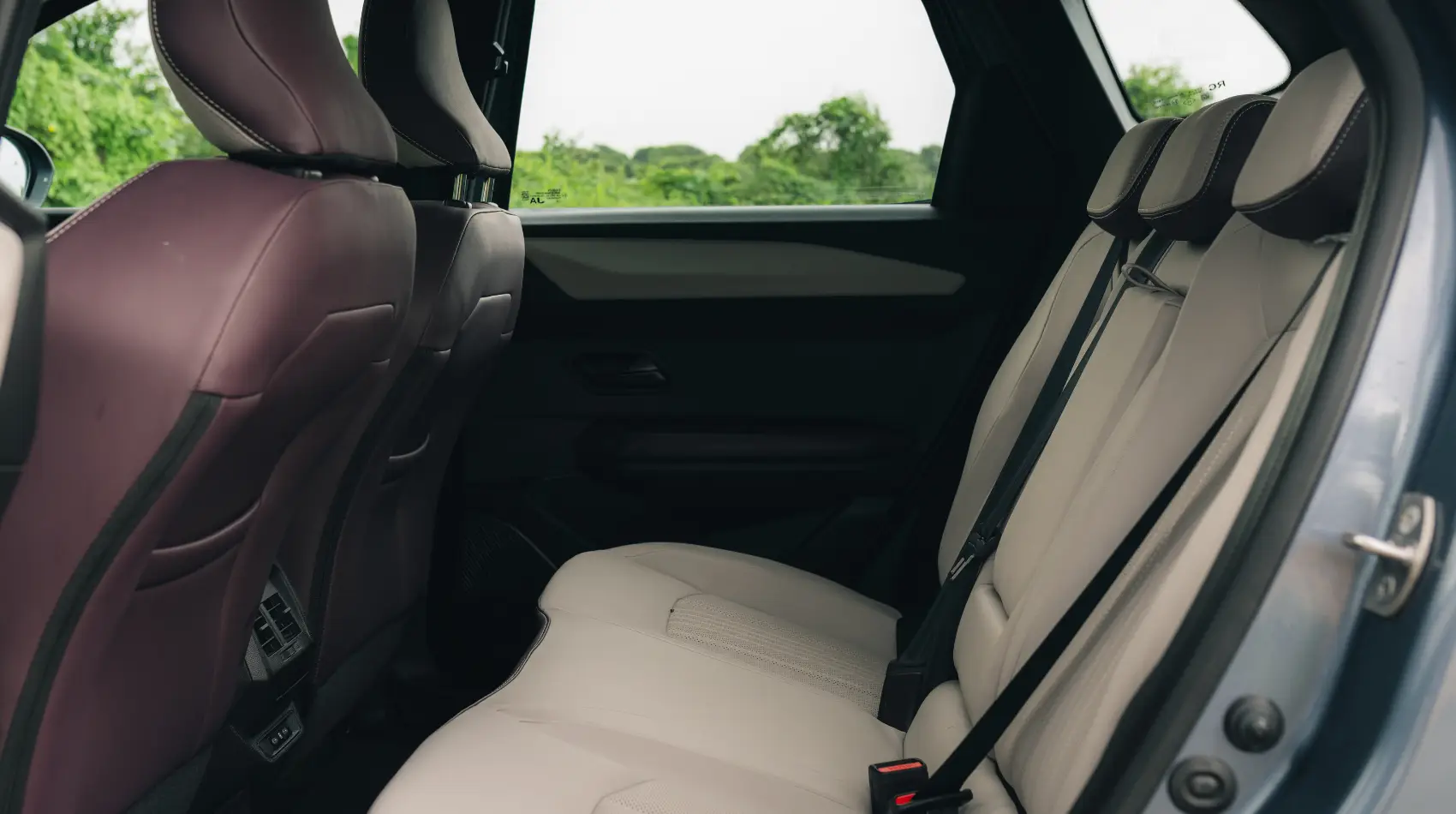
There is, though, considerably less ambiguity when you climb into the rear seats. Neither car is cavernous. If rear-seat acreage is your sole purchasing criterion, there are bigger options in this part of the market. But the Tekton inherits one of the Duster's biggest weaknesses, there simply isn't enough space in the back.
We already established that scientifically in our Mega Test with the Duster, but you don't need measuring equipment to notice it. Sit in the Nissan immediately after the Creta and the difference is obvious.
And this matters far more than an enthusiast like me might initially want to admit. These are family SUVs. The person signing the cheque might care about horsepower, gearbox response and steering feel, but before that cheque gets signed, somebody else in the family is almost certainly going to climb into the rear seat in the showroom and most likely overrule your call. And the Nissan's lack of space is apparent before the test drive has even begun.
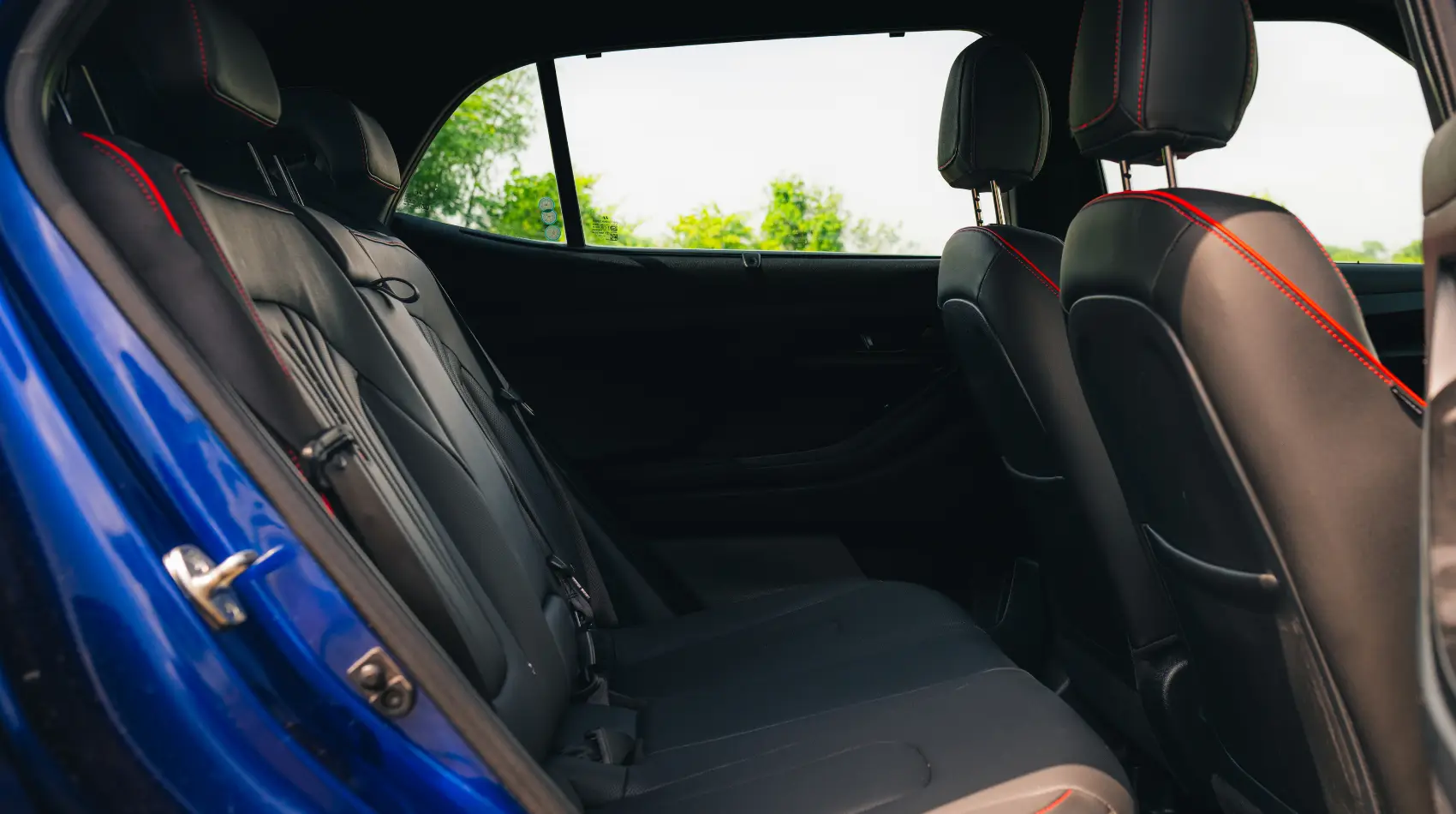
The Creta has never been the absolute rear-seat benchmark either, but it gives you more room and I find the seat itself more comfortable. Also, it reclines, and if you have ever taken a longish journey in the back of a car with a seat that has even a little bit of extra recline, you will never, ever, EVER, be able to buy a car that lacks this feature ever again. The rear-window sunshades too are another small but useful advantage, especially in India. And frankly, they are less flimsy than the ones we just saw on the BMW X1L. This is the first category where there is an unambiguous winner.
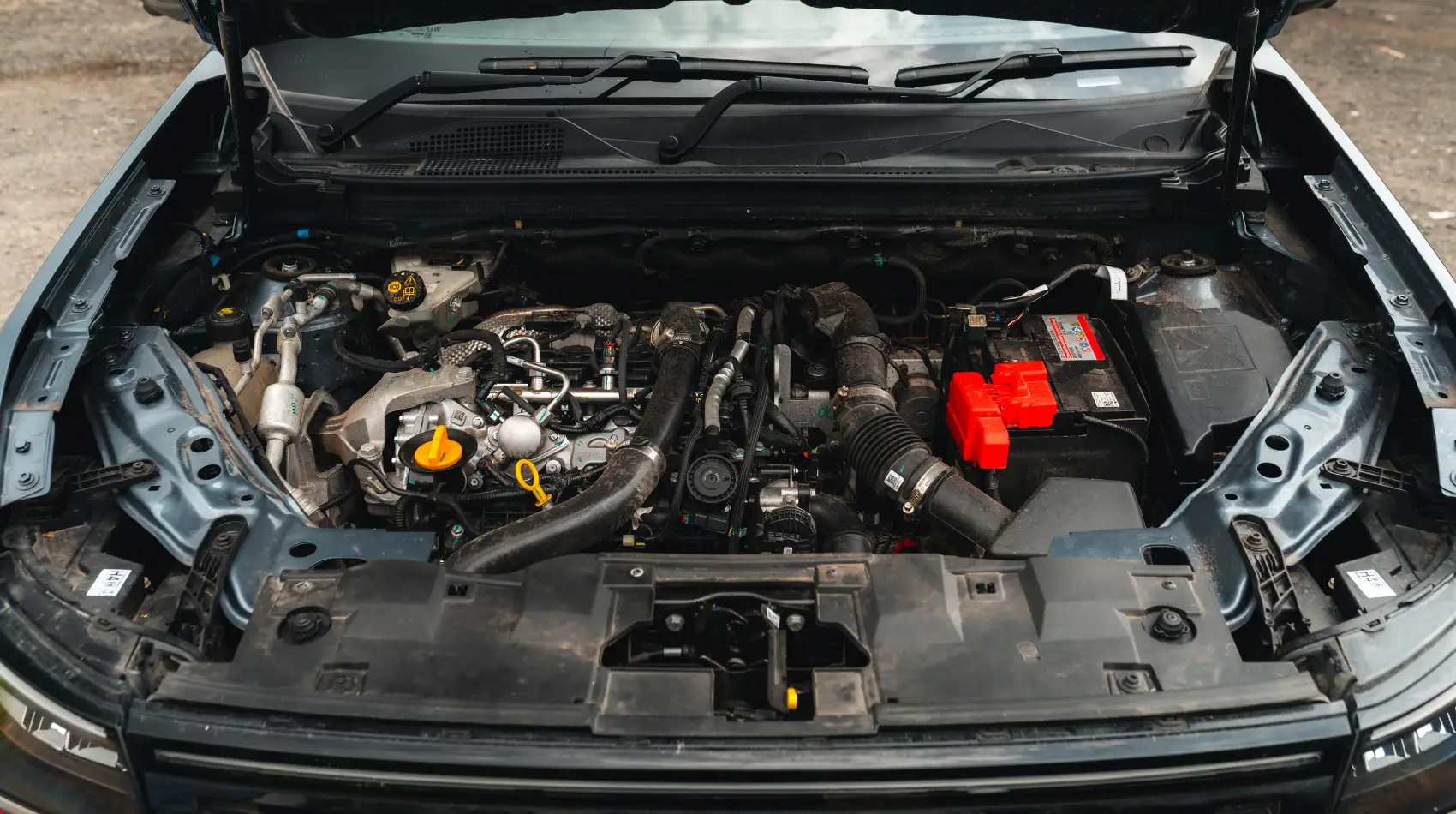
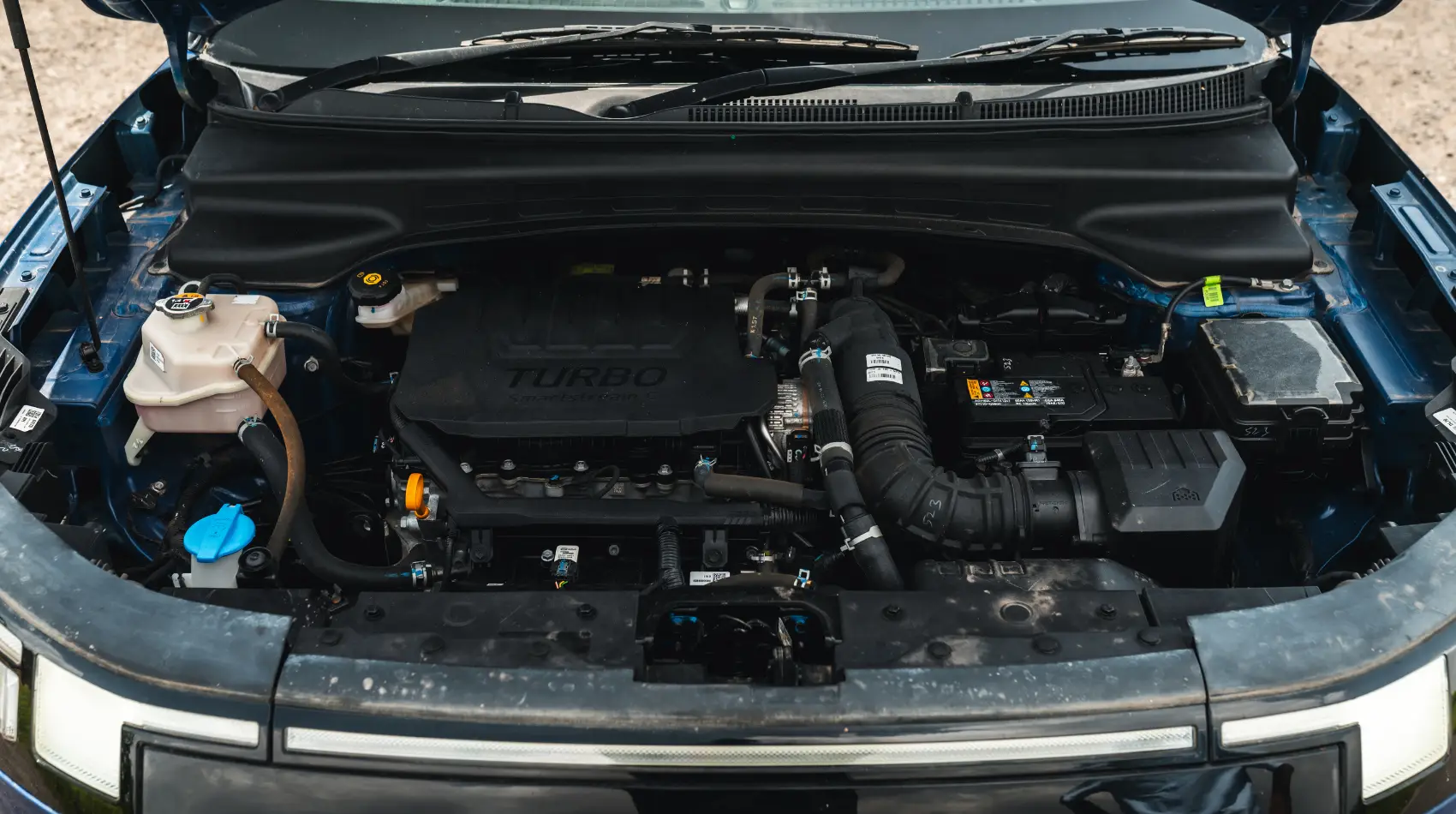
On paper, the advantage swings straight back towards the Nissan when you open the bonnet. The Tekton’s 1.3-litre turbocharged four-cylinder produces 163PS and 280Nm. The Creta N-Line uses a larger 1.5-litre turbocharged four-cylinder producing 160PS. Three horsepower. Obviously, therefore, the Nissan must be faster. Except it doesn't feel faster. The Creta does.
And I've been thinking about why, because something similar has been happening with my own Polo. Mine now makes a little over 190 horsepower and is genuinely quick, but tuning a smaller engine also teaches you something rather old-fashioned: there really is no replacement for displacement. Not necessarily because a larger engine will always make more power. Modern turbocharging has comprehensively destroyed that argument. It is about HOW it makes that power.
The Creta's larger 1.5-litre engine simply feels less stressed. There is an effortlessness to the powertrain that the Nissan doesn't quite replicate. The Hyundai's DCT also feels quicker through its shifts and, importantly for a car that will spend far more time in traffic than attacking mountain roads, smoother and more usable.
The Tekton is not slow. Far from it. A 163PS compact SUV is hardly something you're going to struggle to merge onto the Western Express Highway in. But driven back-to-back, the Hyundai powertrain feels more polished. So despite losing the spec-sheet battle by three horsepower, the Creta wins the powertrain round. Which brings us to the chassis. And things get interesting again.
One of the most common complaints about the Creta N-Line is that it is too stiff. I've never really had a problem with it. My family has. Friends who have driven it have. And enough people have said exactly the same thing that dismissing it because I don't mind would be ridiculous. I like a firm car. I'm perfectly happy sacrificing some low-speed compliance if the payoff is a chassis that feels sharper when the road becomes interesting. But I am also not representative of everybody buying a compact SUV.
The Creta N-Line is stiff. There is no point pretending otherwise. The payoff is that it feels properly pointy. It changes direction eagerly and has a slightly darty character that makes it far more entertaining than something selling in these sorts of numbers has any obligation to be.
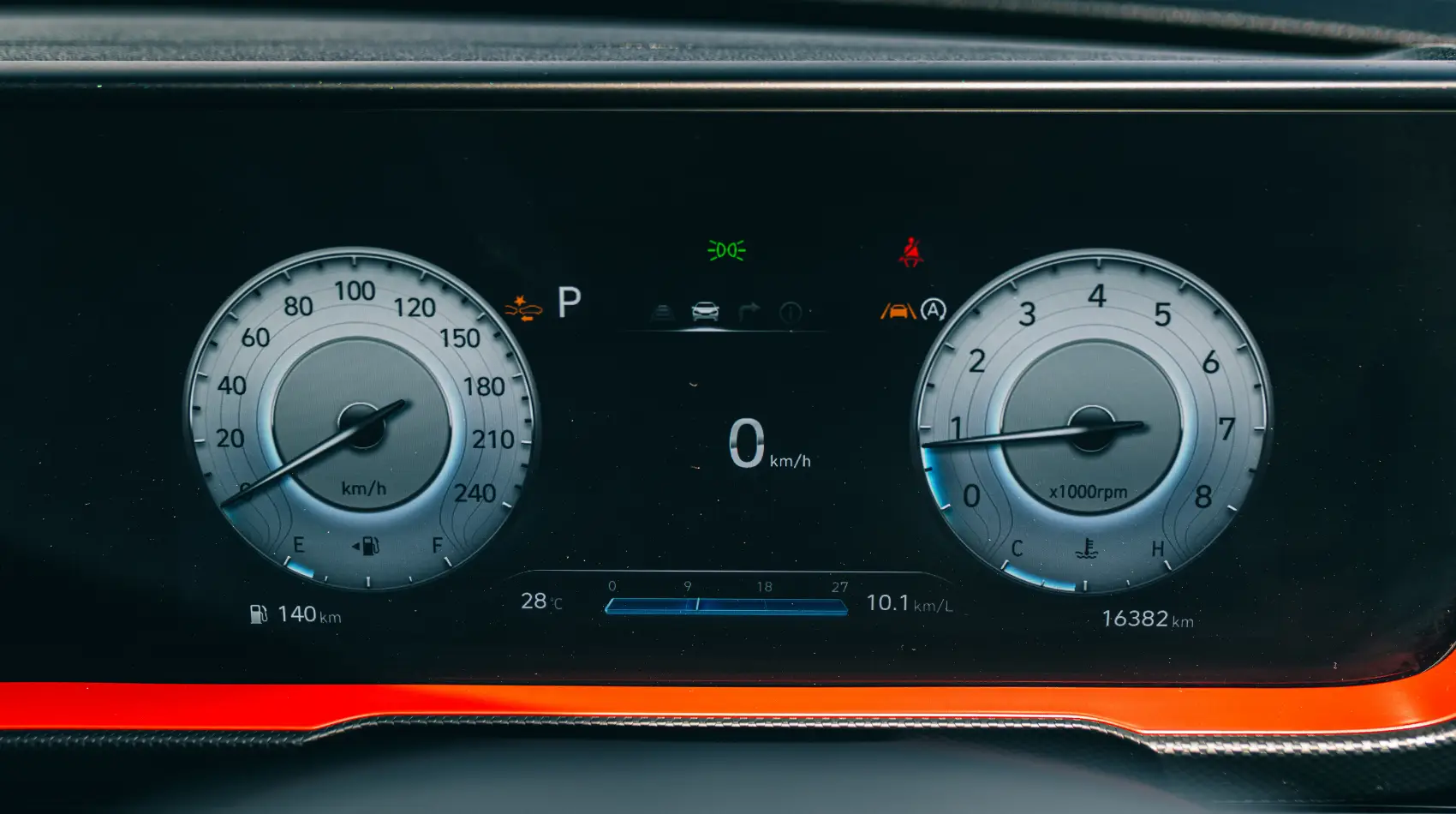
I also know THIS particular press car extremely well. It has now covered somewhere around 16,000-17,000km, and I'd estimate that I personally put somewhere between 8,000 and 10,000 of those kilometres on it when I had the car for an extended period.
And despite the life press cars tend to lead, it still feels impressively tight. The suspension hasn't developed any obvious looseness and the chassis still feels as alert as I remember it when the car was new. That deserves credit. But the Tekton IS better. Not necessarily because it is sharper. It isn't. It is better because it manages a broader spread of abilities.
The underlying Duster/Tekton chassis is one of the finest in this segment, second only to the criminally under utilised chassis on the Suzuki Grand Vitara / Victoris. The Nissan is softer than the Hyundai and considerably happier dealing with the sort of broken surfaces we encounter every day. Yet when you increase the pace, it doesn't suddenly become loose or disinterested. There is still proper body control. There is still confidence. There is still enough communication for somebody who enjoys driving. It feels like a chassis designed for bad roads first and a specification sheet second.
More importantly, it feels robust. Obviously, only years of ownership will establish whether it actually is more robust, and the high-mileage Creta sitting alongside proves Hyundai hasn't exactly built its car out of cardboard either. But in terms of the combination of ride, handling and everyday usability, the Tekton takes this one.
And that leaves us with a frustratingly close result. Design is a draw. The Tekton looks fresher and more traditionally SUV-like; the Creta N-Line remains a handsome thing. Interiors are effectively a draw. The Creta has the design and enthusiast ergonomics I prefer, while the Nissan has superior touch-and-feel quality.
Rear-seat comfort and space go to Hyundai. Powertrain goes to Hyundai. Chassis and ride go to Nissan. I can already imagine the comments when my YouTube video on this goes up. There will be people convinced that the Tekton has immediately become the new benchmark. And I understand the argument. It is basic human thinking that the newest = best. Look, it looks excellent. It feels genuinely premium inside. It has a superb chassis and the most powerful engines in the segment. More importantly, Nissan has given it enough individual character that it doesn't feel like somebody has simply photocopied a Duster and changed the logo at the top.
But it falls just short. And I mean just. The Creta's enormous sales success isn't automatically proof that it's the best car in the segment. Sales figures don't work that way. Plenty of brilliant cars sell badly and plenty of deeply average cars sell extremely well. But every so often a car sells in enormous numbers because its manufacturer has simply understood what buyers want and the Creta is one of those cars.
It has enough space, enough performance and enough equipment. In N-Line guise, it is also interesting enough to appeal to somebody who genuinely enjoys driving. Its ride is firm, yes, and there are areas inside where the material quality is beginning to show the car's age, but there is no single glaring weakness that compromises the entire package.
The Tekton has one. That rear seat. And it is particularly frustrating because Nissan has come so close everywhere else. If I were to give the Creta a perfect 10 as an interpretation of what an Indian compact SUV needs to be, the Tekton wouldn't score an eight. It wouldn't even score a nine. It would be a 9.5. Maybe a 9.7.
Give it a little more rear-seat room (which we know isnt possible to do unless the platform gets a major redesign - or you wait for the larger SUV that the Renault Nissan Alliance has planned) and suddenly you're combining Nissan's excellent chassis, stronger cabin quality, distinctive styling and 163PS turbo engine with the practicality a family SUV in India needs. Do that and I think we'd be having a very different conversation. We'd potentially be talking about how the Creta had finally been beaten. But it hasn't. Not quite. The king survives. For now.