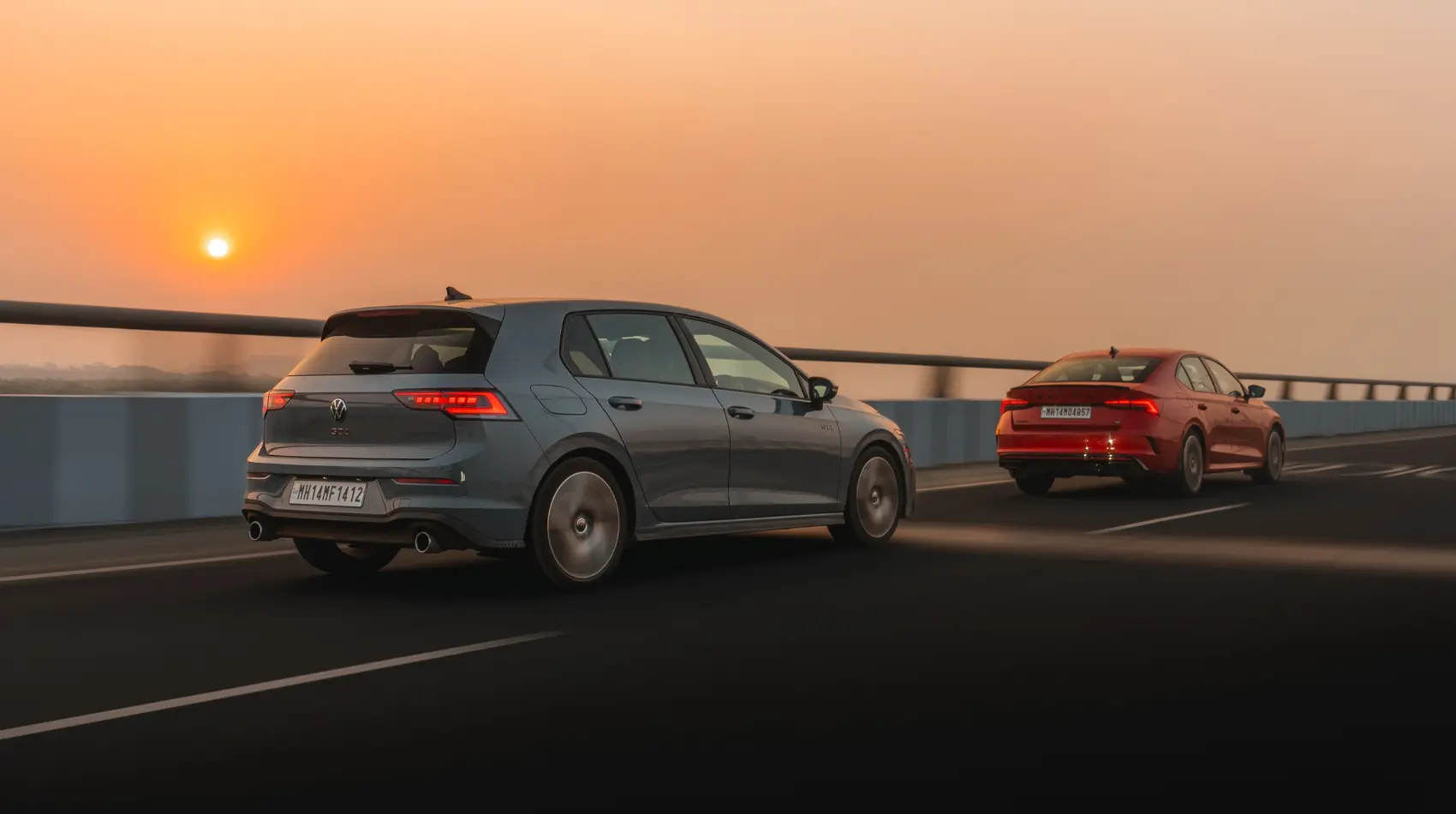
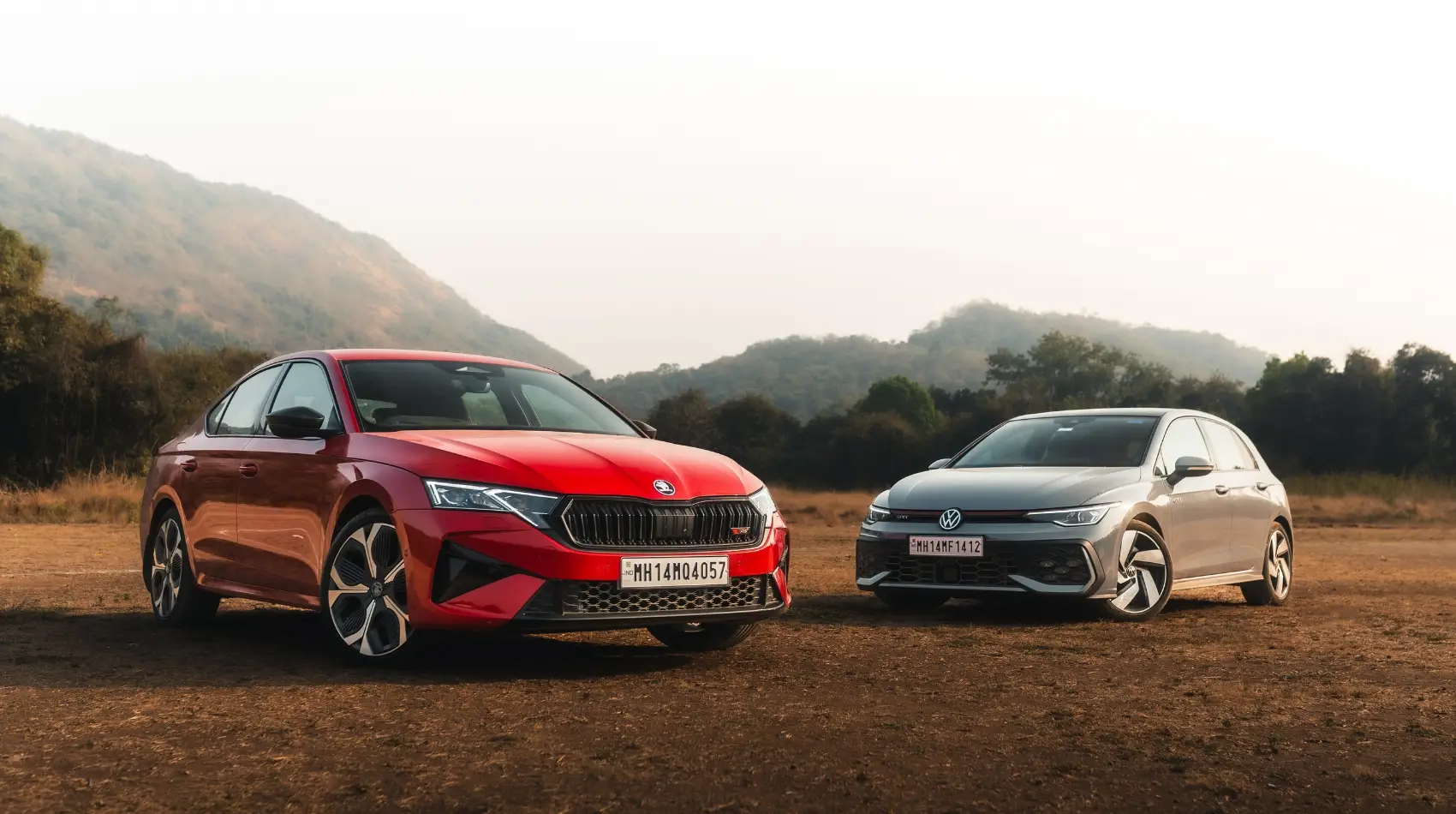
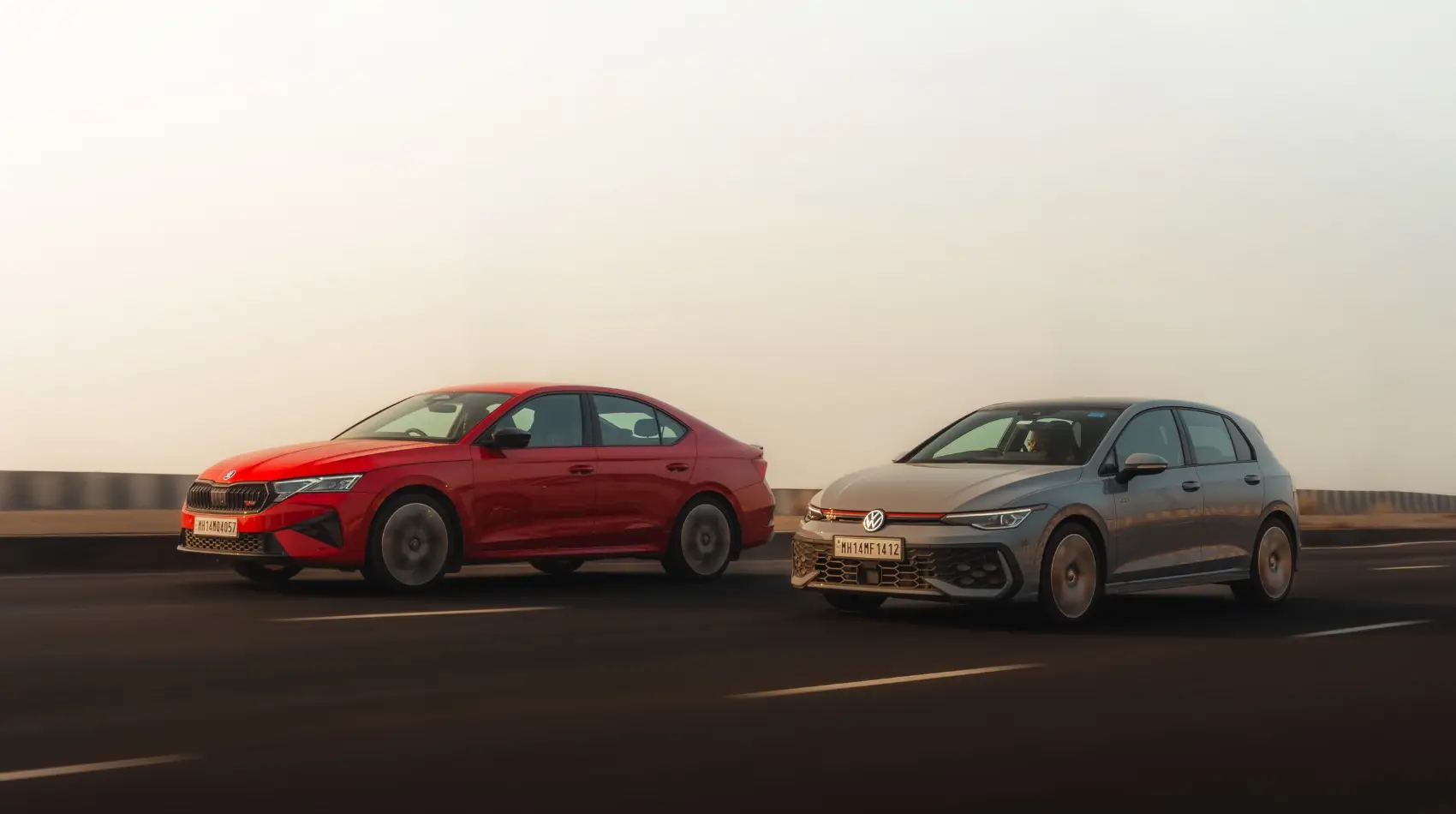
Buy the GTI for yourself. Buy the RS for your life.
9/10
For
Enthusiast focused machines
Against
Expensive
There are people in India who’ve never seen snow, never tasted champagne and never owned a fast car but even rarer than all of that is meeting a pair of twins. In India just three or four babies in every thousand arrive as doubles. And of those, nearly 70–80 percent are non-identical. Same set of parents, same DNA pool, same environment, but entirely different personalities. One usually is louder, more expressive and more extroverted. The other is calmer, more considered. Both are shaped by the same origins, yet defined by the paths they take. Which makes this comparison feel strangely appropriate.
Because if there’s one thing the Indian automotive market has mastered over the last decade, it’s badge engineering. It’s almost become an epidemic. Take one platform, stretch it here, shrink it there, swap badges, tweak headlights or bumpers and hope customers don’t notice. Most of the time, it results in cars that feel interchangeably engineered to meet price points rather than stir emotions.
On paper, they’re practically identical. Same MQB architecture. Same EA888 2.0-litre turbocharged petrol engine. Same seven-speed DSG gearbox. Same headline figures of 261 brake horsepower and 370Nm torque output. And the same eye-watering, CBU-import price tag that makes accountants nervous and enthusiasts irrationally excited. In any other context, this would be textbook badge engineering. Except this isn’t that. Because while they share the same mechanical heart, what they do with it couldn’t be more different.
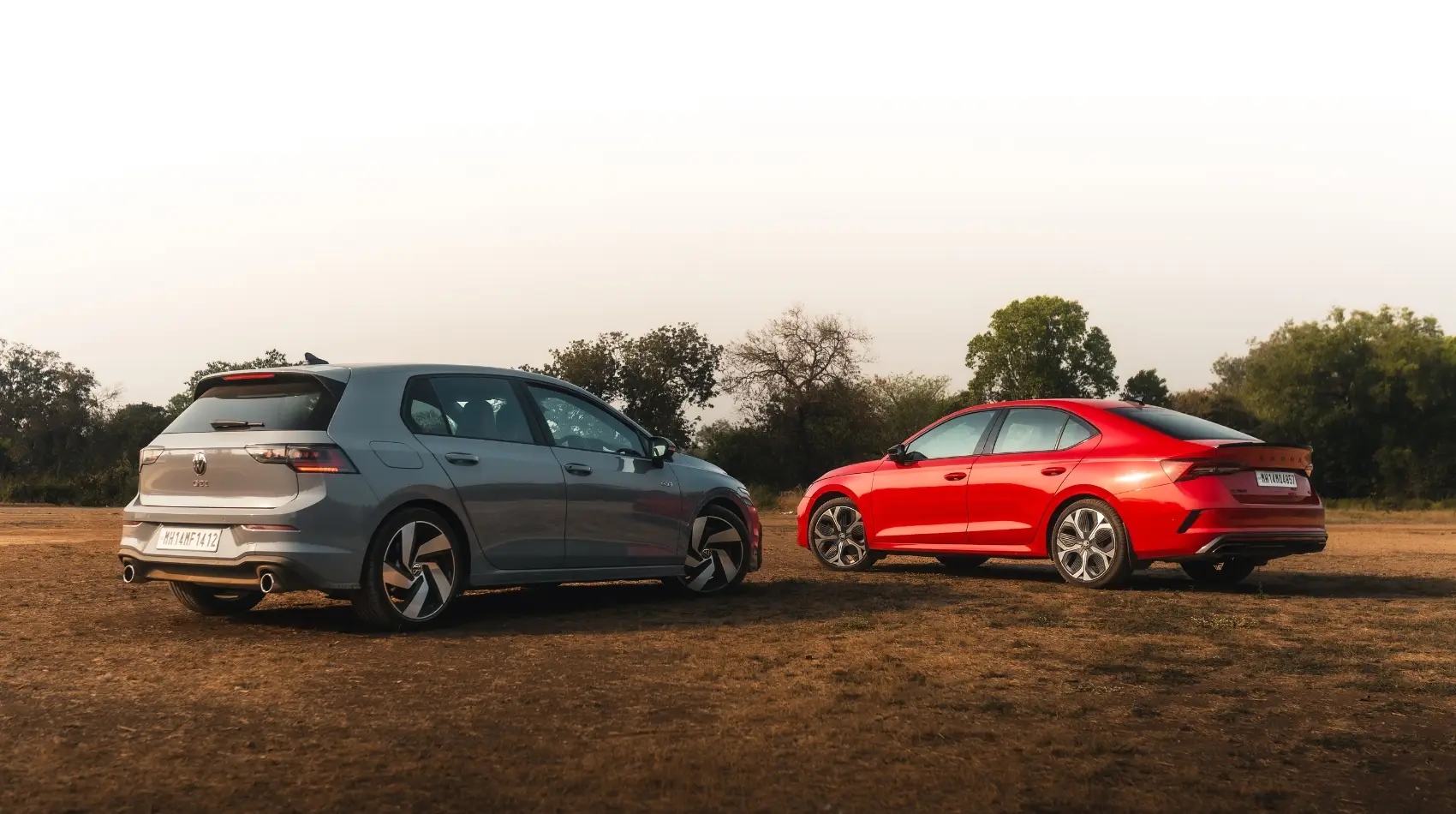
One is a hot hatch with decades of heritage behind it, built to prioritise feel, feedback and connection. The other is a performance sportback sedan that combines speed with practicality, and excitement with everyday usability. They come from the same engineering philosophy, yet are shaped by completely different priorities.
Think of them as non-identical twins raised in different households. And in a market obsessed with SUVs, softened by compromise and increasingly disconnected from driving pleasure, both of these cars are quite extraordinary offerings in India.
The first few kilometres tell you everything.
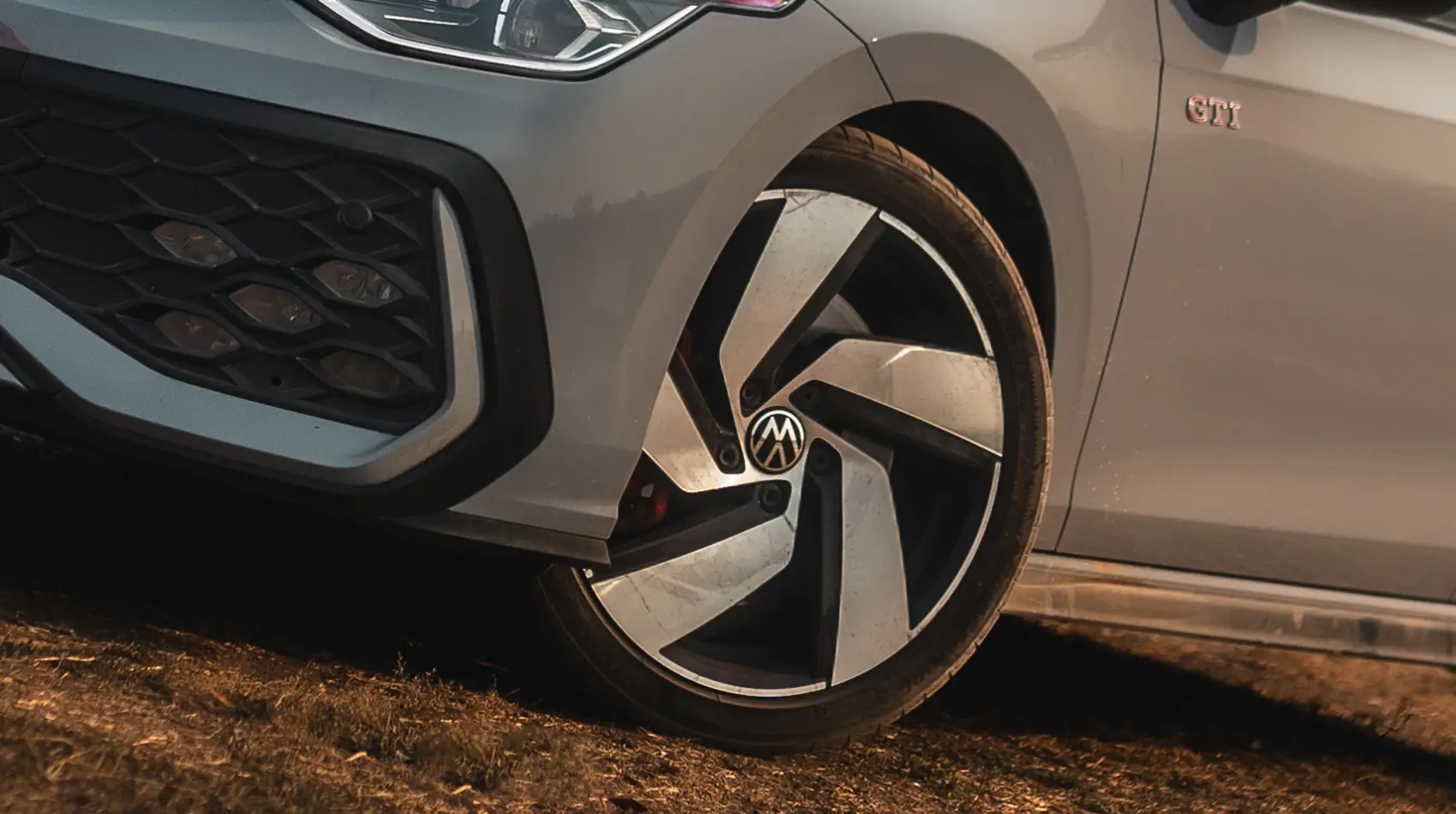
You drop into it rather than climb in. The seat is low, your legs stretch out straight ahead, the steering wheel comes towards you and the pedals line up instinctively. Before the engine even fires, the GTI has already made its first point: this car is about the person behind the wheel.
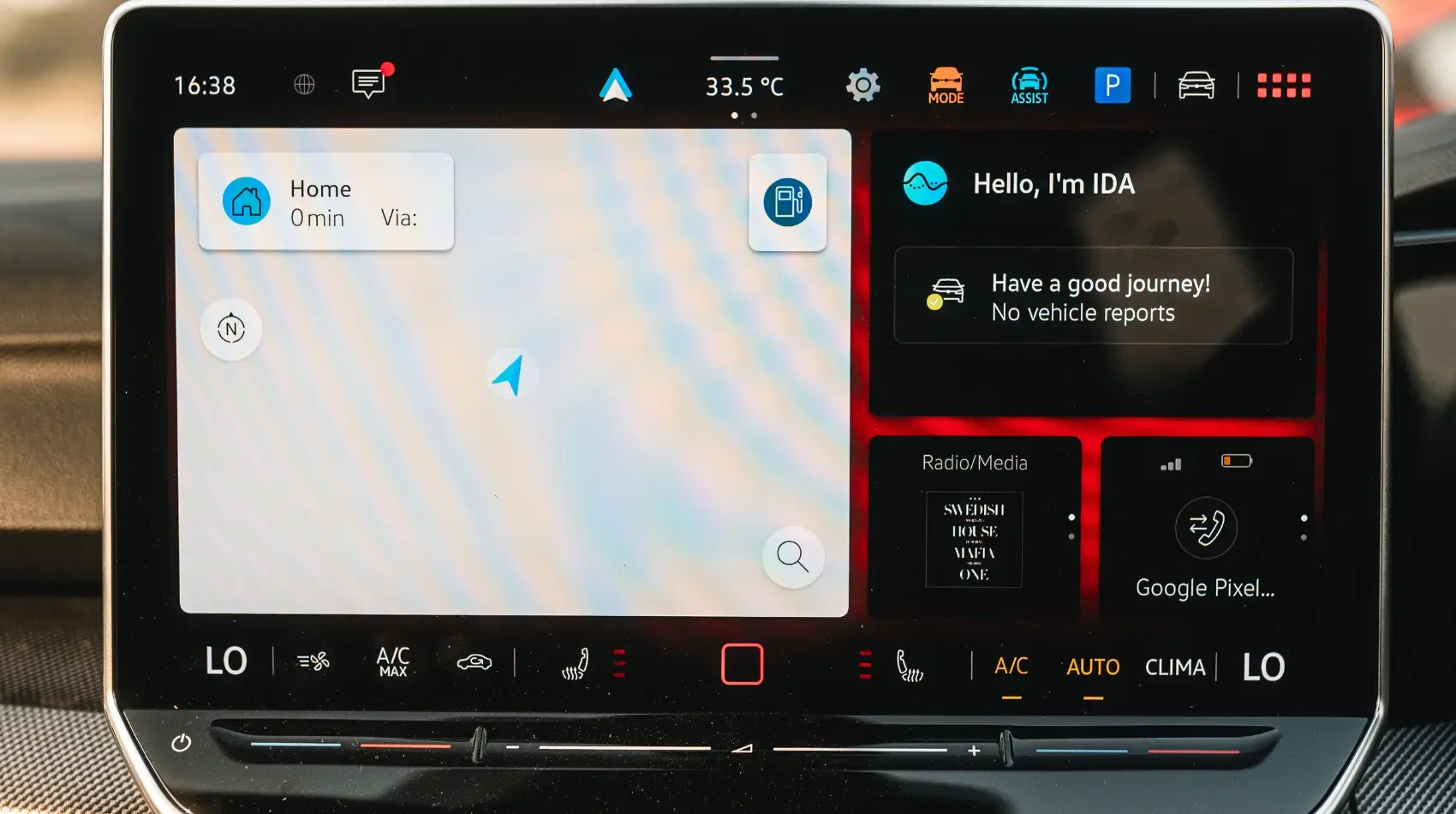
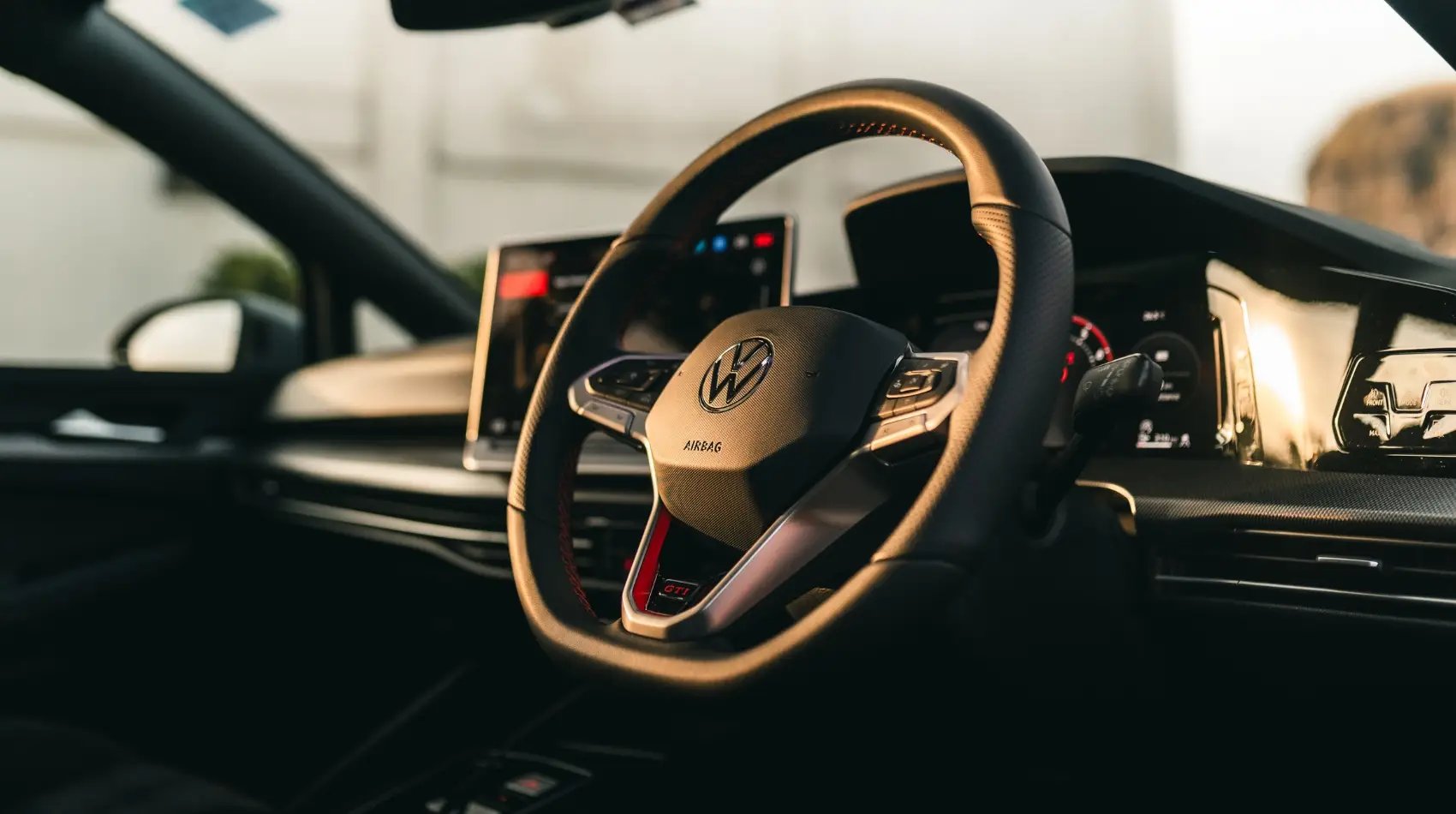
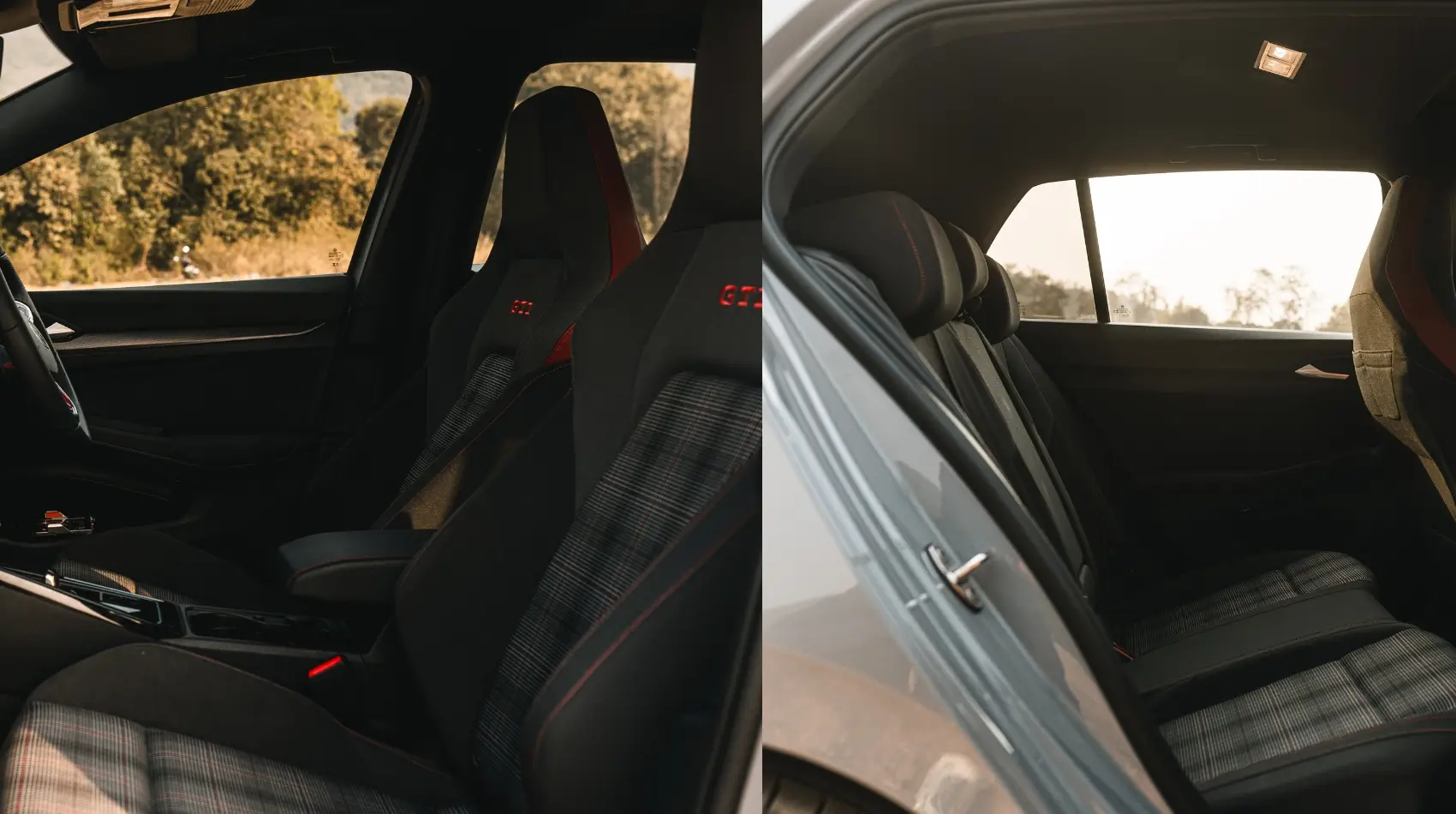
Iconic tartan fabric seats hold you snug. Not leather, nor ventilated. Just cloth with bolstering in the right places. The steering wheel is thick-rimmed and perfectly contoured. There’s plenty of tech around you with big screens, ambient lighting, wireless CarPlay, but none of it dominates the experience. This feels like a cockpit, not a living room.
I slot the DSG into Sport, thumb through the infotainment to sharpen everything up and roll out. Within the first kilometre, the GTI tells you what it’s about.
It feels smaller than it is. More compact. More alert. Turn the wheel and the nose responds immediately. There’s no delay, no soft initial bite. The front end just goes where you point it. And once you start leaning on it, you realise how cleverly the electronics are working beneath you.
Feed in throttle mid-corner and instead of pushing wide, the GTI tightens its line. The electronically controlled differential shuffles torque across the front axle and pulls the car into the apex. Lift slightly on entry and the rear helps rotate just enough to straighten your exit.
It’s classic hot hatch behaviour. You can throw it into corners. You can provoke it. You can adjust your throttle line. The car responds with enthusiasm rather than resistance. This is a playful car that happens to be fast.
The steering deserves special mention. It loads up progressively and feeds back enough information through your palms that you stop thinking about it halfway through the first set of bends. Pair that with strong initial brake bite and a beautifully judged driving position, and suddenly you’re carrying more speed simply because the car encourages you to.
The EA888 engine does what this engine always does. It pulls hard from low revs, builds speed cleanly and keeps delivering all the way to the top end. There’s torque everywhere, and the DSG fires through gears without interrupting momentum. VW claims 0–100kmph in 5.9 seconds and, having tested it, it does exactly that. No drama. No excuses. It feels alive. Not loud. Not aggressive. Just constantly engaged. This is the GTI’s party trick. It makes ordinary roads feel interesting.
Then you step into the Octavia RS
And immediately, the tone changes. Not for the worse but just different. Because the RS feels bigger. More substantial. You sit slightly higher, there’s more glass around you and the cabin feels airier. Pull away and the same engine delivers the same muscular mid-range punch, but the experience is filtered through a longer wheelbase and a heavier body. Where the GTI darts, the RS flows.
On fast sweepers, the Octavia feels planted and composed, tracking cleanly through long arcs with an effortlessness while the Golf feels aggressively sharp. At speed, it feels calmer, more settled, less busy. The extra length gives it stability that inspires confidence, especially when the road opens up. Push harder and the RS reveals its own strengths. Grip levels are high, the electronic differential works quietly in the background, and the chassis remains predictable even when you start leaning on it. There’s a wide margin before understeer sets in, and when it does, it’s progressive and easy to manage.
It doesn’t egg you on the way the GTI does. Instead, it reassures you. And that distinction matters. Because while the Golf feels like it wants to attack every corner, the Octavia feels like it’s designed to cover ground quickly and comfortably. It’s less about point-and-squirt theatrics and more about maintaining serious pace over long distances. If the GTI is a backroad companion, the RS is a cross-country express.
Same power, different delivery
In a straight line, there’s little to separate them. Both surge forward with the same urgency once the turbo is on song, both deploy their 370Nm cleanly and both feel genuinely quick by any real-world measure. The GTI feels marginally more explosive off the line, the RS builds speed with a touch more composure, but neither leaves you wanting for pace.
The DSG gearbox plays its part too, snapping through ratios with minimal interruption to momentum. In Comfort, both cars are smooth and refined. In Sport, shifts sharpen, throttle response quickens and the exhaust note is augmented electronically to add some drama. Neither sounds spectacular. Both sound bassy and sporty.
Enthusiasts looking for real auditory theatre will inevitably turn to the aftermarket. But what’s more impressive is how effectively both cars deploy their power. Front-wheel drive and 261 brake horsepower isn’t an easy combination, yet torque steer is well contained, traction is strong and you can get on the throttle surprisingly early in a corner without unsettling the chassis. Few front-wheel-drive cars manage this balance as well.
India has a vote too
This is where context becomes important. Neither car gets adaptive dampers in India, a disappointing omission given their performance credentials. And yet, their ride philosophies differ noticeably.
The GTI rides firmly. On smooth roads it feels tied down and controlled, but on broken surfaces the shorter wheelbase means sharp imperfections are felt more distinctly. There’s a constant sense of what the tyres are doing beneath you, which enthusiasts will appreciate, but it does demand attention on poor roads.
The Octavia RS breathes better. Its longer wheelbase helps smooth out undulations and while it’s still far from plush, it feels more forgiving over patchy tarmac. On highways, especially, the RS settles into a relaxed stride, making it a more comfortable long-distance companion.
Ground clearance, however, is a concern for both. You’ll approach tall speed breakers with caution in either car, though the Octavia’s longer overhangs require extra care. This is performance motoring with compromises. And you have to be okay with that.
Driver-first versus everyone-else-too
Spend time inside both cabins and the divergence becomes even clearer. The Golf GTI wraps itself around you. The sports seats are snug and supportive, the driving position is spot on, and the compact dashboard layout reinforces that cockpit-like feel. Digital displays dominate the view, accented by GTI-specific graphics and subtle red highlights. Everything feels geared toward the person behind the wheel.
Rear seat space is acceptable for two adults, less so for three, and the 380-litre boot is usable but hardly generous. There’s no spare tyre either. Practicality exists, but it’s not the headline act.
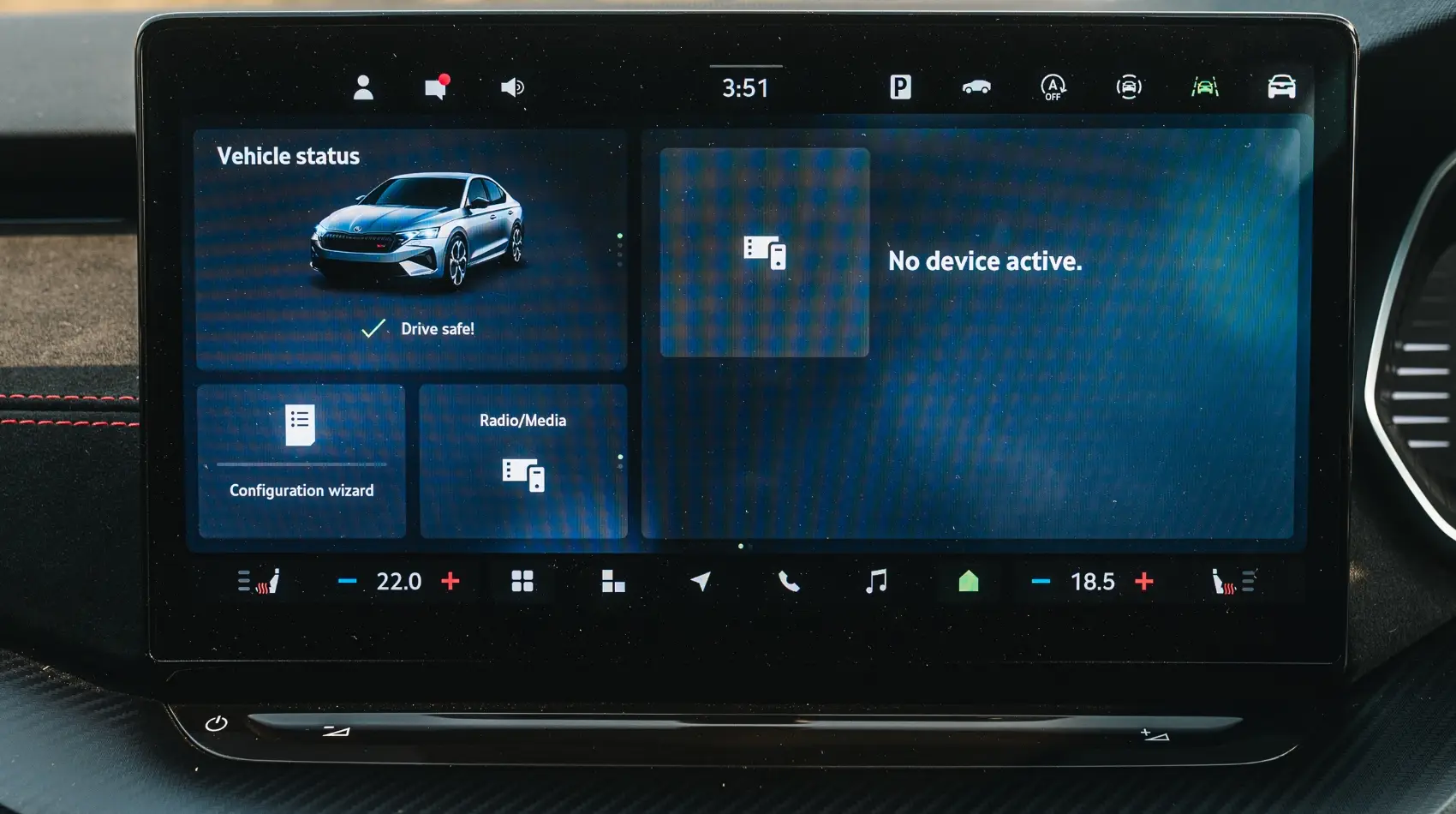
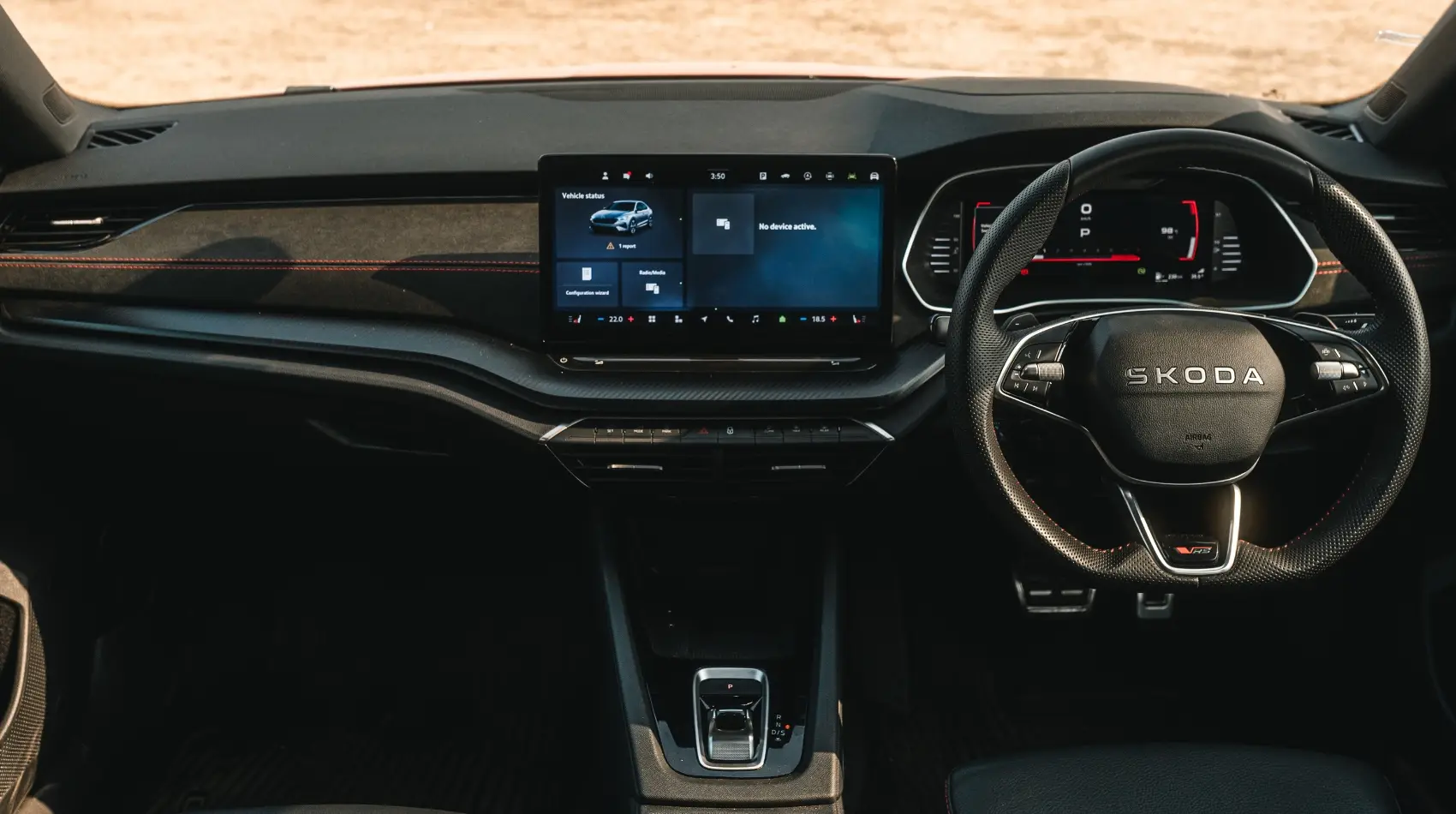
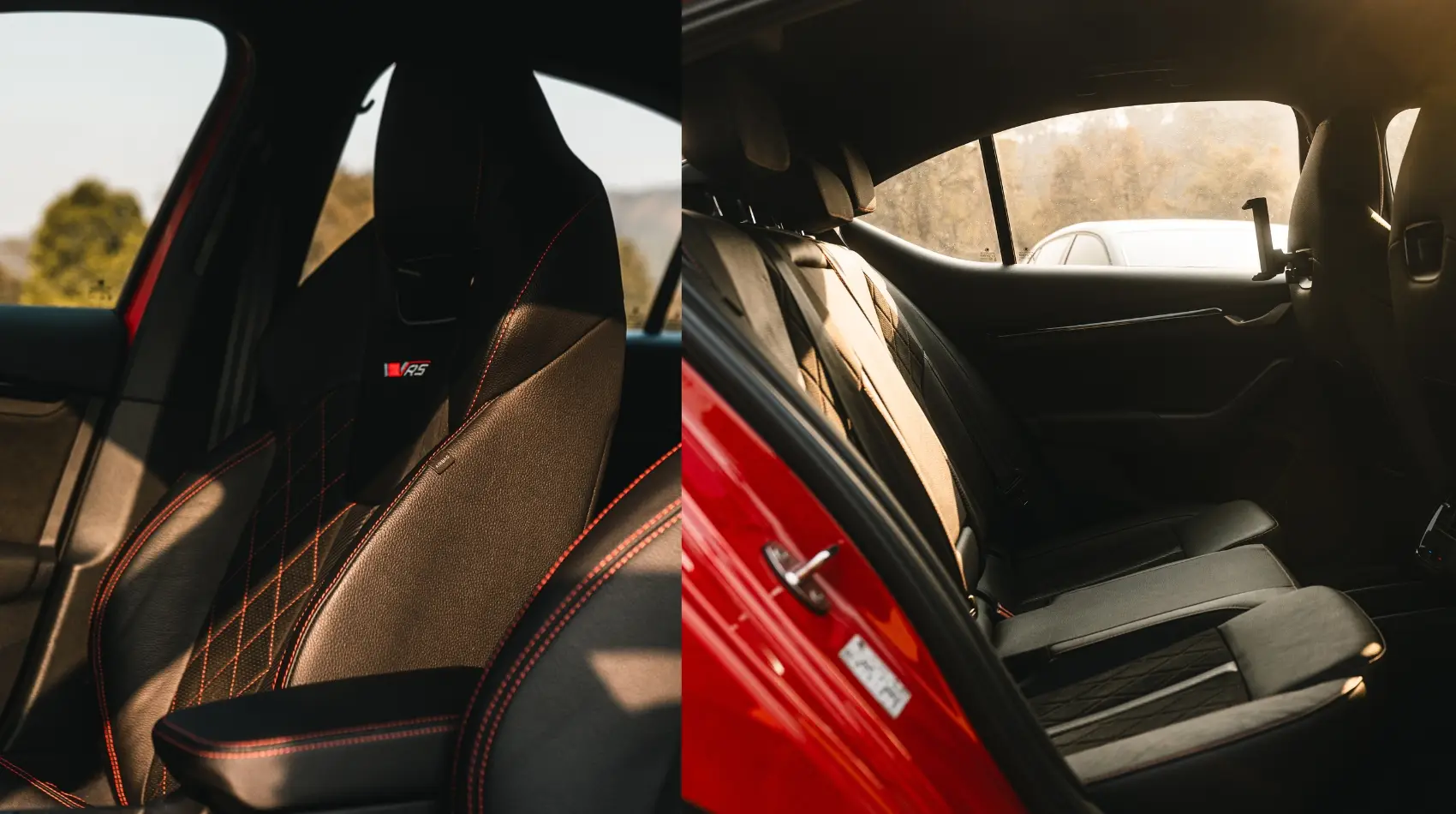
The Octavia RS tells a different story. Step inside and you’re greeted by space. Real, tangible space. Rear passengers enjoy generous legroom and headroom, their own climate controls, and a sense of comfort that the Golf simply can’t replicate. Up front, the RS piles on the features: powered sports seats with memory and massage, a head-up display, a powerful Canton audio system, and three-zone climate control. And then there’s the boot.
At 600 litres, it’s vast. Borderline ridiculous for a performance car.
Family road trips, airport runs, weekly grocery hauls, the RS handles it all without breaking a sweat. Where the GTI prioritises the driver, the Octavia looks after everyone.
Let’s talk about price.
Both of these cars are expensive. Properly expensive. North of ₹50 lakh on road. Fully imported. Both sold out almost immediately. Are they rational purchases? Absolutely not. For this money, India will happily sell you a luxury SUV with ventilated seats in every row and enough road presence to part traffic. But neither of these cars is about rationality.
They exist for people who still care about steering feel. About brake pedal modulation. About how a chassis behaves when you lift mid-corner. They are emotional purchases. And they are emotionally justified.
The emotional crossroads
Drive these two back-to-back for long enough and something interesting happens. You start off convinced your favourite is clearly superior. Then doubts creep in.
In the GTI, you begin to admire how settled the RS feels at speed. In the RS, you catch yourself smiling at how alive the GTI feels on a twisty road. You find yourself defending one car while appreciating the strengths of the other. It’s an internal tug of war between heart and head. And that’s when you realise what this comparison is really about. Not performance figures. Not feature lists. Lifestyle.
If you’re a solo driver who prioritises engagement above everything else and who wants maximum connection every time you turn the wheel, the Golf GTI is the easy pick. It feels more mischievous. More intimate. More emotionally direct. It is the driver’s car.
But if you’re a grown-up enthusiast, someone who still loves driving but also carries people, luggage and responsibility, the Octavia RS makes enormous sense. It delivers speed without sacrificing space. Thrills without abandoning comfort. It is the adult’s performance car.