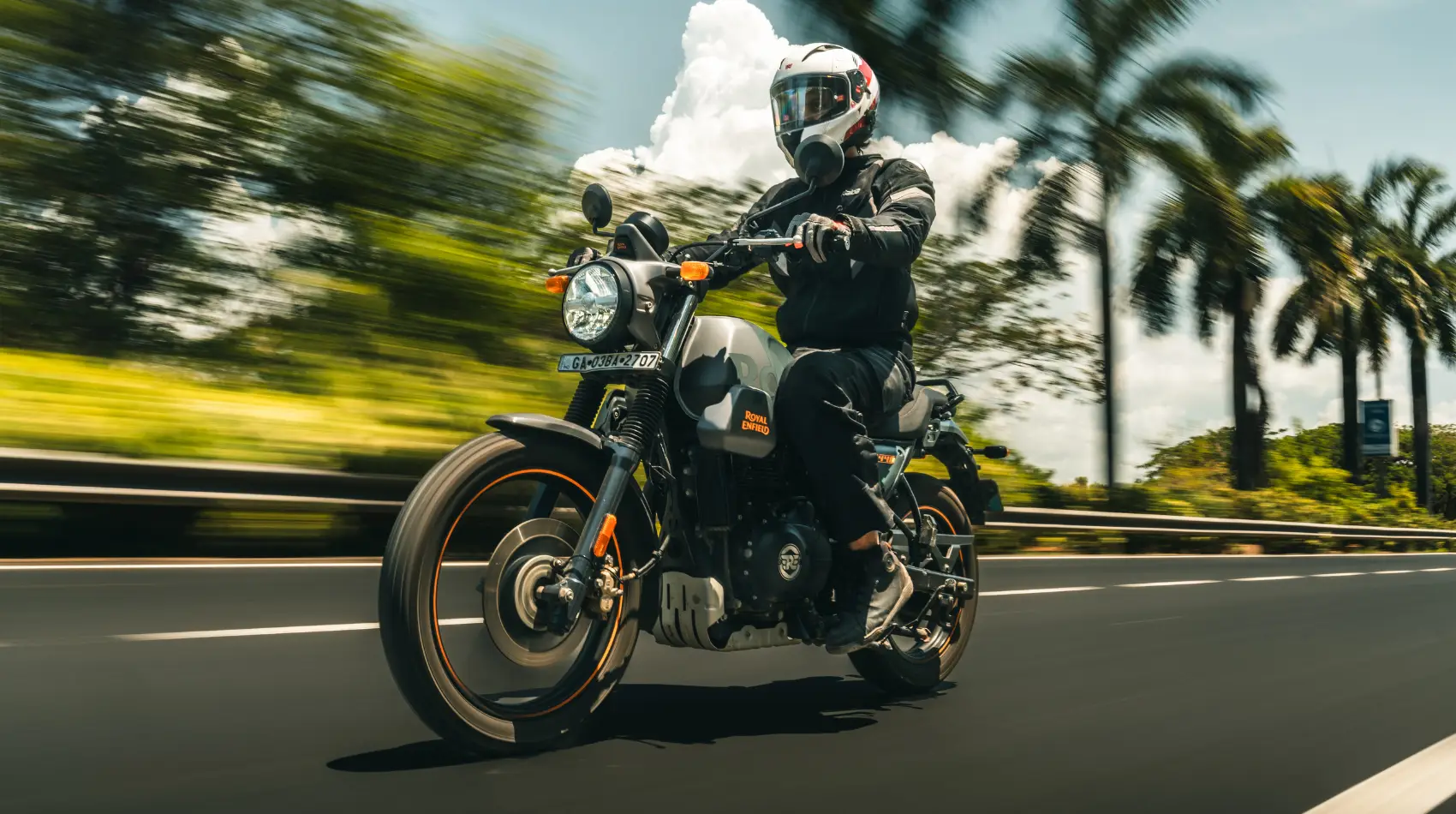
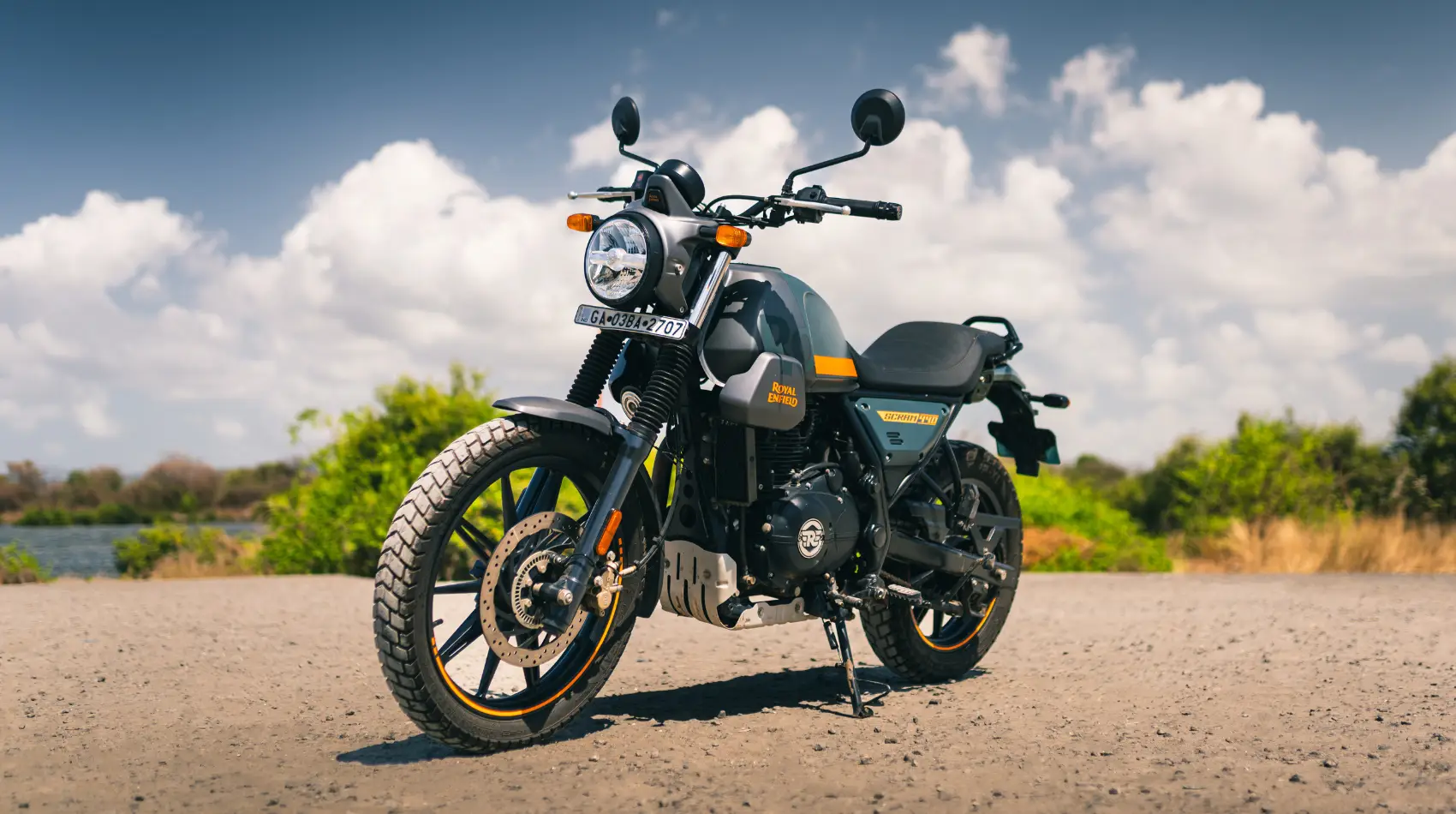
Some riders don't need TFT displays, riding modes and nearly 40hp. They simply want a motorcycle that's comfortable, easy to ride and capable of handling whatever Indian roads throw at it. That's exactly where the Scram 440 comes in.
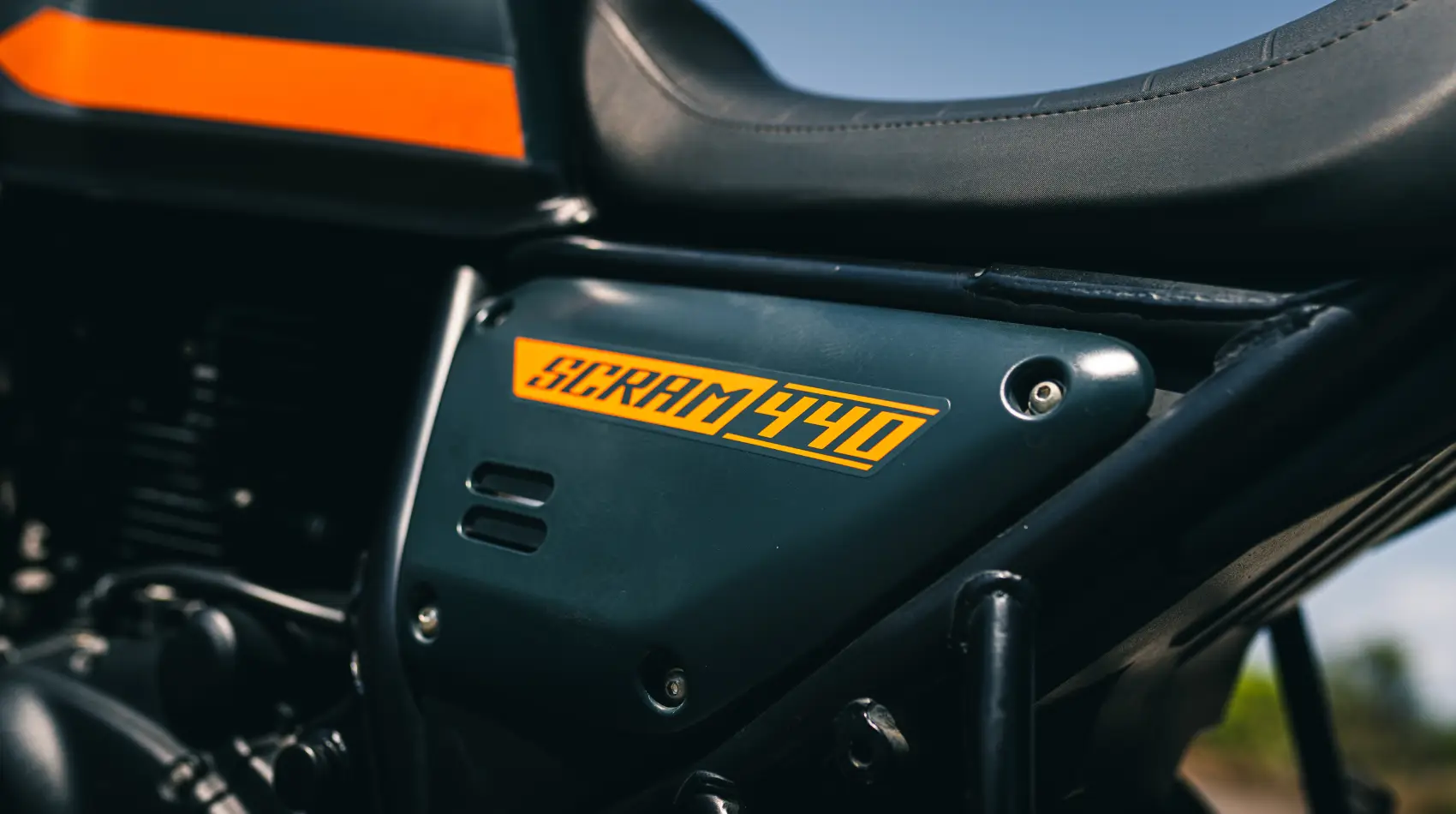
At first glance, it looks very similar to the outgoing Scram 411. The rugged styling, minimalist bodywork and easy-going proportions remain largely unchanged. But beneath the familiar skin, Royal Enfield has made a series of meaningful updates aimed at addressing some of the biggest shortcomings of its predecessor. On paper, the Scram 440 sits in an unusual spot within Royal Enfield's expanding lineup. Out on the road, however, it starts making a surprising amount of sense.
The Engine It Always Needed
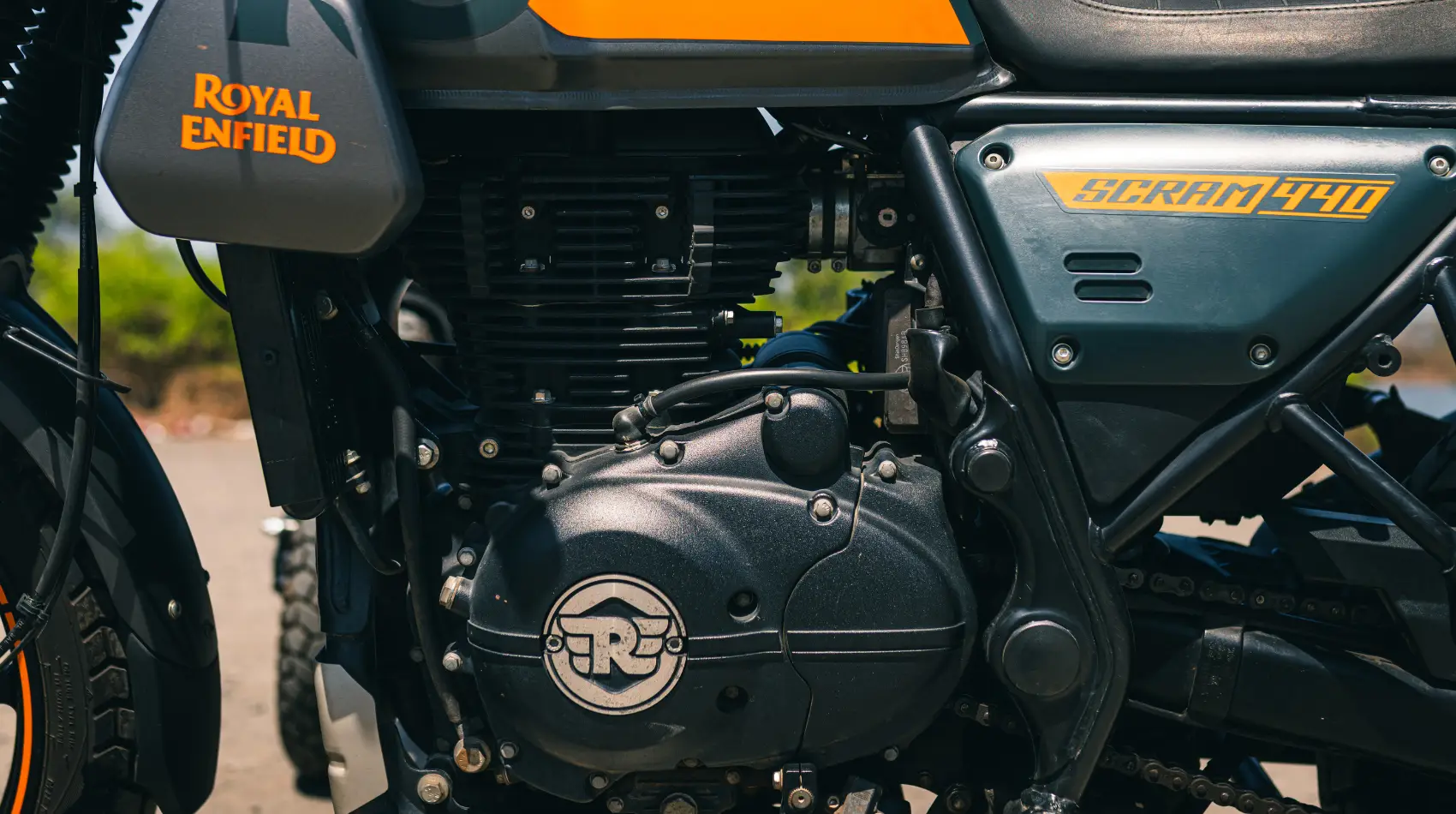
The biggest update sits beneath the fuel tank. Royal Enfield has enlarged the old 411cc motor to 443cc, and while the headline figures don't suggest a dramatic transformation, the improvements are welcome. Output rises from 24.3hp and 32Nm in the old Scram 411 to 25.4hp and 34Nm here. That's an increase of just 1.1hp and 2Nm, but the difference feels more noticeable from the saddle than the numbers suggest. The engine feels stronger through the middle of the rev range, accelerates with a little more enthusiasm and requires fewer gear changes in everyday riding. It remains a relaxed, long-stroke Royal Enfield single that prefers riding on torque rather than chasing revs, but there's a welcome sense of effortlessness to the way it goes about its business.
Around town, the broad spread of torque makes the Scram exceptionally easy to ride. It pulls cleanly from low revs, copes effortlessly with traffic and never feels intimidating. New riders, in particular, will appreciate how forgiving the power delivery is. The addition of a six-speed gearbox arguably has an even bigger impact. The old five-speed setup always felt like it was missing one ratio on the highway, whereas the new transmission allows the engine to settle into a more relaxed cruise. At motorway speeds, the bike feels noticeably less busy than before and more willing to cover long distances.
Refinement still isn't perfect, however. Push higher into the rev range and vibrations begin making themselves known through the handlebar, footpegs and seat. The engine is happiest when ridden within its comfort zone rather than chased towards the redline. The gearbox, while welcome, also doesn't feel quite as slick as the units found in Royal Enfield's newer-generation motorcycles. Shifts are generally positive, but the overall experience still feels slightly old-school.
Everyday Usability Is The Real Highlight
The Scram's greatest strength isn't its engine or its styling. It's how easy it is to live with.
With a seat height of just 795mm, it immediately feels accessible to a broad range of riders. Swing a leg over and the motorcycle feels unintimidating from the outset. You sit upright, visibility is excellent and the wide handlebar falls naturally to hand. At 196kg kerb, it isn't exactly lightweight, but the weight is carried well and the bike never feels cumbersome once underway.
This is one of those motorcycles that simply gets out of your way. You're not constantly thinking about the controls, the riding position or the engine. Everything feels familiar within minutes. The 15-litre fuel tank only adds to its practicality, promising excellent range between fuel stops and making the Scram a genuinely capable touring companion. Whether you're commuting through traffic, exploring back roads or heading out on a weekend ride, the Scram feels comfortable and accommodating.
More Road Than Trail
Like its predecessor, the Scram 440 occupies an interesting middle ground. The 19-inch front wheel, upright ergonomics and long-travel suspension give it an adventurous flavour, but this is not a hardcore off-road machine.
Instead, it excels on the sort of roads most riders actually encounter. Broken tarmac, potholes, speed breakers and rough rural roads are all handled with confidence. The suspension setup does a commendable job of smoothing out imperfections without feeling excessively soft. However, the limitations become more apparent when the pace increases. While the suspension copes well with everyday abuse, it lacks the sophistication and composure of the newer Himalayan 450 when ridden aggressively over rough terrain.
The same applies to handling. The Scram feels stable, predictable and confidence inspiring, but it isn't particularly sharp. Quick changes of direction require some effort and the motorcycle always prioritises stability over agility. That isn't necessarily a criticism. It simply reflects the bike's intended purpose. The Scram 440 isn't trying to be an adventure motorcycle. It's a versatile road bike that happens to be comfortable when the road runs out.
Simple By Design
Royal Enfield hasn't attempted to reinvent the wheel here. The Scram retains a straightforward approach to equipment, offering what most riders need without overwhelming them with technology. The higher-spec Force variants gain alloy wheels and tubeless tyres, arguably one of the most useful upgrades on the motorcycle. The braking system has also been improved, delivering stronger stopping performance and better feel than before.
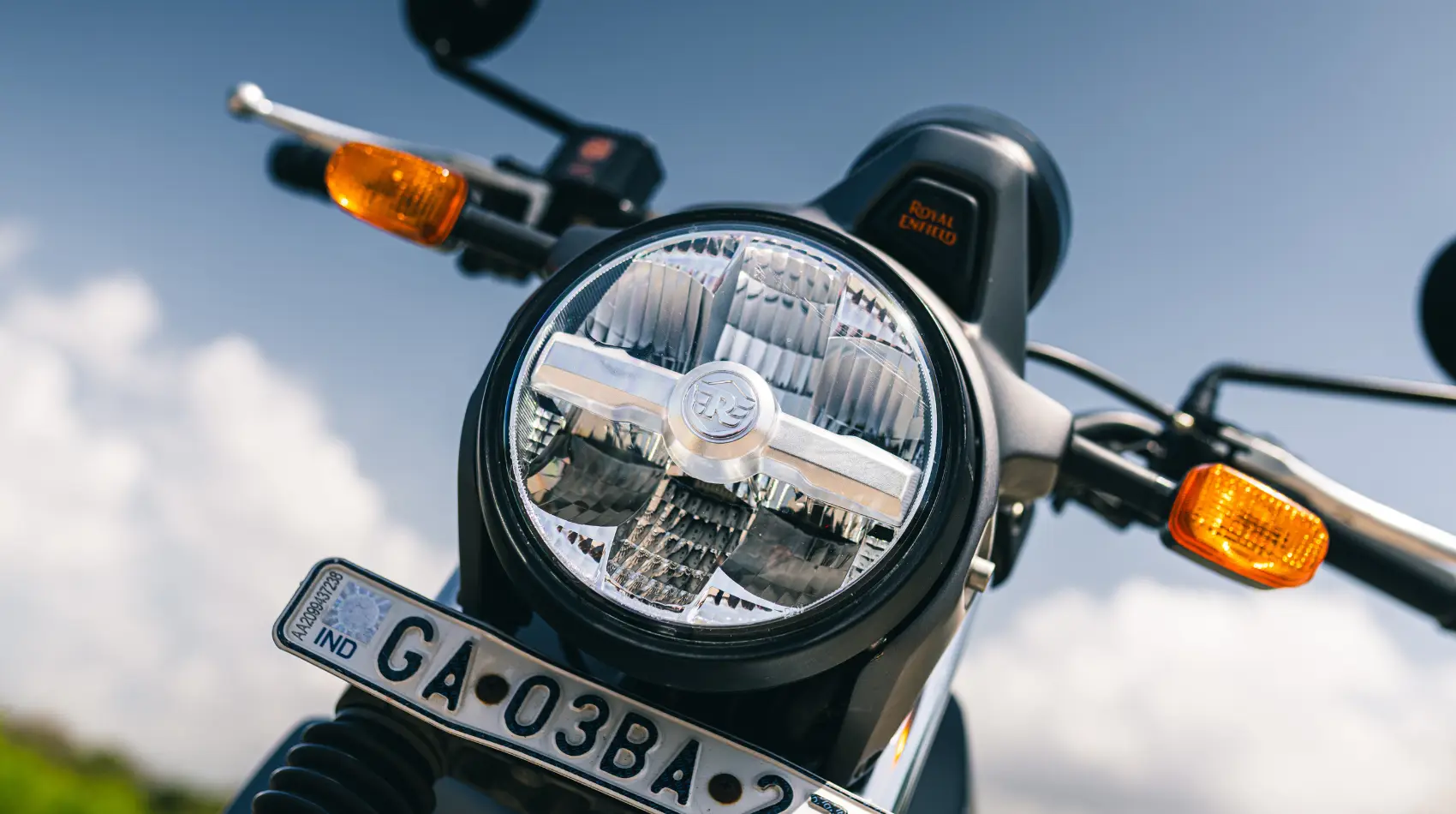
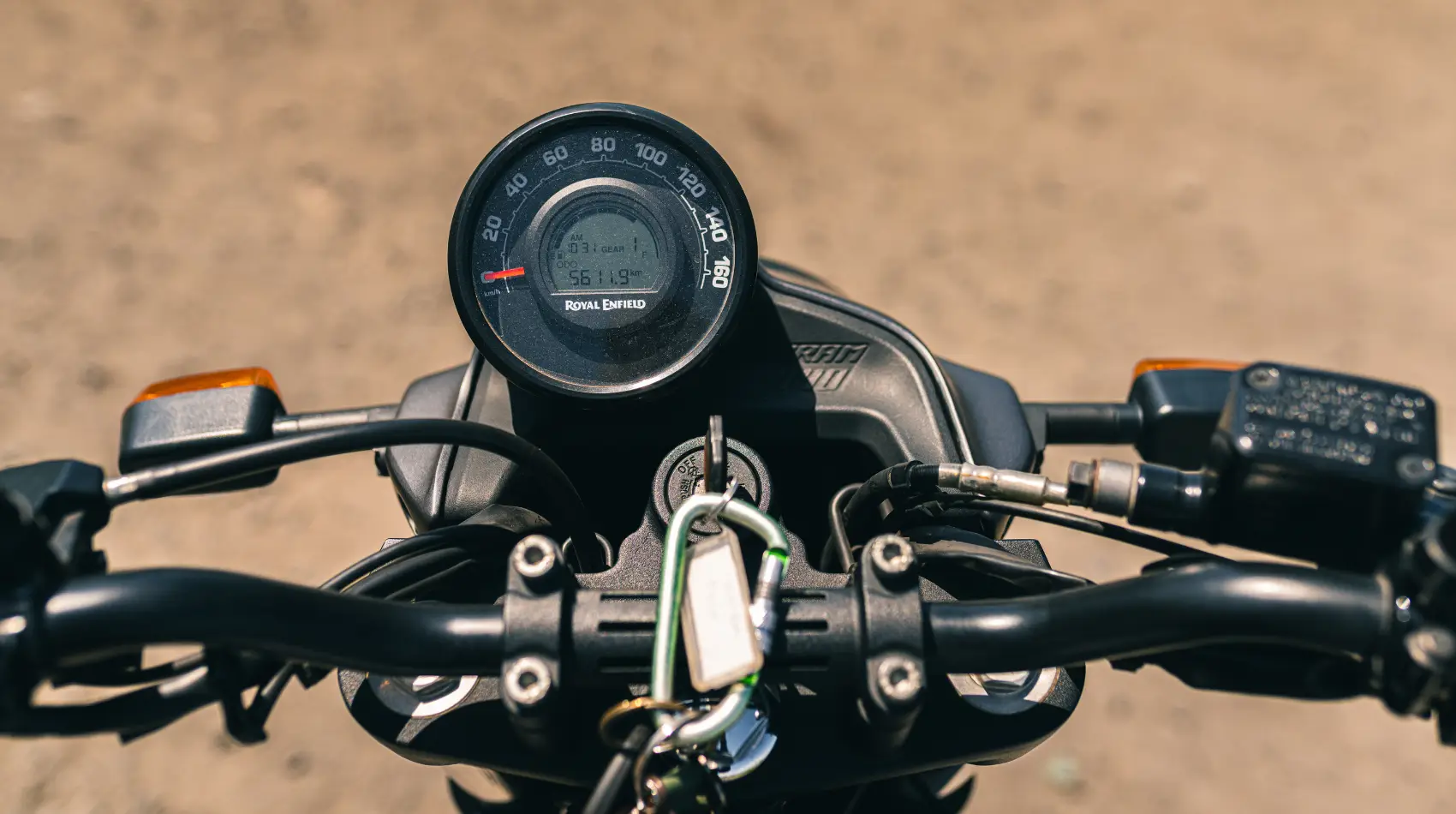
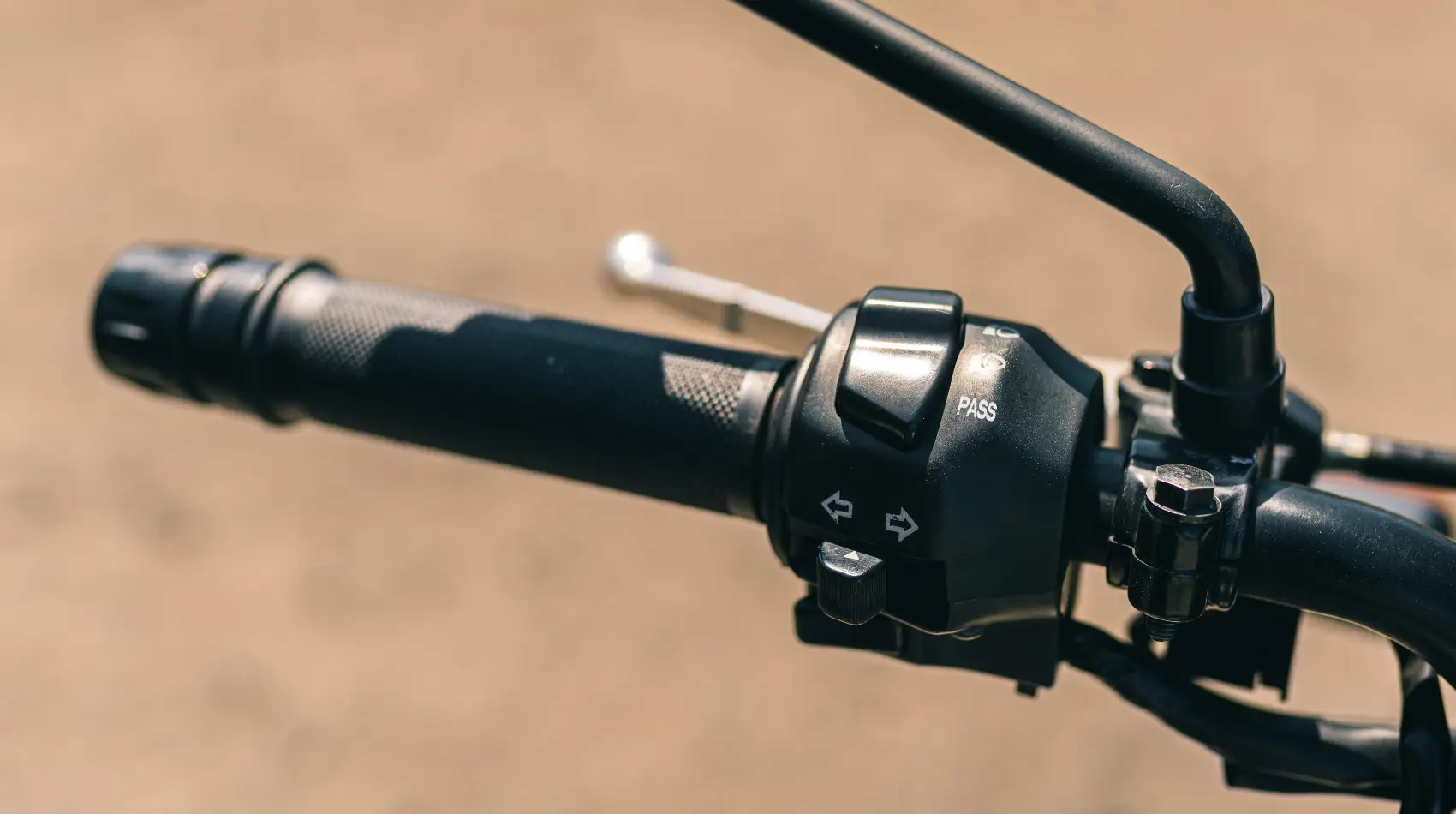
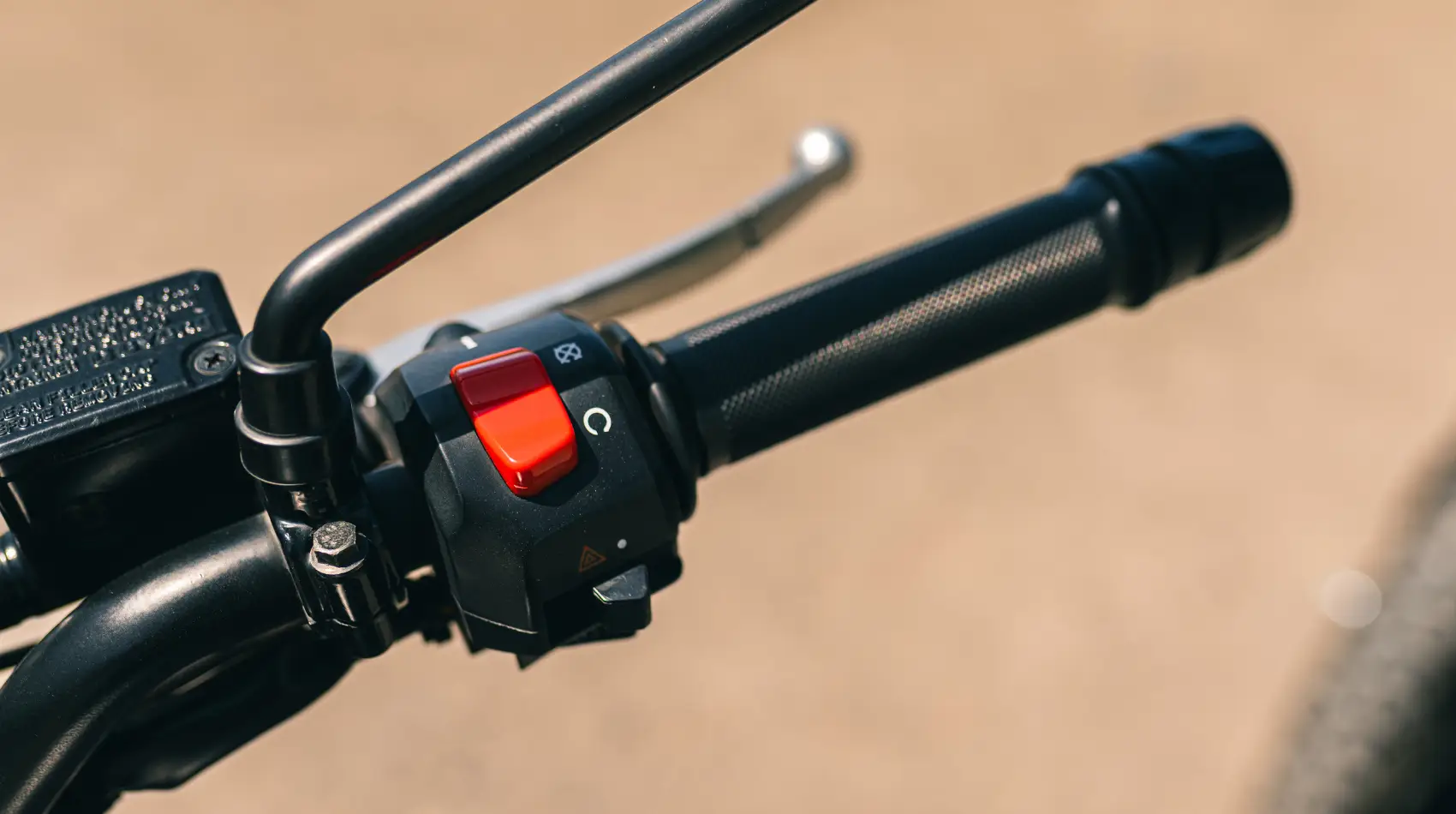
The instrument cluster remains functional rather than flashy. It provides the essentials but looks basic compared to Royal Enfield's newer offerings. Riders upgrading from a modern smartphone-connected TFT display may find it underwhelming. The switchgear, ignition key, fuel-filler assembly and overall cockpit experience also remind you that the Scram's roots go back to the previous-generation Himalayan. Still, that simplicity is part of the appeal. There are no complicated menus to navigate, no endless rider aids to configure and very little to distract from the riding experience itself.
Verdict
The Royal Enfield Scram 440 isn't the most advanced motorcycle in the company's lineup. It isn't the fastest, the most sophisticated or the most feature-packed. Yet after spending time with it, those shortcomings start to matter less than you might expect.
The updated 443cc engine brings useful gains in performance, the six-speed gearbox finally gives the bike the long-legged nature it always deserved and the addition of tubeless tyres on higher variants fixes one of the biggest complaints owners had with the original Scram. More importantly, the motorcycle retains everything that made the old bike appealing in the first place. It's approachable, comfortable, versatile and refreshingly uncomplicated.
Yes, the platform is beginning to show its age. The engine could be smoother, the gearbox could be slicker and the overall package lacks some of the polish seen in Royal Enfield's latest-generation models. But the Scram was never about chasing class-leading specifications or packing in the latest technology.
Instead, it focuses on doing the basics exceptionally well. Spend enough time with it and you begin to appreciate just how well judged the overall package is. It feels equally at home commuting through city traffic, covering highway miles or exploring the sort of broken back roads that would have many roadsters slowing down.
Starting at Rs 2.23 lakh ex-showroom and extending to Rs 2.30 lakh for the top-spec Force variant with alloy wheels and tubeless tyres, the Scram 440 occupies a unique place within Royal Enfield's lineup. For riders who find the Himalayan 450 a little too serious and a Hunter 350 a little too basic, this might just be the motorcycle that gets the balance right.
Engine: 443cc air-cooled single-cylinder
Gearbox: Six-speed
Power: 25bhp
Torque: 34Nm
Kerb weight: 196kg
Price: ₹2.23 lakh, ex-showroom, onwards