
Styling, practicality, ride comfort

Charging speed, brand network
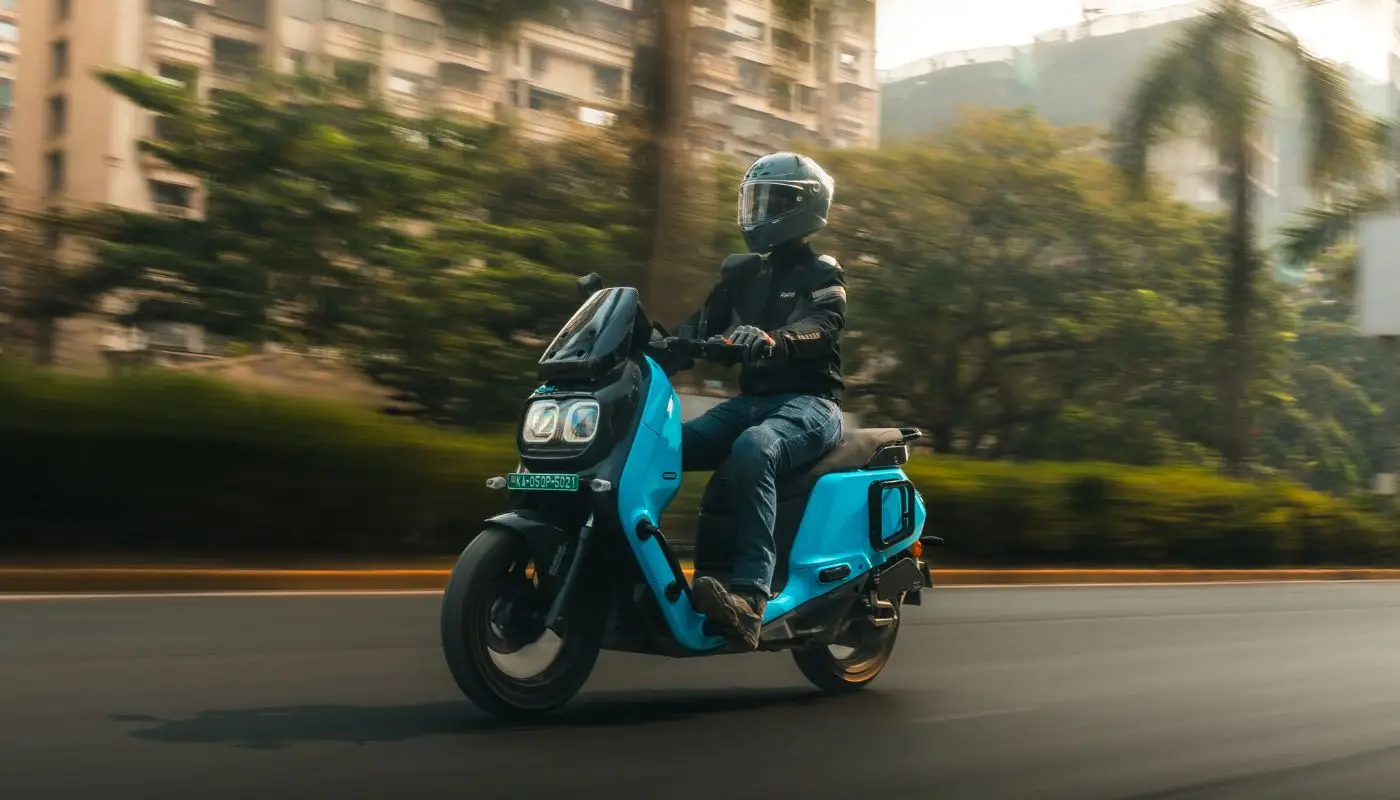
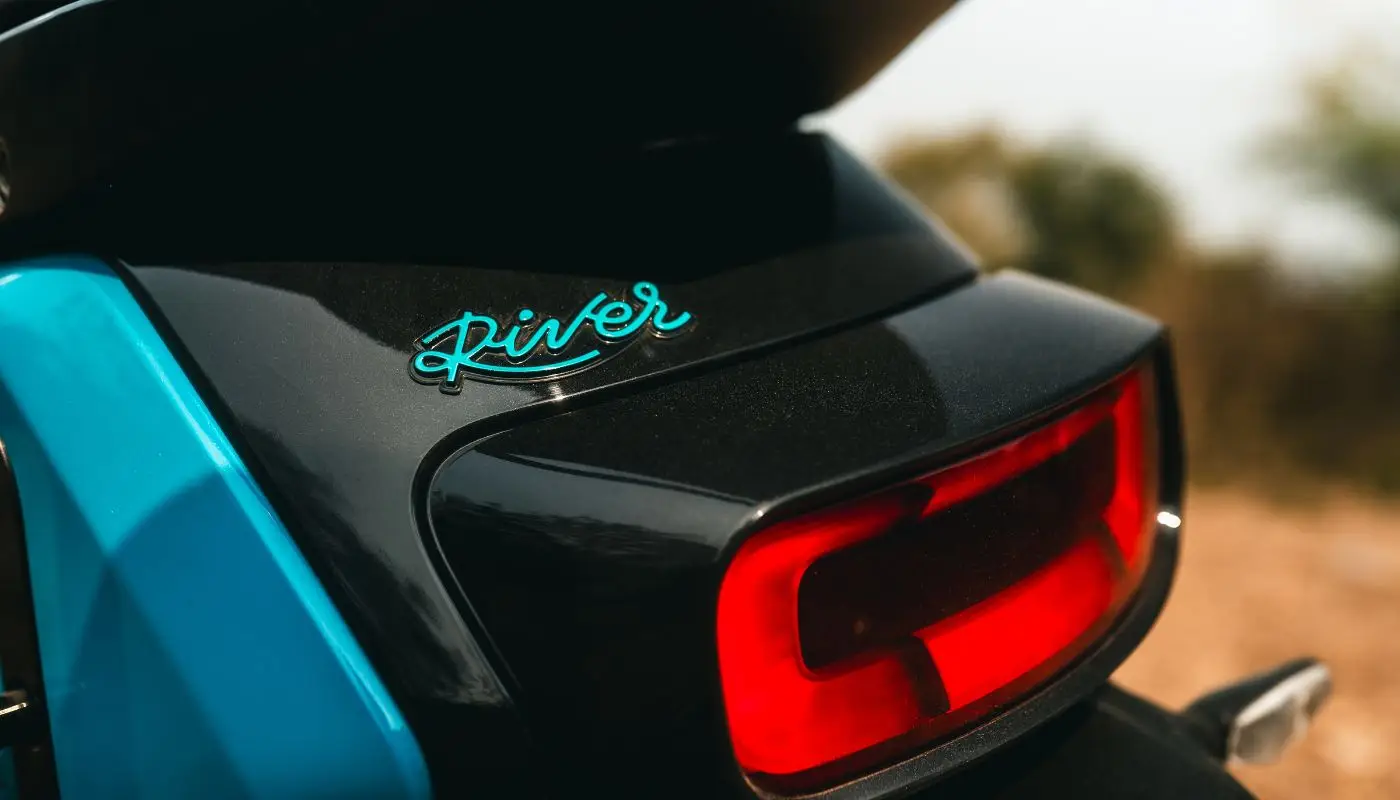
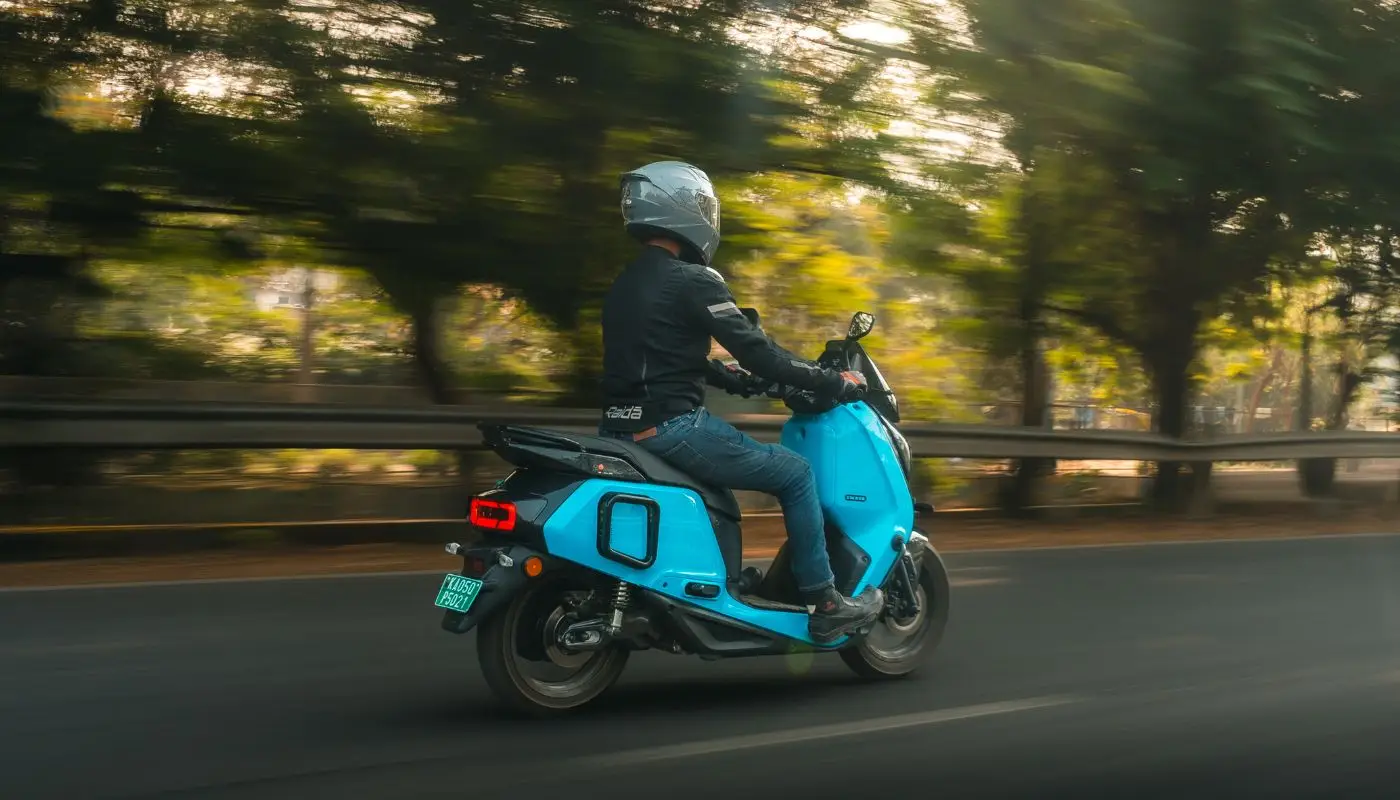
I’ve been a fan of the River Indie ever since its inception. I rode it at launch a couple of years ago and came away very impressed with this Bengaluru-made product. It’s an excellent everyday runabout, with superb ride quality and, arguably, the most practical electric scooter on sale today. What really won me over, though, was the amount of character it has courtesy of its quirky design. It also performed well, and was a strong debut product, but it did have a few flaws — ones that River has attempted to address with this update. So yes, I was eager to find out whether the things that bothered me during my first ride had finally been ironed out. With that, let’s get the basics out of the way first.
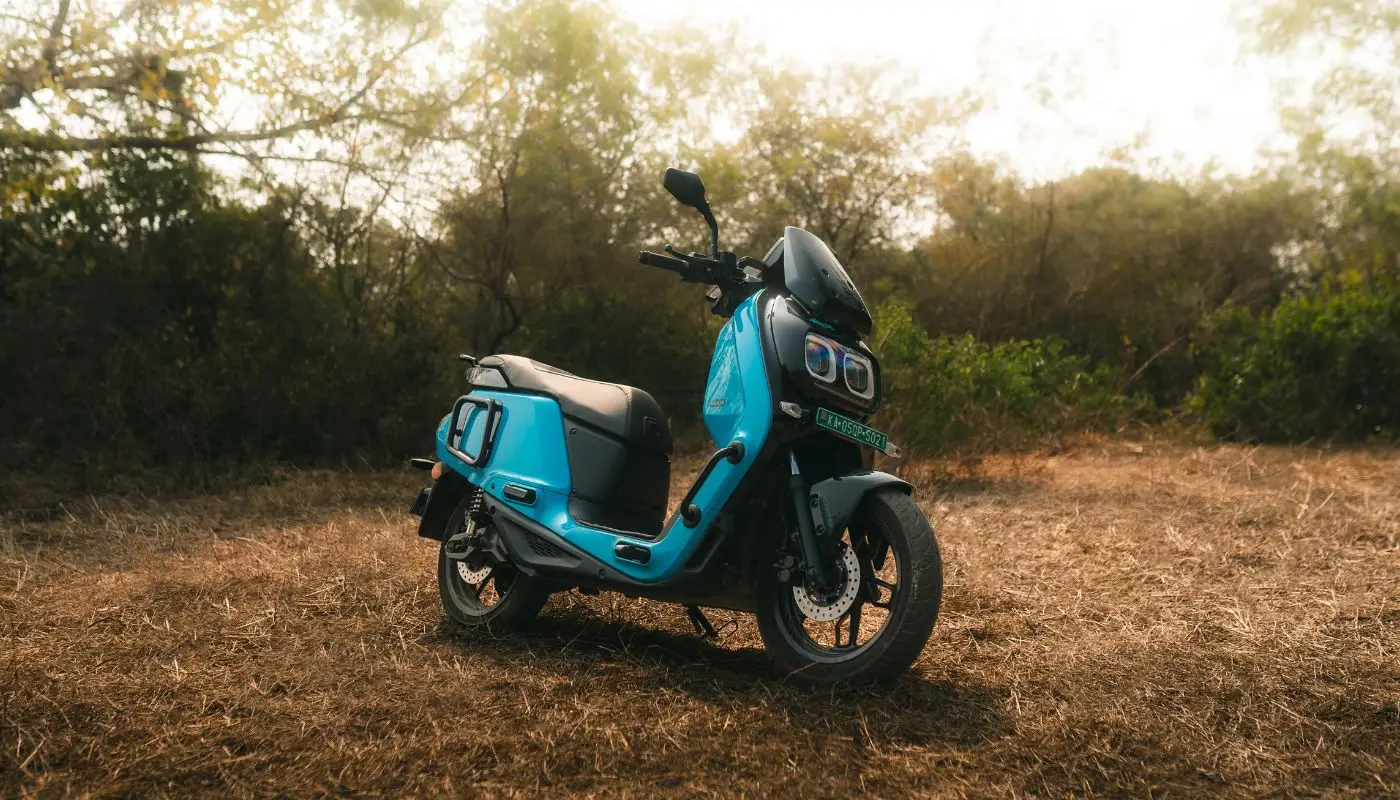
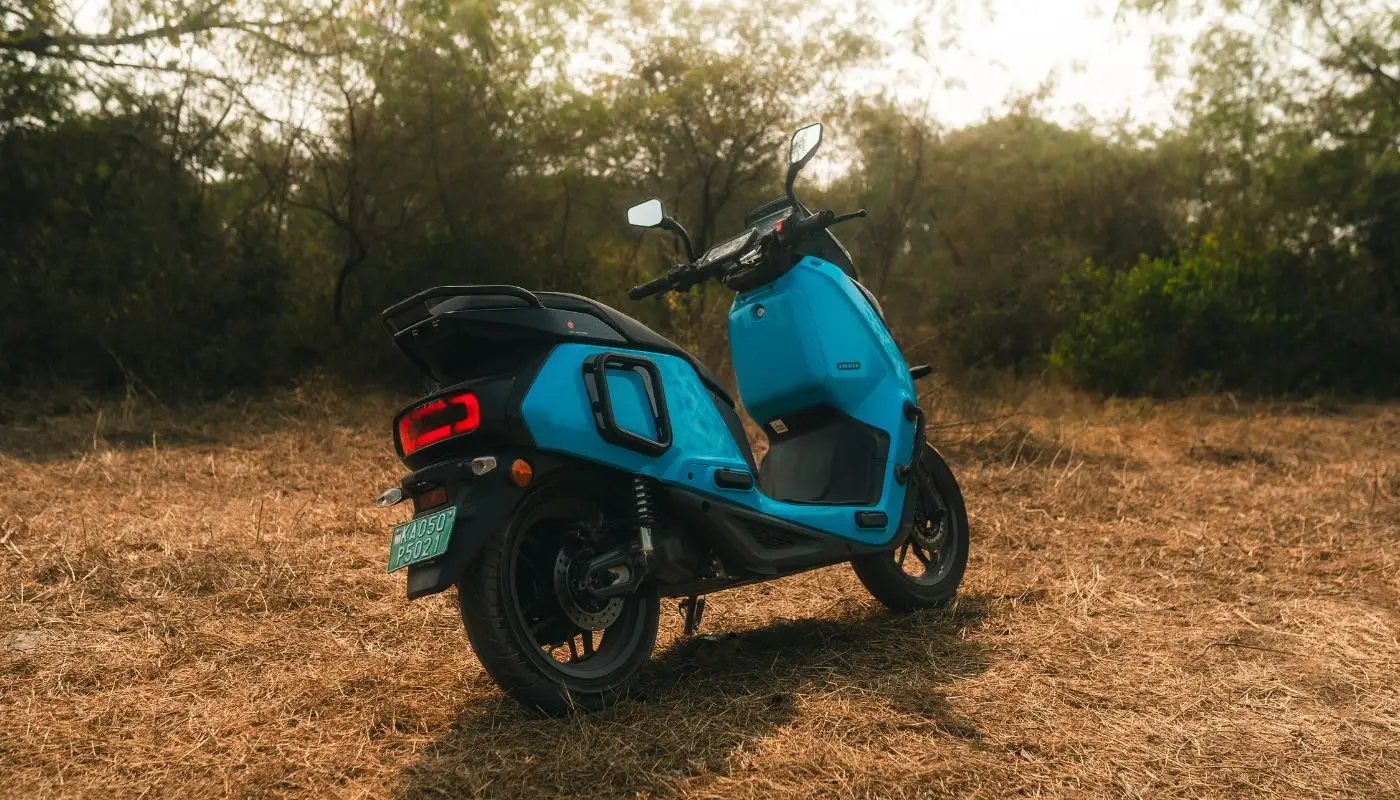
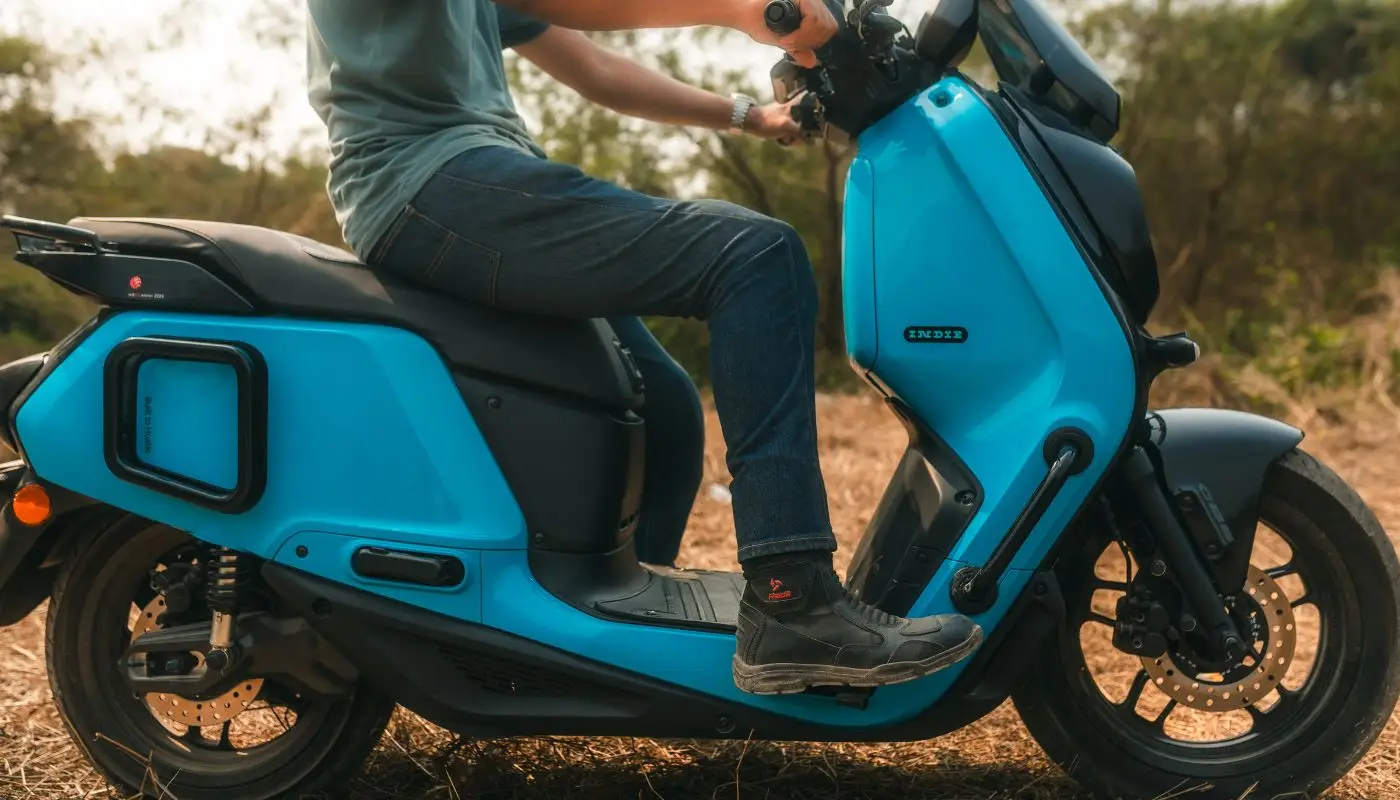
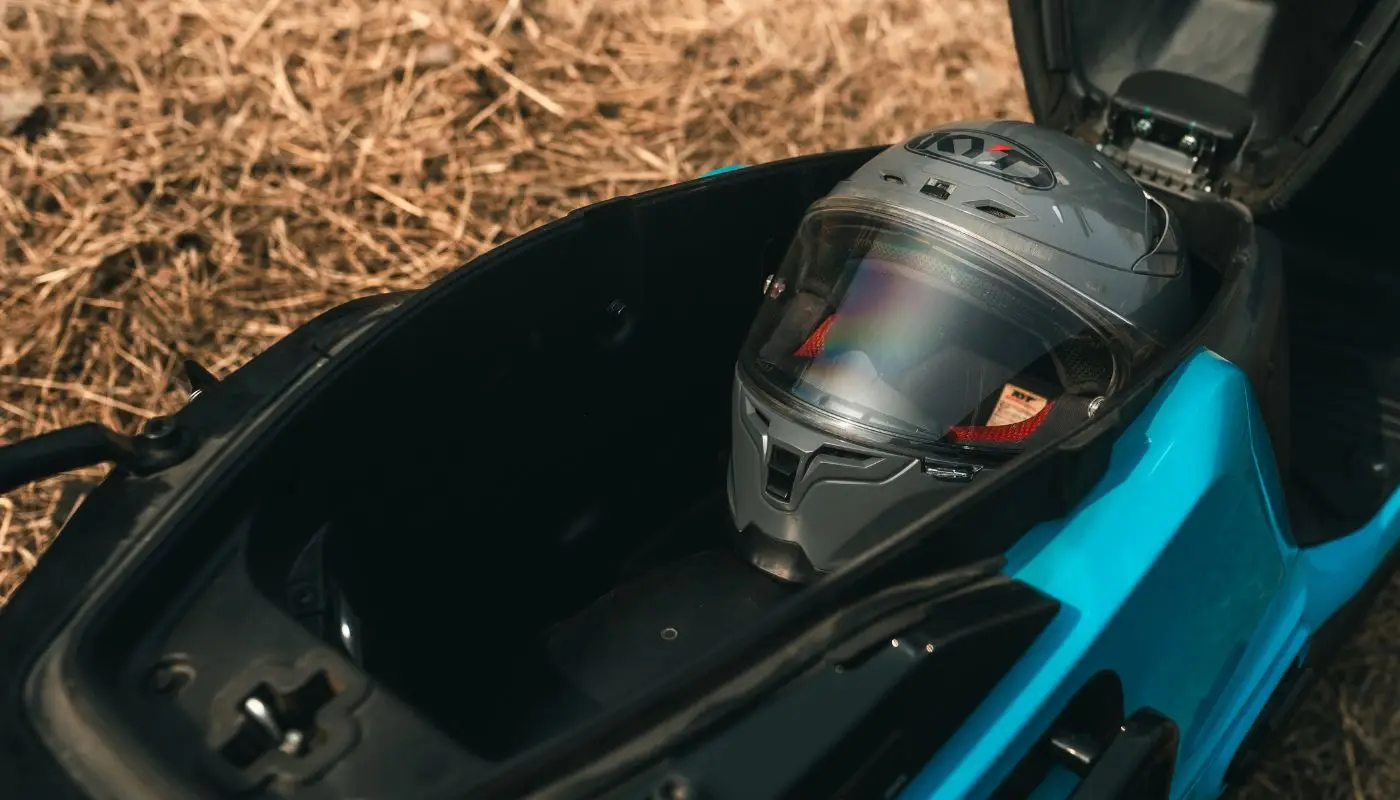
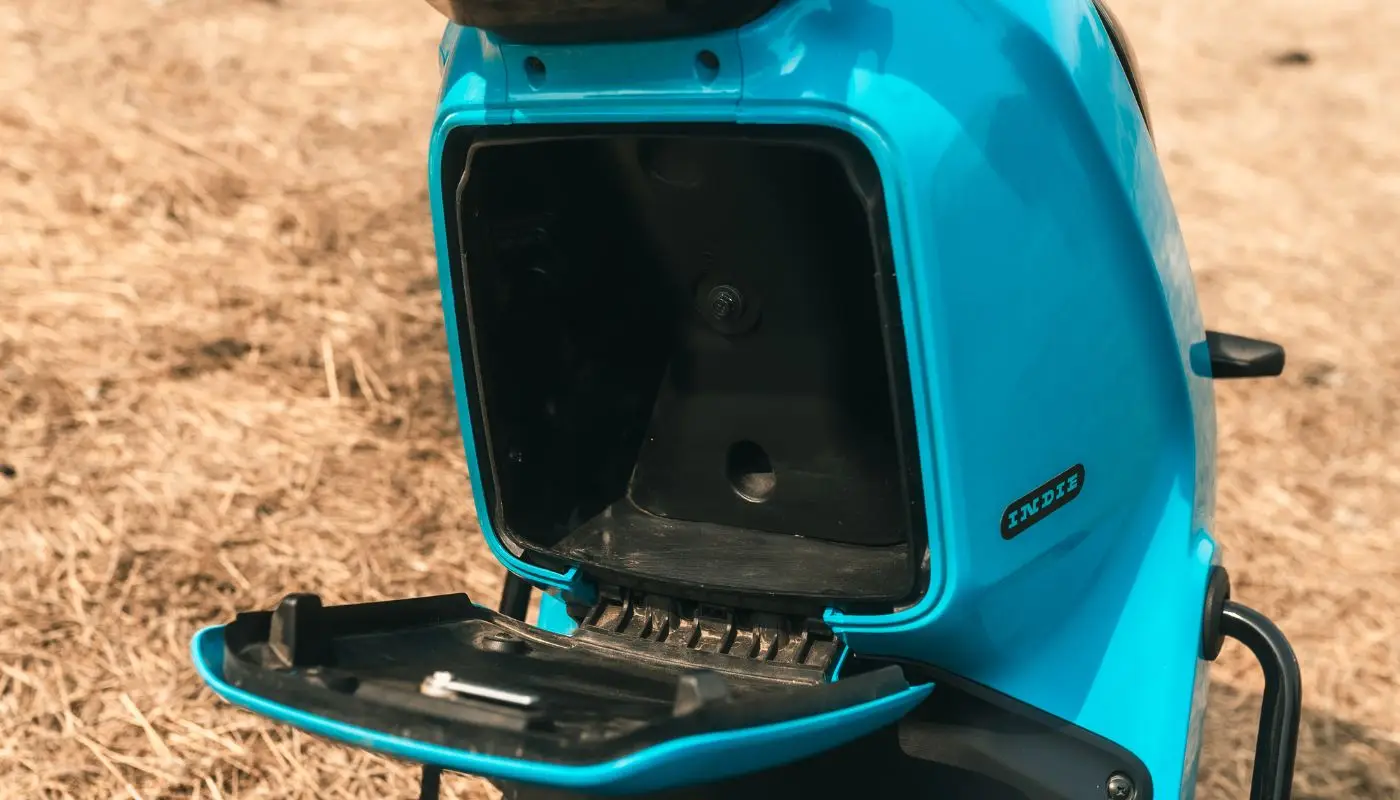
The Indie is powered by a 4 kWh battery that claims an IDC range of 163km. It uses a mid-mounted PMS motor producing 6.7kW (around 9bhp) and 26Nm of peak torque. The scooter is built around a tubular dual-cradle frame and measures 1996 mm in length — at least 100 mm longer than most of its rivals — which makes the Indie feel exceptionally roomy. Practicality is where it really shines. There’s a large, flat footboard that’s good enough to carry a gas cylinder, front footpegs that allow you to use the footboard to its full extent, a massive 43-litre underseat boot, a 12-litre glovebox, and a generously cushioned seat that’s soft yet supportive for both rider and pillion. Pair all of this with a well-sorted suspension setup — even though the front does feel slightly stiff — and the Indie rides superbly well. One issue with the outgoing model was its low 168mm ground clearance, but that has been addressed with this update. The revised Indie now offers 177mm of ground clearance, ensuring it no longer scrapes its belly over tall speed breakers or deep potholes. The scooter also felt a bit heavy earlier, thanks to its 142kg kerb weight, but the updated model has shed 7kg (it now has a 135kg kerb weight), which makes manoeuvring it off the stand noticeably easier.
The most significant update on the Gen 3 is the switch from a belt drive to a chain drive. According to River, this should help reduce running costs — the belt previously needed replacing every 10,000km, whereas the chain and sprocket are expected to last up to 20,000km. The chain-drive is protected by a cover, with a detachable panel underneath for easy access. A chain also transmits power more efficiently than a belt and that makes the Indie feel slightly quicker than before.
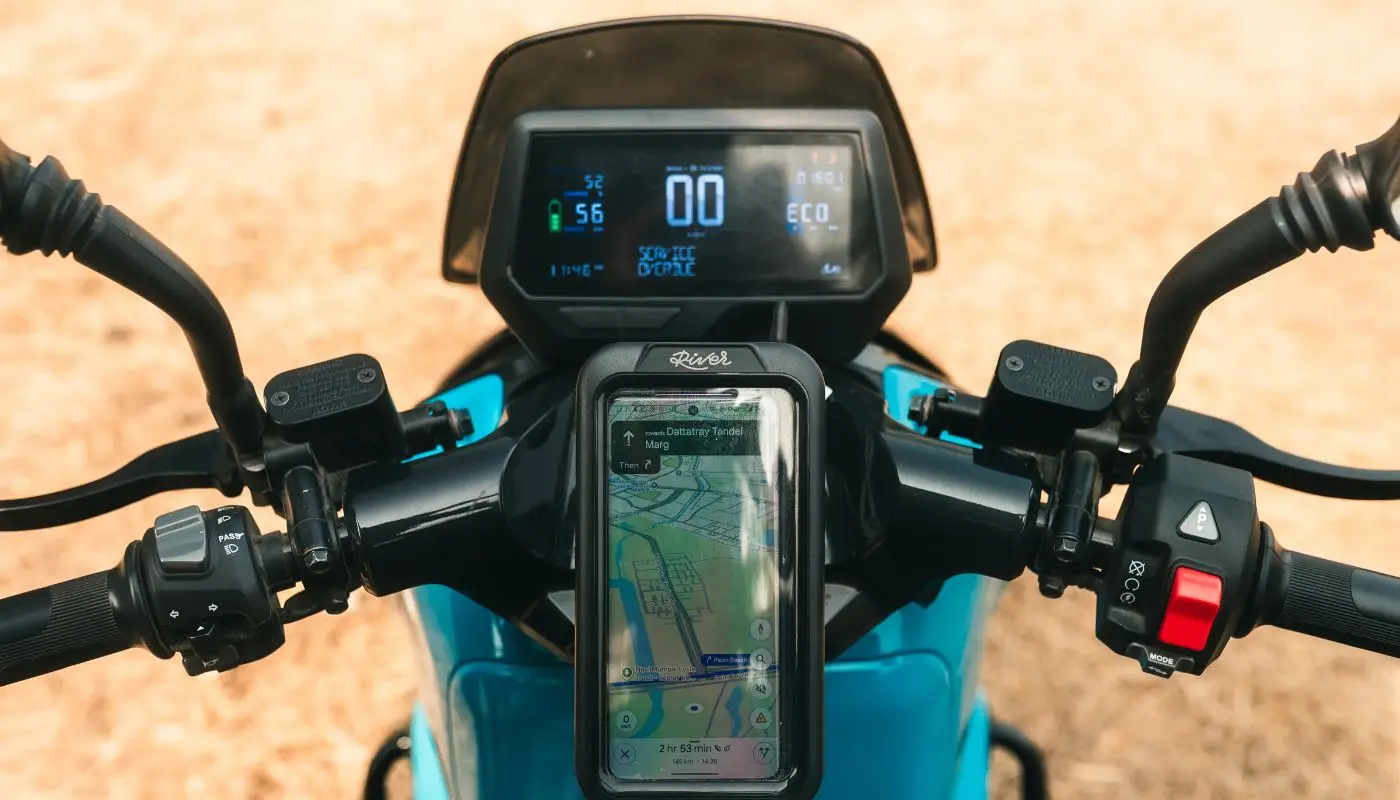
The Gen 3 also benefits from a revised display integration and upgraded plastics, along with a cast handlebar cover that gives the scooter a more premium feel. The 6-inch cluster now supports Bluetooth connectivity, and the Indie gains a hill-hold function. However, the most practical update is the addition of a dedicated reverse-assist button on the right switchgear. On the previous model, activating reverse required pressing the ‘park’ button beside the screen and then hitting the ‘select’ button below it within five seconds — a fiddly process that has now been simplified considerably. The scooter also gets bar-end protectors, a small but thoughtful touch.
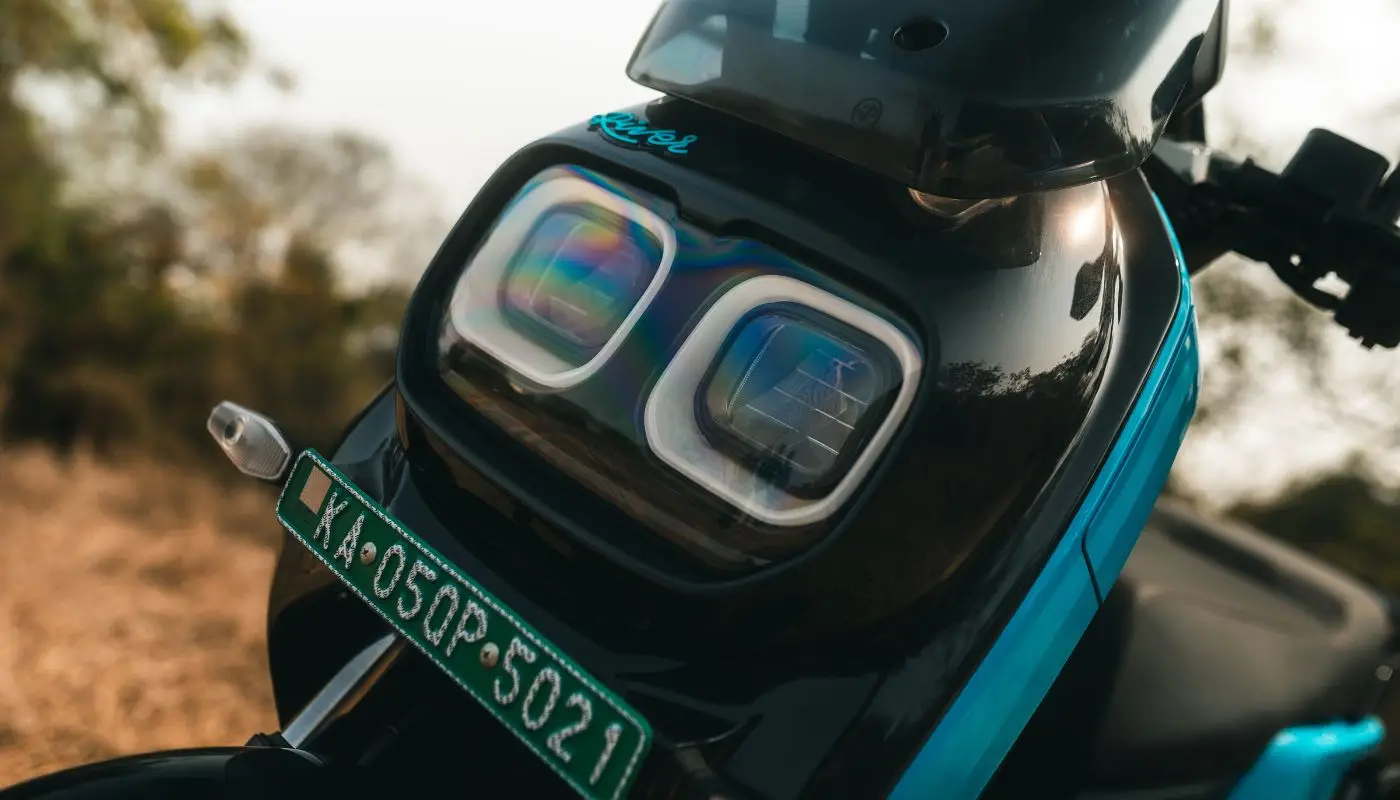
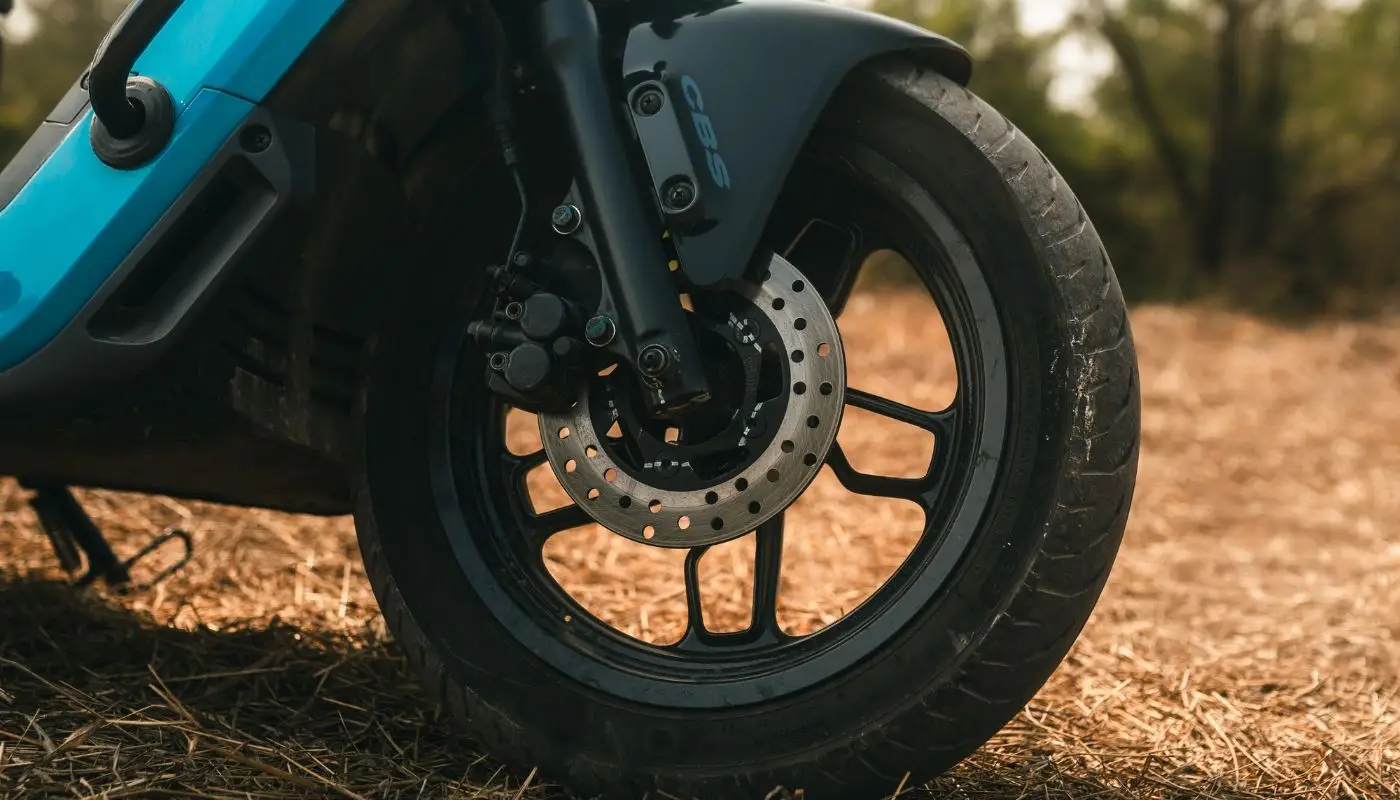
The Indie retains 14-inch wheels at both ends, three ride modes — Eco, Ride, Rush — twin-pod LED headlights, a low 787mm seat height, and a 200mm disc brake setup front and rear. A bigger 750 W charger is available as an optional extra, and I highly recommend it, as it cuts charging time by around three hours to take the battery from 0 to 80 per cent. The ride experience remains excellent, with a well-calibrated throttle and brakes that do a solid job of slowing the scooter. Regenerative braking is still missing, but that’s not a dealbreaker.
The River Indie has, in short, become better than before. Priced at ₹1.46 lakh (ex-showroom, Delhi), it sits among the more expensive e-scooters on the market. It delivers a real-world range of 90 to 100km, is highly practical, fun to ride, and looks the part. As a product, it is very well rounded. The main limitation, however, isn’t the scooter itself — it’s availability. River currently has a limited presence, so owning an Indie can depend largely on where you live.