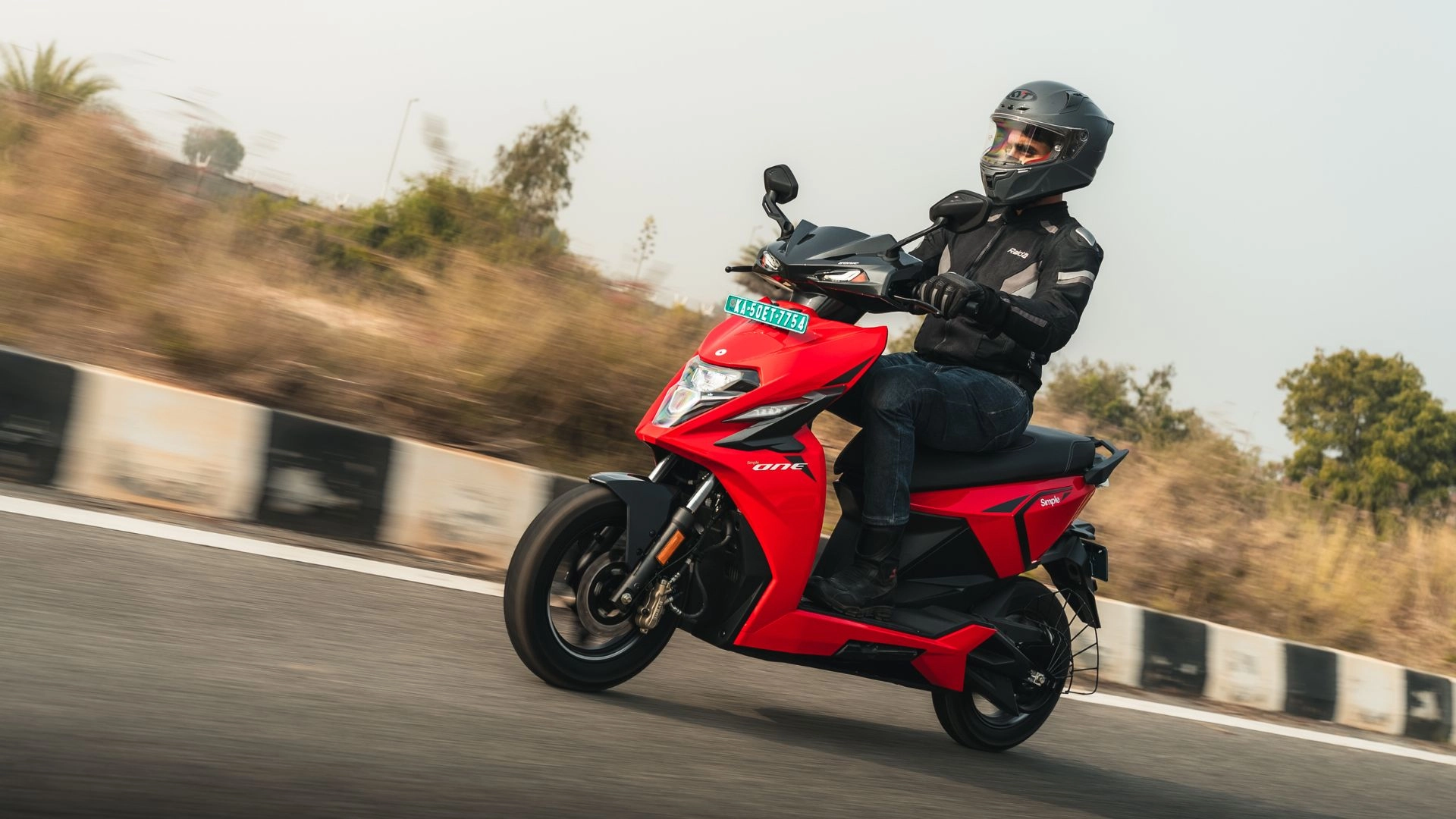
The Simple One is an impressive electric scooter. It arguably has the most futuristic styling in its segment, offers one of the biggest range figures, and delivers peppy, enjoyable performance. However, it wasn’t without its share of problems. It never felt fully complete, lacking features and often needing improvement in the fit-and-finish department.
That’s exactly what Simple has addressed with the One Gen 2. The updated model may look similar from a distance, but it brings a long list of changes and added features, aimed primarily at taking on the segment benchmark — the Ather 450. But how do these upgrades translate in the real world, and is the Simple One now an easier recommendation than before? Here’s the answer.
Simple One Gen 2: Design, Fit and Finish
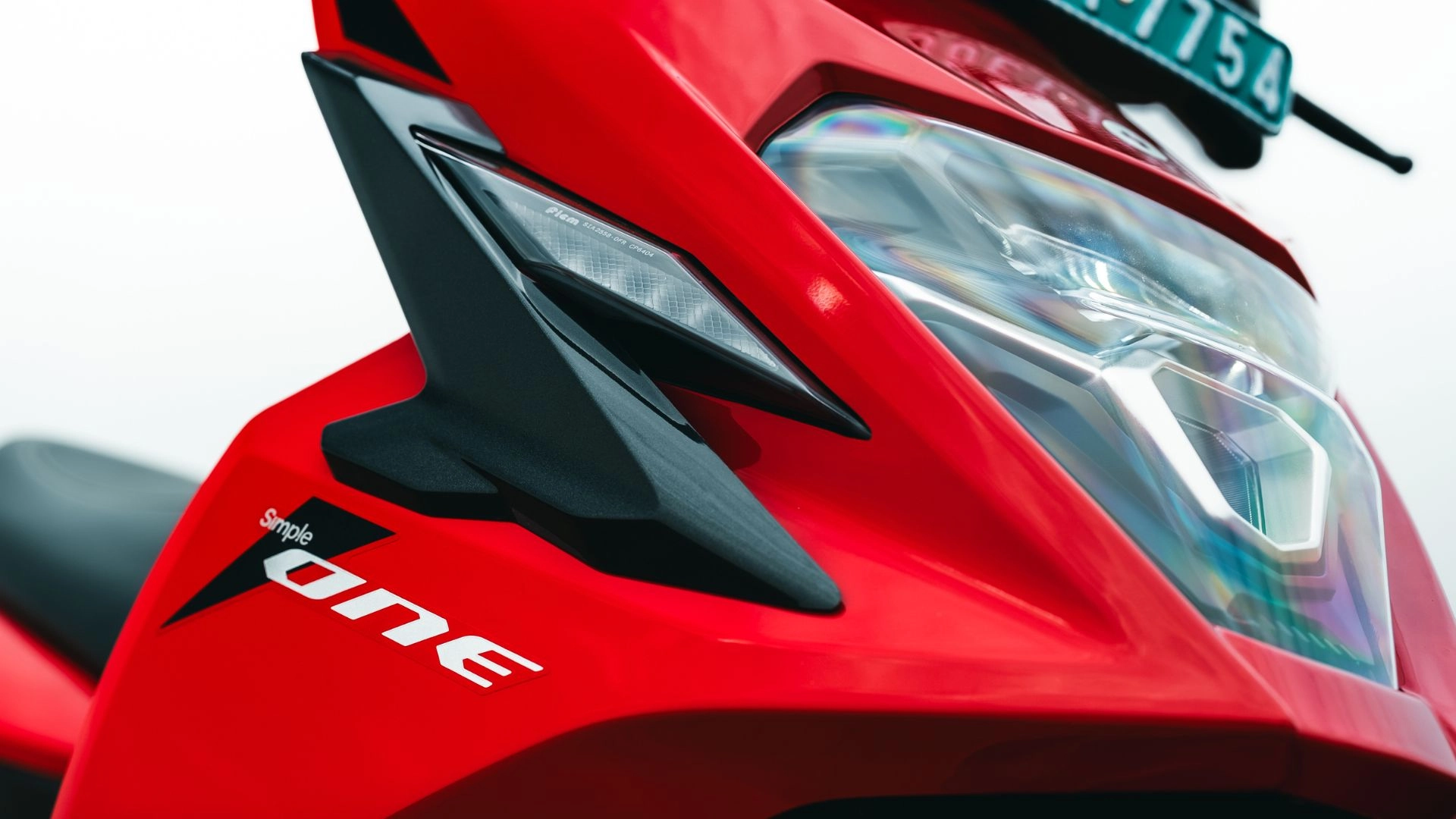
An area where the Simple didn’t really need any change was its design. As mentioned earlier, it remains the most futuristic-looking scooter in its class, even four years after its debut. That hasn’t changed. Apart from a fresh set of graphics and a few new colours, the overall design is largely the same. That said, there are some subtle updates aimed at improving aerodynamics. These include a slightly revised front end, a cleaner rear shroud, and sleeker mirrors that also feel more rigid.
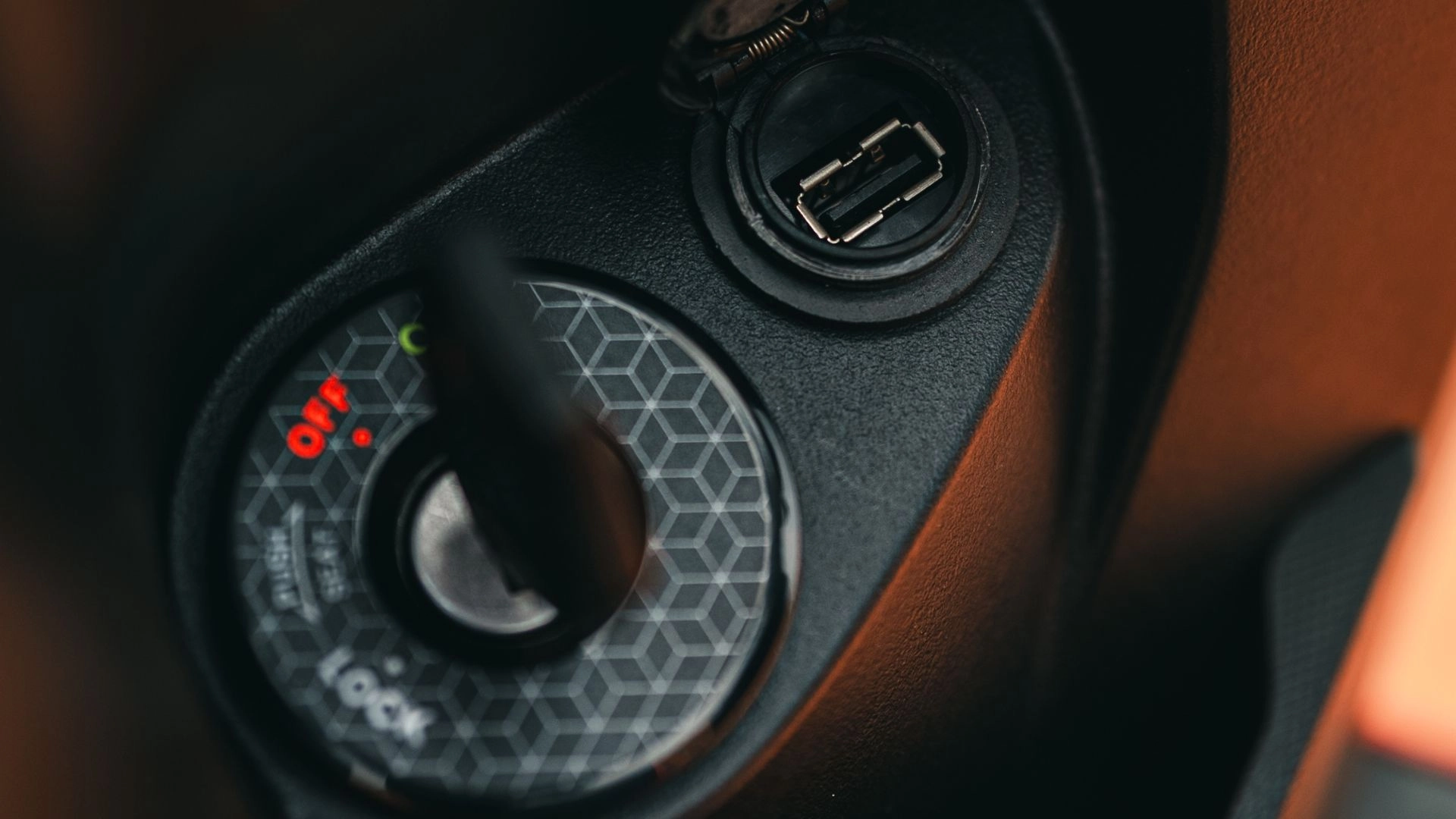
On the practicality front, the scooter now benefits from a 1-litre integrated glovebox (good only for a mobile or two due to its shape) with a Type-A USB port on the front apron, along with a sturdier charging port cover. It also gets a larger 35-litre underseat boot on the range-topping 5kWh variant (for now — more on that later) that I tested. This increase in storage comes from the omission of the portable battery, as the scooter now continues with a single, larger floorboard-mounted battery, while retaining the same total 5kWh capacity as before.
Fit and finish on the body panels also seems to have taken a step forward, which is great to see.
Simple One Gen 2: The Added Tech
Simple has really gone all in with the One Gen 2 when it comes to features. It finally gets regenerative braking (four levels), traction control, cruise control, and various new functions on the screen. The scooter uses the same 7-inch display as before (with a non-touch unit on the lower variant), but it now runs a cleaner and faster UI (Simple OS), courtesy of updated software and larger RAM across all three variants.
The change is evident, with a more streamlined interface, but there’s one major problem — more on that later. Additional features include improved built-in navigation, Bluetooth connectivity for calls and music, document storage, live location sharing, TPMS, and a host of app-based functions such as charging updates, ride stats, theft alerts, tow alerts, geofencing, and even a ‘ping my scooter’ feature.
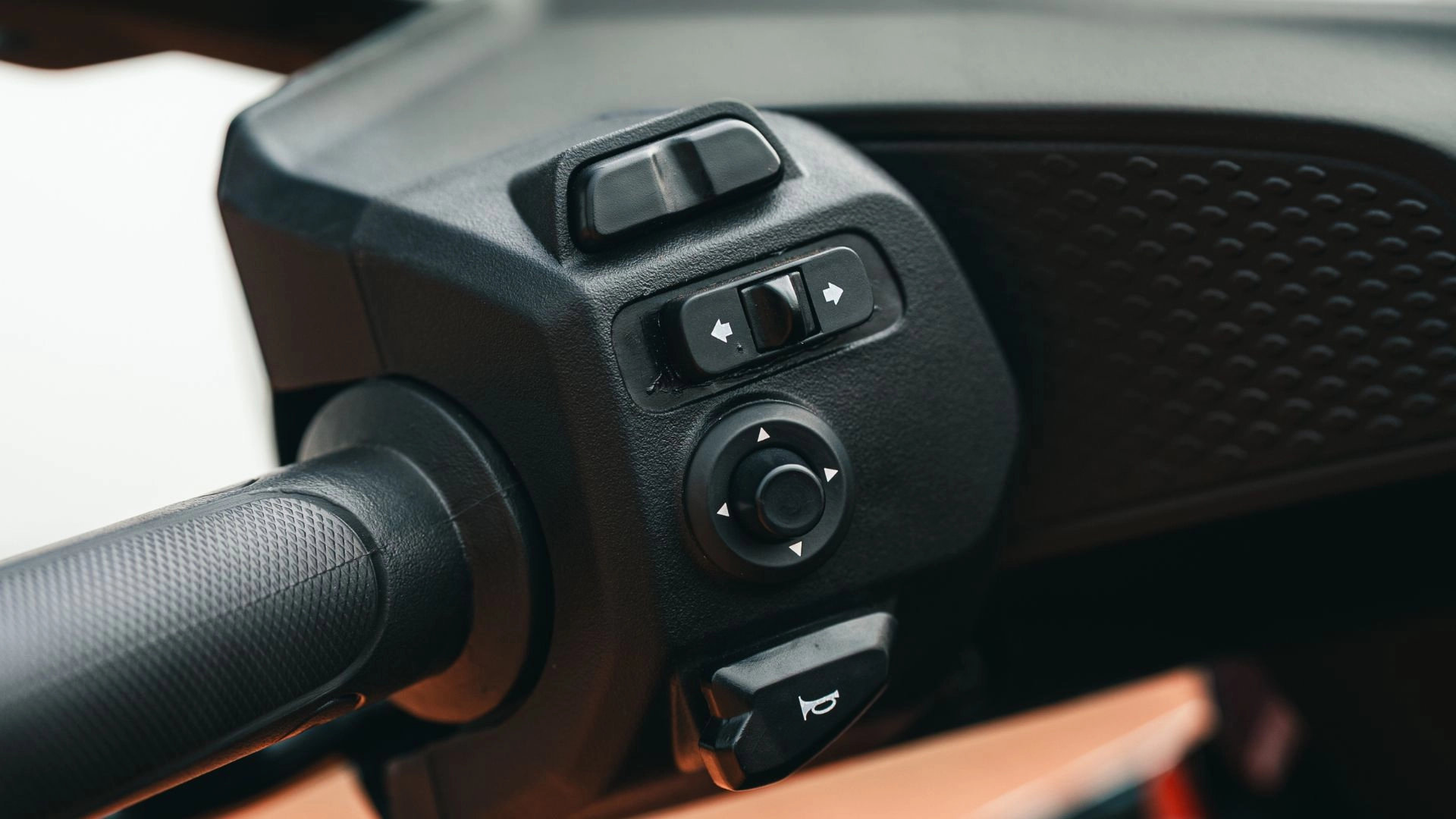
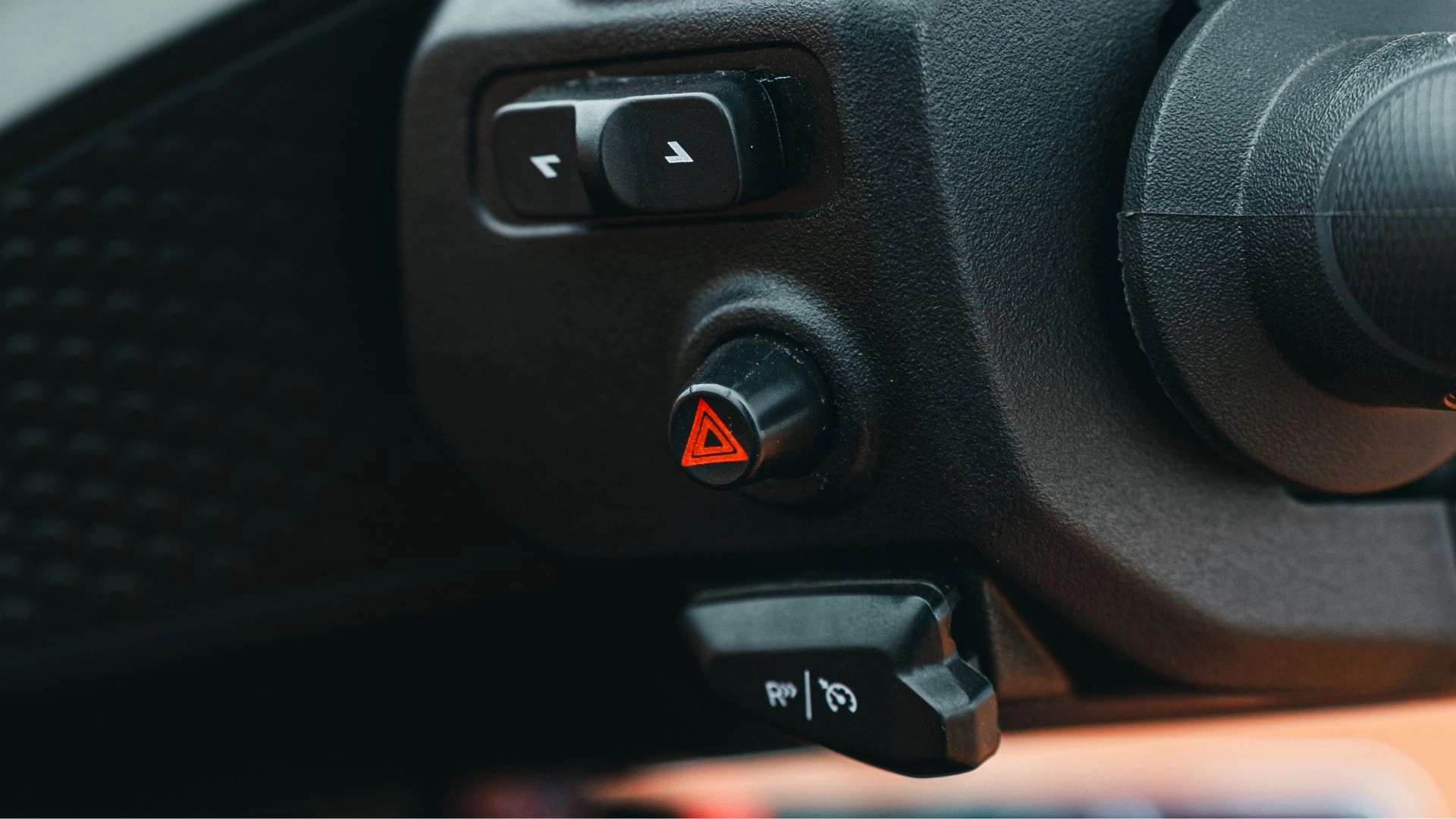
All this added tech makes the Simple One Gen 2 one of the most advanced and feature-rich electric scooters in the country, period. But how does it all add up in the real world when it comes to practicality? First impressions are sore. The screen, while responsive, isn’t the easiest or most intuitive to navigate. On the move, the regen and traction control levels are controlled via a joystick on the left side, which feels notchy, rubbery, and is a pain to use. It requires you to take your eyes off the road, which quickly becomes irritating.
Moreover, our test units had issues with screen brightness, with the display being barely legible even at 100 per cent brightness. This only made things worse. Simple says this was a problem with a particular batch from the supplier and that it will definitely be rectified — as will the tactility of the joystick.
Simple One Gen 2: Battery, Motor and Performance
All variants of the Gen 2 are propelled by the same permanent magnet synchronous motor (PMSM) as before, although with slightly more power. The 5kWh battery model boasts 8.8kW and 72Nm (0.5kW more than earlier). It has six ride modes: Eco X, Eco, Ride, Air, Sonic, and Sonic X (the first and last being new), along with four levels of regen (Levels 1 through 4).
Powering this setup is a single 5kWh battery, which was previously split into two units — a 3.7kWh floor-mounted battery and a 1.3kWh removable underseat battery. The new configuration delivers a claimed 265km range on the IDC cycle, which is 17km more than before.
Performance figures are impressive: 0–40kmph in 2.55 seconds and a top speed of 115kmph, making it one of the quickest scooters in its class.
Off the line, the scooter starts in Ride mode, which has more than enough pull to surge ahead of traffic with ease. Sonic X feels genuinely quick and, thanks to a well-calibrated throttle, is easy to modulate, allowing for a spirited yet controlled ride. The scooter also gets cruise control with two modes — Standard and Metro — and it’s very easy to use. Pressing the reverse button locks in your current speed, while Metro mode learns your riding behaviour and adapts to city conditions.
The four-level traction control works exactly as advertised. I particularly like the slack it allows in Rally mode, letting you spin the wheel for a bit of fun while still having your back. What does need work, however, is the calibration of the regenerative braking. From Levels 1 to 3, there’s barely any noticeable difference in deceleration, while Level 4 feels overly aggressive. While that might be acceptable, it isn’t the smoothest system and kicks in a second after you roll off the throttle, resulting in a choppy ride experience.
Simple says this will be improved via over-the-air updates, and I sincerely hope that happens because…
Simple One Gen 2: Ride and Handling
… the One has become about 8kg lighter than before, which has noticeably improved its handling. It now feels less bottom-heavy and more nimble and responsive at lower speeds, helped further by a reworked chassis that is 22 per cent stiffer and revised tyres with a stiffer sidewall.
The revised tubular chassis also brings reinforced battery crash zones, offering 50 per cent better frontal impact protection, which is commendable. Ergonomically, the scooter now features a 16mm lower, 780mm seat height and a firmer seat that provides better support.
The One was always a good-handling scooter, and with the improved seat, it feels even better over rough roads. The 12-inch wheels, telescopic front fork, and rear monoshock do an excellent job of ironing out imperfections, especially with a pillion onboard, while still offering confident dynamics.
Braking duties are handled by a 200mm disc up front and a 190mm disc at the rear. The setup delivers strong stopping power with good feel and doesn’t fade under hard use. CBS is standard, adding an extra layer of safety. Simple has also introduced a ‘Super Hold’ feature (hill-hold), which proves to be a genuinely useful addition.
Verdict
Priced at ₹1.49 lakh (ex-showroom) for the S, ₹1.69 lakh for the 4.5kWh variant, and ₹1.78 lakh for the range-topping 5kWh model, the Simple One has clearly improved over its predecessor. It now offers better specs, more features, stronger performance, striking styling, good comfort, and an impressive real-world range.
However, the user experience of all this added tech still leaves something to be desired. While the screen is smoother than before, it lacks legibility, and the switchgear isn’t intuitive to operate. The buttons don’t feel tactile and are difficult to use on the move. The inclusion of regen is welcome, but its calibration isn’t ideal — it feels choppy, lacks smoothness, and introduces a delay when rolling off the throttle. Changing ride modes is a lengthy process and becomes frustrating on the go due to the dim screen and notchy joystick.
That said, the traction control works as promised, and the added range and practicality make it a better daily companion. These issues were expected to be ironed out by now, so it’s surprising that they remain. Simple has assured us that these shortcomings will be addressed via updates, and if that happens, the One Gen 2 could easily become one of the best electric scooters in the country today.
Power: 8.8kW
Torque: 72Nm
Battery: 5kWh
Price: ₹1.78 lakh (introductory, ex-showroom)