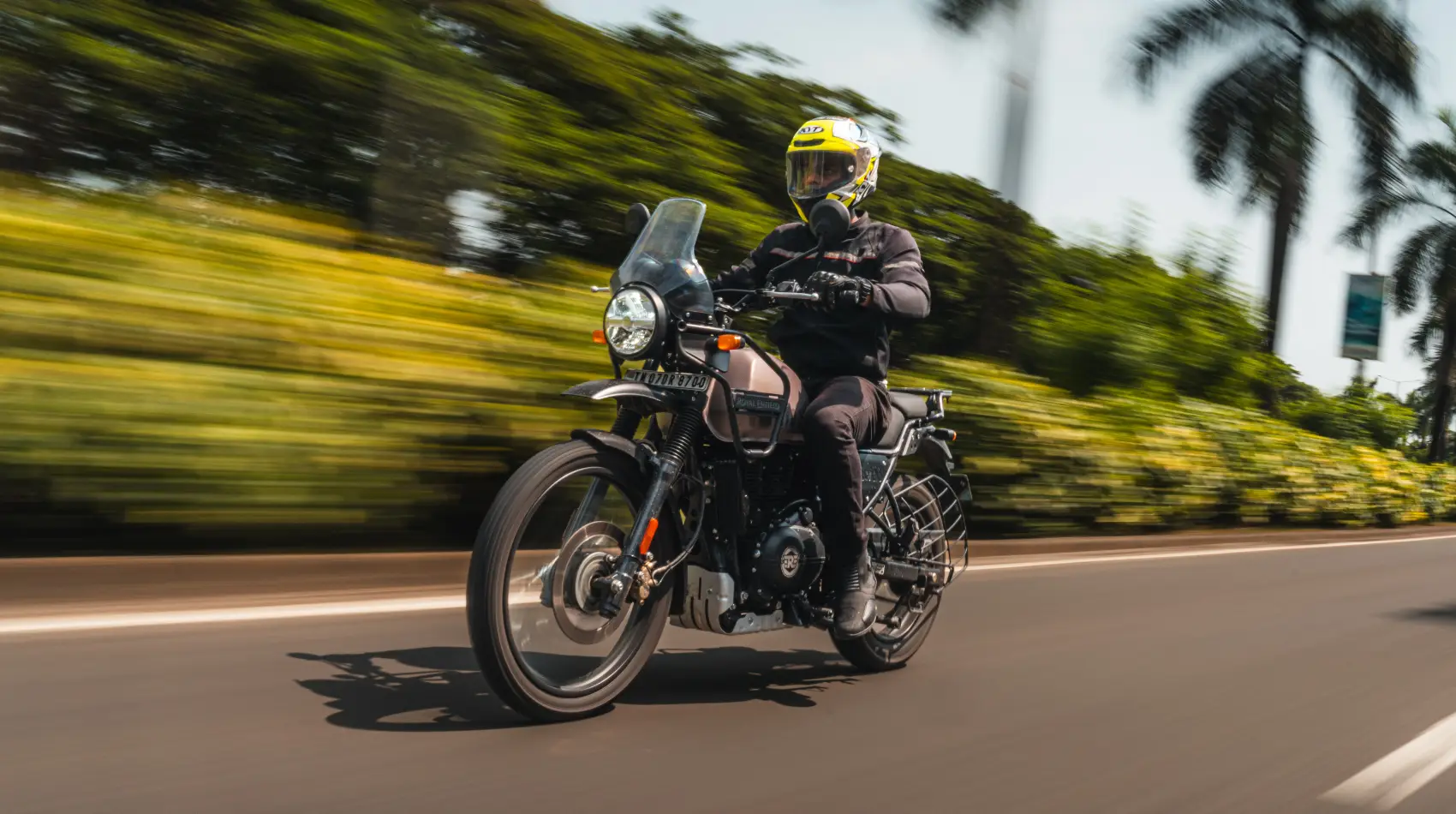
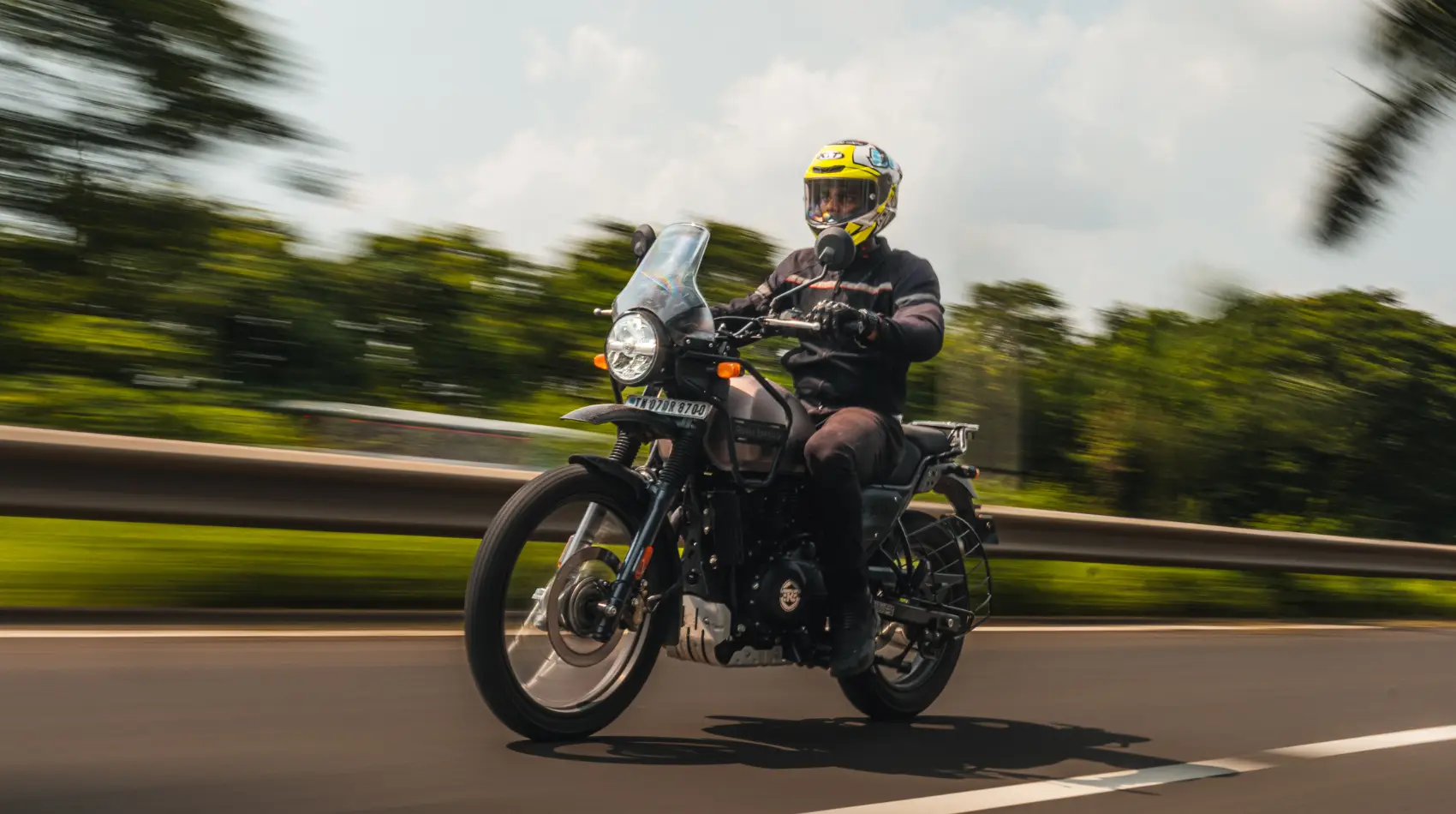
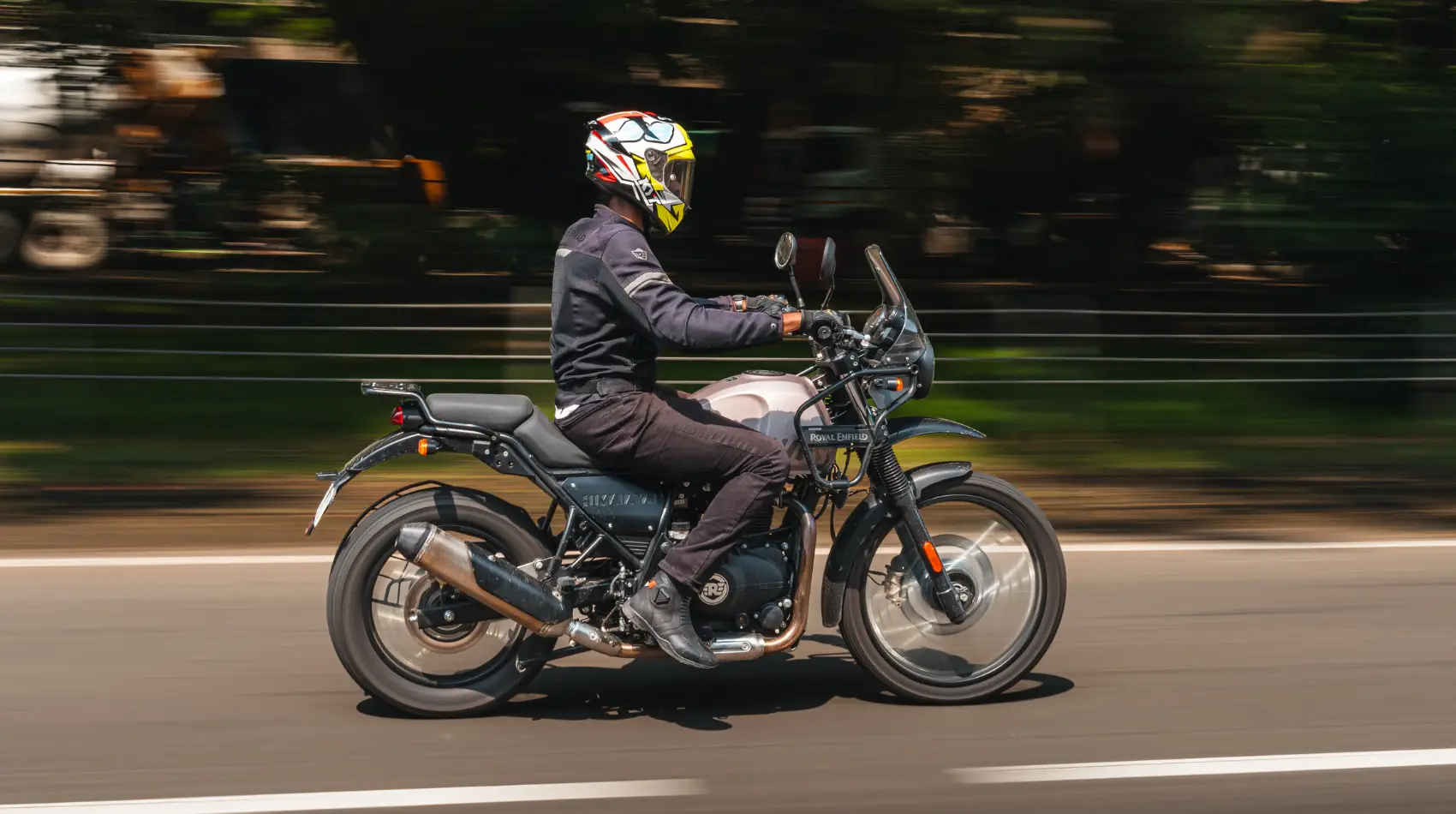
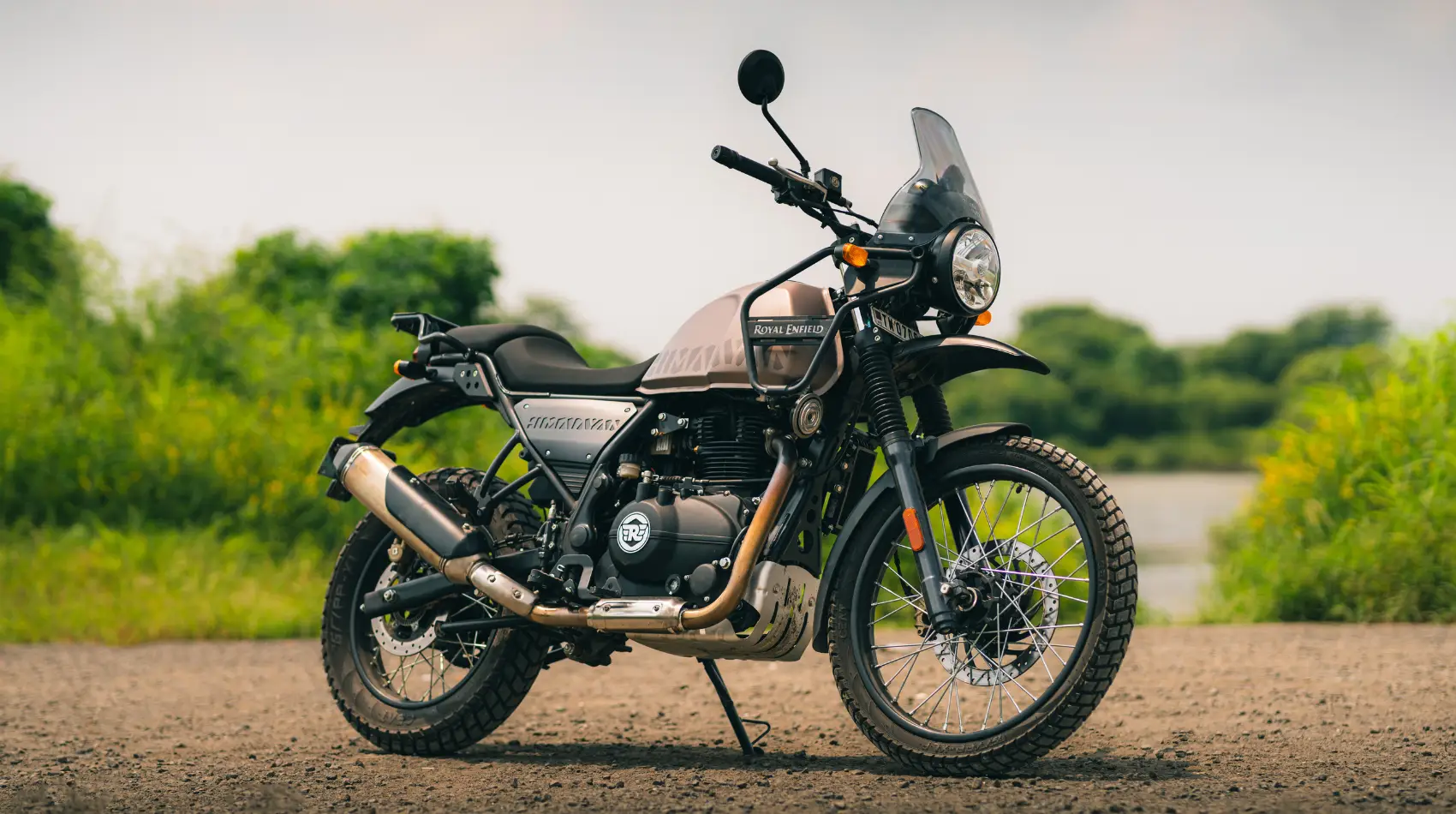
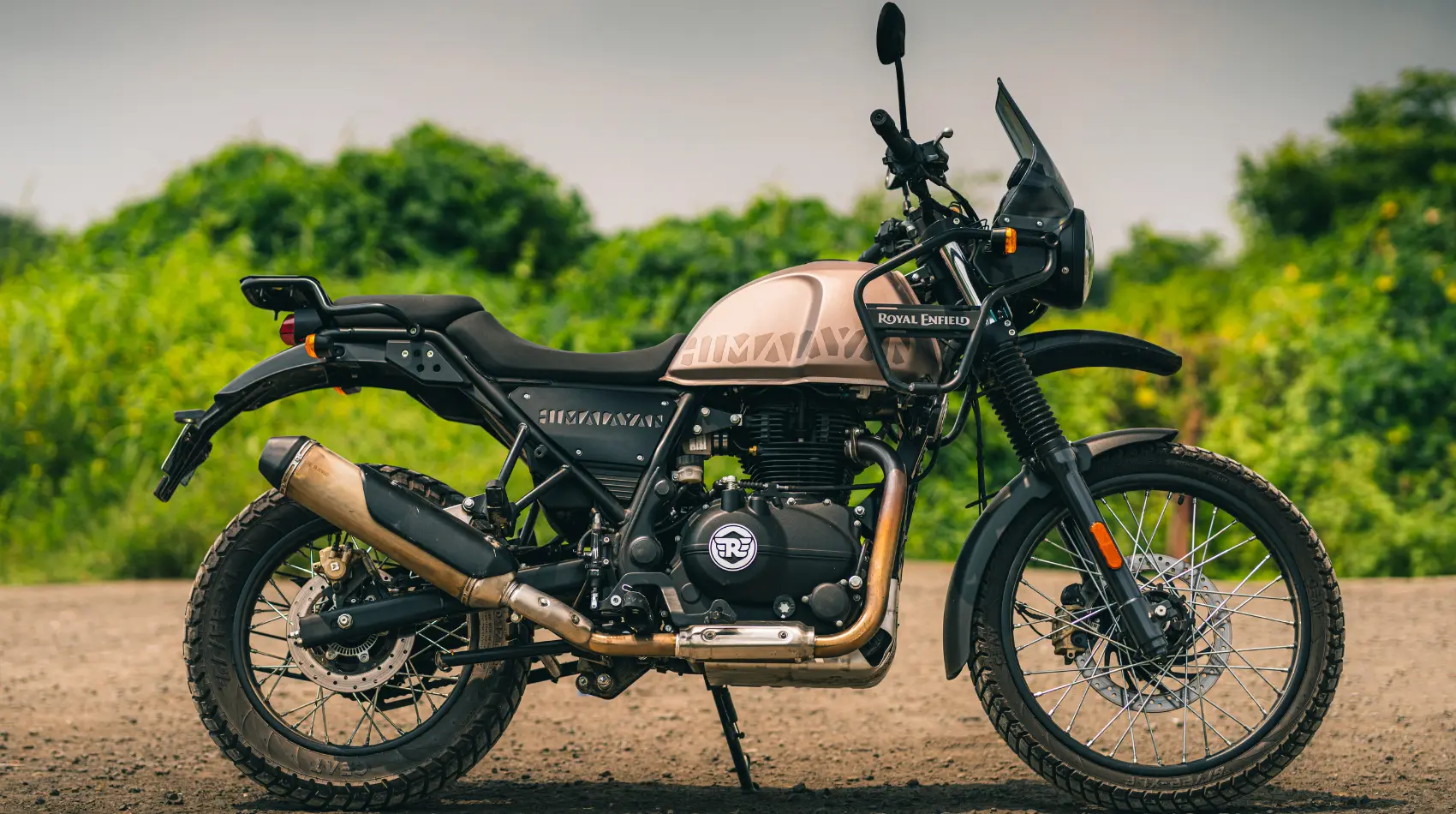
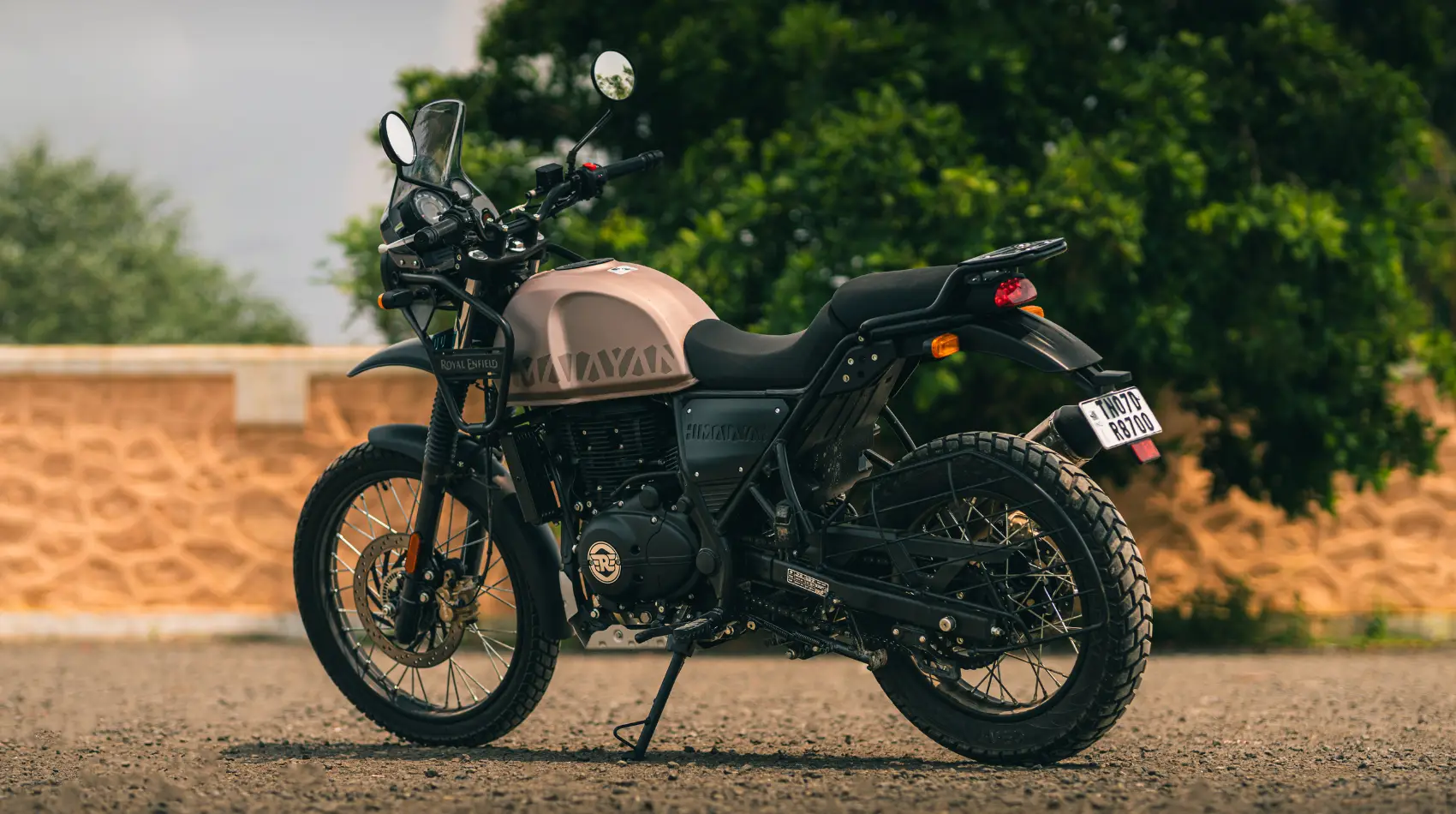
The original Himalayan is back, but this time with a bigger engine, more performance and a few much-needed updates
10/10
For
6th gear made the bike perfect for highways
Against
Should have had tubeless spoke rims
The Royal Enfield Himalayan has always been a slightly different kind of adventure motorcycle. When the original Himalayan 411 arrived in 2016, it wasn't the fastest, the most sophisticated or the most powerful motorcycle in its class. What it did have was a certain simplicity. It was approachable, comfortable and built around the idea that an adventure motorcycle should let you enjoy the journey rather than constantly worry about how fast you were going.
Ten years after the Himalayan nameplate first appeared, Royal Enfield has brought that original formula back in a bigger and more powerful avatar, the Himalayan 440.
The Himalayan 411 was launched in 2016 with a carburettor before receiving a fuel-injection update later in its life cycle. It remained on sale until 2023, when Royal Enfield replaced it with the much newer Himalayan 450. The 450 brought with it the kind of technology, performance and equipment that had become increasingly important in the adventure motorcycle segment.
The 411, meanwhile, had started to feel dated. Its engine was relatively mild, its performance was no longer enough for riders looking for more highway ability, and it lacked some of the features that newer rivals had begun offering. But despite all of that, there was something about the original Himalayan that riders continued to appreciate.
I understood that only after spending nine days with one in Ladakh.
When I first rode the Himalayan 411 BS6, I wasn't particularly impressed. The engine felt mild, and the motorcycle didn't immediately give me the sense of excitement I expected from an adventure bike. But as the days went by, I started understanding what Royal Enfield had actually built. Its long-stroke engine had a lovely low-end character, and the tractability made it easy to pick your way through slow sections, choose your lines and simply enjoy the surroundings.
The Himalayan 440 is essentially an attempt to preserve that character while addressing some of the biggest shortcomings of the original.
A Familiar Face, A More Complete Package
At first glance, the Himalayan 440 doesn't look radically different from the motorcycle it replaces. And that's probably the point.
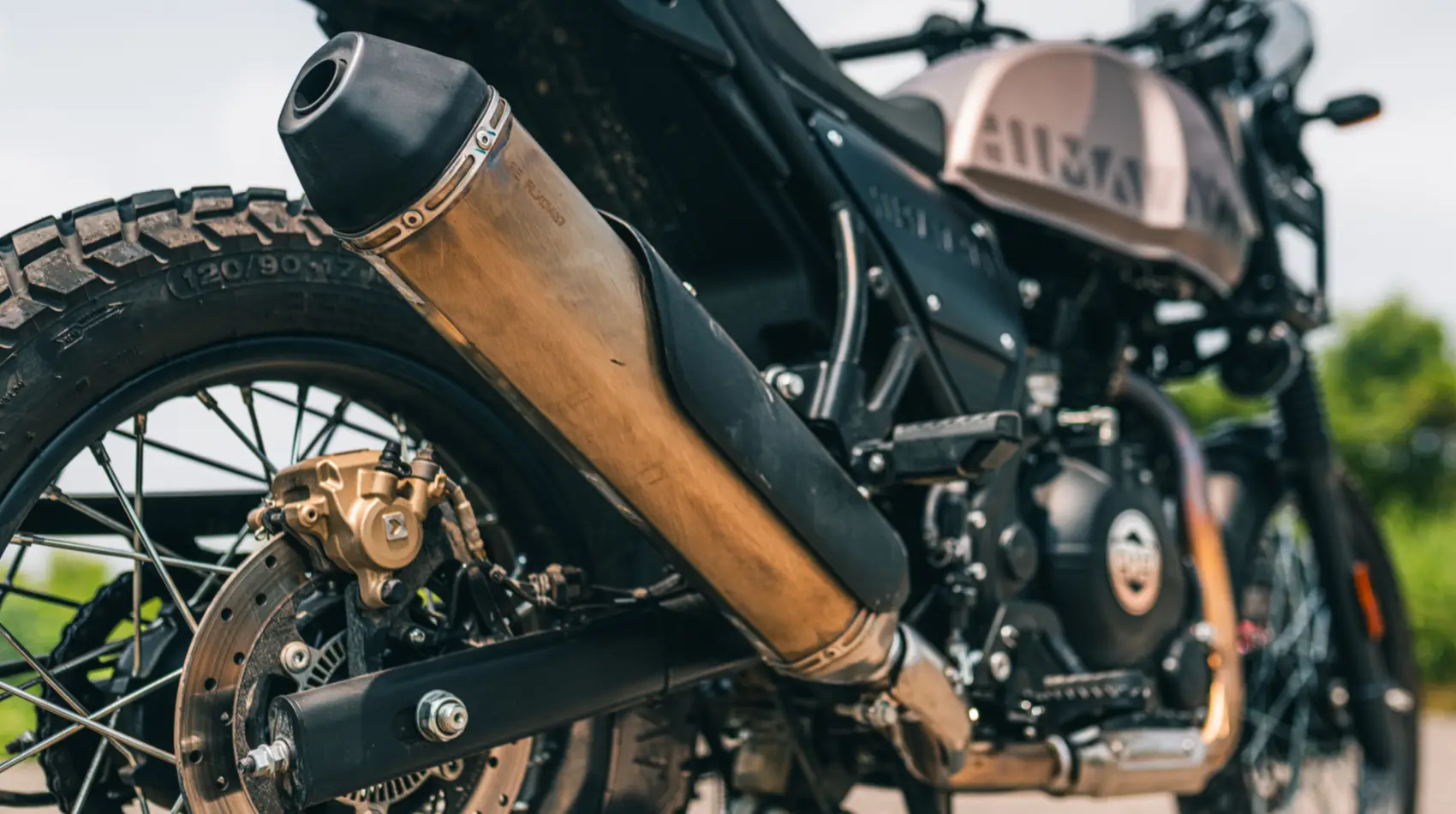
The basic formula remains familiar, with the upright adventure-bike stance, long-travel suspension, large front wheel and accessible riding position. It continues to use a half-duplex split-cradle frame and retains the 21-inch front and 17-inch rear wheel combination.
The motorcycle gets an 800mm seat height, which is one of the reasons the original Himalayan was so approachable despite its size. It never felt particularly intimidating once you got on it, and the 440 continues with that philosophy.
There is 220mm of ground clearance, while the fuel tank holds 15 litres. At 199kg kerb, the Himalayan 440 isn't a lightweight motorcycle, and it is heavier than the newer Himalayan 450. However, the weight becomes far less noticeable once you're moving.
This is still a motorcycle designed to be ridden rather than admired from a distance. The proportions, dimensions and overall layout remain familiar because, fundamentally, the Himalayan's formula still works.
The Engine It Always Needed
The biggest change is hidden beneath that familiar bodywork.
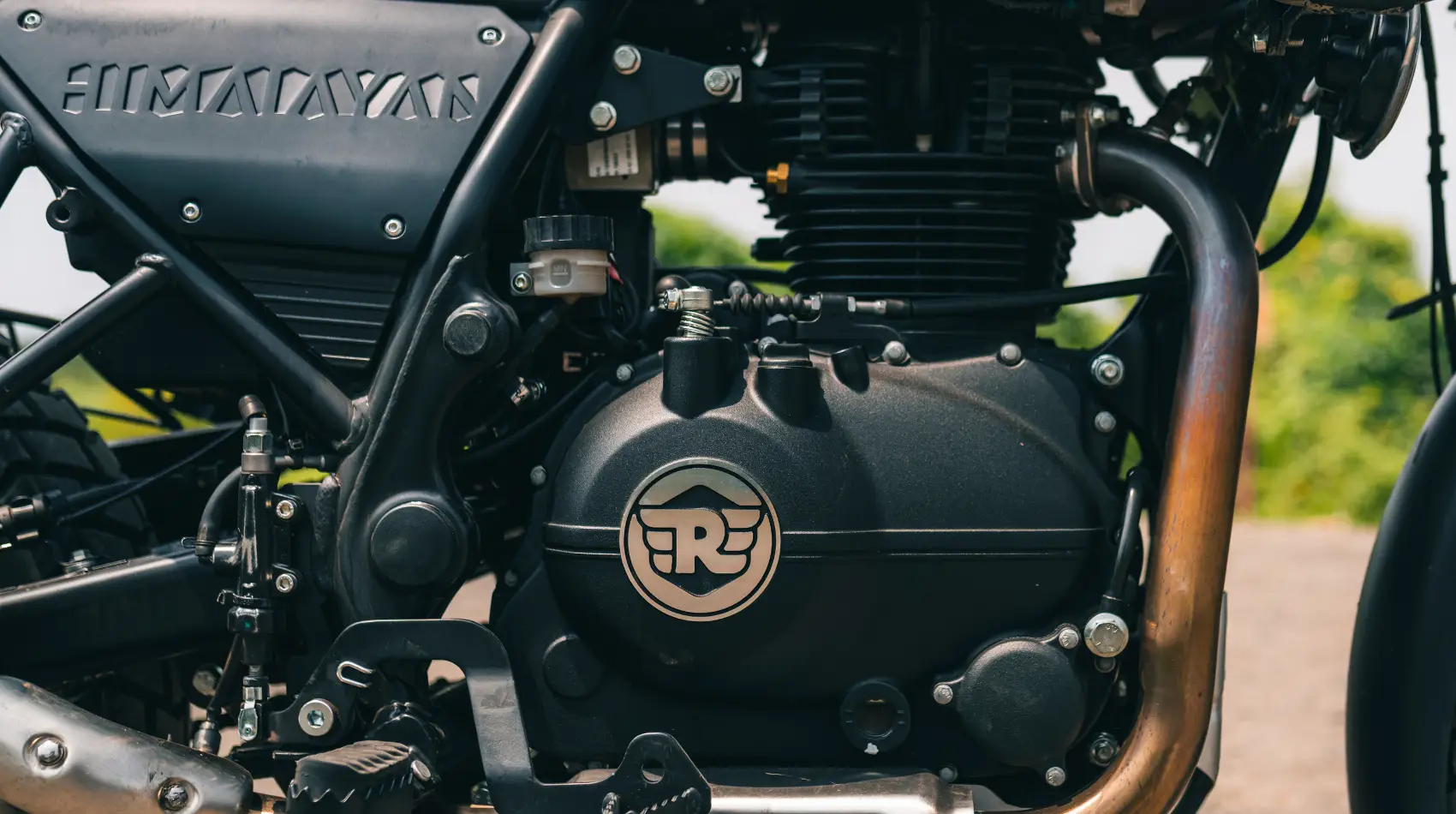
The Himalayan 440 gets a new 443cc, single-cylinder, air/oil-cooled, long-stroke engine producing 25.4hp at 6,250rpm and 34Nm of torque at 4,000rpm. It is paired with a six-speed gearbox.
On paper, the increase in displacement might not sound dramatic, but if you've spent time with the Himalayan 411, the difference is immediately meaningful.
The 411's character was never about outright performance. Its strength was its ability to produce useful torque at low speeds and keep moving without constantly demanding gear changes. The 440 retains that personality but gives it more breathing room.
The 34Nm torque output makes it comfortable at lower speeds, particularly when you're riding on trails or tackling technical sections. The long-stroke character also means you don't need to constantly work the gearbox when you're simply cruising along or negotiating slower terrain.
But the biggest improvement for me is what happens once you leave the trails and get onto the highway.
The old Himalayan 411 had a five-speed gearbox. It worked well for the motorcycle's relaxed nature, but once you started riding at higher speeds, the engine had to work harder. The 440 gets a sixth gear, along with revised ratios, and that makes a noticeable difference.
You can now sit at around 100-110kph for longer stretches without the engine feeling as strained as the 411 did. It doesn't suddenly turn the Himalayan into a high-speed motorcycle, nor does it lose its relaxed character. Instead, it gives you more freedom to ride faster when the road allows it.
And that, in my opinion, is exactly what the original Himalayan needed.
Built for the Long Haul
The Himalayan 440 continues to use a 15-litre fuel tank, which fits its touring-oriented character. The 800mm seat height also remains one of its biggest strengths because it makes the motorcycle approachable to a wide range of riders.
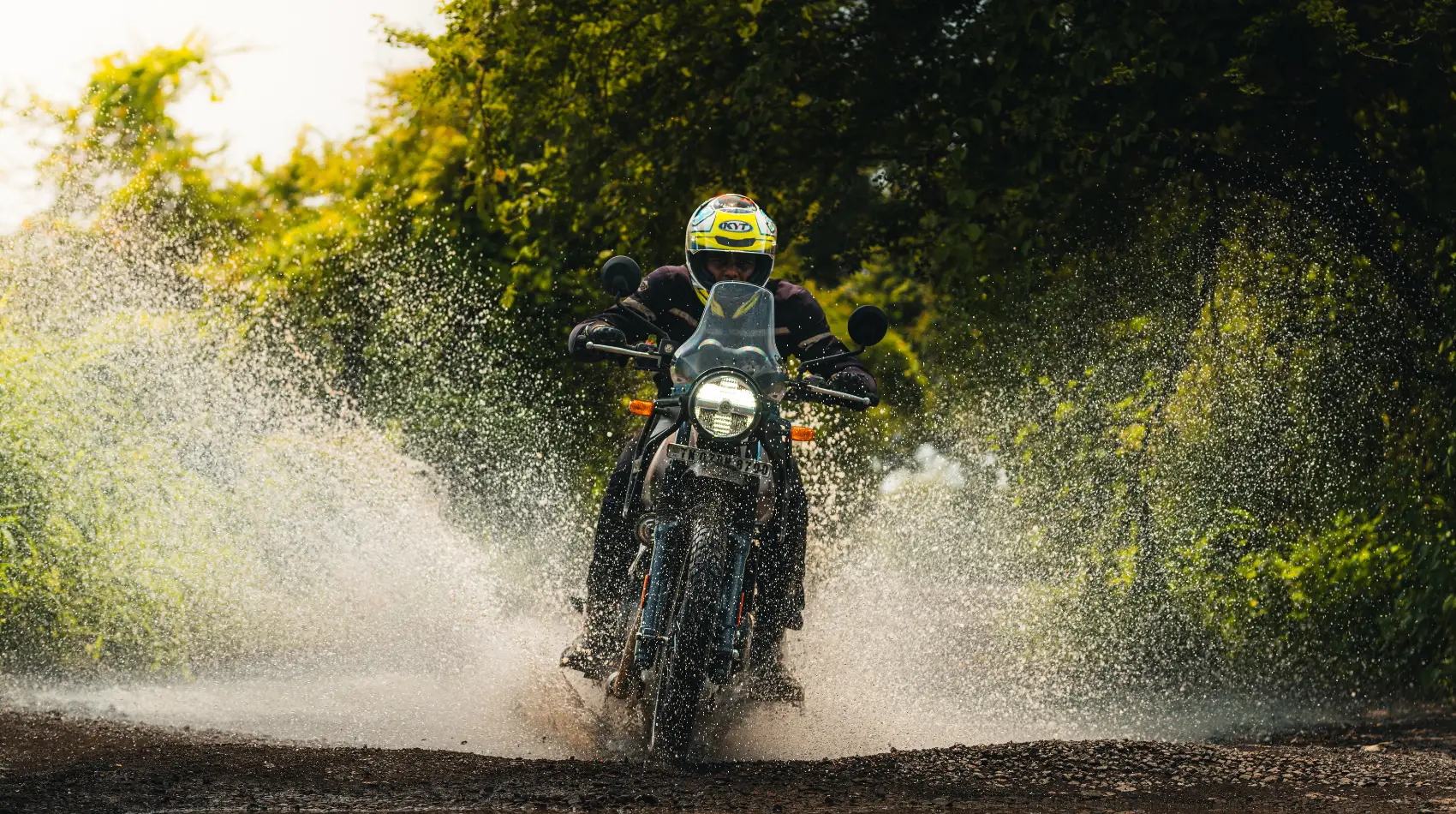
The 21-inch front wheel and 17-inch rear wheel continue to give it the traditional adventure-bike stance, while the 220mm ground clearance should make it capable of dealing with rough roads and trails.
The suspension setup has also been updated. Up front, the Himalayan 440 gets 41mm telescopic forks with 200mm of travel. At the rear, there is a linkage-type monoshock offering 180mm of travel.
This is important because the Himalayan's appeal has always been about its ability to deal with imperfect roads without making the rider feel like they have to constantly plan around every bump or broken section.
The hardware may not look radically different from the original motorcycle's formula, but the combination of long suspension travel, ground clearance and its approachable riding position continues to make sense for the kind of riding this motorcycle is intended for.
Better Brakes, Lighter Effort
One area where the Himalayan 440 feels noticeably more modern is braking.
It gets new ByBre hardware with a 300mm front disc and a two-piston floating calliper, while the rear uses a 240mm disc.
Compared to the 411, the braking setup feels more reassuring. The larger pistons give the rider a better sense of control when you need to slow the motorcycle down, particularly at higher speeds.
The clutch action is also lighter than before. That might not sound like the most exciting update on a motorcycle, but spend an entire day riding through traffic or tackling technical sections and you begin to appreciate how much difference a lighter clutch can make.
These are the kind of changes that don't necessarily show up in a specification sheet, but make the motorcycle nicer to live with.
Old-School Wheels, New-School Touches
The Himalayan 440 continues with spoke wheels, with a 21-inch unit at the front and a 17-inch wheel at the rear. The setup remains tube-type.
Personally, I would have liked to see a tubeless spoke-wheel option. Royal Enfield has already shown with motorcycles such as the Meteor 350 and Goan Classic 350 that tubeless spoke wheels can be offered, and for an adventure motorcycle intended to travel long distances, that would have been a useful addition.
There are also a few smaller updates that bring the Himalayan into the modern age.
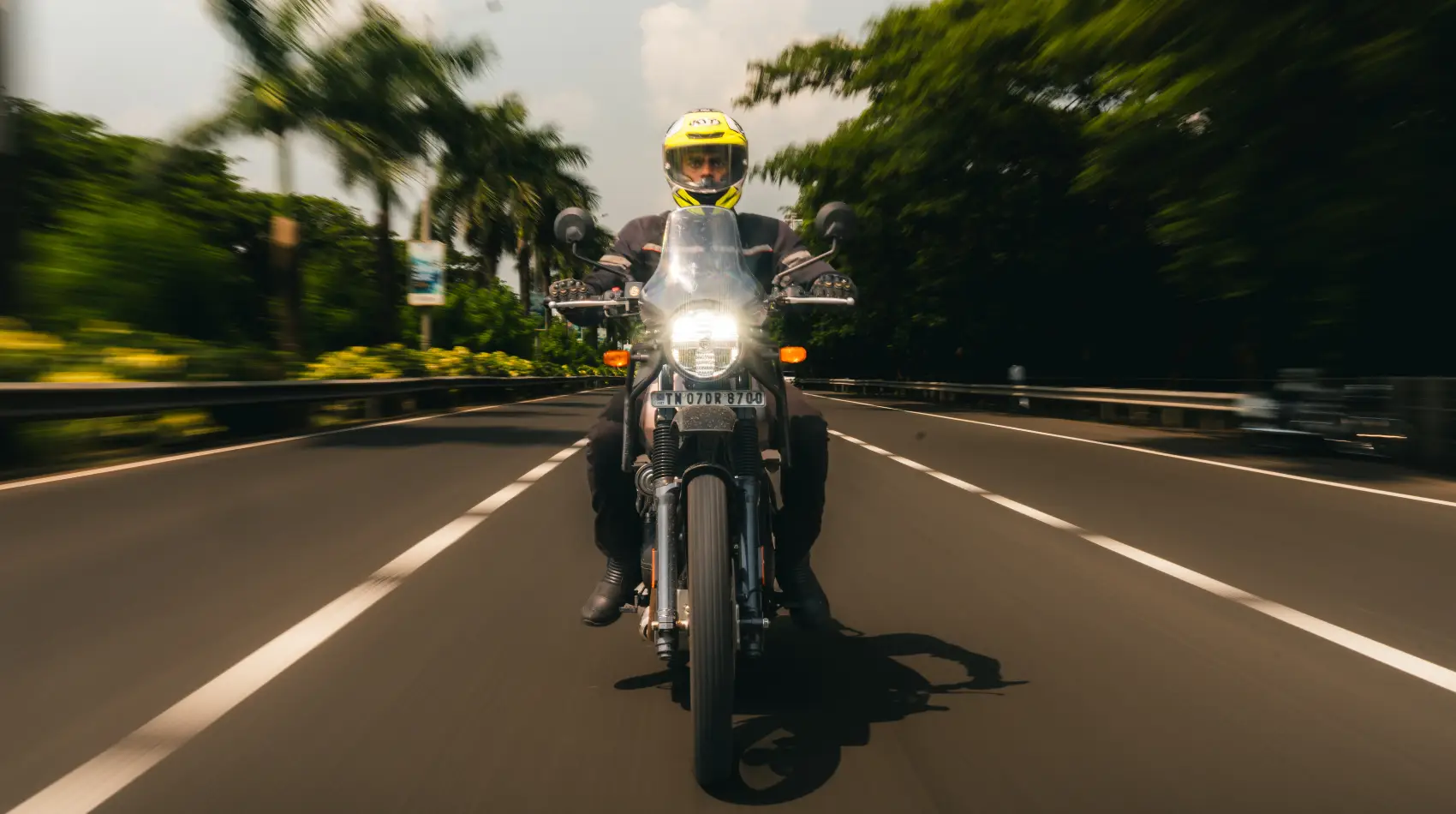
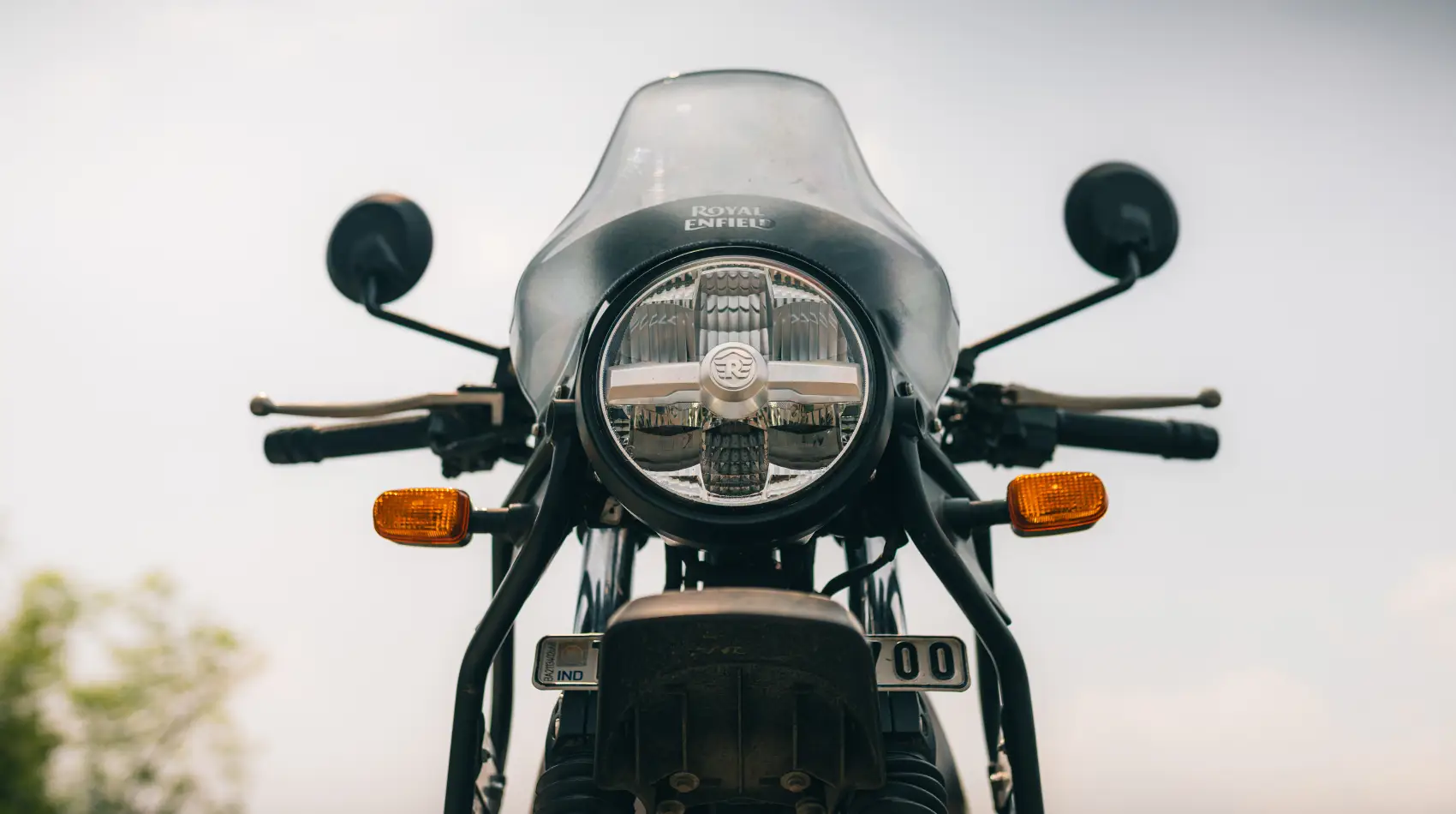
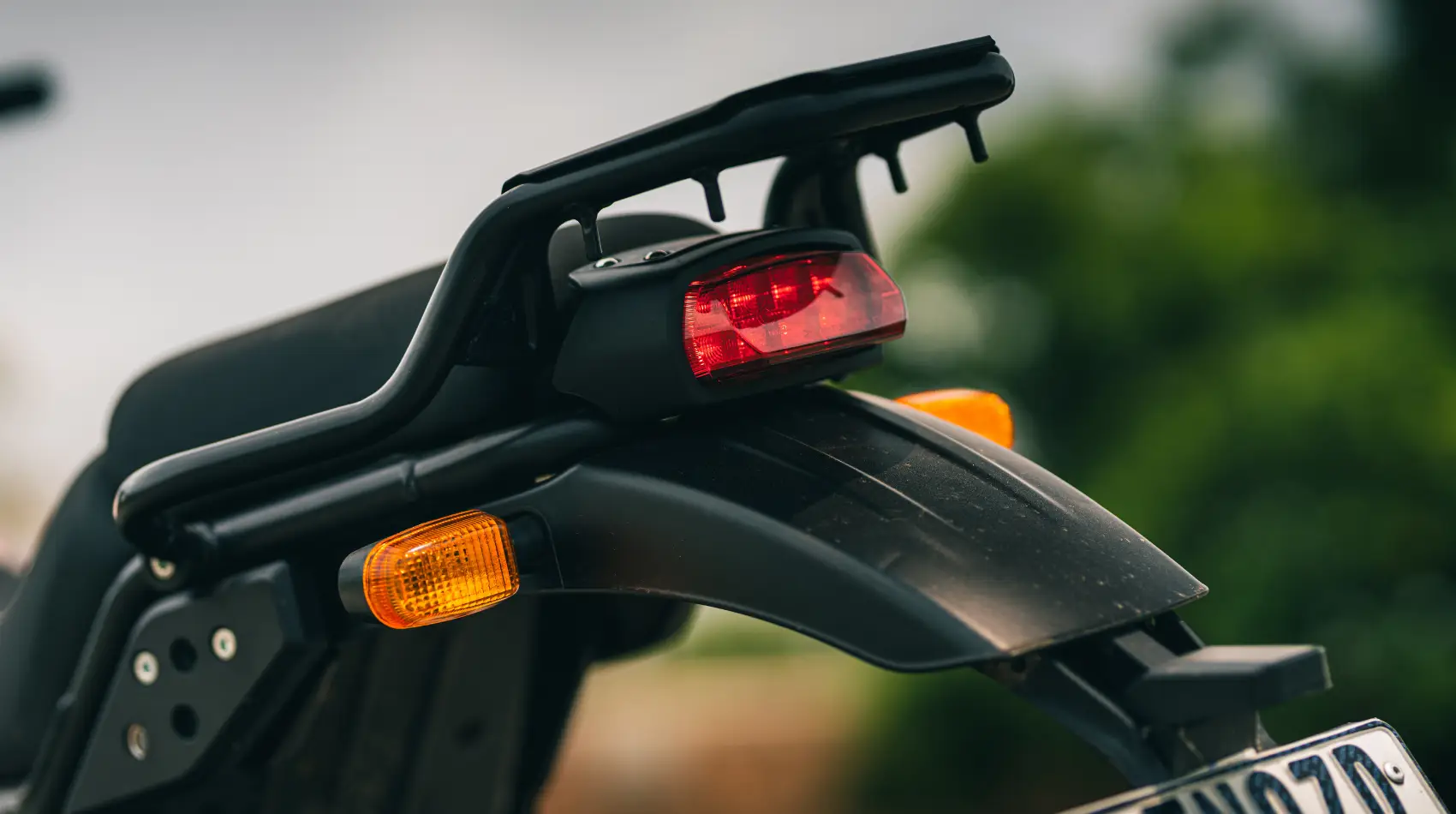
The motorcycle gets a new LED headlight, similar to the unit seen on the Scram 440. While the LED setup is certainly more modern, I personally preferred the character of the old Himalayan's halogen headlight.
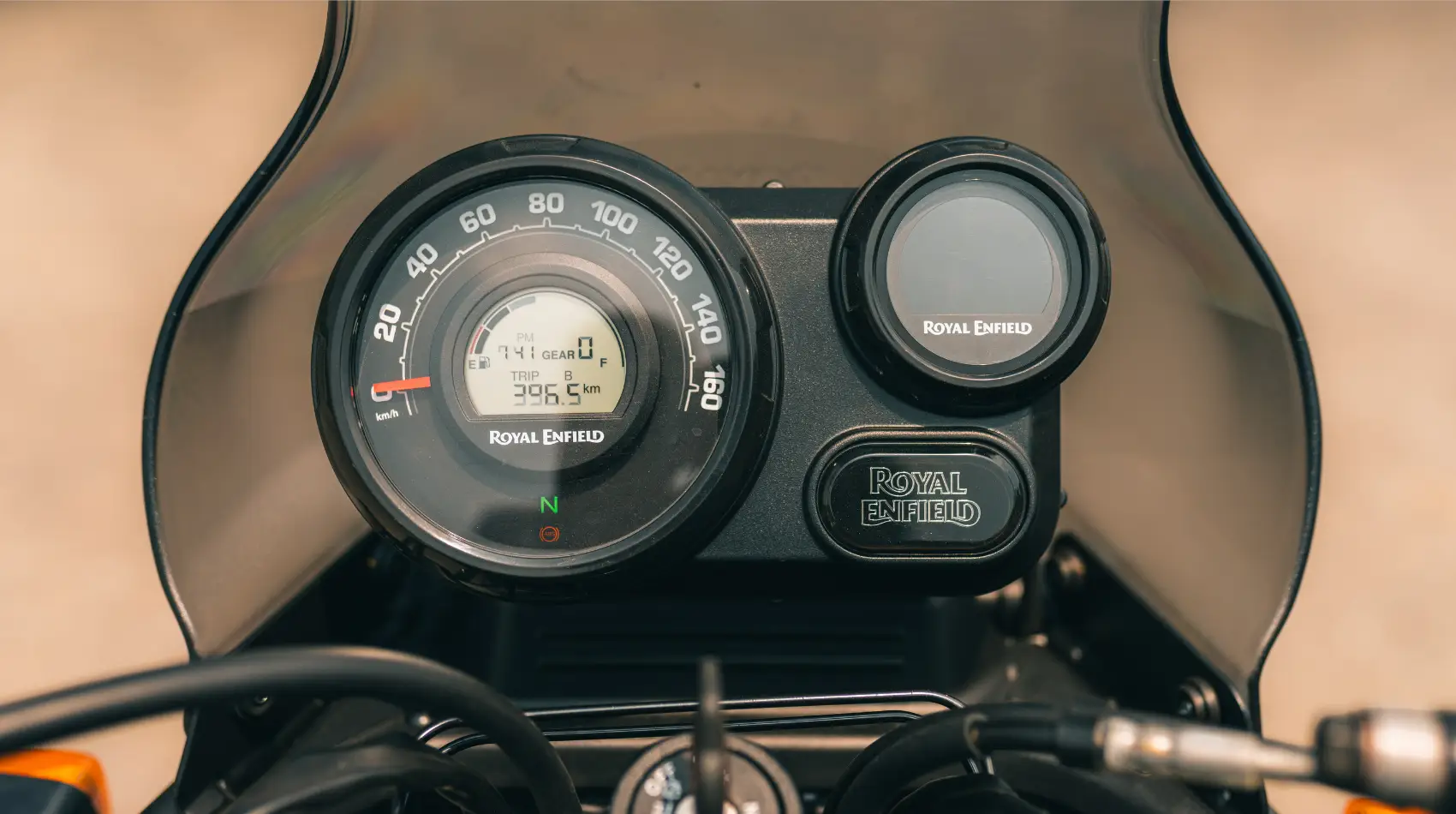
The instrument cluster continues with a digital-analogue layout and gets Tripper turn-by-turn navigation. A Type-C charging port is also standard, giving riders an easy way to keep their devices charged during longer rides.
These aren't revolutionary features, but they are useful additions to a motorcycle that is expected to spend plenty of time away from the city.
What About the Old Himalayan's Problems?
The Himalayan 411 wasn't without its issues.
Over its life, there were reports from some owners of cracks around parts of the chassis, something you obviously don't want to hear about on an adventure motorcycle. The old instrument cluster was another area that had its share of criticism, including reports of fogging in heavy rain.
The Himalayan 440 brings a new instrument cluster, although whether it completely addresses the long-term concerns around the older setup is something that can only really be established with extended ownership and use.
But the bigger point is that Royal Enfield hasn't simply brought back the old motorcycle unchanged.
The company has taken the basic Himalayan philosophy and worked on the areas where the original motorcycle had started showing its age. The engine is bigger, there is a sixth gear, the brakes are better, the clutch is lighter and the motorcycle gets some of the everyday features expected from a modern adventure bike.
So, Why Bring Back the Himalayan 440?
That is perhaps the most interesting part of this motorcycle.
Royal Enfield already has the Himalayan 450, which is the company's modern interpretation of an adventure motorcycle. So the Himalayan 440 doesn't need to replace it. Instead, it exists because there is still an audience for what the original Himalayan represented.
The 411 developed a strong following because it wasn't intimidating. It wasn't trying to be a hardcore performance motorcycle. It encouraged you to slow down, look around and enjoy where you were going. It was clear to me after spending nine days with it in Ladakh.
Initially, I wondered why the motorcycle felt so mild. But after several days in the mountains, the engine's low-end torque and tractability started making perfect sense. When you're riding slowly over difficult terrain, choosing lines and dealing with constantly changing surfaces, outright horsepower isn't always what you want.
The Himalayan 440 keeps that same fundamental character.
The difference is that now, when the road opens up, you have more performance available. When you're cruising on a highway, the sixth gear makes life easier. When you need to brake harder, the new ByBre setup gives you more confidence. And when you're stuck in traffic, the lighter clutch makes the experience less tiring.
That makes the Himalayan 440 feel less like a completely new motorcycle and more like an evolution of an idea that already worked.
Bottom Line
The Himalayan 440 isn't trying to reinvent the original Himalayan. Instead, it brings back the parts that made the 411 special while addressing some of the reasons it eventually became difficult to justify against newer adventure motorcycles.
It still looks familiar. It still has the same basic adventure-bike proportions. It still uses spoke wheels, a 21-inch front wheel, long-travel suspension and an approachable 800mm seat height.
But underneath, the changes matter.
The 443cc engine is smoother and more capable; the 34Nm of torque keeps the motorcycle comfortable at lower speeds, and the sixth gear gives it the highway ability the 411 was missing. The better brakes and lighter clutch improve everyday usability, while features such as LED lighting, Tripper navigation and Type-C charging bring it closer to what riders expect from a modern motorcycle.
At ₹2.29 lakh ex-showroom, the Himalayan 440 also brings the original Himalayan philosophy back in a more powerful package.
The OG Himalayan may have disappeared from Royal Enfield's line-up in 2023, but clearly it never disappeared from the minds of its riders. Ten years after the Himalayan nameplate first arrived, the 440 is Royal Enfield's answer to that demand, a more capable version of the motorcycle that many riders never really stopped wanting.