Familiar engine performance, vibrations creep in early, gearbox needs refinement
Cruise control on a 160cc motorcycle. That's a feature you don't hear about every day, and I'll admit, it got my attention. The 2026 Hero Xtreme 160R 4V has arrived with a new bag of electronic tricks, sharper styling and a marginal bump in power. On paper, it sounds like quite an upgrade. But here's the thing: this isn't an entirely new motorcycle. It's an update to an existing one, and that means the real question is whether Hero has addressed the things that needed fixing in the first place.
I remember riding the previous Xtreme 160R 4V and finding it a reasonably likeable motorcycle. It was compact, easy to ride and had striking looks, apart from good daily performance. But it wasn't without its niggles. The gearbox could be frustrating, the engine felt less comfortable the faster you went, and vibrations crept in earlier than you'd ideally want. So, when I got on the updated motorcycle, those were the things I wanted to investigate. The cruise control could wait.
Sharper Edges, Familiar Silhouette
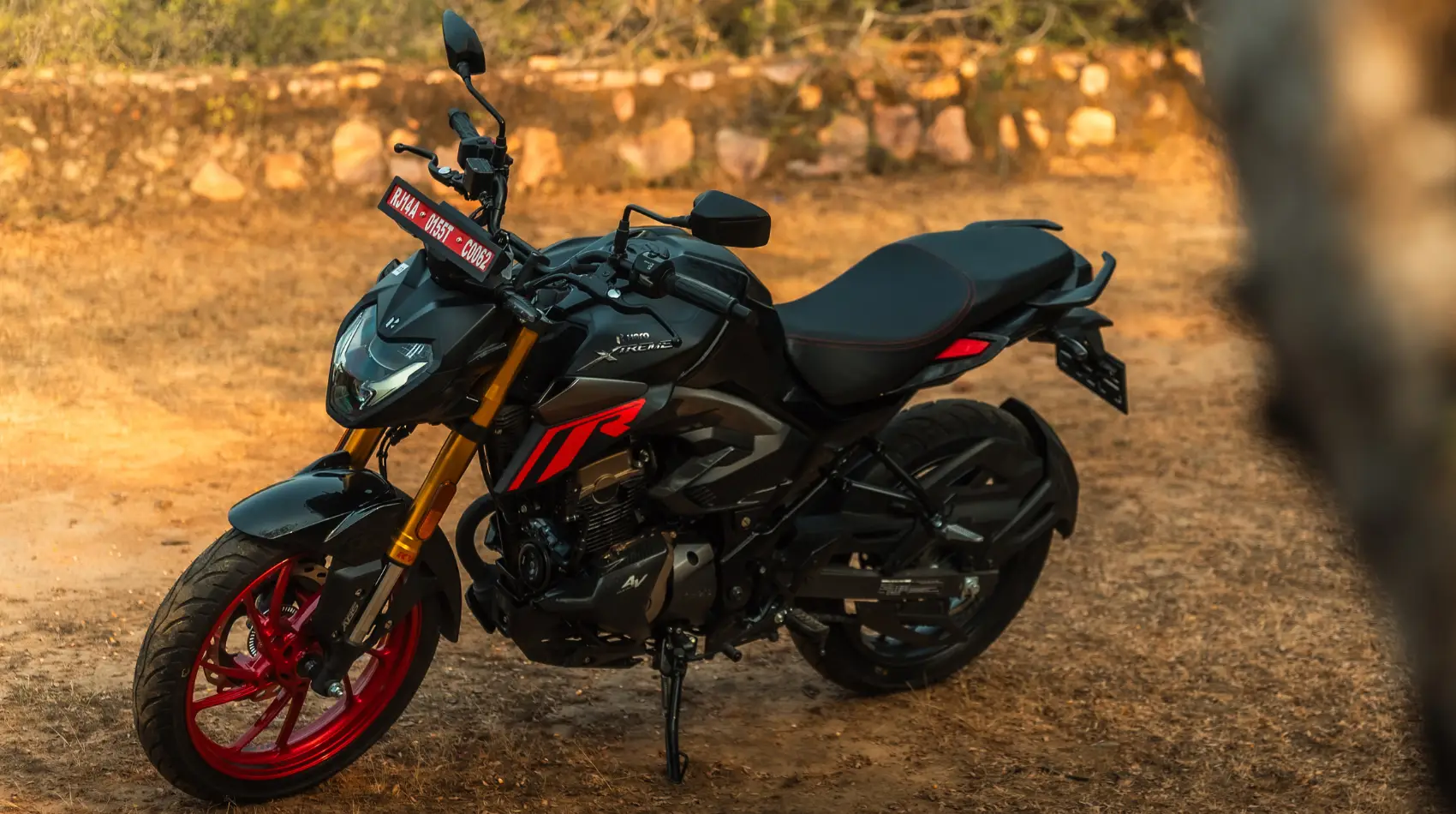
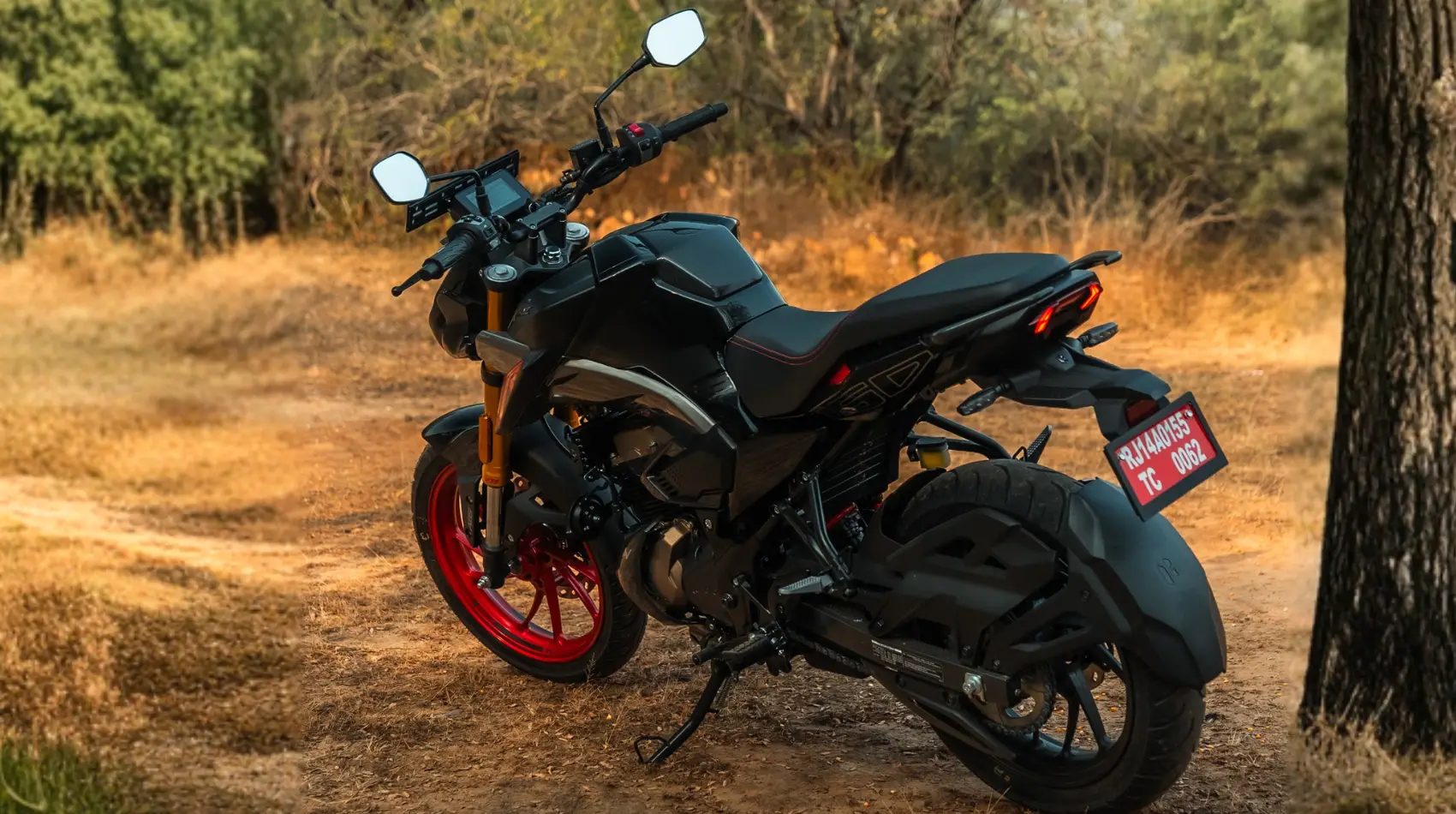
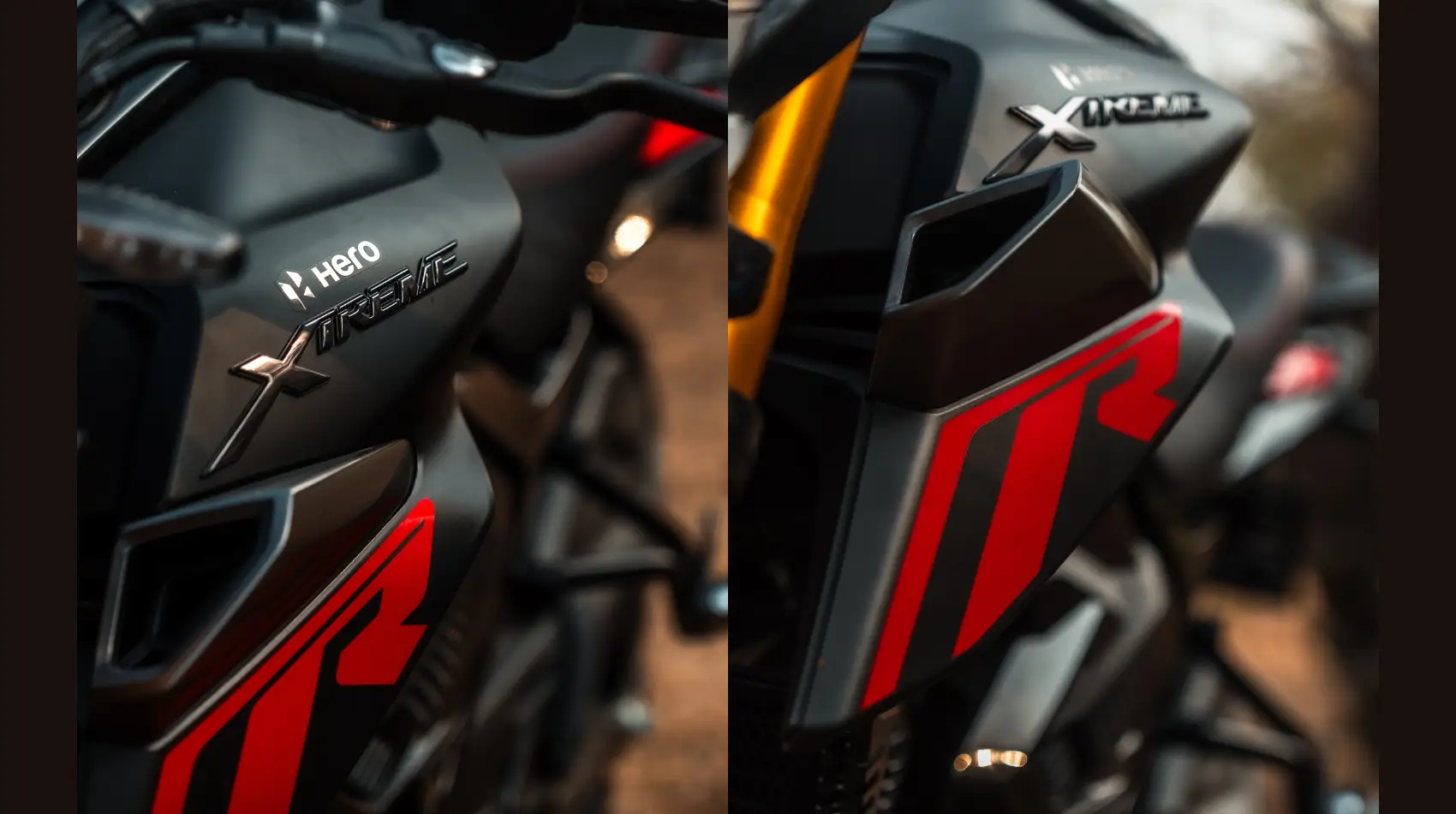
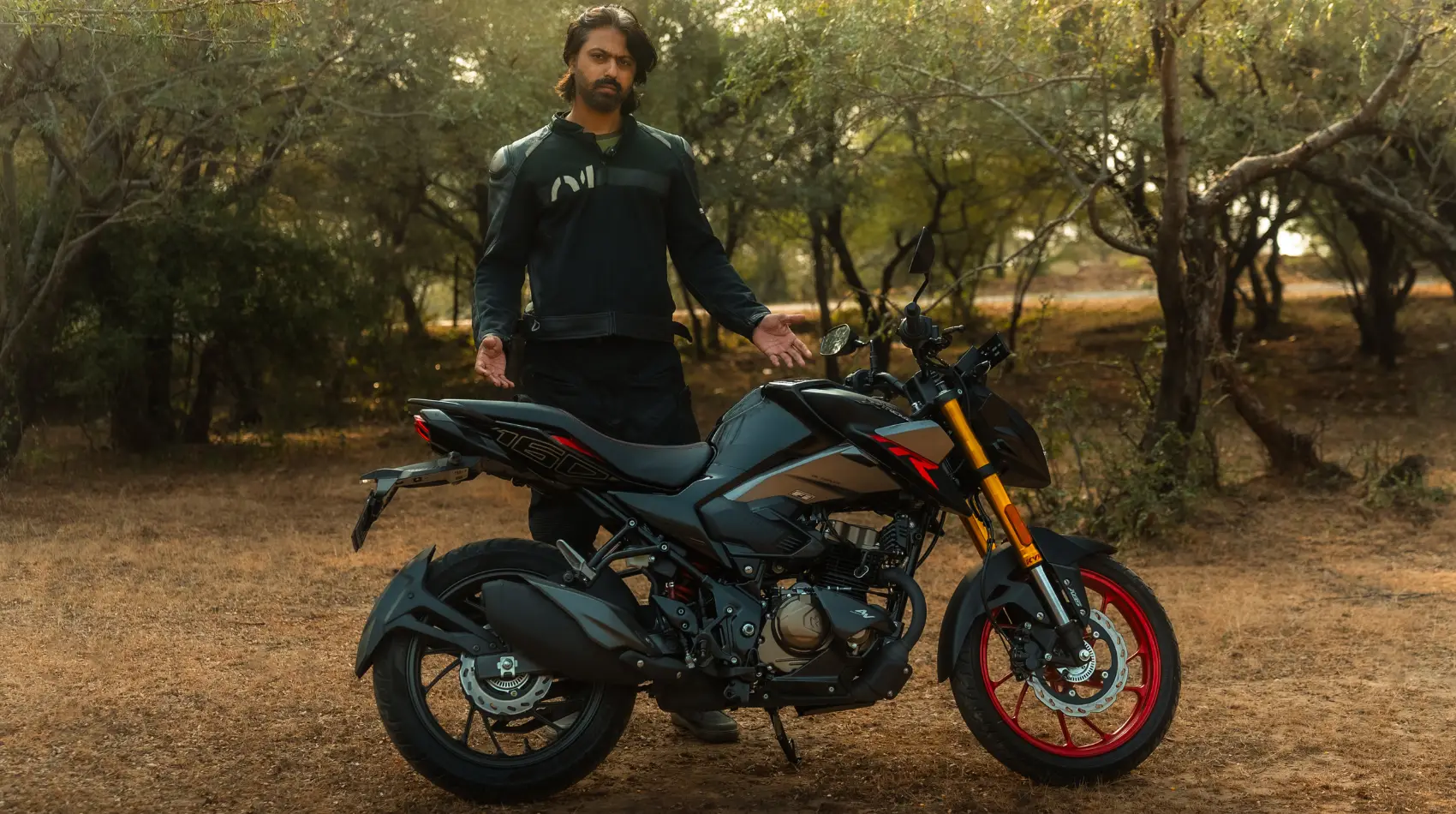
Hero calls its latest design language Cybersharp, and the updated Xtreme certainly looks the part. The revised tank shrouds, sharper body panels and redesigned lighting give it a more angular, contemporary streetfighter stance. The fuel tank has also been reworked, while the H-shaped daytime running light signature adds a fresh identity to the front end. There's an auto-illuminating LED headlamp, too, along with a revised LED tail-lamp design.
It's a neat evolution rather than a radical redesign. The Xtreme still looks compact and purposeful, and the updated bodywork gives it a little more visual aggression without making it look like an entirely different motorcycle. The rider ergonomics have also been tweaked, with a revised riding triangle and a seat that's now 16mm longer, measuring 642.9mm. Buyers can choose between single-seat and split-seat layouts, depending on the variant.
The hardware underneath remains familiar. You get a tubular diamond-type frame, 37mm upside-down front forks and a rear monoshock. The Pro and Carbon variants also get five-step adjustable clutch and brake levers, which are a welcome addition if you want to fine-tune the controls to suit your hands.
The styling update works, but it's hardly the headline act. The more interesting changes are hidden in the electronics, and that's where Hero has spent most of its effort.
Display Gets Interesting
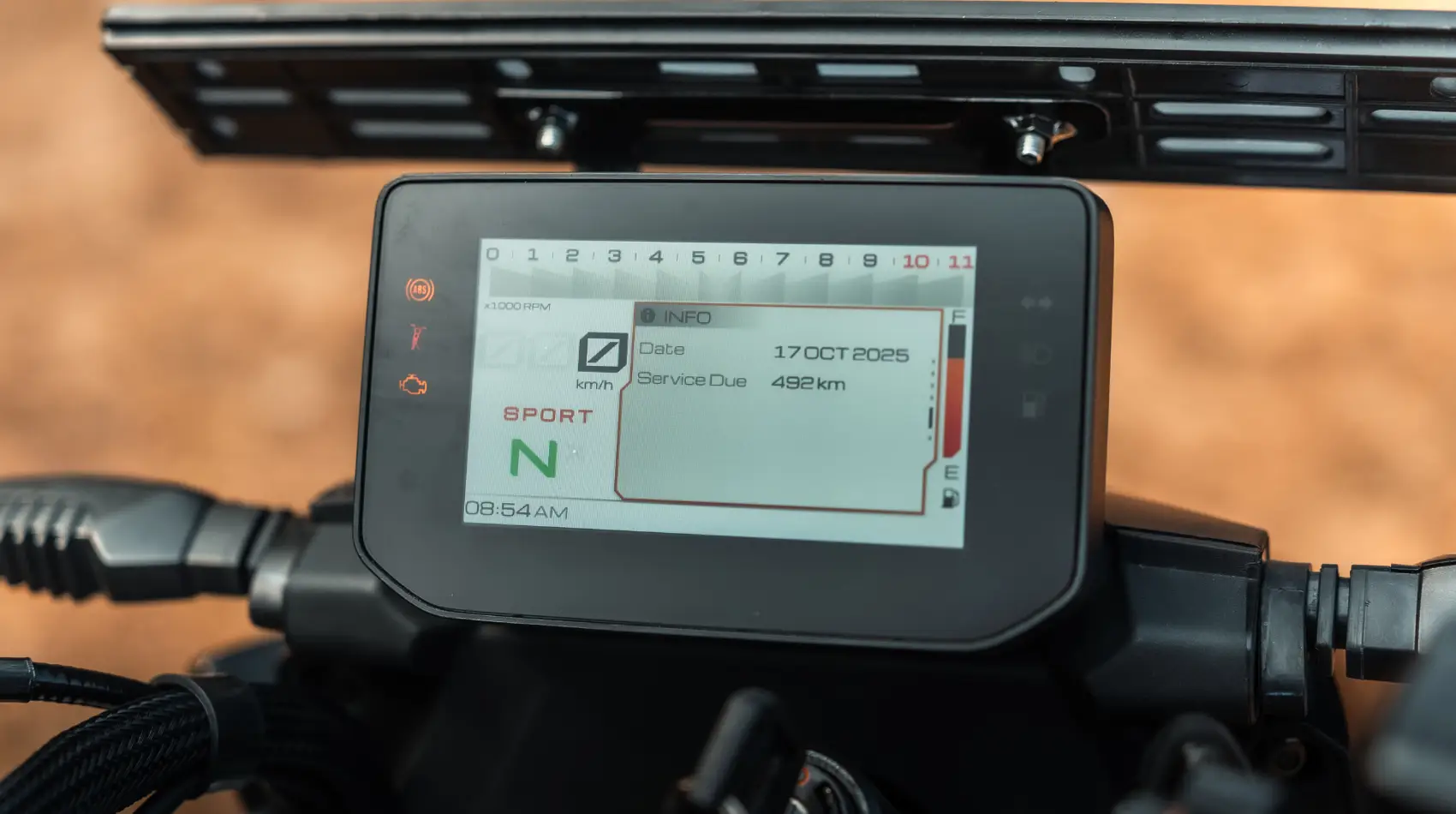
The Carbon variant gets a new multicolour TFT instrument console, while the Pro retains a multicolour LCD unit. The distinction matters because the TFT isn't standard across the range. On the Carbon, it brings a more contemporary interface and a broader spread of information, including riding modes, gear position, shift guidance, cruise-control status, distance to empty and real-time fuel economy.
Bluetooth connectivity adds call and message alerts, music controls, phone battery information and turn-by-turn navigation. The display also features day-and-night functionality, with automatic brightness adjustment intended to improve legibility as lighting conditions change. An illuminated switchgear and a Type-C charging port round off the convenience upgrades.
Now, the new screen is more important than it might initially seem. A motorcycle's instrument console isn't there merely to make the cockpit look expensive. It's something you refer to repeatedly while riding, and if you're struggling to read it in bright sunlight or having to spend too long searching for basic information, it isn't doing its job properly.
The Carbon's TFT is a step towards a more modern interface, and I appreciate the additional information it offers. But the real test is how easily you can read the display at a glance, how quickly the interface responds and whether the connectivity features behave themselves. Those are the details that determine whether the screen becomes a genuinely useful companion or just another feature to mention in the brochure.
The Pro's multicolour LCD is worth keeping in mind, too. If the TFT is your primary reason for choosing the Carbon, you're paying for a specific interface rather than a completely different motorcycle. That isn't necessarily a problem, but it's worth considering when comparing the variants.
Little More Power, But Where's The Urgency?
The engine is a familiar 163.2cc, four-valve, oil-cooled, single-cylinder unit, now producing 16.8 bhp at 8,750rpm and 14.6Nm of torque at 6,500rpm. It continues to use a five-speed gearbox. Peak power has increased marginally from the previous model's 16.6 bhp, while torque remains unchanged. Hero claims a 0–60km/h time of 4.4 seconds for the updated motorcycle, and driving it on busy Jaipur roads meant I couldn’t put that to the test.
Those numbers are respectable for the segment, but the small increase in peak output doesn't fundamentally change the character of the engine. The Xtreme remains reasonably tractable around town, where it is happy pottering along without demanding too much from the rider. It's easy enough to live with during everyday commutes, and there's sufficient performance to get you away from traffic lights and through gaps in urban traffic.
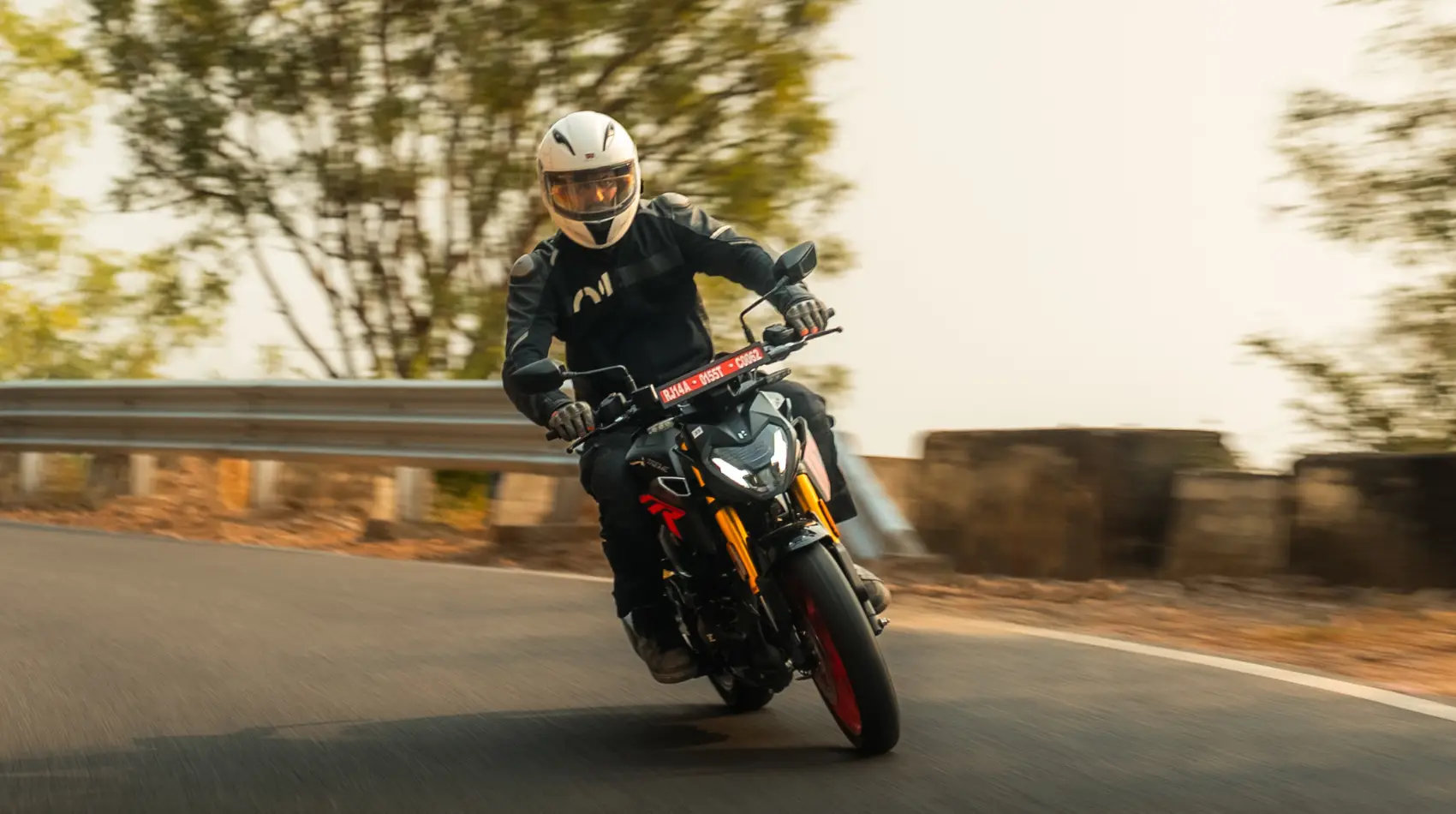
The trouble begins when you ask more of it. The engine feels a little subdued, and the marginal increase in peak power doesn't translate into a dramatic change in the way it delivers performance. When you stretch its legs on the highway, the engine can feel strained at around 100km/h, with the short gearing making itself apparent. Vibrations also creep in earlier than I'd ideally want, and overtaking still requires more planning than a lively streetfighter ought to demand.
This isn't to say the Xtreme is slow or incapable of highway riding. It will get the job done. But there is a difference between a motorcycle that can cruise at highway speeds and one that feels comfortable doing so for extended periods. The Xtreme still has some work to do on the latter.
The engine is the part of the motorcycle where I'd have liked to see a more meaningful improvement. An extra 0.19 bhp looks good in a specification sheet, but it doesn't address the broader question of refinement. A stronger mid-range, better vibration control and more relaxed highway gearing would have made a far more noticeable difference to the riding experience.
Gearbox Needs Work
If there's one part of the Xtreme that continues to frustrate me, it's the gearbox. On the previous motorcycle, false neutrals and a shift action that required a fairly deliberate input were familiar niggles. You could learn to work around them, but you shouldn't have to develop a special technique just to get clean gear changes on a commuter-friendly 160cc motorcycle.
Unfortunately, my experience with the updated bike suggests that this hasn't been resolved. On occasion, the gearbox seemed to disengage completely, leaving me unable to select a gear as expected. It's the sort of thing that interrupts the flow of a ride and leaves you wondering what just happened underneath your left foot.
To be fair, the clutch action feels natural, and the gearshift can be perfectly ordinary when everything is working as it should. But consistency matters more than the occasional good shift. A gearbox should fade into the background, allowing you to concentrate on the road rather than second-guessing whether the next change will go through cleanly.
This is exactly the sort of issue I'd have liked Hero to address with the update. Electronic rider aids are welcome, but a slicker, more dependable gearbox would improve every ride, whether you're commuting through traffic or trying to make progress on an open road.
Cruise Control On A 160cc Motorcycle
And now, the feature everyone's gonna be talking about. Ride-by-wire electronic throttle control allows Hero to offer three riding modes: Rain, Road and Sport. Each changes the way the motorcycle responds to throttle inputs, giving the rider a choice of settings for different conditions. Cruise control is the other major addition, and it is an unusual feature to find on a motorcycle in this displacement class.
I'll admit I was sceptical about it initially. Cruise control on a 160cc bike sounds a little excessive, especially when there are more fundamental aspects of the riding experience that could be improved. But after getting comfortable with the motorcycle, I did find myself using it. On an open stretch of road, it can make maintaining a steady speed more convenient, particularly when you don't want to keep your wrist fixed in one position.
The catch is that cruise control can only do so much. It cannot make the engine more refined, eliminate vibrations or give the motorcycle taller gearing. If you're cruising at around 100km/h and the engine feels busy, maintaining that speed electronically doesn't make the underlying experience any more relaxed. It simply takes one task off your hands.
That's why I see cruise control as a useful addition rather than a solution to the Xtreme's highway limitations. The three riding modes add versatility, too, although how much difference riders notice between them will depend on the conditions and their riding style. The important thing is that these features expand the motorcycle's capabilities without fundamentally changing its mechanical character.
Brakes Inspire Confidence
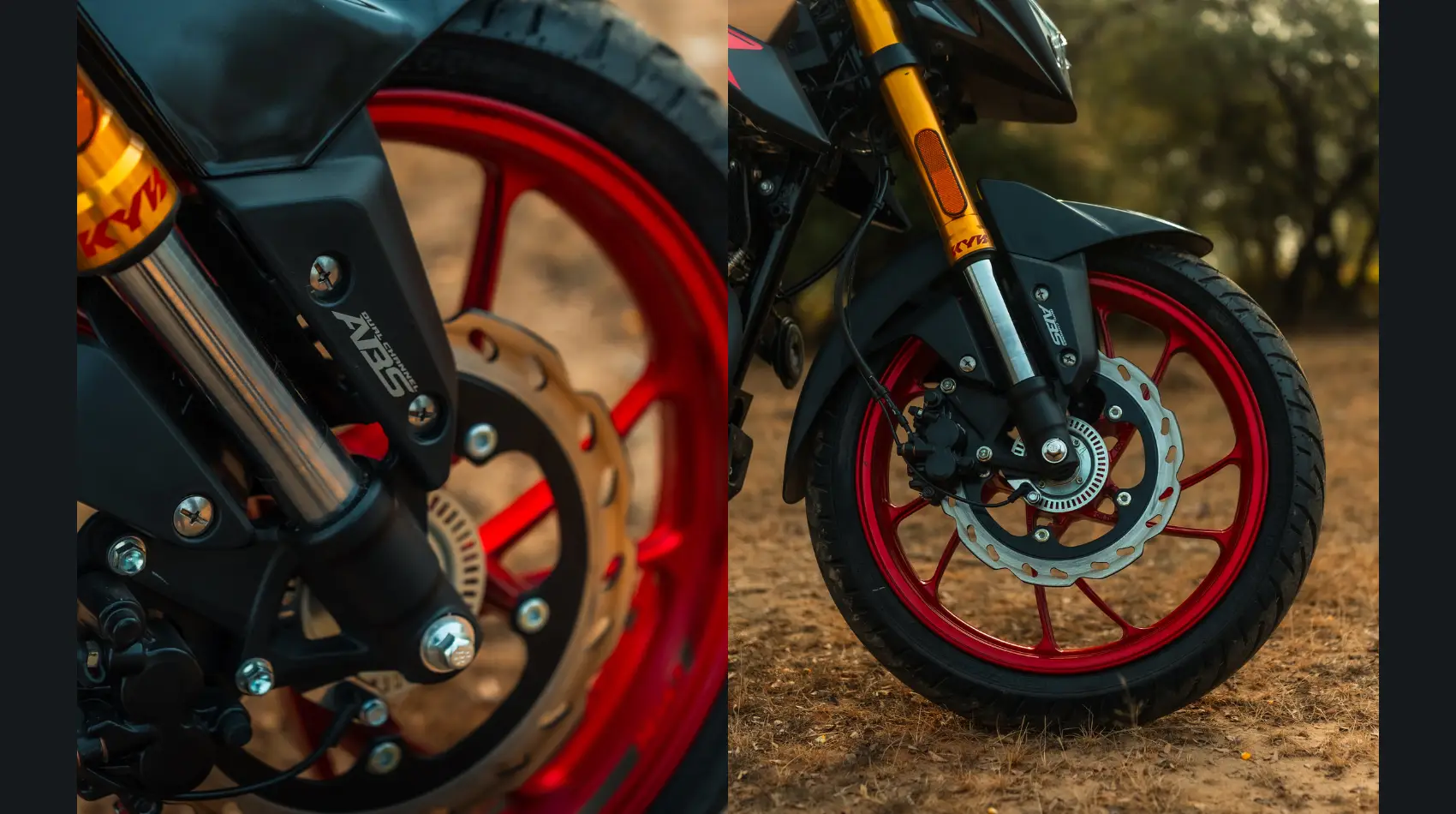
One area where the Xtreme continues to impress is braking. The motorcycle uses a 276mm front petal disc and a 220mm rear disc, with dual-channel ABS on the Pro and Carbon variants. Panic Brake Alert is also part of the equipment package, flashing the indicators under sudden braking to warn traffic behind you.
The braking feel is reassuring, with a good bite point and a predictable response. The adjustable brake lever is a welcome addition, allowing riders to tailor the reach to their preference. These might not be the most glamorous changes on the updated Xtreme, but they are the sort of details that make a tangible difference to the riding experience.
The Pro also gets a drag timer, with modes for measuring a 0–60km/h sprint and a 402-metre run. It's a fun addition for riders who enjoy measuring performance, though it's hardly a reason to buy the motorcycle on its own. If you want to experiment with acceleration figures, do so on a closed course rather than public roads.
Worth It?
The 2026 Hero Xtreme 160R 4V is available in three variants: Standard, Pro and Carbon, priced at ₹1.27 lakh, ₹1.37 lakh and ₹1.41 lakh respectively, ex-showroom. These are introductory prices, and the variants differ in their instrumentation and equipment. The Standard is the entry point, while the Carbon gets the new TFT display.
The updated Xtreme makes a stronger case for itself if you value electronic features. Cruise control is unusual in this segment, ride-by-wire brings useful functionality, and the new TFT gives the Carbon a more contemporary cockpit. The revised styling also helps keep the motorcycle looking fresh.
But if you're expecting a substantial improvement in performance or refinement, this isn't quite that update. The engine's power increase is marginal, the vibrations remain noticeable, and the gearbox still needs attention. These are not minor details when they affect the way you interact with the motorcycle every time you ride it.
The Xtreme 160R 4V has become a more feature-rich motorcycle, and that is worth acknowledging. But features and fundamentals aren't interchangeable. A display can show you more information, cruise control can maintain a set speed, and riding modes can alter throttle response. None of them can compensate for a gearbox that occasionally refuses to cooperate.
For someone buying their first 160cc streetfighter, the updated Xtreme offers a compelling list of equipment, particularly in the higher variants. Existing owners, however, have fewer reasons to rush out and upgrade. The extra technology is appealing, but the underlying riding experience remains largely familiar.