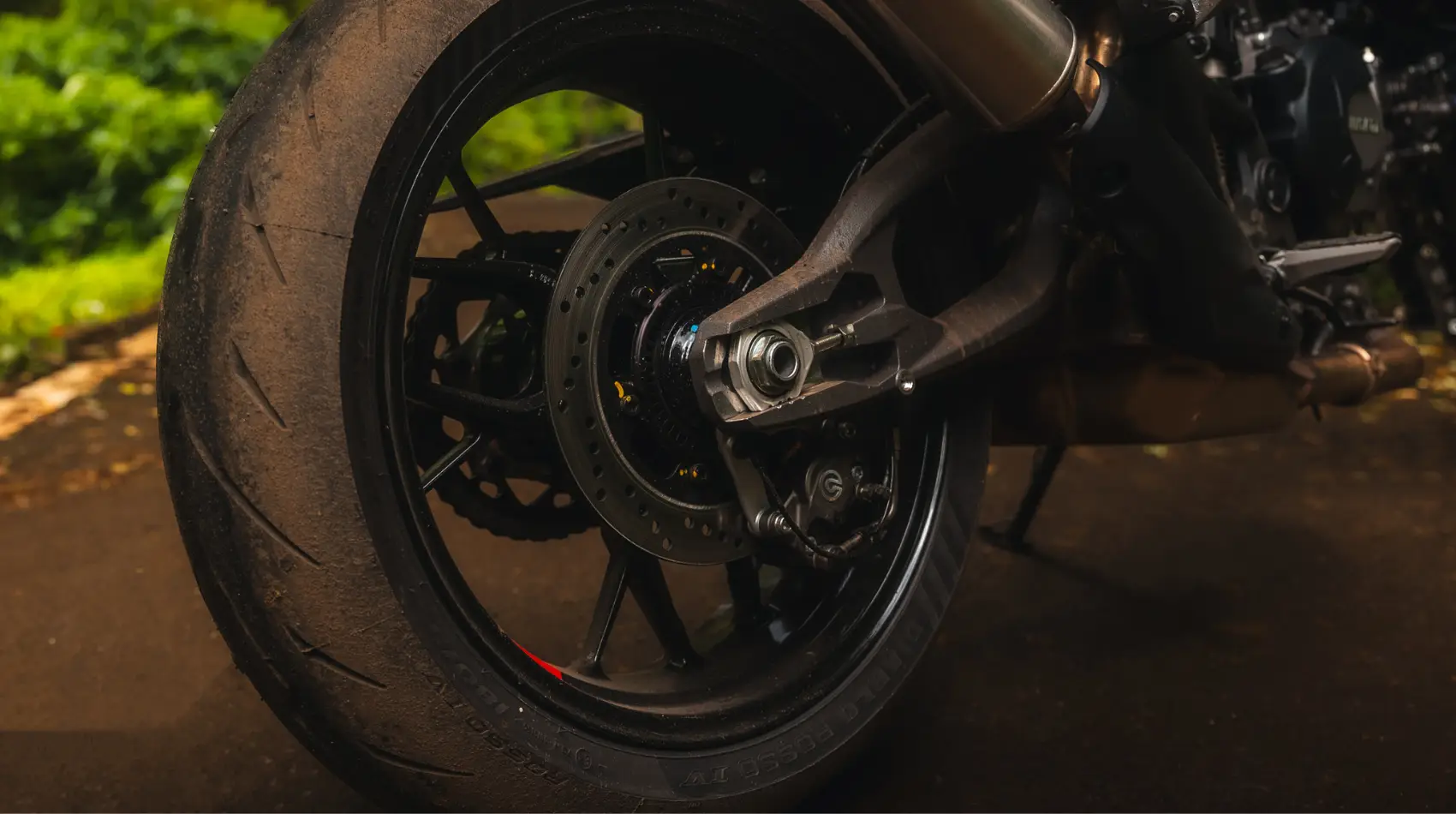

Strong and tractable V2 engine, light and agile handling, friendly ergonomics & 795mm seat

Gets very hot in heavy traffic, expensive at nearly ₹14 lakh
Let’s roll back a few years. It’s 2021. The world is slowly emerging from the wreckage of a pandemic, and Ducati decides to unveil the latest iteration of one of its most important nameplates: the Monster. It is cleaner and sharper, by the standards of modern motorcycle engineering, considerably more sophisticated. It is also missing something rather conspicuous.
The trellis frame. It’s gone. For decades, that exposed lattice of tubes had been as much a part of the Monster’s identity as its muscular tank, compact proportions and big V-twin engine. Remove it and, to many long-time Ducati fans, you may as well have removed the moustache from Poirot.
The reaction was predictable. Purists weren’t impressed. Ducati, however, didn’t blink. The trellis frame stayed gone. And now, with the fifth-generation Monster V2, the company has taken the more interesting route: rather than attempting to recreate the Monster of old, it has tried to make the new one better at being what it already is. That means a new 890cc V2 engine, a sharper chassis, revised ergonomics, more technology and, crucially, a little more visual menace. Perhaps the Monster has finally stopped trying to apologise for growing up.
The previous-generation Monster was undeniably attractive, but there was always something slightly clinical about its design. It was a modern interpretation of the formula, perhaps too modern for a motorcycle whose appeal has always rested on a certain amount of mechanical theatre.
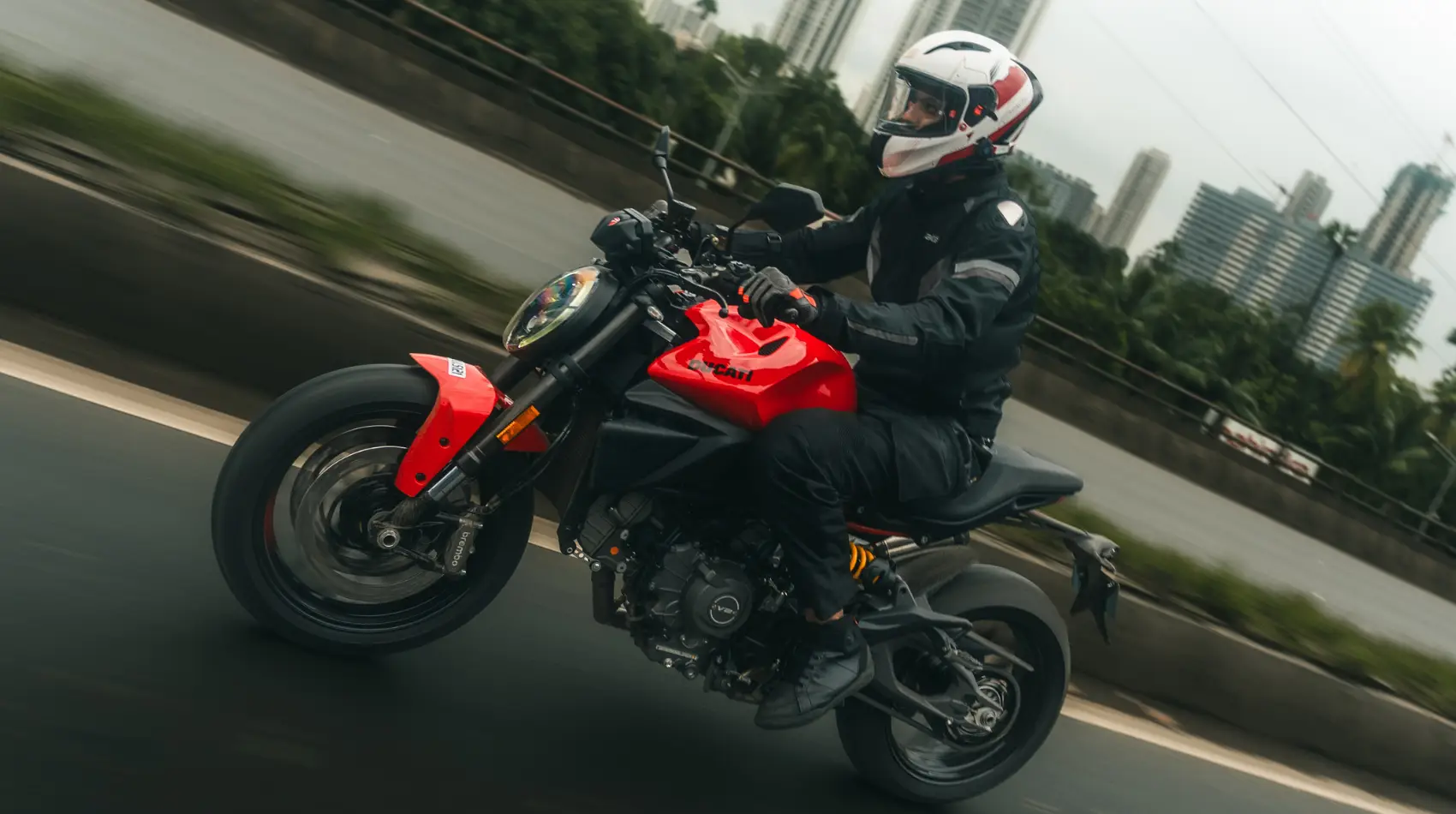
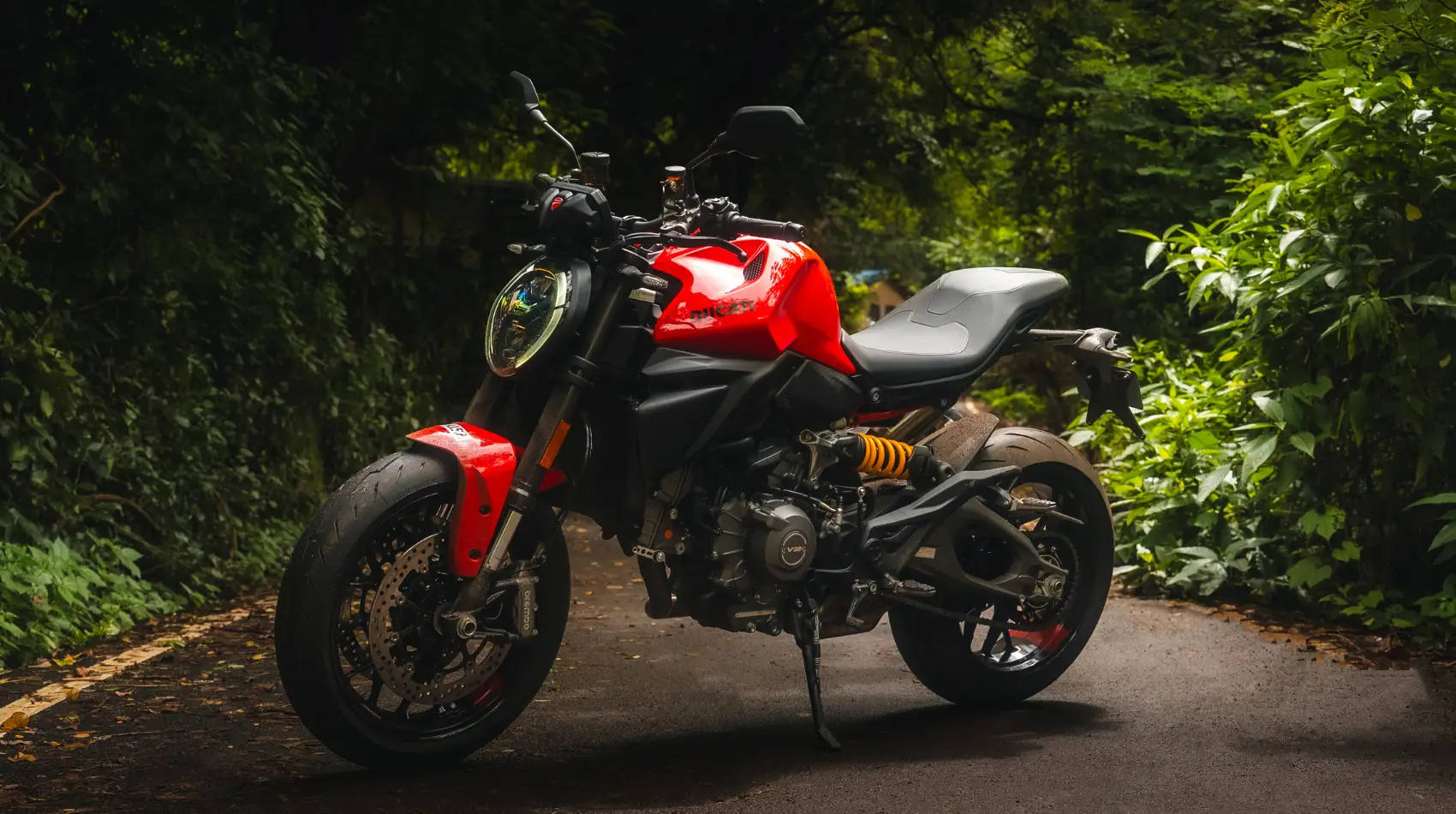
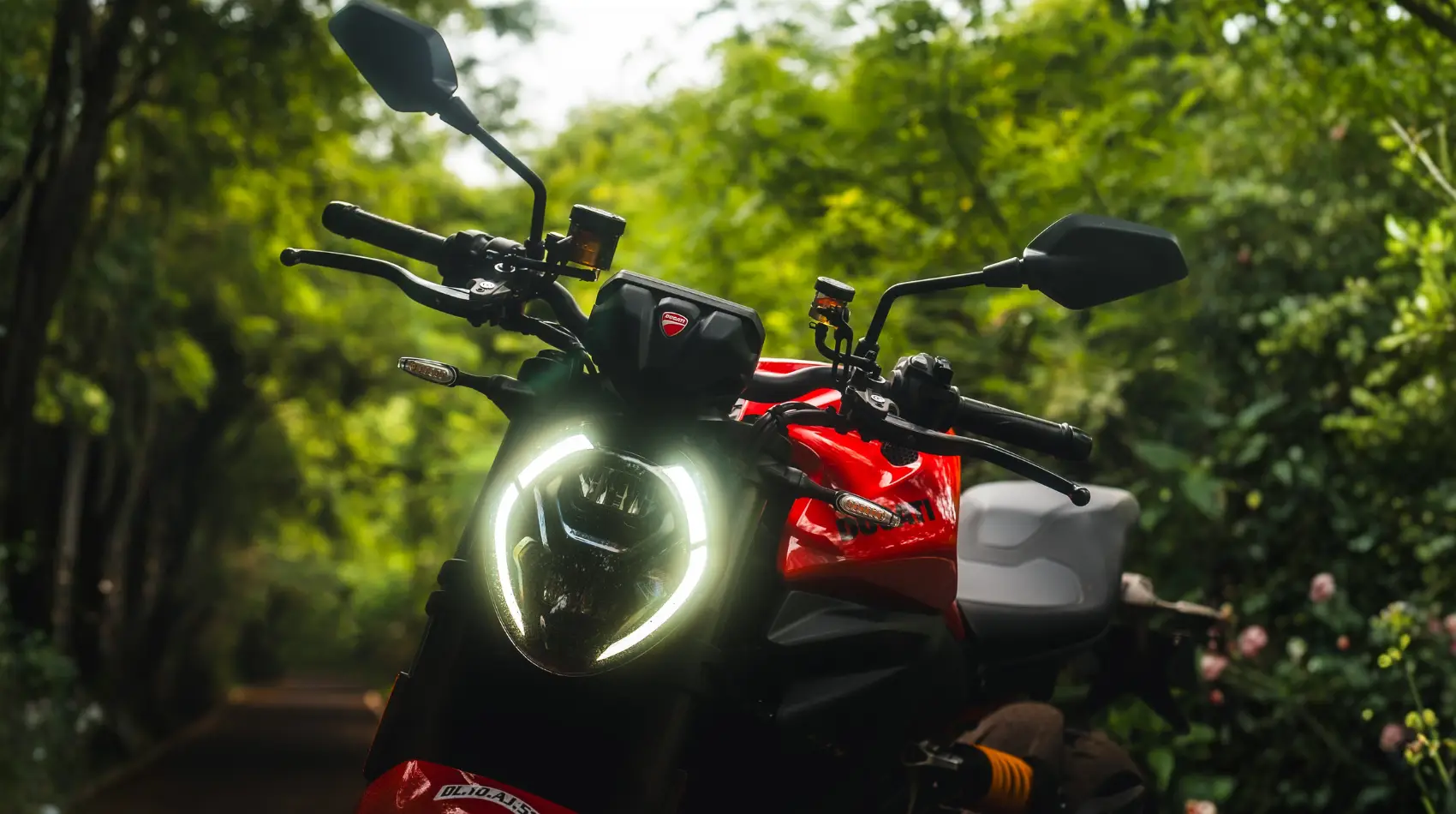
The new Monster V2 brings some of that theatre back. The aluminium monocoque construction remains, with the rear subframe employing a combination of technopolymer and trellis construction. But the surrounding design has become more muscular. The fuel tank is the obvious change. Sculpted and broad, with a shape that almost resembles a bison’s shoulders, it gives the Monster considerably more presence. It fills out the motorcycle without making it look bloated, which is a difficult trick to pull off on a naked bike.
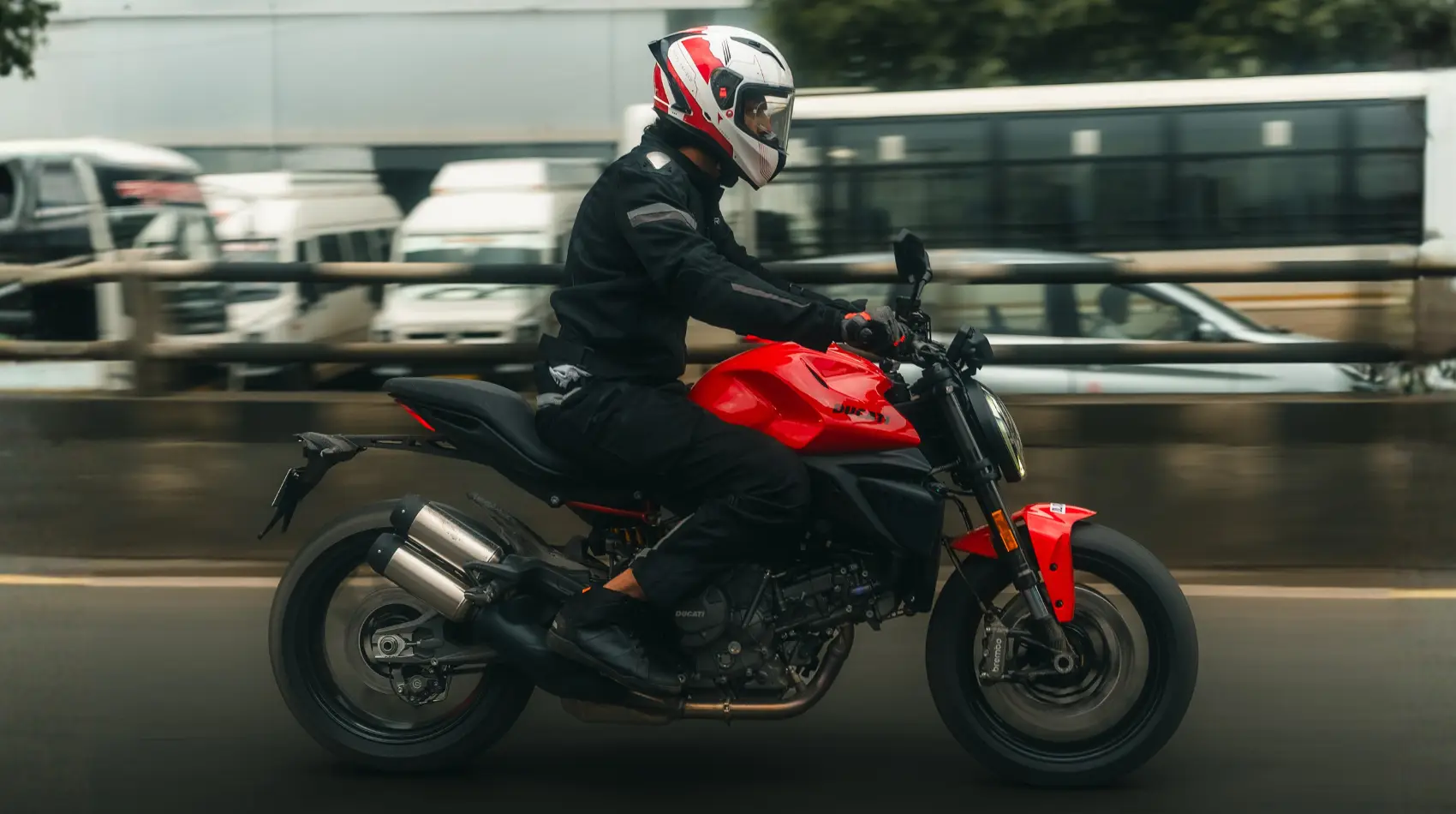
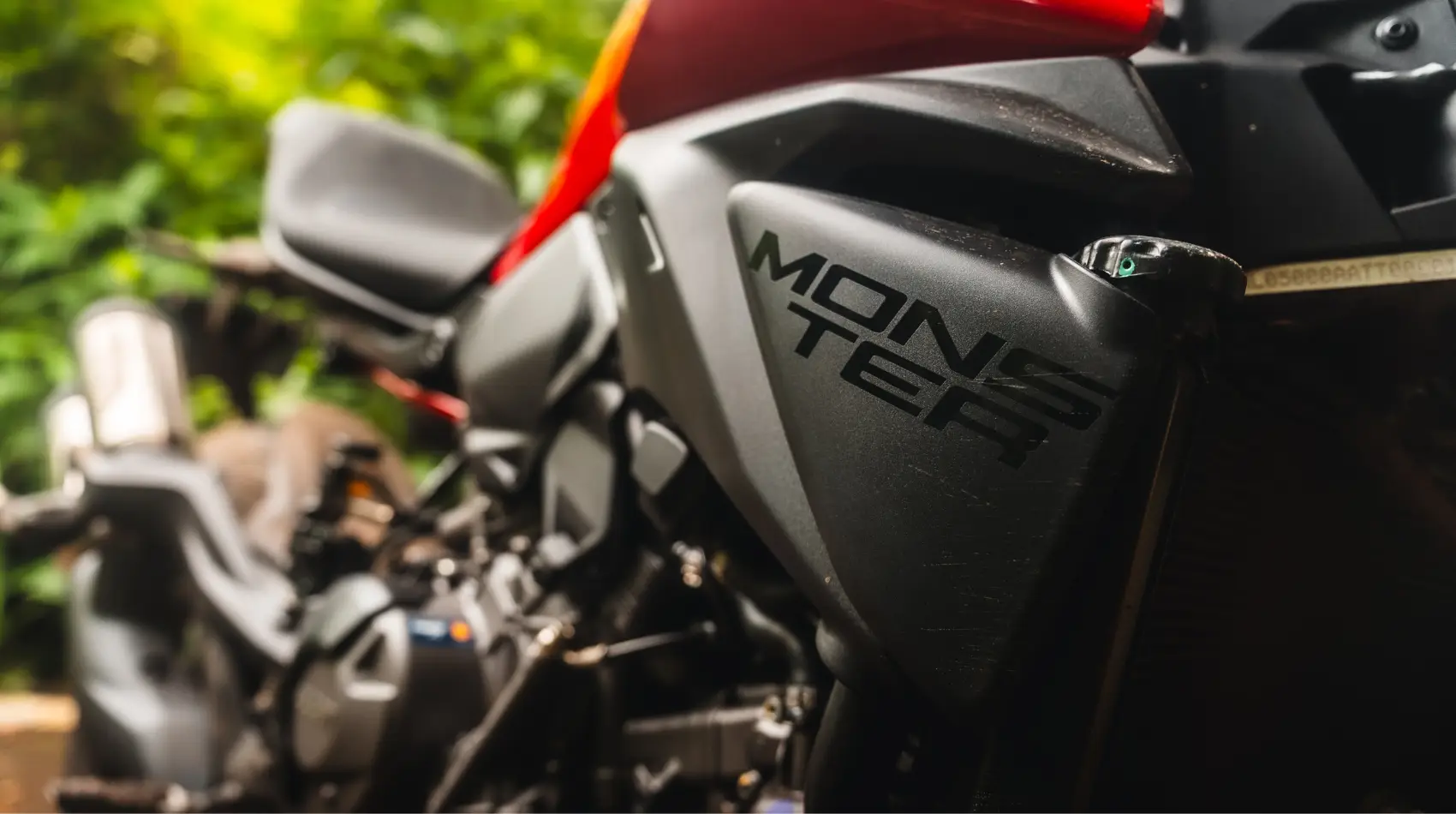
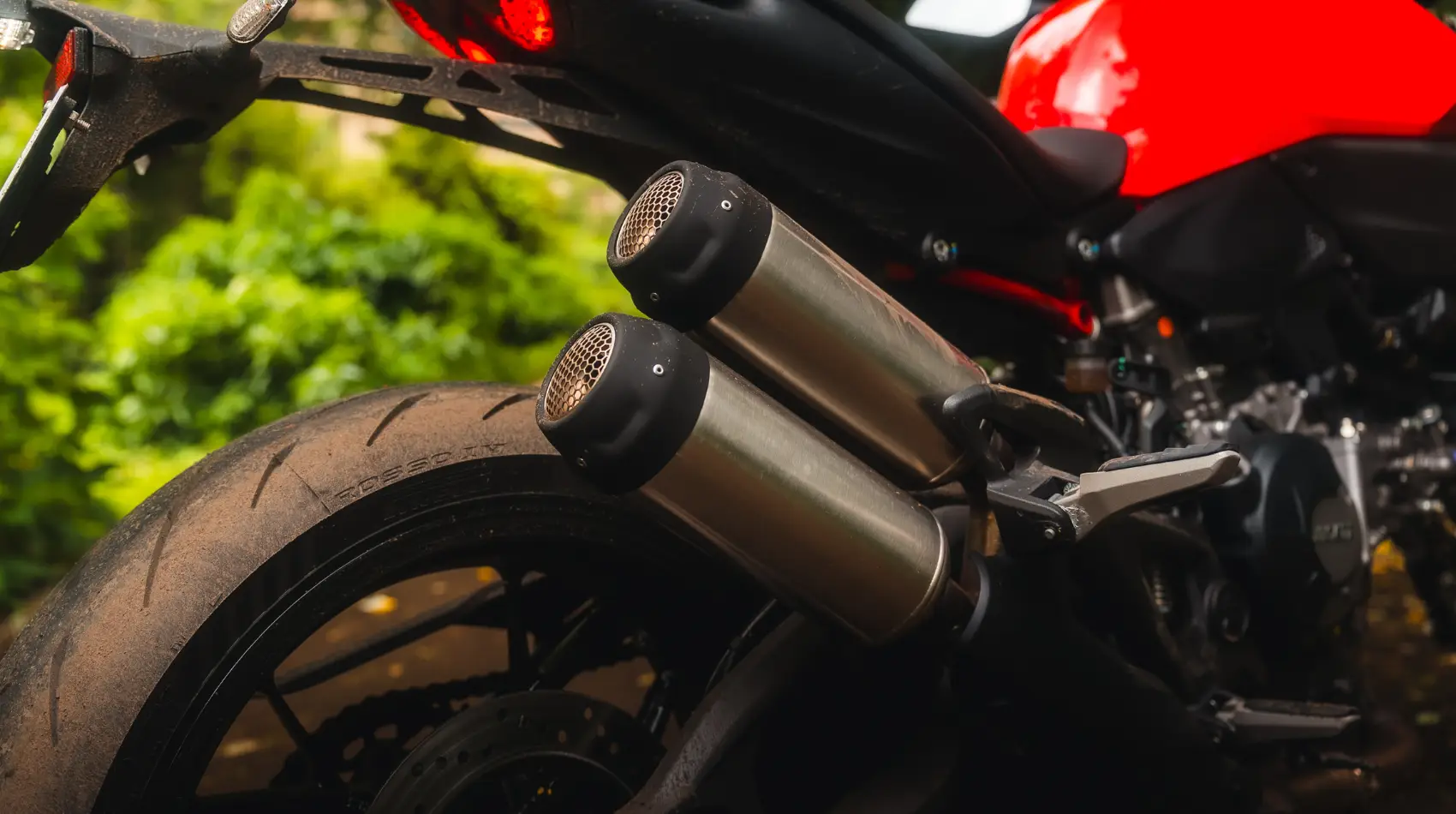
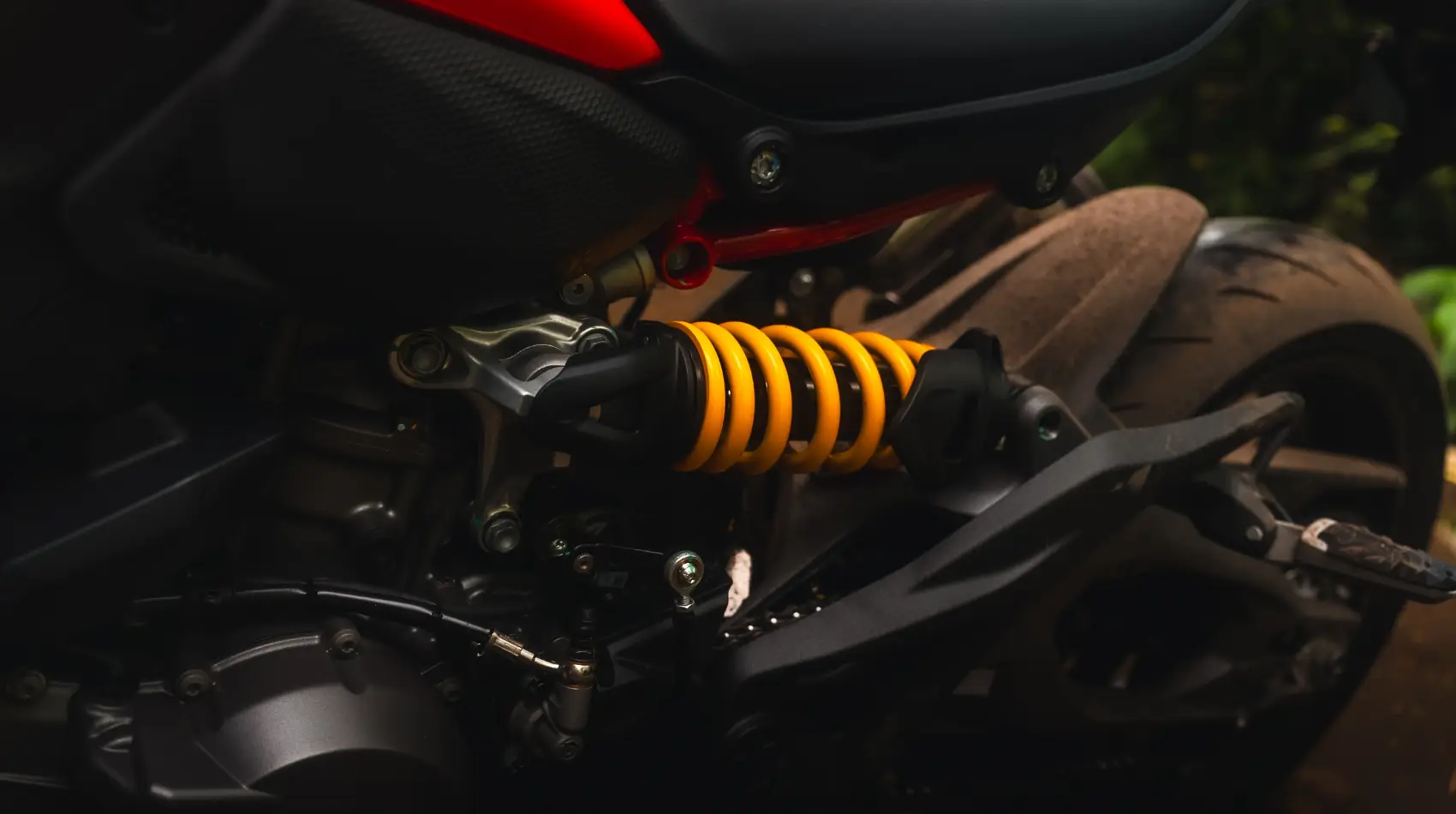
There’s also something satisfyingly mechanical about the way the side panels expose parts of the machinery beneath. The single-seat treatment helps, too. It gives the bike that compact, slightly antisocial stance that a Monster ought to have. And then there are the twin exhaust mufflers. They’re not revolutionary, but they add just enough visual drama to remind you that this isn’t some sanitised urban commuter wearing Ducati badges.
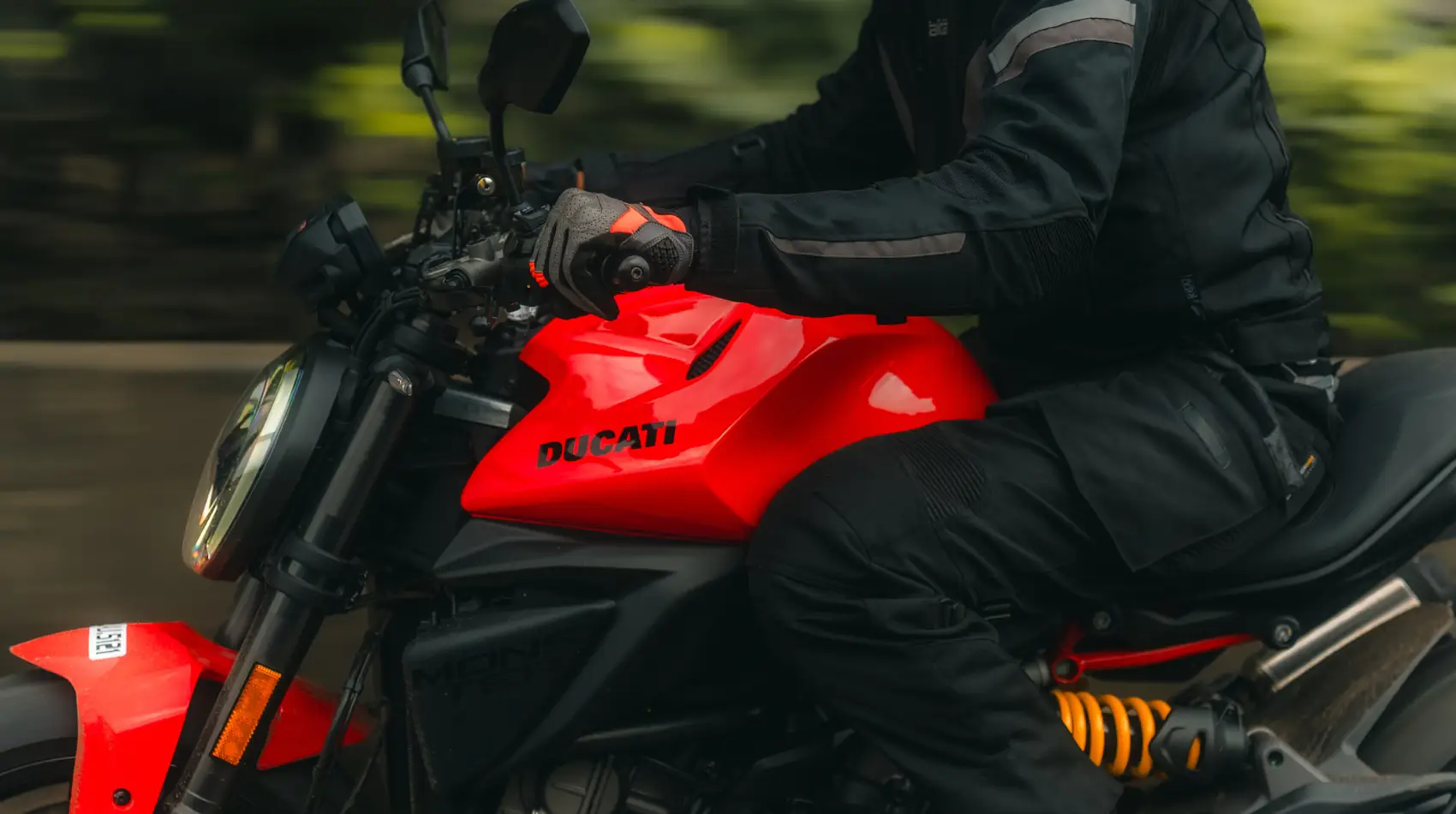
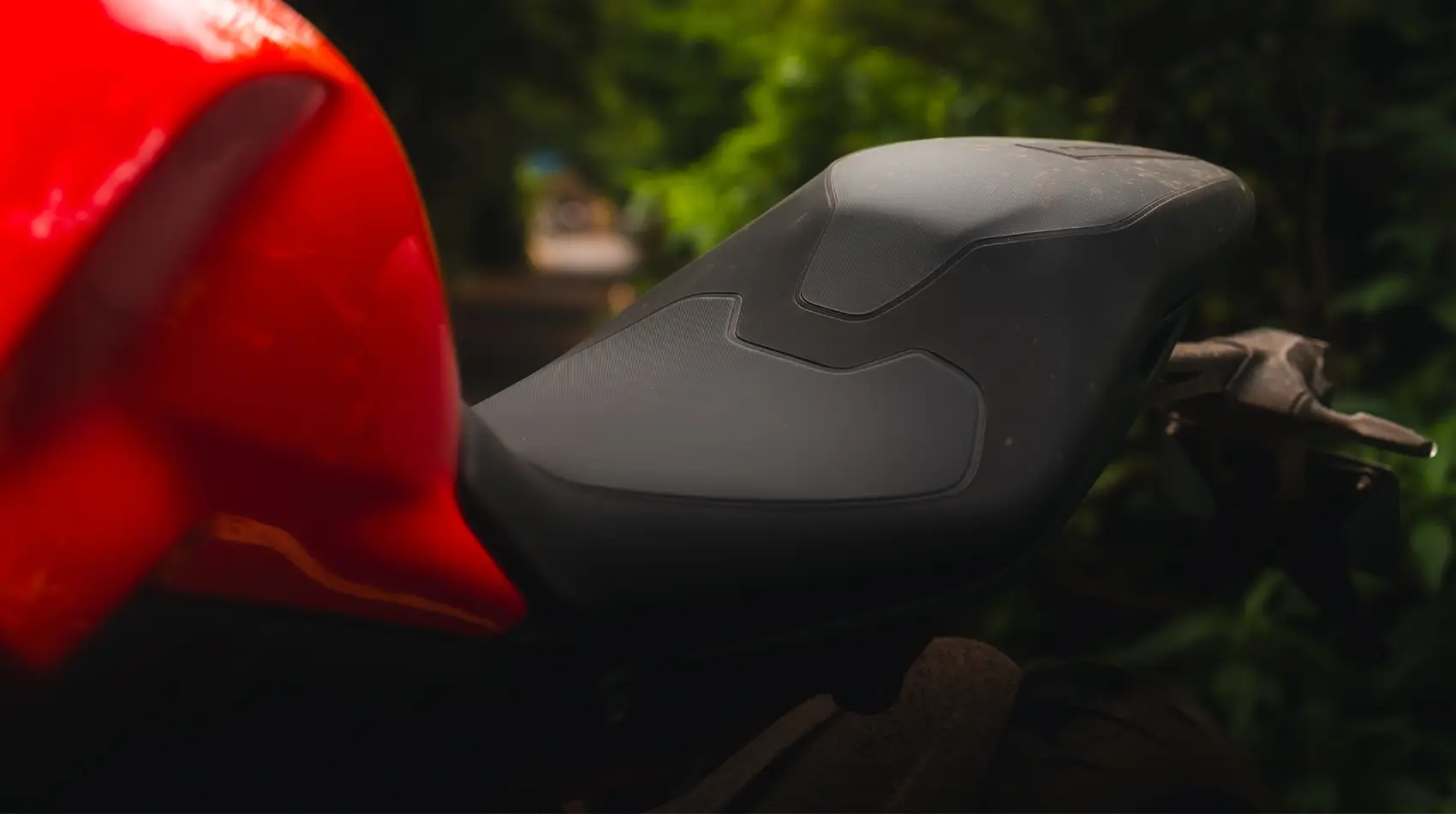
The proportions have changed in other important ways. The seat is now 795mm high, and the motorcycle feels narrower between the legs. That makes a difference almost immediately. The Monster is easier to get your feet down on, easier to shuffle around at low speeds and generally less intimidating than its muscular appearance suggests.
That, in many ways, is the defining quality of this motorcycle. It looks like it wants to start a fight, but it is remarkably easy to live with.
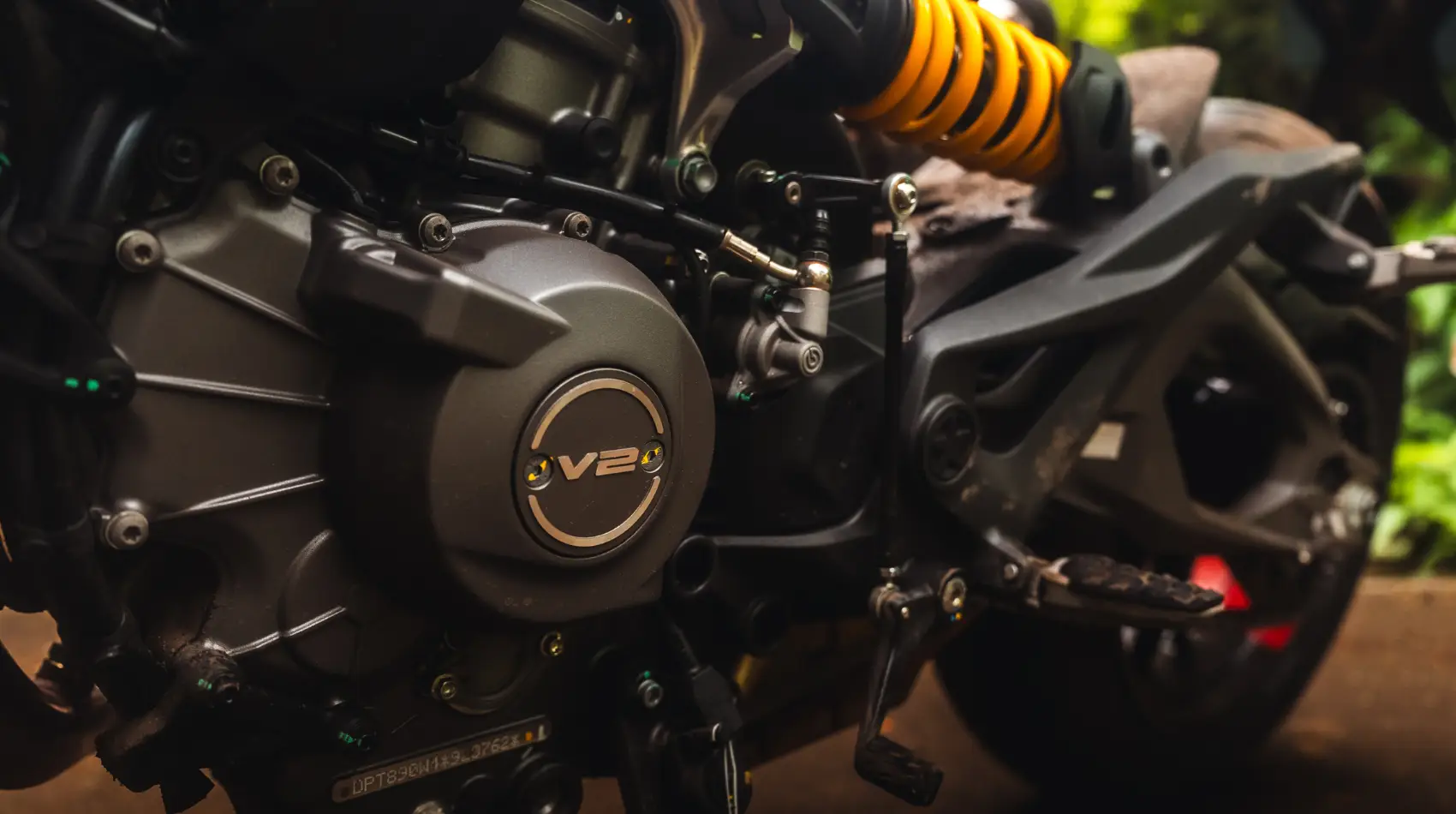
The Monster V2 is powered by an 890cc V-twin producing 111hp and 91.1Nm. Those are healthy numbers, certainly, but they don’t tell you what makes this engine special. The important number is 70. Seventy per cent of the engine’s peak torque is available at just 3,000rpm. That changes the character of the motorcycle dramatically.
I experienced it while threading the Monster through Mumbai’s suburban traffic and later on quieter, empty roads within its tarmacked forests. In both environments, the engine’s willingness to produce meaningful shove without demanding ridiculous revs is what stays with you.
You don’t have to wring its neck to make it move. You can be a gear too high, roll on the throttle and the Monster essentially tells you, “Relax, I’ve got this.” That is an unusually satisfying quality in a motorcycle with this much performance. There is no constant need to hunt for the perfect gear or keep the engine screaming to access the fun. The torque is simply there, waiting.
Ducati says more than 80 per cent of peak torque is available from 4,000rpm all the way to 10,000rpm. Unfortunately, Mumbai’s highways have a remarkable talent for turning every attempt at sustained high-speed riding into an exercise in patience. My time with the bike simply wasn’t long enough to properly explore the upper reaches of that rev range.
There is, however, a strong indication that this engine has plenty more to give once the road opens up. The technology behind it is equally interesting. The V2 uses Intake Variable Timing, or IVT, to broaden the engine’s usable character. The system helps balance the sort of low-end tractability you want in everyday riding with the ability to keep building power as the revs rise.
And you can feel that balance. The delivery is smooth and linear rather than arriving as one dramatic punch before going flat. It makes the engine remarkably approachable in town, while still leaving enough headroom to remind you that this is a Ducati V2 and not a particularly enthusiastic commuter.
Then there’s Ducati Quick Shift 2.0, which works both up and down the gearbox. The upshifts are quick and clean, as you would expect. But it is the downshifts I particularly enjoyed. The system blips the throttle to match engine speed, allowing you to drop a gear while approaching a corner without unsettling the chassis.
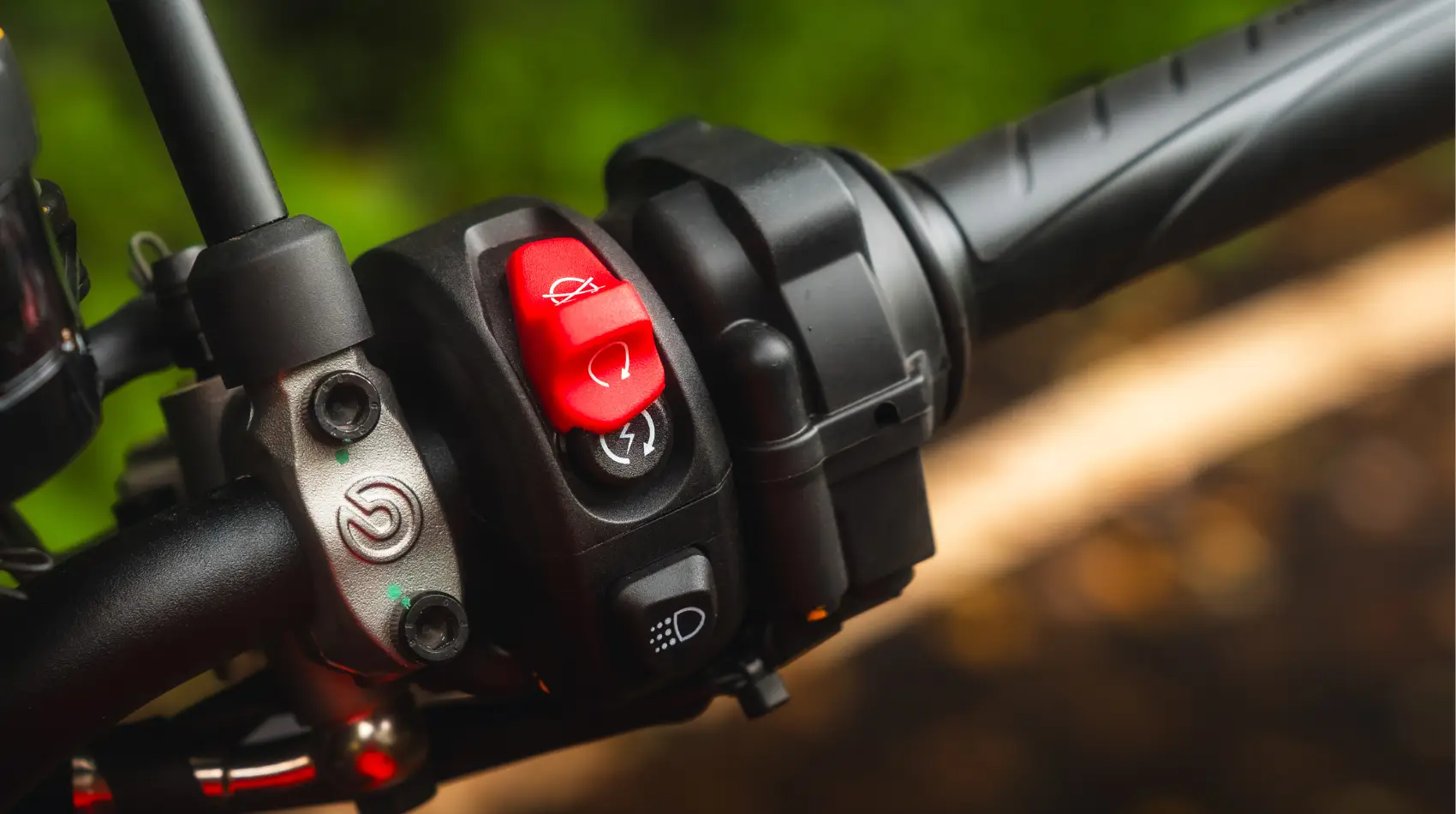
You also get four Power Modes, allowing you to alter how aggressively that performance is delivered. It is another reminder that Ducati understands modern performance motorcycles are no longer simply about maximum output. How that output reaches the rider matters just as much. And in this engine, the delivery is arguably more impressive than the headline figures.
At 175kg wet, without fuel, the Monster V2 is 4kg lighter than the outgoing model, according to Ducati. The interesting thing is that the weight reduction doesn't feel like a number buried in a press kit. You feel it.
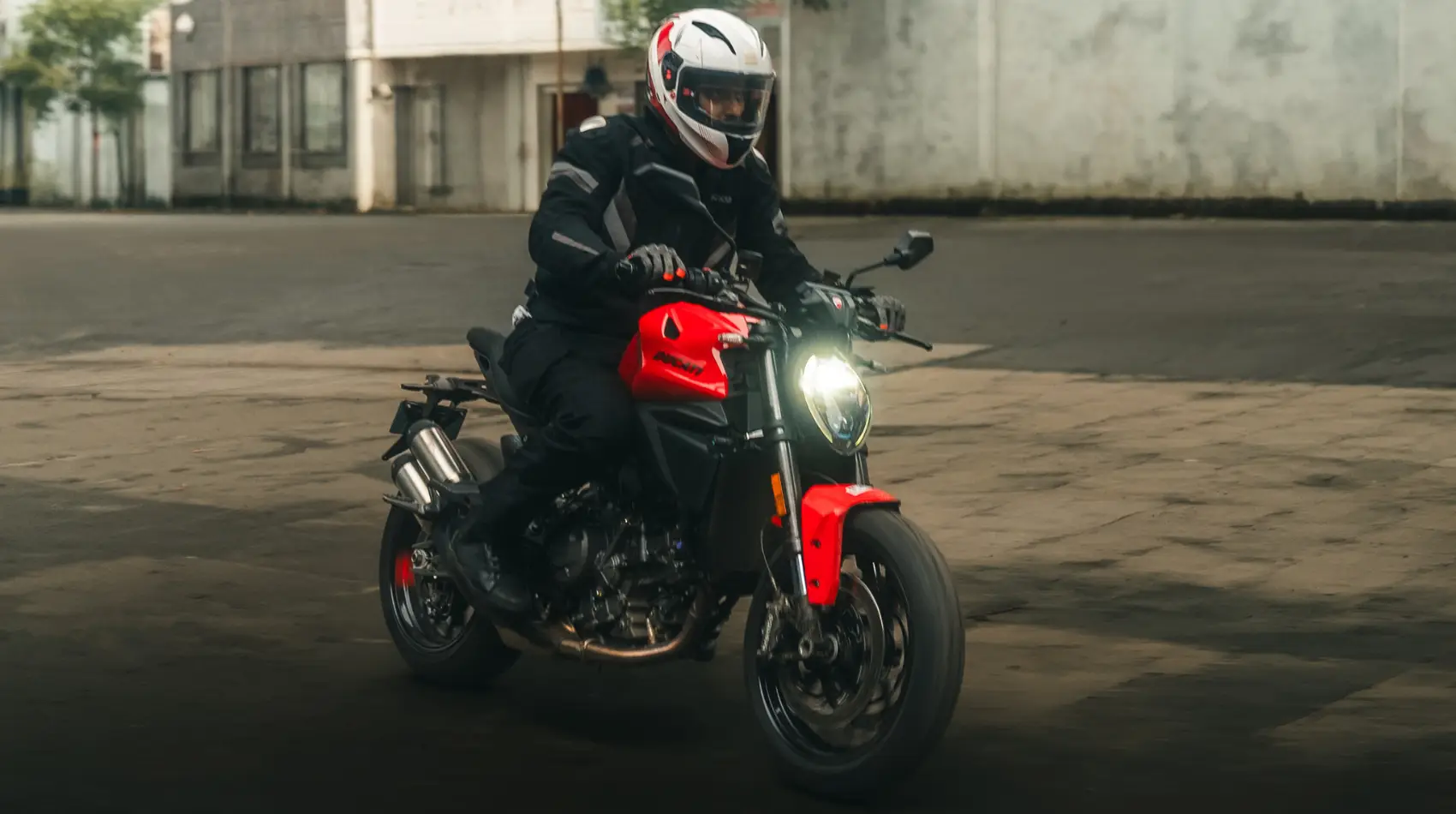
The Monster is properly light on its feet. It changes direction with very little effort, feels narrow beneath you and is remarkably easy to place on the road. Tight corners require little more than a nudge at the bars and a bit of commitment. The bike simply follows the instruction.
That matters enormously on a motorcycle like this. There are bikes that feel light when you read their specifications and then somehow become rather substantial once you’re riding them. The Monster is the opposite. Its physical dimensions, low seat and mass centralisation combine to make it feel considerably more agile than its 890cc displacement might suggest.
It also helps that the new seat is comfortably padded. The riding position isn't particularly aggressive, so short urban rides aren't an endurance test, while the chassis has enough composure to suggest that a proper track outing would be considerably more entertaining.
This is a motorcycle that can be enjoyed at sensible speeds. And, frankly, that's one of its greatest strengths. There is one rather hot problem Ducatis have never exactly been strangers to heat. The Monster V2 continues that tradition with enthusiasm. In flowing traffic, the heat isn't particularly bothersome. But when Mumbai decides to turn a perfectly innocent signal into a ten-minute stationary meditation session, things change. The heat builds around your legs, and after enough time spent crawling through traffic, even the seat starts feeling involved in the proceedings.
Once you're moving, airflow makes a substantial difference. But that's not particularly useful when you're trapped between an auto-rickshaw, a bus and approximately seventeen motorcycles at a red light. It is a familiar Ducati trait, but that doesn't make it less frustrating. For a motorcycle positioned as something you can comfortably use every day, managing engine heat in dense urban traffic remains an area where Ducati could do better.
The engine may be wonderfully tractable at low revs, but the cooling system clearly has its own ideas about how warm your morning commute should be. Plenty of tech, but not all of it comes free.
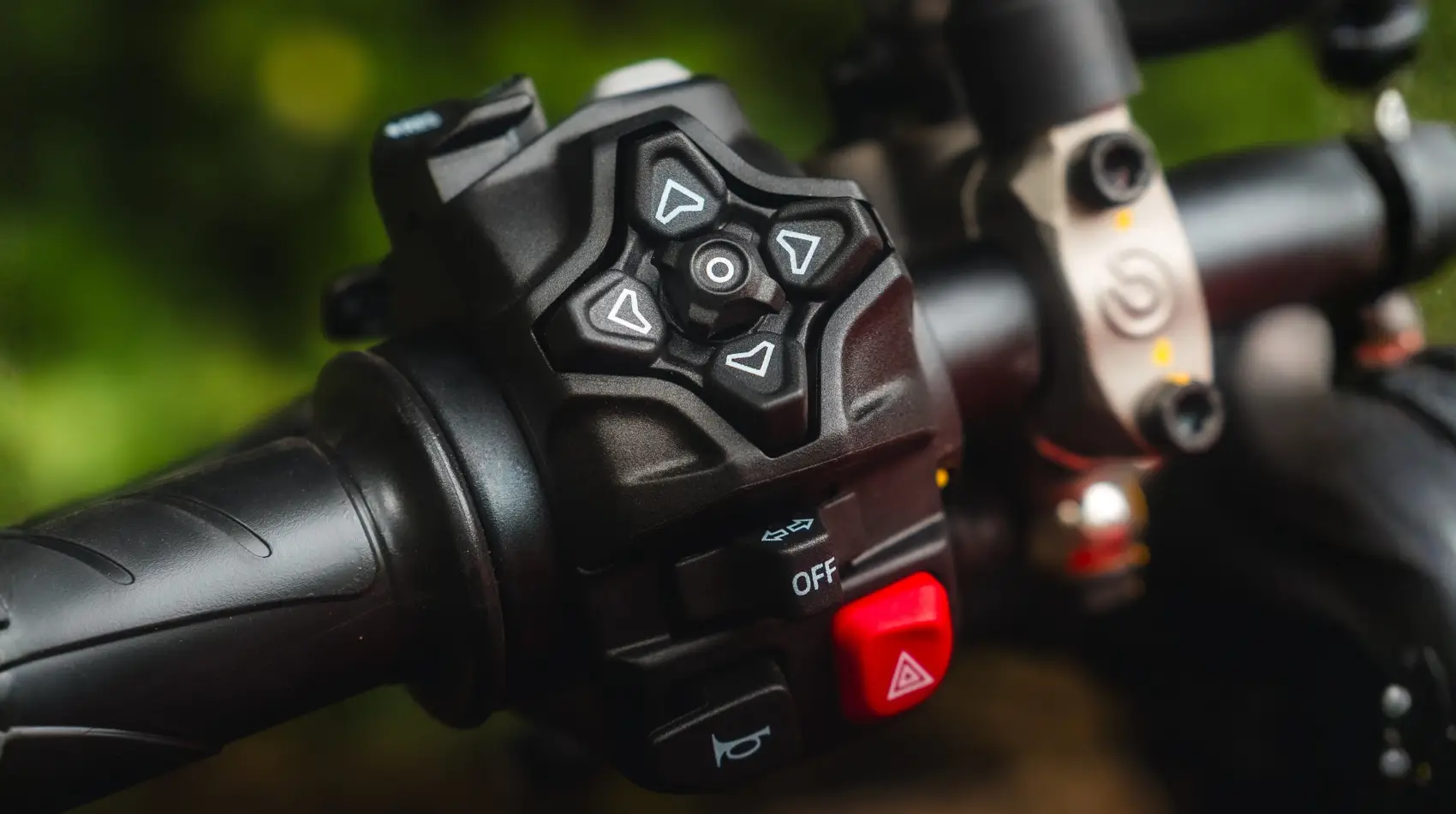
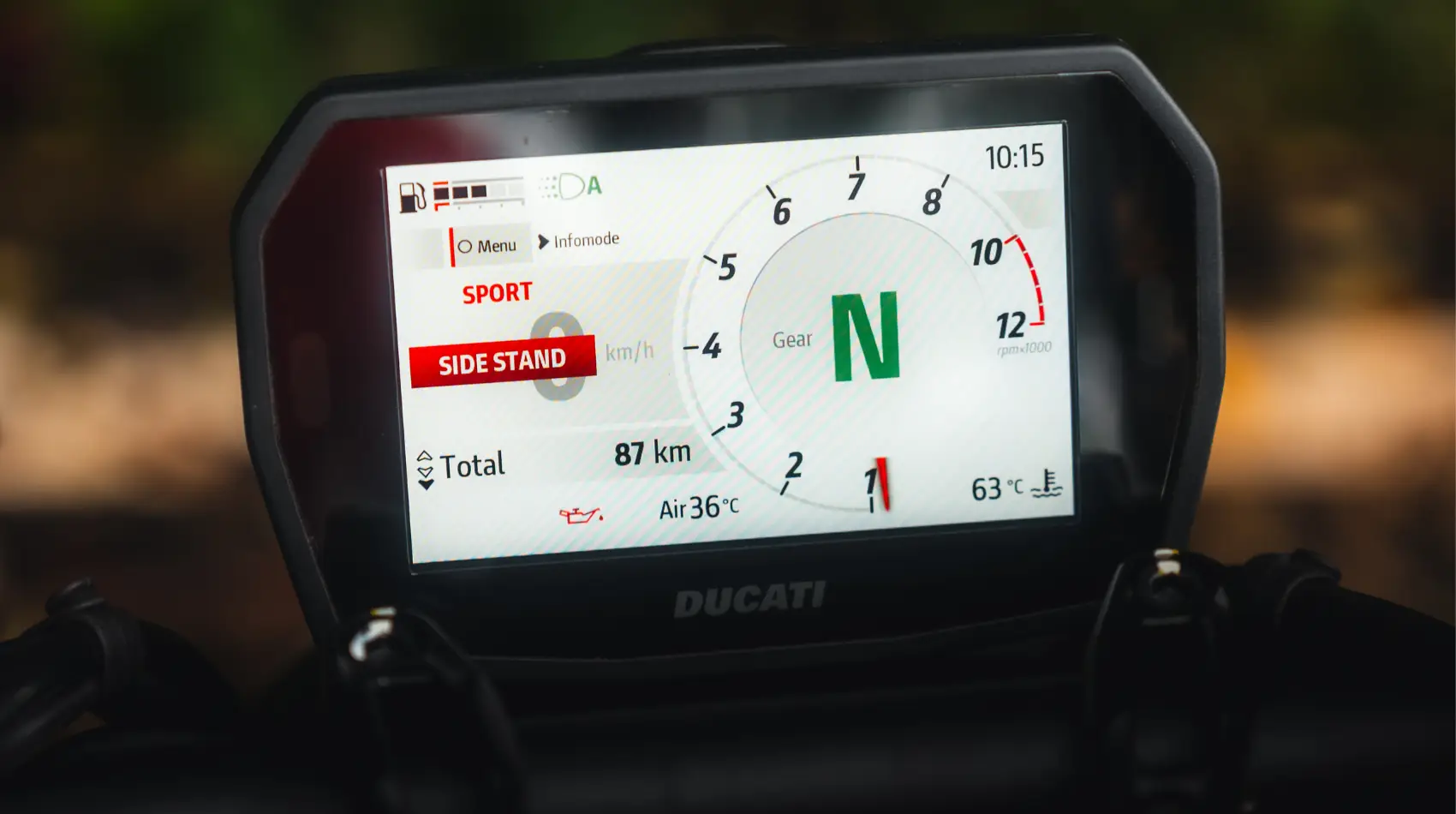
As you'd expect from a modern Ducati, the electronics package is comprehensive. The new 5-inch TFT display is 16 per cent larger and provides a clear interface for the bike's various riding modes and information. It isn't overloaded with unnecessary graphics, and switching between modes is straightforward.
Then comes the electronic safety net: cornering ABS, traction control, wheelie control and engine-brake control. The important thing is that these systems don't constantly announce their presence. They work in the background, allowing you to enjoy the motorcycle without feeling like you're riding a computer that happens to have two wheels.
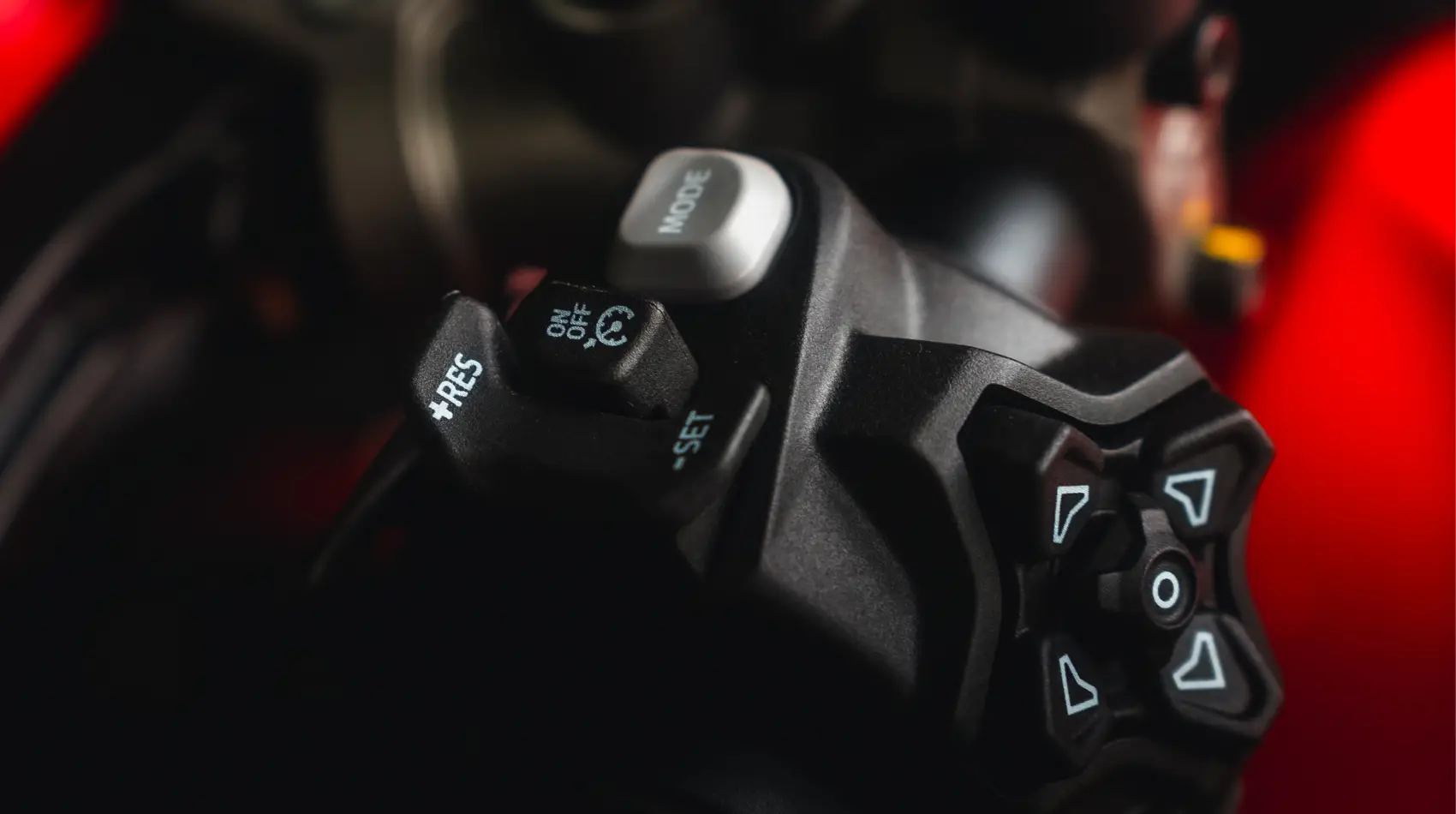
Ducati also offers turn-by-turn navigation, cruise control, Bluetooth connectivity and Ducati Power Launch, albeit as accessories. So while the Monster V2 is technologically capable, getting the full suite means opening the wallet a little further. At this end of the motorcycle market, that's not unusual, but it is worth remembering when you start configuring one.
Because the Monster itself is already approaching ₹14 lakh, the temptation to tick a few more boxes can become an expensive exercise rather quickly.
That depends on what you thought was broken. If you were among those who embraced the previous-generation Monster, there was very little to fix. The new engine, lighter construction, revised ergonomics and added technology are all welcome improvements, but the fundamental philosophy remains intact.
If, however, you were one of those riders who looked at the 2021 Monster and thought something had gone missing, the V2 makes a much stronger argument. Ducati hasn't brought back the trellis frame. It hasn't attempted to recreate the Monster of the 1990s, nor has it indulged in a retro exercise designed to appease the loudest voices in the enthusiast community.
Instead, it has done something more sensible. It has given the Monster more character. The tank is more muscular. The stance is more purposeful. The mechanical bits are more visible. The riding position is friendlier. And underneath it all is an 890cc V2 that delivers a remarkable amount of torque exactly where you want it. That low- and mid-range punch is the thing I suspect owners will remember long after they've forgotten the 111hp figure.
Is it perfect? No. It gets hot. The optional extras can push the price north. And at nearly ₹14 lakh, the Monster V2 is not an impulse purchase. But motorcycles aren't bought purely with spreadsheets. The Monster V2 makes sense because it feels like Ducati has stopped worrying about what the Monster used to be and started concentrating on what it should be now.