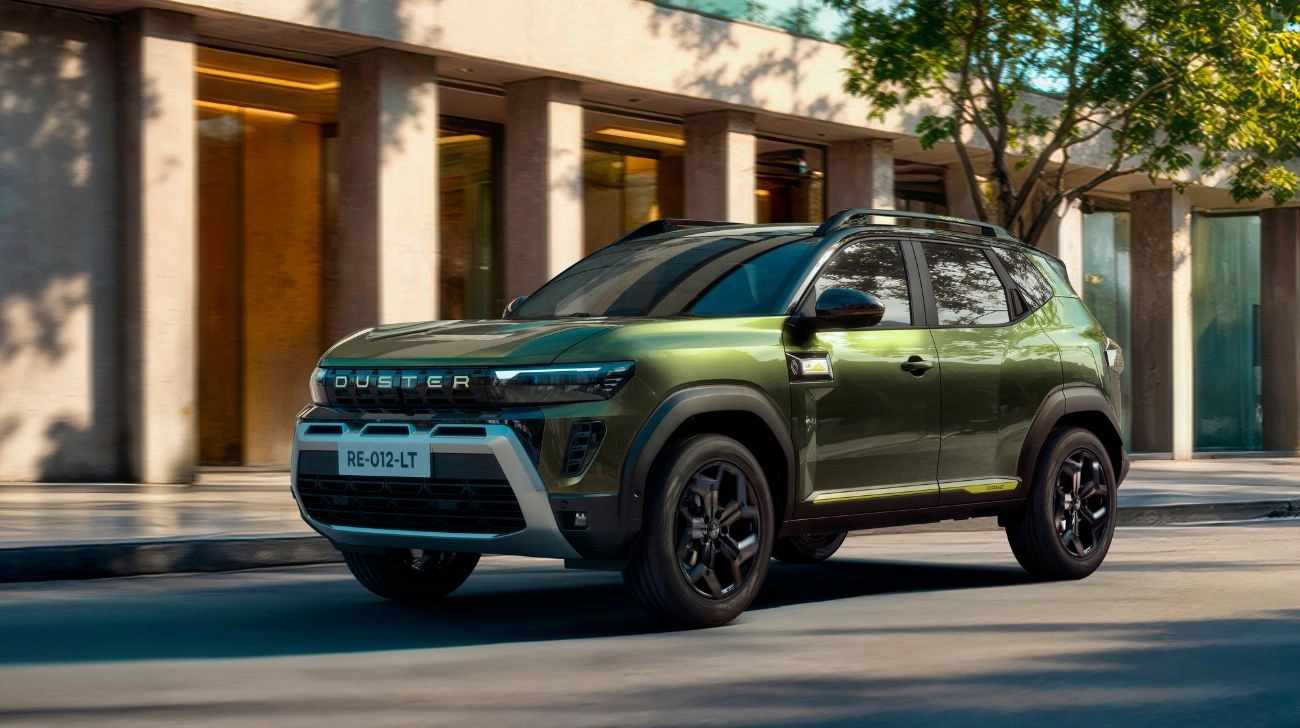
Back in 2012, the Renault Duster was the model that kick-started the compact SUV segment in India, rewriting the rules of the market in the process. Today, that very segment stands as one of the most fiercely contested in the country, accounting for the second-highest sales among passenger vehicles. Fast forward to 2026, and after a 4 year break, Renault has brought back the Duster in its third-generation avatar. With this much-anticipated return, competition in the compact SUV space is set to intensify even further, as the new Duster locks horns with established rivals such as the Hyundai Creta, Kia Seltos, Honda Elevate, Maruti Suzuki Victoris, Volkswagen Taigun, Tata Sierra, and Skoda Kushaq. The new Duster gets modern styling, is loaded to the brim with features and while it doesn’t get the option of a diesel engine or all-wheel-drive now, it does get the option of a strong-hybrid mill. So how does the all-new Renault Duster stack up against its competitors? Let’s find out.
Dimensions: Duster vs Rivals
|
Name |
Length |
Width |
Wheelbase |
Height |
Ground clearance |
|
Renault Duster |
4343mm |
1813mm |
2657mm |
1659mm |
212mm |
|
Tata Sierra |
4340mm |
1841mm |
2730mm |
1715mm |
205mm |
|
Maruti Victoris |
4360mm |
1795mm |
2600mm |
1655mm |
210mm |
|
Skoda Kushaq |
4225mm |
1760mm |
2651mm |
1612mm |
188mm |
|
Hyundai Creta |
4330mm |
1790mm |
2610mm |
1635mm |
187mm |
|
Grand Vitara |
4345mm |
1795mm |
2600mm |
1645mm |
210mm |
|
Kia Seltos |
4460mm |
1830mm |
2690mm |
1635mm |
190mm |
|
Honda Elevate |
4312mm |
1790mm |
2650mm |
1650mm |
220mm |
|
Volkswagen Taigun |
4221mm |
1760mm |
2651mm |
1612mm |
188mm |
When it comes to overall size, the midsize SUV segment showcases noticeable variations across models, each prioritising different strengths. The Kia Seltos emerges as the longest SUV in the group at 4,460mm, giving it a strong road presence. Close behind are the Maruti Suzuki Victoris (4,360mm) and the Tata Sierra (4,340mm).
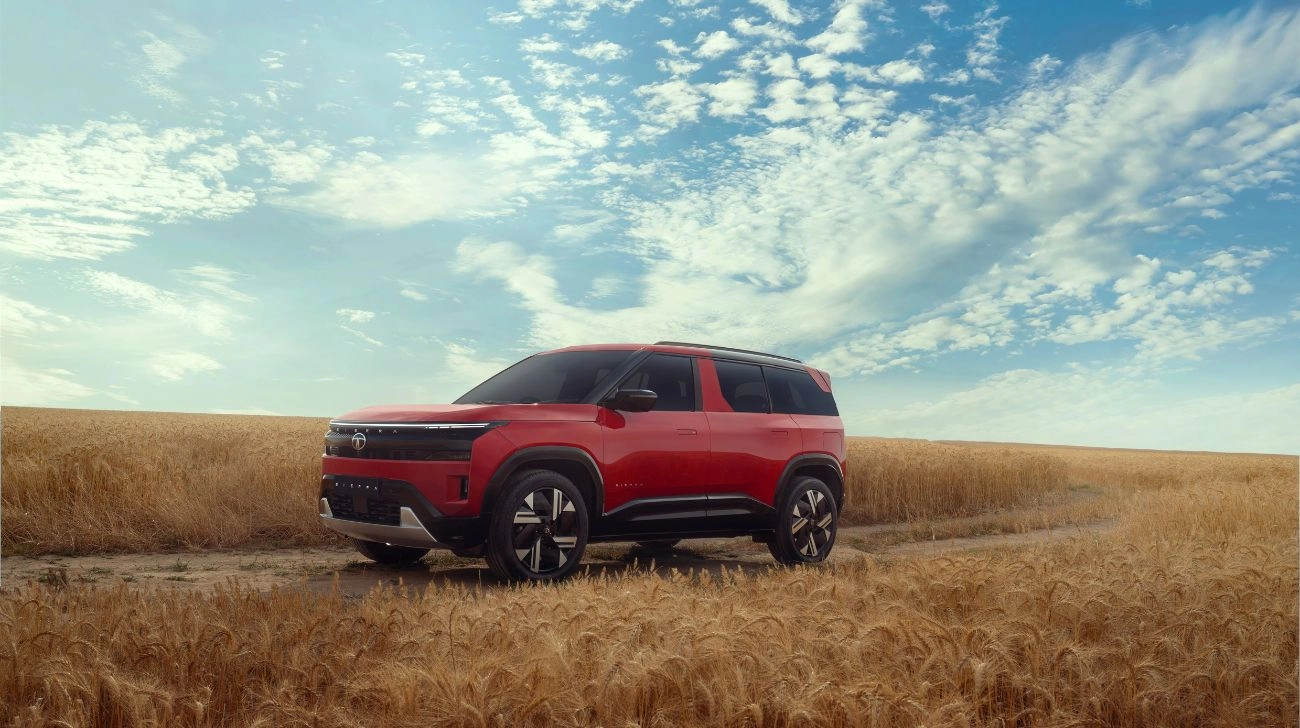
In terms of width, the Tata Sierra clearly stands out. Measuring 1,841mm across, it is the widest SUV here, which, combined with its boxy and upright design, translates into superior cabin space. The Sierra also boasts the longest wheelbase at 2,730mm and is the tallest model in the segment at 1,715mm, reinforcing its claim as the roomiest offering among its peers.
Ground clearance figures are equally competitive. The Honda Elevate leads this metric with an impressive 220mm, followed closely by the Renault Duster at 212mm and the Maruti Suzuki Victoris and Toyota Grand Vitara at 210mm each—figures that underline their off-road and rough-road credentials.
The new-generation Renault Duster measures 4,343mm in length, 1,813mm in width and sits on a 2,657mm wheelbase. While it may not be the longest SUV in this comparison, it strikes a strong balance between size and practicality. Its relatively wide stance gives it a planted road presence, while the generous wheelbase ensures good interior space for passengers. Where the Duster truly shines is ground clearance. At 212mm, it sits among the highest in the segment, bettered only by the Honda Elevate. This, coupled with Renault’s proven SUV tuning, makes the Duster well-suited for Indian road conditions, whether it’s broken city streets or occasional off-road trails. Against rivals like the Hyundai Creta, Kia Seltos, Skoda Kushaq and Volkswagen Taigun, the Duster positions itself as a more rugged and capable alternative, offering a blend of space, stance and go-anywhere ability rather than outright length or sleek proportions.
Engine and Gearbox options: Duster vs Rivals
The Renault Duster is offered with three different engine options: A 1-litre turbo-petrol engine which produces 99bhp and 160Nm of torque and it is paired with a six-speed manual transmission, a 1.3-litre turbo-petrol engine which produces 160bhp and 280Nm of torque and it can be paired with either a 6-speed manual or 6-speed dual-clutch automatic transmission. Renault has announced that they will be launching later this year Duster with a strong hybrid powertrain which will be a 1.8-litre engine paired with a electric motor and battery and they will produce a combined output off 160bhp and 172Nm of torque.
The Tata Sierra is offered with three different engine options: a 1.5-litre Revotron naturally-aspirated petrol mill making 104bhp and 145Nm torque with either a 6-speed manual or a dual-clutch automatic, a 1.5-litre Hyperion turbo-petrol with 158bhp and 255Nm torque with only a torque converter automatic, and a 1.5-Litre turbo-diesel that makes 116bhp and 260Nm torque when paired with a 6-speed manual transmission and 280Nm torque when paired with a torque converter automatic gearbox.
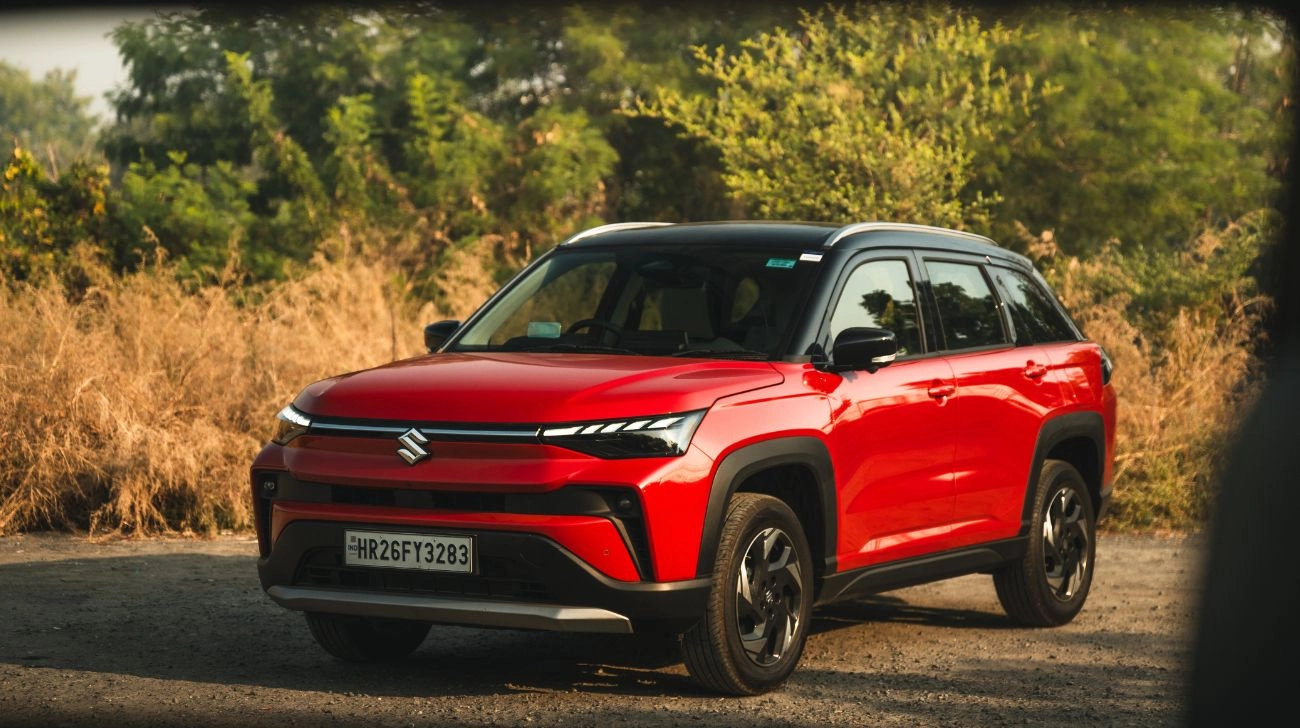
The Maruti Suzuki Victoris is offered only with a 1.5-litre petrol engine, but buyers can choose between a strong hybrid or a mild hybrid avatar of it: the latter makes is paired to an e-CVT gearbox and makes 116bhp and 141Nm of torque, while the former churns out 103bhp and 139Nm of torque. Maruti also offers its Allgrip AWD system with the Victoris.
Just like the Victoris, the Maruti Suzuki Grand Vitara is offered only with one engine. In fact it’s the same 1.5-litre naturally aspirated petrol mill with strong-hybrid or mild-hybrid tech and the Grand Vitara is also offered with all-wheel-drive.
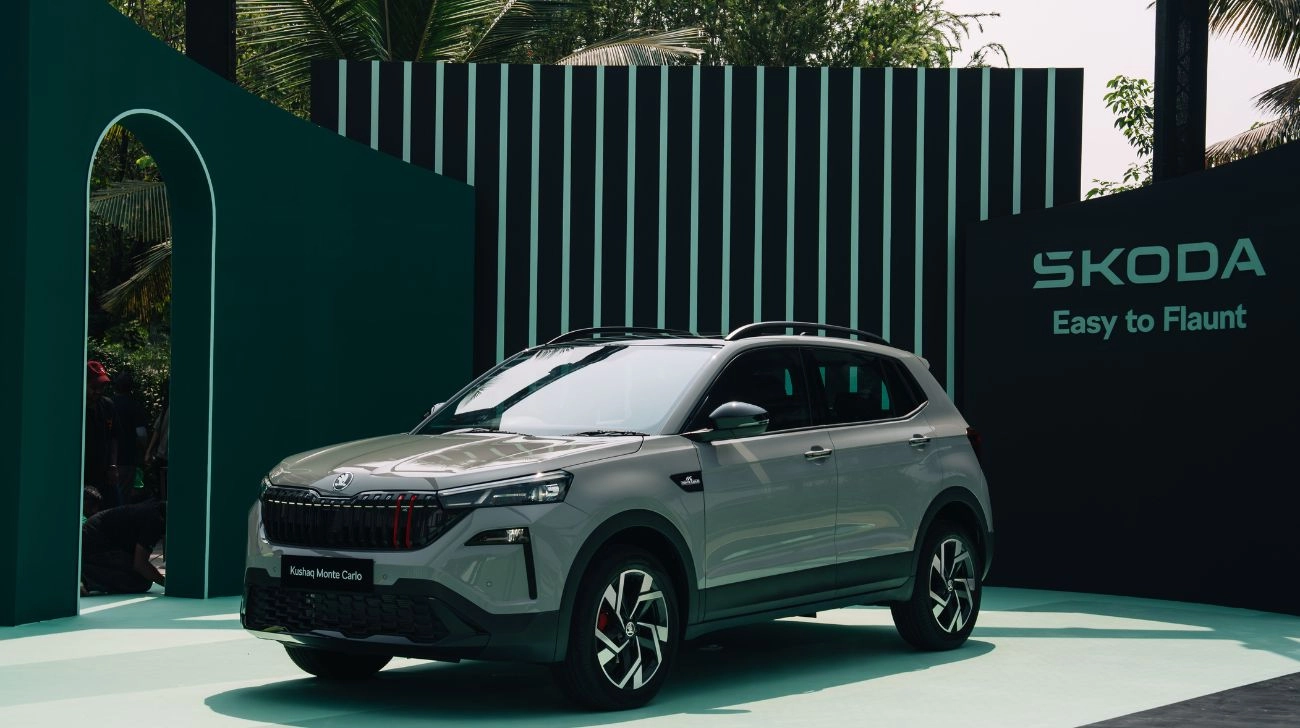
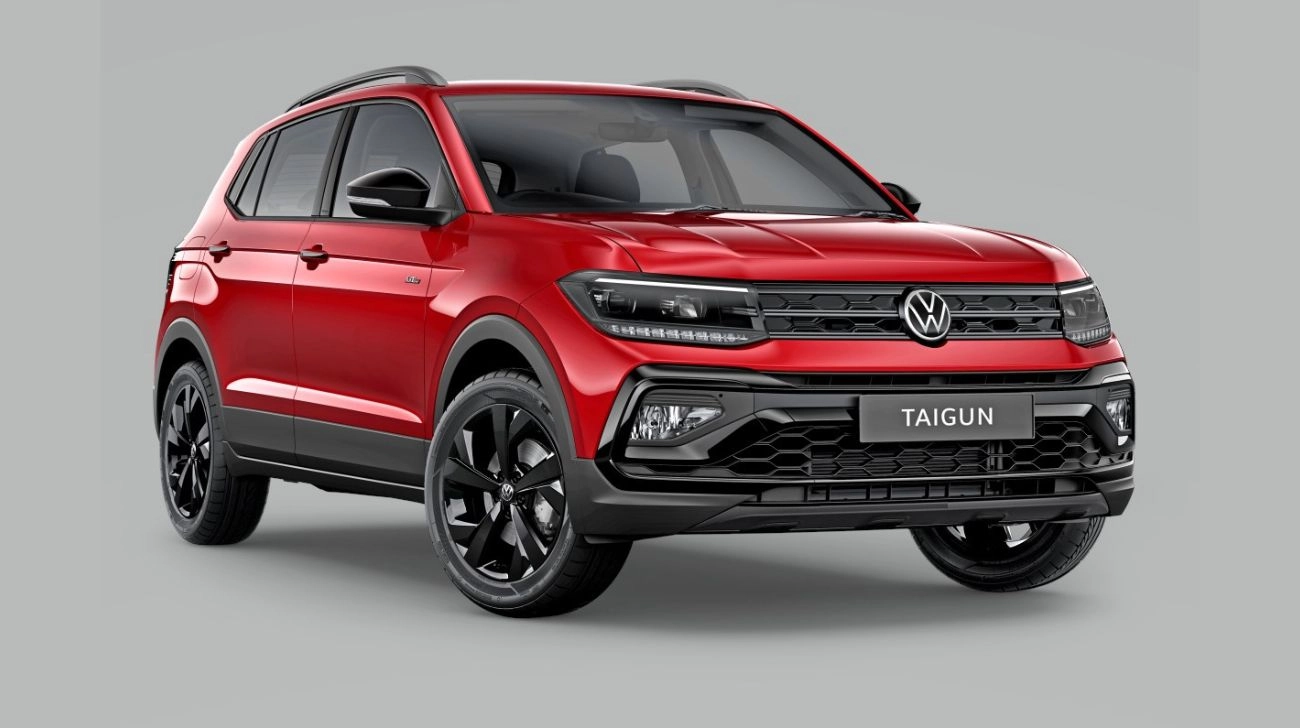
The Skoda Kushaq and Volkswagen Taigun are sister cars. They are offered with the same engines: two turbo-petrol mills: a 1-litre TSI that can be paired with six-speed manual transmission or eight-speed automatic (in the Skoda Kushaq) or a six-speed torque converter automatic (in the Volkswagen Taigun). This engine makes 114bhp and 178Nm torque. It also can be had with a 1.5-litre TSI engine which is rated at 148bhp and 250Nm of torque and paired with a seven-speed DSG.
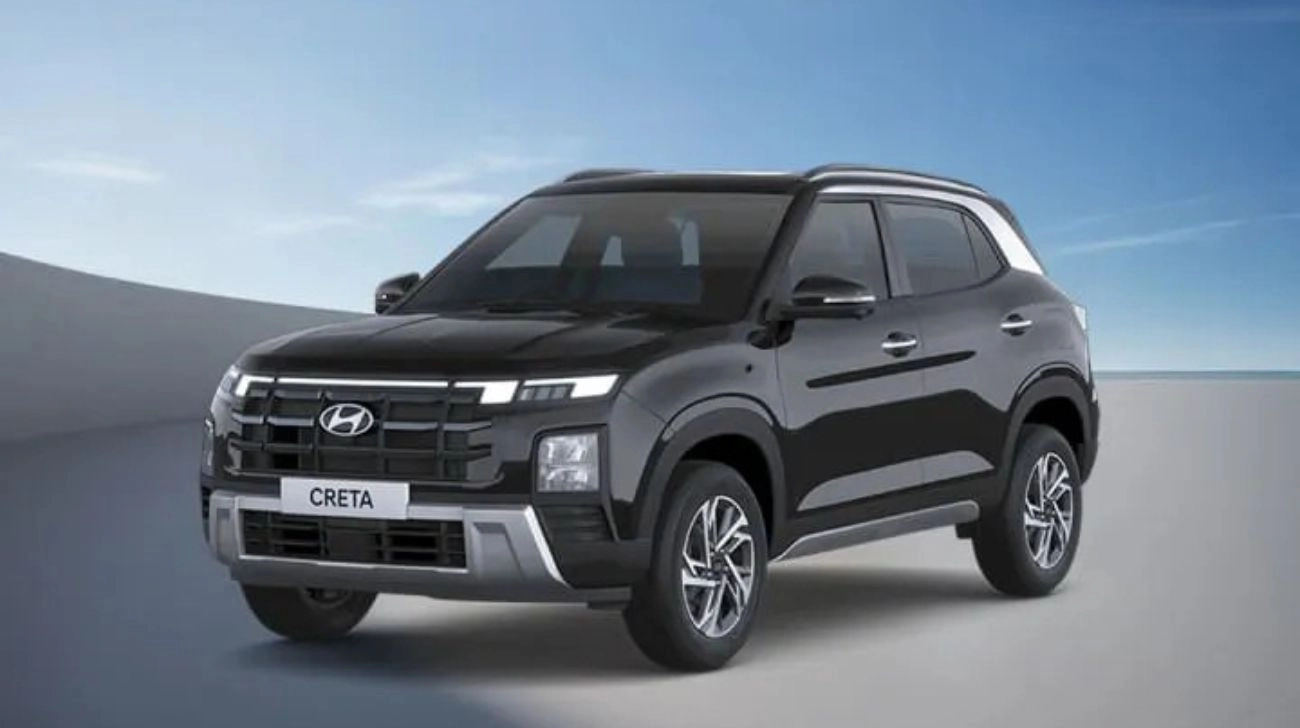
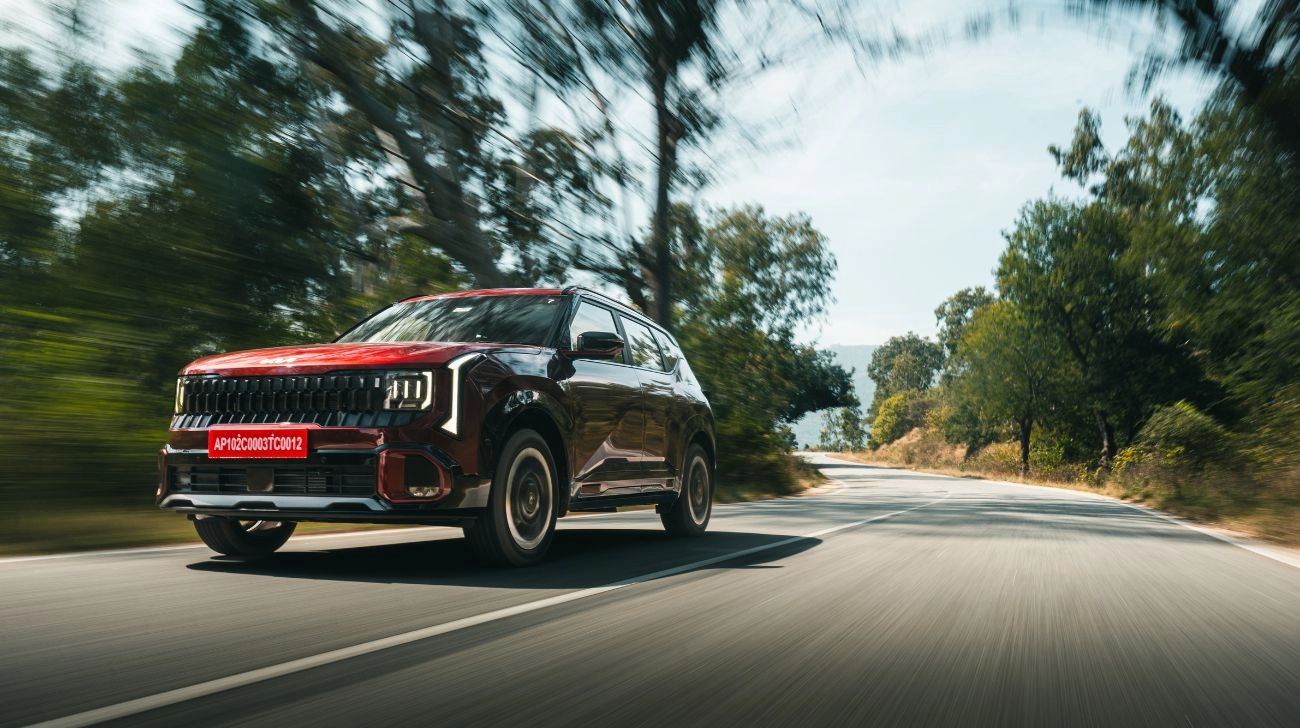
The Korean twins – the Hyundai Creta Kia Seltos – are offered with three different engine options: a 1.5-litre naturally aspirated engine paired producing 113bhp and 144Nm of torque, with a 6-speed manual transmission or a CVT. It also gets a 1.5-litre turbo-petrol engine, paired with seven-speed DCT, producing 158bhp and 253Nm torque, and a 1.5-litre diesel engine, paired with 6-speed manual transmission or a 6-speed automatic, producing 114bhp and 250Nm of torque.
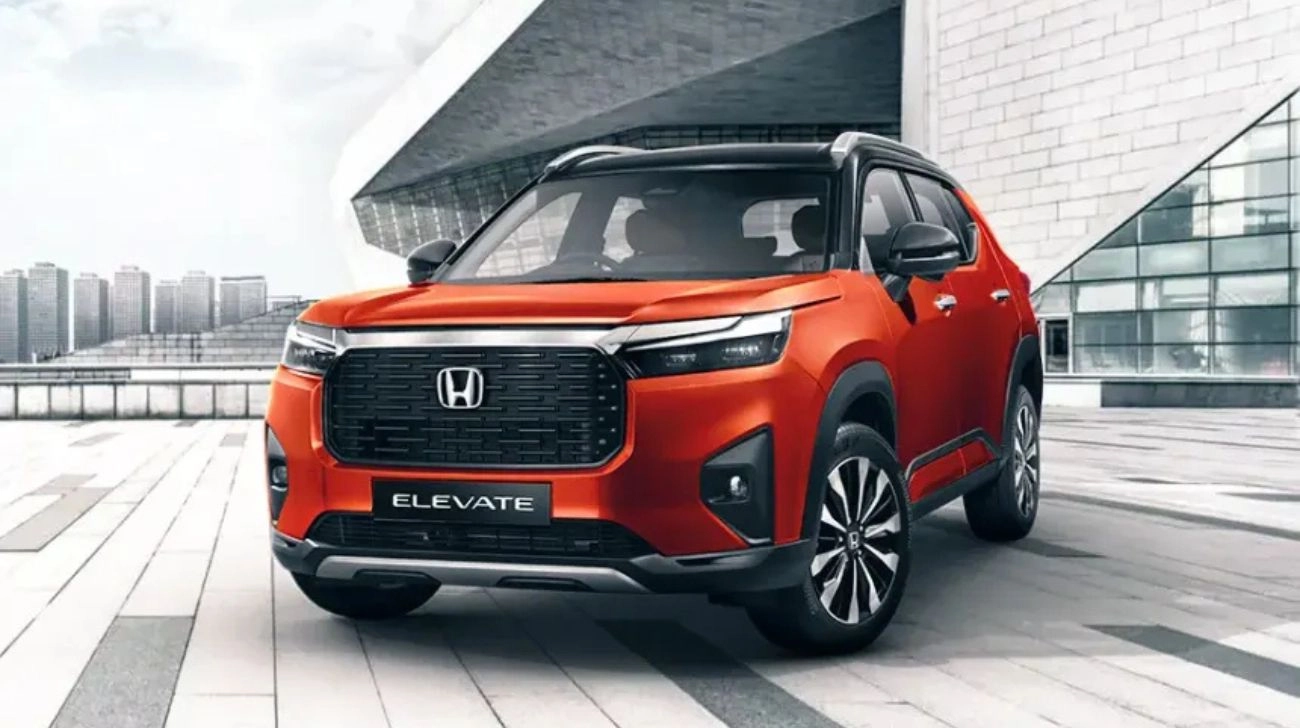
The Honda Elevate is offered with a sole 1.5-litre naturally aspirated petrol engine that can be paired with 6-speed manual transmission and 7-speed CVT automatic transmission; this engine produces 119bhp and 145Nm of torque.
The Tata Sierra, Hyundai Creta and Kia Seltos are the only cars to offer diesel engine options in this segment while the Maruti Suzuki Victoris and Grand Vitara are the only cars to come with all-wheel-drive. However Tata has confirmed that Sierra will also be offered with all-wheel-drive in near future, and also in an electric avatar. For now, the Duster offers the most powerful turbo-petrol engine in its segment, followed by the Sierra, Creta, Seltos, Taigun and Kushaq. Where the Maruti twins and Renault Duster seem to have an edge over it is on the efficiency front, in the petrol avatar as they are the only SUVs which offer strong-hybrid powertrain but the Maruti twins even offer the option of all-wheel-drive which makes them slightly more practical.
Features: Where does the Renault Duster excel?
In the midsize SUV segment, feature offerings vary widely, with each model choosing to prioritise certain areas while compromising in others. The Renault Duster presents a strong all-round package with modern infotainment, powered and ventilated seats, a panoramic sunroof, a powered tailgate and a comprehensive safety suite, but it misses out on a diesel engine and all-wheel drive, features that some buyers in this segment still value. Compared to rivals, it sits among the better-equipped SUVs overall, especially for technology and safety, though not the outright leader in luxury. The Tata Sierra focuses on space and comfort, offering one of the roomiest cabins, a large infotainment screen and a comfortable rear seat experience, but it falls short on outright feature count compared to Korean rivals and currently lacks some premium conveniences such as ventilated seats in lower trims. In feature terms, it ranks high for space but mid-pack for technology. The Hyundai Creta remains one of the most well-rounded offerings, with ventilated seats, dual-zone climate control and a wide range of convenience features, though it lacks a head-up display and all-wheel drive, placing it slightly behind the Seltos for premium appeal. The Kia Seltos stands out as the most feature-loaded SUV in the segment, offering extras like a head-up display, premium audio system and powered driver’s seat, but it sacrifices some rugged ability and does not offer all-wheel drive, making it more comfort-focused than versatile. The Maruti Suzuki Victoris offers a strong mix of technology and efficiency, with a large touchscreen, 360-degree camera and the rare availability of all-wheel drive, but it misses out on high-end interior touch and the interior is rather simplistic , placing it strong on usability rather than luxury. The Maruti Suzuki Grand Vitara prioritises fuel efficiency and reliability with its hybrid system but falls behind most rivals in terms of advanced features, lacking a 360-degree camera, ADAS and premium cabin tech, which puts it lower in the feature rankings despite its efficiency advantage. The Honda Elevate takes a simple and practical approach, offering essential features and good safety equipment, but it misses out on premium touches such as ventilated seats, a panoramic sunroof and a powered tailgate, positioning it towards the lower end of the segment for features. Finally, the Skoda Kushaq and Volkswagen Taigun focus on build quality and driving feel, offering clean interiors and solid safety, but they trail most rivals in feature richness, lacking items like a 360-degree camera, ventilated seats (in the Taigun) and more advanced comfort features, making them appealing to driving enthusiasts rather than buyers seeking the longest features list.
Verdict
The Renault Duster offers the most powerful turbo-petrol engine in the segment. It also offers bold and rugged looks with premium quality interiors. Pre-bookings for the Renault Duster are currently open, at ₹21,000. The official price announcement is expected in March, with the SUV likely to fall within the ₹10 lakh to ₹20 lakh range (ex-showroom). Deliveries of the turbo-petrol variants will begin in April, while the strong-hybrid version is scheduled to arrive before Diwali 2026.