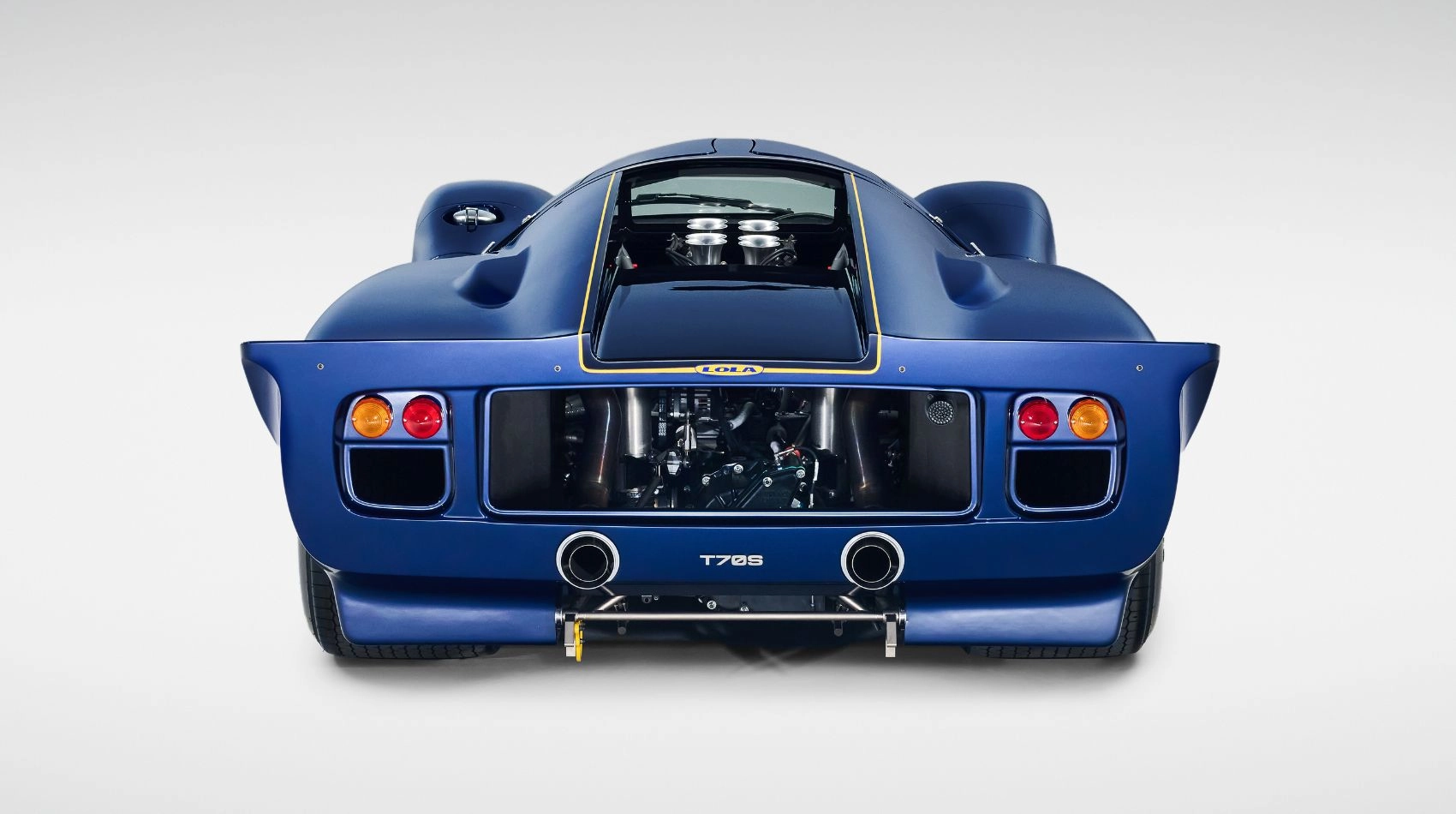
The return of the Lola T70 isn’t simply about reviving a historic nameplate — it’s about reintroducing a philosophy that has largely disappeared from modern performance cars. In a landscape increasingly defined by electrification, turbocharging and digital layers, the new T70S and T70S GT take a deliberate step in the opposite direction. They aim to deliver something far more direct: a lightweight, analogue driving experience that prioritises feel over outright complexity.
To understand the significance of this revival, it’s worth revisiting the original. The Lola T70 made its name in the 1960s, competing in Can-Am and endurance racing, including Le Mans. Known for its muscular V8 power and striking design, it became one of the defining race cars of its era. This new programme builds directly on that legacy, using original drawings and detailed 3D scans of the Mk3B to ensure visual and structural authenticity. The goal isn’t reinterpretation — it’s recreation, albeit with subtle modern enhancements where necessary.
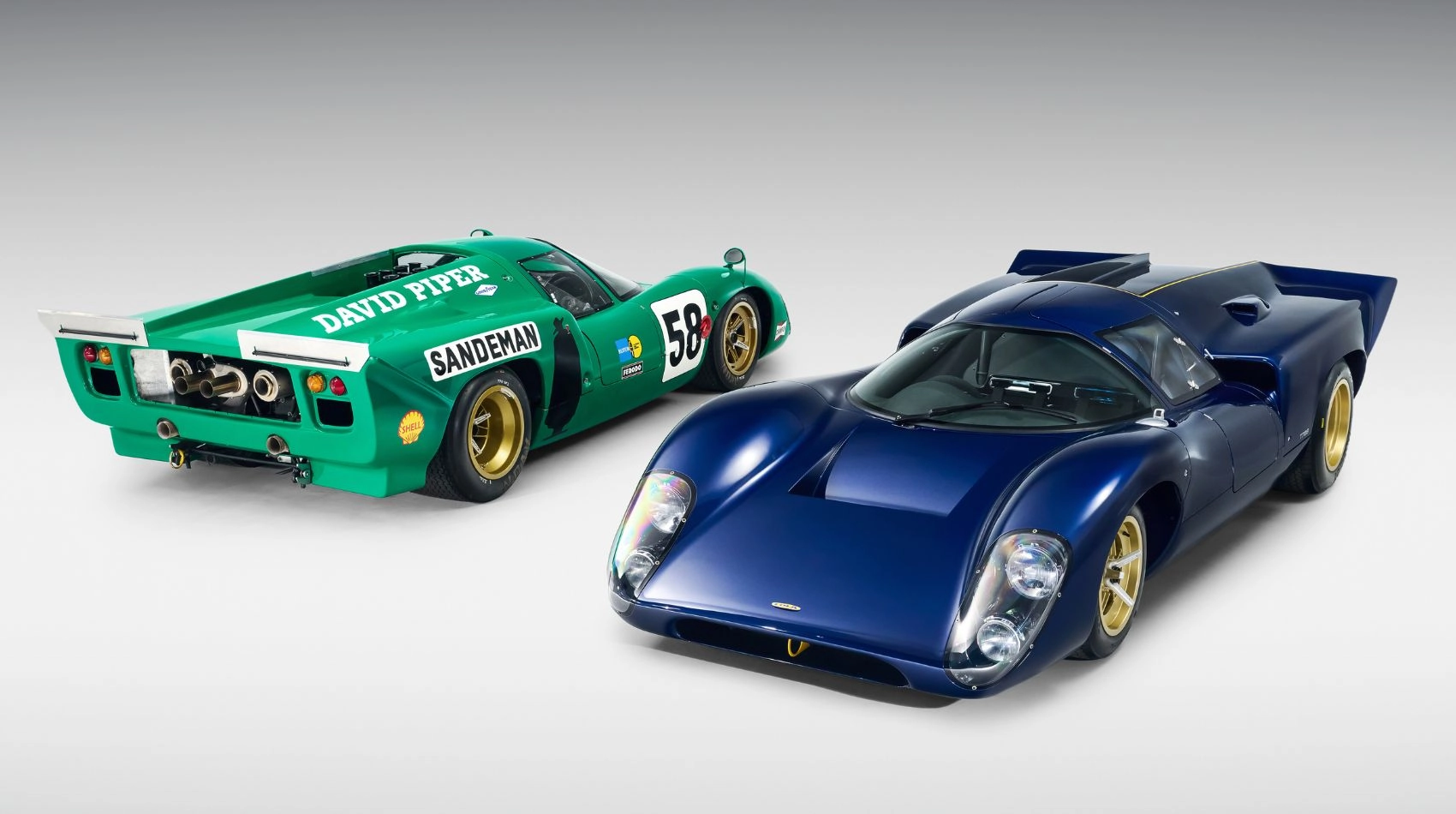
Two distinct versions are being offered, each catering to a slightly different audience. The T70S is the purist’s machine. Designed primarily for the track, it carries FIA Historic Technical Passport eligibility, allowing it to compete in historic racing events. It remains closely aligned with the original formula, powered by a naturally aspirated 5-litre Chevrolet V8 producing around 530bhp. This is paired with a period-correct transaxle, maintaining the mechanical character of the original car. With minimal weight and no electronic interference, performance is predictably intense, with a 0 to 100kmph sprint in approximately 2.5 seconds and a top speed exceeding 326kmph.
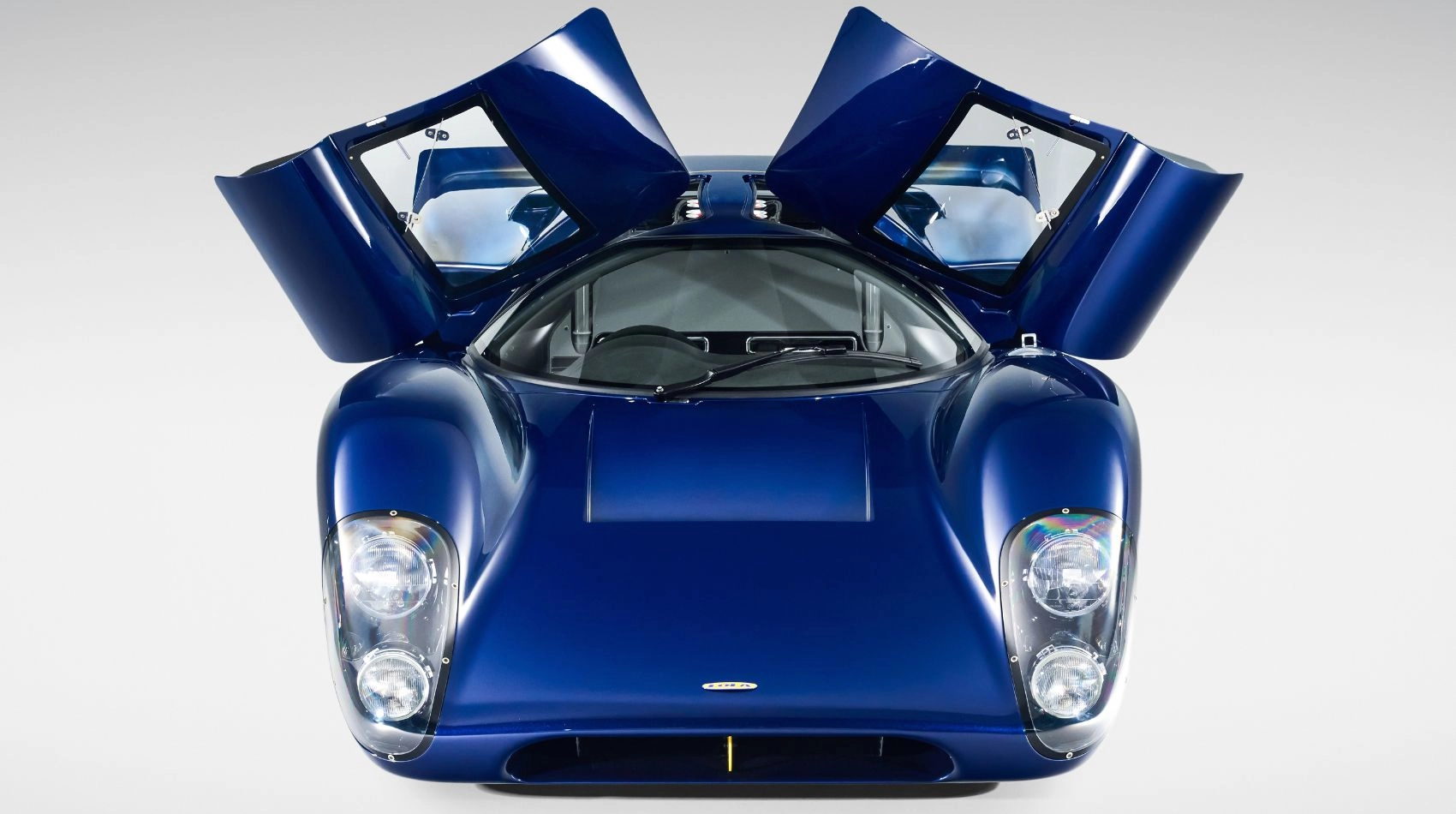
The T70S GT, on the other hand, broadens the car’s usability without straying too far from its roots. While still unmistakably a race car at heart, it introduces just enough practicality to make it usable beyond closed circuits. Power comes from a larger 6.2-litre Chevrolet small-block V8, producing around 500bhp and 617Nm of torque. This is paired with a six-speed manual gearbox, reinforcing the car’s analogue nature. Even with these adjustments, performance remains formidable, with a 0–100kmph time of roughly 2.9 seconds and a top speed in the region of 322kmph.
A key part of what defines both versions is their weight. The GT, for instance, weighs just 890kg, resulting in an exceptional power-to-weight ratio that rivals modern hypercars — despite lacking hybrid assistance or advanced transmission systems. This focus on lightness is central to the car’s philosophy, ensuring that performance is achieved through efficiency rather than complexity.
What’s particularly interesting is how this has been achieved. Lola has introduced what it calls the Natural Composite System, a modern approach to construction that replaces traditional materials like fibreglass and carbon fibre with a combination of plant-based fibres, basalt fibres and a resin derived from sugar cane waste. This not only reduces the environmental impact of production but also results in a structure that is both lightweight and strong. It’s a rare example of sustainability being integrated into a car that is otherwise rooted in old-school performance values.
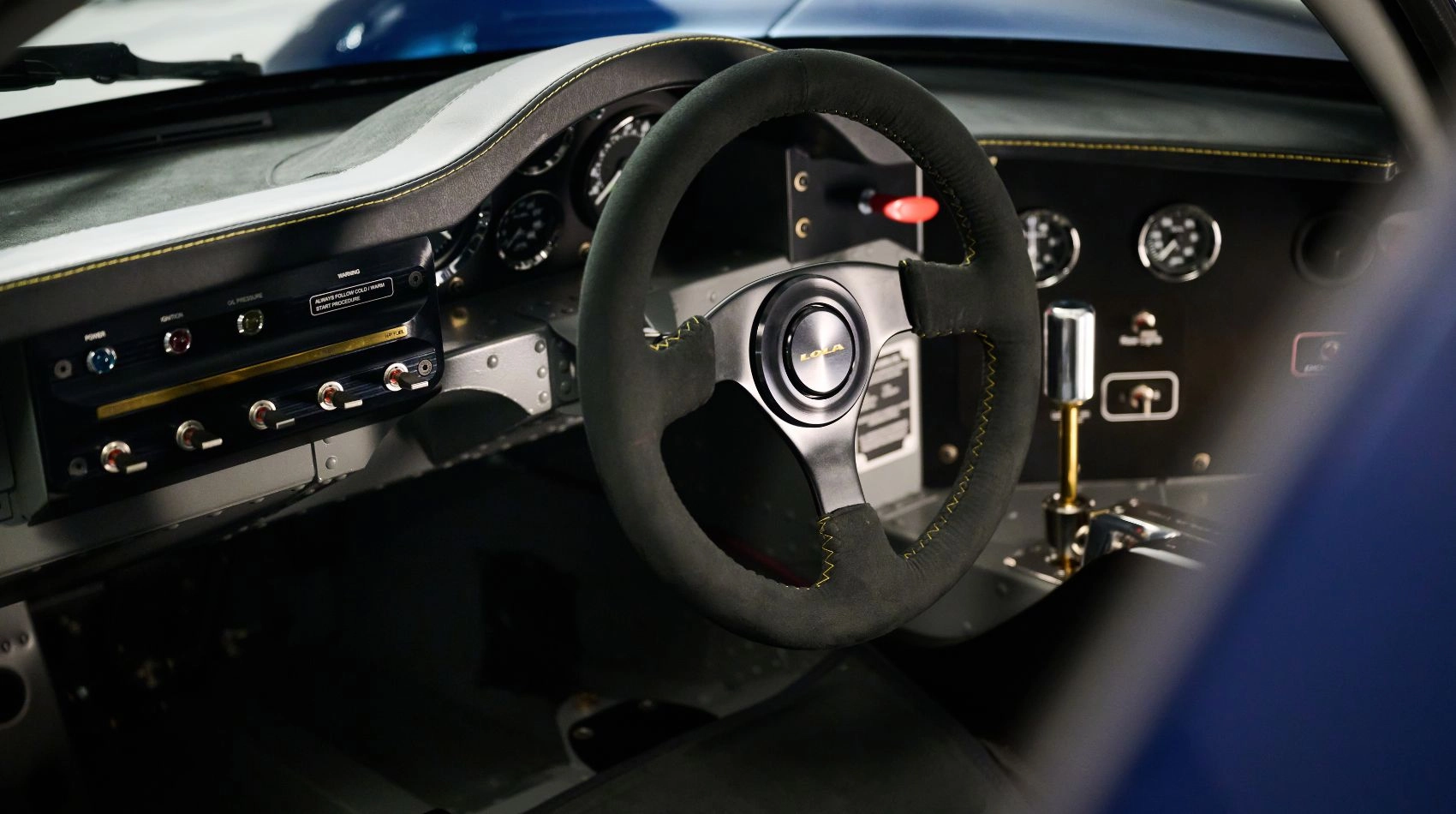
Inside, the cabin reflects this balance between past and present. The layout remains intentionally sparse, focused on driving rather than comfort. The T70S, in particular, sticks to a near-race-spec interior, with only the essentials in place. The GT version introduces a few concessions, such as climate control and limited storage, but these are implemented with restraint. There’s no attempt to modernise the experience unnecessarily — the emphasis remains on preserving the raw, mechanical connection between driver and machine.
That connection is ultimately what defines the new T70. There are no hybrid systems, no driver assistance technologies and no attempt to filter the experience. Instead, it relies on a combination of low weight, a naturally aspirated V8 and a manual gearbox to deliver performance in its purest form.
Production will be strictly limited to just 16 units, split between the T70S and T70S GT. That level of exclusivity, combined with its historical significance and analogue focus, ensures that this is far more than a continuation model.
In many ways, it’s a counterpoint to the direction the industry is heading in — a reminder that performance doesn’t always need to be more complex to be more engaging.