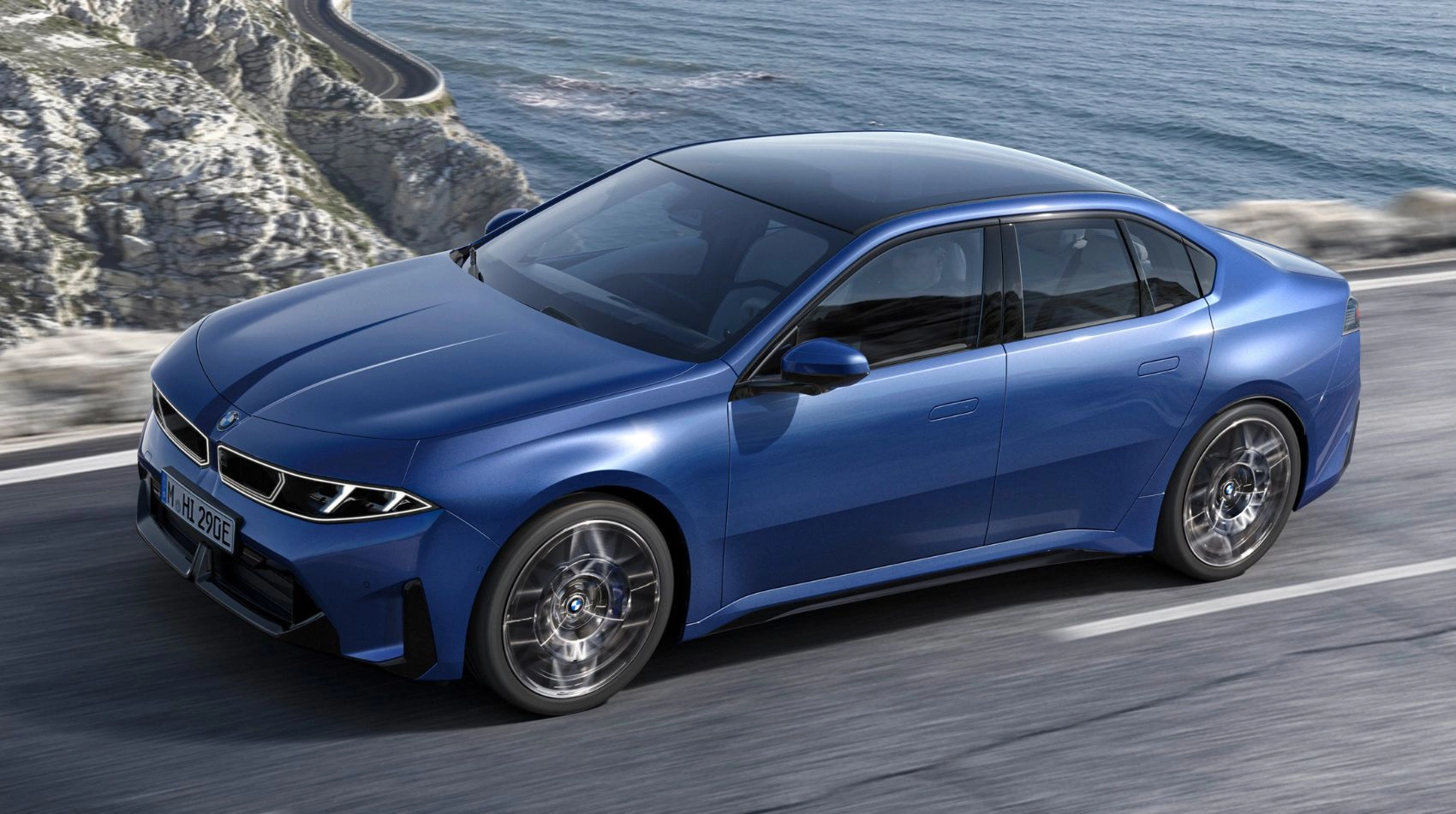
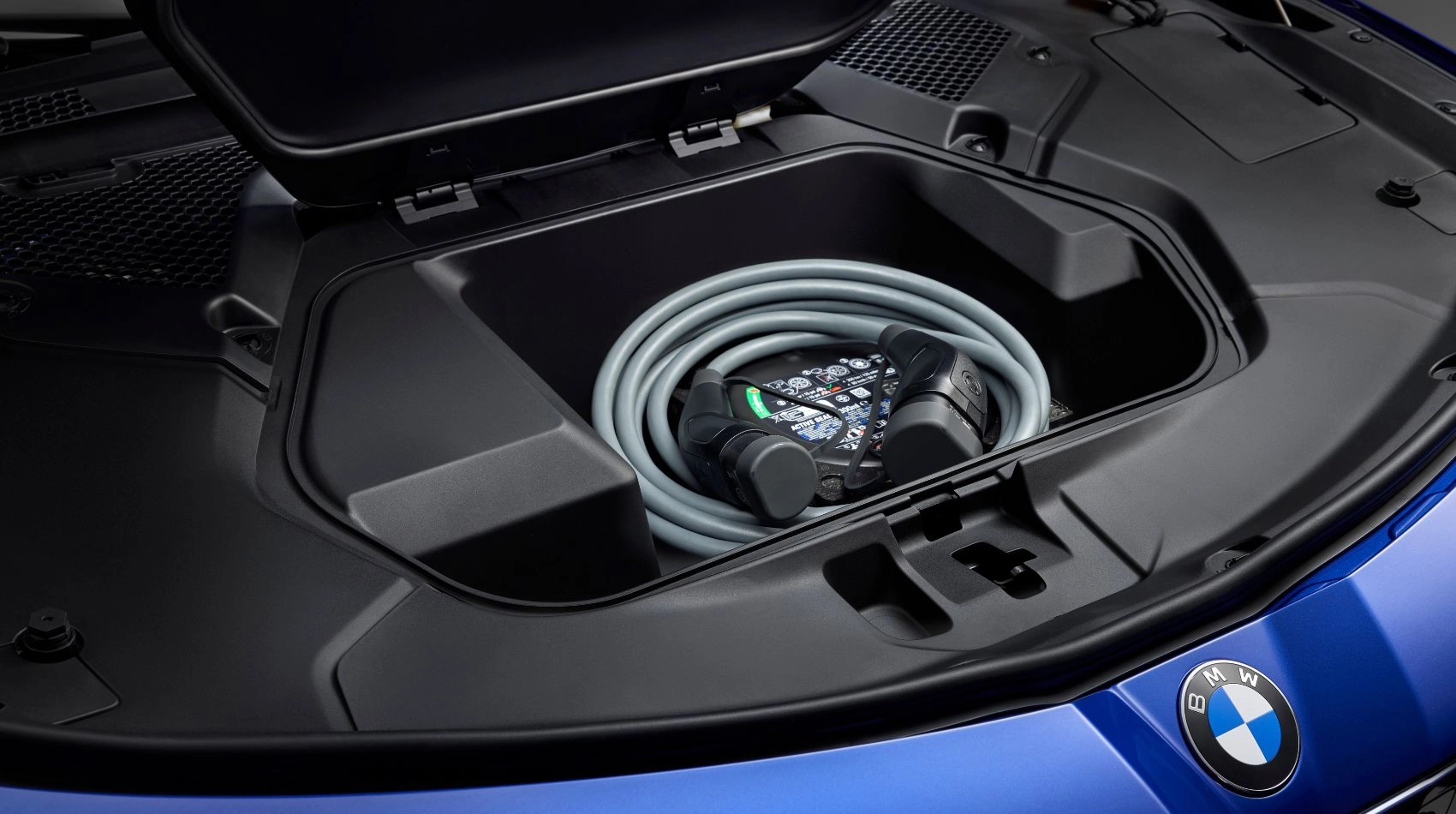
BMW has unveiled an all-new i3, positioning it as the fully electric alternative to the popular 3 Series. Unlike the earlier i3 hatchback, this new model is a proper sedan and marks a major shift in the brand’s approach to electric cars. It is built on BMW’s next-generation “Neue Klasse” platform, which will form the base for a whole new family of EVs in the coming years. It's the second car to be based on this architecture and design philosophy.
The new i3 is designed to sit alongside petrol-powered 3 Series models rather than replace them outright. It follows the same naming strategy seen with larger BMWs, where electric versions exist alongside their conventional counterparts. This makes the i3 a key part of BMW’s plan to offer both electric and combustion options within the same model range.
New platform and bigger proportions
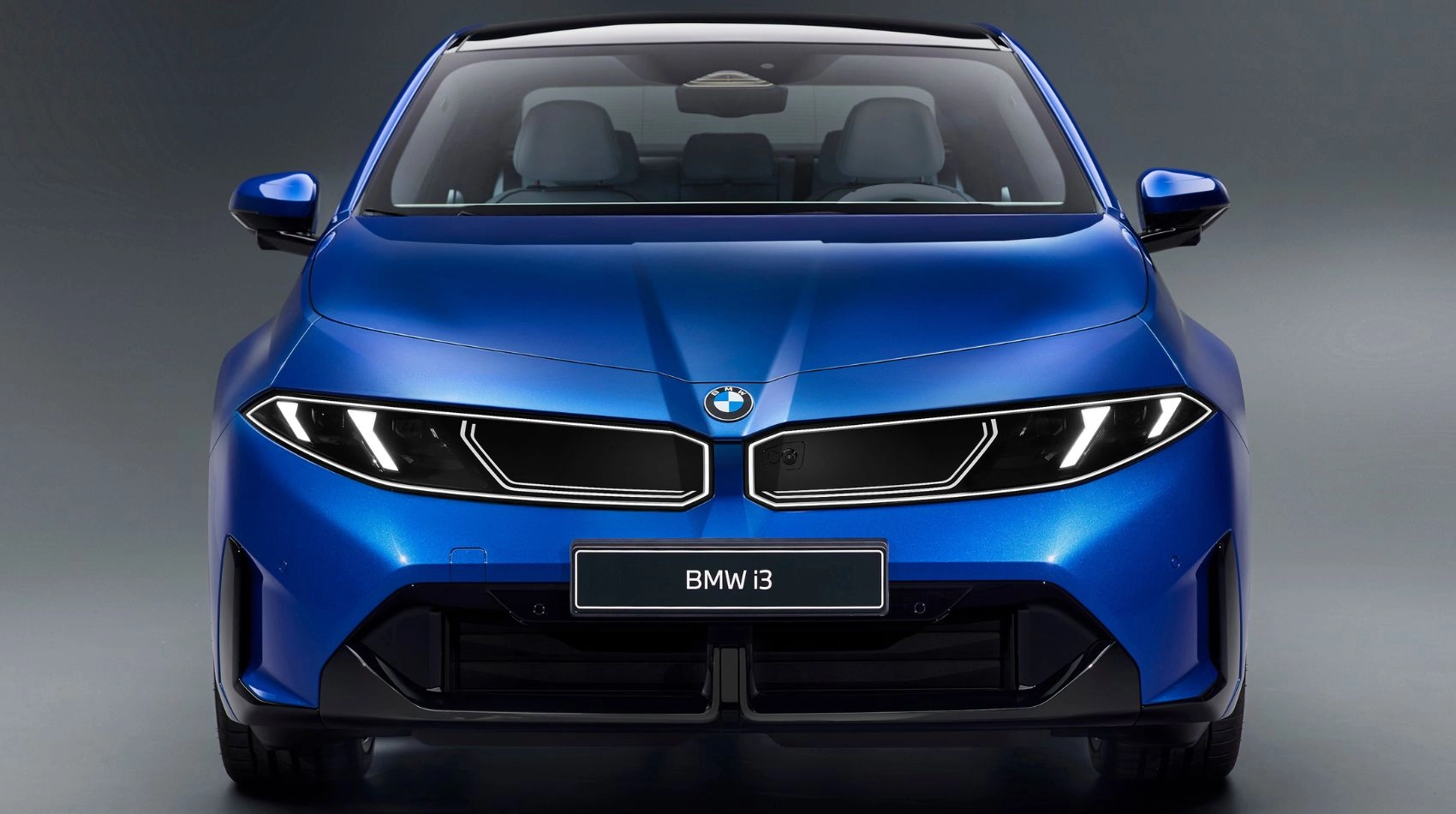
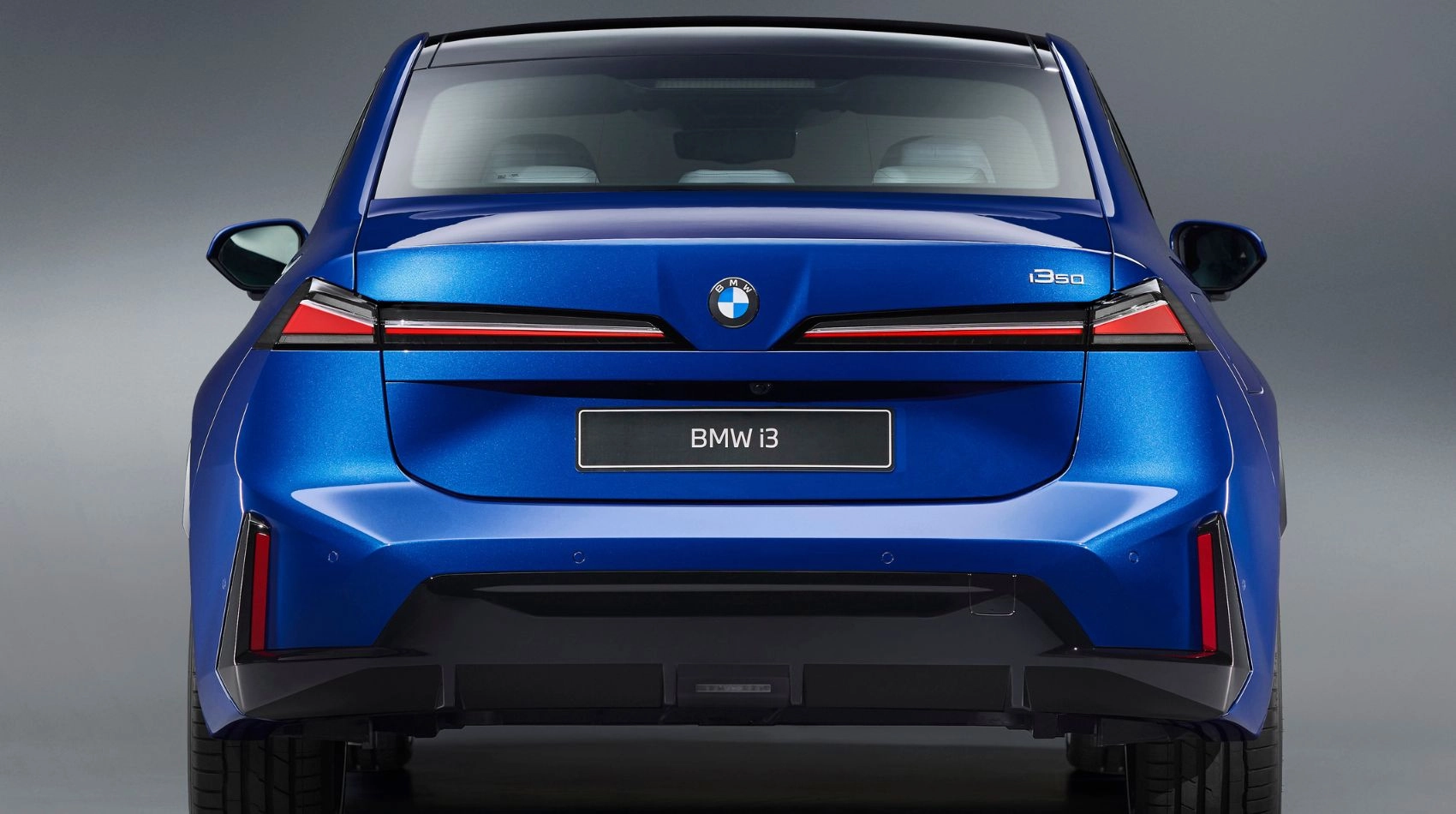
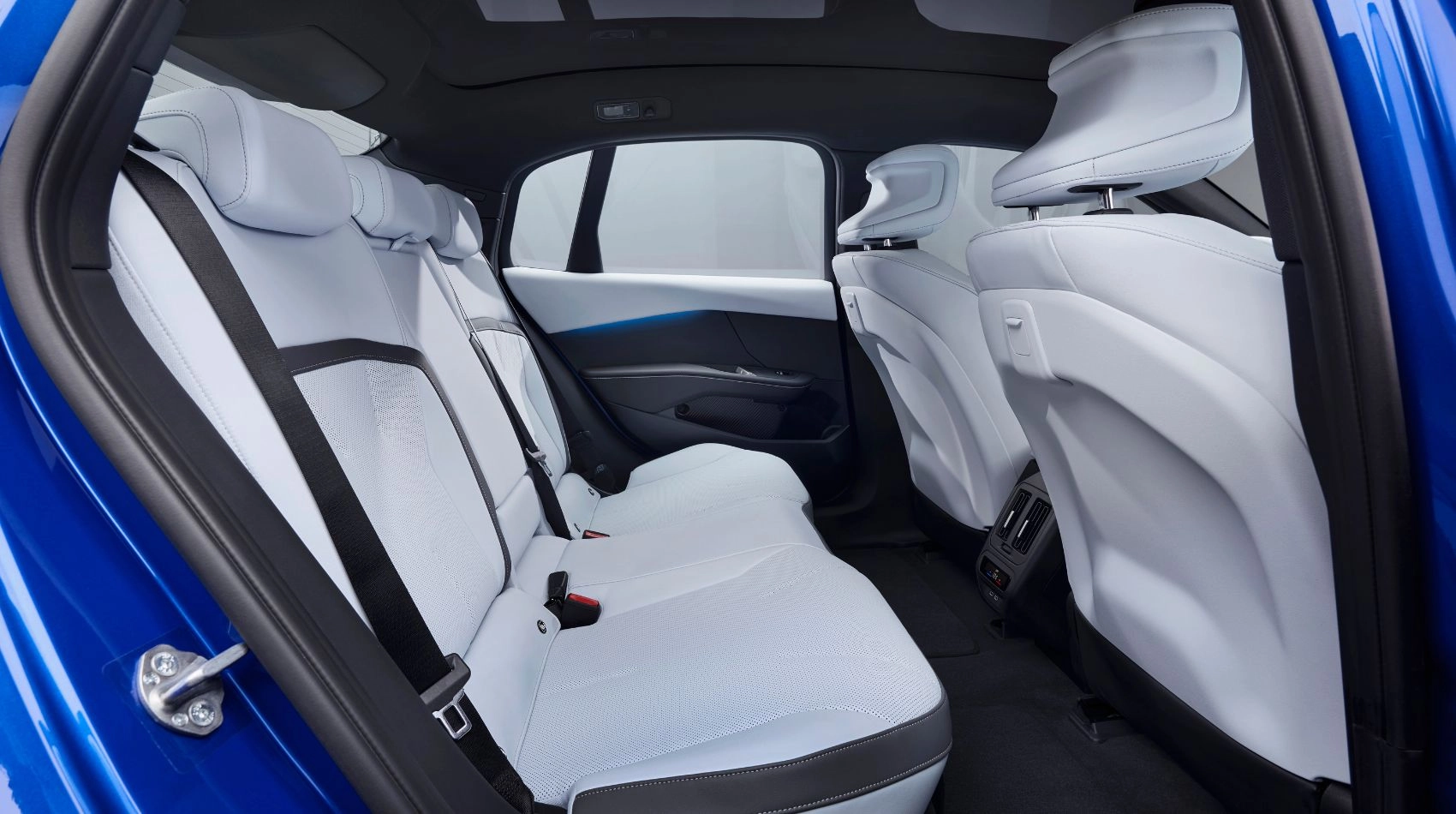
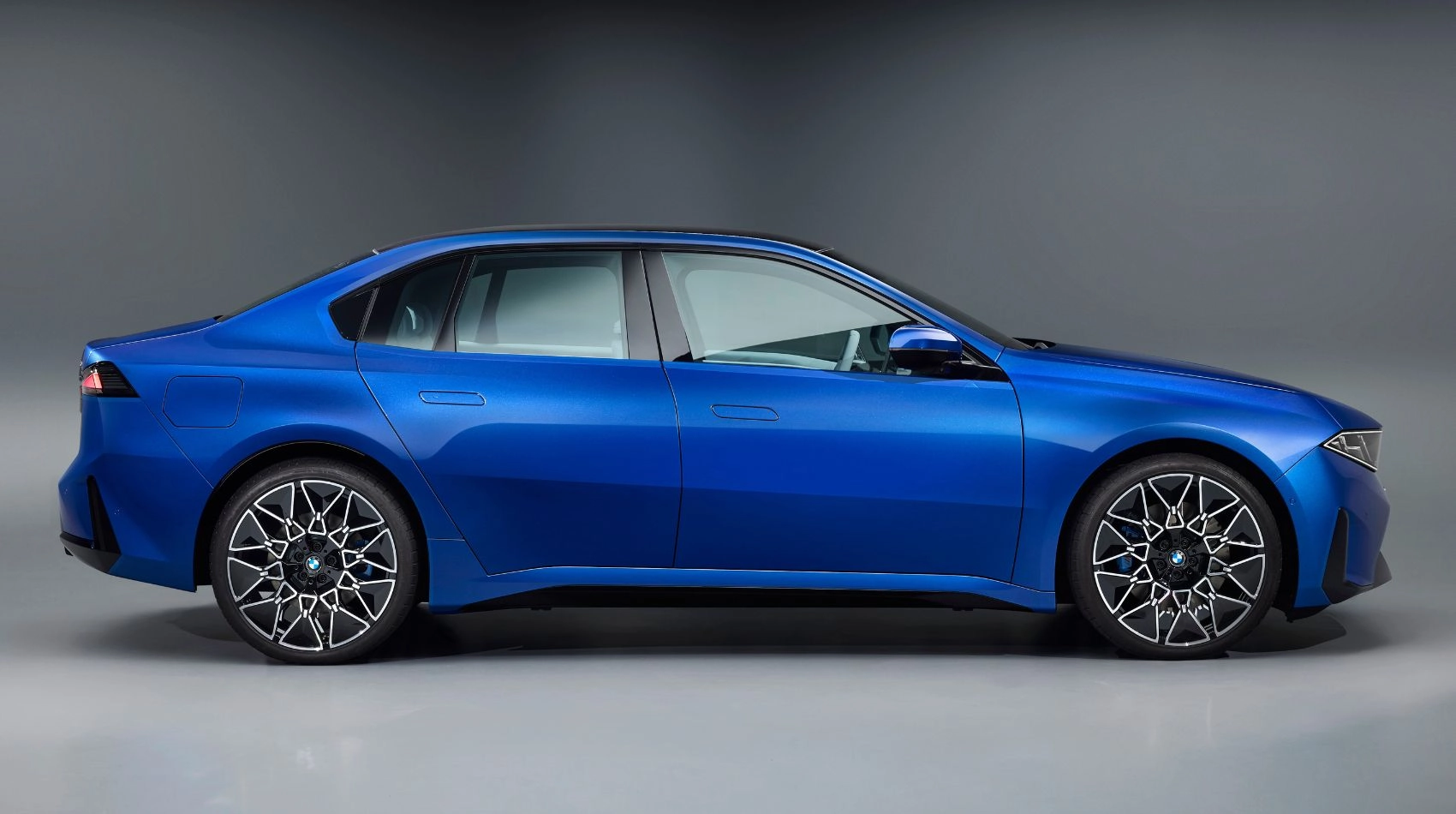
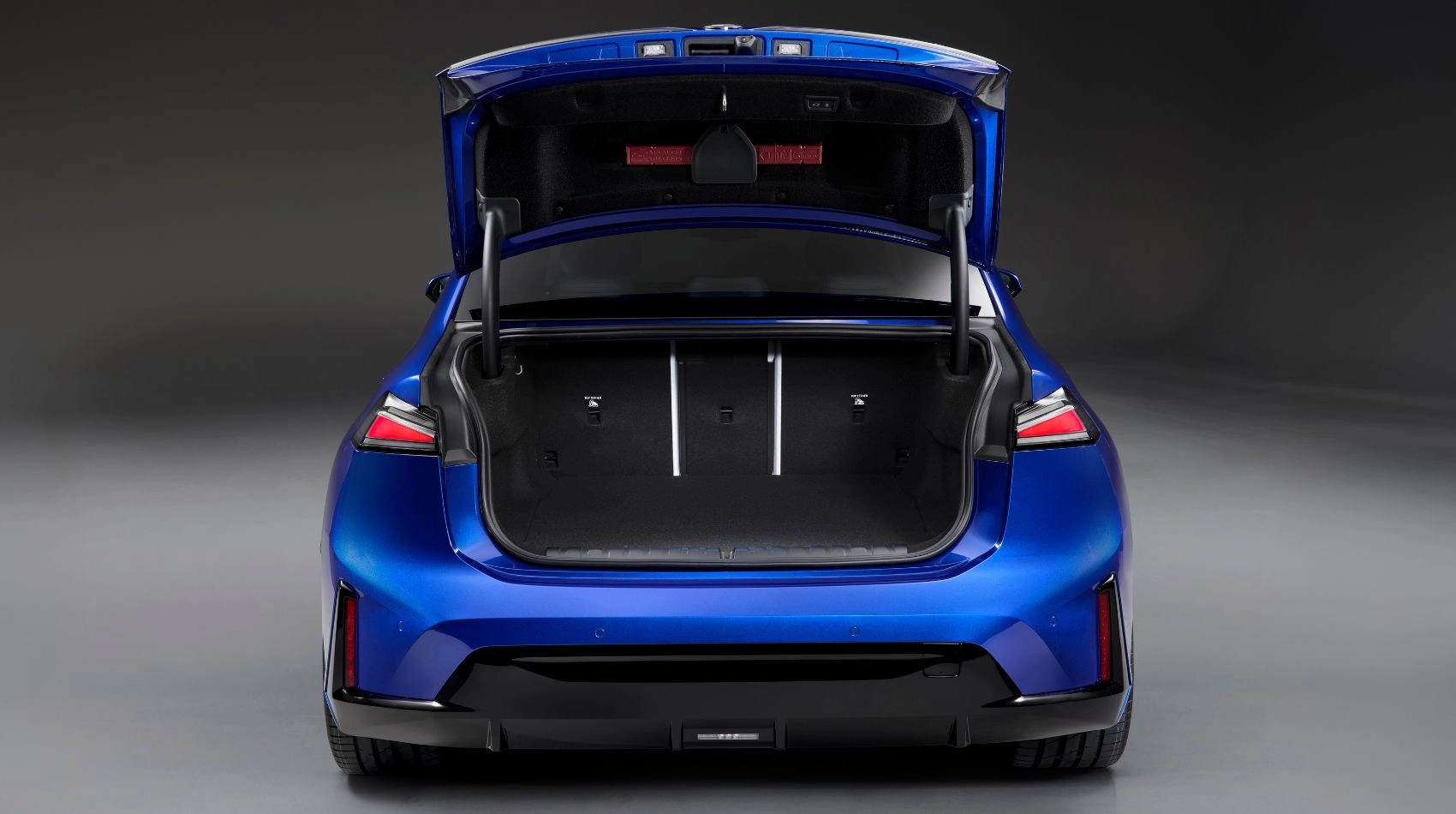
The new i3’s design is a stark departure from any 3 Series models we’ve seen before, because it is a ground-up EV and follows what BMW calls a 2.5 box design. The result is a stubby nose and an upright rear which makes it look compact, but it is actually a big car. Compared to the current-generation standard wheelbase 3 Series, the electric i3 is slightly larger in every direction. With a 4,760mm length, 1,865mm width, 1,480mm height, and 2,897mm wheelbase, it should have more interior space. Based on the Neue Klasse platform, it has an 800-volt electrical system that allows for much faster charging speeds. In ideal conditions, the car can handle charging rates of up to 400kW, this means you can add about 402km of range in just 10 minutes making it one of the quickest-charging EVs in its class!
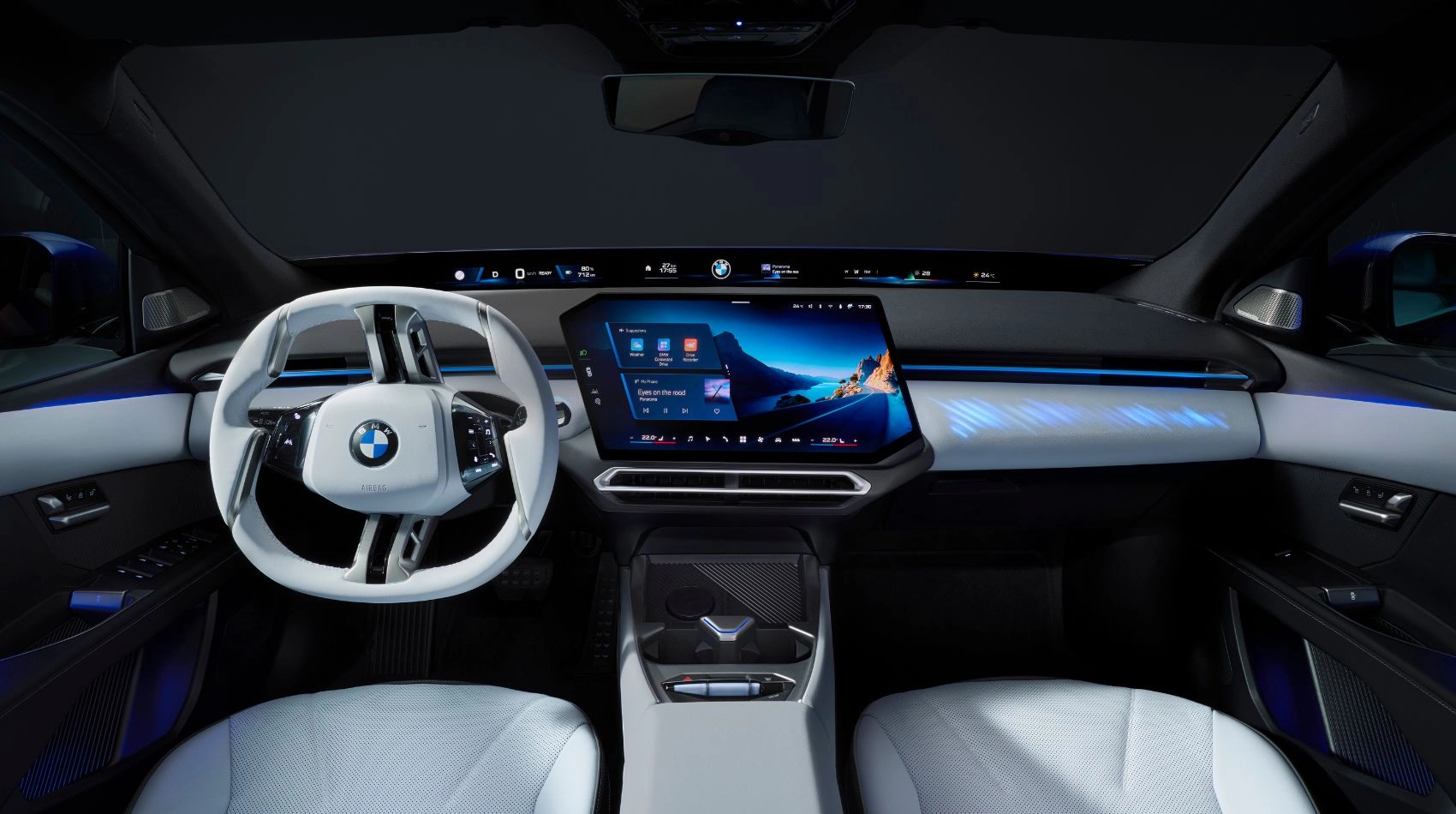
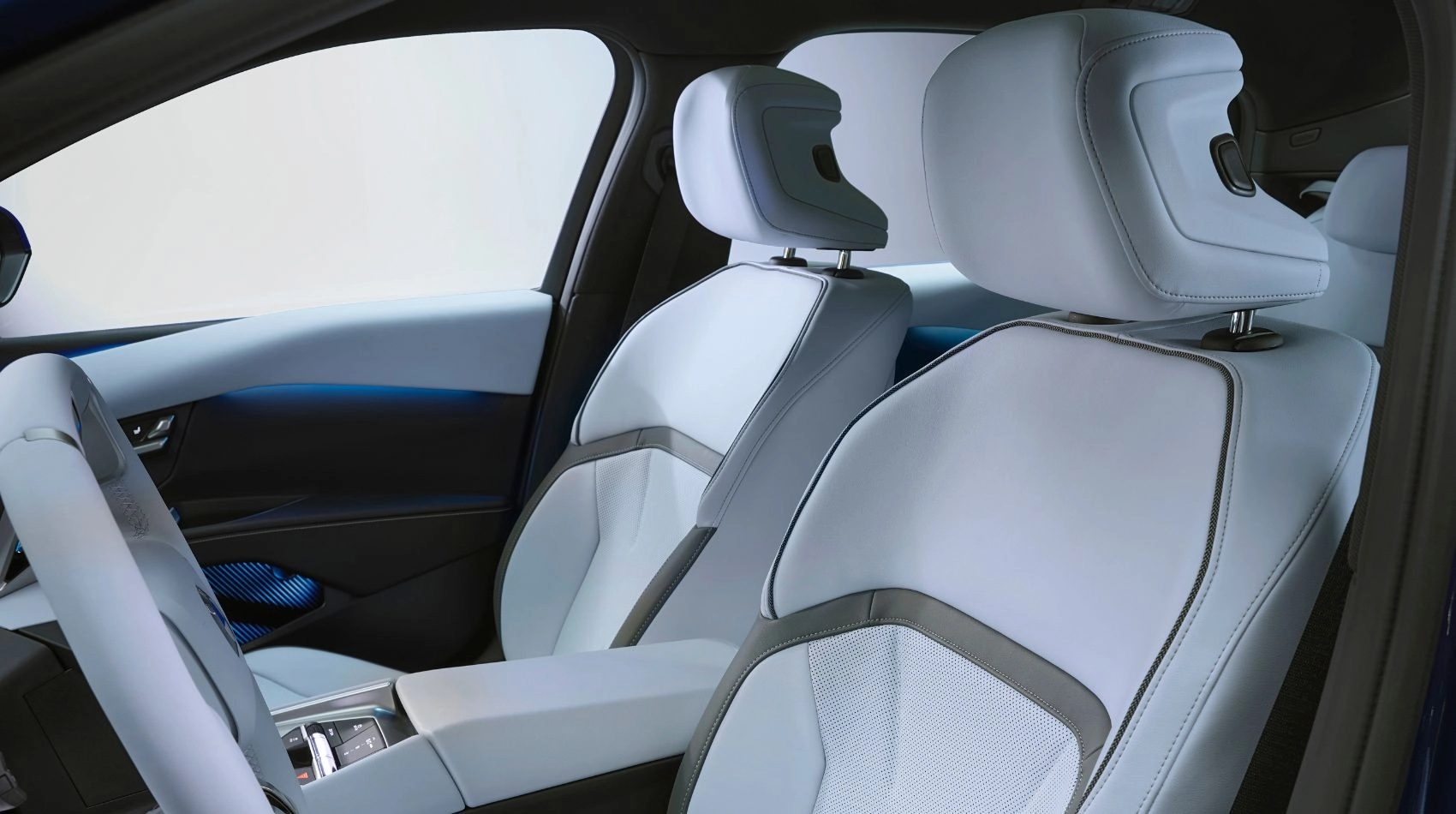
It features a reworked version of the brand’s signature kidney grille integrated into the wrap-around LED headlights, slimmer lighting elements and a more aerodynamic shape. Inside, the cabin is expected to showcase BMW’s latest technology, including a 17.9-inch parallelogram-shaped infotainment touchscreen, a full-width information display at the base of the windscreen, and a four-spoke steering wheel. The screen UI runs BMW’s latest Operating System X. The centre console houses the hazard lights buttons, defogger switches, the electronic parking brake, audio mute function, and a rotary drive selector. On the features front, it gets powered and ventilated front seats, multiple ambient lighting elements, Level 2 ADAS, a wireless charging pad, a new AI assistant, an optional 3D heads-up display, and more.
Power, performance and range
At launch, the i3 is expected to be offered in a 50 xDrive version featuring two electric motors and all-wheel drive. This setup produces around 463bhp and approximately 645Nm of torque, putting it close to the performance levels of today’s petrol-powered sports sedans. The battery pack is also a significant step forward. With a capacity of 108.7kWh and improved energy density courtesy of round cells occupying the battery pack, the i3 boasts a massive 900km claimed range – making it one of the longest-range electric cars, period.
BMW has also focused heavily on how the car drives. A new central control system, sometimes referred to as a “superbrain,” manages key functions such as power delivery, braking and energy recovery. This allows for quicker responses and smoother performance, especially when driving at higher speeds or through corners.
BMW is also working on a high-performance version of the i3, which will effectively serve as an electric alternative to the M3. This model is expected to arrive later and could feature a quad-electric-motor setup and significantly higher power output.
BMW will start producing the i3 from August 2026, with deliveries slated from autumn of this year in global markets. The India launch is yet to be confirmed.