The midsize SUV space in India isn’t just competitive anymore. It’s a warzone, frankly. Every carmaker wants a slice of it and every buyer walks in with high expectations and a long checklist. Thus, Maruti Suzuki has a purpose when it enters the battle with the new Victoris. As you might anticipate, Maruti is stating that it's time to take on the industry leaders head-on and do so with something modern, feature-rich, and pertinent to how India drives today. It is neither a half-step nor a placeholder.
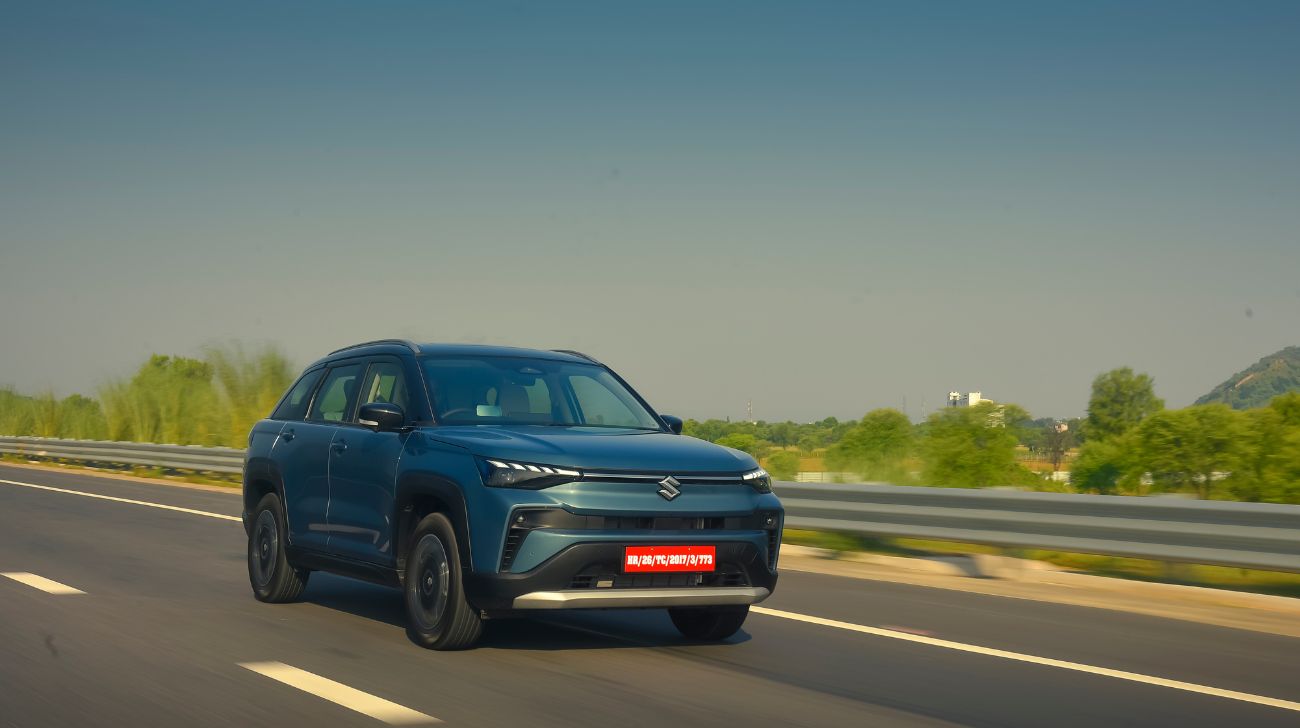
And first impressions count. The Victoris maintains proper stance and posture. The bright LED lighting signature, squared arches, and clean surfaces give it a confident appearance without resorting to aggression for the sake of it. Maruti has resisted the urge to overstyle it, and it works. It appears current enough to appeal to younger shoppers while being practical and proportioned enough for a family audience. It's the sort of design that grows on you over time, which is typically a good position to be in a market where visual fatigue is a genuine issue.
Job Done
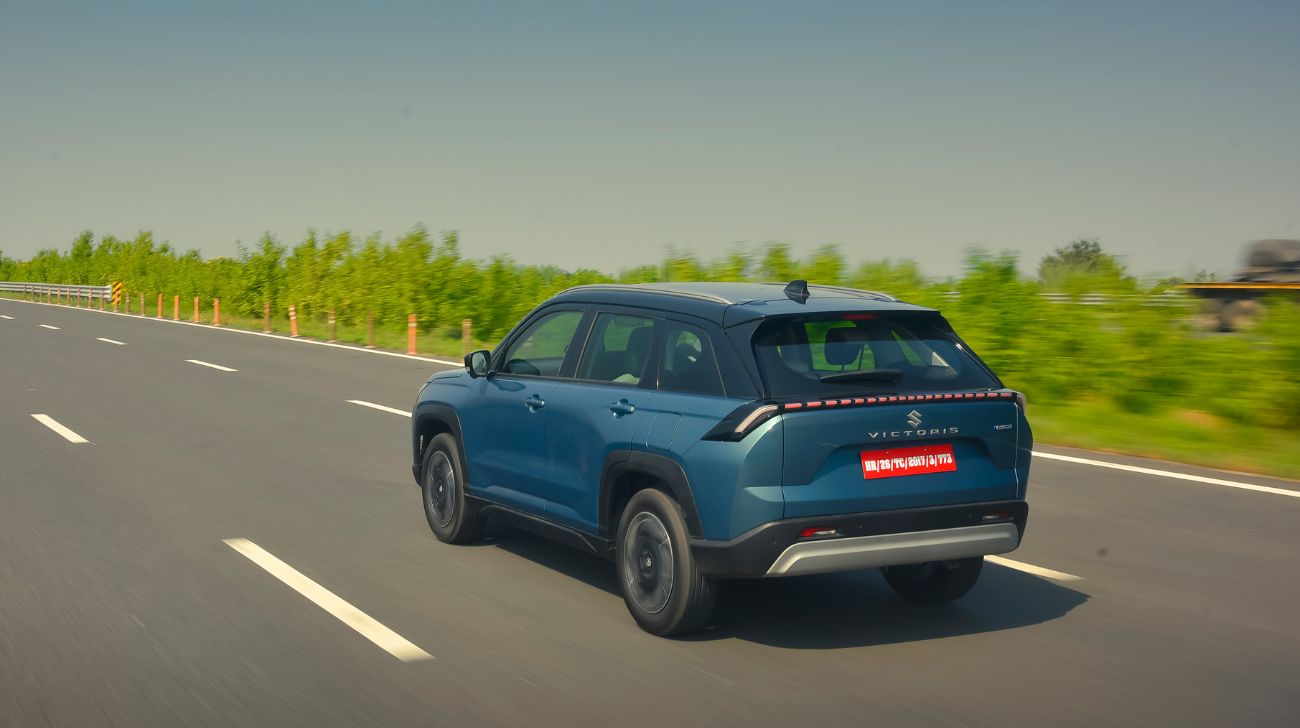
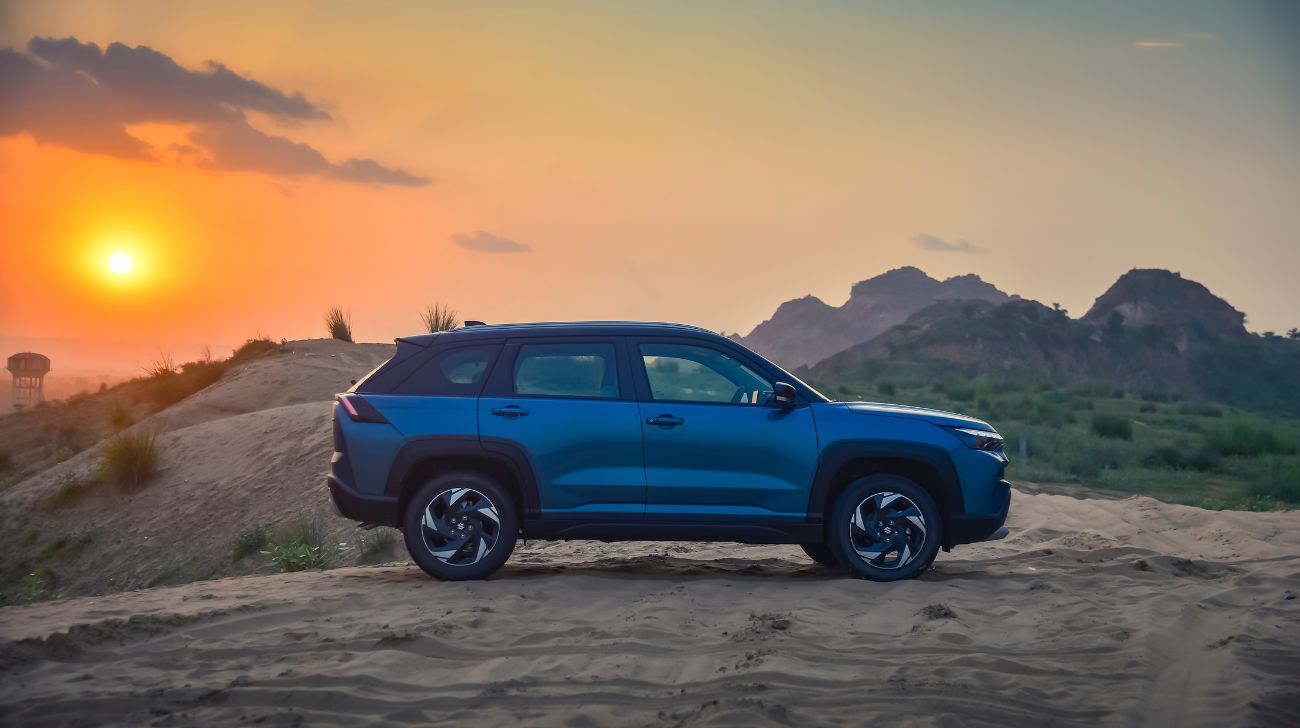
Look closely and you'll notice glimpses of the Brezza and the impending electric Vitara, but the Victoris retains its own individuality. The sloped rear window adds a coupe feel, and the black roof finish optically stretches the proportions. The 17-inch alloys strike a balance between ride comfort, efficiency, and strong road qualities. They appear to be too small for the arches, although this was most likely done to improve efficiency and ride comfort. In a car like this, priorities are important.
The dimensions place it exactly alongside the class benchmarks. It is 4,360mm long and has a wheelbase of 2,600mm, which puts it perfectly in the sweet spot. Large enough to appear significant while remaining compact enough to be suitable for urban living.
Familiar but Modern
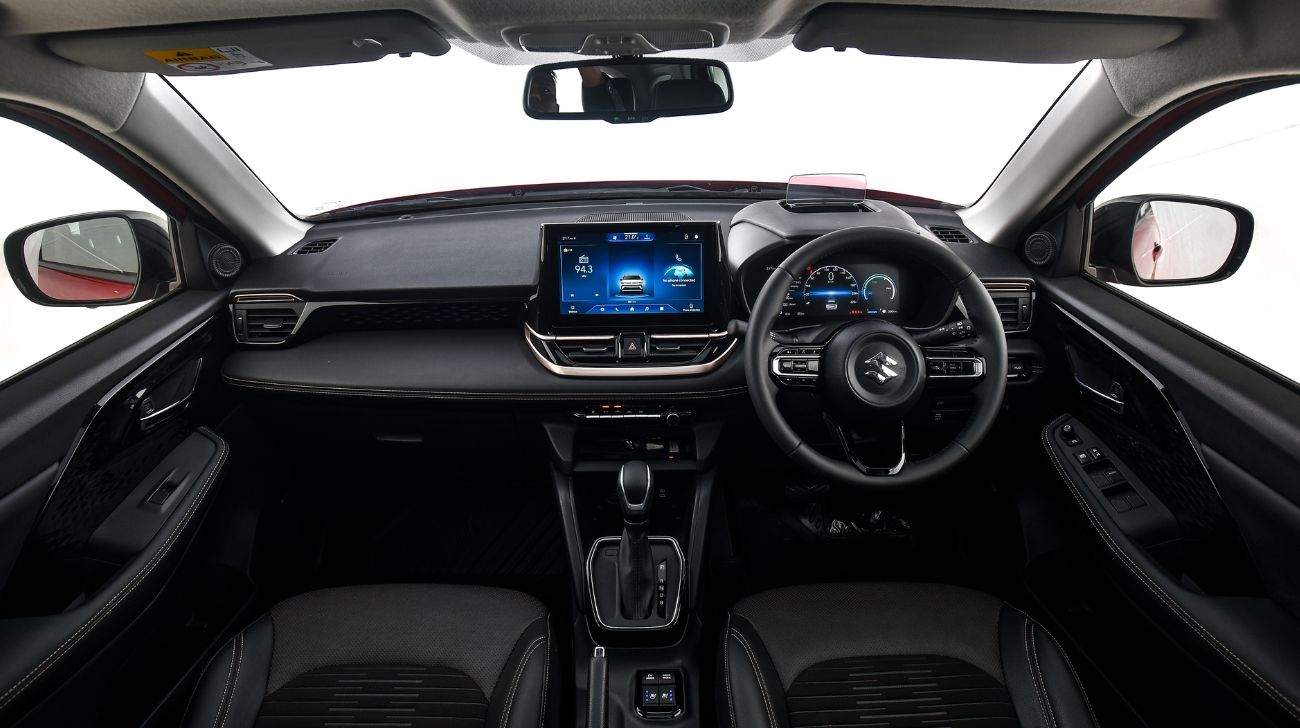
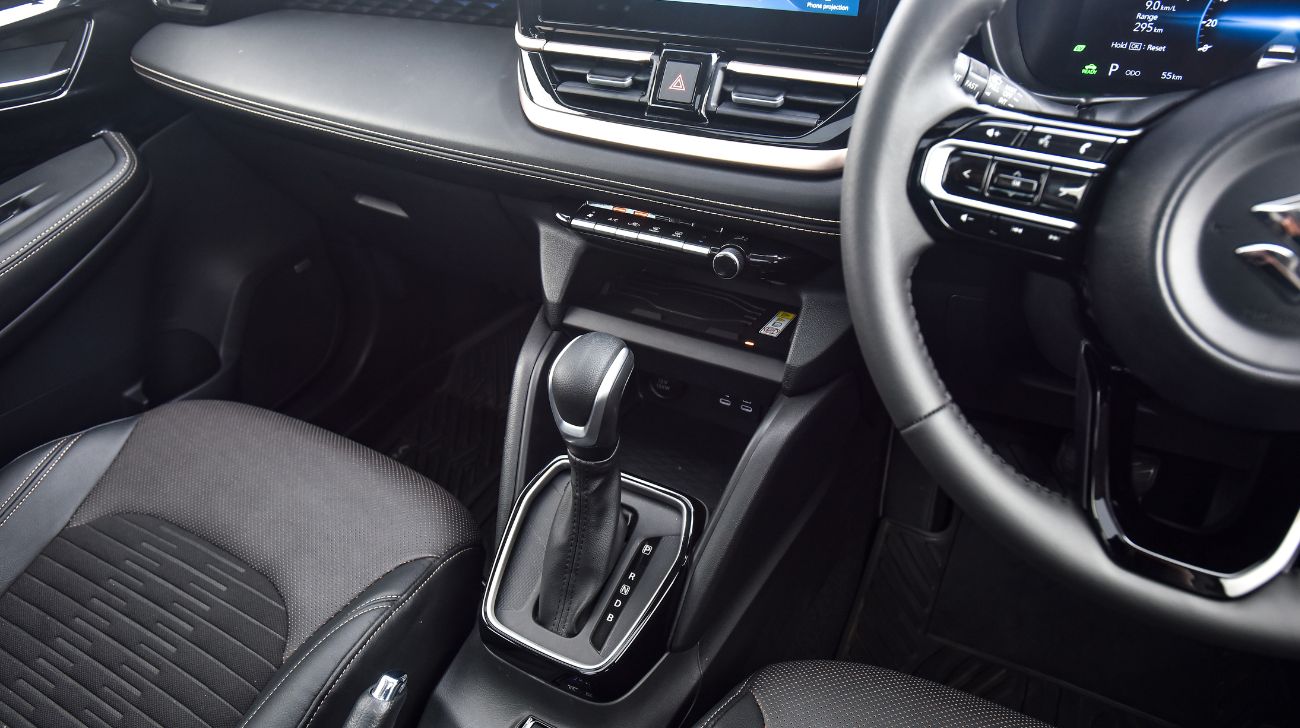
Step inside, and the Victoris immediately feels more premium than previous Marutis. The layered panel looks great, the ambient lighting adds mood without being gimmicky, and the physical climate control toggles are a welcome addition in a world full of touch-sensitive aggravation. The 10.1-inch infotainment screen is sharp, quick, and simple to use, and Maruti's new user interface feels more mature than previous versions.
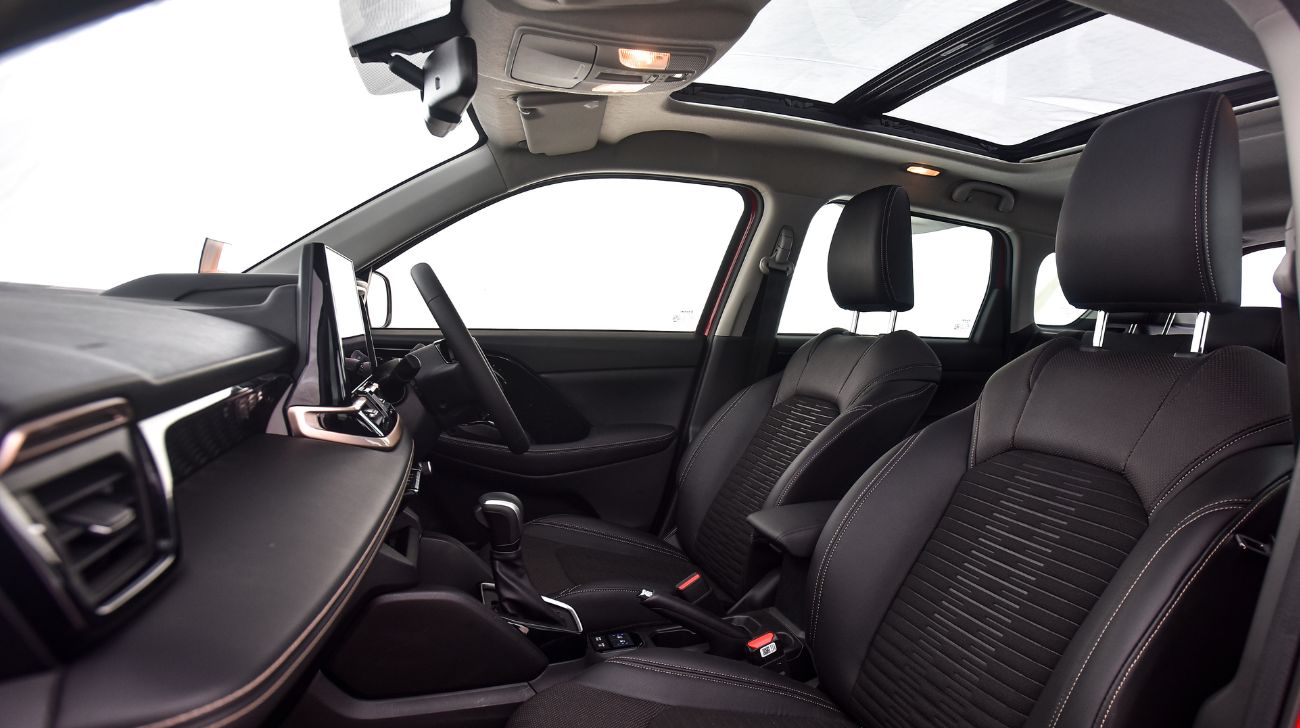
The instrument cluster is entirely digital, a first for Maruti, and the graphics are clear. The powerful hybrid versions have a black interior with rose gold accents, while the petrol and CNG variations have a lighter ivory-and-black colour scheme. Both feel thoughtfully crafted, albeit the lighter fabric will require more attention over time.
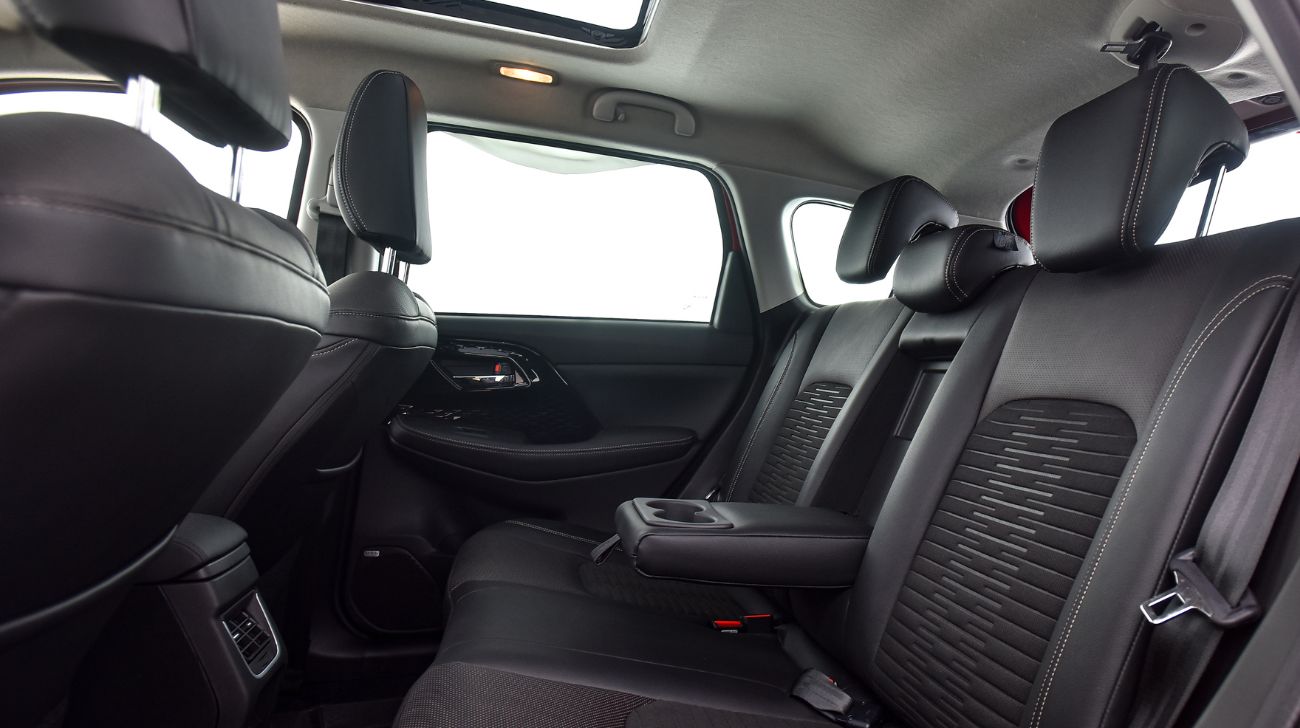
Front seats are cosy, supportive, and well-shaped for extended periods of use. The rear compartment is cosy and well-bolstered, making it suitable for two adults to travel comfortably. The panoramic sunroof and lofty seating definitely contribute to airiness.
Practicality is nicely handled, with usable compartments, bottle holders, and a wireless charging pad. Boot size varies depending on the engine; although the petrol version has the most usable volume, the strong hybrid's higher floor reduces usability. There is no spare wheel as normal, which may not appeal to traditional Indian purchasers, but an optional spare is available.
Maruti Goes All-In
This is unquestionably one of the most feature-rich Marutis ever sold. Ventilated front seats, a power driver seat, a head-up display, a 360-degree camera, a powered tailgate with gesture control and connected technology are all included. There is also an Infinity audio system that supports Dolby Atmos. It's decent, although audiophiles may like greater tonal richness.
With six airbags as standard, ISOFIX traction control, hill hold, and crucial Level 2 ADAS, safety is significantly improved. Adaptive cruise control, lane keep assist, and automated braking have been carefully calibrated for Indian circumstances. There are no hyperactive braking false alarms or obtrusive steering corrections. It feels practical rather than experimental, which is precisely how these systems should be.
With its 5-star Global NCAP and Bharat NCAP ratings, the Victoris enters an increasingly crucial space: a family SUV that takes safety seriously, rather than just as a marketing bullet point.
Choice Matters
The Victoris is not interested in outright performance. It focuses on improving efficiency and drivability. There are three engine options. A 1.5-litre petrol engine with mild hybrid technology is available with either a manual or a smooth 6-speed automatic gearbox. A CNG option for people who prioritise running expenses. And the powerful hybrid, which combines a 1.5-litre Atkinson-cycle engine with an electric motor to produce a combined 116bhp.
If you want the most comfortable and effortless experience, the strong hybrid is the one to go with. In EV mode, it drives away quietly and seamlessly switches between electric and petrol power. It's smooth and quiet, and it feels well-suited to urban and highway driving. The e-CVT operates silently in the background, while the electric motor provides rapid torque when needed.
The mild-hybrid petrol produces 103bhp and, while not lightning-fast, is enough for daily use. The torque converter automatic complements its laid-back nature, and Suzuki's AllGrip AWD system provides the Victoris with genuine capabilities when the roads become rough. The AWD system has three selectable modes: Snow Sport, Auto, and a Lock function that distributes torque evenly when needed. Nobody buys this to go rock crawling, but on damaged roads and steep inclines, it seems reassuringly competent.
A Strong Suit
Maruti claims up to 28.65kmpl from the strong hybrid, which will entice buyers into showrooms. Even the AWD petrol automatic achieves a remarkable 19.07kmpl thanks to low rolling resistance tyres and well-judged gearing. Petrol prices influence buying choices these days; efficiency is more like currency.
Balanced and Mature
The Victoris finds a sweet spot in its riding composition. It feels a little solid at low speeds, especially in the hybrid with the battery added weight, but it settles nicely as speeds increase. Highway stability is excellent, the steering is predictable, and body roll is effectively managed through turns. At higher speeds, minor tyre noise appears, although it does not interfere with refinement.
It is not the most exciting SUV to drive, but it is confidence-boosting and comfy. That is what most buyers care about.
Built for the Modern Indian
The Victoris is well-equipped, fairly priced, and aligned with what modern SUV customers desire. Efficient powertrains, solid hybrid technology, genuine safety credentials, and a lengthy feature list make it feel complete. Beyond the checklist, it feels like a car designed with the Indian consumer in mind, who appreciates technology, comfort, design, and a sense of modest achievement.
It carries Maruti's targeted message: taste, confidence, technology, and presence without flashiness. It's for someone who doesn't want their own car to be loud, but still wants it to be noticed by others. Someone who lives with technology leads with grace and values efficiency as much as experience. In that regard, the Victoris lives up to its reputation. A sophisticated SUV for contemporary India. And certainly, Maruti may have a winner on its hands.